Home Blog Page 127

Tinubu Celebrates Wife Oluremi at 66, Says ‘I Would Choose the Same Road That Led Me to You’

0


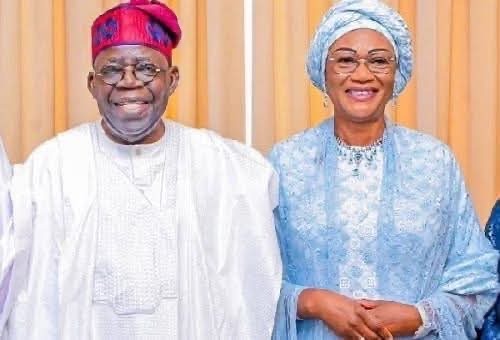
President Bola Tinubu has celebrated his wife, First Lady Oluremi Tinubu, on her 66th birthday, describing her as his “truest friend and confidante.”

In a birthday message issued on Monday, September 21, Tinubu praised Oluremi for standing by him with “patience, grace and uncommon courage” throughout their years together.

The President said his wife had supported him through difficult periods, noting that she remained calm and prayed with him whenever the future appeared uncertain.

He described Oluremi as a woman who understands him deeply and often knows when he needs counsel before he asks for it.

Tinubu also commended her honesty, saying she speaks the truth plainly, including on occasions when he may not want to hear it.

He acknowledged her role in raising their children and grandchildren, saying they had grown under the influence of her prayers, faith and values of kindness.

The President further praised Oluremi’s humanitarian activities, referencing her work through the New Era Foundation and the Renewed Hope Initiative, which he said had touched the lives of young people, widows, elderly citizens and women farmers.

He also highlighted her advocacy for people affected by tuberculosis and other diseases, describing her compassion as extending beyond tribal, regional and religious boundaries.

Reflecting on their marriage, Tinubu said their journey had been marked by difficult decisions, sacrifices, laughter and prayer.

“If life returned me to the beginning, I would choose the same road that led me to you,” the President said.

Tinubu wished his wife a happy 66th birthday and prayed that God would grant her many more years in good health and joy.

ICT Experience Centre: TETFund’s train lands in KWASU

0

• Will land in Kaduna, Taraba, other institutions soon

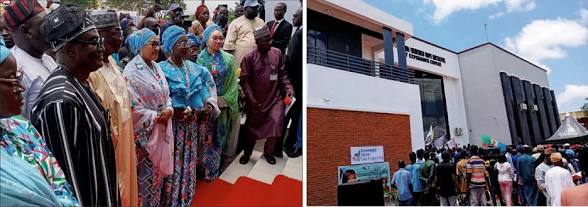
The digital transformation train of Nigeria’s tertiary education sector has berthed at Kwara State University (KWASU), Malete, Kwara State, with the inauguration of a multimillion-naira ICT Experience Centre designed to expose students and lecturers to emerging technologies, and provide a platform for learning, research, creativity and innovation.
The facility, delivered through the partnership between the Tertiary Education Trust Fund (TETFund) and the Renewed Hope Initiative (RHI), was part of a broader intervention aimed at taking Nigerian tertiary institutions into the digital age.

Its commissioning by the First Lady, Senator Oluremi Tinubu, represented by the wife of the Vice President, Hajia Nana Shettima, has also opened another chapter in the Federal Government’s effort to expand access to technology and digital skills among young Nigerians.

The First Lady disclosed that the ICT Experience Centre programme was being extended to 15 additional tertiary institutions across the country, with construction already ongoing in Adamawa, Bayelsa, Borno, Delta, Edo, Enugu, Imo, Katsina, Nasarawa, Niger, Ondo, Osun, Rivers, Yobe and Zamfara states.

For TETFund, the KWASU facility is not simply another physical structure but part of a deliberate intervention to equip Nigerian students and lecturers with skills required to remain relevant in a rapidly changing technological environment.

A CENTRE BUILT AROUND OPPORTUNITY

Speaking at the commissioning, the First Lady described the KWASU centre as a symbol of opportunity, innovation, knowledge and hope for young people in Kwara State and beyond.

“The centre we are commissioning today represents opportunity, innovation, knowledge and hope for the future of young people in Kwara State and beyond,” she said.

The First Lady said the initiative demonstrated the Federal Government’s commitment to advancing education and digital inclusion, in line with the Renewed Hope Agenda’s emphasis on youth empowerment, education, innovation and economic transformation.

“The facility itself reflects that objective. Designed as a modern technology centre, it is equipped with ICT laboratories, interactive digital displays, conference facilities and exhibition spaces.

“These facilities are expected to create an environment where students can learn beyond conventional classroom instruction, experience deeper interactions with technology, explore ideas and develop solutions,” she said.

The President’s wife noted that KWASU was one of six tertiary institutions initially selected for the pilot phase of the programme, with one institution representing each of Nigeria’s six geopolitical zones.

“The pilot scheme was conceived as a way of ensuring that the benefits of the intervention were distributed across the country, rather than concentrated in one region. But with the subsequent expansion to 15 more institutions, the digital intervention is now moving beyond the initial pilot beneficiaries,” she said.

TETFUND’S N1BN-PER-CENTRE INTERVENTION

The Executive Secretary of TETFund, Arc Sonny Echono, represented at the event by the Director of Monitoring and Evaluation, Arc Olajide Babatunde, stated that the scale of the intervention is reflected in the resources committed to it.

He disclosed that the TETFund Board had approved an ICT Experience Centre for each of the six geopolitical zones. Each centre, he said, was being delivered at an estimated cost of about N1 billion.

“The investment underscores the importance being attached to digital infrastructure as part of TETFund’s intervention in the tertiary education sector,” he explained.

Echono explained that the centres were designed specifically to equip students and lecturers with critical digital skills in emerging fields, including artificial intelligence, cybersecurity, robotics and software development.

“As technology continues to transform economies, the Board of Trustees recognised the need to align Nigeria’s education system with emerging global technology and industrial standards,” he said.

The intervention, therefore, was designed not merely to provide computers and other ICT equipment but to create spaces where beneficiaries can acquire practical competencies and understand how emerging technologies can be applied to real-world challenges.

FROM AI TO AGRICULTURE, HEALTHCARE, SECURITY

TETFund said the potential application of the facilities extend well beyond the walls of the university, stressing that beneficiaries will be exposed to contemporary technologies and their applications across sectors including security, agriculture, healthcare, media and mining.

“That broad application is significant because technology is increasingly becoming a common denominator across virtually every aspect of economic and social development.

“A student interested in software development could use the facility to acquire practical skills; another student interested in artificial intelligence could explore its applications; researchers could also use the environment to develop new ideas; while entrepreneurs could use the knowledge and facilities to turn ideas into products and services.

“The ultimate expectation is that such exposure will enhance graduate employability while also encouraging innovation,” Echono said.

For TETFund, the project represents another dimension of its intervention mandate, providing infrastructure that does not merely support education but also contributes to the development of the human capital needed to drive the economy.

Echono, however, described the KWASU centre as one of the foremost ICT Experience Centres being delivered across the country and the third to be commissioned in 2026.

“The facility is appropriately furnished and fully air-conditioned, with supporting power and municipal infrastructure. Beyond providing the equipment, it offers a conducive environment for acquiring practical competencies, exploring ideas and developing innovative solutions,” he said.

FROM PILOT PHASE TO NATIONAL EXPANSION

The KWASU commissioning also provided an indication of the direction of the programme.

The First Lady reiterated that the Federal Government had already commenced construction of similar facilities in 15 other states, thus signalling an expansion that will take the intervention to more tertiary institutions.

The states are Adamawa, Bayelsa, Borno, Delta, Edo, Enugu, Imo, Katsina, Nasarawa, Niger, Ondo, Osun, Rivers, Yobe and Zamfara.

She also disclosed that a few centres had already been commissioned in other geopolitical zones, while those at Kaduna State University and Taraba State University would soon be commissioned.

“The spread of the programme was intended to increase the number of young Nigerians who can access modern digital infrastructure within their institutions.

“For a country with a large and youthful student population, expanding such opportunities could provide more students with exposure to technologies that are rapidly changing the nature of work,” she said

The First Lady, however, maintained that the intervention reflects the Federal Government’s broader emphasis on digital inclusion, ensuring that students are not left behind as technology increasingly determines opportunities in education, employment and entrepreneurship.

She told the students that, “this centre has been established for you. At the heart of the programme are you, the students. So, take ownership of the facility and make maximum use of the opportunities it provides. This centre was built and equipped to help you learn, innovate, develop solutions and unlock your full potential,” she said.

She challenged them to use technology positively to transform their lives, communities and Nigeria. “The centre is expected to become a place where students experiment, acquire skills, collaborate, conduct research and develop ideas that could eventually translate into solutions to societal problems. That responsibility also extends to the university management.”

Echono thus urged KWASU management to take full ownership of the facility, ensure that its equipment was properly maintained and secured, and regularly update it in line with technological advancements.

The emphasis on maintenance is important because technology infrastructure can rapidly become obsolete without continuous upgrades.

AN INVESTMENT IN THE FUTURE OF NIGERIA

For KWASU, the arrival of the ICT Experience Centre represents a major addition to the university’s academic and technological infrastructure.

The Vice-Chancellor, Prof. Shaykh-Luqman Jimoh, described the centre as a strategic investment in human capital, innovation and entrepreneurship.

He said the facility represented vision, belief and an investment in the Nigerian youth to better shape the future of our nation.

Jimoh expressed appreciation to the First Lady for facilitating the intervention, saying the project demonstrated that the Federal Government recognised the potential of Nigerian students and was prepared to invest in the knowledge, skills and technologies required to enable them compete in a rapidly changing world.

“This centre is an investment in human capital, in innovation, in entrepreneurship, and most importantly, it is an investment in the future of Nigeria,” he said.

The Vice-Chancellor assured that the university would put the facility to maximum use for the benefit of students, researchers and the wider university community. “We will use it, we will explore it, experiment in it, learn and innovate in it,” he said.

With TETFund committing about N1 billion to each of the six geopolitical-zone centres and the Federal Government expanding the programme to 15 additional institutions, the digital transformation train is clearly gathering momentum.

For KWASU, the train has now arrived. The task ahead is to ensure that students and researchers climb aboard and make the most of the opportunities it brings.

Sun

TAJBank CEO wins global banking honour

0

For his sustained commitment to Islamic banking best practices and people-oriented strategies in deepening non-interest products and services at the grassroots, the Global Islamic Finance Awards (GIFA) organisation has conferred the ‘Islamic Banker of the Year Award 2026’ on the Founder/Managing Director of TAJBank Limited, Mr. Hamid Joda, at the organisation’s 16th annual awards ceremony held in the United Kingdom.

This is even as the GIFA group, the most renowned global organization promoting social responsibility, Shari’a authenticity, and commitment to Islamic banking and finance, also honoured TAJBank Limited with the GIFA Championship Award (Digital Banking) 2026 at the event.

The GIFA Chairman, Prof. Humayon Dar, in a pre-event email sent to the TAJBank’s Managing Director, stated the awards for him and the bank were conferred on them after the GIFA Committee had “considered a number of distinguished nominees in these categories and, after careful deliberation, decided in favour of TAJBank and Yourself based on various factors outlined in the GIFA Methodology.”

Conferring the ‘Banker of the Year Award 2026’ on Mr. Joda, who was represented at the ceremony by TAJBank’s Chief Compliance Officer (CCO), Dr. Muhammad Kabir Muhammad, the Founding CEO of Fajr Capital; Pioneer CEO of HSBC Amanah and a member of the GIFA committee, Dato’ Iqbal Khan, expressed the organisation’s delight in honouring the banker with the award.

Similarly, Iqbal Khan, described the award to TAJBank as well deserved given the parameters set for such awards in the GIFA Methodology.

Commenting on global recognition of his contributions to the global Islamic Banking system, particularly to Nigeria’s through innovative leadership of the TAJBank’s management team, Joda said the awards to him and TAJBank represented a call for “a renewed commitment to Islamic banking practices in the country as we continue to leverage our innovative products and services delivery strategies to ensure that more Nigerians benefit from TAJBank’s offerings on a sustainable basis in the years ahead.

“Let me say that the Global Islamic Banker Of the Year 2026 award is conferred on me but the commendation goes to our Board of Directors, the management and staff of TAJBank as well as our customers, who are creating the enabling environment for my performance. I thank the GIFA Committee for honouring me and TAJBank with the global awards.”

“I want to also thank the regulatory authorities, our shareholders and customers for these awards and promise them that we shall continue to do our best to retain TAJBank as the biggest Islamic Bank in the country by complying with the best ethical banking practices in their best interest, which is the main purpose of our operations”, Joda assured.

Joda, a top banker and Fellow of the Chartered Institute of Bankers of Nigeria (CIBN), has over 26 years of banking experience spanning the broad spectrum of deposit and Islamic banking operations.

In recognition of his professional competencies, many rating organisations have conferred him honours, including the ‘Most Promising Banker of the Year Award by GIFA at its 13th Award 2023 ceremony in Dakar, Senegal; and the 2023 ‘Islamic Personality of the Year Award’ at the 6th African International Conference of Islamic Finance held the same year in Abuja, Nigeria; among others.

Sun

NPA handles 2,300 ships, records 12.2% cargo growth in 6 months

0

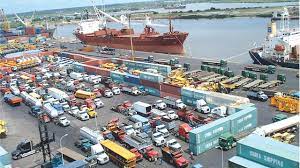
The Nigerian Ports Authority (NPA) handled 2,300 ships across the country’s ports in the first half of 2026, representing a 6.9 per cent increase over the 2,152 ships recorded during the corresponding period in 2025.

The NPA Managing Director, Abubakar Dantsoho, disclosed this on Thursday at the quarterly meeting of the Nigerian Ports Consultative Council (NPCC) in Lagos.

The meeting, themed, “Simplifying Cross-Border Trade and Enhancing Ease of Doing Business at Our Ports,” brought together stakeholders to discuss measures for improving port efficiency and strengthening Nigeria’s maritime sector.

Represented by the NPA Principal Manager, Statistics, Mrs Okenwa Igwebuike, Dantsoho said the Gross Registered Tonnage (GRT) of vessels handled rose by 20.9 per cent to 96.6 million, compared with 79.9 million in the first half of 2025.

He attributed the increase largely to improved activities at Lekki and Onne ports.

According to him, total cargo throughput across the nation’s ports rose from 60.8 million metric tonnes in H1 2025 to 68.2 million tonnes during the period under review, representing a 12.2 per cent year-on-year growth.

He said inward cargo increased to 38.4 million tonnes from 36.3 million tonnes, while outward cargo rose by 23.5 per cent to 29.2 million tonnes.

The NPA boss said Lekki Port accounted for nearly 40 per cent of national cargo throughput, with operations linked to the Dangote Refinery contributing more than 76 per cent of the port’s cargo traffic.

Onne Port contributed 22.7 per cent, supported by liquefied natural gas (LNG) exports, while Calabar and Rivers ports jointly accounted for slightly above four per cent.

Dantsoho also disclosed that container traffic increased by 10.3 per cent to 815,236 twenty-foot equivalent units (TEUs), from 739,142 TEUs recorded in H1 2025.

Imports accounted for 546,755 TEUs, representing 67 per cent of total container traffic, while container exports stood at 203,980 TEUs, or 25 per cent.

He said transshipment traffic surged by 169.5 per cent to 35,574 TEUs, although the segment still accounted for only four per cent of total container throughput.

Vehicle handling also recorded significant growth during the period, rising by 42.5 per cent to 103,375 units from 72,568 units in the corresponding period of 2025.

The increase was attributed largely to transshipment operations at the Ports and Terminals Multiservices Limited (PTML) facility at Tin Can Island Port.

Despite the growth in port activity, Dantsoho said vessel turnaround time increased by six per cent from five days to 5.3 days, while overall berth occupancy rose by 3.1 per cent to 36.1 per cent.

He described the Dangote Refinery as a “game changer” for port operations, noting that its planned expansion to 1.4 million barrels per day would require additional infrastructure investment and a balanced tariff policy across the country.

Dantsoho linked the rise in container traffic to increased industrial activities and relative economic stability, while describing the performance of Onne Port as a positive development for more balanced utilisation of Nigeria’s ports.

He, however, expressed concern over the limited contribution of transshipment and the absence of transit cargo, saying these highlighted the sector’s continued dependence on captive cargo.

According to him, developing transit cargo to landlocked neighbouring countries is essential for Nigeria to achieve its ambition of becoming a regional maritime hub.

The NPA managing director identified inadequate funding as a major challenge affecting the Authority’s ability to respond promptly to operational emergencies.

He said the Federal Government’s 50 per cent automatic deduction from government-owned enterprises was limiting the NPA’s financial capacity.

Dantsoho therefore called for stakeholders’ support in engaging the Federal Government on an 80:20 revenue-sharing arrangement in favour of the NPA.

He also stressed the need for continued collaboration among stakeholders to support port reconstruction and modernisation projects aimed at improving operational efficiency.

Meanwhile, stakeholders at the meeting highlighted digitalisation, improved cargo evacuation and stronger inter-agency cooperation as measures for enhancing the ease of doing business at the ports.

The Managing Director of the Nigerian Railway Corporation (NRC), Dr Kayode Opeifa, said freight operations at Ijora, Moniya and Papalanto were nearing completion.

He said the projects would improve cargo evacuation from the ports and strengthen connections with inland dry ports.

Opeifa added that the NRC was expanding standard and narrow-gauge rail services linking Apapa, Tin Can Island and Lekki ports to inland locations.

According to him, increased rail freight operations would reduce the number of trucks on the Apapa-Oshodi corridor, ease congestion and lower logistics costs.

The developments, he said, would support more efficient cargo movement and improve the competitiveness of Nigeria’s port system.

Sun

NPA handles 2,300 ships, records 12.2% cargo growth in 6 months

0


The Nigerian Ports Authority (NPA) handled 2,300 ships across the country’s ports in the first half of 2026, representing a 6.9 per cent increase over the 2,152 ships recorded during the corresponding period in 2025.

The NPA Managing Director, Abubakar Dantsoho, disclosed this on Thursday at the quarterly meeting of the Nigerian Ports Consultative Council (NPCC) in Lagos.

The meeting, themed, “Simplifying Cross-Border Trade and Enhancing Ease of Doing Business at Our Ports,” brought together stakeholders to discuss measures for improving port efficiency and strengthening Nigeria’s maritime sector.

Represented by the NPA Principal Manager, Statistics, Mrs Okenwa Igwebuike, Dantsoho said the Gross Registered Tonnage (GRT) of vessels handled rose by 20.9 per cent to 96.6 million, compared with 79.9 million in the first half of 2025.

He attributed the increase largely to improved activities at Lekki and Onne ports.

According to him, total cargo throughput across the nation’s ports rose from 60.8 million metric tonnes in H1 2025 to 68.2 million tonnes during the period under review, representing a 12.2 per cent year-on-year growth.

He said inward cargo increased to 38.4 million tonnes from 36.3 million tonnes, while outward cargo rose by 23.5 per cent to 29.2 million tonnes.

The NPA boss said Lekki Port accounted for nearly 40 per cent of national cargo throughput, with operations linked to the Dangote Refinery contributing more than 76 per cent of the port’s cargo traffic.

Onne Port contributed 22.7 per cent, supported by liquefied natural gas (LNG) exports, while Calabar and Rivers ports jointly accounted for slightly above four per cent.

Dantsoho also disclosed that container traffic increased by 10.3 per cent to 815,236 twenty-foot equivalent units (TEUs), from 739,142 TEUs recorded in H1 2025.

Imports accounted for 546,755 TEUs, representing 67 per cent of total container traffic, while container exports stood at 203,980 TEUs, or 25 per cent.

He said transshipment traffic surged by 169.5 per cent to 35,574 TEUs, although the segment still accounted for only four per cent of total container throughput.

Vehicle handling also recorded significant growth during the period, rising by 42.5 per cent to 103,375 units from 72,568 units in the corresponding period of 2025.

The increase was attributed largely to transshipment operations at the Ports and Terminals Multiservices Limited (PTML) facility at Tin Can Island Port.

Despite the growth in port activity, Dantsoho said vessel turnaround time increased by six per cent from five days to 5.3 days, while overall berth occupancy rose by 3.1 per cent to 36.1 per cent.

He described the Dangote Refinery as a “game changer” for port operations, noting that its planned expansion to 1.4 million barrels per day would require additional infrastructure investment and a balanced tariff policy across the country.

Dantsoho linked the rise in container traffic to increased industrial activities and relative economic stability, while describing the performance of Onne Port as a positive development for more balanced utilisation of Nigeria’s ports.

He, however, expressed concern over the limited contribution of transshipment and the absence of transit cargo, saying these highlighted the sector’s continued dependence on captive cargo.

According to him, developing transit cargo to landlocked neighbouring countries is essential for Nigeria to achieve its ambition of becoming a regional maritime hub.

The NPA managing director identified inadequate funding as a major challenge affecting the Authority’s ability to respond promptly to operational emergencies.

He said the Federal Government’s 50 per cent automatic deduction from government-owned enterprises was limiting the NPA’s financial capacity.

Dantsoho therefore called for stakeholders’ support in engaging the Federal Government on an 80:20 revenue-sharing arrangement in favour of the NPA.

He also stressed the need for continued collaboration among stakeholders to support port reconstruction and modernisation projects aimed at improving operational efficiency.

Meanwhile, stakeholders at the meeting highlighted digitalisation, improved cargo evacuation and stronger inter-agency cooperation as measures for enhancing the ease of doing business at the ports.

The Managing Director of the Nigerian Railway Corporation (NRC), Dr Kayode Opeifa, said freight operations at Ijora, Moniya and Papalanto were nearing completion.

He said the projects would improve cargo evacuation from the ports and strengthen connections with inland dry ports.

Opeifa added that the NRC was expanding standard and narrow-gauge rail services linking Apapa, Tin Can Island and Lekki ports to inland locations.

According to him, increased rail freight operations would reduce the number of trucks on the Apapa-Oshodi corridor, ease congestion and lower logistics costs.

The developments, he said, would support more efficient cargo movement and improve the competitiveness of Nigeria’s port system.

Sun

Mikano Motors targets SKD-to-CKD transition, seeks increased patronage of Changan, Maxus vehicles

0

…applauds NADDC

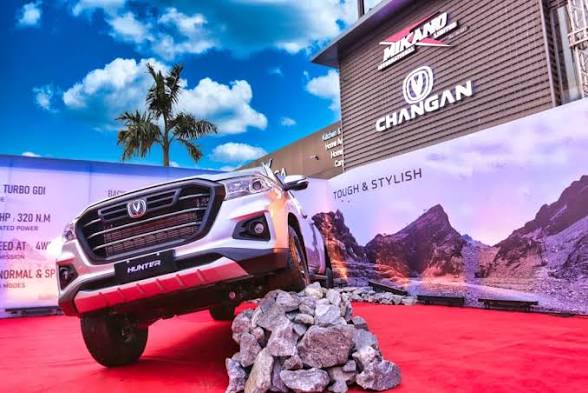
Mikano Motors, one of Nigeria’s fastest-growing auto assembly and marketing companies, has disclosed plans to migrate from its current Semi-Knocked Down (SKD) vehicle assembly operation to a deeper and more technologically demanding Complete Knocked Down (CKD) manufacturing operation.

The National Operations Manager of Mikano Motors, Syam Abdulkadir, disclosed this during a recent oversight visit to the company’s assembly plant along the Lagos-Ibadan Expressway in Warewa, on the outskirts of Lagos.

Abdulkadir said the company currently had sufficient installed production capacity to meet various consumer demands, noting that its major constraint was not manufacturing capacity but inadequate patronage, occasioned by the economic challenges affecting many sectors.
According to him, Mikano Motors, which holds the franchise for Changan (including Deepal) and Maxus vehicles in Nigeria, could assemble between 15,000 and 20,000 vehicles annually, but actual demand in the auto market remained below the company’s production capability.

The making of a Changan SUV at Mikano Motors’ Karameh Industrial City at Warewa, on the outskirts of Lagos
“We have 100 per cent capacity to meet the demands of consumers. One of the reasons is because we are engaged in consistent production daily,” he said.

Abdulkadir said increased patronage of locally assembled vehicles would provide the investment justification for manufacturers such as Mikano to deepen localisation and transition to CKD production.

“Right now, we have an SKD assembly plant. In the near future, we plan to do CKD. Once we have CKD, we will have a larger capacity to produce more vehicles for our customers,” he said.

He commended NADDC for its support towards the gradual development of local automotive manufacturing, stressing that sustained market demand would be critical to unlocking further investment in assembly capacity and local component production.

The Mikano Motors executive also identified vehicle financing and trade-in arrangements as part of the company’s strategy to improve affordability and stimulate demand for locally assembled vehicles.

He explained that the company operates a trade-in system under which customers can return previously purchased vehicles when upgrading to newer models.

Because Mikano Motors maintains the vehicles’ service and warranty histories, he said, the returned vehicles can subsequently be channelled into the more affordable used-vehicle market.

“In terms of incentives, we offer our own used vehicles. In Mikano Motors, for example, we have the trading options, which means that if a customer buys a vehicle from us today and, in a year or two, decides to trade the vehicle because they want a different model, we are able to take that vehicle back.

“Already, we have the history of the vehicle, service history, the warranty and others. With this, we are able to sell to somebody who is looking for more affordable vehicles.”

On local content, Abdulkadir disclosed that Mikano had previously manufactured high-quality brake pads locally but was forced to discontinue production because imported alternatives were being sold below the cost of local manufacture.

He said the price differential made it difficult for locally produced components to compete, despite their higher quality and durability.

“We will be more into local content production beyond the brake pads with future support,” he said.

The Director-General of NADDC, Otunba Oluwemimo Joseph Osanipin, said the visit was designed to give the council’s Governing Board first-hand knowledge of the plant’s operations, production capacity and challenges.

Osanipin specifically cited Mikano Motors’ former brake-pad manufacturing operation as an example of the competitive pressure confronting local component manufacturers.

He said the locally produced brake pads were of higher quality but sold at about N10,000, compared with imported alternatives costing about N2,400, contributing to the eventual closure of the local production line.

“Mikano has one of the best brake pads in the country,” the DG said, adding that the experience would inform ongoing work on an automotive industry bill.

He said the council was examining measures that could create a more sustainable operating environment for local component manufacturers and vehicle assemblers.

Also speaking, the Chairman of the NADDC Governing Board, Chief Emma Eneukwu, said the visit demonstrated that Nigeria possessed the human capacity required to deepen domestic automobile production.

He observed that the workforce at the Mikano plant was predominantly Nigerian, with employees gaining practical knowledge of vehicle assembly, production processes and manufacturing requirements.

Eneukwu called for stronger policy support for locally manufactured components and vehicles, arguing that manufacturers would struggle to compete where imported vehicles and components enjoyed significant cost advantages.

He also advocated measures to regulate the importation of used vehicles, including consideration of age limits, as part of efforts to protect domestic manufacturing and encourage investment in local production.

According to him, failure to establish appropriate industry protection mechanisms could undermine the viability of local assembly plants because imported vehicles could enter the market at prices below those of locally produced units.

Eneukwu said the NADDC Governing Board would use the information gathered during the factory visit to intensify efforts towards the actualisation of an automotive industry law.

He said such legislation was necessary to provide a more predictable policy framework for investment, local content development and the survival of Nigeria’s automotive manufacturing base.

Sun

Nigeria loses jobs, billions as foreign goods, services crush local businesses

0


•Importers: We need investors, not invaders
•Experts: Foreigners exploiting FG’s fiscal laxity

Local businesses are groaning and folding. Traders and importers are in the streets with placards protesting what appears to be an unchecked influx of foreign nationals in businesses traditionally dominated by Nigerians.

Fingers point to the federal government’s fiscal laxity which grants business access to many foreigners without considering the economic consequences and national security implications.

From freight forwarding, construction, trading, mining to agriculture, manufacturing, trawling, bonded terminal operations and other related businesses, the invasion is brutal and total.


Freight forwarders, who contribute to Customs revenue generation, say their profession is now dominated by foreigners and causing the economy to bleed over N130 billion annually.

Nigerian manufacturers and traders argue that the activities of some foreign operators are making it increasingly difficult for Nigerian entrepreneurs to remain competitive, with many businesses forced to shut down, throwing many workers into the already saturated job market.

They explained that many of the foreign operators do not make meaningful long-term investments in Nigeria, but instead come into the country to rent premises, sell their goods, repatriate their earnings and leave.

They, therefore, cautioned the government against being carried away by the rhetoric of ‘foreign investment’ without considering its actual impact on local businesses, job creation, security and the wider economy.

According to the stakeholders, foreign investors, particularly from China, India and others have expanded their presence across several sectors of the Nigerian economy.

For many years, Nigerian traders travelled abroad, particularly to Asian countries, especially China, to import large quantities of goods.

These traders, including prominent merchants from the South East, the northern regions and major commercial centres such as Lagos, established extensive distribution networks across the country, playing a vital role as intermediaries between foreign manufacturers and Nigerian consumers.

That arrangement is now fractured as these foreigners are now becoming the manufacturers, importers, wholesalers, retailers who sell directly to the final consumers at a cheaper rate.

Consequently, local retailers with the same products find it difficult to sell, resulting in monumental financial and job losses.

Daily Sun learnt that these foreigners, especially the Chinese, are now having warehouses and shops across the country to stock their goods and sell as retailers, totally controlling the entire value chain from production to final distribution.

Despite the fact that the local market in Nigeria employs over 80 per cent of Nigerians and pays them minimum wages, these foreigners hardly employ Nigerians and in a situation they manage to employ, they pay them peanuts, according to local traders.

Stakeholders who spoke to Daily Sun revealed that the purpose of the free zone under the law is to bring cargo into the free zone, add value to it, then export it as a finished product, but foreigners are allegedly bringing in finished products into the free zone and selling them in Nigerian markets, totally evading duty.

The activities of foreigners are already driving local traders out of business, as the Chinese are gradually taking over the local markets across the country.

Just last week, traders in Lagos Trade Fair market protested the activities of Chinese retailers in local markets, accusing them of selling directly to consumers and putting increasing pressure on indigenous businesses and livelihoods.

The protesters particularly objected to Chinese wholesalers allegedly operating as retailers by taking their goods directly to the final consumers.

According to the traders, the practice is disrupting the conventional distribution chain, under which manufacturers and wholesalers supply distributors and retailers before products eventually reach consumers.

They argued that Chinese retailers have an advantage because they can offer goods to consumers at prices close to wholesale rates, making it difficult for local retailers to compete.

The traders also expressed concern that the practice is eclipsing the role of local middlemen who depend on purchasing products from wholesalers before reselling them to consumers.

Nigeria is not the first African market to confront this Chinese mystery.

In February 2023, more than 1,000 Kenyan traders protested in Nairobi after China Square, a Chinese-owned retail outlet, attracted customers with prices traders said were roughly 50 per cent below what they could offer. Reuters reported that everyday goods, such as curtains, were selling at about half the price of comparable products offered by local traders.

However, William Ruto, Kenya’s president, made that distinction on September 2, 2026, ordering enforcement against foreigners operating in small-scale businesses.

He said foreign investment should create jobs and expand production rather than compete with Kenyans in small retail businesses, amid concerns about Chinese traders.

Daily Sun learnt that Chinese are now going as far as into the farms across the country to source agricultural produce for export, such as cashew nuts, sesame seeds, cocoa, palm kernel, shea butter and many more.

But for fiscal laxity, these are businesses strictly reserved for local exporters.

Farmers now prefer selling to them rather than to local buyers.

Trade expert and Managing Director of Mikky Excellency Nigeria Limited, Alhaji Abdulazeez Mukaila, said neither the Chinese operators nor the government should be entirely blamed for the situation.

He said the bigger problem was inadequate advocacy to make the government understand that granting permits to foreign nationals in the name of attracting investment could undermine local traders, businesses and the wider interests of Nigerians.

“So, we need to let the government know the impact because there is no government that will allow their security architecture to be breached, in which Chinese and Indians are breaching our security architecture. And that is why you are seeing a lot of ammunition everywhere. You can see the boldness of bringing in ammunition in the last 60 days or thereabout.

“Tin Can Command of Customs has captured two containers loaded with ammunition. You can see the boldness. NDLEA is arresting people in the forest doing methamphetamine on an industrial scale. This goes to show that by giving foreigners access to secure the environment, the government is paying dearly and the citizens are paying as well,” he said.

He said the time is ripe for the government and the Nigerian Customs Service management team to realise that granting a permit to Chinese as a freight forwarder is dangerous, security-wise and economically.

“We are not afraid of competition. There is no freight forwarder in Nigeria that is afraid of competition because we travel globally and see how it operates. But in Nigeria, our government is not doing enough to checkmate the influx of foreigners whose interest is not to add value but to take everything out of Nigeria on a platter of gold and even compromise the system.

“This is where it gets very, very scary because they are compromising anybody who is around port environments. And it takes a lot of goodwill and integrity to stay afloat, not to be compromised. They are ready to do anything to get out of our ports. They now do door-to-door, as you have said. They even dictate duty to charge from abroad, not minding that the Nigeria Customs has the final say.

He noted that the foreigners had become so confident that they could dictate the amount of duty they would pay, disregarding the valuation procedures and protocols prescribed by the Nigeria Customs Service.

“So, it is time the government wakes up and is very strict on this so that the economy and security will be better for it. The Kenya method can be replicated here. In my years of practice, there is no way I can have access to make a declaration in Cotonou as a clearing agent. I must go through the citizens of Cotonou here.

“And the Chinese are in Cotonou. They can’t try what they are doing here over there. They cannot. So, I want to encourage you to continue to keep this question on the front burner until it gets to those that have the power to take the visions. That’s all we need to keep doing: advocacy. We, as a freight forwarder association, too, have not been doing much by way of advocacy; we’ve not put this on the front burner. We are not doing much.

“So, Chinese, Indians, we are just mentioning Chinese because of their boldness. Indians are very meticulous in the way they operate. The Chinese are just free-for-all. That’s why we think it is only Chinese. Indians are inclusive. They manufacture their tramadol and ship it down and clear it here by themselves.

“All the ammunition coming through Turkey, they are all licensed to operate in Nigeria. It’s very scary. Let’s keep the discussion going until we get to the authorities. We cannot continue to allow illegal mergers and acquisitions that the Chinese are doing in Nigeria,” he explained.

According to him, when they do the mergers and acquisitions, they operate all over the free zones, including the Lagos free zone, Lekki free zone and the one in Ogun State. They have taken over free trade zones and the markets.

He added that the established rule is for investors to bring raw materials or other inputs into the free zone, add value to them and subsequently export the finished products. However, he said some foreigners now bring already finished goods into the free zone and eventually sell them in the Nigerian market, defeating the purpose of the scheme.

“They bring it in as a free zone raw material. Most times, these are finished products. And then they find a way to bring it into the Nigerian market to sell it while they evade duty, bringing it in as a duty-free item. So we need to have the government understand what is going on,” he said.

However, an importer, Emmanuel Amaife, said that every responsible government protects its citizens and the economy as well.

“While we need investors, we don’t need invaders. We need genuine investors, investors who will invest in a certain critical aspect of the economy.

“For example, just like what you said, these ones are not investors. They are trying to take the retail aspect of business from the ordinary Nigerians, which is dangerous,” he said.

He warned that if the government continues to overlook the situation under the guise of encouraging investment, it could eventually push many Nigerian businesses out of the market. He said the consequences would go beyond economic losses, potentially creating serious security challenges as livelihoods are threatened.

He, therefore, urged the National Assembly to urgently review and amend the relevant laws to strengthen safeguards for local businesses, stressing that early legislative action would be in the interest of the economy and national security.

“In places like Ghana, even some parts of Asia, you don’t do that. There are stages. There are certain businesses you, as a foreigner, cannot delve into. If you are an investor, you have to invest in the large-scale aspects of the business and leave the distribution and the retailing aspect of it to local citizens.

“You see, Chinese, like you said, most of them are in the free trade zones. I don’t know how they do it, but I’m not sure that they follow due process. They are from free trade zones. How is it easy for them to manufacture some of these things in free trade zones in Nigeria, but it’s not easy for Nigerians to manufacture? Something is wrong somewhere.

“If you are looking for manufacturers, Nigerians are more than capable of manufacturing anything. But then your government has to create an enabling environment. “You have to support the businessmen and women who are ready to do these things. But instead, you are indirectly supporting foreigners. There is no amount of love that you think you are showing to the foreigners that will save your country in the long run,” he bemoaned.

He warned that if the government continues to overlook the situation under the guise of encouraging investment, it could eventually push many Nigerian businesses out of the market. He said the consequences would go beyond economic losses, potentially creating serious security challenges as livelihoods are threatened.

“Therefore, if we allow these foreigners to invade it in that manner, what it means is that it will throw away all of the businessmen out of jobs, and that is dangerous. Most of our youth who are graduates, many of them are doing one business or the other, or working in one business establishment or the other. So, when you allow these foreigners to jeopardize this business, what do you expect from these young ones? So we are not saying that foreigners should not operate in Nigeria, but there should be a limit.

“You don’t come into the street, you own a shop in the street competing with me; that is a local businessman. How do you want the system to survive? And many of them are not adding value to the economy. They are not adding value to the economy at all. They are not even employing our people. Where they employ our people, they pay them peanuts. They have zero worker wages.

“So I am saying that it is something that needs to be, serious attention needs to be paid to it. They should amend the relevant acts that should limit what any foreigner should do with regard to our local businesses. In Ghana, for example, I think they have laws that limit foreigners from delving into certain businesses.

Where you have to do it, you have to employ a certain number of locals. And not just employing them; there is a benchmark for what you pay them. These foreigners can employ Nigerians and pay them N10,000, N15,000, N20,000. For what? Whereas we, the local businessmen, pay, you know, minimum wage, even more than minimum wage to our workers, you know, among other benefits.

He urged the Federal Government, through the National Assembly, to constitute a strong and broad-based committee, with representatives of major markets and business groups across the country, to critically examine the situation and recommend practical measures to address the challenges.

Also commenting, Muda Yusuf, the chief executive officer of the Centre for the Promotion of Private Enterprise (CPPE), said that the retail end of the economy, particularly in the open markets, should be left exclusively for the nationals of the country.

“Foreigners coming into our marketplaces, taking stores and competing with our retailers is unacceptable. That is unfair competition because our retailers and distributors are actually distributors to many of these Chinese manufacturers and in the value chain, there has to be division of labour.

“We have to define the roles of those who are foreigners and those who are nationals. Just like our multinationals, they don’t produce and at the same time go to the open markets to open retail stores. That is not fair.

“That is completely emasculating those who are indigenous people in the distributive trade sector. And the distributive trade sector is one of the largest employers of labour. I think second only to agriculture. It is also a major contributor to our GDP,” he said.

President, Shippers Association of Lagos State (SALS), Rev. Nicodemus Odolo, said that foreigners, especially, cannot be blamed for taking over the businesses, but the nation’s laws allow them.

“In the business world, what people do for their prosperity, you have to pick up the laws of those countries where you are interested in. The law guiding or surrounding the businesses. What are the policies concerning the business you want to do in that country?

“The reason they study is to look at the law. Every law has its own loophole. When they discover the loophole, they step into it, and they make good use of it for their benefit and the benefit of their country. So, it is we, Nigerians, that need to be smart to make laws to protect Nigerians in all these businesses.

“In developed countries, we are copying the developed countries. Why don’t we copy it completely or in totality, of what they were doing? China, as big as they are, you can see corruption in their country is punishable by death if you are caught. But in Nigeria here, you will pay a fine if you do this and that,” he said.

He said Chinese business operators are aware of the severe penalties for corruption in their country, but argued that when they perceive opportunities to advance their interests through corrupt practices or by exploiting weaknesses in another country’s system, they may take advantage of such loopholes. He added that a country perceived as having weak institutions or widespread corruption could become more vulnerable to such practices.

“And they find that loophole in your system because you are corrupt, and they will use those corrupt tendencies to benefit themselves. If they are caught, you can sentence them; they wouldn’t mind. But in their own country, it is a death sentence,” he explained.

According to him, China encourages its citizens to seek opportunities in countries with weaker regulatory systems, with their earnings from abroad remitted home and accumulated over time.

He said many return home after years of doing business overseas with substantial wealth, contributing to China’s rapid economic growth and increasing its financial capacity to lend to other countries.

“See their smartness. They say, okay, you want us to lend you money to build bridges. The construction should be given to a Chinese construction company. And you can’t pay back; we paid the contractor. We did everything.

“So we man the bridges to collect tolls so that we can recoup our money. This is what they are doing. This is their smartness. Not only hard work we are talking about.

“You need to be smart with your hard work. So, to cut a long story short, Nigeria doesn’t know who they are. And it’s like they don’t know what they want. Until Nigeria discovers the benefits of its population. The population of China is higher than Nigeria’s. And they discover Nigeria is a populated country, the most populated black nation. And that is why Nigeria becomes a dump site for everything.

“In China, in their development, they made a law. Every family must have a business. You must produce something. Every family in China. That’s why they mass produce things and look for countries to drop them. Now Nigeria has no law to restrain the foreigners,” he said.

He added that foreigners who exported goods to Nigeria, to Nigerian importers and wholesalers, will still come to Nigeria to become retailers.

“Nigeria is bleeding. So, we should look at our laws and policies to do this right. Freight forwarding should be for Nigerians. There are businesses that are indigenous for indigenous people. Freight forwarding, trucking, all those things, they have gone.

“They have developed their own country. If we are importing from them, we import what we cannot produce locally. And they cannot come here to open a shop to sell the same thing we are importing from them.

“There was a protest at the trade fair about how what the locals are importing, a Chinese person has come to Nigeria to sell it in retail, not even wholesale. So, those wholesalers could not sell. They have this problem in Kenya. When I was in Kenya in 2022-2023, the citizens protested. The government had to revise the policy and the laws.

“Nigeria should do likewise. Yes, the law may not be perfect. There are loopholes. When the loopholes are discovered, make amendments to the law,” he added.
 

APC Campaign Council Challenges Atiku Over Proposed Petrol Production Subsidy

0


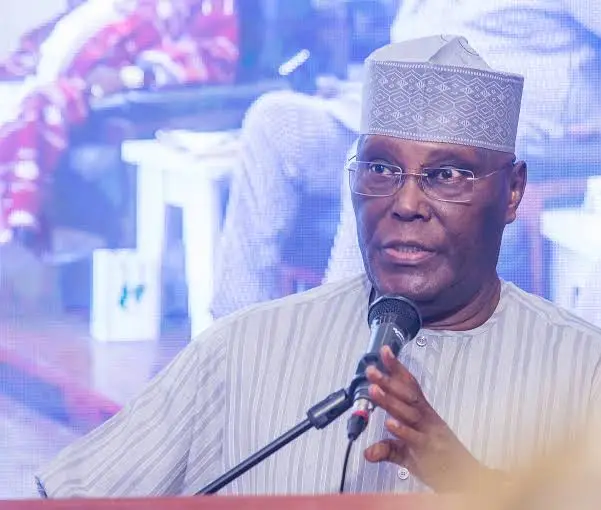
The All Progressives Congress Presidential Campaign Council (APC-PCC) has challenged former Vice President Atiku Abubakar to explain the legal, fiscal and practical implications of his proposed “production subsidy” for locally refined petrol.

The council, in a statement signed by its spokesman, Dele Alake, said Atiku should clarify whether refiners receiving the proposed subsidy would be required to sell petrol at a government-prescribed price.

It cited Section 205(1) of the Petroleum Industry Act (PIA) 2021, which provides that unrestricted free-market conditions should determine wholesale and retail prices of petroleum products.

The APC-PCC also referenced a statement by the Nigerian Midstream and Downstream Petroleum Regulatory Authority (NMDPRA), which said it neither fixes pump prices nor issues administrative price templates except where statutory conditions for intervention are met.

According to the council, Atiku should explain the legal framework that would enable the government to impose a price condition on refiners and how such an arrangement would operate under the PIA.

It also asked the former vice president to disclose the estimated cost of the proposal, its source of funding, the volume of crude or petrol to be covered and the mechanism that would guarantee lower pump prices.

The council said that based on publicly reported refinery throughput and domestic petrol supply figures, the proposed subsidy could cost between N17 trillion and N21 trillion annually, depending on the size of the discount and volume covered.

It further questioned whether preferentially priced crude for domestic refineries would reduce revenues accruing to the Federation and affect allocations to the federal, state and local governments.

The APC-PCC said Atiku’s latest position must also be reconciled with his previous support for downstream deregulation.

It recalled that Atiku, while speaking at the Lagos Business School in November 2022, described the petrol subsidy system as fraudulent and pledged to complete its removal. It also cited his August 25, 2026 statement on X in which he said, “I will restore it!”

The council asked Atiku to explain how his proposed subsidy would avoid the problems associated with the former subsidy regime, including alleged abuse, smuggling, scarcity and fiscal losses.

It noted that deregulation of the downstream petroleum sector began under the Olusegun Obasanjo administration, when Atiku served as vice president, adding that diesel was deregulated in June 2003 while aviation fuel subsequently moved to market pricing.

The council contrasted Atiku’s proposal with the Tinubu administration’s focus on compressed natural gas (CNG) and electric mass transit as alternatives for reducing transportation costs.

It said more than 120,000 vehicles had been converted to CNG, while commuters in seven states and the Federal Capital Territory were already paying between 31 and 83 per cent less on routes served by CNG and electric buses.

The APC-PCC also cited developments in domestic refining, including the Dangote Petroleum Refinery, which it said had reached its 650,000-barrel-per-day nameplate capacity and reportedly achieved 700,000 barrels per day during performance tests.

The council acknowledged the pressure of higher petrol prices on households but said the administration would continue implementing measures to support Nigerians.
It urged Atiku to publish a detailed policy document alongside an independent legal and fiscal analysis of his proposed production subsidy.

“Every proposed intervention in the downstream sector must be lawful, transparent, properly costed and capable of delivering measurable benefits to consumers,” the council said.

Alake advised Atiku to study the Petroleum Industry Act, arguing that his proposal had not sufficiently addressed the current legal and operational framework of the downstream petroleum sector.

Beyond Politics: What Defines a Leader’s Legacy?

0

Akin Fadeyi


In the 9th century, Cordoba, Spain, made use of oil lamps along their public streets. By 1417, London Mayor, Henry Barton ordered people to start hanging lanterns outside their homes. As  the imperative to lighten up communities evolved, by 1792, engineer William Murdoch invented practical gas lighting that makes use of coal gas and by 1807, Frederick Albert Winsor introduced the first public gas street lighting. This was on Pall Mall in London.

Around the world, some of the most enduring legacies have been built not merely through wealth or political influence, but through a sustained commitment to improving lives. Bill Gates, through the Bill & Melinda Gates Foundation, has committed more than US$100 billion to global health, development and other philanthropic causes. Warren Buffett has pledged tens of billions of dollars to philanthropy, while MacKenzie Scott has directed billions of dollars in largely unrestricted grants to organizations working across education, health, equity and community development. Their examples reinforce a universal truth: the highest expression of leadership is not accumulation, but contribution. Increasingly, global best practice measures influence not simply by the titles people hold, but by the lives transformed, opportunities created, and systems strengthened.

It is a habit of mine to occasionally stroll through social media, observing the conversations, ideas and actions shaping our society. On one such occasion, I found myself on the social media page of Hon. Engr. Aderemi Abass Oseni. As a development enthusiast who keeps contributing my quota to nation-building through the Akin Fadeyi Foundation, my work has largely centered on institutional collaborations with government agencies, development partners, multilateral organizations and civil society organizations. That responsibility demands that I remain non-partisan and refrain from endorsing politicians or political interests. In fact, I have never met Engr. Oseni, nor have we had any prior relationship. But I have always believed that humanity should be acknowledged wherever it is genuinely demonstrated. Good deeds should inspire, irrespective of political affiliation in as much as we set the boundary that ensures obsequious genuflecting does not constitute moral conflation. It was through that lens that I took a closer look at the interventions associated with Engr. Remi Oseni, and I must admit that I was fascinated by the consistency, scale, and developmental orientation of his philanthropy.

In a political climate where public confidence is often tested by unfulfilled promises, citizens are becoming less interested in grand declarations and more interested in evidence. Leadership should ultimately be evaluated by outcomes. Are more children in school? Are young people finding opportunities? Are vulnerable families living with greater dignity? Are communities healthier, safer, and more economically resilient than they were before? These are the questions that came to mind as I examined the public service record of Engr. Oseni. His approach offers an example of leadership that appears to place human development, rather than politics, at the center of public service.

The evidence is substantial. In March 2026 alone, he disbursed ₦100 million to 820 traders, artisans, entrepreneurs and vulnerable residents, providing grants of up to ₦1 million to stimulate small businesses and expand economic opportunities at the grassroots. Barely three months later, another ₦90 million was invested in market traders across the constituency’s nine local government areas to strengthen micro-enterprises and improve household incomes.

Recognizing agriculture as both an economic and food-security priority, his office supported more than 7,000 farmers with fertilizers, agrochemicals, farm tools and improved agricultural inputs. His investments have also extended into community infrastructure, including motorized boreholes, solar-powered streetlights, electricity transformers and improved access to clean drinking water. He has also responded to humanitarian emergencies, including a ₦20 million intervention for traders affected by the Iso Alagbo market fire.

Through the Remi Oseni Foundation, indigent students have received support for WAEC, NECO and JAMB examinations, alongside scholarships and tertiary education support. The Foundation has established the Remilekun Food Bank and subsidized food markets for vulnerable households, while medical outreaches have provided health screenings, medications, eye care and reading glasses for elderly citizens. There is also the ₦250 million Work Tools Empowerment Programme for members of the Blacksmiths, Welders and Metal Technicians Association of Nigeria, an intervention that is particularly noteworthy because productive tools can generate income beyond the moment of the intervention itself.

These are meaningful interventions, and they deserve recognition. But they also raise a larger question: what happens when philanthropy meets the scale of Nigeria’s needs?

Nigeria’s needs are enormous, and no single philanthropist, however generous, can meet them alone. The latest FAAC figures illustrate the scale of public resources circulating through the federation. In July 2026, revenue, the Federal Government, 36 states and 774 local government councils shared a record ₦3.007 trillion. The Federal Government received ₦1.146 trillion, the states received ₦943.352 billion, while the 774 local government councils received ₦673.649 billion. An additional ₦243.478 billion was distributed to benefiting states as 13 percent derivation revenue. Between January and July 2026, the three tiers of government shared approximately ₦15.997 trillion through FAAC. These figures matter because they remind us that Nigeria’s developmental challenge is not simply about the absence of resources. It is also about how resources are prioritized, converted into public goods, targeted at areas of greatest need, measured and institutionalized.

The question, therefore, is not simply whether government has resources. The question is: what are we doing with them?

Because while we applaud individual interventions, the wider Nigerian reality remains sobering. The National Bureau of Statistics’ Multidimensional Poverty Index found that 63 percent of Nigerians, approximately 133 million people, were multidimensionally poor in its 2022 assessment. Food insecurity remains equally severe. The World Food Programme currently estimates that about 35 million Nigerians are facing acute food insecurity, with millions more living under conditions of severe vulnerability. These are not merely statistics. Behind every number is a household making difficult decisions about food, medicine, education, rent and livelihood.

Nigeria has made important investments in healthcare, and these should be acknowledged. The Federal Ministry of Health reports that more than 37,000 health workers have been recruited into federal tertiary hospitals since 2024, while nursing and midwifery enrolment has also been expanded. Yet the deficits remain enormous. According to the Ministry, Nigeria’s doctor-to-population ratio remains approximately one doctor to 5,000 people, compared with a WHO benchmark of one to 600. The nurse-to-population ratio is approximately one to 2,000, compared with one to 300, while health workers remain heavily concentrated in urban areas. Thousands of primary healthcare centres are also not functioning optimally.

There is another important dimension: the cost of accessing healthcare. WHO data indicates that household out-of-pocket payments account for a very large proportion of current health expenditure in Nigeria. For many households, therefore, the question is not simply whether a health facility exists, but whether a sick person can afford to use it. Philanthropic medical outreaches matter greatly in such an environment. But the larger challenge is to build systems in which Nigerians do not have to wait for a philanthropic medical outreach before they can access basic healthcare.

The same principle applies to security. Nigeria continues to confront terrorism, banditry, kidnapping, communal violence and other forms of insecurity. The consequences extend far beyond the immediate victims. Security is also an economic issue, a food-security issue, a youth issue and a development issue. A farmer who cannot safely access his farm cannot produce food. A trader who cannot safely transport goods cannot grow a business. A child who cannot safely travel to school cannot fully benefit from education. This is why development interventions cannot be treated as isolated sectors.

And then there are our young people.

Nigeria is a profoundly young country. UN population data places Nigeria’s 2025 population at approximately 237.5 million, with about 48.8 million people aged 15–24. The broader youth population is considerably larger, particularly when the commonly used 15–35 age bracket is considered. This is not merely a demographic statistic. It is Nigeria’s greatest economic opportunity, or one of its greatest risks.

Empowering young Nigerians should therefore go beyond periodic cash rollouts. Cash assistance can provide immediate relief, but skills create earning capacity. Vocational training creates employability. Apprenticeships create pathways. Access to markets creates businesses. Industrial policy creates jobs. An economy capable of absorbing the energy and creativity of millions of young people creates dignity at scale.

This is where I believe Nigeria needs to think much more boldly.

We need to examine our macroeconomic architecture: how we produce, what we produce, how we finance production, how we support agriculture, how we build manufacturing, how we develop human capital, how we attract investment, how we create jobs, and how we connect local enterprises to national and international markets.

This is where China’s development experience offers useful lessons, not because Nigeria should copy China, but because it demonstrates what can happen when economic transformation becomes a long-term national project. Over roughly four decades, China lifted close to 800 million people out of extreme poverty. The World Bank attributes this transformation to a combination of broad-based economic growth, market-oriented reforms, agricultural productivity, industrialisation, infrastructure development, urbanisation, education, targeted poverty reduction and effective governance.

The lesson for Nigeria is not simply to give people money.

It is to create an economy in which people can produce, participate and prosper.

Our ageing population also deserves far greater attention. Nigeria is a young country, but it is also ageing. The population aged 60 and above is projected to grow substantially in the coming decades. That means the question of how we care for our elderly is not a distant problem. It is already here.

Nigeria has taken important institutional steps. The National Senior Citizens Centre Act 2017 established the National Senior Citizens Centre, with a mandate covering the health, social inclusion, dignity, security, productive participation and wellbeing of older Nigerians. Nigeria has also developed a National Policy on Ageing and a Strategic Roadmap on Ageing 2022–2032.

But policy architecture must ultimately translate into lived reality. Research continues to identify gaps in healthcare access, financial security, social protection and elder care. Nigeria’s contributory pension system also does not cover every older person, particularly those whose working lives were spent outside the formal sector.

This is where philanthropy, government and the private sector can converge.

Why shouldn’t Nigeria have properly equipped geriatric homes and community-based elder-care centres? Why shouldn’t corporations adopt senior-care facilities as part of their social investment portfolios? Why shouldn’t governors and local government chairmen institutionalize programmes for older citizens within their jurisdictions? Why shouldn’t faith organizations, foundations, development partners and private companies sponsor meals, healthcare, mobility support, companionship and assisted living for vulnerable seniors? Why shouldn’t we train and certify a new generation of professional geriatric caregivers?

We can. And we should. The world already offers models we can learn from.

Canada provides an instructive example. Its approach is not limited to building institutions for older people. Canada places significant emphasis on ageing in place, helping older people remain safely and independently within their homes and communities for as long as possible. Home and community care can include nursing, personal care, physiotherapy, social work, meal delivery, housekeeping, transportation and respite support for caregivers, while long-term care facilities provide more intensive assistance where people require round-the-clock support. Canada also provides income support through programmes such as Old Age Security and the Guaranteed Income Supplement for eligible seniors.

Denmark offers another useful model. Municipalities have significant responsibility for elderly care, including home care and care accommodation. Older people who cannot safely manage independently can receive appropriate housing, assisted living or nursing-home accommodation based on assessed need. Municipalities can also provide respite and relief for family caregivers.

Neither model is perfect. That is not the point. Best practice does not mean perfection. It means continuously building better systems.

These models point towards something Nigeria can adapt: care should not depend entirely on whether an individual has a generous relative, a benevolent politician or a philanthropic benefactor. There should be system. 

And this brings me back to Engr. Remi Oseni.

I applaud his work. I applaud the interventions. I applaud the generosity. I applaud the attention to traders, farmers, artisans, students, vulnerable families, and elderly citizens.

But I am also quick to make a larger observation.

The next stage is institutionalization.

The next stage is a more concerted, data-driven architecture that captures areas of need, identifies who is being left behind, measures outcomes and institutionalizes interventions.

Imagine a constituency-level needs and vulnerability architecture that maps households facing food insecurity, unemployed and underemployed young people, persons with disabilities, older persons living alone, children at risk of dropping out of school, communities without functional healthcare, farmers affected by insecurity, entrepreneurs requiring productive assets and communities lacking water and sanitation.

Imagine that data being updated regularly. Imagine interventions being designed around the evidence. Imagine every naira spent having a measurable social return.

That is how philanthropy begins to evolve from generosity into development architecture.

A philanthropist could build a geriatric home. But a stronger intervention might be to build a geriatric-care system involving government, corporations, hospitals, universities, NGOs, faith institutions and trained caregivers.

This conversation should not be directed at philanthropists alone. Governors and local government chairmen should take a cue. The latest FAAC figures demonstrate that resources are reaching all three tiers of government. The 774 local governments alone received ₦673.649 billion from the July 2026 allocation. A philanthropist could distribute food. But an even stronger intervention might combine emergency food support with agricultural productivity, food-processing enterprises, cold-chain infrastructure, market access and nutrition programmes.

A philanthropist could give young people cash. But a more transformative model could combine start-up capital with vocational training, tools, apprenticeships, market access, mentorship and procurement opportunities.


That is the difference between relief and resilience.


Akin Fadeyi is the Executive Director at the www.akinfadeyifoundation.org


Email: akin@akinfadeyifoundation.org


NDLEA sniffer dogs’ handlers undergo specialised training with German experts

0


• Marwa hails exercise as boost to agency’s narcotics detection capacity
The National Drug Law Enforcement Agency (NDLEA) has organised a refresher training course for its Canine Unit dog handlers, facilitated by two German technical dog handling experts, aimed at sharpening the operational skills of handlers and their service dogs in narcotics detection.

The training, which held at the NDLEA Canine Unit Facility in Lagos, was organised in collaboration with the German Bundeskriminalamt (BKA) and conducted by technical dog handlers: Mr. Andreas Roscher, and Ms. Jacqueline Shüler, who brought international best practices to bear on the training of Nigerian handlers.

Eleven personnel of the Canine Unit, comprising the Unit Commander, two veterinary doctors and eight dog handlers alongside their service dogs, participated in the course, which also had five other officers from Commands within Lagos who have indicated interest in joining the Canine Unit.
The training covered advanced obedience and control, narcotics detection techniques including scent imprinting and search patterns, real-life simulation exercises at the Murtala Muhammed International Airport (MMIA) baggage hall, APM Terminals Apapa, MMIA NAHCO export shed, and handler safety and tactics for deployment of canine assets in high-risk areas.
Speaking on the training, the Chairman/Chief Executive Officer of NDLEA, Brig. Gen. Mohamed Buba Marwa (Rtd), described the exercise as another demonstration of the Agency’s commitment to building a highly skilled and professional workforce capable of matching the sophistication of modern drug trafficking networks.

“Our canine teams remain one of the most potent assets in our detection and interdiction efforts, and this is why we will continue to invest in their retraining and welfare. The successes we have recorded at our airports, seaports and border points in intercepting concealed narcotics are in no small measure due to the dedication and sharpened instincts of our dogs and their handlers. This partnership with our German counterparts further strengthens that capacity and aligns our operations with global best practices”, Marwa stated.

The NDLEA boss added that the Agency has taken note of the manpower and logistics challenges facing the Canine Unit, including the need for more service dogs, personnel and boarding facilities to adequately cover the country’s seaports, international airports and land borders, and that plans are underway to address these gaps in line with the recommendation that the refresher training be sustained as an annual exercise.

Sun