Home Blog Page 69

Menopause: Stakeholders urge employers to support women

0

Stakeholders have called on public and private sector organisations to introduce workplace policies and support systems for women experiencing perimenopause and menopause to protect their wellbeing and improve productivity.

The call was made at the launch of ‘Menopause At Work Africa,’ organised to commemorate the World Menopause Day on October 18.

Speaking at the event, the convener of the initiative, Erefa Coker, urged employers to urgently introduce policies that address the challenges faced by women navigating perimenopause and menopause.

Themed, ‘Menopause Unmuted, Chronic Pain at Midlife,’ the gathering highlighted the need to break the silence surrounding menopause and promote supportive workplace environments for the affected women.

Coker said many women experiencing perimenopause and menopause were at the peak of their careers, occupying senior positions as executive directors and other organisational leaders, yet the challenges associated with the natural biological transition remained largely unspoken.

She explained that the fear of stigmatisation and concerns about being perceived as less relevant to their organisations often prevented women from discussing their symptoms or seeking support.

According to her, while organisations had increasingly recognised the needs of younger employees and women during maternity, similar attention is rarely given to those experiencing perimenopause and menopause.

“Women spend most of their working hours in the workplace, from Monday to Friday, dealing with these symptoms. We want organisations to support women going through every cycle of life,” she said.

She explained that the initiative was established to encourage open conversations, improve access to reliable information and help employers understand how menopause could affect women’s professional lives.

She said it is also promoting awareness through its Menopause Unmuted podcast and other information resources tailored to the experiences of African women.

She stressed the importance of educating women about perimenopause before symptoms begin, noting that early access to information could help them understand and manage the changes associated with the transition.

Coker called for menopause education to be incorporated into existing conversations about menstruation and other stages of women’s reproductive health.

Also speaking, the Chief Executive Officer of HealthCentral Pharma Limited, Bukky George, shared her personal experience of perimenopause, describing it as a hormonal transition that could produce multiple symptoms and significantly affect women’s daily lives.

George, who said she was in her mid-50s, advised women to seek medical attention rather than automatically attributing every health challenge to menopause.

She explained that the wide range of possible symptoms could make it difficult to determine their actual causes without appropriate medical assessment.

George recommended healthy eating, regular exercise and weight training to help women maintain their wellbeing during the transition.

She cautioned against self-medication, stressing the importance of consulting medical professionals for proper diagnosis and treatment.

Similarly, the Director of Business Operations at Fidson Healthcare PLC, Adejoke Alli, said greater awareness among employers and employees was necessary to improve the management of menopause-related challenges in the workplace.

Alli urged organisations to create environments where women could openly discuss their experiences without fear of discrimination or judgement.

She noted that a better understanding of the challenges affecting female employees would enable organisations to provide appropriate support, improve staff wellbeing and sustain productivity.

She added that employers needed to recognise the different stages of women’s lives and develop more inclusive workplace practices.

Participants expressed hope that increased awareness would encourage more women to seek reliable information, share their experiences and access appropriate support as they navigate perimenopause and menopause.
Jide Kosoko says he’s in debt after his N300m film failed to make a profit at the cinema

0

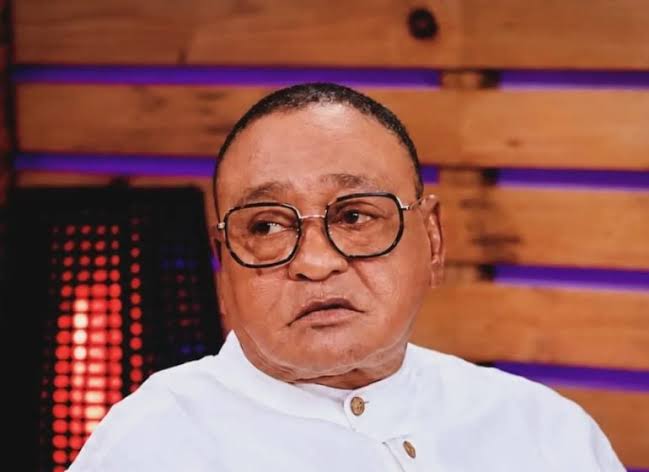
Jide Kosoko says he is in debt after his film ‘Eleko: Oba Esugbayi’ failed to recoup its production cost of over N300 million at the cinemas.

In a recent interview on African A-List, the ace Nigerian actor said the money used to produce the film came from investors who expected returns on their investment.

The filmmaker disclosed that the movie did not generate enough revenue to recover its production cost, and the little earned was shared among those involved.

“My film ‘Eleko: Oba Esugbayi’ that recently came out and we took to the cinemas, cost us over N300 million. Do I have 300 million? You should know that some people gave it to me and it was not that they dashed me, they invested in it and we took the film to the cinemas,” he said.

credit thecable

Uganda Steps up Ebola screening at the airport, as Nigeria heightens public health vigilance

0

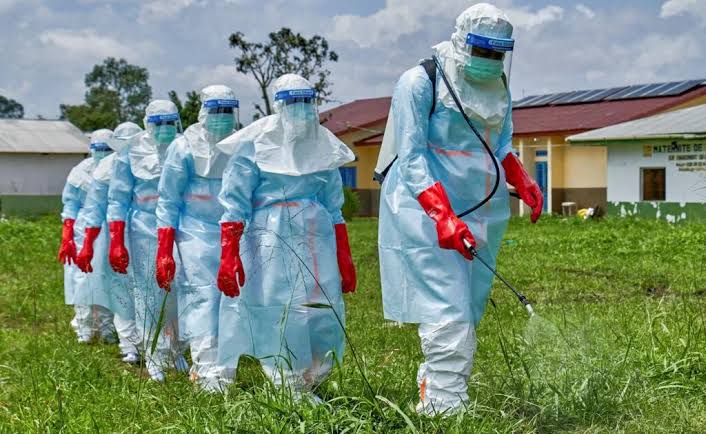
Uganda has intensified Ebola screening at the Entebbe International Airport following reports that a Nigerian woman who tested positive for the disease transited through the airport earlier this month.

The Ministry of Health said this in a post on X on Wednesday, adding that its Permanent Secretary, Diana Atwine, had visited the airport to reinforce public health screening procedures.

Atwine also conducted a spot inspection at the airport’s border entry point to assess screening arrangements and identify potential gaps.

The ministry said it had received thermal scanners donated by the International Organisation for Migration (IOM) to strengthen screening at key points of entry as part of efforts to prevent the spread of Ebola.

It said Uganda had no confirmed active Ebola cases following reports that the Nigerian woman had transited through Entebbe International Airport.

According to the ministry, the woman travelled to eastern Democratic Republic of the Congo (DRC) for business before passing through Uganda in early October.

She reportedly showed no symptoms while in Uganda but developed them after arriving in Nigeria.

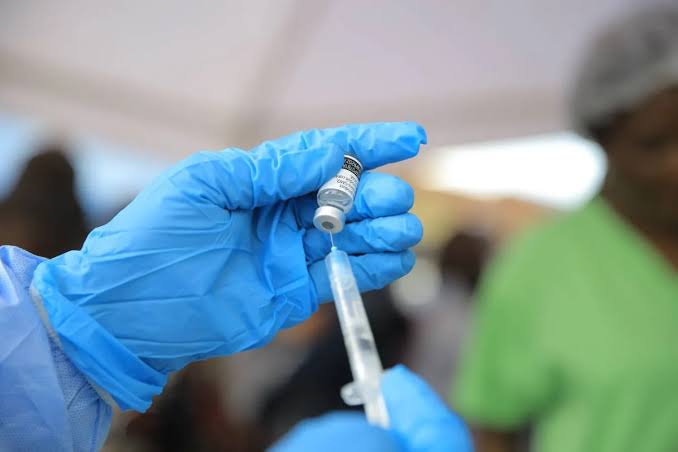
It was reported that Nigeria’s health authorities have confirmed an imported Ebola case involving a woman who arrived in Abuja after travelling from Uganda.

The Nigeria Centre for Disease Control and Prevention (NCDC) confirmed the diagnosis through laboratory testing.

The case has prompted heightened public health vigilance, including efforts to trace contacts and strengthen surveillance to prevent further transmission.

Ebola is a severe viral disease that can spread through direct contact with the blood or other bodily fluids of an infected person who is showing symptoms, or with contaminated materials.

Early detection, prompt isolation and contact tracing are critical to containing outbreaks.

Nigeria previously recorded an Ebola outbreak in 2014 after an infected traveller arrived in Lagos from Liberia.

The country contained the outbreak through coordinated surveillance, contact tracing and infection prevention measures.

Bolivia to increase Proportion of Ethanol in Petrol

0

Marcelo Blanco, Bolivia’s Minister of Hydrocarbons and Energy, on Thursday said the country would increase the proportion of ethanol in petrol from 12 to 18 per cent.

Blanco said this would take effect from Nov.1, adding that it would stand at 15 per cent, and increase to 18 per cent by April 2027.

To this end, the government has reached an agreement with local sugarcane producers on ethanol supplies, according to Visión 360, a partner of TV BRICS.

Ethanol is an alcohol that can be produced from sugarcane. It is added to petrol to partially replace petroleum-based fuel.

Adding ethanol increases the octane rating of petrol and improves its performance.

“Every litre of ethanol produced in the country means we can avoid importing one litre of petrol,” noted Klaus Frerking, president of the Eastern Agricultural Chamber (CAO) of Bolivia.

The agreement will help support local farmers and develop ethanol production in the country.

As a result, Bolivia will be able to reduce petrol imports and channel additional funds into the development of domestic production, the minister said.

FG plans Nationwide Crackdown on false measurement in markets, Filling stations

0

The Federal Government has reiterated plans to deploy a nationwide market surveillance drive against short measurement, targeting markets, filling stations, supermarkets and other points of trade.

Dr Salim Mohammed, Director of the Weights and Measures Department (WMD), Federal Ministry of Industry, Trade and Investment, disclosed this to the News Agency in Abuja.

Mohammed said the department would work in collaboration with the Federal Competition and Consumer Protection Commission (FCCPC) and the National Metrology Institute of the Standards Organisation of Nigeria (NMI-SON).

“No buyer should be cheated, and no seller should be cheated. Accurate measurement is the baseline of trust and confidence in trade,” he said.

Mohammed noted that the campaign, themed: “Full Measure, Fair Trade”, comes at a time of economic hardship.

“In a period of economic hardship, every short litre and every short kilogram is a direct tax on the poorest households,” he said.

According to him, operations will include announced verification exercises, unannounced spot-checks, mystery-shopper test purchases and joint enforcement.

“Results will be published, with repeat offenders named.

“The drive will cover petroleum, open markets, supermarkets, pharmaceuticals, aviation, agriculture and export terminals,” he said.

He reminded traders that ”only metric units are lawful.”

According to him, local measures such as mudu, derica and kongo (all described as indigenous measures) are not legal units except those whose mode of production are approved by the department.

Mohammed commended Dangote Cement Plc, where 58 technical personnel were being trained at the Ibese Plant, Ogun State, towards weighbridge competency certification.

“Staff were exposed to the basic ecosystem of measurement (metrology). Cost benefit of this training is unimaginable.

“It is a strategic plan for blocking of revenue leakages in an organisation.

“Compliance is not a cost imposed by government but a commitment to fairness with customers, hauliers and the public,” he said.

He added that the department would engage State governments, market associations and the organised private sector, so that enforcement was preceded by awareness.

Across the country, the Weights and Measures Department has 38 States offices and FCT, seven zonal offices, and the Headquarters in Abuja.

France Reports World’s First Case of Human infection with Shamonda Virus

0

French health authorities on Thursday announced the world’s first documented case of human infection with the Shamonda virus.

The patient died in early October. No health risk to the general population has been identified to date.
The Shamonda virus is transmitted to animals by biting midges of the genus Culicoides.

First detected in Nigeria in the mid-1960s, the virus has been sporadically reported in cattle in West, East and Southern Africa, as well as in Japan.

Despite circulating in Africa and Asia for several decades, no human infection had been officially documented until now.
According to the statement, the patient, who was severely immunocompromised, was receiving treatment in Lyon, France, for a serious illness.

Preliminary investigations indicated that the brain complications observed in the patient before death were very likely linked to the Shamonda virus infection.

At this stage, health authorities consider infection through the bite of a virus-carrying midge of the genus Culicoides in eastern France to be the most likely explanation.

The health authorities stressed that this was an exceptional case involving a severely immunocompromised patient.

They have also notified the World Health Organisation (WHO) and the European Centre for Disease Prevention and Control (ECDC) of the case.

I-G Arraign Man for Allegedly Kidnapping, Killing cleric, 1 Other

0

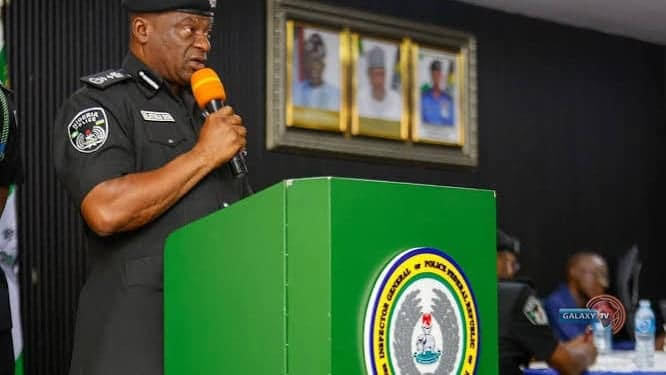
​Inspector-General (I-G) of Police on Thursday arraigned a 23-year-old man, Ibrahim Aboubakar, for allegedly kidnapping and killing of a cleric, Nicholas Alfa, and another man, Elijah Nweke in Abuja.

Abubakar was arraigned before Justice Salim Ibrahim of the Federal High Court in Abuja on a six-count charge marked FHC/ABJ/CR/618/2026.

He was also charged with illegal possession of fire arms, hostage taking which resulted in the death of the victims.

It was reported that though Abubakar and a co-defendant, Abubakar Shuaibu, were named as 2nd and 1st defendants respectively in the charge, Shuaibu’s name was later deleted from the charge.

The Prosecution Counsel, Dabo Yakubu, made the application for Shuaibu’s name to be removed as 1st defendant in the charge.

The Defence Counsel, Enyisal Lawrence, did not oppose the application.

Shortly after the case was called, Yakubu, a lawyer from the I-G Special Tactical Squad, informed the court that he had an application pursuant to Section 216 of Administration of Criminal Justice Act (ACJA), 2015.

He told the judge that Shuaibu, who was listed as 1st defendant, died in the Asokoro General Hospital from an undisclosed illness .

The lawyer, therefore, applied that the deceased’s name be deleted from the charge so that Abubakar could take his plea.

Justice Ibrahim then struck out Shuaibu’s name from the charge.

After the six counts were read to Abubakar, he pleaded not guilty to the charge.

The prosecution lawyer then applied for a trial date and Justice Ibrahim adjourned the matter until Nov. 26 at 11am for commencement of trial.

The police alleged that Shuaibu, 22, Abubakar, 23 and others, at large, on or about May 16 at Gbagalape in Nyanya, armed themselves with guns and other dangerous weapons, conspired and kidnapped Nweke and Pastor Alfa for ransom.

They were further alleged to have taken the victim to the Gbagalape Forest where they negotiated with their families for the sum of N8 million only to be paid as ransom.

The offence, the police said, is punishable under sections of the Terrorism (Prevention and Prohibition) Act, 2022.

Maradona’s death: Doctor denies negligence, says he was made ‘scapegoat’

0

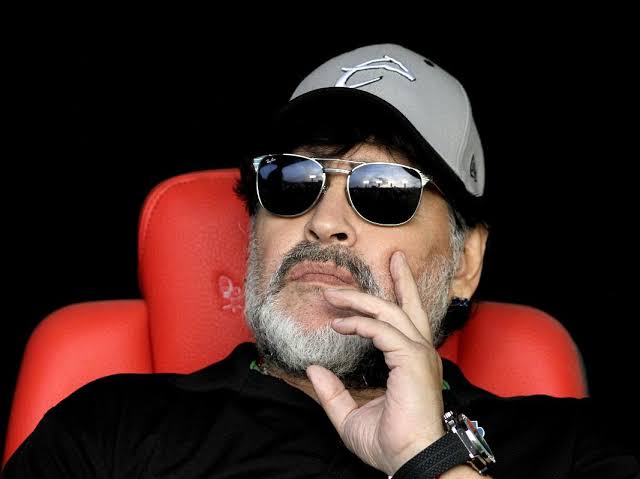
The doctor who treated late Argentine football legend Diego Maradona has denied responsibility for his death, describing himself as a “scapegoat” as his defence team presented its closing arguments in court.

Leopoldo Luque, a neurosurgeon accused of negligence in Maradona’s death, maintained that the prosecution had failed to establish that the former footballer’s death was foreseeable.

His lawyer, Roberto Rallin, dismissed the prosecution’s case, insisting that the evidence supported Luque’s innocence.
“We are here to proclaim Luque’s innocence, not with television slogans, but with the evidence that supports it,” Rallin said. “Leopoldo Luque has been the scapegoat.”

Another defence lawyer, Francisco Oneto, argued that Maradona died from an acute and unpredictable heart attack.

“There was absolutely no possibility of predicting this fatal outcome,” Oneto insisted.

Maradona, widely regarded as one of football’s greatest players, died aged 60 in November 2020 after suffering a cardiorespiratory crisis and pulmonary oedema.

He was found dead in bed at a rented recovery residence in Tigre, north of Buenos Aires, weeks after undergoing surgery for a subdural haematoma.

Seven healthcare professionals have been standing trial since April over their alleged roles in Maradona’s care during the two weeks he spent recovering at home before his death.

Prosecutors have accused the medical team of failing to provide adequate care despite warning signs of his deteriorating condition. They are seeking prison sentences ranging from four to 12 years for six of the seven defendants.

Luque, whom prosecutors consider a key decision-maker in Maradona’s treatment, faces a possible 12-year sentence. Prosecutors have accused him of inaction, arguing that the medical team’s attitude was “always to do nothing” despite signs that the footballer’s health was worsening.

However, Luque’s defence challenged the findings of a 2021 interdisciplinary medical commission, which concluded that Maradona had a history of heart problems.

His lawyers argued that medical tests conducted before the surgery did not indicate that he had heart disease.

“It’s so clear that Maradona didn’t have any heart problems in 2020,” Oneto said.

Throughout the trial, Luque has strongly defended his relationship with Maradona, presenting recordings, scientific articles and footage of the autopsy as part of his case.

His conduct during the proceedings, including his presentation of the autopsy video, reportedly angered some of Maradona’s daughters.

“It’s easy to attack me because I’m the one who had the most contact with Maradona,” Luque said during the trial.

“The only one who would defend me would be Diego,” he added, referring to Maradona by his familiar name.

Luque also said he had cared deeply for the football legend.

“I cared deeply for him, I loved him, he was my idol and my friend,” he said.

Meanwhile, Nicolas D’Albora, the lawyer representing medical coordinator Nancy Forlini, argued that responsibility for Maradona’s death rested with Luque and another doctor, saying they “were obliged to guarantee the patient’s health.”

Forlini faces a possible 10-year prison sentence over allegations that she failed to ensure the provision of basic medical equipment for Maradona’s home care.

The defence teams are expected to continue their closing arguments on Thursday as the trial moves towards its conclusion.

2027: Atiku among those responsible for Nigeria’s woes – APC National Secretary

0

The National Secretary of the All Progressives Congress (APC), Senator Ajibola Bashiru, has questioned former Vice-President Atiku Abubakar’s economic expertise, insisting that President Bola Tinubu is addressing Nigeria’s economic challenges ahead of the 2027 presidential election.

Bashiru made the remarks on Channels Television’s Politics Today on Wednesday while discussing Atiku’s presidential ambition and the potential challenge he poses to the ruling party.

The APC national secretary questioned Atiku’s professional background and argued that his experience as vice-president did not automatically qualify him as an economic expert.
“Atiku is not a professional, please, with respect to him. Atiku trained as an hygiene expert at the school of hygiene in Kano, He is a ‘Wole wole’ man and went to be a tax collector in Customs. Where is the expertise? What has he done? Check his profile?” Bashiru said.

He added, “So, the fact that you became a Vice President doesn’t make you an expert, what is his expertise?”

Bashiru also accused Atiku of contributing to the economic difficulties the Tinubu administration is trying to resolve.

“If there are challenges that is being addressed by President Tinubu, one of the main people that caused it is Atiku Abubakar,” he said.

Asked whether Atiku posed a serious threat to the APC in 2027, Bashiru described the former vice-president’s latest presidential bid as his final attempt and predicted that Nigerians would reject him at the polls.

“Atiku is the Oginga Odinga of our country and that is what the Vice president said. He is doing his last contest which he knows that Nigeria people would reject him because Atiku you mentioned cannot even come to talk about Nigerian economy,” he said.

Bashiru also criticised opposition politicians promising to reduce petrol prices, describing such assurances as unrealistic and politically motivated.

“You see, some of these people can just come to make statements. I learnt one of them said I’m going to make petrol 200 naira, 300 naira. It is not possible, he is just lying. You must not lie to people because you want to get their votes. You must even say something that is even realistic,” he added.

Don’t depend on FG for electricity – Shettima to states

0

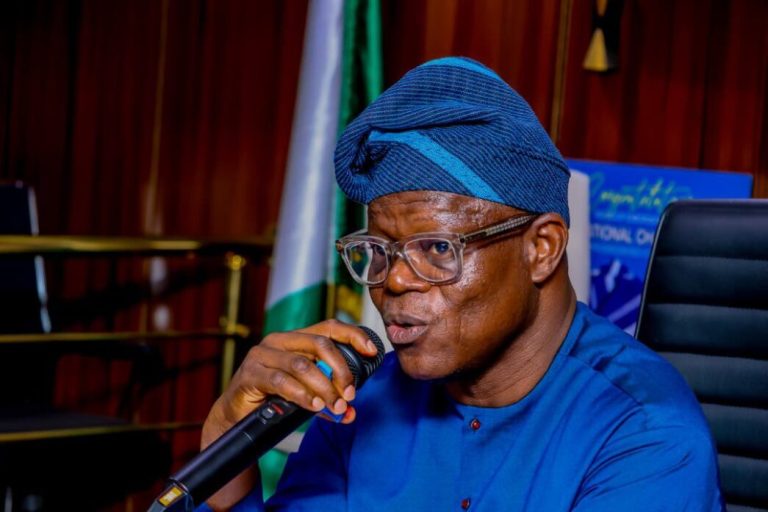
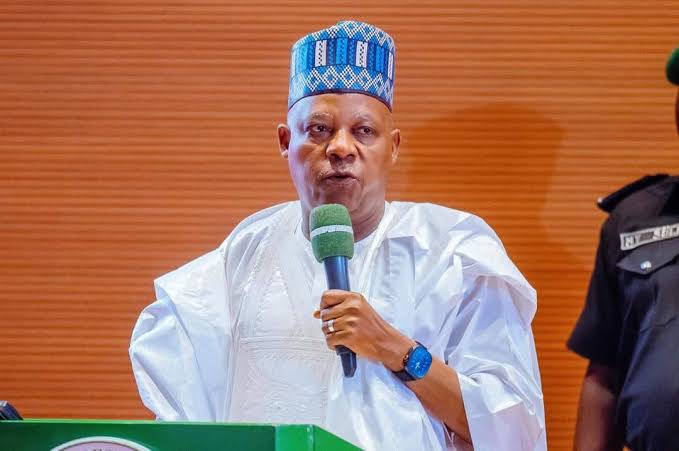
Vice-President Kashim Shettima has urged state governments to stop relying on the Federal Government to resolve their electricity challenges, calling on them to establish functional power markets and attract private investment to improve supply.

Shettima said Nigeria’s ambition to build a competitive industrial economy would remain constrained unless electricity reforms delivered reliable power to businesses, households and public institutions.

He spoke on Wednesday while declaring open the National Stakeholders’ Workshop on the Electricity Act 2023 at the Banquet Hall of the State House, Abuja.

Represented by the Deputy Chief of Staff to the President, Senator Ibrahim Hassan Hadejia, the vice-president said the law gave states the opportunity to develop and regulate electricity markets within their jurisdictions, allowing them to design solutions suited to local needs and available resources.

He said, “Electricity supply must become a shared responsibility, pursued with innovation and accountability across the federation. Our States must shed the habit of waiting for Abuja to provide every answer.”

Shettima identified solar energy potential in Sokoto, Borno and Katsina, gas resources in Delta, Rivers and Bayelsa, and hydroelectric opportunities in Niger and Kebbi as resources states could exploit to expand electricity supply.

He urged state governments to turn these advantages into investments that would support agriculture, manufacturing, healthcare and education.

The vice-president warned, however, that passing legislation alone would not improve electricity supply, urging states that had yet to establish regulatory institutions to begin the process without delay.

“Legislation cannot implement itself. States yet to act must begin their legislative and institutional preparations promptly,” he said.

He also proposed a National Electricity Reform Peer Review and Implementation Framework involving the Nigerian Electricity Regulatory Commission (NERC), Federal Ministry of Power, Nigeria Governors’ Forum and state electricity regulators.

According to him, the voluntary framework would enable states to share experiences, strengthen regulatory capacity and assess progress in investment, consumer protection, electricity access and market development.

“No state needs to purchase with failure the knowledge another state has already acquired,” Shettima said.

He stressed that private investment was essential to meeting the country’s electricity infrastructure needs, noting that government funding alone could not finance the required transformation.

“Government cannot finance this transformation from the treasury alone; private capital must arrive with technology and expertise,” he said.

Shettima added that transparent licensing, predictable regulation, commercially viable markets and effective dispute resolution would help build investor confidence.

He also called for stronger consumer protection against arbitrary billing, poor service and unfair commercial practices, insisting that electricity operators must be held accountable for the quality of service they provide.

“The final verdict on this law will be delivered wherever a Nigerian reaches for a switch. Entrepreneurs need dependable power, young Nigerians need employment, and investors need transparent rules under which enterprise can prosper,” he said.

Meanwhile, the Director-General of the Nigeria Governors’ Forum, Dr Abdulateef Shittu, said the forum was working to improve coordination between federal and state institutions in implementing the Electricity Act.

Shittu disclosed that efforts were under way to develop a standard tariff framework for states to protect consumers while supporting investment and commercial sustainability.

Earlier, the Permanent Secretary in the Federal Ministry of Power, Mahmuda Mamman, said the success of the law would depend on states establishing credible regulatory institutions and commercially viable electricity markets.

Also speaking, NERC’s Deputy General Manager and Head of Compliance, Hauwa Yakubu, disclosed that the commission had transferred regulatory oversight to 17 states, with Akwa Ibom the latest to receive the transfer.

Yakubu said NERC was supporting emerging state regulators through technical engagement and peer-to-peer training to help them address electricity challenges within their jurisdictions.