Home Blog Page 663

50 Years After, Murtala’s Leadership Still Inspires Africa — Tinubu

0


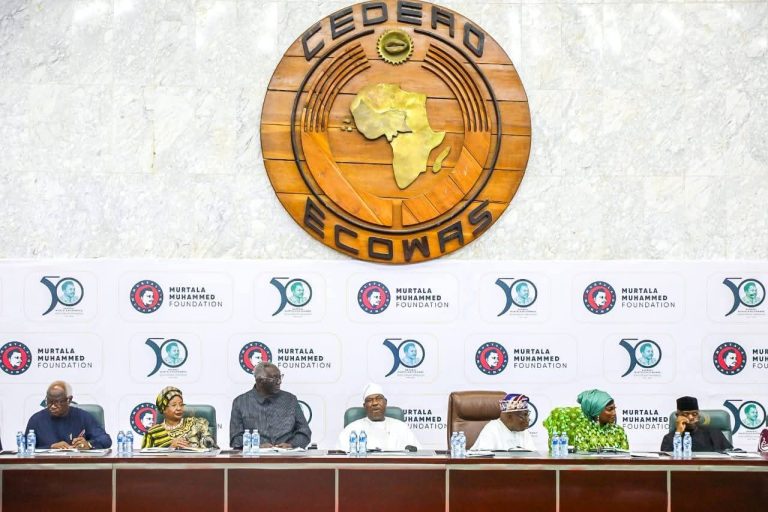
President Bola Tinubu has said the enduring legacy of former Head of State, Murtala Mohammed, remains a moral compass for Nigeria and the African continent in navigating contemporary political and economic challenges.

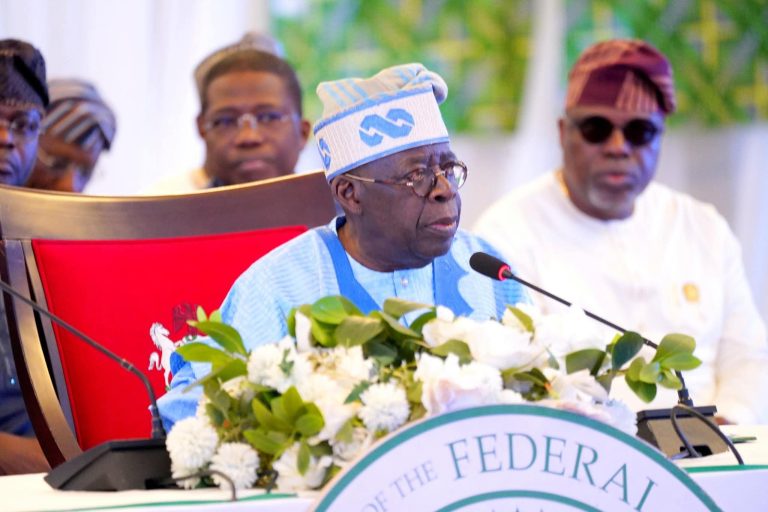
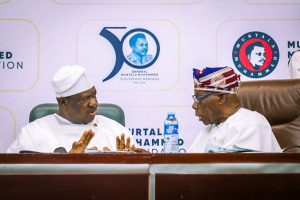
The President, who was represented by the Secretary to the Government of the Federation, Senator George Akume, at the 50th memorial anniversary of the late leader, said Mohammed’s principled and courageous leadership continues to inspire Africa five decades after his assassination.
Leading tributes at the memorial conference and book launch, Tinubu disclosed that he readily accepted the invitation to serve as Grand Patron of the event upon receiving a letter from former President Olusegun Obasanjo, Chairman of the Murtala Mohammed Foundation.

Describing the late General as an extraordinary African statesman, Tinubu said his bold vision and decisive leadership left an indelible mark on Nigeria and the continent.

“It has been 50 years since the assassination of General Murtala Mohammed. Today, this great leader — a remarkable son of Nigeria and Africa — has summoned us to reflect on the state of our continent,” the President stated.

Tinubu recalled Mohammed’s famous 1976 address delivered in Addis Ababa, Ethiopia, during a meeting of the Organisation of African Unity, where he declared that “Africa has come of age” and should no longer take orders from any global power.

According to the President, the declaration marked a defining moment in Nigeria’s foreign policy and signalled Africa’s readiness to chart its own course during the Cold War era.

He described the 1970s as the golden age of Nigeria’s foreign policy, adding that the period could aptly be termed the “Murtala Mohammed era.”

Tinubu noted that Mohammed championed African solutions to African problems, particularly through Nigeria’s support for liberation struggles in Angola and Mozambique, positioning the country as a leading voice on the continent.

He also highlighted the transformative achievements of the late leader’s brief 201-day administration, including sweeping civil service reforms, the conceptualisation of the Federal Capital Territory, Abuja, and the initiation of a transition programme to civil rule.

While lamenting that Mohammed’s tenure was cut short, Tinubu said his patriotism, discipline, courage and clarity of vision secured his place among Nigeria’s most distinguished leaders.

The President urged African leaders to uphold the ideals the late Head of State stood for, including accountable governance, conflict resolution, poverty reduction, improved education, and economic transformation through value addition to local resources.
“Africa will truly come of age when we create opportunities for our youth at home and ensure the welfare of our people,” he said.

Tinubu emphasised that honouring Mohammed’s memory requires a renewed commitment to service, integrity and patriotism in fulfilling the aspirations of Africa’s founding heroes.

LASG moves against uncertified, drunk drivers

0


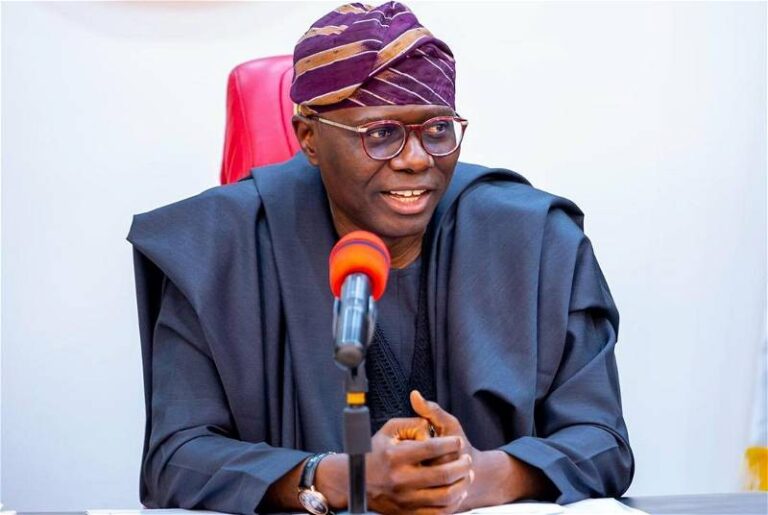
Lagos State Governor, Babajide Sanwo-Olu

Incessant killings: Stakeholders seek protection for e-hailing drivers
Lagos State Governor, Babajide Sanwo-Olu, has ordered full enforcement against drunk driving, substance abuse, and the use of uncertified drivers on Lagos roads, as the state concluded a phase of its drivers’ care initiative at the Iyana-Iba Park.

The directive, according to Special Adviser to the Governor on Transportation and Logistics, Hassan Adekoya, follows weeks of sensitisation and engagement with drivers across the state, stressing that the era of tolerance for dangerous driving habits is over.

Adekoya said the initiative was driven by the governor’s commitment to the safety of lives and the protection of public infrastructure.

He warned that enforcement would now begin in full, stressing that driving under the influence of alcohol would no longer be tolerated in Lagos State.

Also speaking at the event, the General Manager of the Lagos State Drivers’ Institute (LASDRI), Tiamiyu Afusat, disclosed that the agency was close to meeting its target of retraining 2,000 drivers under the current phase of the programme.

Afusat expressed optimism that the initiative would bring about a positive change in drivers’ attitudes and behaviour on Lagos roads, noting that public education remains critical to road safety.

She added that participants also underwent eye and vision tests, describing the exercise as crucial to safe driving.

The General Manager said the Institute focused on re-education and re-training of drivers to improve driving standards across the state.

Relatedly, amid rising cases of killings, car robberies and violent attacks targeting app-based drivers across Nigeria, stakeholders have called for urgent measures to strengthen safety, legal protection and workplace rights for digital transport workers.

They, however, stressed the need to address growing concerns over victimisation, misclassification and the increasing risks faced by drivers while providing essential services through ride-hailing platforms.

President of the African Forum for Restorative Justice, Prof. John Omole, made the call at the African Restorative Justice Summit in Abuja.

According to him, digital workers, especially the app-based drivers, deserve dignity, protection and a voice, especially when they suffer harm while providing essential services through app-based platforms.

Omole noted that many victims had remained silent for years due to fear, weak protections and unclear employment classifications within app-based platforms.

He, therefore, stressed that restorative justice offered an alternative to punitive models by focusing on dialogue, healing and shared responsibility among workers, platforms and regulators.

Also, President, Amalgamated Union of App-Based Transporters of Nigeria, Damola Adeniran, said the initiative aims to strengthen the voices of app-based transport workers across sub-Saharan Africa, especially Nigeria.

Guardian

Stakeholders expose tobacco industry’s new antics to trap minors

0


Civil society groups in the frontline of the campaign against the menace of tobacco and other nicotine products have exposed the industry’s new bait to ensnare youths, kids and other unsuspecting persons, with the launch of a new report.

The report, New Smoke Trap: New and Emerging Nicotine and Tobacco Products, Youth Exposure and Policy Gaps in Nigeria, was put together by Corporate Accountability and Public Participation Africa (CAPPA), in conjunction with Vital Strategies.

During the media presentation in Lagos, yesterday, the Executive Director of CAPPA, Akinbode Oluwafemi, in his welcome address, noted the products under scrutiny as e-cigarettes commonly known as vapes, nicotine pouches and heated tobacco products.

He pointed out that the fight against combustible tobacco forces the industry to invent more dangerous nicotine products concealed in attractive sweet-flavoured packages that are very attractive to even children.

According to him, in the process of compiling the report, which took place in Lagos, Enugu and Abuja, 781 tobacco and nicotine-related products were documented, of which 573 fell under the category of New and Emerging Nicotine and Tobacco Products (NENTPs).

Considering the marketing strategy of the industry, the President and Chief Executive Officer of Vital Strategies, Dr Mary-Ann Etiebet, urged the media to also use the same digital ecosystems to escalate the campaign against the nicotine products, which The Guardian learnt were more dangerous than ingesting insecticides.

Noting that the tobacco industry’s survival depends on sustained addiction, Etiebet said, “the time to save the future through the youths who are exploited by the industry, is now.”

The Director, Africa Centre for Tobacco Industry Monitoring and Policy Research, School of Health Systems and Public Health, University of Pretoria, South Africa, Prof. Lekan Ayo-Yusuf, in the global lessons for regulating NENTPs, called for regulation of nicotine, not just tobacco products, but also market restrictions and evidence-driven marketing narratives.

The report identified regulatory fragmentation among health, trade, standards, and consumer protection agencies as another vulnerability. While health authorities view the products as public health risks, other agencies often treat them as ordinary consumer commodities, creating opportunities for regulatory arbitrage.

CAPPA, consequently, sought sweeping reforms, including extending regulatory oversight to all nicotine products, integrating emerging products into the excise tax framework, closing digital advertising loopholes, strengthening age-verification systems, and harmonising cross-agency enforcement.

The group is also calling for nationwide public education campaigns to clarify that the absence of smoke does not mean the absence of harm.

Guardian

PRESIDENT TINUBU EMBARKS ON ONE-DAY OFFICIAL VISIT TO KEBBI STATE

0


President Bola Tinubu will on Saturday embark on a one-day official visit to Kebbi State to inaugurate some projects executed by the state Governor, Dr Nasir Idris.

While in the state, the President will also headline the 61st edition of the 2026 Argungu International Fishing and Cultural Festival as the special guest of honour.

The festival is one of Africa’s most celebrated cultural events.

It is staged by the riverside of the historic Matan Fada, recognised by UNESCO as an Intangible Cultural Heritage (ICH) of Humanity.

Kano Court Jails Kannywood Actress Six Months

0


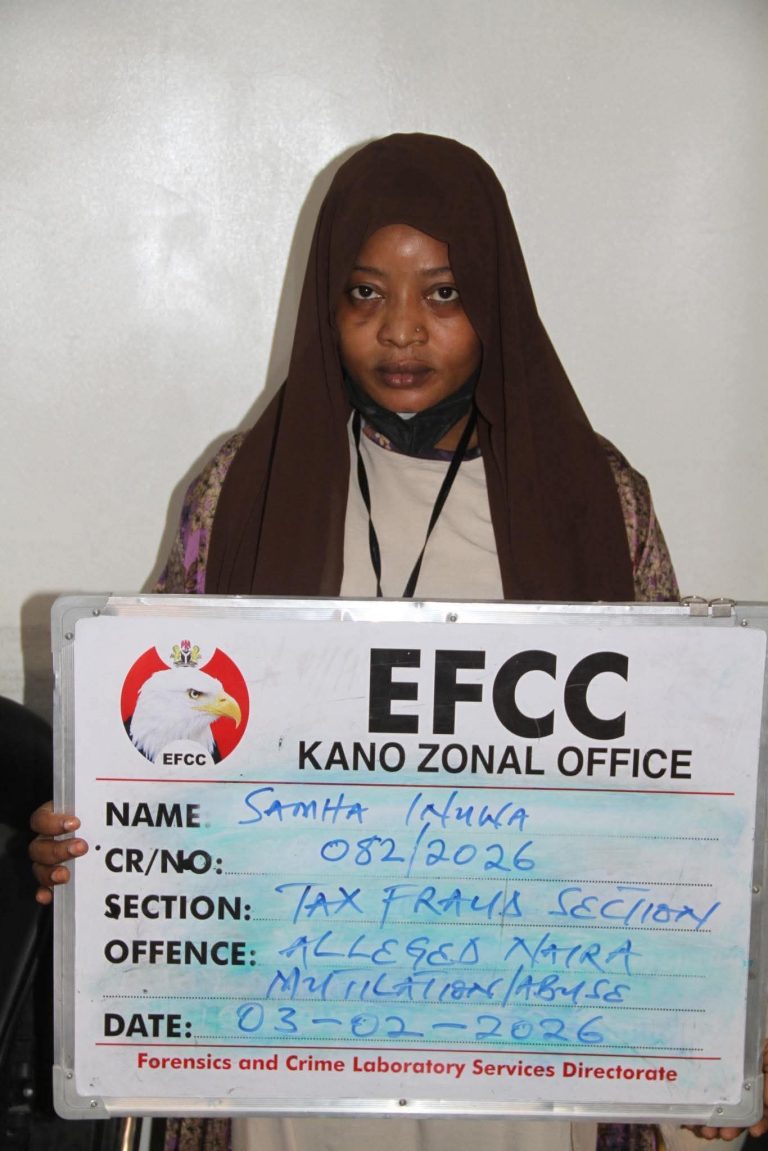
Justice S.M Shuaibu of the Federal High Court sitting in Kano on Friday, February 13, 2026 convicted and sentenced a Kannywood actress, Saadatu Mohammed Inuwa, (a.k.a Samha) to six months imprisonment for the abuse and mutilation of the Naira.


The actress was arraigned on a one-count charge bordering on the mutilation of the Nigerian currency, contrary to the provisions of the Central Bank of Nigeria (CBN) Act, 2007.


The charge against the convict reads: “That you Saadatu Mohammed Inuwa sometime in 2022 within the jurisdiction of this Honourable Court tampered with Naira currency in the sum of N1000 (One Thousand Naira) note issued by Central Bank of Nigeria by soiling same using your nose and you thereby committed an offence contrary to section 21 (1) of the CBN Act. 2007


Inuwa pleaded guilty to the charge when it was read to her. In view of her plea, prosecuting counsel, Musa Isah reviewed the facts of the case after which he urged the court to convict the defendant and sentence her accordingly.


The actress pleaded with the court to temper justice with mercy on her own, stating that she was a first-time offender and had shown genuine remorse for her actions.


Thereafter, Justice Shuaibu convicted and sentenced Inuwa to six (6) months imprisonment with the option of a fine of Two Hundred Thousand Naira (N200,000.00) only

Tony Elumelu visits President Tinubu

0

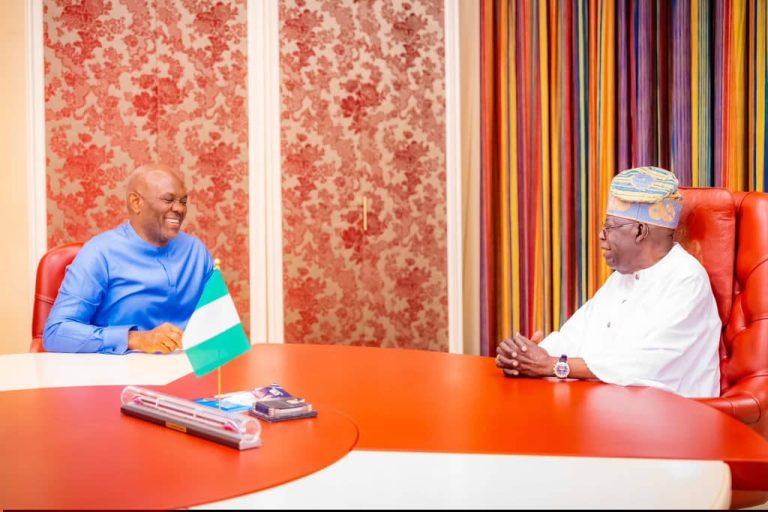
President Tinubu received in audience on Friday Mr Tony Elumelu, chairman of Heirs Holdings, Transcorp, and United Bank for Africa, and the founder of The Tony Elumelu Foundation. Statehouse photos.

Nigeria gets 4,701 weekly cyberattacks, ranks top in Africa

0


With 4,701 cyberattacks weekly on Nigerian organisations, the country has ranked top in Africa.

This is according to the latest Global Threat Intelligence report by Check Point Research, released yesterday.

The figure showed a 12 per cent year-on-year increase and a rise from 4,622 weekly attacks recorded in December 2025. It further showed that the attackers were not relenting and appeared to have seen something very important to explore in the region.

The report showed that Nigeria not only leads the continent in attack volume among the four African countries surveyed, but also significantly exceeds the continental average of 2,864 attacks per organisation per week.

Check Point Research data showed that organisations globally faced an average of 2,090 cyber-attacks per week in January.

This marked a three per cent increase from December and a 17 per cent year-on-year rise, highlighting sustained escalation in cyber threats worldwide.

The report noted: “Among the four African countries included in the January insights, Nigeria had the highest number of attacks at 4,701 per organisation per week, a 12 per cent YoY increase. This was up from 4,622 in December 2025.

“Within Africa, Angola followed Nigeria with 4,512 attacks per organisation per week, though this represented a seven per cent year-on-year decline.

“Kenya recorded 2,172 weekly attacks, down 41 per cent year on year, while South African organisations faced 2,145 weekly attacks, up 36 per cent compared to the same period last year.”

Overall, the report noted that Africa recorded an average of 2,864 attacks per organisation weekly, a six per cent year-on-year decline. However, the drop masks significant country-level disparities, with Nigeria and South Africa experiencing notable increases.

The Head of Security Engineering for Africa at Check Point Software Technologies, Ian van Rensburg, warned that the numbers reflect a shift in both scale and sophistication.

Guardian

OpEx, taxes take over 90% of NNPCL’s N60.5tr 2025 revenue as Otedola predicts Naira rebound

0


Billionaire investor and industrialist, Femi Otedola, has expressed optimism that the Naira could appreciate to N1,000 per dollar or below before the end of 2026, attributing the potential gains to the Dangote Petroleum Refinery reaching full production capacity.

Meanwhile, the Nigerian National Petroleum Company Limited (NNPCL) recorded total revenue of N60.5 trillion in 2025 but retained just about N5.76 trillion as profit after tax, a development which shows the impact of operating costs, statutory deductions and fiscal obligations on the state oil company.

Otedola,in a statement on his X handle yesterday, described the refinery’s achievement as a watershed moment for Nigeria’s foreign exchange management and economic stability.

He congratulated the President of Dangote Group, Aliko Dangote, on what he termed atransformational development for Nigeria and Africa.

The business magnate noted that the refinery’s capacity to produce up to 75 million litres of Premium Motor Spirit (PMS) daily represents a fundamental shift in Nigeria’s petroleum supply chain, ending decades of dependence on imported refined products.

“With domestic refining now firmly underway after decades of reliance on imports, pressure on the foreign exchange market should ease significantly,” Otedola stated, adding that the development should provide substantial relief to the country’s forex reserves. “I am optimistic that the Naira will strengthen meaningfully, and trading below N1,000/$1 before year-end is increasingly within reach.”

Beyond the present production milestone, Otedola disclosed that Dangote initiated a $12 billion expansion programme designed to boost the refinery’s capacity to 1.4 million barrels per day. The expansion project will also incorporate the production of 2.4 million tonnes of polypropylene and 400,000 metric tonnes of Linear Alkyl Benzene, a critical raw material in detergent manufacturing.

A MONTHLY Report Summary of NNPCL for December 2025 showed that crude oil and condensate production averaged 1.54 million barrels per day (mbpd) in December, while the 2025 peak production reached 1.77 mbpd earlier in the year.

According to the report, NNPCL, in 2025 witnessed roughly 9.4 per cent net margin as the figures indicate that more than 90 per cent of the company’s gross earnings were absorbed by expenses, taxes and other outflows.

A breakdown of monthly revenue shows that the year opened at N3.82 trillion in January before rising sharply to N6.62 trillion in February, the highest monthly performance. Revenue remained slightly high in March (N5.48 trillion), April (N5.89 trillion) and May (N6.01 trillion).

While the incumbent Group Chief Executive Officer, Bayo Ojulari, took over in April, receipts softened in June to N5.11 trillion and declined further in July (N4.41 trillion), August (N4.66 trillion) and September (N4.27 trillion), marking a third-quarter slowdown. A modest rebound was recorded in October at N5.08 trillion before easing again in November (N4.36 trillion) and closing the year at N4.82 trillion in December.

In terms of profit after tax, the company recorded a loss of N161 billion in January and a marginal N7 billion loss in March under Mele Kyari despite strong revenue inflows. However, February delivered a substantial N987 billion profit, followed by N748 billion in April and a peak of N1.05 trillion in May. June also remained strong at N904 billion. In the second half, profits narrowed considerably to N180 billion in July, N539 billion in August, N216 billion in September, N447 billion in October, N502 billion in November and N351 billion in December.

Guardian

UK Envoy Commends Nigeria’s Cybersecurity Leadership

0


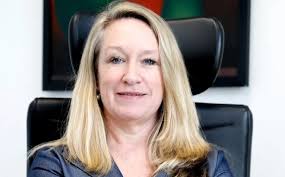
The British Deputy High Commissioner in Abuja, Mrs. Gill Lever OBE, has praised Nigeria’s sustained leadership in cybersecurity following the successful conclusion of the TAG–Africa Cyber Programme Phase 2 training series by the National Cybersecurity Coordination Centre (NCCC).

Speaking at the closing ceremony, Mrs. Lever described the collaboration between the United Kingdom and the Federal Republic of Nigeria as “a testament to the strength, trust, and strategic alignment” that underpin bilateral cooperation. She added that both countries look forward to strengthening ties further during President Bola Ahmed Tinubu’s upcoming State Visit to the UK.
Nigeria was recognised as the top-performing country among all partner nations in the FCDO Africa Cyber Programme.

The achievement was attributed to the strong leadership of the NCCC and its implementing partner, TAG International.
Key achievements highlighted at the event include:
Training NCCC experts through the Certified Threat Intelligence Manager course
Certification of four NCCC professionals as among the first SIM3-certified cybersecurity auditors in Africa
Development of standards and cyber maturity frameworks to protect critical national information infrastructure.

A comprehensive review of the National Incident Response Plan
Foundational work supporting Nigeria’s National Digital Forensics Policies and Operational Frameworks
Salawu Sheriff, Technical Assistant to the National Coordinator of the NCCC in Abuja, said the milestones significantly enhance Nigeria’s cyber preparedness and contribute to the broader regional and global digital ecosystem.

He noted that the progress also reaffirms the UK’s commitment to deepening cooperation with Nigeria, particularly as the renewal of the UK–Nigeria Cyber Memorandum of Understanding approaches.

Nigeria Secures Permanent Seat on African Central Bank Board at 39th AU Executive Council Session

0


Nigeria recorded significant diplomatic and institutional gains at the just-concluded 39th Session of the Executive Council of the African Union, reinforcing its leadership role in advancing Africa’s economic integration, peace, security and democratic governance.
A major highlight of the session was the Council’s decision to grant Nigeria a permanent seat on the Board of the African Central Bank.

The landmark development underscores Nigeria’s strategic influence in shaping Africa’s evolving financial architecture.

The decision also secures Nigeria’s representation on the Board of the Technical Convergence Committee of the African Monetary Institute, which serves as a precursor to the establishment of the African Central Bank.

The development is widely seen as an affirmation of Nigeria’s technical capacity, economic weight and commitment to advancing the continent’s monetary integration agenda.

In the area of peace and security, candidates collectively endorsed by the Economic Community of West African States (ECOWAS) were successfully elected to the Peace and Security Council.

The outcome reflects strong cohesion among ECOWAS Member States and the region’s shared resolve to promote stability and collective security across Africa.
Nigeria also demonstrated leadership in strengthening democratic governance by organising a Ministerial High-Level Panel Discussion on Regional Partnerships for Democracy.

The event attracted ministers, senior government officials and delegates from across Africa and the international community, fostering dialogue on strengthening democratic institutions, promoting inclusive governance and enhancing collaborative regional approaches to sustaining democratic values.

Overall, Nigeria’s engagements and outcomes at the 39th Executive Council Session reaffirm its commitment to the ideals and objectives of the African Union, particularly in promoting economic integration, institutional development, peace, security and democratic governance across the continent.

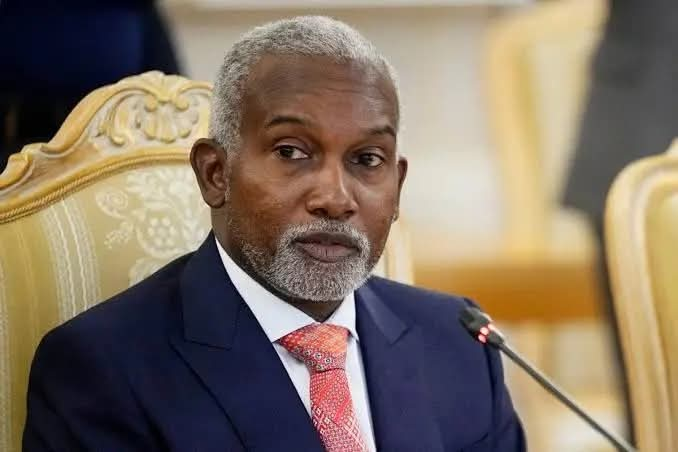
The Minister of Foreign Affairs, Ambassador Yusuf Tuggar, stated that the Federal Government remains committed to working closely with Member States and regional bodies to advance Africa’s shared prosperity and sustainable development.