Home Blog Page 26

ILO, NECA Urge Fair Recruitment, Stronger Labour Migration Governance

0

BY TAIWO OGUNMOLA-OMILANI

The International Labour Organisation (ILO) and the Nigeria Employers’ Consultative Association (NECA) have called for strengthened labour migration governance, fair recruitment practices and improved protection of the rights of migrant workers.

The call was made by Grace Orshio, National Project Coordinator of the ILO Action Project, who spoke on behalf of the organisation during a programme organised by the ILO and NECA, tagged, “From Policy to Practice: Strengthening Employers’ Capacity to Effectively Engage on Labour Migration Governance.”
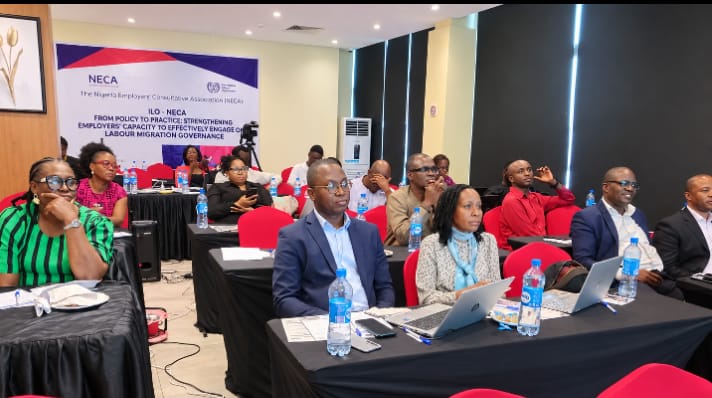
Participants from Ghana, Kenya, Nigeria and others at a 2-day programme in Lagos

Speaking on the need to translate fair recruitment principles into practice, Orshio said the programme provided an opportunity for employers and recruiters from Nigeria and Ghana to explore practical ways of implementing fair recruitment principles.

She explained that fair recruitment involves recruitment in accordance with national laws and international labour standards, without discrimination, while respecting dignity and human rights.

ILO said the recruiters participating in the programme already had some level of awareness of fair recruitment issues, particularly those belonging to organisations that regulate recruitment practices.

However, she raised concerns about how to address the activities of unregulated and unlicensed recruiters who engage in unfair recruitment practices.

According to her, regulated recruiters are already aligning with the fair recruitment initiative, the ILO’s General Principles and Operational Guidelines on Fair Recruitment, as well as guidelines on recruitment fees and related costs.

She, however, noted that unlicensed recruiters continue to expose workers to various human rights abuses, unfair recruitment practices, forced labour and human trafficking.

Orshio said there was a need to engage the public through advocacy, information and education to ensure that prospective workers understand what to expect during recruitment.

She explained that providing accurate information would help protect people from exploitation and enable them to identify recruiters approaching them with different motives.

She added that public awareness could also encourage people to report recruiters involved in abusive practices, including through anonymous reports from individuals who had dealings with them.

The ILO coordinator commended the efforts of private employment agencies under NECA, noting that they continued to reach out to recruiters willing to become licensed and regulated but lacking the necessary information.

She said the Federal Ministry of Labour and Employment was also engaging recruiters who were willing to align with fair recruitment principles but did not know how or where to begin.

Orshio expressed concern over the desperation of job seekers who were willing to give up their last resources in their quest to secure employment, describing the situation as disheartening.
She also stressed the importance of bilateral labour migration agreements between Nigeria and destination countries to prevent the smuggling of Nigerians and protect migrant workers.

According to her, the absence of labour agreements with some destination countries was one of the reasons Nigerians could be smuggled out of the country.
She said labour migration agreements should not be limited to African countries but should cover every country with which Nigeria exchanges labour or whose labour demands Nigerians are recruited to meet.
Orshio explained that such agreements should establish proper frameworks to protect the rights of people crossing borders to provide labour.

She noted that bilateral labour migration agreements were mainly negotiated and entered into by governments, but social partners, including workers and employers, could contribute to advocacy for stronger agreements.

She said the agreements would ensure that Nigerians migrating for employment were not subjected to unfair labour practices and that the country also benefited from labour migration.

According to her, bilateral labour migration agreements benefit workers, destination countries and sending countries by providing clearly defined rules governing labour migration.

Also speaking, resource person Margaret Mugwanja, who delivered a presentation on regional good practice exchange and recruiter-led fair recruitment practices, highlighted the challenges facing recruitment agencies in implementing fair recruitment.

Mugwanja said the challenges explained where practical support was needed, identifying recruitment costs, market demand, worker trust and protection abroad as major concerns.

On recruitment costs, she said employer funding must cover recruitment fees and related costs, including charges arising through third-party services.
She explained that recruitment agencies could lose bids when clients prioritised speed and low prices over safeguards and service quality.

On worker trust, Mugwanja noted that fee-free recruitment offers could appear unfamiliar to workers, while language, literacy, gender and digital-access barriers could affect their ability to make informed decisions.

She also identified protection abroad as a challenge, explaining that different legal systems, uneven enforcement and limited contact with workers could make monitoring and access to remedies difficult.
Mugwanja further discussed tools that could help recruitment agencies determine their next steps, including client due diligence and regulatory dialogue.

The programme also highlighted the relevance of labour migration and fair recruitment to the 2030 Agenda for Sustainable Development.
Under Target 8.8, the agenda seeks to defend workers’ rights, promote workplace safety and ensure the protection of all workers, including migrants, especially women and those in precarious employment.

Target 8.7 calls for immediate and effective measures to eradicate forced labour, end modern slavery and human trafficking.
Target 10.7 seeks to facilitate orderly, safe and responsible migration, including through the implementation of well-managed migration policies.
The Global Compact for Safe, Orderly and Regular Migration, under Objective 6, also promotes fair and ethical recruitment practices and decent working conditions.
The private sector was identified as being behind a range of initiatives aimed at promoting fair recruitment.

The programme noted that the increase in the number of formal and informal recruitment actors had raised new challenges in the recruitment landscape.
It explained that labour recruiters operated along a continuum of compliance and non-compliance with International Labour Standards (ILS).

Recruitment practices in accordance with ILS were identified as those promoting decent work and fair recruitment.
However, practices such as deception, mobility restriction, underpayment and recruitment fees were highlighted as challenges within the recruitment process.

The programme also identified forced labour and human trafficking as violations of human and labour rights, while abusive and fraudulent practices were highlighted as major concerns.

The ILO estimates that there are 272 million international migrants and 169 million migrant workers in the world, with women accounting for nearly half of all international migrants (ILO, 2021).

It noted that employers require skills and provide employment, while recruitment agencies play a key role in matching workers with employers and facilitating the proper functioning of labour markets.
Employers, recruitment agencies and workers were described as interconnected throughout the recruitment and employment cycle, with distinct roles, rights and responsibilities.

The programme further stated that where recruitment processes lacked transparency and accountability, workers could face excessive recruitment fees, deception, discrimination, exploitation, forced labour and other abuses.

It stressed that fair recruitment required due diligence and responsible practices by employers and recruiters, respect for workers’ rights, transparency in employment conditions, and the protection of effective grievance and remedy mechanisms.
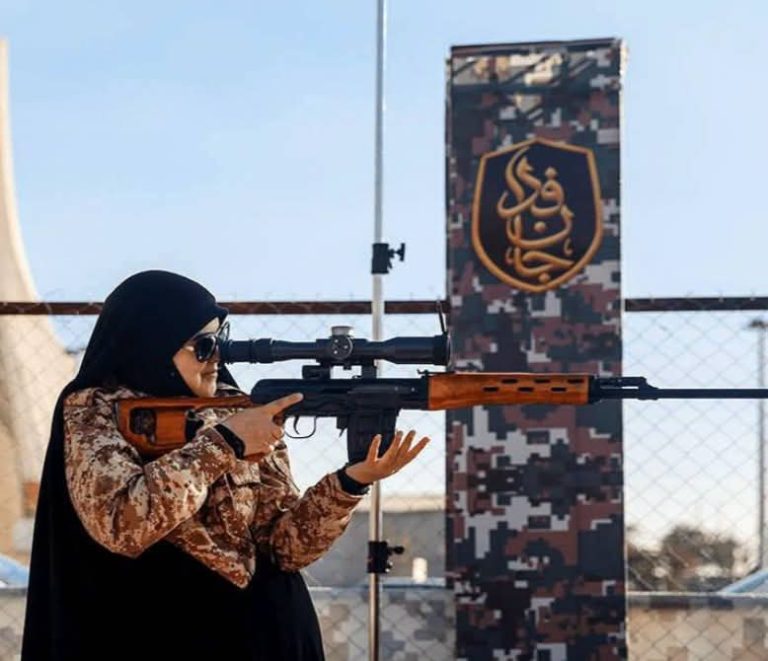
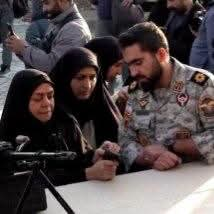
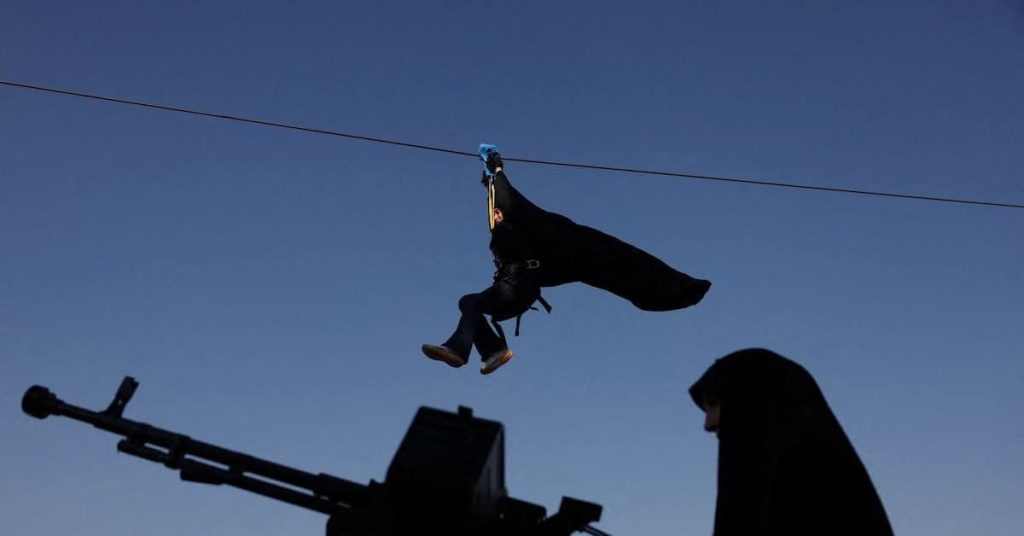
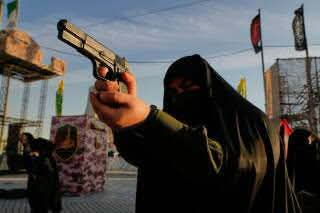
PHOTOS: Iran Opens Military Training Camp For Women Volunteers Amid US Tensions

0

Women carrying assault rifles scaled down a wall and used a zip line as Iran opened a military training camp for female volunteers at Tehran’s Azadi Square on Tuesday.

tvc

Army, French Special Forces Arrest Father, Son Suspected of Terrorism in Sokoto

0

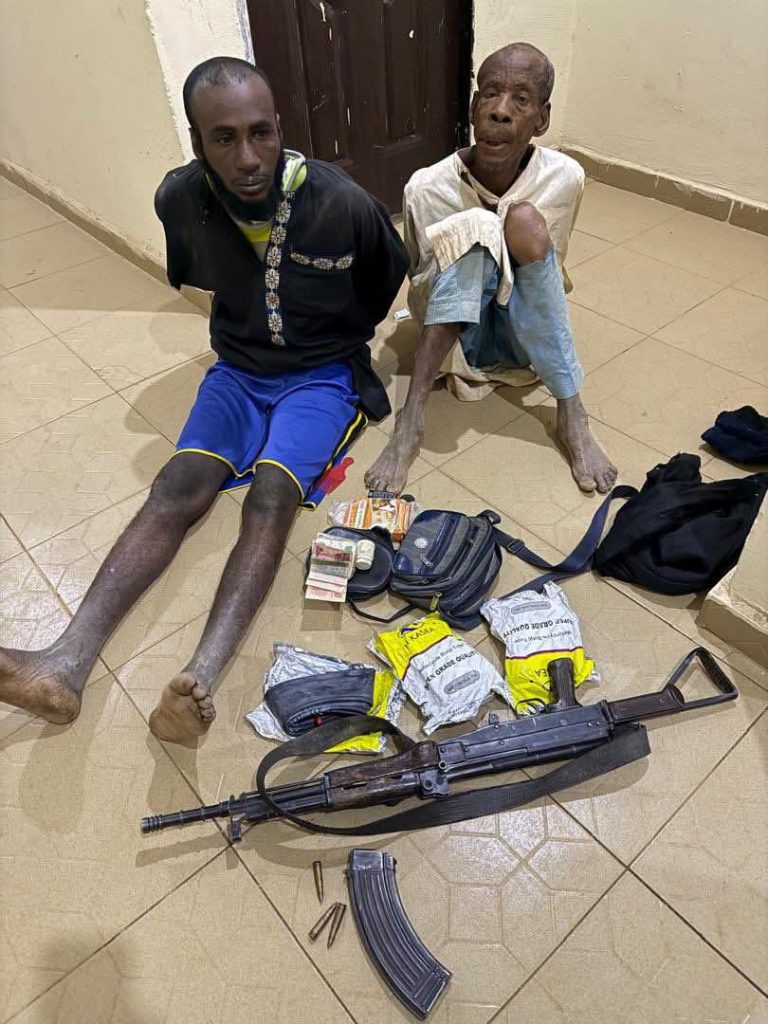
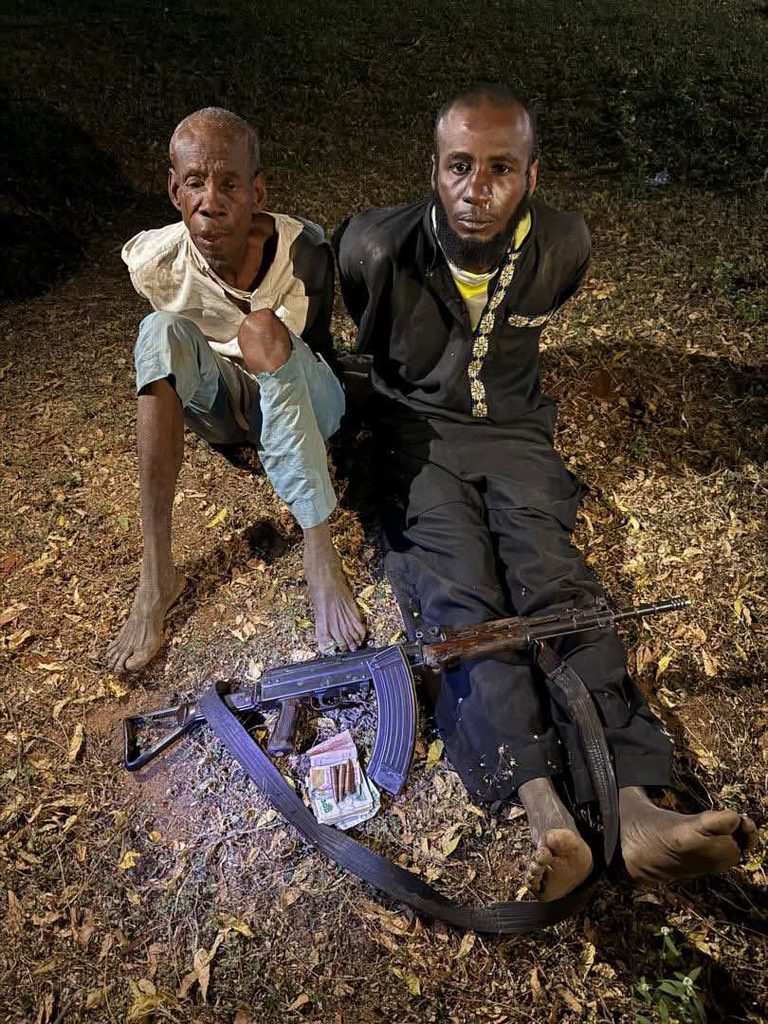
Troops of the Nigerian Army, supported by French Special Forces and the National Counter Terrorism Centre (NCTC), have arrested two suspected terrorists, identified as a father and son, during an operation in Bauni Forest, Tangaza Local Government Area of Sokoto State.

The suspects, Muhammadu Ali and his son, Umaru Ali, were arrested at about 12:47 a.m. on November 11 by troops of the 248 Battalion and their supporting teams.
Items recovered during the operation include one AK-47 rifle, a magazine containing three rounds of 7.62mm special ammunition, ₦9,760 in cash and three motorcycle tubes.

The suspects, who are reportedly linked to terrorist groups, are currently in the custody of the 8 Military Intelligence Battalion (8 MIB) for further investigation.

EPL: Man Utd close in on Pochettino as next coach

0

Manchester United could spend more than £10.5m to appoint Mauricio Pochettino as their new manager, with the club also expected to pay compensation to bring four members of his trusted backroom staff to Old Trafford.

The Argentine has emerged as the leading candidate to replace Michael Carrick, with United reportedly already holding discussions with him over personal terms and assessing the financial implications of his appointment.

According to TeamTalk, Pochettino has a release clause of about £7.5m (€9m), but the total cost of securing his preferred coaching team could push the figure beyond £10.5m (€12.5m)
The four staff members Pochettino wants to bring with him are assistant coaches Jesus Perez and Miguel ‘Miki’ D’Agostino, goalkeeping coach Antonio ‘Toni’ Jiménez and sports scientist Sebastiano Pochettino, his eldest son.

Perez has worked alongside the former Tottenham Hotspur and Chelsea manager since 2009, when they began their coaching partnership at Espanyol. He plays a key role in tactical preparation, training design and communication between the manager and players.

D’Agostino, a former teammate of Pochettino at Newell’s Old Boys, has also been part of his coaching setup since 2009. Jiménez, another former teammate, has worked with him since their time at Espanyol and is responsible for goalkeeper development.

Sebastiano joined his father’s coaching team in 2016 during their spell at Tottenham. He specialises in sports science, focusing on player conditioning, workload management and injury prevention.

The compensation required to release the four staff members is estimated at about £3m, taking the potential cost of the appointment above £10.5m before any personal contractual agreement with Pochettino is considered.

Pochettino reportedly emerged ahead of other candidates considered by United, including Newcastle United manager Eddie Howe, Germany coach Julian Nagelsmann and former Tottenham and Chelsea manager Antonio Conte.

United are expected to move forward with his appointment once Carrick’s departure is confirmed. The club’s decision to pursue the Argentine has also received backing from former manager Sir Alex Ferguson, who is reportedly keen to see him take charge at Old Trafford.

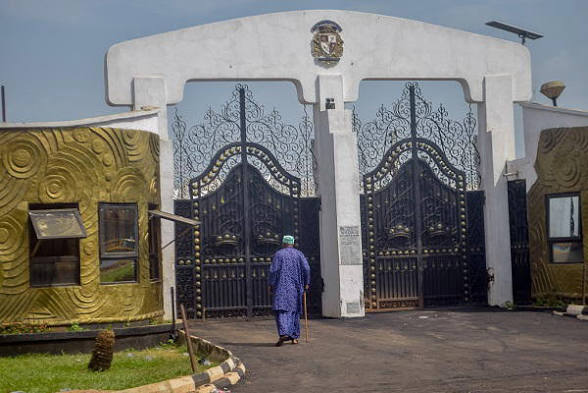
Police deployment to Awujale palace not a siege — Ogun command

0

The Ogun State Police Command has dismissed reports that the Awujale Palace in Ijebu-Ode was under siege by thugs or miscreants, saying its personnel were deployed strictly to maintain law and order.

In a Wednesday statement, the Police Public Relations Officer (PPRO) of the command, DSP Oluseyi B. Babaseyi, described the siege reports as misleading.

The clarification comes amid a tense period around the Awujale stool, which has been vacant since the passing of Oba Sikiru Adetona in July 2025.

The statement reads, “The command wishes to state unequivocally that the deployment of its personnel to the palace was strictly a preventive security measure aimed at maintaining law and order, safeguarding lives and property, and forestalling any breakdown of public peace.”

To ensure supervision and coordination, the command said, an Assistant Commissioner of Police was deployed to oversee the security arrangement at the palace.

The command also clarified the circumstances surrounding the invitation of Chief Adebisi Adaran, popularly known as Gbenden.

According to the police, Adaran was invited following a written petition containing allegations against him.

“He honoured the invitation, was questioned in connection with the allegations and was subsequently released on self-recognisance, while investigations continue,” the statement reads in part.

The command stressed that the invitation was part of a legitimate investigative process and should not be misconstrued as an indication of guilt.

The police said they remain professional and impartial in the discharge of their statutory responsibilities, guided by the rule of law and respect for the rights of all individuals.

Members of the public were advised to remain calm, disregard misleading reports, and refrain from circulating unverified information capable of generating unnecessary tension or disturbing public peace.

Five kidnapped, two shot as gunmen attack Plateau community

0

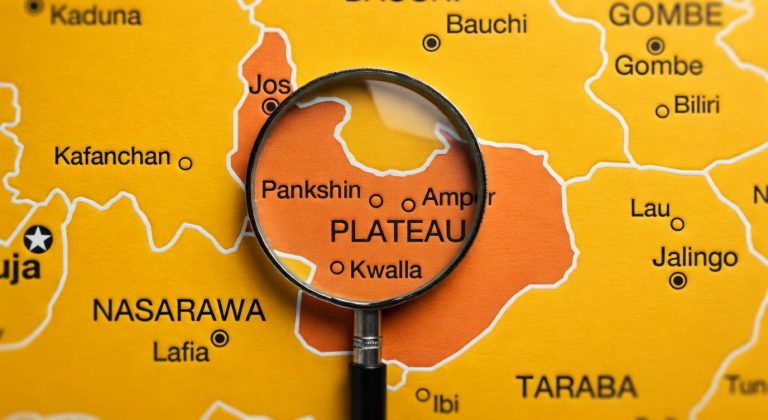
Gunmen have kidnapped five persons and shot two others during an early morning attack in Mista Ali community, Bassa Local Government Area of Plateau State.

The attack occurred opposite Nnenza filling station at about 3:45am on Tuesday, November 10, when troops deployed in the community responded to a distress call reporting a kidnapping incident.

According to security sources, the troops arrived at the scene and discovered that the assailants had abducted five residents.

The victims were identified as Nathaniel David, Musa Saleh, Zakariya Saleh, Mrs Faith Yusuf and Mrs Tina John.

The gunmen also shot two other persons, identified as Alhaji Abdullahi Usman Biyu and Maryam Adamu, before fleeing with the abducted victims.

The injured victims were subsequently evacuated to the Jos University Teaching Hospital (JUTH) for medical attention.

Following the attack, troops, working alongside other security agencies, launched search-and-rescue operations to locate the kidnapped residents and track down the fleeing assailants.

The incident adds to the security challenges confronting communities in Plateau State and other parts of the North-Central region, where residents have continued to face attacks, kidnappings and disputes involving farmers and herders.

2027: SWAGA Begins Mobilisation for Tinubu, Hamzat, Others

0

BY TAIWO OGUNMOLA-OMILANI

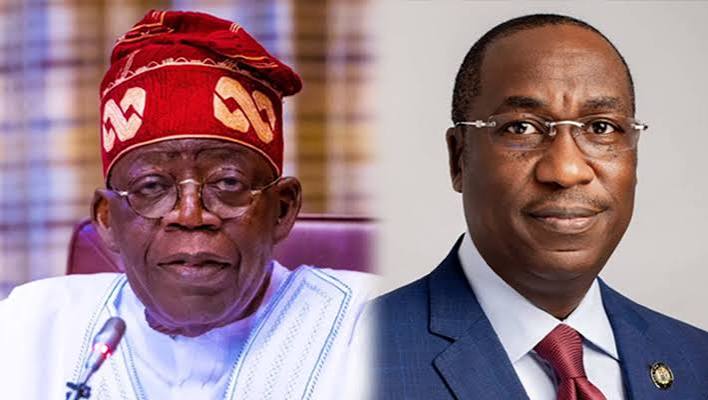
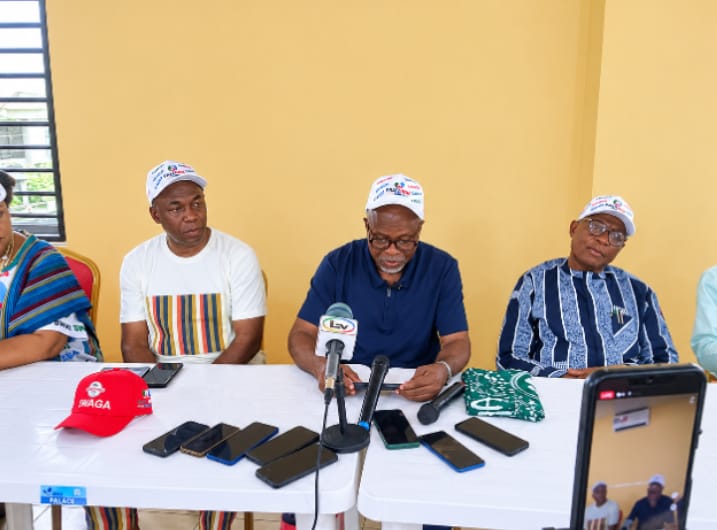
The South West Agenda for Asiwaju (SWAGA) has renewed its advocacy and commenced mobilisation for the re-election of President Bola Tinubu and the emergence of Lagos State Governor-elect, Dr Obafemi Hamzat, as well as other All Progressives Congress (APC) candidates ahead of the 2027 general elections.

The movement disclosed this on Wednesday at a press conference announcing the formal inauguration of Lagos SWAGA, scheduled for Friday, November 13, 2026, at the Blue Roof, Lagos Television,
Agidingbi, Ikeja.

In his address, Lanre Odubote said Lagos SWAGA was being repositioned to strengthen grassroots mobilisation, expand public engagement and promote awareness of the Tinubu administration’s policies and reforms.

He said the movement’s renewed strategy would focus on establishing effective structures across local governments, wards and polling units, while engaging youths, women, traders, artisans, professionals and other groups.

According to him, SWAGA was established as a volunteer-driven movement to promote Tinubu’s political philosophy and leadership vision, adding that it played a significant role in mobilising support for his presidential ambition ahead of the 2023 elections.

Odubote said the movement’s responsibilities had evolved beyond electoral mobilisation to include policy advocacy, public enlightenment and constructive engagement between the government and the people.

The November 13 inauguration is expected to feature the unveiling of the Lagos SWAGA leadership and organisational structure, presentation of its strategic action plan, goodwill messages and the inauguration of local government and ward coordinators.

Speaking at the event, former Lagos State Commissioner for Local Government and Community Affairs, Musiliu Folami, said the forthcoming SWAGA summit was aimed at strengthening support for Tinubu and Hamzat, adding that the movement was established in 2020 to promote their political aspirations.


“We are out to campaign for him and other members of the APC,” Folami said.


He said the movement would intensify its mobilisation efforts in support of the APC ahead of the 2027 elections.


A former chairman of a Local Council Development Area (LCDA) on Lagos Island, Comrade Kamal Salau-Bashua, described SWAGA as a pioneering political movement with a broader South-West agenda, noting that its activities extended beyond Lagos State.


He said the movement represented a regional political initiative designed to promote political unity and support for Tinubu’s leadership.

Also speaking, former House of Representatives member Lanre Odubote described Tinubu as the pride of the South-West, citing his contributions to infrastructural development.

Odubote, who is the chairman of the Lagos SWAGA Media Committee, said the movement would work in collaboration with the APC rather than establish parallel political structures.

Ebola: NCDC monitors 28 contacts as 34 complete 21-day surveillance

0

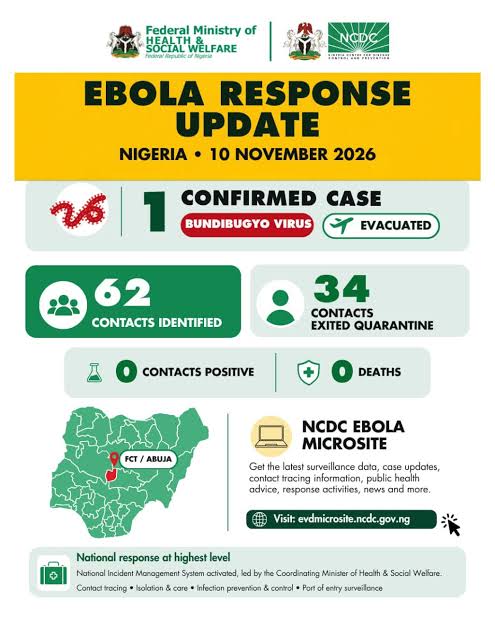
The Nigeria Centre for Disease Control and Prevention (NCDC) says 28 people linked to Nigeria’s imported Ebola case are still under monitoring, while 34 others have completed the mandatory 21-day follow-up without any additional confirmed infection.

The agency’s Director-General, Jide Idris, disclosed this in a national health security update released on Tuesday, stating that all 62 contacts identified in connection with the case had been accounted for.

According to Idris, Nigeria had recorded only one confirmed imported case of Bundibugyo virus disease as of November 9, with no additional confirmed cases.

He said the NCDC had activated a coordinated response involving the Federal Ministry of Health and Social Welfare, the Federal Capital Territory Administration, state authorities and development partners to prevent further transmission.

The response includes contact tracing, investigation of reported alerts, laboratory testing, infection prevention and control, safe clinical care, and intensified surveillance at the country’s points of entry.

Idris said the agency was continuing to investigate suspected cases and monitor the situation nationwide to ensure that any new infection was identified and addressed promptly.

He stressed that being listed as a contact did not mean an individual had contracted the virus, explaining that the 21-day monitoring period was designed to detect symptoms early and ensure immediate medical intervention where necessary.

“As of 9 November 2026, Nigeria had confirmed only one imported case of Bundibugyo virus disease, with no additional confirmed cases,” he said.

“We continue to investigate reported alerts and maintain heightened surveillance across the country to ensure that suspected cases are promptly identified and investigated.

“A total of 62 contacts have been identified. Of these, 34 have completed their individual 21-day follow-up, while the remaining 28 are still under monitoring.”

The NCDC also clarified that the 21-day follow-up period applies separately to each contact and should not be confused with the number of days since the index case was confirmed.

Earlier in November, the agency had said it expected to complete monitoring of all 62 contacts by November 13, with individual follow-up periods scheduled to end between October 31 and November 13.

The Federal Government announced the confirmed Ebola case in the FCT in October. The Coordinating Minister of Health and Social Welfare, Ali Pate, had disclosed that the patient, a woman who arrived in Nigeria from Uganda on an international flight, was admitted to a private hospital in the FCT before the diagnosis was confirmed.

The index patient was subsequently evacuated to Switzerland for further treatment. On October 31, the NCDC also announced that two suspected Ebola cases had been identified in the North-East.

Hundreds Protest As 18 Killed in Turkey Steel Plant Explosion

0

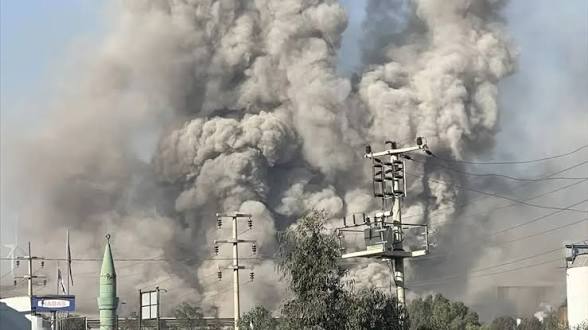
Hundreds rallied to demand justice and safety at work on Tuesday, a day after a massive explosion at a Turkish steel plant killed 18 people and injured 12 others, as bereaved families began burying their dead.

tvc

Experts fault Tinubu’s 10,000MW power target, cite major obstacles

0
  • President promises reliable electricity, faults existing privatisation arrangement
  • Experts cite transmission bottlenecks, gas shortages, legacy debts
  • Warn persistent power crisis threatens 6% economic growth target

Economic and policy experts have faulted President Bola Tinubu’s ambitious target of increasing Nigeria’s electricity generation to 10,000 megawatts (MW) by 2031, warning that the projection may remain unattainable unless the Federal Government urgently addresses longstanding challenges in the power sector, particularly inadequate transmission capacity, gas supply constraints and legacy debts.

Their reservations came as Tinubu renewed his promise to provide Nigerians with reliable electricity, declaring that the existing power sector privatisation arrangement was not working and pledging to strengthen the country’s industrial base, reduce the cost of living and expand employment opportunities if re-elected in 2027.

The experts cautioned that increasing electricity generation without corresponding investments in transmission and distribution infrastructure would not guarantee improved supply to homes and businesses, warning that the administration’s ambition to achieve six per cent annual economic growth by 2031 could also be undermined by persistent power shortages.

While Tinubu made his commitment at the All Progressives Congress (APC) campaign rally in Dutse, Jigawa State, yesterday, the experts raised their concerns during a panel discussion on the implementation of the party’s 2027 presidential election manifesto, tagged From Reforms to Prosperity, in Abuja, where they examined the feasibility of the proposed electricity target and its implications for industrialisation, job creation and economic expansion.

“We will reduce the cost of living. We will provide reliable power, not the whole privatisation that is not working. We provide you with reliable power in this Nigeria,” Tinubu told supporters at the rally.

“We will stimulate a stronger industrial base for our country. We will help nano, small-scale and medium-scale businesses. We will expand job opportunities for real income earners.”

The President’s criticism of the existing privatisation arrangement comes amid persistent concerns over the performance of Nigeria’s electricity industry, where inadequate generation, transmission limitations, distribution challenges and financial difficulties have continued to affect power supply to households and businesses.

Tinubu had made improved electricity supply a major campaign commitment ahead of the 2023 general elections, declaring at the time that Nigerians should not re-elect him if he failed to deliver adequate power, unless he provided convincing reasons for his inability to fulfil the promise.

However, electricity shortages have remained a major challenge, with Minister of Power, Joseph Tegbe, recently attributing outages in parts of the country to maintenance at Egbin Power Station, gas supply constraints and sabotage of transmission lines.

At the APC manifesto unveiling in Abuja, Head of Delivery, Office of the Special Adviser to the President on Policy Coordination, Esege Ebie Esege, who represented the Special Adviser, Hadiza Bala-Usman, described the 10,000MW target as a tall order, given Nigeria’s current electricity generation level of about 4,000MW, which occasionally rises to 5,000MW during peak periods.

“That target of 10,000 megawatts by 2031 is indeed a tall order. It’s very optimistic, considering where we are now. We are doing about 4,000 megawatts, and in the peak period we have gone up to 5,000,” he said.

Esege identified the completion of ongoing transmission projects and resolution of legacy debts as critical to achieving the target, explaining that generating more electricity would amount to little if the national grid lacked the capacity to transmit it to consumers.

He said the financial difficulties confronting operators, alongside weaknesses in transmission infrastructure, must be addressed to ensure that additional generating capacity translated into reliable electricity supply.

The official maintained that Nigeria’s electricity challenge extended beyond generation to the capacity of the transmission and distribution networks to deliver available power, stressing that the various segments of the sector must be strengthened simultaneously if the proposed target was to produce meaningful results.

His position underscored the challenge confronting the administration as it seeks to translate its electricity generation target into improved supply, particularly against the backdrop of Tinubu’s renewed promise to address the shortcomings of the existing privatisation arrangement.

Although the President did not outline specific changes to the arrangement during his Jigawa remarks, his acknowledgement that the current system was not working brought renewed attention to the structural and operational difficulties that have continued to limit electricity delivery despite successive government interventions.

Also speaking at the manifesto discussion, policy and strategy expert, Prof. Okey Ikechukwu, warned that Nigeria’s economic ambitions would remain largely unrealised without a fundamental improvement in electricity supply, describing the power crisis as a national emergency requiring urgent and coordinated intervention.

“Without power, every other thing is a pipe dream,” he declared, arguing that reliable electricity was indispensable to the success of the manifesto’s commitments on industrialisation, housing, education, employment generation and improved living standards.

Ikechukwu maintained that the government must look beyond macroeconomic growth projections and address the practical challenges confronting households and businesses, insisting that economic reforms would have limited impact unless they translated into increased productivity, reduced operating costs and improved living conditions.

He distinguished between the national economy and the household economy, arguing that growth figures would mean little to ordinary Nigerians if businesses continued to struggle with inadequate electricity and families remained unable to afford basic necessities.

According to him, the success of government interventions in education, housing and other social sectors depended on addressing the interconnected challenges affecting households and communities, including the provision of reliable power and essential infrastructure.

He explained that deploying teachers to rural communities, for instance, would not necessarily improve educational outcomes unless their accommodation, security and welfare needs were adequately addressed.

The panel, moderated by Arise News Business Editor, Rotus Oddiri, also featured Chief Executive Officer of Proshare, Olufemi Awoyemi, and examined the policy coordination and sectoral interventions required to achieve the manifesto’s six per cent annual economic growth target by 2031.

The experts maintained that reliable electricity was essential to expanding domestic production, strengthening industrial competitiveness, attracting investment and creating jobs, stressing that sustained economic growth would be difficult without addressing the infrastructure and financial constraints holding back the power sector.

Their concerns also highlighted the relationship between the President’s promise to stimulate a stronger industrial base and the electricity infrastructure required to support increased production, particularly among small and medium-scale enterprises that depend on stable power supply to sustain operations.

They urged the Federal Government to prioritise the completion of critical transmission projects, resolution of outstanding sector debts and improvements in electricity delivery, warning that the 10,000MW target must translate into actual power supply rather than remain a generation figure without corresponding benefits for consumers.

They stressed that the success of the proposed transition from economic reforms to shared prosperity would depend significantly on the government’s ability to provide stable electricity for industries, small businesses and households across the country.