Home Blog Page 25

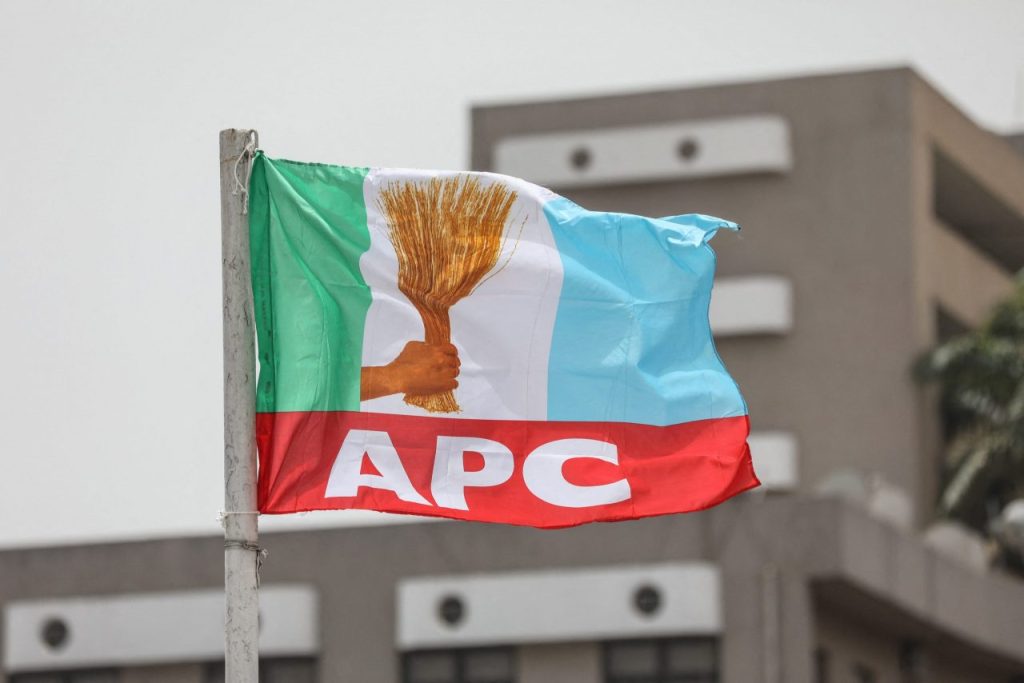
APC Presidential Campaign Council restricts media briefings to Yari, Alake, Idris

0


The All Progressives Congress (APC) Presidential Campaign Council has reorganised its Directorate of Media and Strategic Communications, restricting official public communication to three designated persons.

The decision is aimed at strengthening message coordination, discipline and effectiveness in the council’s public engagements.

The changes were announced in a statement, yesterday, by the Chief of Staff to the President and Deputy Director-General (Administration) of the council, Femi Gbajabiamila.

Under the new arrangement, only the Director-General of the campaign council, Senator Abdulaziz Yari; Minister of Solid Minerals, Dele Alake and Minister of Information and National Orientation, Mohammed Idris, are authorised to speak officially on behalf of the council.

Alake will serve as the official spokesperson, while Yari will continue in his capacity as Director-General.

Gbajabiamila said the restructuring was necessary to ensure more cohesive and disciplined communication by the campaign council.

“To ensure more cohesive, disciplined and effective public engagement, the All Progressives Congress Presidential Campaign Council has made some changes to the structure of the Directorate of Media and Strategic Communications,” the statement said.

He explained that all individuals previously announced as authorised spokespersons would now become members of the Directorate of Media and Strategic Communications.

“All previously announced persons in this capacity shall, henceforth, dissolve into the Directorate of Media and Strategic Communications as members,” he stated.

The council also directed media organisations, particularly radio and television stations, to take note of the changes and comply with the new communication arrangement.

“Radio and TV stations are, hereby, advised to take note of these changes and act accordingly. The campaign will delegate appropriate person(s) for appearances where and when necessary,” the statement added.

The restructuring is expected to centralise the council’s media engagements and ensure that official positions are communicated through the designated representatives.

Senate moves to stop telecom operators’ airtime deductions

0
  • Passes secondary education amendment bill

The Senate has directed the Nigerian Communications Commission (NCC) to investigate the billing practices of mobile network operators, including MTN Nigeria, Globacom, Airtel Nigeria and Etisalat over unjustified charges to subscribers.

It also called for regulations requiring operators to automatically reverse or refund airtime deducted from verifiably failed calls and qualifying network-related service interruptions.
This followed the adoption of a motion moved by Tahir Mungonu in plenary yesterday.

The lawmakers also passed the National Senior Secondary Education Act (Amendment) Bill, 2026, for third reading in plenary.

They further urged the NCC to establish an accessible and time-bound complaints and redress mechanism for subscribers seeking refunds or compensation over unjustified deductions and persistent service failures.

In addition, the commission was asked to conduct independent technical audits of operators’ billing systems to ensure that subscribers were charged only for actual and properly delivered call durations.

The Senate further urged the regulator to strengthen enforcement of Quality-of-Service standards and impose appropriate sanctions on operators whose persistent network deficiencies violate prescribed regulatory requirements.

It mandated its committee on communications to invite the NCC and relevant telecommunications operators to investigate the complaints, assess the financial losses suffered by subscribers and report back within four weeks, with recommendations for further legislative and regulatory action.

The NCC was equally asked to report to the Senate within four weeks on its investigation and proposed measures to address the problem.

Debating the motion which moved to stop telecommunications operators from deducting subscribers’ airtime for failed and interrupted calls, demanding automatic refunds and stricter enforcement of service quality standards, the Senate expressed concern over persistent complaints by telecommunications subscribers, who lose airtime on unsuccessful, interrupted and dropped calls, despite not receiving the services they paid for.

The lawmakers observed that network failures frequently compel subscribers to make repeated calls to establish successful connections, resulting in additional expenses, while abrupt disconnections, inaudible conversations and network interruptions further compound the financial burden.

They maintained that Nigerians should not be made to pay for telecommunications services that have not been effectively delivered, noting that seemingly small deductions translate into substantial financial losses when aggregated across millions of subscribers.

The Senate expressed particular concern about the impact on low-income earners, traders, students and small business operators, who spend significant portions of their income on airtime.

It recalled that the Nigerian Communications Act, 2003, empowers the NCC to regulate the telecommunications industry, protect consumers and enforce acceptable standards of service delivery.

Meanwhile, the Senate passed for a third reading the National Senior Secondary Education Act (Amendment) Bill, 2026 (SB. 1075), an Executive Bill seeking to address gaps in the implementation of the existing law and strengthen the regulation and coordination of public senior secondary education nationwide.

Presenting the report of the Senate Committee on Education (Basic and Secondary), Orji Kalu, said the proposed amendments were designed to strengthen the governance of the National Senior Secondary Education Commission, improve coordination between federal and state governments, promote accountability and ensure effective implementation of national education policies.

Kalu, who presented the report on behalf of the committee chairman, Usman Adamu, said the bill was referred to the committee after its consideration by the Senate on October 28.

He explained that although the Commission was established under the National Senior Secondary Education Commission Act No. 45, 2023, experience in implementing the legislation had exposed areas requiring legislative intervention.

“The proposed amendments are therefore intended to address these challenges and make the Act more effective in achieving its objective,” he said.

Kalu disclosed that the House of Representatives had also considered the bill and referred it to its Committee on Basic Education and Services, necessitating joint stakeholders’ engagement and clause-by-clause consultation to ensure uniformity in the legislative process.

Following the presentation, the Senate dissolved into the Committee of the Whole, considered the report clause by clause and adopted the committee’s recommendations before passing the bill for a third reading.

The amended legislation is expected to provide a clearer framework for the Commission’s operations, particularly in setting standards, supporting curriculum implementation, promoting teacher development, monitoring schools and coordinating with state education authorities.

2027: EU warns political violence could undermine Nigeria’s democracy

0

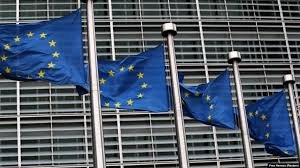
The European Union (EU) has raised concerns over growing reports of election-related violence, hate speech and political intimidation ahead of the 2027 general elections, warning that such incidents could undermine democracy and discourage Nigerians from participating in the electoral process.

The EU Ambassador and Head of Delegation to Nigeria and ECOWAS, Gautier Mignot, said violence and restrictions on civic freedoms threatened democratic progress and could weaken public confidence in elections.

He spoke yesterday at the opening of the Civil Society and Human Rights Defenders Forum on the State of Human Rights in Abuja, organised by the National Human Rights Commission (NHRC).

Mignot cited the importance of free media, peaceful assembly, open public debate and civil society organisations in ensuring transparent elections. He said these platforms allowed citizens to scrutinise candidates, examine campaign promises and hold public institutions accountable without fear of intimidation or retaliation.

“Free civic and political spaces also help hold leaders and institutions accountable by enabling CSOs and active citizens to monitor election administration, track campaign promises and challenge government policies.

“By enabling free association and assembly, robust civic and political spaces prevent authorities from backsliding or from manipulating rules.

“It is vital to ensure credibility and public confidence in an election. The absence or weakening of these safeguards will directly undermine citizens’ rights to participate meaningfully in elections. This is why the European Union, together with its member states, is committed to ensuring the sustenance of free civic and political spaces in Nigeria,” he said.

The EU envoy pledged continued support for the NHRC and civil society organisations to strengthen democracy and good governance, stressing that the bloc was not seeking to interfere in Nigeria’s elections.

“Our objective is not to interfere in the elections but to support legitimate Nigerian stakeholders to fully play their roles in order to contribute to a free, fair, credible electoral process.

“Stakeholders, the public sector, civil society, political parties, the media, all have a very important role to play,” Mignot stated.

In his address, NHRC Executive Secretary, Dr Tony Ojukwu, said democracy depended on the protection of citizens’ rights throughout the electoral cycle, not only on election day.

He warned that restrictions on freedom of expression, association and assembly could fuel voter apathy, fear and distrust in the political system.

“When that right is suppressed, democracy does not merely stumble; it begins to die, quietly, through apathy, fear and distrust,” Ojukwu said.

He expressed concern over alleged harassment and arbitrary arrests of journalists and human rights defenders, as well as the use of laws, including provisions of the Cybercrimes Act, in ways that could restrict civic participation.

The NHRC boss also identified political and voter intimidation, prohibitive nomination fees that could prevent women, young people and persons with disabilities from contesting elections, hate speech, incitement and uncertainty surrounding the regulation of digital platforms as threats to credible polls.

He further criticised the lack of accountability for electoral offences, warning that perpetrators who escape punishment could encourage further violations.

“These are warning lights, not yet verdicts. The window to correct course is now, and that is precisely why this Forum meets today,” he added.

The warning comes amid a series of reported attacks on political supporters and campaign activities across the country.

In October, supporters of the All Progressives Congress travelling to a campaign flag-off in Funtua, Katsina State, were reportedly attacked along the Yashi-Funtua route. A female passenger was injured, vehicles were damaged and the police announced 14 arrests.

On November 4, the convoy of Nigeria Democratic Congress presidential candidate, Peter Obi, was attacked in Calabar, Cross River State. Police confirmed damage to vehicles and announced the arrest of a suspect.

Three days later, one person was reportedly killed and five others injured during an attack on an NDC political procession and rally along Nnebisi Road in Asaba, Delta State.

The National Peace Committee also reportedly recorded 60 election-related incidents within one month, including violence, intimidation and threats.

In a goodwill message, National Chairman of the Inter-Party Advisory Council (IPAC), Dr Yusuf Dantalle, urged political parties and their supporters to abandon violent campaigns and focus on issues affecting Nigerians.

Dantalle, whose address was read by Chinedu Obi, said political competition must not turn into hostility as the country approaches the 2027 elections.

“As we approach 2027, political competition must not become warfare. Political opponents are not enemies, and electoral victory must never be pursued at the expense of human lives, public peace and national unity.

“IPAC, therefore, calls on political parties, candidates and their supporters to embrace issue-based campaigns, political tolerance and responsible communication.

“We must collectively reject electoral violence, hate speech, voter suppression, political intimidation and every conduct capable of undermining credible elections,” he said.

MAGGI @ 60: Nestlé Launches Promotion to Reward Nigerians With 12 SUVs, ₦60m Cash Prizes

0

BY TAIWO OGUNMOLA -OMILANI

MAGGI is celebrating 60 years of being part of Nigeria’s food culture, family traditions and shared celebrations with the launch of its MAGGI @ 60 Text and Win promotion, offering consumers the opportunity to win 12 brand-new SUVs, 60 cash prizes of ₦1 million each and thousands of other rewards, including household appliances, airtime and additional cash prizes.

Over the past six decades, MAGGI has evolved alongside the changing tastes, preferences and needs of Nigerian consumers, continuously innovating its products while Nestlé has invested in local manufacturing capabilities and partnerships to support the brand’s growth.

Speaking at the anniversary press conference in Lagos, the Managing Director and Chief Executive Officer of Nestlé Nigeria Plc, Wassim Elhusseini, described the milestone as a celebration of the trust Nigerians have placed in the brand over the years.

“When we look back on 60 years of MAGGI in Nigeria, we see far more than the history of a brand. We see generations of families who have made us part of their lives, investments that have helped strengthen local capabilities, and partnerships that have created opportunities for people and businesses across the country.

“These contributions remind us of the responsibility that comes with the trust Nigerians have placed in us. That means maintaining the quality and standards consumers expect from us, while continuing to listen to their needs. As we celebrate this milestone, our commitment is to keep earning that trust and contributing positively to Nigeria’s future,” he said.
Nestlé’s investment in local manufacturing has also supported the development of MAGGI’s value chain, bringing together farmers, suppliers, transporters, distributors and retailers who contribute to the brand’s production and distribution across Nigeria.

To mark the anniversary, MAGGI is recognising and rewarding consumers and business partners who have contributed to its journey.

Speaking of the anniversary celebrations, the Category Business Manager for Culinary at Nestlé Nigeria, Funmi Osineye, said the brand had planned a series of activities to reward consumers and recognise partners who have contributed to its success.

“We wanted to celebrate 60 years of MAGGI in a truly MAGGI-NIFICENT way, with the people who have made this journey possible at the heart of it all.

“Through our MAGGI @ 60 Text and Win promotion, we are giving 12 lucky Nigerians the opportunity to drive home brand-new SUVs and making 60 other millionaires, with ₦1 million each.

“There are also thousands of other exciting prizes to be won, including lots of deep freezers, triple-door refrigerators, cookers, ovens, microwaves, fans, airtime and several cash prizes to be won.

“It is our way of saying thank you to Nigerians for six wonderful decades and inviting everyone to celebrate with us,” she said.

To participate, consumers aged 18 and above are required to purchase promotional packs of MAGGI Star, MAGGI Star Double Cube or MAGGI Chicken Flavour, locate the unique code inside the pack and dial 80113# or scan the QR code on the packaging to follow the entry instructions and stand a chance of winning in the weekly draws.
The promotion runs from November 1 to December 31, 2026.

Beyond consumer rewards, MAGGI is recognising 15 of its leading distributors with an all-expenses-paid trip to Cairo, Egypt, in appreciation of their longstanding partnership and contributions to the brand’s growth.

The anniversary celebrations will also feature the unveiling of a commemorative documentary chronicling MAGGI’s six-decade journey in Nigeria.
Told through the experiences of consumers, farmers, distributors, creators and individuals who have helped shape the brand, including its first Marketing Manager, the documentary captures the people and defining moments behind MAGGI’s enduring place in Nigerian life.
Six decades on, MAGGI’s story continues to be told through the experiences of Nigerians who have grown up with the brand, shared it across generations and made it part of their own stories.

It is this enduring connection that gives the anniversary its significance and makes the milestone worth celebrating.

Obasa Gives ₦100,000 Each to 500 Lagos Public School Students

0

The Speaker of the Lagos State House of Assembly, Rt. Hon. Mudashiru Obasa, on Monday, announced an unconditional cash gift of ₦100,000 each to 500 public primary and secondary school students drawn from the six education districts in the State.

Obasa announced the financial intervention during a children’s engagement and pre-birthday event held at the Assembly complex ahead of his birthday on November 11.

The gesture has become an annual tradition for the state’s longest-serving legislator as part of his birthday celebrations.

Having distributed ₦50,000 to each student in previous years, the Speaker significantly increased the financial package, doubling it to ₦100,000 per student since 2024.

Addressing the enthusiastic students, Obasa said the cash support was deliberately designed to ease the financial burden on parents of public school students.

“Our presence here today is more than just a celebration; it is a calculated investment for the future,” the Speaker declared. “I want this token to serve as a catalyst for your dreams, to help ease your educational expenses, and to motivate you toward academic excellence.”

Reflecting on his personal journey to leadership, Obasa urged the students to cultivate a strong reading culture and resist negative societal influences.

“If you do not cultivate a strict reading culture today, tomorrow will be exceptionally difficult,” Obasa stated. “Look at me; as a child sitting in a public school classroom years ago, I never imagined I would head the parliament of Africa’s third-largest economy. You too can become the Governor of Lagos State or the President of Nigeria if you stay focused.”

The Speaker also used the platform to warn the students against social vices, urging them to say no to cultism, drug abuse and criminal associations.

Officials of the Lagos State Universal Basic Education Board (LASUBEB) at the gathering praised Obasa’s approach to birthday celebrations, noting that directing resources towards indigent public school students sets a laudable example for public officeholders in Nigeria.
Earlier during plenary, lawmakers took turns to felicitate the Speaker ahead of the grand finale of activities marking his birthday.

Leading the tributes, Hon. Aro Moshood Abiodun highlighted Obasa’s contributions to legislative development, describing his tenure as remarkable in the history of the Assembly. He also acknowledged the Speaker’s record as Nigeria’s longest-serving Speaker of a State House of Assembly.

Similarly, Hon. Lukmon Sa’ad Olumoh congratulated Obasa and commended his efforts towards strengthening the legislative institution. Olumoh particularly praised the Speaker’s role in the successful advocacy for financial autonomy for the legislature in Lagos
State, describing the achievement as significant in promoting institutional independence, accountability and effective legislative administration.

In his remarks, Hon. Adedamola Richard Kasunmu, on behalf of his constituents and family, celebrated the Speaker, expressing confidence in his continued commitment to taking the Assembly to greater heights.

Kasunmu described Obasa as a committed leader and exceptional statesman whose dedication to public service continues to inspire confidence in the Assembly. He also commended the Speaker’s vision and commitment to improving the lives of Lagosians through purposeful leadership and people-oriented policies.

Also speaking, Hon. Ajani Owolabi congratulated the Speaker on behalf of the Lagos Central Senatorial District, acknowledging his commitment to good leadership, excellence and the development of Lagos State.

He further commended Obasa’s contributions to the growth of the Assembly and the state, noting their positive impact on the lives of residents.

Other lawmakers also acknowledged the Speaker’s efforts in promoting effective representation, strengthening the institution of the legislature and ensuring that the dividends of democracy reach communities across the State.

VIDEO: Lagos Red Line Gets Three New Train Sets, 24 Coaches

0

Lagos State Governor, Babajide Sanwo-Olu, has announced the commencement of the offloading of three new train sets comprising 24 coaches for the Lagos Red Line rail project.
Sanwo-Olu disclosed this in a statement, noting that the new trains would increase passenger capacity and improve service delivery along the Oyingbo-Agbado corridor.

According to the governor, each eight-coach train has the capacity to convey up to 2,000 passengers per trip, providing more room for commuters and creating opportunities for more frequent train services.

He said the trains were procured with the support of the Federal Government under the leadership of President Bola Ahmed Tinubu.
The governor added that the state government was making steady progress towards deploying the new trains for passenger services before the end of the year, in fulfilment of its promise.

Sanwo-Olu said the addition of the trains would provide more capacity, improve commuters’ journeys and make transportation easier across Lagos.

https://x.com/jidesanwoolu/status/2120542210827419677/video/1?a=GEG4BwZk-jQ9KvJHiAE&s=08

Nafiu Bala’s purported resignation letter submitted by ADC was fabricated, court rules

0

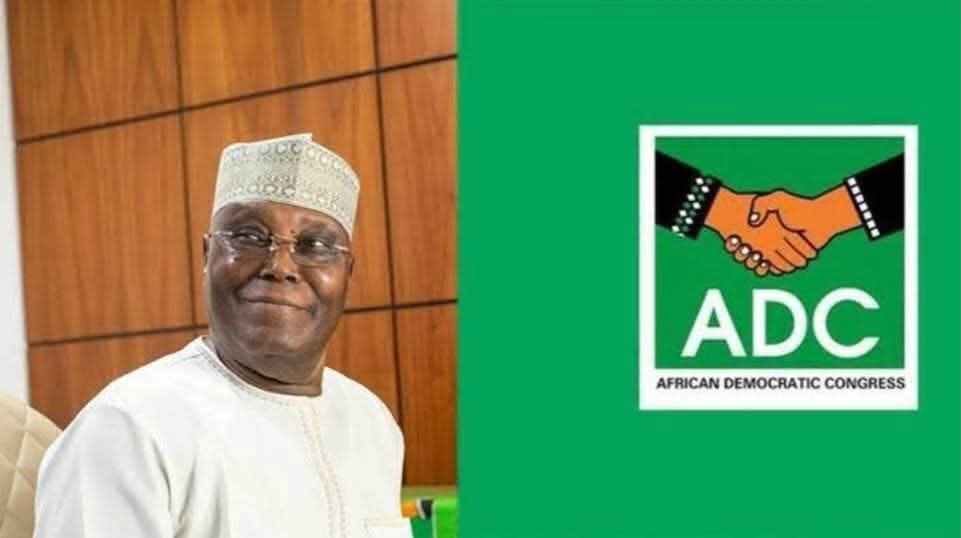
A federal high court in Abuja has declared fictitious a resignation letter allegedly signed by Nafiu Bala, a former deputy national chairman of the African Democratic Congress (ADC), which the party relied on to argue that he voluntarily relinquished his position.

In a judgment delivered on November 5, 2026, Peter Lifu, presiding judge, declared the Mark-led caretaker committee illegal and invalidated all decisions taken by the party’s caretaker committee, including the nomination of Atiku Abubakar as the ADC presidential candidate for the 2027 election…

thecable

Nigeria needs responsible governance, financial probity – Experts

0

Administrative and management experts have maintained that Nigeria does not merely need a bigger economy; but a better governed economy where capital is deployed responsibly, technology is governed ethically, enterprises are strengthened and encouraged, and above all prosperity is shared more broadly.

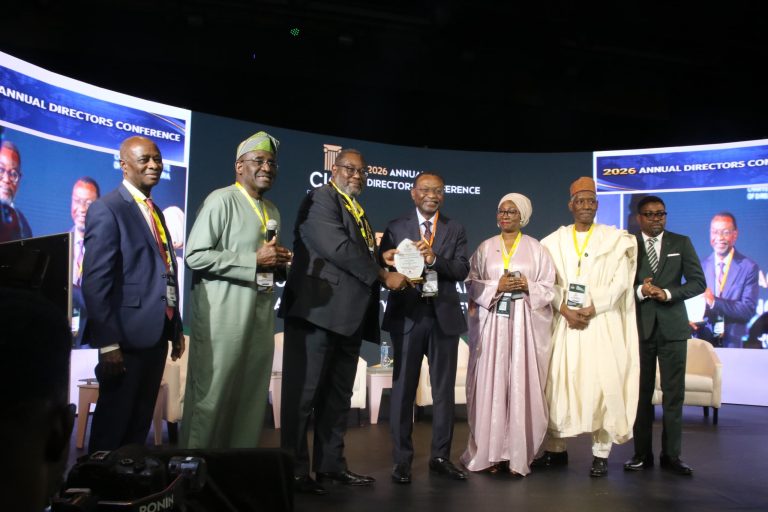
Speaking at the 2026 Annual Directors Conference of the Chartered Institute of Directors Nigeria (CIoD) in Lagos, the President & Chairman of the Governing Council of the Institute, Otunba Oyebanji, assured that as advocate for good governance and excellence in leadership, it would leave no stone unturned in ensuring that people at various leadership positions do the right things at the right time and right place for the interest of Nigerians.

CIoD President reiterates that to build a $1 trillion economy by 2030 as proposed by President Bola Tinubu, there is need for a substantial acceleration in economic growth. This ambition, he noted cannot be achieved through fiscal policy alone; it requires economic and political leaders to allocate capital productively, encourage enterprise, manage risks effectively, and create lasting economic value.
“Directors play an important role in building an inclusive economy. Micro, small and medium-scale enterprises account for 46.32 percent of Nigeria’s GDP and 87.9 percent of employment, according to the NBS/SMEDAN survey cited in PwCs 2024 MSME Survey.

“These figures remind us that national prosperity depends not only on the performance of large corporations but also on our ability to strengthen micro, small, and medium-scale businesses through sound governance, access to capital, and expanded market opportunities”

Oyebanji believes that the ongoing discourse in strategic competitiveness amid global uncertainty; entrepreneurial growth access to capital; board accountability in the age of artificial intelligence; stakeholder collaboration for shared prosperity; and ethical standards would yield positive results. “We will also consider how sustainable capital and effective public-private collaboration can support Nigeria’s ambition for a larger and more productive economy.

“As directors, we must recognise that good governance is more than compliance with laws and codes. It is demonstrated through the impact of our decisions, the integrity of our leadership, our willingness to challenge assumptions and our accountability to shareholders and other stakeholders”

He admonished corporate leaders to equip themselves and anticipate risks, seize opportunities and ensure that the pursuit of profit also contributes to wider economic and social progress of the national and our world.

“We remain committed to promoting professional standards, strengthening directors’ capacity and advancing governance practices that support institutional credibility and sustainable national development. We must build a sustainable businesses that will not only create value but also stand the test of time” he added.

The Chairman, National Organising Committee (NOC), Dr Waheed Olagunju, reminded boardroom leaders, policymakers, implementers, investors, academics and professionals that corporate success should contribute to broader national progress and bring about considerable improvements in the well being of societal members.

With the theme, “Reimagining the Board Room for Inclusive and Sustainable National Prosperity in the New Economy” Olagunju believes that sustainable prosperity entails productive businesses, effective institutions, decent employment, investment in human capital and opportunities that extend across sectors, regions and communities.

“Boards must consider how their decisions affect not only shareholders but also employees, customers, suppliers, our communities, and the wider society. Reimagining the boardroom is consequently not simply about adopting new technologies or introducing new governance procedures.

“It is about strengthening the quality of board deliberations, improving strategic judgment, promoting ethical leadership, and ensuring that decisions are informed by clear understanding of the opportunities and the risks organizations face”

He added that reimagining the board room also requires boards to respectfully challenge established assumptions, embrace relevant and diverse experience and perspective, as well as maintain long-term view of organizational performance and national development. “While interrogating established assumptions we should be mindful of lessons from the past that could serve as useful guide while navigating our ways into the future”

“Let us renew our commitment to responsible leadership, sound corporate governance and the pursuit of prosperity that is both inclusive and sustainable in the rapidly evolving new economy. By reimagining our boardrooms and strengthening the institutions that support productive enterprise, we can make considerable meaningful contributions to Nigeria’s economic aspirations” he averred.

On his part, the conference Chairman, Emmanuel Ocholi, warned corporate leaders that their decisions made in our boardrooms have far-reaching consequences for businesses, institutions and the Nigerian economy.

Commenting on the theme, Ocholi challenged captains of industries to examine whether the way they govern their organisations is adequate for the economic realities confronting their country, and whether the decisions they take are contributing meaningfully to the kind of economy Nigeria wants to become.

“The boardroom is where major corporate choices are scrutinised, where capital is allocated, where leadership is held accountable and where the long-term direction of organisations is determined. Yet, the environment in which these responsibilities are exercised has changed considerably. Technology is altering business models and competitive structures. Artificial intelligence is changing how organisations make decisions and deploy human resources.

“Global supply chains are being reconfigured. Climate risks, energy transition, cyber threats, geopolitical uncertainty and changing patterns of consumer demand are creating new exposures for businesses. At the same time, investors, regulators, employees and communities are demanding higher standards of transparency, responsible conduct and performance”

He explained that recent developments raise a fundamental question: Are boards governing the businesses of tomorrow with the assumptions and practices of yesterday?

For directors, he confirmed that the challenge is not to become experts in every new technology or emerging business trend. It is about asking better questions, understanding the implications of change, obtaining reliable information, challenging management assumptions, and ensuring that the organization is prepared for risks that may not yet be fully visible.

“Sustainable business growth requires more than a promising idea. It requires sound governance, credible leadership, appropriate risk management, access to capital and the capacity to adapt. Directors must look beyond periodic financial results and ask whether their organizations are building the capabilities required to remain relevant and competitive over the long term. We must be reminded that financial performance and national development are related, but not automatically the same”

He challenged directors to build organizations that are commercially successful, at the same time contributing to a more productive and inclusive economy. This, he opined requires boards to consider the quality of employment they support, the opportunities they create for local businesses, the development of human capital, the responsible use of natural resources and the wider consequences of their strategic decisions.

“Inclusion should be treated as part of the foundations of a resilient economy. When more people and businesses can participate productively in economic activity, the market broadens, the supply base strengthens, and the potential for sustainable growth increases.

“Similarly, sustainability should not be reduced to a reporting exercise or a regulatory compliance requirement. It should influence how organizations invest, manage resources, assess long-term risks and preserve their capacity to operate in the future. The board must therefore ask not only whether a decision is profitable today, but whether it is responsible, resilient and capable of creating value over time”

“Boards must move from simply reviewing risk reports to developing a deeper understanding of interconnected risks and the organization’s capacity to withstand them. Good governance is not demonstrated merely by holding meetings, approving minutes or satisfying compliance requirements.

“It is demonstrated when directors exercise sound judgement, ask difficult questions, insist on credible information and make decisions in the long-term interests of the organisation. A board that avoids difficult conversations cannot provide the oversight it is expected to provide”

He noted that these questions should not be treated as abstract governance issues because they affect investment decisions, organisational competitiveness, employment, innovation and the confidence that businesses and citizens place in our institutions.

“Boards cannot resolve every national economic challenge. That is not their mandate. However, they can make a meaningful contribution through the quality of their decisions and the standards they establish within their organisations.

“They can promote investment in productive capacity, support innovation, strengthen internal controls, develop capable leadership teams and insist on ethical business practices. They can also encourage constructive engagement with regulators and policymakers, while ensuring that their organisations contribute responsibly to the communities and markets in which they operate.

The management expert maintained that businesses require predictable rules, effective regulation, credible public institutions and a functioning justice system. Government, in turn, needs a productive private sector that creates employment, generates revenue, invests in infrastructure and contributes to economic growth.

“We need stronger institutions, more productive businesses and a relationship between the public and private sectors built on trust, accountability and a shared commitment to national development. Reimagining the boardroom begins with a willingness to rethink how we exercise oversight, how we define performance, how we manage risk and how we understand the relationship between corporate success and national progress” he posited.
2027: Nigerians are in hell in their own country – Okutepa

0

A Senior Advocate of Nigeria (SAN), Jibrin Okutepa, has delivered a scathing critique of the nation’s political class ahead of the 2027 polls, accusing leaders of using ordinary citizens as bargaining chips in the struggle for power while abandoning them once their interests are settled.

In a lengthy X post on Wednesday, Okutepa said the tragedy of Nigerian politics is that the people whose welfare should be the government’s purpose have become tools for campaigns, opposition slogans and access to public office.

“Their poverty provides campaign material. Their suffering supplies opposition slogans. Their votes open the doors to public office. Yet, once political interests are settled, their needs are too often abandoned,” he said.
The socio-political commentator lamented that the betrayal is made worse by those who ought to defend the people, including political leaders, influential voices and supposed champions of justice, who now find convenient reasons to support the very practices they once condemned.

He said, “Conduct described as oppressive yesterday suddenly becomes acceptable today because an appointment, an alliance or access to power has changed hands. Principles disappear where personal benefits begin.”

The senior lawyer questioned why sacrifice is always demanded of ordinary Nigerians while those in power protect their own privileges.

“The struggling trader must adjust. The unemployed graduate must remain hopeful. The worker must exercise patience. But when will those entrusted with public power accept that leadership requires sacrifice from them too?” he asked.

Okutepa also criticised what he described as crooked political games, where fierce opponents exchange accusations before cameras only to reconcile when their interests converge.

He said reconciliation is welcome when it serves the public good, but becomes betrayal when promises of accountability are quietly buried and citizens are told to applaud arrangements that offer them no relief.
According to him, the system thrives on hardship, which weakens citizens’ bargaining power.

A hungry person, he said, becomes vulnerable to inducement, while communities desperate for basic amenities may be persuaded to exchange their political independence for gestures presented as generosity.

“What citizens should receive as a matter of public duty is then advertised as a personal favour,” he said, adding that politicians are now making empty promises to transform hell into heaven if elected.

“But where is heaven on earth in Nigeria, after all these years since 1999?” he queried.

Okutepa also took aim at those who excuse injustice because its beneficiaries share their party, religion, ethnicity or friendship, warning that every such defence strengthens a machinery that may oppress someone else tomorrow.

He stated, “Poverty does not become less painful because a familiar face inflicts it. Those who were vocal against injustice yesterday are now defenders of the very unjust systems they attacked. What has changed, if I may ask? Nigerians are in hell in their own country.”

He called for citizens, professional bodies, labour organisations, religious institutions and public commentators to maintain the same standards regardless of who holds power, and to resist trading public trust for private comfort.

Okutepa said, “The Nigerian masses deserve a government that makes their lives better and advocates who will stand by them when doing so becomes inconvenient. They deserve to be heard between elections, respected beyond campaign grounds and protected from arrangements that perpetuate their misery.

“The people are human beings with dignity, hopes and rights. No political ambition, alliance or private benefit can justify keeping them poor, powerless and perpetually betrayed.”

Customs intensifies wildlife trafficking crackdown, intercepts 6 pangolins

0

The Nigeria Customs Service (NCS), Federal Operations Unit (FOU), Zone ‘A’, Lagos, has intercepted six endangered pangolins at Eruwa-Oni, Oyo State, as part of efforts to curb illegal wildlife trafficking and protect endangered species.

The interception was made at about 3:00 a.m. on Sunday, November 8, 2026, during an intelligence-led patrol. The animals were reportedly abandoned by their handlers, who fled on sighting the Customs patrol team.
The six pangolins were recovered alive and transported to the Unit’s headquarters in Ikeja, Lagos. However, two died on arrival, while the remaining four survived.

In line with the Service’s commitment to environmental protection and the preservation of endangered wildlife, the four surviving pangolins and the two carcasses were formally handed over to relevant wildlife officials for proper documentation and further action.

The handover was conducted by the Deputy Comptroller, Enforcement, DC A.O. Oguntuase, on behalf of the Comptroller, Federal Operations Unit, Zone ‘A’, Lagos.

The Unit said the interception underscored the Nigeria Customs Service’s commitment to combating the illegal exploitation and trafficking of protected wildlife species, while supporting biodiversity conservation and environmental sustainability.

It reiterated that the protection of endangered species was a shared responsibility and urged members of the public to provide credible and timely information to law enforcement agencies to assist in identifying and apprehending individuals involved in the illegal capture, possession, transportation and trafficking of protected wildlife.

The FOU Zone ‘A’ added that it remained committed to suppressing smuggling and other forms of illicit trade while strengthening collaboration with relevant agencies to safeguard Nigeria’s natural heritage.