Home Blog Page 239

Manufacturers Spend Heavily on Self-Generation, Pay $8.70 per Gas Unit — Coleman MD

0


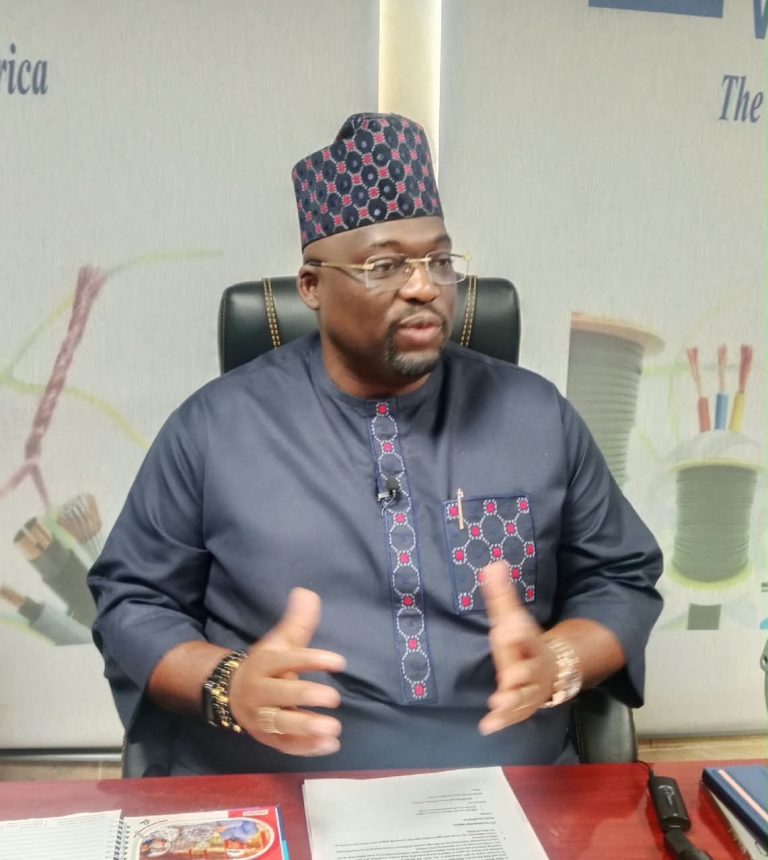
The Managing Director of Coleman Technical Industries Limited, George Onafowokan, has called for a significant reduction in the cost of gas supplied to manufacturers, saying high energy costs are forcing businesses to divert funds that could otherwise be used for expansion and job creation.

Onafowokan said Coleman had invested more than $20 million in gas-powered electricity generation, adding that manufacturers are being forced to spend heavily on self-generation while paying about $8.70 per unit for gas.

He made the remarks while assessing Nigeria’s monetary policy direction, manufacturing sector and prospects for economic growth.
On the Monetary Policy Committee’s decision to retain the Monetary Policy Rate at 26.5 per cent, Onafowokan said the current rate was still striking the right balance between controlling inflation and supporting economic growth.

However, he expressed optimism that the Central Bank of Nigeria could begin gradually reducing the rate soon.

“In my opinion, we are still striking the right balance, but I don’t think the current rate will remain for long. I believe we are approaching the point where the Central Bank of Nigeria can begin easing rates,” he said.

He projected a gradual reduction of between 0.25 and 0.5 percentage points over the next two meetings of the MPC.
Onafowokan commended the CBN for maintaining macroeconomic stability, particularly in the areas of inflation, foreign exchange and liquidity, but stressed that monetary policy alone could not drive economic transformation.

He said fiscal policy must complement the efforts of the apex bank, noting that several reforms initiated by the new Minister of Finance and Coordinating Minister of the Economy had already begun to take effect.

“We need to give these policies time to deliver results. I believe Nigeria now has a pragmatic economic team that can balance monetary and fiscal policies to deliver greater benefits to businesses and ordinary Nigerians,” he said.

According to him, while Nigeria’s macroeconomic reforms have largely recorded progress, fiscal reforms are beginning to catch up.

He said the government appeared to be putting the right people in key economic ministries, adding that economic transformation could not happen overnight.
Manufacturing, agriculture, trade need priority.

Onafowokan identified manufacturing, agriculture and trade as the sectors that should receive priority if Nigeria is to achieve sustained economic growth and create jobs on a large scale.

He explained that agriculture and manufacturing were closely interconnected because agricultural products must be processed into finished or semi-finished products to maximise their economic value.

“Producing cassava is one thing, but converting it into starch or ethanol is manufacturing. The same applies to palm produce, eggs and several other agricultural products. Manufacturing adds value and creates employment,” he said.

He urged the government to provide deliberate incentives for the sectors, particularly through development finance institutions.
Onafowokan called for stronger funding for the Bank of Industry, saying it should provide patient capital through long-term, low-interest financing rather than operate like commercial banks.

He expressed concern that the BOI had recently increased its lending rates significantly, bringing them closer to commercial banking rates.

“Development banking should not operate like commercial banking. It exists to stimulate industrial growth, create jobs and support SMEs,” he said.

He urged the government to strengthen the bank’s funding base to enable it to continue providing affordable financing to businesses.
CBN should support industrialisation
Onafowokan also urged the CBN to play a stronger role in supporting industrialisation by working with the Ministry of Finance to recapitalise development finance institutions, particularly the BOI.

“The CBN has done a commendable job, but it must also become a catalyst for industrialisation,” he said.
He clarified that his recommendation was not for the apex bank to return to directly funding every sector, but to support institutions capable of providing long-term, affordable financing to manufacturers, SMEs and agricultural businesses.

According to him, such financing is essential for sectors capable of generating sustainable employment.

High energy costs threaten manufacturers
Onafowokan identified the high cost of electricity as one of the biggest challenges facing manufacturers, despite the Federal Government’s efforts to decentralise electricity generation and encourage private investment.

He said manufacturers that had invested millions of dollars in gas-powered electricity generation were being penalised by the high cost of gas.

“Coleman alone has invested more than $20 million in gas-powered electricity generation. Instead of investing that amount solely in machinery that could create thousands of additional jobs, manufacturers are forced to spend heavily on self-generation and then pay about $8.70 per unit for gas,” he said.

He described the pricing as economically unsustainable for Nigeria, which is one of Africa’s largest gas producers.
Onafowokan called on the government to reduce the price of gas supplied to manufacturers to about $3.50 per unit, arguing that the measure should be viewed as an investment in industrial growth rather than a subsidy.

He said lower energy costs would enable manufacturers to expand operations, increase production, create more jobs and improve Nigeria’s competitiveness in international markets.
Political stability, policy consistency key to investment
Looking ahead, Onafowokan said political stability and policy consistency would be critical factors for investors over the next 12 months, particularly as Nigeria approaches another election cycle.

He said consistent government policies would help sustain the country’s economic growth trajectory and attract more investment.
“If government policies remain consistent over the next 12 months, I believe Nigeria’s economy will continue on its current growth trajectory. A steady rise in GDP will naturally attract more investors,” he said.

While noting that portfolio investments had increased significantly, indicating growing confidence in the economy, he said Nigeria still needed substantially higher levels of Foreign Direct Investment.

He, however, placed greater emphasis on Domestic Direct Investment, saying the expansion of local businesses was a stronger demonstration of confidence in the Nigerian economy and a major source of sustainable employment.
Onafowokan urged the government to continue supporting domestic investors through consistent policies and stronger incentives, particularly in manufacturing, agriculture and trade.
He said Nigeria had the potential to achieve sustained economic growth and industrial development if these measures were implemented effectively.

What investing in Africa means to Aliko Dangote

0


By Ehi Braimah

​


When conversations turn to investment in Africa, one name consistently dominates the discussion: Aliko Dangote. Over the past four decades, the Nigerian industrialist has become more than Africa’s richest businessman – he has emerged as one of the continent’s most influential advocates for industrialisation, value addition and economic self-reliance. His investments tell a story that goes beyond profit; they reflect a philosophy that Africa can no longer afford to remain merely a supplier of raw materials while importing finished products at enormous cost.

Dangote’s vision is rooted in a simple but transformative belief: Africa must produce what it consumes and trade more with itself. This conviction aligns perfectly with the aspirations of the African Continental Free Trade Area (AfCFTA), which seeks to create a single African market and stimulate manufacturing, investment and intra-African trade.

Unlike many investors who view Africa as a collection of disconnected national markets, Dangote has consistently viewed the continent as one vast economic space with immense potential. His strategy has therefore been to establish industries that solve critical supply gaps while creating jobs, developing local expertise and reducing dependence on imports.

His most visible success story is cement. Through the Dangote Cement Group, he transformed Nigeria from one of the world’s largest cement importers into a net exporter. Today, the company operates manufacturing plants in numerous African countries, including Ethiopia, Tanzania, Senegal, Zambia, Cameroon, Congo, South Africa and Ghana, among others. Collectively, these investments have created tens of thousands of direct and indirect jobs while supplying the materials needed for roads, bridges, schools, hospitals, housing and other infrastructure that underpin economic development.

Dangote has repeatedly argued that infrastructure is impossible without locally available cement. By manufacturing close to African markets, his company reduces transportation costs, conserves foreign exchange and builds domestic industrial capacity. The result is not merely commercial success but the strengthening of Africa’s productive economy.

Dangote’s US$45 billion capital expansion programme (2026 – 2030) across Africa clearly underscores his vison of prosperity for the continent. Dangote Cement alone has invested US$8.5 billion across Africa in 15 years. However, his commitment extends beyond cement into agriculture and food security. Through Dangote Sugar Refinery, he has invested heavily in integrated sugar production with the objective of reducing Africa’s dependence on imported sugar. The strategy combines cultivation, processing and refining, creating agricultural value chains that benefit farmers, transporters, processors and distributors.

Sugar, often overlooked in discussions of industrialisation, illustrates Dangote’s broader philosophy. Africa possesses fertile land, favourable climate and abundant labour. Yet, billions of dollars leave the continent annually to import products that could be produced locally. Dangote believes reversing this trend is essential for sustainable development.

The same philosophy explains his investment in fertiliser. The Dangote Fertiliser Plant in Nigeria is among the largest granulated urea fertiliser facilities in the world. Its significance extends well beyond Nigeria’s borders. Fertiliser is fundamental to improving agricultural productivity across Africa, where millions of smallholder farmers struggle with declining soil fertility and low crop yields.

By producing fertiliser locally, Africa reduces import dependence while making a strategic input more accessible to farmers. In Ethiopia, Dangote has invested over US$4 billion in the country’s fertiliser plant to cut imports and reduce forex pressure. Higher agricultural productivity contributes directly to food security, export competitiveness and rural prosperity. For Dangote, industrialisation and agriculture are complementary pillars of economic transformation rather than competing priorities.

Perhaps no investment better illustrates his long-term vision than the Dangote Petroleum Refinery. For decades, Nigeria – despite being one of Africa’s largest crude oil producers – imported much of its refined petroleum products. This paradox imposed enormous costs on the economy and exposed the country to supply disruptions and foreign exchange pressures.

The refinery seeks to reverse this historical anomaly by refining crude oil domestically on an unprecedented scale. Beyond meeting Nigeria’s needs, it has the capacity to supply refined petroleum products to many African countries, reducing the continent’s dependence on imports from Europe, Asia and the Middle East. It also demonstrates that Africa can execute world-scale industrial projects despite enormous financial, technical and logistical challenges.

Dangote’s ambitions are increasingly continental. Reports of planned refinery investments and partnerships in Kenya reflect his broader vision of strengthening Africa’s energy security and industrial base beyond Nigeria. The proposed 700,000 bpd refinery in Kenya will cost about US$17 billion, and it is projected that it will take about three to five years to build. Whether through new investments, partnerships or strategic supply arrangements, the objective remains consistent: creating integrated African value chains capable of supporting economic growth across multiple countries.

The Dangote Petroleum Refinery in Ibeju Lekki, Lagos has significantly strengthened Nigeria’s energy security at a time of heightened geopolitical tensions in the Middle East, where conflicts have disrupted global oil supply chains and fuel markets. By refining crude oil locally, Nigeria has reduced its dependence on imported petroleum products, making the country less vulnerable to external supply shocks, freight disruptions and price volatility.

Had the refinery not come on stream, Nigeria would likely have faced acute petrol shortages, steeper pump prices and intensified pressure on scarce foreign exchange needed for fuel imports. Increased demand for U.S. dollars would have placed further strain on the naira, worsening exchange rate instability and fueling inflation across the economy. While Nigeria remains exposed to global crude oil price movements, the Dangote Refinery has provided a vital buffer, enhancing energy resilience, conserving foreign exchange and reinforcing the country’s economic stability during a period of global uncertainty.

Central to Dangote’s philosophy is his confidence in Africa’s future. He has frequently encouraged both African and international investors to stop seeing Africa through the narrow lens of political instability, poverty and risk. Instead, he points to the continent’s rapidly growing population, expanding middle class, abundant natural resources and entrepreneurial energy as compelling reasons to invest.

He often reminds audiences that every successful economy was built by investors willing to take calculated risks. In his view, Africa’s challenges should not discourage investment; rather, they represent opportunities to create solutions that generate both commercial returns and lasting social impact.

His message to African governments is equally consistent: sustainable development requires policies that encourage industrial investment, protect legitimate businesses, improve infrastructure and create predictable regulatory environments. Investors need confidence that long-term projects will receive stable policy support.

Dangote also believes that African capital should play a leading role in Africa’s development. While foreign direct investment remains valuable, local investors understand African markets more deeply and are often willing to commit for the long term. Their success, he argues, inspires confidence among international investors.

The emergence of the AfCFTA makes Dangote’s vision even more relevant. A continent-wide market of over 1.4 billion people offers manufacturers unprecedented opportunities to achieve economies of scale. Companies producing cement, fertiliser, sugar and refined petroleum products can increasingly serve multiple African markets under a more integrated trading framework. This is precisely the future Dangote has anticipated through decades of cross-border investment.

Ultimately, Aliko Dangote’s legacy will not be measured solely by his wealth but by the industries he has built and the confidence he has inspired in Africa’s economic potential. His investments demonstrate that African entrepreneurs can conceive, finance and execute projects of global significance. They show that industrialisation is not an abstract aspiration but a practical pathway to jobs, technology transfer, export growth and shared prosperity.

As global investors gather at Africa-focused business summits from Abuja to Nairobi, Accra, Kigali, Lome, Abidjan, Johannesburg, London, New York, Washington DC, Paris, Dubai, Beijing, Moscow, Singapore and beyond, Dangote’s journey offers an important lesson: investing in Africa is not an act of charity; it is a strategic economic decision grounded in the continent’s vast opportunities.

His life’s work is an enduring reminder that Africa’s greatest wealth lies not only beneath its soil but also in its capacity to manufacture, innovate and create value for its own people and for the world.

Braimah is a PR specialist, marketing strategist, and publisher/editor-in-chief of Naija Times (www.ntm.ng) and Lagos Post (www.lagospost.ng). He is a strong advocate forAfrican prosperity and can be reached through: ehi.braimah@neomedia.com.ng

Army Arrests Kidnap Syndicate Commander, Recovers Four AK-47 Rifles in Enugu

0


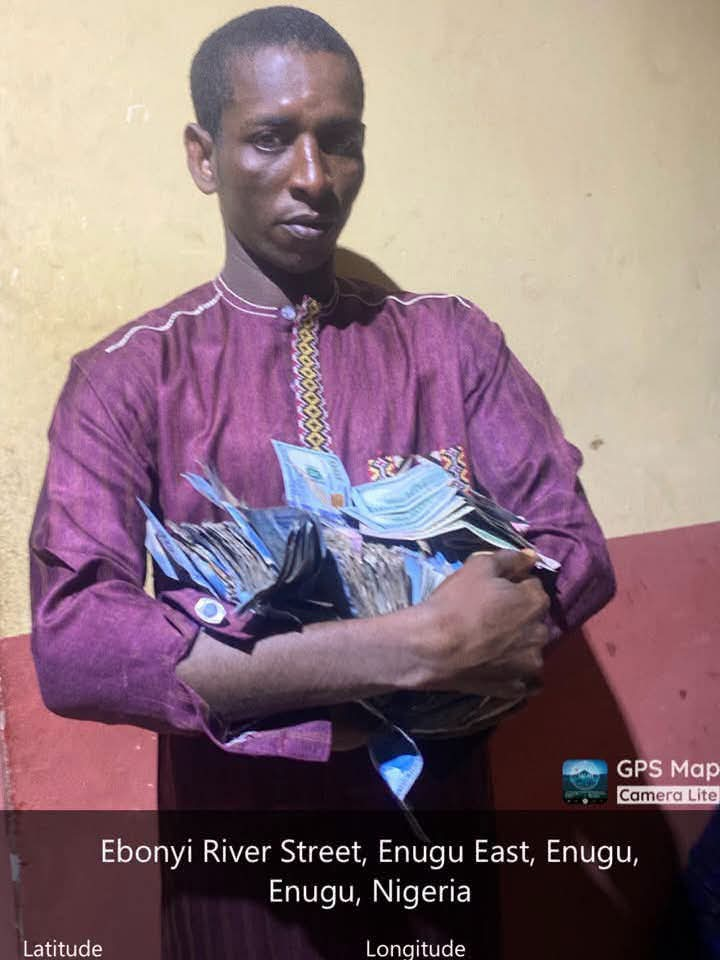
Troops of the 82 Division/Joint Task Force South East, Operation UDO KA, in collaboration with operatives of the Department of State Services (DSS), have arrested a suspected commander of a notorious kidnapping syndicate and recovered four AK-47 rifles, seven magazines and 133 rounds of 7.62mm Special ammunition in Enugu State.

The suspect was apprehended during a coordinated, intelligence-led operation in the Gariki General Area of the state following sustained efforts to dismantle a criminal syndicate allegedly responsible for the abduction of two persons in Udi Local Government Area on August 2, 2026.

The Army said the arrest followed an earlier operation in which troops neutralised one member of the syndicate and arrested another.

According to a statement issued by the Acting Deputy Director, Army Public Relations, 82 Division, Lt. Col. Olabisi Ayeni, information obtained from the arrested suspect provided critical intelligence that led to the identification of the fleeing syndicate commander and the location of the group’s concealed arms cache.

Acting on the intelligence, troops intensified the manhunt and subsequently tracked, intercepted and arrested the suspected commander as he attempted to flee Enugu State.

Preliminary investigations, the Army said, indicated that the suspect was linked to several kidnapping operations across the South East and North Central regions.
Items recovered from the suspect included $1,000, ₦785,900 in cash and other incriminating materials.

Further exploitation of the intelligence obtained from the arrested suspects led troops to Umuchingu Ujenike Forest, where members of the syndicate had allegedly concealed their weapons.

During a follow-up operation, the troops recovered four AK-47 rifles, seven AK-47 magazines and 133 rounds of 7.62mm Special ammunition from the forest hideout.

The Army described the operation as another demonstration of the effectiveness of intelligence-driven joint operations in disrupting organised criminal networks, apprehending fleeing suspects and denying criminal elements access to weapons and safe havens.

The arrested suspect is currently undergoing further interrogation to facilitate follow-up operations aimed at apprehending other members of the criminal network and their collaborators.

The Joint Task Force, Operation UDO KA, in collaboration with other security agencies, said it would sustain intelligence-led operations against criminal elements across the South East.

It added that troops would continue to pursue individuals threatening the peace and security of law-abiding citizens while working to create a safe environment for socio-economic activities to thrive across the region.

Identical Twins Defy NNPC Recruitment Myth, Both Secure Jobs in 2026 Intake

0


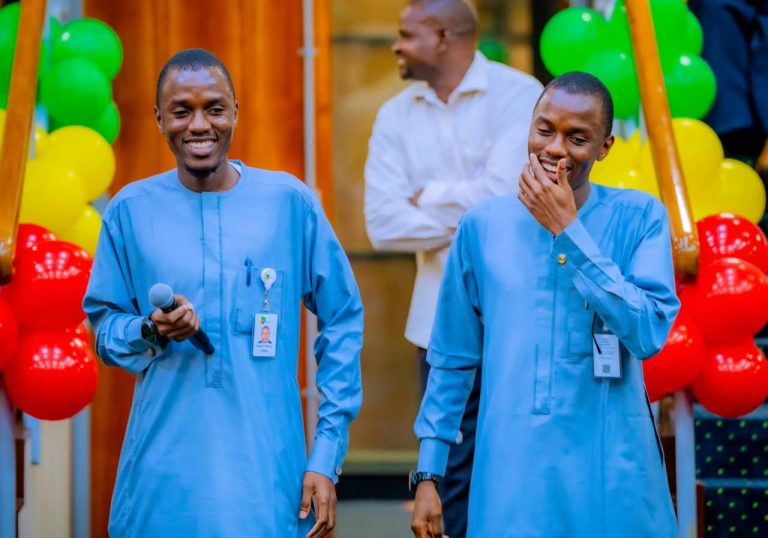
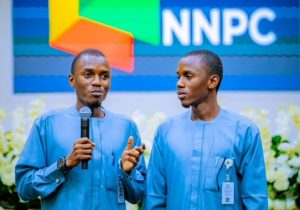
Identical twins, Hussaini and Hassan Malami, have challenged the long-standing misconception that the Nigerian National Petroleum Company Limited (NNPC Ltd.) recruits only one person from a family, after both successfully secured employment in the company’s 2026 intake.

The twins, members of the NNPC Tigers Class of 2026, took part in the recruitment process independently and eventually received employment letters on the same day.

For Hussaini, joining NNPC had always been a dream. He applied as soon as the recruitment portal opened and encouraged his twin brother, Hassan, to do the same.

Hassan, however, was initially reluctant. He had wrongly assumed that NNPC hired only one person from a family and did not want to jeopardise his brother’s lifelong ambition.

His own aspiration was to join the Nigerian Air Force and serve the country. At the time, he was working in the banking sector and had little interest in pursuing a corporate career.

His reservations were also influenced by the experience of three older siblings—a lawyer, an engineer and a business administrator—who had previously applied to NNPC without success.
Despite his reluctance, Hassan eventually submitted his application after persistent encouragement from Hussaini, doing so close to the application deadline.

The twins sat for the computer-based test on the same day, but in different cities, with Hussaini taking his test in Sokoto and Hassan in Kaduna.

Following a rigorous recruitment process, including interviews, both were successful and received their employment letters on the same day.
“I opened the email after midnight and wanted to wake everybody up to tell them,” Hussaini said with a laugh.

Hassan, meanwhile, first learnt of the development through the family WhatsApp group when he woke up.

“I was now nervous about the possibility of not being successful once Hussaini shared his news,” he recalled.
Both brothers eventually joined NNPC.

Hussaini is currently with NNPC Exploration & Production Limited (NNPC E&P Limited), while Hassan works with NNPC Gas Infrastructure Company (NGIC), where he has gained a new perspective on Nigeria’s energy industry.
“I didn’t know there was a whole business dedicated to transporting gas,” Hassan said.

“Now I’ve seen how gas powers plants and manufacturing companies. Hearing that gas is the future is one thing. Seeing how it is happening is another.”
Ironically, the twin who initially had no interest in a corporate career now regards his work at NNPC as another form of national service.

Although he still hopes to pursue military service before reaching the age limit in 2030, Hassan said he is currently happy with his career at NNPC.
For Hussaini, the experience has reinforced his long-standing ambition, while also inspiring him to give back to his alma mater as a guest lecturer.
“When I was in university, I only had one lecturer with field experience,” he said. “I want to share practical experience with students someday.”

On the NNPC culture transformation pillars, Hussaini identified with Enterprise First, explaining that “giving your best to the company is giving your best to the country.”

Hassan, a civil engineer, identified more closely with Execution Excellence.

“I’m a civil engineer. I like seeing things come to life from concept to completion,” he said.
The twins also urged young Nigerians interested in working for NNPC to disregard rumours about the recruitment process and focus on merit.

Their message was simple: “Ignore the rumours. You don’t need to know anybody at NNPC. Apply. Take the test and earn your place.”

Their story, according to NNPC, offers a reminder that assumptions about recruitment and opportunity can sometimes be misleading and that applicants should rely on the official process rather than rumours.

At first glance, Hussaini and Hassan may appear almost indistinguishable. But their journey through NNPC has shown that, beyond their physical similarities, they have distinct aspirations, personalities and career paths.

Wike Debunks Report He’s Lobbying For APC Presidential Campaign DG

0


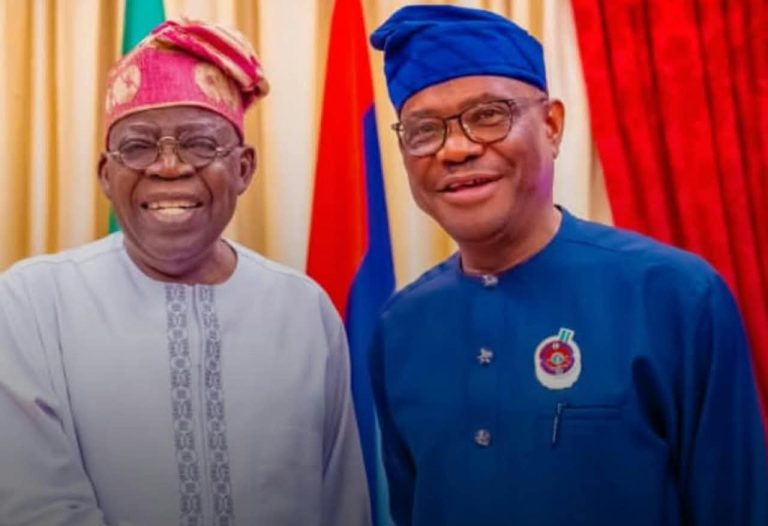
The Federal Capital Territory (FCT) Minister, Nyesom Wike, has debunked reports in some section of the media suggesting that he was lobbying to be made Director-General (DG) of the All Progressives Congress (APC) Presidential Campaign Council (PCC).

This was disclosed by Lere Olayinka
Senior Special Assistant
Public Communications and Social Media in a statement on Monday.

The Minister, who reiterated his unflinching support for the reelection of President Bola Tinubu, said that he does not need to be the DG or even member of the President’s Campaign Council to deliver ensure that the President wins massively in Rivers State and the FCT.

A report in some section of the media had listed the FCT among top party chieftains and government officials lobbying or being mentioned for the position of the APC Presidential Campaign Council DG.

However, reacting through his Senior Special Assistant on Public Communications and Social Media, Lere Olayinka, the FCT described the report as false, saying he did not at any time discuss leadership or even membership of the Presidential Campaign Council with anyone.

He said; “I am outside Nigeria, resting and relaxing after spending over 30 days, commissioning projects, flagging off new ones and inspecting ongoing ones, especially those scheduled for commissioning in December and January, next year.

“When I return, our focus will be the continuous delivery of our mandate in line with the President’s Renewed Hope Agenda and to further enhance his electoral fortune in Rivers State and the FCT.

“Therefore, I do not need to be the DG or even member of the Presidential Campaign Council of Mr President’s political party to contribute my quota by ensuring that he wins handsomely in Rivers State and the FCT.”

EFCC Arrests one for Impersonating EFCC Operatives in Maiduguri 

0


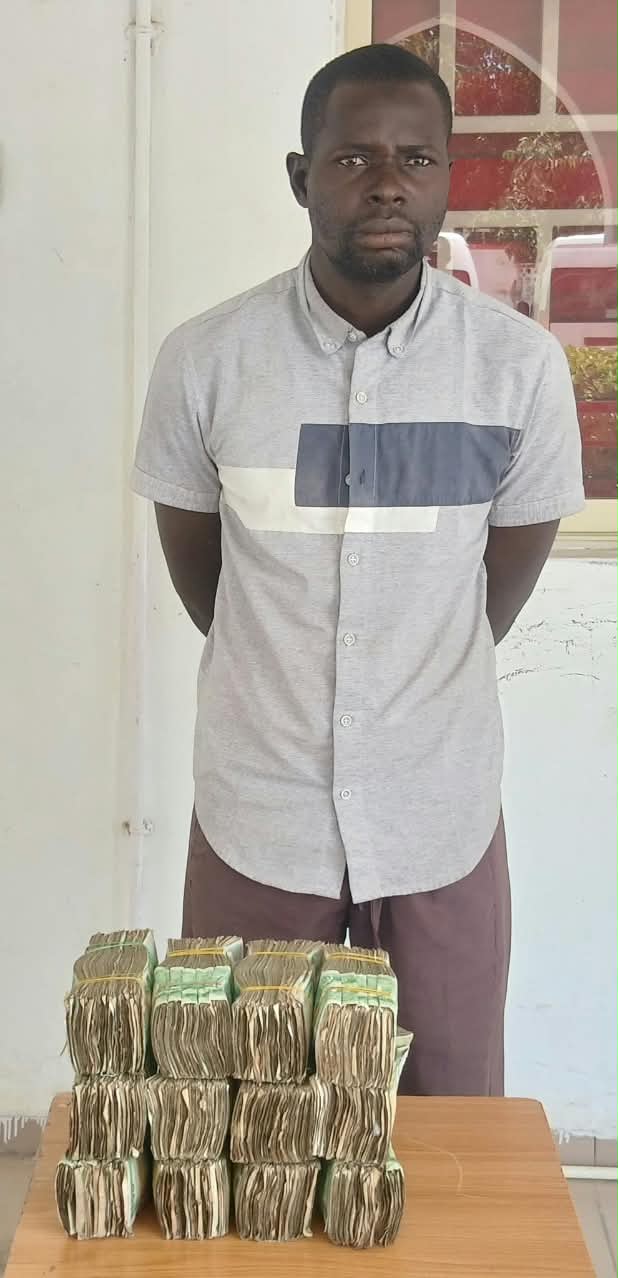
Operatives of the Maiduguri Zonal Directorate of the Economic and Financial Crimes Commission, EFCC, have arrested one Nuhu Dahiru for impersonation and obtaining money by false pretence to the tune of  N3,000,000.00 (Three Million Naira).

The suspect was arrested in Tashan Bama, along Bama Road, Maiduguri, Borno State, following  credible intelligence indicating that he had been parading himself as an officer of the EFCC, and thereby defrauding unsuspecting members of the public.

A sum of N3,000,000.00 (Three Million Naira) was recovered from him upon his arrest.
He will be charged to court upon conclusion of investigations

What God cannot do does not exist…

0


Pastor Jerry Eze joins Tony Elumelu’s Heirs Assurance as non-executive director

According to the top insurance company, “We are pleased to announce the appointment of Pastor Jerry Eze (Jerry Eze) as an Independent Non-Executive Director of Heirs Life Assurance effective August 10, 2026.

A respected leader with a distinguished record in community engagement, philanthropy, and development communications, Pastor Jerry Eze brings valuable insight that will support our continued commitment to strong corporate governance, financial inclusion, and expanding access to insurance across Nigeria.

As we continue to make insurance more accessible, relevant, and impactful, we look forward to the experience and perspective he brings to our Board.”

Osun workers lock secretariat, clarify N20,000 palliative amid political tensions

0


Organised labour in Osun State on Monday defended the N20,000 disbursed to workers last week, clarifying that the funds were approved as palliatives to cushion the effects of economic hardship rather than for political vote-buying.

The unions, who temporarily shut the entrances to the state secretariat in protest, carried placards bearing various inscriptions, including “Call Oyetola to order.”

Addressing journalists, the Nigeria Labour Congress (NLC) Chairman in the state, Comrade Christopher Arapasopo, explained that the financial support followed a direct request made by the union to Governor Ademola Adeleke.

“On April 8, organised labour wrote a letter to His Excellency, Senator Ademola Jackson Nurudeen Adeleke, requesting palliatives for workers and pensioners in the state, specifically asking for N20,000 for each worker,” Arapasopo stated.

“Following subsequent meetings in early July, and taking the state’s financial constraints into account, the governor promised to pay N10,000 each per month for June and July, which labour duly accepted.”

Arapasopo decried claims circulating on social media by the All Progressives Congress (APC) alleging that the payments were a form of vote-buying.

He emphasised that the initiative originated entirely from labour leaders seeking to alleviate economic pressures on workers, noting that Osun State is not immune to national economic challenges.

Expressing deep concern over security and political tension in the state, the NLC chairman appealed to President Bola Ahmed Tinubu to call the Osun APC leadership to order.

“This election should not be a war. As workers and pensioners of Osun State, we have every right to vote for whosoever pleases us. No worker must be intimidated or harassed,” Arapasopo said.

He further urged the international community to monitor developments in the state and called on the Nigeria Police Force to remain neutral, professional, and focused on protecting citizens rather than taking sides.

Referencing reports of armed thugs operating unchecked, he urged security agencies to safeguard public peace.

Looking ahead to the upcoming gubernatorial election on Saturday the 15th, Arapasopo sent a stern warning to political actors attempting to suppress voters, saying, “We are going to send a strong signal and warning to any party that tries to intimidate or harass workers, pensioners, and the good people of Osun State.”

He also addressed public concerns regarding recent controversies surrounding state accounts.

The State Chairman of the Joint Negotiation Council (JNC), Comrade Olamilekan Adediran, urged President Tinubu to intervene and protect citizens from harassment and political intimidation.

“All civil servants and pensioners in Osun have been in this system for a long time and have worked with several governors.

“We implore all workers and residents to go out with their Permanent Voter Cards (PVCs) to their polling units and vote for their candidate of choice without fear or tension,” Adediran said.

Emphasizing that the acquisition of power should not be treated as a do-or-die affair.

He said, “We know the government we like, and we do not want imposition in Osun.

“We appeal to the President to help us call these actors to order; coming to power does not mean we should destroy ourselves or freeze the accounts of the state.”

Sun

I never lobbied for APC campaign DG position – Wike

0


The Minister of the Federal Capital Territory, Nyesom Wike, has dismissed reports that he is lobbying to become Director-General of the All Progressives Congress (APC) Presidential Campaign Council, describing the claim as false and reaffirming his commitment to securing a decisive victory for President Bola Tinubu in Rivers State and the Federal Capital Territory.

Wike, who reacted through his Senior Special Assistant on Public Communications and Social Media, Lere Olayinka, said he had neither sought the position nor discussed the leadership or membership of the proposed campaign council with anyone.

The denial followed reports in sections of the media listing Wike among prominent APC chieftains and government officials allegedly being considered or lobbying for the position of Director-General of the party’s Presidential Campaign Council ahead of the 2027 general elections.

Describing the report as untrue, the minister said his priority remained the discharge of his responsibilities as FCT Minister and supporting Tinubu’s administration rather than seeking a position in the President’s campaign structure.

Wike said he was currently outside Nigeria taking a break after spending more than 30 days supervising projects across the Federal Capital Territory.

“I am outside Nigeria, resting and relaxing after spending over 30 days, commissioning projects, flagging off new ones and inspecting ongoing ones, especially those scheduled for commissioning in December and January, next year,” he said.

According to him, his attention would return fully to the implementation of the FCT mandate and the administration’s Renewed Hope Agenda upon his return to the country.

“When I return, our focus will be the continuous delivery of our mandate in line with the President’s Renewed Hope Agenda and to further enhance his electoral fortune in Rivers State and the FCT,” Wike said.

The minister said his commitment to Tinubu’s re-election did not depend on holding any formal position within the APC campaign organisation.

He maintained that he could contribute effectively to the President’s re-election without being appointed Director-General or even becoming a member of the Presidential Campaign Council.

“Therefore, I do not need to be the DG or even member of the Presidential Campaign Council of Mr President’s political party to contribute my quota by ensuring that he wins handsomely in Rivers State and the FCT,” he said.

Sun

Olubadan Ladoja installs four new Mogajis, warns against land grabbing, drug abuse

0


His Imperial Majesty, the Olubadan of Ibadanland, Oba (Dr.) Rasidi Adewolu Ladoja, Arusa I, has installed four new Mogajis to oversee their respective family compounds in Ibadan.

The installation ceremony was held at the Banquet Hall of the Olubadan Palace, Oke Aremo, Ibadan, on Monday.

In his installation message delivered by the Ekerin Balogun of Ibadanland, Oba Akeem Mobolaji Adewoyin, Oba Ladoja congratulated the newly installed Mogajis on their elevation to their new traditional positions.

The Olubadan, however, warned the new Mogajis against engaging in activities capable of tarnishing the image of the Olubadan institution and Ibadanland.

He specifically cautioned them against land grabbing, hatred, vendetta, drug abuse, corruption and other forms of criminality, stressing that they would be held responsible for criminal acts committed within their respective domains.

According to him, the Mogajis are representatives and ambassadors of the Olubadan wherever they operate and must conduct themselves in ways that promote the dignity of the traditional institution.

“You are my ambassadors anywhere you are. Consequently, you should key into my vision of taking Ibadanland to a greater height,” the Olubadan said.

Oba Ladoja also charged all traditional rulers in Ibadanland to preserve and promote the traditional and cultural values of the ancient city.

He noted that the primary responsibility of any properly installed or coronated traditional ruler was to uphold, preserve and promote the cultural heritage of his people.

The newly installed Mogajis are Olusegun Emmanuel Ogunyemi of Ogunwelu Compound, Oke-Adu area, Ibadan North-East; Akeem Olalekan Alade of Oju-Abere Compound, Inalende, Ibadan North-West; Aderinto Adesoji of Sangodeyi Ikuola Compound, Idi-Arere, Ibadan South-West; and Adewale Idowu Akanmu Abonde of Abonde Compound, Ibadan North-East Local Government Area.

The ceremony was attended by several members of the Olubadan-in-Council and other traditional leaders, including the Otun Olubadan of Ibadanland, Oba (Sir) Eddy Oyewole; Otun Balogun, Oba (Dr.) Kolawole Adegbola; Ashipa of Ibadanland, Oba Salawudeen Amidu Ajibade; Ashipa Balogun, Oba Dauda Abiodun Azees; Ekerin Balogun, Oba Akeem Mobolaji Adewoyin; and Ekarun Balogun, Oba Sarafadeen Abiodun Alli.

Representatives of the Iyalode Line, Mogajis, Baales and other traditional stakeholders also attended the installation ceremony.

Sun