Home Blog Page 182

FULL LIST: Zamfara, Sokoto, Borno top Nigeria’s kidnapping victims — Report

0

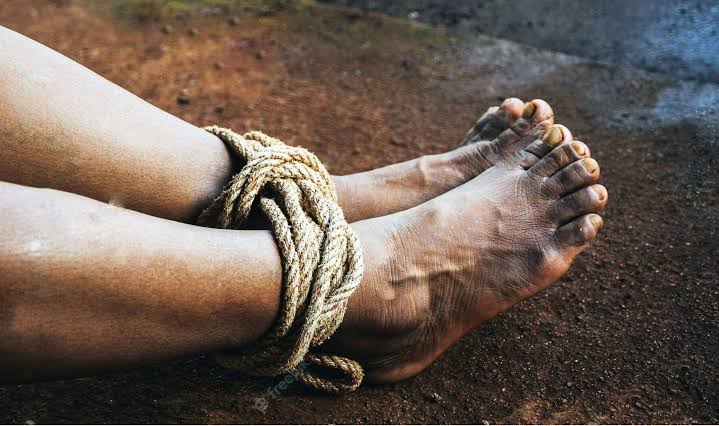
Nigeria’s kidnapping crisis remained heavily concentrated in the northern part of the country, with Zamfara, Sokoto and Borno recording the highest numbers of victims between July 2025 and June 2026, according to a report obtained from SBM Intelligence’s website on Friday.

The research firm recorded 7,825 kidnapping victims across 1,411 incidents during the period, with the North accounting for 93.7 per cent of all victims.

The figures are contained in SBM Intelligence’s August 2026 report, The Capture of Nigeria’s Kidnap Economy, which examined kidnapping incidents, victims, civilian and security casualties, ransom payments and anti-kidnap operations across the country.

According to the report, the data was compiled through desk research and one-on-one interviews, using publicly available information from government agencies, regulators, newspapers, trade associations and research partners. The data was subsequently fact-checked and edited before publication.

1. Benue — 145 victims

Benue recorded 145 kidnapping victims across 32 incidents during the period.

The state recorded 26 anti-kidnap operations, the highest number among the states listed.

It also recorded 15 civilian deaths and three kidnappers killed, with no security-agent deaths reported.

1. Kebbi — 216 victims

Kebbi recorded 216 kidnapping victims across 52 incidents.

The state recorded five anti-kidnap operations, while 33 civilians, one kidnapper and three security agents were killed.

Kebbi also recorded a resurgence in school abductions during the period.

1. Kwara — 265 victims

Kwara recorded 265 kidnapping victims across 89 incidents.

Five anti-kidnap operations were recorded in the state, while 50 civilians and four kidnappers were killed. Thirteen security agents also died.

Despite ranking eighth by number of victims, Kwara recorded the highest ransom demand among the states, at N7.375bn.

The report linked a significant portion of the demand to Boko Haram activity around Woro and Wawa.

1. Kogi — 412 victims

Kogi recorded 412 kidnapping victims across 85 incidents.

Security forces conducted 21 anti-kidnap operations in the state, while 20 civilians were killed.

The state also recorded 13 kidnappers killed and one security agent death.

1. Niger — 496 victims

Niger State recorded 496 kidnapping victims across 68 incidents.

The state recorded six anti-kidnap operations and 54 civilian deaths. No kidnappers or security agents were recorded as killed.

Niger also accounted for N2bn in ransom payments, largely linked to the abduction of 315 pupils and staff of St Mary’s School in Papiri.

1. Katsina — 559 victims

Katsina recorded 559 kidnapping victims across 187 incidents, making it the state with the second-highest number of incidents after Zamfara.

The state recorded 25 anti-kidnap operations, second only to Benue’s 26.

It also recorded 101 civilian deaths, one kidnapper killed, and six security agents killed.

1. Kaduna — 814 victims

Kaduna recorded 814 kidnapping victims across 134 incidents.

The state carried out 24 anti-kidnap operations, while 130 civilians were killed.

Security forces also killed 74 kidnappers, the highest figure among the states listed.

No security-agent deaths were recorded in Kaduna.

1. Borno — 892 victims

Borno recorded 892 kidnapping victims across 55 incidents, placing it third among the states.

The state recorded 20 anti-kidnap operations, while 24 civilians and 13 security agents were killed. No kidnapper deaths were recorded.

Borno also recorded the country’s largest ransom payment during the period following the abduction of 416 people in Ngoshe, for which N5bn was reportedly paid.

1. Sokoto — 1,157 victims

Sokoto recorded the second-highest number of kidnapping victims, with 1,157 people abducted across 179 incidents.

Security forces carried out 19 anti-kidnap operations in the state.

The period also recorded 166 civilian deaths, no reported kidnapper deaths and four security-agent deaths.

Sokoto recorded 76 mass-abduction incidents involving 974 victims.

1. Zamfara — 1,921 victims

Zamfara recorded the highest number of kidnapping victims in Nigeria, with 1,921 people abducted across 236 incidents.

The state recorded only four anti-kidnap operations during the period.

It also recorded 211 civilian deaths, three kidnappers killed and 10 security agents killed.

Zamfara’s 1,921 victims accounted for almost a quarter of all kidnapping victims recorded nationally.

Northwest remains epicentre

The report showed that Nigeria’s kidnapping crisis remained concentrated in the North, with the three northern geopolitical zones accounting for 7,334 of the 7,825 victims recorded during the period.

The Northwest recorded the highest number, with 4,771 victims, followed by the Northeast with 1,497 and the North-Central with 1,066.

The Northwest also recorded the highest number of kidnapping incidents, with 680, compared with 309 in the North-Central and 211 in the Northeast.

In the South, the South-South recorded 192 victims, while the Southwest recorded 236 and the Southeast 63.

Overall, the North accounted for 93.7 per cent of all kidnapping victims, compared with 6.3 per cent in southern Nigeria.

SBM Intelligence attributed the disparity partly to the scale of armed groups operating across the North and the region’s large rural landmass, including forests and other difficult-to-police areas where abductors can operate and hold victims.

The Northwest also dominated mass abductions, recording 267 of the country’s 396 mass-kidnapping incidents, representing 67.4 per cent of the national total.

Across Nigeria, mass abductions accounted for 6,222 victims, representing 79.5 per cent of all people kidnapped during the period.

 

Two German airport workers die of malaria from mosquito on plane

0

Two workers at Germany’s Frankfurt airport who caught malaria from a mosquito thought to have arrived on a plane have died, the city’s health authority said Wednesday.

Airport officials had earlier said one employee had died, with six workers infected.

The Robert Koch Institute (RKI) said an imported Anopheles mosquito carried over by an aircraft was the likely cause.

The other four infected employees were being treated in hospital, said an airport spokesman.

According to the RKI, Germany’s last outbreak of airport-based malaria was in 2023. The rarity of the condition means diagnosis can be delayed, increasing the chances of severe symptoms.

The other employees are being treated, the airport spokesman said, adding that mosquito traps have been installed at the airport.

The Institute of Tropical Medicine in Antwerp, Belgium, said it would analyse the malaria parasites in the patients’ blood samples.

Caused by parasites spread via Anopheles mosquitoes, malaria can cause symptoms including nausea, headache and intense waves of fever and chills.

The disease causes hundreds of thousands of deaths a year, mostly in sub-Saharan Africa.

Treatments exist and patients caught early with the disease usually make a complete recovery.


Abia at 35: Kalu Left a Prosperous, Influential State, His Successors Presided Over Its Decline — Cleric

0

Bishop Silas Eke of the Kingly People’s Assembly has said former Abia State Governor, Senator Orji Uzor Kalu, left behind a prosperous and politically influential state in 2007, blaming the decline witnessed in subsequent years on those who governed Abia after him.

Eke, who was reacting to the assessment of former Aviation Minister Osita Chidoka on Abia State at 35, said Chidoka was right to acknowledge that Kalu put Abia firmly in the national conversation and made the state punch above its weight during his eight years as governor.

In a statement on Friday, the cleric said the history of Abia since the return of democracy must be told fairly, insisting that the economic and political decline associated with the state occurred after Kalu left office and should not be attributed to his administration.

“At the beginning of this democratic dispensation, Abia had a governor who understood the importance of economic development and political relevance. I agree completely with Osita Chidoka that Orji Uzor Kalu put Abia firmly in the national conversation and made the state punch above its weight.

“Under Kalu, Abia was not struggling to be noticed. We were visible economically, politically and even in sports. We had a voice in Nigeria and nobody dared to joke with Abia politically because we had a governor who could speak and stand for the state,” Eke said.

He recalled that Aba experienced enormous commercial activity during the Kalu administration, attracting traders and businesspeople from across the old Eastern Region and neighbouring African countries.

According to him, the commercial influence of Aba extended from Akwa Ibom to Ikom, Ogoja and Obubra in Cross River State, as well as Sagbama in Bayelsa State, with traders travelling to the city to buy and source goods.

“Aba was a commercial destination. People came from different parts of Nigeria to buy goods. From Akwa Ibom all the way to Ikom, Ogoja, Obubra and down to Sagbama, people depended on Aba for goods and business.

“It did not stop with Nigeria. People came from Cameroon, from Buea, Yaoundé and Garoua, to buy goods in Aba. Top expatriates lived in Aba and drove from Aba to Port Harcourt. That was the level of economic activity we had. Aba could comfortably stand alongside Lagos as one of Nigeria’s most important business destinations,” he said.

Eke said the level of commercial activity translated into opportunities for residents, arguing that businesses and different sectors of the local economy flourished during the period.

“Unemployment and poverty were virtually nonexistent compared with what Abia later experienced because economic activities were everywhere. Every sector flourished. People were producing, buying, selling and providing services. Aba was alive morning and night.

“That is why we must be careful when discussing the history of Abia. The Abia that Kalu handed over in 2007 was not the Abia that people eventually came to complain about. The decline came after he had left office,” he said.

The cleric also recalled the transformation of Enyimba International Football Club into a continental football powerhouse during the Kalu administration, describing the club’s success as an important driver of sports tourism and economic activity in Aba.

“Thousands of people flooded Aba to watch Enyimba. Think about what that meant for hotels, restaurants, transporters, traders and other businesses. People were coming to Aba because of football. That was sports tourism in practical terms.

“Enyimba carried the name of Aba and Abia across Africa. For two consecutive years, the biggest prize in African club football was associated with Aba. That was not an insignificant achievement,” Eke said.

Beyond commerce and sports, Eke said Kalu’s political stature ensured that Abia commanded attention in national affairs at a critical period when the South East was searching for a stronger voice following Nigeria’s return to democratic government.

“We had a great voice in Orji Uzor Kalu in Nigerian politics. Nobody dared to take us for granted politically. Abia was constantly in the national conversation. Whether you agreed with Kalu or disagreed with him, you could not ignore Abia.

“That is exactly why Chidoka’s statement is important. He was correct when he said Kalu understood that moment. Abia punched above its weight because its governor understood that leadership was not only about occupying Government House. It was also about projecting your state, attracting attention to its potential and defending its interests,” he said.

Eke, however, said the momentum was not sustained after Kalu completed his second term in 2007, accusing the administrations that governed the state between 2007 and 2023 of failing to invest sufficiently in infrastructure and the wider economy.

He said Chidoka’s observation that infrastructure deteriorated and Abia’s national standing diminished over time should therefore be understood within the context of what happened after Kalu’s departure.

“Those things faded because those who succeeded Kalu refused to make the investments necessary to sustain the development of the state. Infrastructure deteriorated, our economic influence declined and the strong national voice we once had became weaker.

“You cannot inherit a state and, 16 years later, blame the man who handed it over to you for everything that went wrong. Leadership comes with responsibility. Every government has a duty to build on what it inherited and leave something better for the next generation,” Eke said.

The cleric said the 35th anniversary of Abia offered an opportunity to move beyond political sentiments and honestly assess the contributions of different administrations to the state’s development.

“History cannot be rewritten because of politics. If we are honest about Abia’s journey, we must acknowledge the period when the state prospered and commanded national attention, just as we must acknowledge when the decline began.

“Orji Uzor Kalu left office in 2007. What happened to Abia in the 16 years after that must be placed at the doorstep of those who had responsibility for governing the state during those years. That is the fair judgement of history,” Eke said.

Our correspondent reports that Kalu governed Abia State from 1999 to 2007 and currently represents Abia North Senatorial District in the Senate.

Nasarawa hospital debunks claims that lawmaker’s donated items were stolen

0

The Ogun State Commissioner of Police, CP Bode Ojajuni, has ordered an immediate and comprehensive investigation into allegations of farmland destruction, criminal intimidation and land grabbing in Ajogbo Akia community, Ado Odo/Ota Local Government Area of the state.

Deputy Police Public Relations Officer in the state, ASP Opeyemi Oluborode disclosed this in a Friday statement.

According to the statement, the order follows media reports and concerns raised by the traditional leadership and residents of the community.

On Tuesday, the community raised the alarm over what they described as a violent invasion and destruction of their farmlands by hoodlums suspected to be land grabbers.

Speaking to the media, the Baale and traditional ruler of Ajogbo Akia, Dr Oluwasegun Adebiyi, said the suspected land grabbers have allegedly “made heavy and direct threats to eliminate whoever stands in their way”, making residents to live in fear and unable to go to farms or conduct normal activities.

The police said the investigation would ascertain the true facts, identify perpetrators, and ensure that anyone found culpable is brought to justice.

The police clarified that disputes over land title, boundary adjustments and ownership claims are strictly civil matters that should be resolved in court.

However, it noted that where a party has legitimate title and statutory documents but suffers criminal acts such as malicious damage to crops, destruction of property, criminal trespass or threats to life, such cases can be reported to the police for investigation and possible prosecution.

To ensure safety, the Ogun State Police Command said Area Commanders and Divisional Police Officers have been directed to deploy “high-visibility operational patrols and intelligence assets” to Ajogbo Akia and surrounding agricultural corridors.

The patrol teams have been mandated to “dominate the area day and night” to enable farmers and residents access their farmlands “without fear of violence, harassment, or unlawful interference.”

The command reiterated its “zero-tolerance stance against illegal land grabbing, self-help, and threats to life,” and commended the traditional ruler, Dr. Oluwasegun Adebiyi, and community leaders for seeking law enforcement intervention rather than resorting to violence.

Members of the public were urged to remain calm, stay law-abiding, and provide actionable intelligence to aid investigators and ensure lasting peace.

Sun
Nasarawa hospital debunks claims that lawmaker’s donated items were stolen
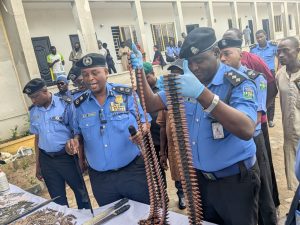
The management of General Hospital, Umaisha, in Toto Local Government Area of Nasarawa State, has denied allegations that equipment donated to the facility by a state lawmaker was missing or stolen.

The hospital management said the donated items remained intact and were properly documented, following concerns raised by Ibrahim Abdullahi Sa’ad, who represents Umaisha/Ugya Constituency in the Nasarawa State House of Assembly.

The lawmaker had alleged that orthopaedic mattresses, ceiling fans, wall fans and standing fans he donated more than two years ago were not available in the wards when he visited the hospital on August 22, 2026.

His concerns generated attention after a video of his interaction with hospital officials circulated publicly.

In response, the hospital management organised a public display of the donated items on Thursday to demonstrate that the materials were still available.

The management maintained that none of the donated items had been stolen or gone missing and said its records accounted for the materials.

The development comes after Nasarawa State Governor Abdullahi Sule ordered an investigation into the matter and directed the Commissioner for Health to establish what happened to the donated items.

Sule had also warned that officials found culpable would face dismissal and prosecution.

The governor’s directive followed the controversy generated by the lawmaker’s visit and his demand for an explanation over the whereabouts of the donated equipment.

With the hospital now insisting that the items are intact and properly documented, the ongoing investigation is expected to clarify the circumstances surrounding the dispute and determine whether any official breached established procedures.

Ogun CP orders probe into alleged farmland destruction, land grabbing in Ajogbo Akia community

0

The Ogun State Commissioner of Police, CP Bode Ojajuni, has ordered an immediate and comprehensive investigation into allegations of farmland destruction, criminal intimidation and land grabbing in Ajogbo Akia community, Ado Odo/Ota Local Government Area of the state.

Deputy Police Public Relations Officer in the state, ASP Opeyemi Oluborode disclosed this in a Friday statement.

According to the statement, the order follows media reports and concerns raised by the traditional leadership and residents of the community.

On Tuesday, the community raised the alarm over what they described as a violent invasion and destruction of their farmlands by hoodlums suspected to be land grabbers.

Speaking to the media, the Baale and traditional ruler of Ajogbo Akia, Dr Oluwasegun Adebiyi, said the suspected land grabbers have allegedly “made heavy and direct threats to eliminate whoever stands in their way”, making residents to live in fear and unable to go to farms or conduct normal activities.

The police said the investigation would ascertain the true facts, identify perpetrators, and ensure that anyone found culpable is brought to justice.

The police clarified that disputes over land title, boundary adjustments and ownership claims are strictly civil matters that should be resolved in court.

However, it noted that where a party has legitimate title and statutory documents but suffers criminal acts such as malicious damage to crops, destruction of property, criminal trespass or threats to life, such cases can be reported to the police for investigation and possible prosecution.

To ensure safety, the Ogun State Police Command said Area Commanders and Divisional Police Officers have been directed to deploy “high-visibility operational patrols and intelligence assets” to Ajogbo Akia and surrounding agricultural corridors.

The patrol teams have been mandated to “dominate the area day and night” to enable farmers and residents access their farmlands “without fear of violence, harassment, or unlawful interference.”

The command reiterated its “zero-tolerance stance against illegal land grabbing, self-help, and threats to life,” and commended the traditional ruler, Dr. Oluwasegun Adebiyi, and community leaders for seeking law enforcement intervention rather than resorting to violence.

Members of the public were urged to remain calm, stay law-abiding, and provide actionable intelligence to aid investigators and ensure lasting peace.

Gombe gov’t moves to formalise informal settlements, boost land value

0

Gombe state government has intensified efforts to transform informal settlements into properly planned communities, with the government projecting significant improvements in infrastructure, land value and living conditions.

The Executive Chairman of the Gombe State Urban Planning and Development Authority (GOSUPDA), Dr. Kabiru Usman Hassan, speaking during an enlightenment and stakeholder engagement programme at Wuro Liman community in Gombe metropolis, said the initiative was designed to secure residents’ cooperation in formalising the settlement and improving its physical planning.


He said Wuro Liman, which was previously a customary and informal settlement, had begun transitioning into a formal community following the construction of several roads and other infrastructure.

According to him, residents must work with government agencies before subdividing or selling land, particularly in areas on the outskirts of Gombe metropolis where farmland is increasingly being converted into residential plots without official planning approval.

“We don’t want such things to continue happening,” he said, urging other communities to emulate Ngoro Liman’s cooperation with the relevant agencies.

The chairman explained that the engagement was also aimed at educating residents on land-use planning, including the appropriate locations for schools, hospitals and recreational facilities, as well as building setbacks necessary for adequate ventilation and safe development.

He said the government was also exploring the development of planned layouts in areas along the proposed Northern Bypass corridor, including locations around FCE and Quadran, through engagement with landowners and the application of relevant provisions of the Land Use Act.

The Acting Director-General of the Gombe State Geographic Information Systems (GOGIS), Abubakar Umar El-Nafaty, said the agency’s participation was focused on educating residents about land titling, compliance with planning standards and the benefits of formalising their properties.

El Nefaty said the government approved a new layout for the settlement because its location near the Shehu Abubakar GRA meant leaving it unplanned could distort the wider city layout.

He said formalisation had already increased property values, noting that plots previously sold for about N350,000 to N400,000 could now command N5 million, N10 million or more.

He added that planned infrastructure, including water networks, hospitals, police stations and fire-service facilities, would improve access to essential services and enhance residents’ quality of life.

Both officials said government engagement with the community would remain continuous, stressing that cooperation, rather than unplanned development, was critical to achieving sustainable urban growth in Gombe metropolis.

2027: Battle lines drawn as Tinubu, APC govs meet, Atiku, Obi, others plot alliance

0

• 6 parties open talks on common front, negotiating teams, 5 working groups on table

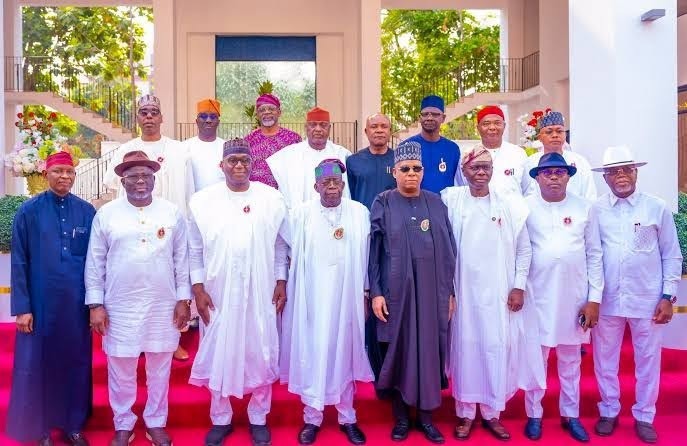
Battle lines for the 2027 presidential election are taking shape as President Bola Tinubu met governors elected on the platform of the All Progressives Congress (APC) in Abuja yesterday, while Atiku Abubakar, Peter Obi, Seyi Makinde, Donald Duke and other opposition leaders prepare for a crucial summit aimed at forging a common front.

Tinubu’s meeting with the governors came eight days after campaigns officially commenced in accordance with the timetable of the Independent National Electoral Commission (INEC) and five days after the APC unveiled its Presidential Campaign Council.

As the ruling party consolidates its campaign machinery and deploys political heavyweights across the country, leaders of six opposition parties are expected to meet on August 31 to begin structured negotiations on cooperation and coordination, including mechanisms for eventually resolving the thorny questions of presidential candidacy and the shape of a possible alliance.

Tinubu met the governors, under the aegis of the Progressives Governors’ Forum (PGF), at the State House shortly after 3p.m.

The engagement followed an earlier meeting of the National Economic Council (NEC), presided over by Vice President Kashim Shettima and attended by the governors.

Although details of the agenda of the President’s meeting with the APC governors were not immediately disclosed, discussions were still ongoing at the time of filing this report.

The meeting comes amid intensifying political activities and continuing efforts by the ruling party to put its campaign machinery in place.

The APC had five days earlier unveiled its Presidential Campaign Council, naming former Zamfara State governor and serving senator, Abdulaziz Yari, as Director-General.

Former Borno State governor, Ali Modu Sheriff, has also been appointed the party’s North-East Zonal Campaign Coordinator, a move the Grassroots Coalition for Change (GCC) described yesterday as strategic to Tinubu’s re-election bid.

The coalition said Sheriff’s political experience, grassroots network and knowledge of the North-East positioned him to spearhead the President’s campaign in a zone expected to feature prominently in the battle for votes.

GCC National Coordinator, Bello Johnson, said the appointment demonstrated Tinubu’s decision to deploy experienced political figures with established grassroots networks to coordinate his campaign across the country.

“Sheriff is focused on one thing: delivering the North-East for President Bola Ahmed Tinubu in 2027. He is a politician of repute, and he understands the political terrain of the region,” the coalition said.

“The North-East appreciates the appointment of Senator Ali Modu Sheriff. He understands the region, he understands its political dynamics, and he has the network required to engage stakeholders across the zone. We are confident that he is capable of delivering the North-East for President Tinubu.”

The group also dismissed what it described as attempts to discredit Sheriff through negative media reports, arguing that allegations against the former governor had not been established.

“We are confident that Senator Ali Modu Sheriff will rise to the occasion. He is focused on delivering the North-East for President Tinubu, and nobody can distract him with allegations that have never been established,” it said.

While the APC deploys its campaign machinery, opposition politicians are moving to confront perhaps their biggest obstacle to mounting a formidable challenge to Tinubu — fragmentation.

Major opposition presidential candidates, including Atiku, Obi, Makinde, Duke and Adewale Adebayo, are expected at the August 31 summit being promoted by the G-100, a group pushing opposition parties towards cooperation and potentially a single presidential candidate.

G-100, in a statement by Salihu Lukman yesterday, listed African Democratic Congress (ADC) presidential candidate, Atiku; Nigeria Democratic Congress (NDC) candidate, Obi; Allied Peoples Movement (APM) candidate and Oyo State Governor, Makinde; Social Democratic Party (SDP) candidate, Adebayo; and Peoples Redemption Party (PRP) candidate, Duke, among those expected at the meeting.

The leaderships of the ADC, NDC, APM, SDP, PRP and Peoples Democratic Party (PDP) are also expected, alongside vice presidential candidates of the opposition parties and the minority caucus of the House of Representatives.

G-100 described the gathering as a “historic meeting” that would begin a structured process towards opposition cooperation and coordination ahead of the elections.

The summit, with the theme, A Framework for Opposition Cooperation and Coordination, is expected to confront some of the most difficult questions surrounding attempts to build a united opposition front, including competing presidential ambitions and the structure of any alliance.

The group stressed, however, that the August 31 meeting would not immediately determine who emerges as presidential candidate of a proposed alliance.

“Cooperation does not require any party to disappear into another. The first question before party leaders is not who leads the ticket. It is what we are, together, prepared to do for this country,” G-100 said.

The push for a common front echoes an earlier warning by Duke that a fractured opposition pulling in different directions would weaken its capacity to challenge the ruling party in 2027.

Duke, who is contesting on the PRP platform, described the configuration as a “splintered opposition with a common goal,” warning that competing ambitions could undermine the opposition’s chances.

“If you are all pulling in different directions, you weaken” the opposition, Duke said.

He argued that opposition forces needed to negotiate and compromise if they hoped to provide Nigerians with a viable alternative.

“Ideally, the opposition should come together,” Duke said, warning that operating separately “weakens the possibility of real impact.”

The August 31 summit could provide the first formal platform for testing that proposition, bringing Duke into negotiations with Atiku, Obi, Makinde, Adebayo and leaders of the major opposition parties.

G-100 stressed that the first meeting would not attempt to settle the potentially explosive question of which presidential candidates might eventually have to step aside.

“The First Summit is not intended to determine, in a single sitting, questions of presidential candidacy or the final form that opposition cooperation may take.

“Its immediate purpose is more fundamental — to establish and authorise a formal architecture through which those questions can be negotiated collectively, transparently and in good faith.”

The summit follows the group’s publication on August 2 of the Doctrine of a Necessary Democratic Opposition and weeks of consultations with the leaderships of the six opposition parties.

According to G-100, those consultations produced a shared briefing, A Framework for Opposition Cooperation and Coordination, identifying areas of convergence while recognising the parties’ different histories, identities and political interests.

“At the centre of the consultations was a common recognition of the need for a credible, organised and competitive democratic opposition, and a willingness to engage the difficult questions that meaningful cooperation ahead of 2027 will require,” it said.

Each participating party is expected to attend with a delegation comprising its leadership and key stakeholders.

Among proposals before the summit is the establishment of formal structures to drive negotiations and five specialised working groups to develop the principal documents and agreements required to give institutional form to opposition cooperation.

Subject to the decisions of the participating parties, the working groups will have four weeks to complete the assignment.

With Tinubu and APC governors closing ranks, the ruling party deploying campaign coordinators across the country and opposition parties preparing to negotiate a framework for cooperation, political manoeuvring for the 2027 presidential contest is rapidly gathering pace.

Report: Nigerians pay N12bn ransom as kidnapping feeds terror networks

0


…1,142 killed, 7,825 people abducted in 11 months

NIGERIA’S kidnap-for-ransom crisis is evolving from a fragmented criminal enterprise into a more organised and financially consequential business, with at least N12 billion which may have been recorded in ransom payments over recent reporting cycles, findings from SBM Intelligence revealed on Thursday.

According to its latest report titled; The Capture of Nigeria’s Kidnap Economy, the country’s kidnapping economy has undergone a striking transformation as between July 2025 and June 2026, 7,825 people were abducted in 1,713 kidnapping and related incidents, representing a 66 per cent increase in victims from the previous cycle.

The report also stated that at least 1,142 people were killed during the period.

But the most significant change is not simply the number of people abducted. It is the money owing from those abductions.

SBM Intelligence recorded N22.86 billion in ransom demands during the year, but victims and their families paid N7.78 billion. That amount was more than three times the N2.56 billion recorded in the previous cycle (2025), even though total ransom demands fell by more than half so far his year from N48 billion.

As a result, the ransom collection rate jumped from 5.35 per cent to 34 per cent so far. The figures point to an increasingly concentrated and sophisticated market. Specially, in 2020, about N106.3 million, N200 million in 2022, N3 million in 2023, N52.55 million in 2024, N766 million in 2025 and N5 million so far this year, collectively meant that the combined value of these six annual single-incident highs means that at least N6.128 billion was paid in the reporting cycles.

The report also noted that a single faction of Boko Haram, Jama’atu Ahlis Sunna Lidda’awati Wal-Jihad (JAS), accounted for approximately N7 billion, about 90 per cent of all recorded ransom payments, from only eight incidents.


Troops Neutralise Over 21 Boko Haram/ISWAP Terrorists in Adamawa Offensive

0


The Joint Task Force (North East), Operation HADIN KAI (OPHK), has recorded another significant operational success following a well-coordinated joint offensive against Boko Haram/ISWAP terrorists in the Kopre Mountain general area of Hong Local Government Area of Adamawa State.

The statement was signed by Captain Mohammed Goni, Acting Military Information Officer, Headquarters Joint Task Force (North East), Operation HADIN KAI, Maiduguri.

Acting on credible intelligence, a joint force comprising the Office of the National Security Adviser (ONSA) Tactical Team and newly inducted troops of 226 Battalion, recently deployed to Sector 4, Adamawa State, under the directive of the Chief of Army Staff, Lieutenant General Waidi Shaibu NAM, conducted a stealth operation in the target area.

Navigating the difficult and rugged terrain, the troops successfully penetrated the terrorists’ enclave and launched a precision strike on the camp in the early hours of August 27, 2026.

The operation was conducted as part of sustained efforts to locate and rescue victims held by terrorist elements, including persons abducted from Mussa community in May 2026 and the Lassa schoolchildren abducted in June 2026.

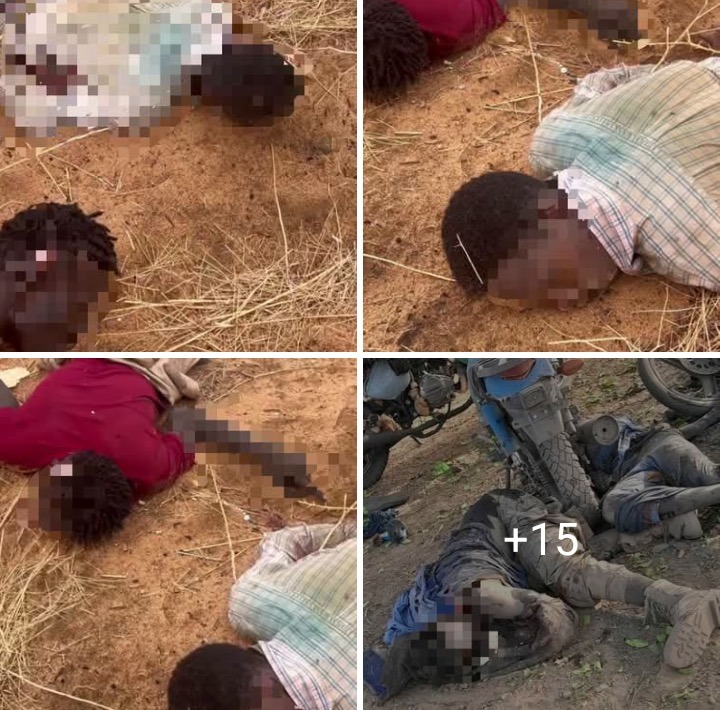
During the operation, the troops closed in on the terrorist camp and engaged the terrorists in two separate encounters. Following fierce engagements, over 21 terrorists were neutralised, while several others escaped with gunshot wounds.

The joint force subsequently dominated the area, dismantled the entire terrorist camp and destroyed associated logistics infrastructure, further degrading the terrorists’ operational capabilities in the area.

During the exploitation of the location, several motorcycles, bicycles and jerrycans containing Premium Motor Spirit (PMS), believed to have been used to support terrorist logistics and mobility, were destroyed in situ.

The troops also recovered several AK-47 rifles, AK-47 magazines and a substantial quantity of 7.62mm Special ammunition.

The successful operation underscores the sustained operational tempo, tactical proficiency, intelligence exploitation capability and combat effectiveness of the joint force.

It also demonstrates the capacity of troops to project combat power into difficult and restrictive terrain, dismantle terrorist enclaves and deny terrorist elements freedom of action across the theatre of operations.

The Military High Command commended the gallantry, professionalism, resilience and seamless coordination displayed by the ONSA Tactical Team and troops of Operation HADIN KAI during the operation.

It said the decisive action reflected the determination of the Armed Forces and other security stakeholders to relentlessly pursue and degrade terrorist elements wherever they may seek refuge.

The Joint Task Force (North East), Operation HADIN KAI, said it remains resolute in sustaining aggressive, intelligence-driven operations aimed at locating and rescuing abducted persons, dismantling terrorist strongholds, degrading their logistics and fighting capabilities, and denying them freedom to operate.

The Theatre reassured the public that ongoing operations would be sustained until all abducted persons are located and rescued, while efforts continue towards restoring lasting peace and security across the North East.

Obanikoro: Omoluabi and Service Can Take You Further Than Money in Politics

0


Money has become one of the biggest forces in Nigerian politics, with candidates often expected to spend heavily to secure party tickets and run competitive campaigns. But former Minister and Senator Musiliu Obanikoro believes financial strength alone does not guarantee victory.

Obanikoro makes the argument in Seun Oloketuyi’s forthcoming book, How to Win an Election in Nigeria, scheduled for release on September 6, where he reflects on what really determines success at the polls.
While acknowledging that elections are expensive, Obanikoro says the more important question is what the money is being used for and what a candidate brings to the table beyond financial resources.
In his view, Nigerian politics cannot be reduced entirely to who has the deepest pocket.
“In Yoruba political culture, the concept of Omoluabi, character, integrity, and ethical conduct, remains a powerful factor,” he said.

The concept of Omoluabi, he explained, still carries weight in political relationships and in the way people assess those seeking public office. Obanikoro pointed to aspirants who had significant financial resources but still failed to secure party tickets during recent primaries.
According to him, some of these candidates made the mistake of treating money as a substitute for relationships, party loyalty and respect for the political structures they were trying to navigate.

“There are aspirants with vast financial resources who lost recent party primaries because they abandoned the principles of Omoluabi and disregarded the party’s internal culture,” he said.
For Obanikoro, the lesson is straightforward: money can open doors, but it cannot guarantee that people will trust or stand behind you.
“Money is a tool, but when divorced from character and respect for the party collective, it fails to deliver lasting political success,” he said.
He also believes that politicians who want to win the confidence of voters need to understand what actually matters to them.
Rather than relying entirely on sophisticated campaign slogans or promises, Obanikoro said candidates should pay attention to issues that affect people’s daily lives.

For many Nigerians, he noted, the most compelling political message is often a simple one who will provide security, improve roads, make healthcare more accessible, provide opportunities and make everyday life easier?
He cited the political legacy of the late Chief Obafemi Awolowo as an example of how tangible achievements can give political ideas lasting appeal.
Awolowo’s administration in the old Western Region became known for programmes including free primary education and accessible healthcare, policies that, according to Obanikoro, connected directly with the needs of the people.
For him, that remains an important lesson for today’s politicians.
A candidate may have the resources to run a sophisticated campaign, but voters still want to know what that candidate has done, what he or she stands for and whether there is reason to believe that their lives will improve.

Obanikoro’s position also challenges the assumption that the candidate who spends the most automatically has the best chance of winning.
Financial resources are necessary, he acknowledges, but they work best when supported by credibility, relationships and a genuine connection with the electorate.
That balance, he suggests, becomes even more important within political parties, where an aspirant is not dealing only with voters but also with party leaders, delegates and established structures.
His argument is ultimately about the limits of money in politics.
For all the money that goes into Nigerian elections, Obanikoro believes there are things money cannot manufacture — character, trust and a record of service.
And in a political environment where the cost of seeking office continues to rise, his question is one that candidates may need to consider: after the money has been spent, what exactly is left for the people to believe in?

Obanikoro’s reflections on money, character, service and the realities of winning elections form part of the wider conversation in Seun Oloketuyi’s How to Win an Election in Nigeria, coming September 6.