…….Commend CBN
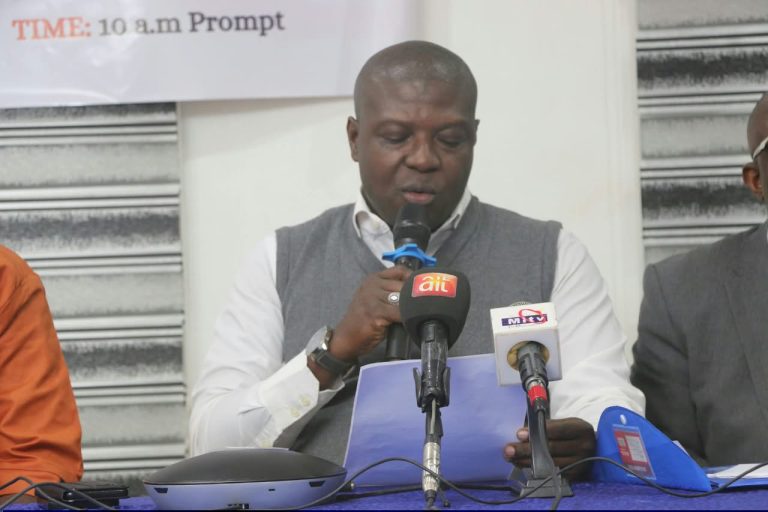
The Acting President of the Association of Senior Staff of Banks, Insurance and Financial Institutions (ASSBIFI), Comrade Isaac Fanimokun, has disclosed that less than 20 members of the association lost their jobs as a result of the ongoing recapitalisation exercise in the insurance sector.
Fanimokun disclosed this on Wednesday at a press conference to mark the 2026 World Day for Decent Work held in Lagos.
He said the association was engaging with regulators and employers to mitigate the negative effects of the recapitalisation exercise on workers in the banking and insurance sectors.
According to him, the Central Bank of Nigeria (CBN) handled the recent banking recapitalisation better by giving banks a 24-month period to meet the new capital requirements.
He said the approach helped prevent job losses in the banking sector, noting that ASSBIFI had not recorded the loss of a single member as a result of the exercise.
However, Fanimokun said the situation was different in the insurance sector, where some companies lost their licences following the recapitalisation exercise.
He said ASSBIFI was still engaging with the relevant authorities over the affected workers, adding that the association was seeking ways to support members affected by the liquidation of some insurance companies.
“On the number of people that we lost due to the recapitalisation exercise in the insurance sector, I can confidently tell you that we have lost less than 20 members due to the exercise,” he said.
Fanimokun, however, expressed optimism that the affected workers would eventually be absorbed by insurance companies that successfully met the recapitalisation requirements, as they would have sufficient funds to expand their businesses and employ more workers.
He also urged members to take personal responsibility for their careers through continuous skilling, reskilling and upskilling to remain competitive and indispensable in the financial sector.