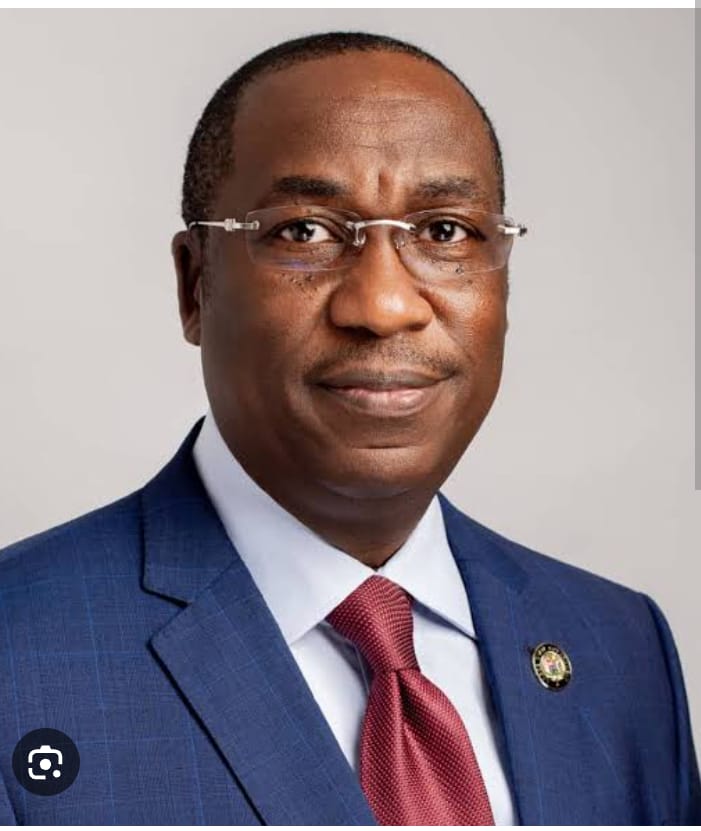
The Lagos State Chapter of the All Progressives Congress (APC) will unveil the manifesto of its governorship candidate for the 2027 election, Dr. Kadri Obafemi Hamzat, on Friday, October 30, 2026.
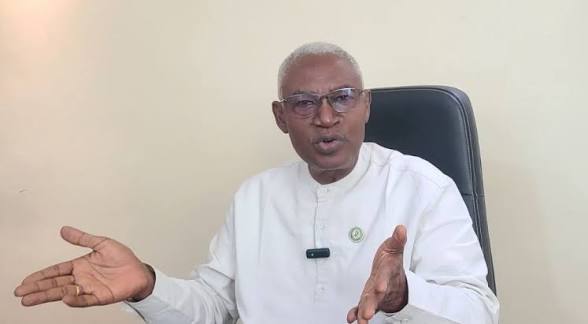
The Director General of the President Bola Ahmed Tinubu, Kadri Obafemi Hamzat (PBAT-KOH) Campaign Council, Senator Musiliu Obanikoro, announced this on Sunday, October 25, 2026, at a press conference held at the PBAT-KOH Campaign Office, Sobo Arobiodu Street, GRA, Ikeja.
Obanikoro said the event will be held at the Wole Soyinka Centre for Culture and Creative Arts, formerly known as the National Arts Theatre, Iganmu, Lagos. He said arrivals will start from 11 a.m., while the main presentation will be from 3 p.m. to 5 p.m.
According to him, the launch will provide the platform for Hamzat, popularly known as KOH, to present his vision, priorities and plans for the continued development of Lagos State.
Campaign Anchored on Shared Progress and Inclusivity
Obanikoro said the campaign is anchored on two principles: continued shared progress and inclusivity.
He explained that continued shared progress means building a stronger Lagos on the existing foundation and master plan without a break in continuity, while inclusivity means no one should be left behind because of religion, tribe, gender, social status or place of origin.
“Lagos belongs to all of us, for those who call it home, while respecting and preserving the indigenous people of Lagos State. Every resident and tax payer has a stake in its future,” he said.
He noted that with an estimated population of about 25 million people and a limited landmass, Lagos faces serious demands in transportation, human capital development, housing, infrastructure, security, healthcare and environmental management, which require experienced leadership and careful planning.
Cites Continuity From Tinubu to Sanwo-Olu
The former Minister said successive administrations since President Bola Ahmed Tinubu’s tenure as governor — including those of Babatunde Fashola, Akinwunmi Ambode and incumbent Governor Babajide Sanwo-Olu — have contributed to the state’s development.
“Continuity is not about doing things the same way simply because they have been done before. It is about protecting what works, correcting what needs improvement and building on existing progress,” he said.
On Hamzat’s Experience
Obanikoro said Hamzat’s experience makes him fit for the job, citing his academic and professional background.
He said Hamzat earned a PhD in Systems Process Engineering from Cranfield University, England, at the age of 28, and worked with global organisations including Merrill Lynch, Morgan Stanley and Citibank in the United States before joining public service as a three-time commissioner and deputy governor of Lagos State.
He pointed to projects executed under the Sanwo-Olu administration, where Hamzat serves as deputy governor, including the Blue and Red rail lines, completed roads and bridges, improvements in schools and hospitals, housing projects and support for businesses and young people.
Consultations and Live Broadcast
Obanikoro said the candidate and the campaign organisation have embarked on wide consultations with religious leaders, traditional rulers, market women, traders, young people, professionals, artisans and community leaders.
He said although the manifesto launch is strictly by invitation due to limited seats, it will be broadcast live from 3 p.m. to 5 p.m. on Channels TV, ARISE TV, TVC, LTV, News Central, YouTube, Facebook and Instagram.
He added that arrangements will be made for the manifesto to be available for download after the presentation to allow members of the public to study it and provide feedback through party channels.
“The message of this campaign is clear: Lagos, let us move forward together,” he said.
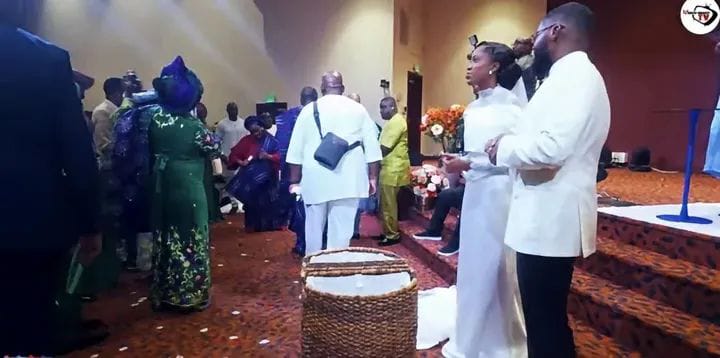
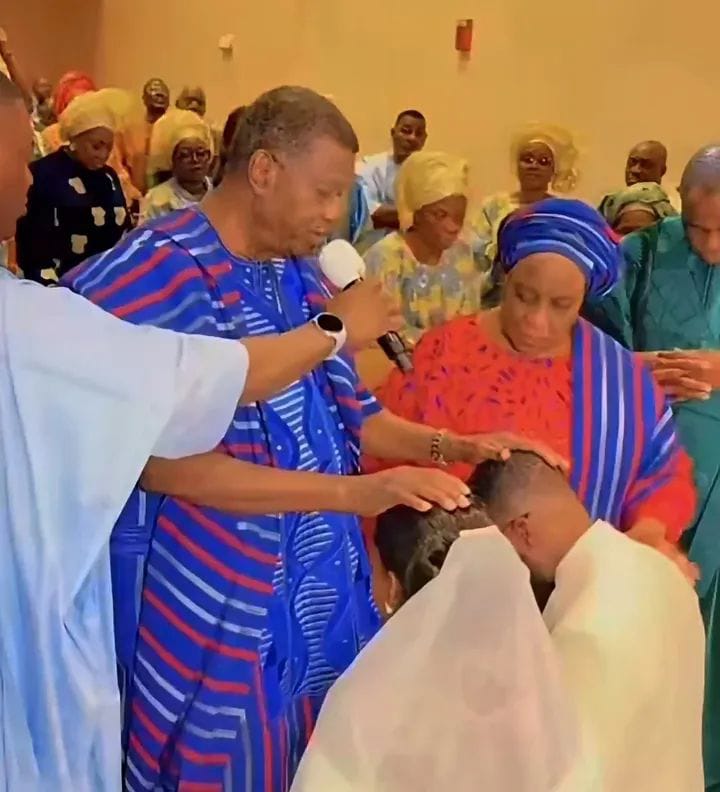
The General Overseer of the Redeemed Christian Church of God, Pastor Enoch Adeboye, and his wife, Pastor Folu Adeboye, have attended the wedding of their granddaughter, Oluwafunmilayo Adubi, in Baltimore, Maryland, United States.
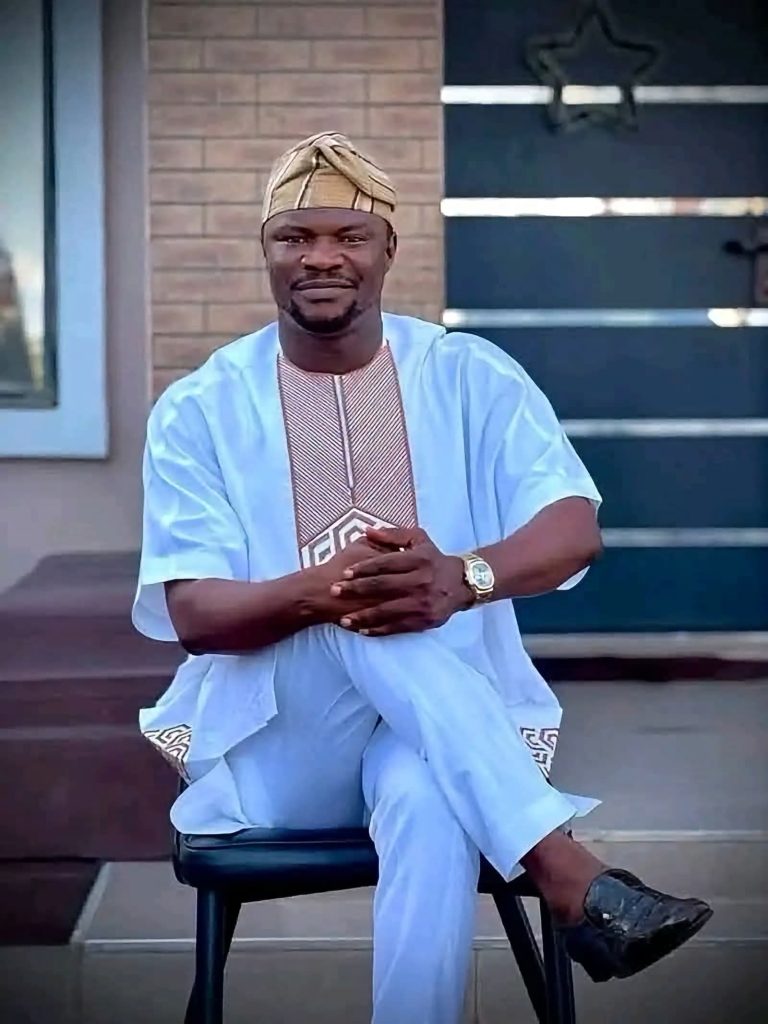
The father of late singer Toluwanisings has clarified that his son was 34 years old, not 44, dismissing speculations about his age. According to him, his son was born in 1992, and his mother died six months after his birth.
“People are just making assumptions. I, the father, know when I gave birth to him,” he said. Recounting the circumstances surrounding his son’s death, the father said he was attending a ceremony on Wednesday when he received a distress call asking him to return home.
He said he was heartbroken when photographs of his son began circulating on the internet with “RIP” captions.
The bereaved father also recounted a disagreement with his son’s wife over where the late singer should be buried.
He said he contacted her to discuss the burial arrangements, and she suggested that her husband be buried in a cemetery or church.
However, he said he disagreed with the suggestion, insisting that his son should be buried inside his house because he owned the property. According to him, his son’s wife rejected the proposal, saying she could not live in a house where her husband had been buried.
The father said he subsequently suggested that his son be taken to their village and buried beside his mother if the family would not permit his burial in his house.
Ex-defence minister Badaru hails mass turnout at Tinubu rally Says mobilisation exceeded target
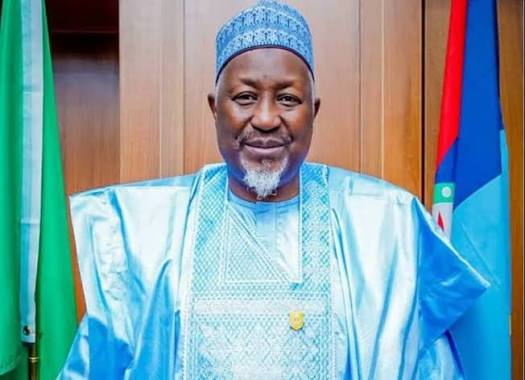
Ex-minister of defence and former Jigawa State governor, who is the Director-General of Arewa for Asiwaju (A4A), Alhaji Muhammad Badaru Abubakar, has expressed satisfaction with the massive turnout of supporters at President Bola Ahmed Tinubu’s presidential campaign flag-off in Kaduna, describing the mobilisation efforts of the movement as a major success.
Badaru, who hailed the enthusiasm and commitment demonstrated by members and supporters at Saturday’s rally, disclosed that A4A exceeded its initial mobilisation target, demonstrating what he described as the movement’s growing grassroots strength across Northern Nigeria.
The former governor said the impressive participation of supporters from different parts of the North reflected the effectiveness of A4A’s mobilisation structures and the collective determination of its members to support Tinubu’s re-election bid ahead of the 2027 general elections.
He commended the movement’s national leadership, state coordinators and grassroots mobilisation teams for their dedication, effective coordination and collective efforts, which ensured a strong presence at the rally.
Badaru particularly appreciated supporters who travelled from different locations to participate in the event, describing their commitment and enthusiasm as an important demonstration of the movement’s organisational capacity.
According to him, surpassing the mobilisation target underscored the ability of A4A structures across Northern Nigeria to work collectively towards a common political objective, particularly as activities towards the 2027 general elections gather momentum.
The former governor reaffirmed A4A’s commitment to sustaining grassroots engagement, strengthening its structures and expanding its mobilisation activities across Northern Nigeria in support of the President’s second-term ambition.
Badaru described the Kaduna rally as a significant milestone in the movement’s mobilisation efforts, pledging that A4A would build on the momentum through sustained coordination, wider community engagement and continued participation in Tinubu’s re-election campaign.
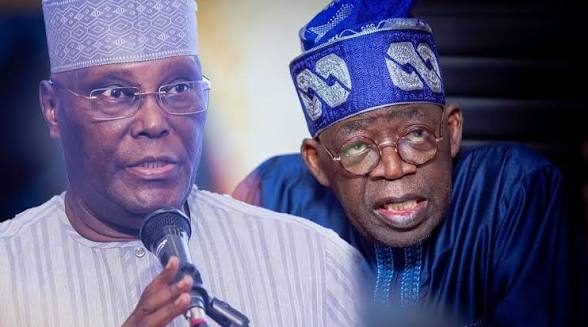
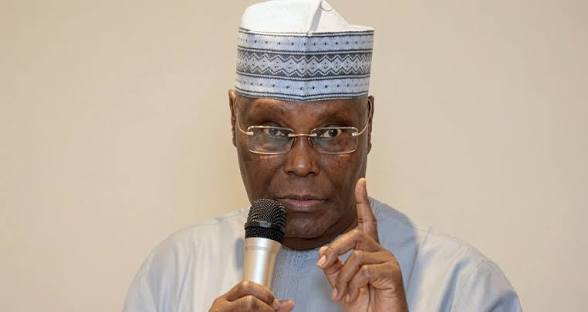
Former Vice President Atiku Abubakar has tackled President Bola Tinubu for blaming the opposition for Nigeria’s hunger and economic hardship, describing the President’s remarks as “either delusion or a staggering case of political amnesia”.
Atiku, the presidential candidate of the African Democratic Congress (ADC), was reacting to Tinubu’s comments at the All Progressives Congress (APC) campaign flag-off in Kaduna on Saturday, where the President accused the opposition of creating hunger and poverty in the country.
In a statement issued by his Director of Strategic Communication, Phrank Shaibu, Atiku said the Tinubu administration must take responsibility for its record as Nigerians continue to grapple with rising living costs.
“The APC governed Nigeria for eight years before you took office. You have added another three and a half years.
“Nigerians know who has been in power, and hardship did not begin when the opposition started talking about it. Stop insulting their intelligence and answer for your record,” he said.
The former Vice President also faulted Tinubu’s planned inauguration of a section of the Abuja-Kaduna Expressway, arguing that a ceremony could not replace the actual delivery of infrastructure.
“A road cannot be completed with a speech or a ribbon-cutting ceremony,” he said.
Atiku challenged the Federal Government to explain the effects of petrol subsidy removal and the depreciation of the naira, which he claimed had fallen from about ₦471 to ₦1,329 to the dollar.
He also cited a World Bank estimate that 63 per cent of Nigerians would be living below the national poverty line in 2026, accusing the administration of presiding over worsening economic hardship.
The ADC chieftain further questioned the extension of the 2024 budget into 2025 alongside a separate 2025 budget.
He also raised concerns over what he described as ₦7.13 trillion recorded under “energy security” in 2024 and ₦11.2 trillion in NNPC pipeline-related spending.
Atiku’s remarks add to the political exchanges between the ruling APC and opposition parties ahead of the 2027 presidential election, with economic hardship, poverty and the government’s performance emerging as key issues in the debate.
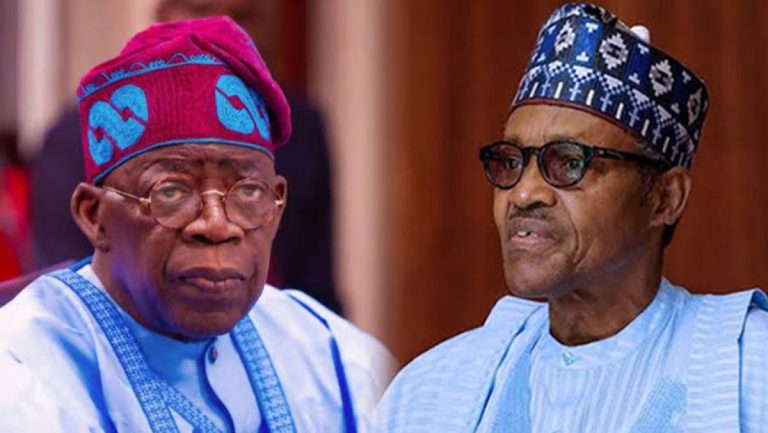
Laolu Akande, former media aide to ex-Vice-President Yemi Osinbajo, has alleged that influential figures in the administration of former President Muhammadu Buhari worked against Bola Tinubu’s political ambition before he secured the All Progressives Congress (APC) presidential ticket in 2022.
Akande made the allegation during an interview with Symfoni TV published on Friday, where he reflected on political developments during Buhari’s eight-year tenure.
According to him, some powerful figures within the former administration wanted Buhari to support then-Senate President Ahmad Lawan as the APC’s preferred successor.
Akande said the group sought to have Lawan emerge as the party’s consensus candidate ahead of the 2022 presidential primary.
“The cabal had a different plan. They wanted the president [Buhari] to support Ahmad Lawan. That is the fact,” he said.
In June 2022, then-APC National Chairman Abdullahi Adamu announced Lawan as the party’s consensus presidential candidate. The announcement, however, was opposed by party members who insisted that the presidential flagbearer should be chosen through a competitive primary.
Tinubu eventually defeated Lawan, Osinbajo, former Transportation Minister Rotimi Amaechi and other aspirants to win the APC ticket. Akande also alleged that Tinubu was sidelined during Buhari’s administration despite his contributions to the formation and electoral success of the APC.
“What did they not do against President Tinubu? Tell me. Between 2015 and 2023? The man was marginalised. I saw it with my own eyes,” he said.
The former presidential aide claimed he witnessed occasions when Tinubu was excluded from important meetings during Buhari’s presidency.
He said Tinubu remained patient despite the alleged treatment as he continued pursuing his ambition to become Nigeria’s president.
Akande also pointed to the naira redesign policy introduced by the Central Bank of Nigeria shortly before the 2023 general election, arguing that it created additional difficulties for Tinubu’s presidential campaign.
He further alleged that the Buhari administration rejected some of Tinubu’s preferred ministerial nominees, including Dele Alake and Wale Edun.
According to Akande, the decisions were intended to demonstrate that Tinubu could not dictate who would serve in Buhari’s government, despite his political influence.
African Democratic Congress ( ADC) presidential candidate, former Vice President, Atiku Abubakar, has said the ruling All Progressives Congress (APC) is terrified of its record in the administration of the country. Atiku, who was reacting to a statement by the spokesman of the APC Presidential Campaign Council ( PCC), Dele Alake, accusing him and the ADC of allegedly trying to discredit the ruling party’s presidential campaign flag off in Kaduna, said the alleged failures of the President Bola Tinubu administration are obvious.
The former Vice President, in a statement by the Director Strategic Communication ADC Presidential Campaign Council, Phrank Shaibu, stated while the APC says the security vehicle stationed near an APC billboard in Kaduna a “routine patrol”, Nigerians are eager to know “why a campaign billboard needed protection.”
According to him, “Dele Alake’s statement, issued at dawn today, is a desperate, hollow smokescreen from a campaign terrified of its own record. He accuses Atiku Abubakar and the ADC of a ‘devious plan,’ AI manipulation and deepfakes, yet offers no evidence linking them to the alleged letter or any fabricated video.
“This is the APC’s familiar script: make a reckless accusation, dress it up as certainty, then hope Nigerians stop asking questions. Alake should produce the evidence: names, dates and forensic findings. Until then, his ‘fake news alert ‘ is an empty political stunt.
“No conspiracy is needed to expose the APC. Its own failures are visible in every market, filling station and household. Petrol is around ₦1,400 a litre; diesel has topped ₦2,000; food inflation remains close to 20 per cent. More than half of Nigerians were living in poverty last year, according to the World Bank estimate reported by Reuters. These are the brutal consequences of an incompetent, callous and ruinous economic course. They are not fake news.”
Atiku added that President Tinubu cannot dismiss reports that his supporters,who were allegedly brought into Kaduna from distant states, were left to sleep on the streets. He stated that there have been reports of an accident involving APC supporters travelling from Sokoto and also from Abuja to the rally. The ADC candidate stated that “making citizens endure long, hazardous journeys and sleep outdoors simply to create rally optics is political exploitation, not leadership. The APC cares more about the appearance of a crowd than the safety and dignity of the people it transports.
“Perhaps this also explains why Tinubu is campaigning in only 12 states. The same supporters must be moved from one rally to the next, along roads his government has left in disrepair. Those journeys will consume meaningful time.
“Tinubu knows what happens if the crowd fails to reach the next destination: he may be left addressing empty seats—or, as the saying goes, talking to the birds. A campaign that must transport its audience from state to state cannot pass off that audience as spontaneous nationwide support.
“You can hire buses, assemble a crowd and plaster the streets with billboards. You cannot hire consent. Nigerians have endured the APC’s punishing prices, shrinking incomes and broken promises. No parade, press statement or insult can conceal their growing rejection of this record.
“The APC’s failures are sweeping, painful and indefensible. Its boastful promises have collapsed into a miserable reality of expensive food, unaffordable transport and families forced to make do with less. Alake’s attack on Atiku will not reduce the cost of a meal by one naira.
“The real desperados are those clinging to power while the country burns. At the polls, Nigerians will reject this discredited record and defeat the APC. No volume of propaganda can talk the party out of the reckoning it has earned.”
•Says only united opposition can oust president •Igbo desire true federalism, devolution of powers •Regional police better than state police
Founder of Igbo Youth Movement (IYM), Evangelist Elliot Ugochukwu Uko, has adduced reasons the Igbo youth are not interested in joining the Nigerian Army, in spite of appeals by the military authorities, and some leaders from the region.
According to Evangelist Uko, these young people believe that Nigeria doesn’t want them, mistreat their region, and treats their people as second class citizens, and shuns them when they are recruiting for CBN, NNPC, Customs, Federal civil service, and only remember them to be recruited to face Boko Haram.
In an interview with VINCENT KALU, the secretary of the Eastern Consultative Assembly (ECA), noted that the 2023 elections and template will be remarkably different from the circumstance, mood and alignments of today, adding that, there will be remarkable shifts and the outcomes will be different.
What should be the campaign message for the 2027 election?
Nigerians are expecting working solutions from those seeking public offices in this campaign. But regrettably, the politicians, especially the opposition, seem only to be busy blabbing about hardship occasioned by the reforms of the government.
People want to hear about sensible alternatives. All they repeatedly criticise is the high fuel pump price etc.
In other words, if these reforms weren’t carried out, they would have absolutely nothing to talk about.
What is your view on the security situation in Nigeria?
The disturbing insecurity afflicting the land should be a priority on the agenda of these politicians seeking our votes. They should tell us how they plan to tackle it. Regional police are actually better than 36 separate state police forces. They should present a readable road map of how they plan to tame insecurity. That’s what Nigerians want to hear.
Why are Igbo youth not interested in joining the Nigerian Army, in spite of appeals by the military authorities?
On Igbo youth staying away from joining the military; it shouldn’t be so. It sadly has to do with the loss of confidence in Nigeria. They believe Nigeria doesn’t want them, mistreat their region, and treat their people as second class citizens, deliberately under-developed their zone. Nigeria shuns them when they are recruiting for CBN, NNPC, Customs, Federal civil service, and only remembers them to be recruited to face Boko Haram. In the Army, they know they don’t have godfathers to ensure their promotion when due. They are afraid they may remain in one rank for decades because they are Igbo. They feel unwanted in Nigeria.
I believe treating their region right, moving forward, will gradually grant them the necessary sense of belonging presently lacking in their mindset. All their lives Nigeria has been unfriendly and hostile to their region. They aren’t excited about dying for Nigeria. They desire to see a restructured Nigeria where all are equal where no region is oppressed. They are yet to see that. For half a century, the only Nigeria they see is Nigeria where a handful of carpetbaggers from their region are imposed on them as eternal leaders of their region, but whose actions and body language do not identify with their needs and desires. The behaviour of these imposed leaders not only makes it difficult for them to love and trust Nigeria, but also sadly drives them into the waiting arms of agitators.
Youth from the region aren’t in love with Nigeria as presently constituted. That is pretty obvious. They want to see their region treated as other regions.
The optics in the South East is difficult to discern. Ebonyi people claim other Igbo states look down on them, Anambra and Abia governors adopt Tinubu as their candidate while an Anambra son is running for president. What is your take on these issues?
It’s all politics. It is three months to the election, crazy things and irrational things happen within election season.
The principal actors usually place their personal interests above all else. That’s the political culture they impose on the people. Nothing is new. I’m sure the people are used to all that. Both in the 2011 and 2015 elections, Anambra APGA Government adopted President Jonathan of the PDP at the time. They flow according to where they believe their bread will be better buttered.
They formed a coalition called Join Jonathan’s Journey (JJJ). They think only about protecting, preserving and promoting their personal interests. Nothing is new at all.
About the abducted corps members, who have been released, there’s a deliberate ploy not to make public whether their abductors were Fulani armed gangs or local gangs. I’m sure the victims know exactly who abducted them.
Ebonyi State indigenes should be treated right and reassured that Igbo are one people. Every effort must be made to carry them along at all times. They are beautiful people. Their fears should be allayed. They have every right to vote whoever they choose to.
Attacks on rallies and political meetings should be condemned by all because it’s unhelpful and dangerous. It should be discouraged. The South East is a peaceful region. It’s all politics.
About 90 days away from the 2027 elections, do you see the voting pattern different from the 2023, especially in the South East?
The 2023 environment and template are remarkably different from the circumstance, mood and alignments of today.
There certainly will be remarkable shifts and outcomes will be different. But that’s politics. No two elections will be exactly the same with the same results.
My people desire a fairly structured Nigeria and fair treatment from folks in power. They crave infrastructural development and being treated right.
But we can see slight changes in the attitude of leaders. Not that they’ve all repented, but they seem to address issues affecting the common man unlike before. They are now doing rural roads, roads in inner cities, even in low income high density areas, who have no one to speak for them. State Governments are now remembering them. Health centres and schools are now receiving a makeover. For the first time, governance is reaching the local communities. That’s wonderful.
There’s been remarkable improvement in the last few years. Both State and Federal authorities seem to be giving attention to real needs of the people, unlike previous years when a certain cabal will visit Abacha and other Heads of State in Aso Rock, and claim they came on behalf of Ndigbo. They praise the leader to high heavens and assure him they are solidly behind him.
The man will meet their needs at the individual level, usually in hard currency and other personal patronage, especially procurement jobs etc.
None of them talks about the real needs of the region, railways, container terminal, airport, international cargo wing, revitalising Eastern ports and other needful infrastructure. Never!
But after the hullabaloo of the past decade, the sit-at-home, the agitation and all, even state governments have suddenly woken up and surprisingly have begun to address issues that touch the common man. It’s amusing but it’s true. For example, Soludo suddenly remembered to construct humane motor parks, Mbah struggled to beat Soludo with grandeur motor parks, and Otti strikes out with his own even more beautiful, and the beat goes on.
The people are finally though slowly beginning to experience a better quality of life and it’s quite commendable. Nobody is willing to give the angry youngsters any credit for eventually forcing political leaders to finally sit up, but it all confirms the Igbo proverb that says if the young man does not behave like a man they’ll not remember to find him a wife.
The different atmosphere in the land today, where governments are struggling to make an impact in the lives of the people is a new and welcome development. It hadn’t always been so.
They now seek validation and applause from the masses. Before this time, they didn’t care a hoot. It may have something to do with the agitation and the fact that the masses are fed up with the country and her politicians.
I pray and expect the people to vote for only dedicated and committed political leaders who are doing well.
I have no candidate either as a state governor or as a president. I advise our people to vote their conscience.
Do you think President Bola Tinubu deserves a second term?
There could be surprises in politics. President Tinubu is not my man. His politics is aligning his South West Region with the North. That can’t make him my man. I don’t blame him. In Nigeria you must have your catchment area. But I respect him and I admire his courage. I don’t know who will win in the elections 90 days away. But I know that only a united opposition can shock him. None of them stands a chance running alone. The opposition must come together if they hope to defeat him.
The North seems determined to remove him, and like I said before, if they fail, they’ll be diminished and Tinubu exalted. They never wanted him from day one.
They resent the fact that they can’t intimidate, manipulate and control him. They opposed him four years ago. The downstream sector was deliberately sabotaged and Naira colour changed etc just to subvert and undermine him, yet he survived. He escaped because his opponents unwittingly split themselves into different camps.
Some adopted Vice President Osinbajo, another group preferred Chibuike Amaechi, and yet another group adopted the then Senate President, Ahmed Lawan. They also fear he will restructure Nigeria in his second term.
They know his NADECO history. They truly want to take back power by fire by force; they seem to have rallied behind Atiku. I don’t admire any of them but I know the election is clearly between two of them. Other candidates are merely spoilers who probably only want to help stop Atiku. It promises to be quite an interesting election. Atiku missed his opportunity many years ago. If he had remained loyal to his boss, he would have governed Nigeria between 2007 and 2015.
Other News Elliot Uko: Why Nigeria’s elites don’t want Igbo presidency What Igbo must do to produce Nigeria’s president – Elliot Uko Unworkable unitary structure responsible for Nigeria’s miseries –Uko That quarrel with his boss cost him his chance. Let’s see how 2027 will go. But it’s clearly between Tinubu and Atiku. No other candidate stands a chance.
But the Igbo crave an opportunity to run Nigeria?
Of course, that chance will come some day. I sold my car to organise the IYM World Igbo convention at the cinema hall of the Presidential Hotel, Enugu 27 years ago in 1999.
Aside from our demand for a National Conference for a people’s constitution, that convention presented the case for the President of Igbo extraction. I organised marches in 2002, 24 years ago pleading with Obasanjo to do one term as he promised IBB and co and allow a chance for the South East to govern Nigeria for a season. I’ve remained by God’s special grace, very consistent in demanding justice for every region. But sadly several cabals within the Igbo political class muddled up every effort to present a united common front. It’s sad; very sad.
Just look at Igbo situation today. It is heart-rending and painful. They made a mess of eating boiled eggs. In their usual desperate pursuit of individual and personal interests, they split Ndigbo into three distinct groups. Each is too weak to achieve its purpose. Going round in circles and effectively destroying chances of any kind of positive results. I’m utterly disappointed.
What exactly do you mean? What are the three separate groups?
Discreet relationship with security agencies and desire to manipulate and control the agitators, offended the agitators and they struck out on their own, claiming they can’t trust regional leaders. Their obstinacy led to the emergence of group one. The agitators are a poorly organised mob, led by not too literate young people, who prefer secession. They lack strategy. They have the numbers. Blinded by anger and bitterness, they allow their emotions to direct their actions. They are manipulated by politicians who hope to use them and sometimes actually succeed in using them. Their uncontrolled agitation led to the birth of a noisy, disrespectful army of a very emotional critical mass, who made registration for PVCs and actually voting in elections difficult and sometimes impossible. They are not teachable and are actually wasting their numbers and their votes without knowing their powers if they can put their numbers in positive use.
Everybody is scared of them and they paralysed the region every Monday for several years. Their “Biafra or death” and “Biafra or nothing” agitation hasn’t yielded positive blessing for the region or the people, but they remain the strongest block in the region. Politicians surviving on their energy aren’t sure of their fate this time around.
The second group is the politicians running on the emotions of the region and emotions of younger people in the land who hope to replicate their 2023 miraculous impact. Their messianic allure appeals to certain young people and my region believes that’s the way to go, to have one of theirs in Aso Rock Villa. There is nothing wrong with that. Except that their emotions may not be enough to power their dreams. I wish them luck. I do know that the circumstances of 2023 do not exist today. I also know they are up against a consummate opponent who, as an incumbent, won’t leave nothing to chance. 2027 will not be like 2023.
My region will find out in three months that emotions may not be enough to land one of our own in Aso Rock Villa.
The third group is swashbuckling gladiators from my region, mostly those who ported to the ruling party in pursuit of greener pastures and protection. Amongst them are vice presidential hopefuls. They are doing everything to subvert and undermine the second group because they believe that one of them could be accepted as vice president in 2031, preparatory for the 2039 presidency. One of them even believes he’ll become Senate President in 2027 ahead of other dreamers.
They believe that Nigeria will prefer them above the Wikes and Akpabios of South South for the 2031 vice presidency.
The Igbo disingenuously split themselves into these three unhelpful groups due to lack of cohesion and strategy.
I’m in pain and disappointed. The possibility of all three groups failing woefully to achieve their objectives is real; and very likely.
We are on our own quarrelling with everyone, and fighting in the social media with other regions while hoping to land in Aso Rock.
None of these three groups seem bothered by the fact that the online hatred and intra ethnic attacks, abuses and needless insults will certainly hinder Igbo political dreams moving forward.
These online insults by Nigerians may lead to something unpleasant if not checked. A hundred years ago. A man named Julius Streicher began publishing in Berlin a magazine called Des Stummer, vilifying a specific people, blaming them for economic difficulties troubling Germany in the 1920s. His propaganda magazine sowed the seed of the hatred that led millions to concentration camps and the gas chambers.
Ethnic hatred, when sustained, grows into something deadly. The ethnic tension being instigated by politicians because of 2027 elections is dangerous and uncalled for.
I cry to see the unity I worked and laboured for with my personal resources, youthful energy and so much dedication going up in flames because of the 2027 elections.
I laboured to bring Pa Ayo Adebanjo, General Allani Akinrinade, Prof Banji Akintoye, Yinka Odumakin and co to Enugu as guests at my IYM conferences in a bid to work together.
Today, the mad quest for Aso Rock has turned Yoruba and Igbo bitter enemies abusing each other online.
It’s sad and unfortunate. I don’t know who started or how it started. I only know that the hidden agenda to make Ndigbo reprehensible and troublesome is succeeding. The idea is to deliberately activate hate towards Ndigbo and isolate and ostracise Ndigbo moving forward. It’s sad our people cannot understand it.
These ongoing insults, abuses and attacks will hurt our political future as a people. We are being painted in dark colours and we sadly cannot see it.
Ndigbo should be making friends in Nigeria not enemies. We are not getting it right. Elections will come and go. Our people are so emotional. I’m truly ashamed.
Most people believe the agitation did more damage than good to the region?
The delicate and intricate truth is that certain politicians from the region cleverly twisted the narrative to suit their nuances and manipulations. Their political aspirations and interests are usually sandwiched in the narrative they repeatedly present to the authorities and the public through their friends in the media. They deliberately hide the truth.
The agitation lives in the hearts of millions of citizens from my region, mostly youngsters, who believe Nigeria will never treat them well. Ralph began to tell them they have no future in Nigeria since 1999 and they believe him. Nnamdi, years later outshone Ralph by broadcasting to them that they are better off in a separate country of their own. Many believed him.
Politicians from the region blackmail them by presenting them as criminals while advancing political appointments and Presidency to the region as the solution. But those are lies. The truth is that infrastructural development of the region and devolving power to the federating units is the panacea to these feelings of exclusion eating up their souls.
In other words, the people of the region wish to see international cargo planes bringing in stuff from Europe, America, China, India, Brazil etc direct to Enugu International Airport. They need to see trains run through Enugu. They want to have a sense of belonging. They think Nigeria refused to accept them. A 25-year old married woman in Enugu has not seen trains run through Enugu in her life. The people want to develop their region. They know that only devolution of power will allow them to grow. They feel caged in a forced unitary structure that makes them spectators and onlookers unless one of them becomes president. That also needlessly raises the stakes so high during elections as whoever wins the Presidency controls the land in our winner-takes-all political culture.
Ndigbo desire true federalism and devolution of power in order to develop our region. Politicians selfishly twist the narrative to say only the Presidency will help Ndigbo, which isn’t true at all.
Ndigbo do not care where the president will come from. They want to see a restructured Nigeria.
So the agitation is not about any individual or group of people. It’s about the frustration in the hearts of millions of our citizens who believe from personal experience that Nigeria will never be fair to them. It is the duty of Nigeria to debunk their assumptions and treat their region fairly and equitably.
Any day ocean liners offload containers anywhere in the South East; secession will no longer be attractive to our people. Our people want to see development in our region, at least to be at par with other regions. None of the Eastern ports is functioning, but another region with several functioning seaports is constructing six more. That’s one of the reasons for the agitation.
Are you saying that addressing infrastructural deficiency in the region and returning to true federalism and devolution of power will assuage the people of the zone?
Of course. You see, I began my activism over 30 years ago. I organised IYM seminars for Igbo youths across the land where I distributed a small green pamphlet, “Igbo Code of Conduct”. Great Igbo leaders, Mbazulike Amaechi, C. C. Onoh, Alex Ekwueme, Ndubuisi Kanu, Ben Obumselu, Odumegwu-Ojukwu, Ben Nwabueze, Uche Chukwumerije, Dozie Ikedife, Joe Achuzia, Ojo Maduekwe, Ben Gbulie, Vincent Chukwuemeka Ike, Chukwuemeka Ezeife, etc graciously honoured my invitation as resource persons during many of my events over the years.
During question and answer sessions, we discovered to our surprise that young people, who live in different places and don’t know each other, endlessly lamented that they could no longer take the deliberate humiliation and mistreatment meted out to them in Nigeria for being Igbo.
They said the same thing at all venues of my IYM seminars for Igbo traders at People Club hall, Ajao Road Surulere; Fatima Abubakar Park, Abakaliki; Rosey Art Theatre, Owerri, Moon shine hotel, Jos; Rimax Institute Meiran, Lagos and Press Centre, Rangers Avenue, Enugu. They all said the same thing during the military era and they never met each other.
The DNA, chromosomes and chromatids of the Igbo man resents domination and slavery. He is willing to repeat Igbo landing 200 years ago in America, than to live a life of slavery.
Ralph activated MASSOB 27 years ago because he saw that the Igbo younger generation is willing to do anything but hand over to their children a life of servitude.
They don’t want that at all. Once Nigeria begins to treat the region right, I believe their souls will return to Nigeria. Devolution of power, true federalism and infrastructural development of the region are the keys. The agitation isn’t about any individual, it’s rather about the feeling of exclusion and mistreatment of the region, and secondly, the unitary structure does not offer any hope for a great future. The agitators want a better deal.
Engineers reveal causes of recurring crashes on Otedola Bridge
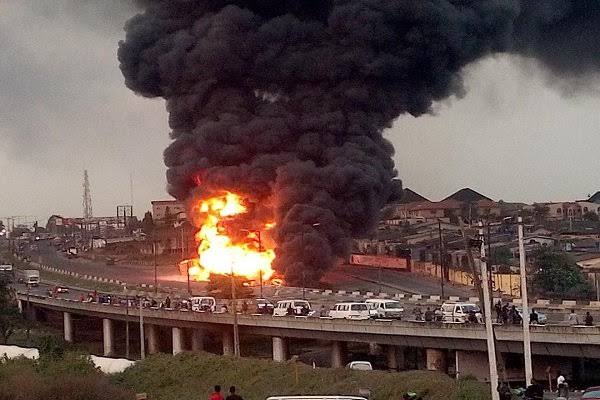
Dismiss demonic narrative, blame human error, government negligence For motorists travelling along the Lagos-Ibadan Expressway, the stretch around Otedola Bridge has become a corridor of anxiety, where a routine journey can suddenly turn into a desperate struggle for survival.
The fear is particularly pronounced among motorists approaching Lagos from the direction of Ibadan, where heavy-duty trucks, often carrying enormous loads, share the highway with buses, cars and other vehicles.
NICE’’s National Chairman, Mr. Tokunbo Ajanaku flanked left by Board of Trustees Chairman, Senator Adefemi Kila; right by former National Chairman, Mrs Aishatu Umar; and Deputy National Chairman, Professor Sonny Ali.
When a truck loses control, the consequences can be devastating, with multiple vehicles caught in the resulting collision and traffic brought to a standstill.
But while the recurring crashes have continued to raise questions about the safety of Otedola Bridge, leading civil engineers have offered a different perspective: the bridge’s design may not be the principal problem.
Rather, they blame a combination of human error, reckless driving, overloaded trucks and the failure of regulatory authorities to enforce axle-load limits.
The Nigerian Institution of Civil Engineers (NICE) has consequently called for a more rigorous examination of the circumstances surrounding the accidents, warning that blaming the bridge without addressing the human and regulatory factors would leave the underlying causes unresolved.
NICE’s National Chairman, Mr Tokunbo Ajanaku, maintained that the gradients of the bridge were within the applicable design limits when it was constructed.
According to him, the gradient on the Ibadan-bound carriageway is approximately 3.68 per cent, while that of the Lagos-bound carriageway is 3.9 per cent. Both, he said, fall below the maximum allowable gradient of 4.5 per cent at the time of the bridge’s design.
Ajanaku argued that the figures do not support the assumption that the bridge’s gradient is inherently responsible for the recurring accidents.
“I’m being very specific. Lagos-Ibadan bound, gradient 3.68; Lagos-bound, 3.9. At the time that bridge was designed, the maximum allowable gradient was 4.5 per cent. That means the bridge was adequately designed in terms of gradients,” he said.
He added: “What you have today is not a problem with the structure but a problem with the people.”
For the NICE chairman, the critical question is not simply whether accidents occur on the bridge but where they occur, the types of vehicles involved and the conditions under which they lose control.
He drew attention to the pattern of crashes along the expressway, arguing that the concentration of accidents involving heavy-duty vehicles on the approach outside Lagos points to overloading and inadequate enforcement as major contributing factors.
“When you look at the Lagos-bound traffic, I can promise you that, without recklessness, you will not have incidents recorded into Lagos. Where you have the problem is the traffic outside Lagos. And what does that tell you? It tells you clearly that our trucks are overloaded. Because they are overloaded, they become easily out of control,” he said.
Ajanaku further claimed that about 70 per cent of the accidents recorded along the axis occurred outside Lagos, attributing many of them to overloaded trucks whose braking systems struggle to control their weight.
“Trucks are so overloaded that the brakes don’t have the capacity to control the vehicles anymore,” he said.
His position shifts attention from the physical condition of the bridge to the operational and regulatory environment in which it functions. It also raises questions about the enforcement of vehicle-weight regulations, the roadworthiness of heavy-duty trucks and the effectiveness of agencies responsible for highway safety.
At the centre of the engineers’ concerns is the reported prolonged non-operation of weighbridges, which are intended to help authorities determine whether trucks comply with prescribed weight limits.
Ajanaku said weighbridges were operational when Otedola Bridge was designed but alleged that the facilities had not functioned effectively for about 25 years.
He said NICE had repeatedly written to the government, urging the restoration of effective and sustained weighbridge operations.
“Don’t forget that when the bridge was designed, there were operational weighbridges. In the last 25 years, these weighbridges have not functioned. This institution has written several times to the government to bring back the effective and sustained use of weighbridges,” he said.
The allegation raises a fundamental question about road safety management: what purpose do weight restrictions serve if vehicles can continue to carry excessive loads without effective checks?
Overloading increases the demands placed on a truck’s braking system and tyres, affects vehicle handling and can make emergency manoeuvres more difficult. On a highway where vehicles travel at considerable speeds and traffic volumes are high, the consequences of a loss of control can extend far beyond the truck itself.
However, effective enforcement requires more than the installation of weighing equipment. It demands functional facilities, regular inspections, credible sanctions and coordinated action by the relevant authorities to ensure that trucks comply with established safety standards.
For the engineers, restoring weighbridge operations should therefore be part of a broader strategy to address the recurring accidents, rather than treating each crash as an isolated incident.
Ajanaku said the institution had raised concerns about the causes of road accidents several years ago, insisting that the challenge extended beyond infrastructure to the behaviour of road users and the enforcement of safety regulations.
He recalled that NICE and other groups of engineers had produced reports on the issue in 2016, 2017 and 2018.
“I must say this: in 2016, 2017 and 2018, we wrote clear reports in concert with other sets of engineers initiated by us. And it wasn’t an infrastructure problem. It was an attitudinal problem,” he said.
He warned that Nigeria would struggle to derive maximum value from its road infrastructure if reckless driving and disregard for safety regulations remained widespread.
“Until we deal with the wrong attitude, it may be difficult to enjoy optimal use of our infrastructure, not just on Otedola Bridge, but on every infrastructure that we have in this country,” he added.
His argument places responsibility on multiple stakeholders, including truck operators, drivers, vehicle owners and government agencies. While the conduct of individual drivers matters, the scale of the problem also raises questions about whether operators are held accountable for excessive loading and whether enforcement agencies have the resources and institutional commitment required to prevent unsafe vehicles from entering the highways.
The recurring crashes, therefore, cannot be adequately addressed through public warnings alone. They require a system in which safety standards are consistently enforced and violations attract consequences.
Otedola Bridge was constructed between 1974 and 1978 and opened in August 1978 as part of the initial development of the Lagos-Ibadan Expressway.
At approximately 800 metres long, the bridge has two lanes on each side and forms part of a major transport corridor linking Lagos with other parts of the country.
The expressway is a vital route for the movement of passengers and goods, including cargo transported from Apapa Port to destinations in the northern and other inland parts of Nigeria.
However, the transport environment in which the bridge now operates is significantly different from that of the 1970s.
Lagos has experienced substantial population growth, urban expansion and an increase in motorisation. The bridge and the surrounding expressway now serve commuters, commercial vehicles, interstate buses and heavy-duty trucks moving through one of the country’s busiest economic corridors.
Figures supplied for this report estimate Lagos’s population at more than 22 million and put daily traffic on the link at over 250,000 vehicles. These estimates require confirmation from the relevant population and traffic authorities, but they illustrate the scale of the pressure on the corridor.
The combination of high traffic volumes, heavy vehicles and the movement of goods across long distances makes safety enforcement particularly important.
Yet the fact that the bridge was designed within the applicable gradient limits does not, by itself, establish that every aspect of its present condition is satisfactory.
Engineering safety also depends on maintenance, pavement conditions, drainage, road markings, barriers, signage, traffic management and the performance of the entire approach to the bridge.
The engineers’ position, therefore, should not be interpreted as a reason for government to abandon structural inspections.
Rather, it highlights the need to investigate the bridge’s condition alongside the human and regulatory factors that may be contributing to the crashes.
Over the past decade, Otedola Bridge and its surrounding approaches have become associated with serious road crashes, fatalities, injuries and prolonged traffic disruptions.
Information made available for this report indicates that more than 18 major accidents have occurred around the bridge in the last 10 years, excluding less severe incidents.
The reported frequency of these accidents underscores the need for a comprehensive, evidence-based investigation into their causes.
Such an investigation would need to establish the exact locations of the crashes, the types and conditions of vehicles involved, whether excessive loading was a factor, the role of speed and driver behaviour, and whether road design or maintenance deficiencies contributed to individual incidents.
A properly documented crash database would also help authorities determine whether the accidents are concentrated on particular approaches, at specific times or under identifiable traffic conditions.
Without such evidence, debates over whether the bridge itself or the behaviour of road users is primarily responsible risk remaining inconclusive.
The 70 per cent accident figure cited by Ajanaku, for instance, points to a potentially important pattern but its implications would be clearer if supported by official accident records showing the period covered, the geographical limits used and the categories of crashes included.
Such data would help government agencies and engineers identify the most effective interventions and assess whether they are reducing the number and severity of accidents.
Other leaders of NICE, including its Board of Trustees Chairman, Senator Adefemi Kila; a former National Chairman, Mrs Aishatu Umar; and Deputy National Chairman, Professor Sonny Ali, also shared and aligned with Ajanaku’s position on the factors contributing to accidents along the axis.
Their position reinforces the institution’s call for greater attention to driver conduct, vehicle overloading and regulatory enforcement.
The broader implication is that road safety cannot be achieved through infrastructure development alone. Even a road built to acceptable engineering standards can become dangerous when vehicles are overloaded, drivers disregard safety rules and enforcement systems fail to function effectively.
For government, the immediate challenge is to translate the engineers’ concerns into measurable action.
This includes restoring and maintaining functional weighbridges, enforcing axle-load limits, strengthening checks on the roadworthiness of heavy-duty vehicles, ensuring that drivers comply with speed and traffic regulations, and investigating the circumstances of serious crashes.
Authorities must also conduct independent structural and road-safety assessments of Otedola Bridge and its approaches, publish the findings and implement any recommended repairs or operational changes.
The Federal Government and relevant highway agencies would need to establish which agencies are responsible for each intervention, provide the necessary resources and publish timelines for implementation. Transport operators and truck owners, on their part, must ensure that their vehicles meet prescribed weight and safety requirements.
Ultimately, the recurring accidents at Otedola Bridge demand a response that goes beyond the familiar cycle of crashes, public outrage and official assurances.
The Executive Director of Estate Services at the Federal Housing Authority (FHA), Ezekiel Nya-Etok, has placed President Bola Tinubu in the league of former President Shehu Shagari and former Lagos State Governor Lateef Jakande for their contributions to mass housing.
Nya-Etok, a chieftain of the All Progressives Congress (APC) and former governorship candidate in Akwa Ibom State, told journalists in Abuja that housing could become one of Tinubu’s major legacies.
“Housing is one of his greatest legacies that he is going to have as an achievement,” he said.
He added: “Do you know that after Shagari Housing and Jakande Housing you can’t talk of any other administration? The other person that unfortunately we don’t give him enough credit is Abacha. Yes, Abacha did a lot for housing.”
Nya-Etok said the proposed Enterprise Estate initiative would introduce a significant shift in housing delivery across the country.
“There is something called Enterprise Estate and it’s going to be all over and Nigerians will see a complete paradigm shift on housing delivery,” he said.
He attributed the administration’s prospects to structural economic reforms and what he described as a willingness to consider professional competence in public appointments.
He further praised the Nigeria Education Loan Fund (NELFUND), saying it could help indigent students complete their education.
Recalling the financial difficulties faced by students during his own school years, he said many of his contemporaries depended on wealthy individuals for educational support.
He maintained that expanding access to education and housing would be important measures of the administration’s performance.