…Says Opebi-Odoiya Alaro Bridge Will Be Opened To Public Soon
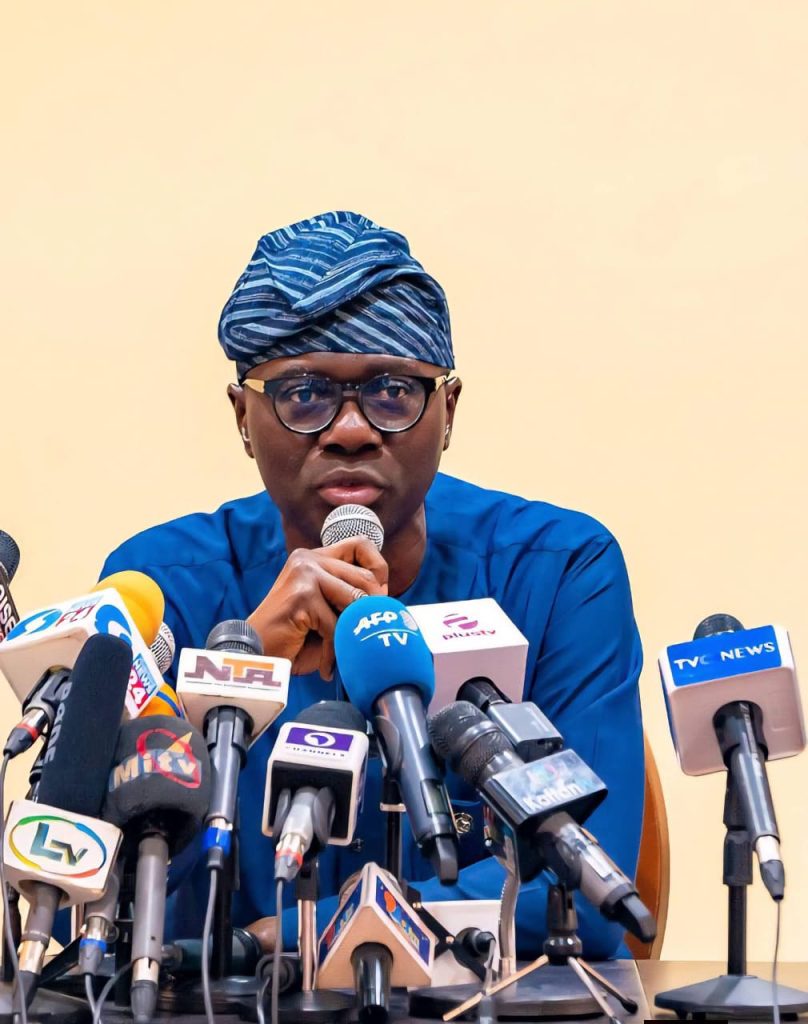
Lagos State Governor, Mr Babajide Sanwo-Olu has said the completed Opebi-Odoiya Alaro Bridge will be fully operational before the holidays.
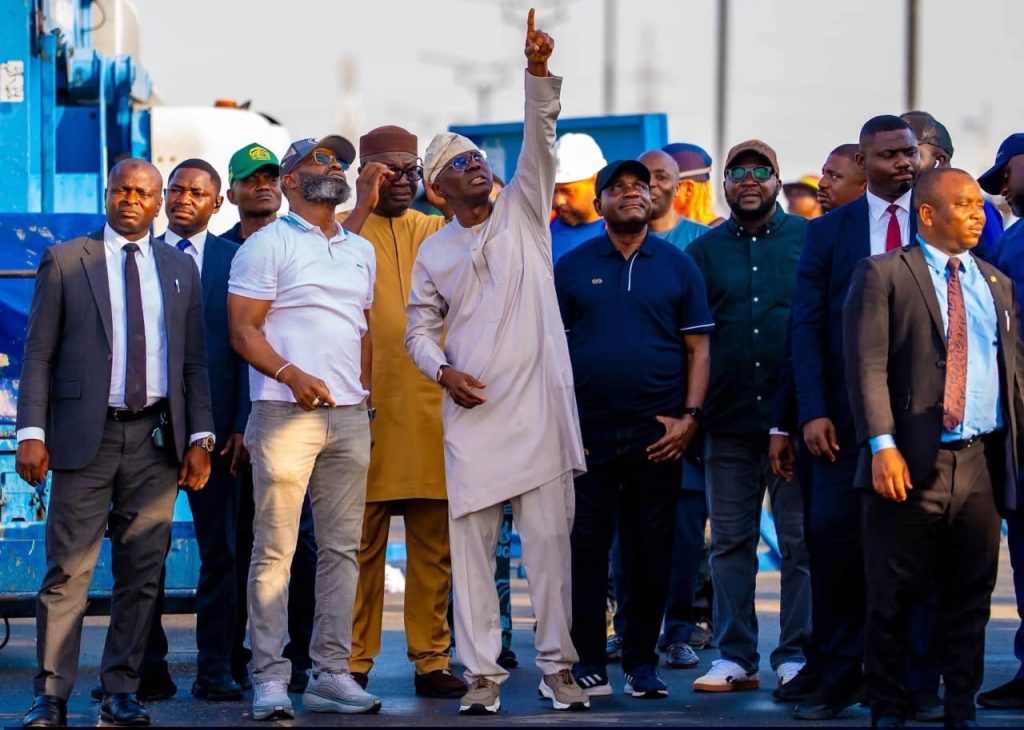
The Governor said this while inspecting the ongoing 25-metre steel monument being installed at the site of the bridge.
The steel structure is designed to preserve the history of the Cane Village.
“At a recent media gathering, I said the newly completed Opebi-Odoiya Alaro Bridge would open to traffic by the end of September, based on the work plan presented to me. With work still ongoing, I visited the site today to assess progress and understand the reasons for the delay.
“The 25-metre steel monument being installed at the site is designed to preserve the history of the Cane Village, which once stood there and was known for its cane market. The design features four hands of cane weaving, a tribute to this local heritage and a new landmark that will add to the beauty of the corridor.
“Three of the four steel components have been fully assembled and fitted, while the final piece is being installed. Safety remains our priority so we cannot open the road until every section is securely in place.
“The monument is now 80% complete and we need just a few more days to finish the work. I understand the inconvenience this delay has caused motorists and I ask for a little more patience as we bring the project to completion. I assure you that the bridge will be fully operational before the holidays giving motorists a smoother journey and Lagos a new landmark,” Governor Sanwo-Olu.
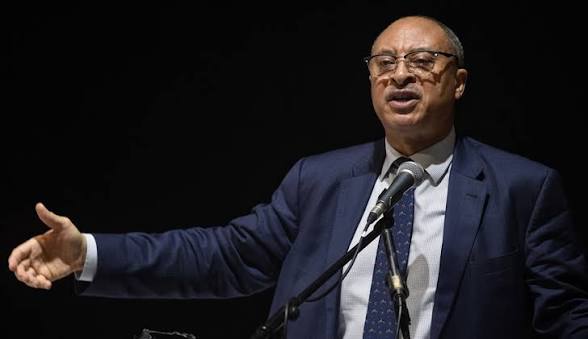
Professor Pat Utomi has criticised the All Progressives Congress (APC) over the distribution of luxury sport utility vehicles (SUVs) to selected party youth leaders, questioning the government’s spending priorities amid concerns over the salaries of Nigerian soldiers and the country’s economic challenges.
Utomi, a chieftain of the Nigeria Democratic Congress (NDC), condemned the reported distribution of brand-new 2026 Toyota Prado SUVs, arguing that the money spent on the vehicles could have been channelled into critical sectors such as healthcare.
In a post on X on Sunday, the professor expressed concern that an APC youth leader could showcase expensive vehicles at a time Nigerians had been told that government funds were limited.
He wrote: “Nigerian soldiers are being paid peanuts as salaries, yet an APC youth leader is flaunting SUVs worth billions of naira.
“This is the same government that told Nigerians there was no longer money in the treasury. At this point, they must think we are fools!”
In a separate post, Utomi questioned whether the expenditure could have been put to better use, particularly in providing emergency medical services.
“Each of the SUVs in this video costs more than ₦100 million. I wonder how many world-class ambulances the millions being spent on these vehicles could buy. What a pity!” he wrote.
The criticism followed a video shared by APC National Youth Leader, Dayo Israel, showing the brand-new Toyota Prado SUVs he said were presented to selected youth leaders to support the party’s mobilisation efforts ahead of the 2027 general elections.
Announcing the distribution, Israel wrote: “Today, I presented brand-new 2026 Prado to my committed selected youth leaders to aid their election mobilisation activities.”
He also thanked First Lady Oluremi Tinubu for what he described as her continued support for the party’s structure under his leadership.
Israel added: “The party is supreme, and that supremacy will show in our action in this election period; we will deliver polling unit by polling unit.”
The video, which has since been deleted, attracted criticism on social media, with some Nigerians questioning the timing of the vehicle distribution against the backdrop of economic hardship and the rising cost of living.
The controversy has also drawn attention to the cost of political mobilisation and the need to justify expenditure on party activities when many Nigerians continue to face financial difficulties.
Utomi’s intervention adds to the growing debate over the priorities of political parties as they prepare for the 2027 elections, particularly the contrast between resources allocated to political mobilisation and the needs of public institutions, including the military and healthcare services.
However, the report does not establish the source of funding for the vehicles or whether public funds were used to purchase them. The cost of the reported fleet and the circumstances surrounding its acquisition therefore remain central questions in the controversy.
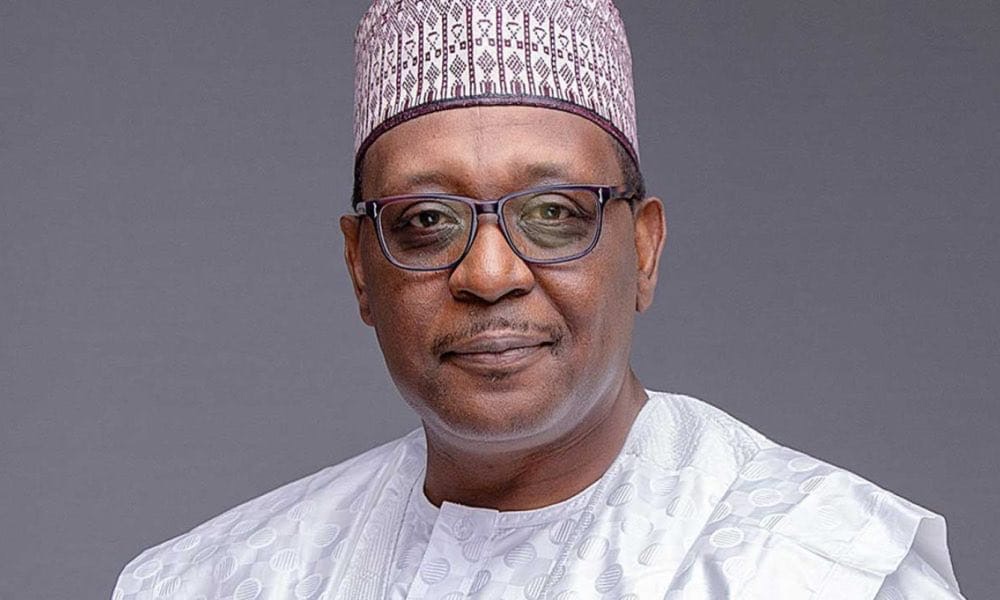
Coordinating Minister of Health and Social Welfare, Prof. Muhammad Ali Pate, has confirmed that Nigeria’s index Ebola patient departed Abuja for Switzerland earlier this morning with his approval.
In a statement, the Minister said the 42-year-old patient was clinically much improved, stable, conscious, and communicating, with laboratory results moving toward baseline.
He noted that she remains infectious, which is why strict protocols were maintained during the transfer. The patient was evacuated together with her spouse, who has remained asymptomatic.
Prof. Pate thanked the clinical staff for the high-quality care provided and the public health personnel who ensured the evacuation followed best-practice measures.
He said further updates would be given later this afternoon once the patient and her spouse arrive in Switzerland. All public health measures continue in Nigeria to contain the imported case.
The Minister urged citizens to remain vigilant and rely only on information from credible sources.
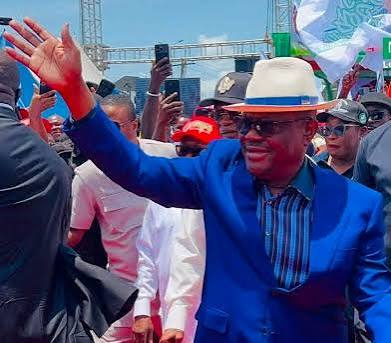
Rivers, Bayelsa, Osun, Nasarawa offer lifeline, Wike vows coalition has come to stay
The Rainbow Coalition being promoted by the Minister of the Federal Capital Territory (FCT), Nyesom Wike, is running into growing resistance across the country, with governors, state chapters and influential figures of the ruling All Progressives Congress (APC) rejecting the political arrangement amid fears that it could weaken the party and undermine its candidates in the 2027 general elections.
A nationwide survey by Daily Sun revealed sharp opposition to the cross-party alliance in parts of the South East, South South, North Central and North West, where party leaders have either openly disowned the coalition, questioned its motives or declined to associate themselves with its activities.
While Wike and his supporters insist that the coalition is designed to mobilise support for President Bola Tinubu’s re-election, its critics within the APC are uncomfortable with an arrangement that seeks votes for the President while allowing candidates of opposition parties to challenge APC candidates in governorship, National Assembly and state legislative elections.
The disagreement has widened into a struggle over political control, party loyalty and the direction of Tinubu’s re-election campaign, exposing conflicting interests among politicians ostensibly working towards the same presidential objective.
However, the coalition is far from being universally rejected. It has established a strong presence in Rivers State and attracted support in Bayelsa, Osun and Nasarawa, where influential political actors are mobilising under its banner.
The resistance is particularly striking because Tinubu has accommodated prominent figures associated with cross-party cooperation in his presidential campaign structure.
At the inauguration of the APC Presidential Campaign Council on October 14, Wike, Anambra State Governor Chukwuma Soludo and Osun State Governor Ademola Adeleke were included in the campaign arrangement, signalling the President’s willingness to work with political figures outside the ruling party.
Yet, the development has not resolved the fundamental disagreement between Wike and APC governors over whether support for Tinubu should automatically extend to all candidates of the ruling party.
The Progressive Governors’ Forum (PGF), chaired by Imo State Governor Hope Uzodimma, had made its position clear, insisting that APC governors would not participate in or endorse any political arrangement capable of undermining the party or its candidates.
APC National Chairman Nentawe Yilwatda reinforced that position, declaring that claims about the coalition’s strength must be supported by verifiable evidence.
Speaking through his media adviser, Abimbola Tooki, in an interview with Daily Sun, Yilwatda said the party was not threatened by the coalition but would insist that support for Tinubu should not come at the expense of other APC candidates.
“Any political arrangement that supports the President but works against APC candidates in other elections naturally raises questions,” he said.
That position has become the rallying point for opponents of the coalition across several states.
In Imo State, where Uzodimma doubles as chairman of the PGF, the APC has practically disowned the coalition, notwithstanding efforts by some opposition figures to establish its presence.
The party’s spokesman, Onwuasoanya Jones, dismissed suggestions that the Rainbow Coalition had taken root in the state, declaring that there was “nothing like a Rainbow Coalition” in Imo.
State APC Chairman Austin Onyedebelu went further, accusing Wike of attempting to use the arrangement to revive the Peoples Democratic Party (PDP) and strengthen opposition interests under the guise of supporting Tinubu.
The rejection comes despite the inauguration of coalition structures by PDP National Secretary Samuel Anyanwu, underscoring the sharp divisions between Wike’s political allies and the ruling party’s establishment in the state.
Uzodimma’s opposition is particularly significant because he serves as secretary of Tinubu’s Presidential Campaign Council, placing him within the same national campaign structure that accommodates Wike.
A similar confrontation is playing out in Cross River State, where the administration of Governor Bassey Otu has shown little enthusiasm for the coalition.
The state Commissioner for Information, Ekpenyong Cobham, accused promoters of the arrangement of attempting to “recolonise” Cross River, reflecting the apprehension among government loyalists about the possible emergence of a rival political structure.
Although PDP elements sympathetic to Wike insist that the coalition remains active, its activities have become less visible.
A PDP faction loyal to Tanimu Turaki has also questioned its continued relevance, arguing that the resignation of state party chairman Venatius Ikem signalled the weakening of the coalition’s local base.
In Benue State, the Rainbow Coalition has become entangled in the longstanding struggle for control of the APC between Governor Hyacinth Alia and political forces associated with the Secretary to the Government of the Federation, George Akume.
Alia has not identified with the coalition, while his Chief Press Secretary, Tersoo Kula, dismissed political manoeuvres against the governor as “gang-ups” that did not trouble him.
The coalition’s National Secretary, Austin Agada, is a leading figure in the APC faction associated with Akume and has publicly maintained that the alliance is intended to support Tinubu rather than secure Alia’s re-election.
The disagreement has generated fresh controversy within the APC, with some party chieftains petitioning the national leadership over allegations that Agada was supporting candidates of other parties against APC nominees.
The petitioners accused him of conduct inconsistent with the party’s interests, particularly in Benue South, where his faction has been linked to support for PDP Senator Abba Moro.
Agada’s supporters, however, insist that the coalition is a voluntary political platform whose objective is to mobilise support for Tinubu across party lines.
The division has placed the coalition at the centre of the state’s political rivalry rather than making it a universally accepted vehicle for presidential mobilisation.
The Labour Party and African Democratic Congress (ADC) have also not emerged as united institutional partners of the coalition in Benue.
In the South West, the picture is mixed.
While Osun has emerged as one of the coalition’s more receptive territories, there is little evidence of a comparable structure in Ogun State.
An APC stalwart in Ogun told Daily Sun that there was no indication that Governor Dapo Abiodun had committed himself to Wike’s political arrangement.
The crisis within the state’s PDP, particularly the dispute arising from the omission of Oladipupo Adebutu from the governorship candidates’ list, has further complicated efforts to build a formidable opposition-led alliance.
The uncertainty contrasts sharply with developments in Osun, where Governor Ademola Adeleke, who emerged from the Accord Party, has taken a prominent role in Tinubu’s presidential campaign.
Adeleke, named the President’s campaign coordinator for Osun, has been working to bring together political supporters from the Accord Party, APC and PDP in support of Tinubu’s re-election.
His involvement demonstrates the coalition’s potential appeal beyond the traditional boundaries of the ruling party, even as some APC leaders elsewhere remain suspicious of similar arrangements.
In Kaduna State, another major political battleground, the coalition has yet to establish a clearly identifiable statewide structure.
Checks by Daily Sun did not establish verifiable leadership or functioning organisational structures across the state’s 23 local government areas.
The absence of visible machinery raises questions about the extent to which the coalition can translate its national publicity into grassroots mobilisation in a state where the APC is already pursuing its own presidential campaign programme.
In Delta State, Wike’s political platform has similarly struggled to distinguish itself from the existing APC structure.
Governor Sheriff Oborevwori’s alignment with the ruling party has brought several influential political groups under the APC umbrella, leaving little space for a separate coalition to gain traction.
Groups such as the Delta Unity Group and the Lion Family have aligned with the governor’s political direction.
An APC chieftain captured the prevailing sentiment in the state when he declared: “We are all rainbow now, but inside APC.”
The remark reflects the position of politicians who support Tinubu’s re-election but see no reason to establish another political structure outside the ruling party.
However, the coalition has found more receptive ground in Bayelsa State, where PDP chairman George Turnah is championing its activities.
Turnah described the alliance as “indispensable” to Tinubu’s re-election efforts, arguing that the coalition could mobilise support beyond the political reach of Governor Douye Diri.
The group has unveiled a campaign programme scheduled to begin on November 9 with the inauguration of its state campaign council, the opening of a secretariat and the presentation of campaign vehicles.
Its planned activities include mobilisation across the state’s senatorial districts, local government areas and wards, signalling an attempt to convert political declarations into an organised campaign.
The development has created another platform for rivalry between competing political tendencies in the state, particularly those seeking to establish their own influence in Tinubu’s re-election project.
In Nasarawa State, PDP governorship candidate David Ombugadu has identified with the Rainbow Coalition, declaring that the state “stands for the Rainbow Coalition”.
Governor Abdullahi Sule, however, has questioned the purpose of the arrangement without mounting the kind of open confrontation witnessed in some other APC-controlled states.
The contrasting positions reflect the coalition’s appeal to opposition politicians who support Tinubu’s presidential ambition but remain committed to pursuing their own electoral interests.
Rivers State remains the coalition’s most established political base and the clearest example of the arrangement Wike hopes to replicate elsewhere.
There, the alliance enjoys the backing of influential political actors across party lines, including members of the State House of Assembly and supporters of APC governorship candidate Kingsley Chinda.
Governor Siminalayi Fubara has also publicly declared support for the coalition and endorsed Chinda, following efforts to reconcile rival political interests in the state.
Wike and other coalition leaders have held meetings with Fubara as part of efforts to consolidate the political understanding ahead of the elections.
Nevertheless, the apparent consolidation has not eliminated underlying tensions.
Disputes arising from Chinda’s defection, questions surrounding political alignments and criticism from opposition parties continue to test the alliance.
The ADC has dismissed the arrangement as “monochromatic”, questioning its claim to represent a genuinely broad political coalition.
Beyond the states, the coalition has also deepened divisions within the PDP, where some influential figures object to members of an opposition party organising support for a sitting president elected on another platform.
PDP Board of Trustees member Eddy Olafeso described the arrangement as an anathema to opposition politics, while the faction associated with Turaki has distanced itself from the coalition.
Their objection reflects the broader contradiction confronting Wike: remaining a prominent PDP politician while actively mobilising for the re-election of a president on the APC platform.
Wike, however, has dismissed the opposition to his initiative, insisting that he never entered into any agreement to support APC governors or candidates beyond Tinubu.
During his media chat on October 13, the FCT minister declared that his commitment was to the President’s second-term ambition, not to the political survival of individual governors.
“What I’ve said to Nigerians and to Almighty God is, ‘I’m going to support Tinubu for him to realise his second-term ambition.’ I did not promise any governor,” he said.
He challenged those opposed to the coalition to confront him directly rather than hide behind party structures or disagreements over the alliance.
“For the Rainbow Coalition, it has come. It will stay. There’s nothing anybody can do about it,” he declared.
Wike’s position is that Nigerians should be free to support Tinubu for president while voting for candidates of their choice in governorship and legislative elections.
That argument, however, remains unacceptable to APC leaders who insist that party loyalty cannot be selective, particularly when the same political arrangement could strengthen opposition candidates against their own nominees.
For now, the Rainbow Coalition presents contrasting realities: a formidable platform in Rivers, growing structures in Bayelsa and support from influential politicians in Osun and Nasarawa, against outright rejection, internal party disputes and uncertain grassroots structures in several other states.
Tinubu’s decision to include Wike and other prominent non-APC politicians in his presidential campaign council has given cross-party cooperation official recognition at the national level, but it has not compelled APC governors and state chapters to embrace the Rainbow Coalition.
As preparations for the 2027 elections intensify, the unresolved question is whether Wike can extend his cross-party alliance across the country without provoking further resistance from the very APC structures on which Tinubu’s re-election campaign also depends.
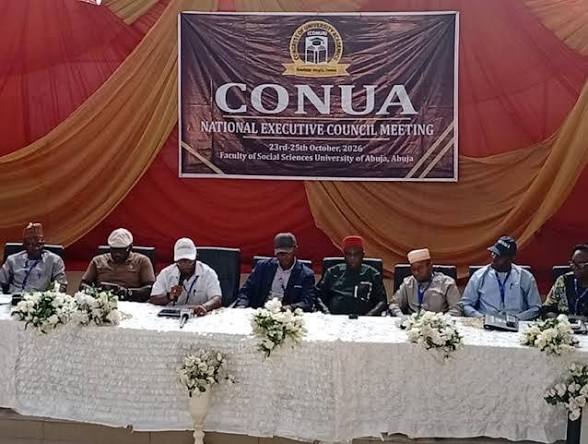
The Congress of University Academics (CONUA) has warned the Federal Government of possible industrial action over its failure to conclude a collective bargaining agreement with the union and settle outstanding salaries and other entitlements owed to university lecturers.
The union, which demanded immediate payment of three and a half months’ withheld salaries, promotion arrears and outstanding benefits arising from the 25 and 35 per cent wage awards, declared that its preference for dialogue should not be mistaken for weakness or unwillingness to defend its members.
Its National President, Niyi Sunmonu, issued the warning on Saturday, October 24, following the union’s National Executive Council (NEC) meeting at the University of Abuja, where members reviewed the prolonged negotiations with the government and unresolved welfare issues affecting university academics.
The union expressed dissatisfaction with the handling of the proposed Federal Government of Nigeria–CONUA Agreement, whose latest draft was produced in September 2026, accusing the authorities of failing to demonstrate sufficient commitment to its conclusion.
“The welfare and legitimate entitlements of academics are obligations to be honoured, not favours to be granted,” the union declared.
It maintained that the recognition of CONUA as a trade union must go beyond official pronouncements to meaningful collective bargaining and a binding agreement that guarantees the rights and welfare of its members.
Sunmonu said the union had consistently demonstrated its preference for peaceful engagement but warned that continued delays could undermine industrial harmony in the university system.
“Our commitment to dialogue must not be mistaken for a lack of resolve,” the union stated.
He urged the Federal Ministries of Education and Labour and Employment, alongside other relevant negotiating authorities, to conclude the agreement without further delay.
The union insisted that university lecturers should not continue to suffer financial uncertainty arising from unpaid salaries, promotion arrears and the inconsistent implementation of approved benefits.
It demanded the immediate settlement of all verified outstanding entitlements, including arrears from the 25 per cent and 35 per cent wage awards, while urging government authorities and university managements to maintain transparent payment records and communicate clearly with affected staff.
CONUA argued that the failure to honour approved financial obligations had compounded the economic difficulties confronting university academics and weakened confidence in the collective bargaining process.
The union warned that continued delays in resolving the outstanding issues could compel it to explore lawful industrial options to protect the interests of its members.
However, it maintained that its immediate priority remained the conclusion of negotiations and peaceful resolution of the dispute.
The Trade Union Congress (TUC) also backed CONUA’s demands, calling on the Federal Government to conclude and sign the proposed agreement without further delay.
TUC Secretary General Nuhu Toro, who expressed solidarity with the union, insisted that collective bargaining agreements were serious commitments that must be honoured rather than treated as political favours or administrative conveniences.
He warned that the wider labour movement would not tolerate unnecessary delays by government agencies and university authorities responsible for concluding the agreement.
Beyond the salary dispute, CONUA raised concerns over what it described as the exclusion of its members from important university education programmes and consultative structures.
It specifically demanded fair representation in initiatives associated with the Tertiary Education Trust Fund (TETFund) and the Needs Assessment intervention programme, arguing that excluding recognised academic stakeholders undermined institutional fairness, transparency and accountability.
The union also called for increased public investment in university education, warning that inadequate funding and deteriorating infrastructure continued to undermine teaching, learning and research.
It identified reliable electricity, internet connectivity, functional laboratories, modern teaching facilities and accelerated digital transformation as essential requirements for improving the quality of university education.
CONUA further condemned reported cases of institutions temporarily hiring or renting academic staff and equipment to satisfy accreditation requirements.
It warned that such practices could create a misleading impression of institutional capacity while concealing deficiencies in staffing, facilities and equipment.
The union urged university managements and regulatory authorities to ensure that accreditation exercises reflected the actual and sustainable capacity of institutions to deliver approved academic programmes.
On national issues, CONUA called for peaceful, free and credible elections, urging political parties and candidates to prioritise security, electricity, education, employment and economic development in their campaigns.
It also urged the Independent National Electoral Commission (INEC) to conduct an impartial electoral process that would reflect the will of voters.
Expressing concern over insecurity, the union called on governments and security agencies to strengthen intelligence gathering, improve operational coordination and respond more effectively to terrorism, banditry, kidnapping and communal violence.
CONUA reiterated its commitment to defending the welfare and professional interests of university academics through collective bargaining and lawful means, warning that industrial harmony could only be sustained when the government honoured its obligations and treated recognised unions fairly.
Says govt must stop treating journalists as enemies, identifies poor pay, ownership interference as threats to press freedom
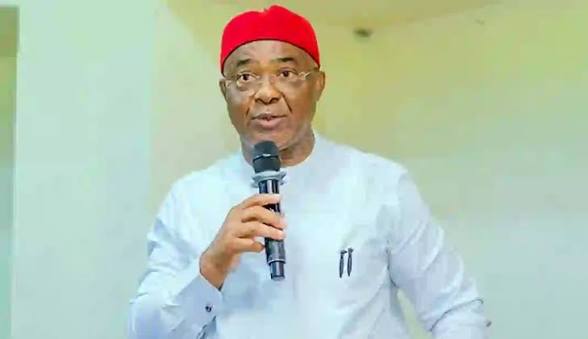
Imo State Governor, Hope Uzodimma has proposed the establishment of a national media centre in honour of the late media entrepreneur, High Chief Raymond Aleogho Dokpesi, to promote research into the role of journalism in economic growth and national development.
Uzodimma also warned that political interference, poor remuneration, harassment of journalists and the growing economic vulnerability of media organisations threaten press freedom and Nigeria’s democratic development. The governor, who made the proposal yesterday in Abuja, said the best tribute to Dokpesi, founder of DAAR Communications Plc, was to protect the freedom he helped advance and ensure that journalism remained credible, independent and accountable to the public.
He spoke while delivering the third Raymond Aleogho Dokpesi Annual Diamond Lecture, organised by the Nigerian Institute of Public Relations (NIPR), in collaboration with DAAR Communications, on the theme, “Media, Democratic Consolidation and Development.”
Uzodimma, who pledged to lead the campaign for the establishment of the proposed centre, said it would serve as a hub for research into how the media could be better deployed to advance economic development and strengthen development journalism.
“But I think that as his friends and associates, we should take the lead by building a national media centre in his honour. The centre will be a hub for research on the media and how it can be properly channelled for economic development, or put simply, for development journalism. I shall be prepared to lead in the campaign for the establishment of this centre,” he said.
The proposal came as the governor called for a new relationship among the government, media owners, journalists and citizens, arguing that democracy could not be consolidated where public officials resisted scrutiny and journalists lacked the resources to perform their duties or citizens were unable to distinguish credible information from misinformation.
He maintained that although Nigeria had made progress since its return to civilian rule in 1999, the sustainability of its democracy depended partly on the ability of the media to hold public officials accountable without intimidation or undue influence.
According to him, democratic consolidation goes beyond conducting elections every four years to ensuring that constitutional government, fundamental rights, independent institutions and peaceful transfers of power become firmly established.
“Democracy is sustained when rights are protected, when laws bind those who govern, as well as those who are governed, when institutions retain their authority, when citizens participate meaningfully and when political power can change hands through acceptable constitutional processes,” he said.
The governor identified the relationship between the government and the press as a major determinant of the media’s ability to contribute to democratic development, urging public officials to abandon what he described as a paranoid attitude towards journalism.
He argued that the government should regard the media as a partner in national development rather than an adversary, even when journalists publish reports that are uncomfortable for those in authority.
“The government at all levels must jettison the paranoid position that presents or views the media as detractors or enemies. In its place, it should have a new mindset that sees the media as partners in development,” he said.
Uzodimma acknowledged that public officials sometimes felt aggrieved by reports they considered unfair, inaccurate or sensational. However, he said such experiences did not justify weakening the press or restricting its independence.
He disclosed that as a politician, he had encountered headlines he considered unrelated to the reports beneath them, stories based on incomplete facts and interpretations shaped by editorial positions.
He also acknowledged that the government sometimes failed to provide information promptly or clearly, creating room for speculation.
Nevertheless, the governor said the discomfort associated with independent scrutiny was part of the responsibility of exercising public power in a democracy.
“Any public officer who wants only favourable coverage is asking the press to serve as his publicity department. Journalism has a different responsibility and the discomfort that comes with independent scrutiny is part of the price of exercising public power, especially the right to free speech in a democracy,” he said.
He warned that journalism operating at the pleasure of the government could not credibly hold the same government accountable, adding that censorship could occur without formal directives when reporters feared detention, station closures, licence withdrawals or other forms of punishment.
According to him, the fear of reprisals could lead journalists to censor themselves, undermining the media’s constitutional responsibility to scrutinise public institutions.
He identified interference by media proprietors, poor working conditions, delayed salaries, inadequate welfare and threats to journalists’ safety as some of the major obstacles confronting the industry.
He said media organisations owned or sponsored by political and commercial interests often faced difficulties maintaining editorial independence, while journalists working under financial pressure could become vulnerable to inducements and compromise.
The governor also expressed concern about harassment, arbitrary arrests, victimisation, brutality and other forms of pressure faced by journalists covering sensitive assignments.
He said the economic survival of professional journalism was becoming increasingly difficult as traditional advertising revenues migrated to global digital platforms, even as the cost of investigative reporting, fact-checking and maintaining competent newsrooms remained high.
“If we desire truly independent journalism, we must confront the question of how to finance it without compromising its editorial judgement,” he said.
He called for collaboration among the government, media proprietors, advertisers, technology companies and the public to develop sustainable funding models that would allow news organisations to operate without sacrificing their independence.
He also urged media owners and practitioners to place professionalism and ethical standards above commercial and partisan interests, while investing in continuous training, investigative reporting and responsible journalism.
Citizens, he said, also had a responsibility to verify the authenticity of information before sharing it, reject divisive ethnic and other forms of baiting and support the survival of independent media.
The governor described this proposed three-way partnership among the government, the media and citizens as necessary for strengthening democratic institutions and ensuring that journalism contribute meaningfully to national development.
With Nigeria approaching another general election cycle, he warned that the rapid expansion of digital platforms and artificial intelligence had made the task of distinguishing credible journalism from fabricated information increasingly difficult.
He said technology had expanded public participation in communication, allowing individuals with mobile phones to reach audiences that once depended largely on traditional newspapers, radio and television.
However, he cautioned that the ability to publish information to a large audience did not automatically make its author a journalist.
According to him, professional journalism requires fact-checking, verification, context and accountability for published material.
“As technology makes publication easier and artificial intelligence makes fabrication more convincing, the discipline of verification becomes more important,” he said.
He warned that artificial intelligence could reproduce voices, faces, newspaper designs and broadcast identities so convincingly that the public could no longer rely on appearances alone to establish authenticity.
The governor said the implications were particularly serious during elections, when false information could spread rapidly and undermine public confidence in candidates, electoral institutions and the democratic process.
He also cautioned journalists against allowing political preferences to undermine their professional responsibilities, insisting that defending democracy did not give reporters the licence to campaign for preferred candidates or parties.
“We should also be careful about what we mean by neutrality. Journalism cannot be neutral between fact and a deliberate falsehood. Balance does not require a reporter to manufacture equivalence between evidence and an allegation for which there is no evidence,” he said.
He added that journalists must remain committed to truth, fairness, constitutional order and the public interest rather than the political fortunes of individuals or parties.
The governor maintained that public trust was central to the effectiveness of journalism, warning that news organisations perceived as partisan would struggle to persuade audiences to accept their fact-checking efforts, particularly during elections.
He therefore urged media organisations to build credibility consistently rather than attempting to establish it only when politically sensitive issues arose.
Uzodimma also argued that while journalism could expose corruption, electoral malpractice, institutional failures and poor public services, the media lacked the authority to resolve those problems without the intervention of relevant institutions.
He said reports exposing alleged corruption must be followed by investigations and prosecutions where offences had been established, while evidence of electoral malpractice required action by electoral and law-enforcement agencies.
Similarly, he said findings about failing public services must reach institutions with the authority and resources to address the problems.
According to him, a society where wrongdoing can be exposed but no consequences follow may have a vocal press without effective accountability.
He said democratic consolidation would become more meaningful when institutions operated according to established rules rather than the preferences of politically powerful individuals.
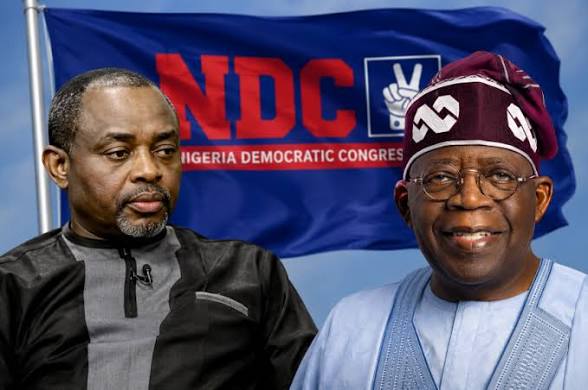
The Nigeria Democratic Congress (NDC) has criticised President Bola Tinubu over his claim that opposition parties created hunger and poverty in the country, insisting that the administration should focus on addressing the hardship faced by Nigerians.
The party’s National Publicity Secretary, Osa Director, made the remarks during an interview on Channels Television’s Morning Brief, in response to Tinubu’s comments at a political gathering in Kaduna over the weekend.
Director questioned whether the President was suggesting that hunger began only after his administration took office about three years ago. “Is he saying that the hunger started in the last three years? Because he was also the person who said that hunger has always been with us,” he said.
The NDC spokesman argued that the President should prioritise finding solutions to the country’s economic challenges rather than blaming opposition parties.
He maintained that even if the opposition were responsible for the situation, the responsibility of the sitting government would still be to address it.
“Assuming, but not conceding, that the opposition created hunger, his business and responsibility is to eliminate hunger, because that is why he told Nigerians he’s ‘Emi Lokan’,” Director said.
He also claimed that Tinubu’s remarks reflected a lack of achievements by the ruling All Progressives Congress (APC) to present to Nigerians ahead of the 2027 general elections.
“It has shown that the APC has no achievement to campaign with,” he said.
The Yoruba nation activist, Chief Sunday Adeyemo, popularly known as Sunday Igboho, on Sunday launched the Iru Ekun Security Network at the popular Mapo Hall in Ibadan, the Oyo State capital.
He also explained his visit to Abuja on Saturday, saying the trip was aimed at advancing efforts to ensure the effectiveness of Iru Ekun in the South-West region.
A statement from Igboho’s media office disclosed that no fewer than 20,000 volunteers had joined the security organisation, which it said was approved by President Bola Ahmed Tinubu’s administration to strengthen community security and tackle crime in Yorubaland and parts of Kwara and Niger states.
According to the statement, “the launch of Iru Ekun in Oyo followed similar inaugurations of the local security initiative in Osun, Ekiti, Lagos, Ogun and Ondo states, as well as active engagement with traditional rulers and community leaders across Yorubaland.”
Since its establishment, the security outfit has reportedly collaborated with the Nigerian Army, the Nigeria Police Force, the Department of State Services (DSS) and other security agencies to address abductions, killings and other forms of insecurity, particularly in the South-West.
Meanwhile, the statement quoted Igboho as commending the massive turnout of volunteers, describing it as a milestone that demonstrated Oyo residents’ interest in participating actively in efforts to ensure the safety and security of residents, irrespective of tribe, religion or political affiliation.
“The impressive development represents a milestone which indicates genuine interest among Oyo people in active participation to ensure the safety and security of residents, irrespective of tribes, religion and political affiliations,” he said.
Igboho also explained that his earlier trip to Abuja on Saturday was to discuss issues relating to the official responsibilities of Iru Ekun and how the organisation could expand its reach to strengthen security across the South-West.
“I was in Abuja this morning so that Iru Ekun’s security responsibilities can be further strengthened. This is because Iru Ekun is the brainchild of South-West traditional rulers, and it will continue to serve its purpose of promoting peace and effective security in our communities.
“I received the call last night to come to Abuja. My Abuja trip was as a result of the collaboration with our traditional ruler, the Olubadan of Ibadanland. Firstly, I want to thank Almighty God, who has all powers, owns us and preserves us. The God who says we will not be overcome by bandits. We thank God.
“After that, we thank all traditional rulers in Nigeria, and may God grant them long life. We are also paying homage to President Bola Ahmed Tinubu, who provided this platform so that we can interact as Iru Ekun members. Some people are still looking down on you (volunteers). Soon, they will lobby you for positions,” Igboho said.
While canvassing support for Tinubu’s re-election in the forthcoming presidential election, Igboho urged Nigerians, including members of Iru Ekun, to vote for the All Progressives Congress (APC).
The Lagos State Government has assured residents and visitors of its readiness to prevent, detect and respond to potential public health threats following the confirmation of an imported case of Ebola virus disease from Bundibugyo into the Federal Capital Territory (FCT), Abuja.
The state urged the public to remain calm and vigilant, stressing that no case of Ebola has been detected in Lagos.
The Commissioner for Health, Prof. Akin Abayomi, said the Ministry of Health, through the Directorate of Epidemiology, Biosecurity and Global Health, was strengthening disease surveillance, risk communication and community engagement to enhance early detection and response.
He said the state was also collaborating with relevant agencies at points of entry, including the Murtala Muhammed International Airport (MMIA), to strengthen its preparedness.
As part of the efforts, the ministry conducted a strategic engagement and assessment at MMIA with airport management, Port Health Services and other aviation and public health stakeholders. The engagement focused on passenger screening, information sharing, infection prevention and control, and coordination of emergency response measures.
The ministry is also intensifying public enlightenment through educational materials on Ebola, its symptoms, transmission and prevention.
Ebola Virus Disease is a severe illness that can be fatal. It spreads primarily through direct contact with the blood and other body fluids of an infected person showing symptoms, contaminated materials, or the bodies of people who have died from the disease.
Transmission may also occur through contact with infected animals. Symptoms may develop between two and 21 days after exposure and include fever, severe weakness, headache, muscle pain, sore throat, vomiting, diarrhoea and abdominal pain.
Unexplained bleeding or bruising may also occur in some cases. The government advised residents who become unwell, particularly after possible exposure or travel from an area with active transmission, to seek prompt medical assessment, noting that early symptoms may resemble malaria and other common illnesses.
In line with the state’s fever-management policy, anyone with a fever should undergo a malaria rapid diagnostic test before taking antimalarial medicines. Where the test is negative, a healthcare professional should assess other possible causes and recommend appropriate treatment.
Residents were also advised to wash their hands regularly, avoid contact with the body fluids of sick persons, refrain from handling potentially contaminated materials, and avoid contact with sick or dead wild animals.
Travellers arriving in Nigeria, particularly from areas reporting Ebola transmission, were urged to cooperate with Port Health Services and other authorised officials, provide accurate travel and health information when requested, and comply with public health guidance.
Anyone who develops symptoms during travel or after arrival should promptly notify the appropriate health personnel and seek guidance before visiting a healthcare facility. Airlines and airport operators were also urged to sustain established public health protocols.
The government advised travellers to consult official advisories from the Nigeria Centre for Disease Control and Prevention (NCDC), the Nigerian Civil Aviation Authority (NCAA) and the Federal Airports Authority of Nigeria (FAAN) for current guidance.
Anyone who suspects exposure to Ebola, particularly following contact with a suspected or confirmed case, should promptly contact public health authorities for guidance before visiting a healthcare facility.
Suspected cases or exposure concerns in Lagos can be reported through the state’s emergency numbers, 112 or 767, or to the Directorate of Epidemiology, Biosecurity and Global Health, Lagos State Ministry of Health, on 0802 316 9485.
The government said it would continue to monitor developments, strengthen surveillance and response readiness, coordinate with relevant stakeholders, and provide verified updates as necessary.
It urged residents to remain calm, practise recommended preventive measures and follow official public health announcements, stressing that early detection and prompt reporting save lives.
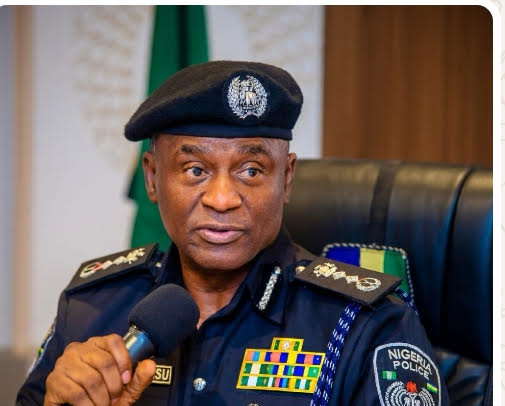
The Inspector-General of Police (IGP), Olatunji Disu, has proposed a 200 per cent gratuity to improve the retirement benefits of personnel of the Nigeria Police Force.
It is also expected to address recurring protests by serving officers seeking to exit the Contributory Pension Scheme (CPS).
The proposal, which is part of a wider reform to address longstanding pension challenges, is currently under consideration by a presidential committee set up to examine police concerns and recommend sustainable solutions.
The committee comprises representatives of the Ministry of Finance, the Office of the Accountant-General of the Federation, the National Salaries, Incomes and Wages Commission, the Budget Office of the Federation and the National Pension Commission (PenCom).
Under the proposed arrangement, eligible officers could retire on pension benefits linked to their last salaries, alongside the enhanced gratuity. The package is also expected to address recurring protests by serving officers seeking to exit the Contributory Pension Scheme (CPS), a contentious issue within the force. The initiative aims to resolve outstanding pension liabilities, provide more adequate retirement benefits and create a more efficient pension administration system. It also seeks to cover officers who retired before any new framework takes effect, with provisions to review their benefits in line with the revised terms, rather than limiting reform to future retirees.
President Bola Ahmed Tinubu’s intervention in the police pension crisis has raised expectations among retired officers, who have long complained about inadequate benefits, delayed payments and administrative bottlenecks. For many pensioners, timely access to benefits is essential for meeting household expenses and medical bills amid rising living costs.
The Federal Government has reportedly cleared the backlog of pension payments that previously left some retirees waiting for up to two years and introduced pension increases, with some beneficiaries receiving almost double their previous payments.
Disu’s engagement with the Presidency, PenCom and other relevant institutions is seen as important to sustaining reform momentum. The committee is expected to recommend measures on outstanding liabilities, funding arrangements and benefit administration, providing a framework for resolving the pension challenges and improving coordination among the institutions responsible for policy, funding and administration.
The proposal, however, remains subject to the committee’s deliberations, relevant government approvals, funding arrangements and implementation guidelines. The 200 per cent gratuity should not be regarded as an approved or existing entitlement. The final outcome will determine whether it is adopted, which officers are eligible and how any approved changes are implemented.