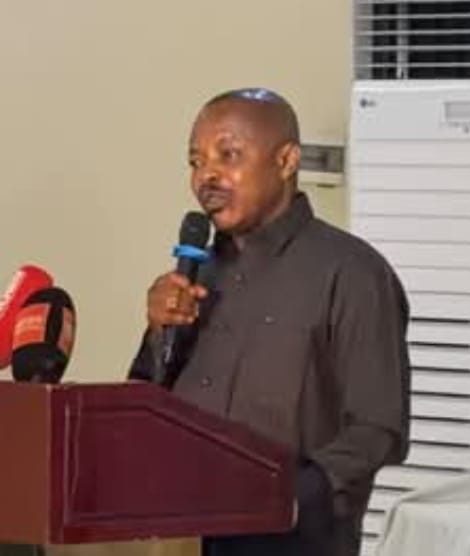
The President of the Nigeria Labour Congress (NLC), Comrade Joe Ajaero, has called for effective implementation of the minimum wage to ensure that Nigerian workers enjoy improved purchasing power and a decent standard of living.
Ajaero made the call while delivering his opening remarks at the launch of an investigative research on minimum wage and pension payment compliance in Abuja.
Speaking on the theme, “Minimum Wage Now… With Value!”, the NLC president stressed the need to move beyond the announcement and implementation of minimum wage to ensuring that workers can meet their basic needs with their earnings.
The labour union maintained that compliance with the minimum wage must go hand in hand with timely payment of salaries, respect for workers’ rights and effective enforcement across all tiers of government and the private sector.
It also emphasised the need for the prompt and full payment of pensions to retirees who have served the nation. With the rising cost of living putting pressure on workers and pensioners, the NLC called for wages that provide real value, timely pension payments and strict compliance with the law.
The union said Nigerian workers deserve a living wage that can meet their basic needs, while pensioners should enjoy dignity, financial security and prompt payment of their entitlements.
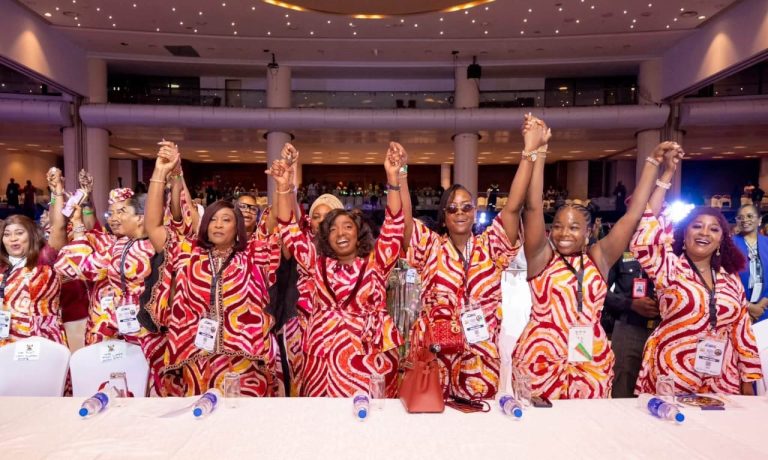
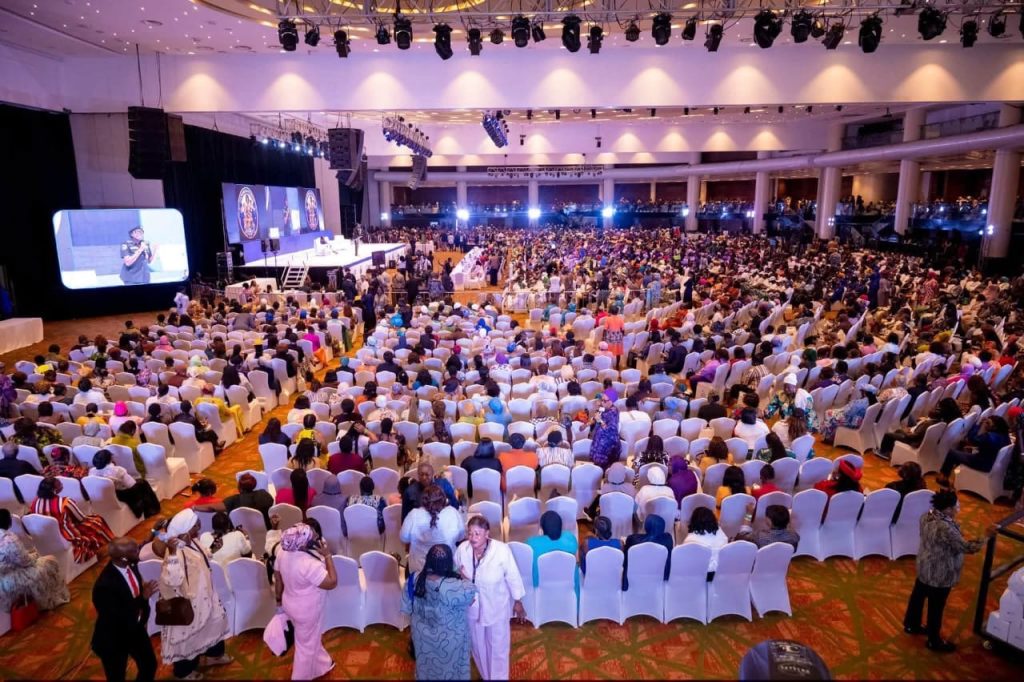
The First Lady of Lagos State and Chairman of the Committee of Wives of Lagos State Officials (COWLSO), Dr. (Mrs.) Claudiana Ibijoke Sanwo-Olu, welcomed thousands of women to the opening day of the 26th National Women’s Conference at Eko Hotels and Suites, Victoria Island, Lagos, under the theme “Anchored in Purpose: Be the Blueprint.”
The day featured insightful sessions on inclusion and support for persons with disabilities, personal wellness, children’s safety in the digital space, developments in Lagos State’s transportation sector, and fertility awareness. These discussions addressed critical issues affecting women, families and society, providing valuable insights and practical knowledge for participants.
The conference continues to serve as a vital platform for knowledge-sharing, meaningful engagement and the exchange of ideas, fostering personal growth, social development and positive change.
As the conference progresses, the conversations underscore the importance of equipping women with the knowledge, confidence and sense of purpose needed to lead, inspire and shape a brighter future for generations to come.
(INEC) has announced plans to publish the preliminary register of voters for the 2027 general elections on its website, allowing Nigerians to access the document online. The commission said the decision followed concerns raised by citizens and other stakeholders about the need to make the register available electronically in addition to the physical display previously conducted at Registration Areas. In a statement issued on Monday, INEC said the move was intended to improve public access to the register and strengthen confidence in the electoral process. “Accordingly, and in furtherance of its commitment to transparency, accessibility and public confidence in the electoral process, the Commission has decided to make available on its online platform https://display.inecnigeria.org the same Preliminary Register of Voters earlier displayed at the Registration Areas,” the statement said. The commission added that the online publication would complement the physical exercise and enable more Nigerians to examine the preliminary register. “This additional measure complements the physical display already undertaken and is intended to facilitate wider public access to the register,” it stated. The statement was signed by Mohammed Kudu Haruna, chairman of INEC’s Information and Voter Education Committee (IVEC). INEC said it was continuing to process claims and objections arising from the preliminary register exercise in line with the Electoral Act, 2026. The commission explained that the process would precede the certification and publication of the final register of voters, scheduled for December 15, 2026. It also acknowledged the interest shown by Nigerians and other stakeholders in the exercise, reaffirming its commitment to transparency and accountability. “The Commission appreciates the continued interest and constructive engagement of Nigerians and stakeholders and reiterates its commitment to transparency, accountability and the faithful implementation of the Electoral Act, 2026 in delivering credible elections,” the statement added.
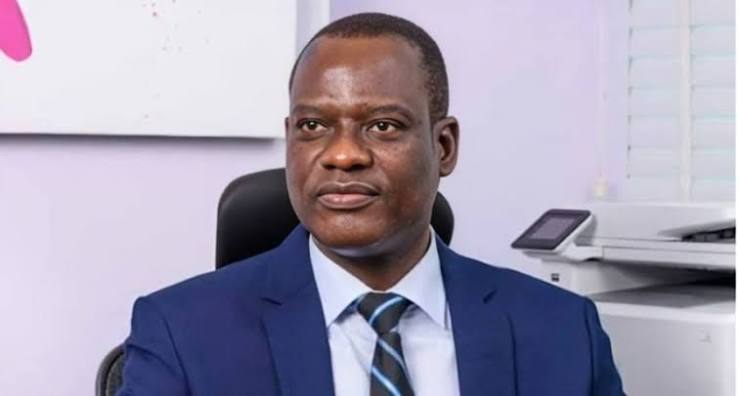
The Minister of Finance and Coordinating Minister of the Economy, Taiwo Oyedele, has disclosed that some Nigerian households spend as much as 120 per cent of their income on food, forcing many to borrow money or depend on relatives to survive.
Oyedele, who spoke at Chatham House in London, said a government survey revealed that food costs had exceeded the total income of some households, highlighting the severity of the country’s cost-of-living crisis.
“In fact, there was a survey we did that shows that up to 120 per cent of household income is spent on food.
“Like, how do you spend 120 per cent of your income? You borrow food before the end of the month,” he said.
The minister said Nigeria’s poverty rate remained above 50 per cent despite an unemployment rate of about five per cent, warning that low unemployment figures did not reflect the financial struggles of millions of Nigerians who have jobs but cannot afford basic necessities.
“That tells you something. As a policymaker, you don’t sit back and say we don’t have unemployment. You have working poor,” he said.
Oyedele attributed the pressure on household budgets to persistently high food prices, noting that food inflation was not easing as quickly as the headline inflation rate.
He said food inflation stood at 19.6 per cent in September, adding that the cost of essential items such as tomatoes, garri and beans remained a major concern for households.
“Headline inflation is falling faster than the price of a basket of tomatoes, gari, and beans. And this widens inequality,” he said.
The minister added: “Macroeconomic stability means little to a mother who still cannot afford food.”
Oyedele identified low agricultural productivity, seasonal farming, post-harvest losses, inadequate storage facilities, high transportation costs and insecurity in farming communities as major factors driving food prices upwards.
He cited the loss of as much as 60 per cent of tomatoes after harvest as an example of the challenges confronting Nigeria’s agricultural sector.
According to him, the government is investing in agricultural technology, irrigation systems to support year-round farming, improved storage facilities and access to finance for smallholder farmers to increase food production and reduce waste.
He also said the administration was providing direct assistance through a cash transfer programme that had reached more than 10 million households.
“In the short term, the administration is providing direct support through a cash transfer programme that has reached more than 10 million households. Payments are made digitally and beneficiaries are verified with National Identification Numbers to reduce leakage,” he said.
The minister further argued that Nigeria’s household economic challenges were rooted in structural weaknesses rather than fuel taxation, stating that the country had no taxes on fuel.
He said the government was prioritising agriculture and non-tradable services, which together employ 81.4 per cent of working Nigerians.
Oyedele explained that the aim was to grow these sectors faster than the overall economy, raise household incomes and gradually reduce dependence on government cash transfers.
His remarks highlight the growing challenge facing policymakers as millions of Nigerians struggle to meet basic food needs despite efforts to stabilise the economy and improve agricultural production.
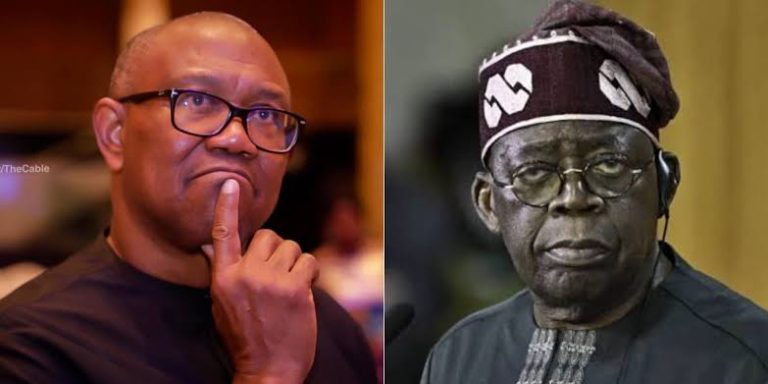
The presidential candidate of the Nigeria Democratic Congress (NDC), Peter Obi, has called on President Bola Tinubu to leave office, questioning whether the President has the energy and capacity required to address Nigeria’s challenges.
Obi argued that the country needs a president who is consistently available to respond to emergencies and visit communities affected by insecurity, rather than leaving citizens to face crises without visible leadership.
He made the remarks while criticising the government’s handling of Nigeria’s security challenges and calling for a more active approach to governance ahead of the 2027 general elections.
“We need him to go home because Nigeria cannot be governed by his energy. Nigeria needs a president who will be available and be there at any location in the country that has a problem,” Obi said.
He cited the abduction of large numbers of people as an example of the security challenges he believes require a more direct response from the country’s leadership.
“We cannot be in government, and 600 people will be kidnapped and taken into the bush; we will go into that bush with them,” he added.
The former Anambra State governor also challenged Nigerians who believe they have the competence and energy to serve to join the political contest, saying leadership requires consistent engagement with the country’s problems.
“If you have competence and energy to serve, come and campaign,” Obi said.
He further argued that Nigeria could no longer afford leaders who were unavailable when citizens needed them.
“We can no longer accept people who are elected and not available. The president of Nigeria must be available at all times and must tour all over Nigeria,” he said.
Obi’s comments come as political parties prepare for the 2027 elections, with security, economic hardship and leadership capacity expected to remain key issues in the contest.
Ikeja Electric has apologised to customers in several parts of Lagos State for failing to meet the minimum 20-hour daily electricity supply requirement for Band A feeders on October 25 and 26, 2026.
The electricity distribution company issued the apology in a notice to its customers on Tuesday, October 27, acknowledging that it fell short of the expected service level.
The outages affected customers in areas including Shomolu, Ikeja, Akowonjo, Oshodi, Oworonshoki and New Oworo, with some feeders recording as little as zero hours of electricity supply on the affected days.
According to the company’s published report, the disruptions were caused by a combination of equipment maintenance operations, technical faults and instability in the national grid.
In the Shomolu area, the Magodo feeders serving Owulade, CMD, Bashiru and Shangisha recorded zero hours of electricity supply on both days due to ongoing panel swap operations.
Similarly, the MTN Data Center feeder in Ikeja recorded zero hours of supply on October 25 and 26 following a fault on its 33kV line.
In Ikeja GRA and areas served by medical feeders, electricity supply ranged between 15.82 and 19.28 hours due to 33kV and 11kV faults, as well as instability in the Transmission Company of Nigeria’s grid.
Customers in Akowonjo and Oshodi, including those served by the Alimosho, Kudaki and Homes Estate feeders, experienced supply ranging from 4.85 to 16.55 hours due to power transformer limitations and local line faults.
Meanwhile, the Oworonshoki and New Oworo feeders recorded between 14.23 and 19.75 hours of electricity supply, with the company attributing the disruptions to instability in the national grid.
In its apology, Ikeja Electric said, “We apologise for falling short of the expected minimum service level of 20 hours on the Band A feeders below for October 25th and 26th, 2026. We regret any inconvenience this may have caused you.”
Bayern Munich striker Harry Kane has emerged winner of the 2026 Ballon d’Or, beating fellow contenders, including Kylian Mbappe and Lamine Yamal, to the prestigious individual award.
The announcement was made on the organisers’ official X account on Monday night in a post that read, “HARRY KANE IS THE NEW BALLON D’OR!” The organisers also welcomed the England captain to the award’s fold, writing on their website, “Welcome to the Ballon d’Or family, Harry!”
Kane’s reported emergence as the winner places him ahead of several leading contenders who were also in contention for the award following their performances during the 2025/2026 season.
Mbappe and Yamal were among the notable names expected to challenge the Bayern Munich forward for the honour.
The Delta State Police Command has arrested a 28-year-old school bus driver, Onome Ughagha, for allegedly kidnapping and sexually assaulting a 14-year-old female student in Sapele, after collecting ₦503,000 ransom from her father.
The incident was reported at Sapele Area Command on October 20, 2026, by the victim’s father, who alleged that the suspect abducted his daughter while she was preparing to leave for school.
The suspect reportedly contacted the father, demanded ₦503,000 ransom and threatened to kill the minor if the money was not paid.
After the ransom was paid, the girl was allegedly abandoned along Oton Road, Sapele, where she was reunited with her family in a traumatised condition, with indications that she had been sexually assaulted.
The Delta State Police Public Relations Officer, SP Bright Edafe, said the police immediately launched an investigation following the report.
According to him, the victim was taken to a medical facility for examination and treatment, while the school principal and vice principal were invited for questioning. Edafe said efforts were intensified to apprehend the suspect, who had allegedly abandoned the school bus and fled after the incident.
“Acting on credible intelligence, operatives subsequently traced the suspect to his hideout in the Ajimele area of Sapele, where he was arrested on October 23, 2026.
“During preliminary interrogation, he reportedly confessed to his involvement in the crime. Arrangements are underway to transfer him to the State Criminal Investigation Department, Asaba, for further investigation,” he said.
The Commissioner of Police, Delta State Command, CP Samuel E. Erale, condemned the incident and reiterated the command’s commitment to protecting children from all forms of violence and exploitation.
He assured that investigations would be thorough and that anyone found culpable would be brought to justice.
The police commissioner also urged school authorities, parents and transport operators to exercise greater vigilance in safeguarding children, stressing that the safety of every child entrusted to their care must remain paramount.
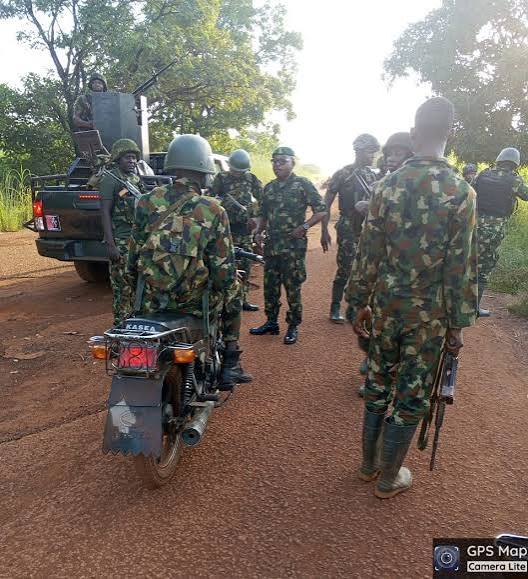
Troops of the Joint Task Force, Operation Whirl Stroke (OPWS), have foiled a kidnapping attempt and rescued two victims during a fighting patrol along the Naka–Ahume Road in Benue State.
The victims were rescued on Saturday, October 24, 2026, when the troops encountered suspected kidnappers allegedly armed with dangerous weapons while attempting to abduct motorists and other road users. In a statement issued to journalists in Makurdi, the Acting Media Information Officer, Headquarters, Joint Task Force OPWS, Lieutenant Ahmad Zubairu, said the troops engaged the suspects in a gun battle, forcing them to abandon their captives and flee.
He said the troops pursued the fleeing suspects but made no further contact with them. According to the statement, one of the rescued victims, Mrs Mngunengen Ihom, 36, from Ahume, sustained machete wounds during the incident and was evacuated to Naka General Hospital for medical attention.
The Force Commander, Joint Task Force OPWS, and General Officer Commanding, 5 Division, Nigerian Army, Major General Moses Gara, charged troops to sustain aggressive, intelligence-led operations against armed groups threatening the safety of residents within the Joint Operations Area.
Gara also urged personnel to strengthen human intelligence gathering to enhance early warning and improve responses to security threats.
He reassured residents of the task force’s commitment to restoring peace and security in the area, while urging members of the public to provide credible and timely information to security agencies to support ongoing operations.
Ribadu seeks global cooperation to tackle terrorism in Africa
National Security Adviser (NSA), Mallam Nuhu Ribadu, has called for stronger global and regional cooperation, intelligence sharing and the responsible use of emerging technologies to combat terrorism and violent extremism in Africa.
He said terrorist groups were exploiting porous borders, local grievances, illicit financial networks, digital platforms, misinformation and online radicalisation to expand their operations across the continent. Ribadu made the call at the opening of the High-Level African Lessons Learned Forum on Counter-Terrorism Cooperation, Intelligence Sharing and Emerging Technologies in Abuja.
He said the evolving security threat required stronger intelligence coordination, sustained partnerships and practical cooperation among African countries and their international partners.
According to him, Nigeria’s experience over the past 15 years had shown that military operations alone could not provide a sustainable solution to terrorism.
He said the country had continued to adopt a whole-of-government and whole-of-society approach to counter-terrorism and the prevention of violent extremism.
“While security operations remain necessary, they must be complemented by intelligence coordination, law enforcement, financial intelligence, justice, strategic communications, prevention, rehabilitation, reintegration, reconciliation, community resilience, education, youth engagement, research, training and technology-enabled analysis,” he said.
The NSA said the forum followed the Senior Officials Dialogue on Counter-Terrorism in Africa held in Madrid in May 2026, which emphasised real-time intelligence sharing, improved coordination and the exchange of practical experiences.
He urged African countries to take the lead in developing solutions to the continent’s security challenges while strengthening cooperation with international partners.
“Our partners remain important, and we value their continued support. However, sustainable solutions must be rooted in African ownership, African priorities, African institutions and the lived experiences of our communities,” he said.
Ribadu said no country could effectively tackle transnational terrorist networks in isolation, given their ability to operate across borders, communicate through digital platforms and finance their activities through international channels.
He also highlighted the growing influence of artificial intelligence, encrypted platforms, drones and synthetic media on the security landscape.
According to him, although terrorist groups could exploit these technologies, they also offered opportunities for early warning, threat analysis, digital investigations, border security and the protection of vulnerable communities.
“Our task is to ensure that technology is used responsibly, lawfully and effectively in support of peace and security,” he said.
Ribadu described the National Counter-Terrorism Centre (NCTC), under the Office of the National Security Adviser, as a key component of Nigeria’s counter-terrorism coordination architecture.
He said the centre had strengthened its capacity in strategic threat assessment, intelligence fusion, research, training, policy coordination and technology-enabled analysis.
The NSA assured participants that Nigeria would continue to share lessons from initiatives such as Operation Safe Corridor and the European Union-supported disarmament, demobilisation, rehabilitation and reintegration programme for persons formerly associated with non-state armed groups in the North-East.
He, however, cautioned against presenting Nigeria’s experience as a perfect model, stressing that countries could learn from one another’s successes and setbacks.
“These experiences are not presented as perfect models. Rather, they are offered as practical lessons from which we can all learn,” he said.
He urged participants to focus on practical outcomes, including stronger institutional cooperation, professional networks, training opportunities and technical partnerships.
Ribadu also called for greater attention to the human dimension of counter-terrorism, emphasising the need to protect communities, uphold human rights, support victims and address the conditions that fuel violent extremism.
“Security is not only the absence of violence; it is also the presence of justice, opportunity, dignity and trust between citizens and the state,” he said.
He reaffirmed Nigeria’s commitment to working with African countries, the African Union, regional economic communities, the United Nations, the European Union and other international partners to strengthen collective security.
Earlier, the National Coordinator of the NCTC, Major General Adamu Laka, said the forum was designed to enable African countries to compare experiences, identify effective strategies and strengthen cooperation against terrorism.
Laka said terrorist groups were increasingly exploiting technology, illicit financial flows, corruption and criminal networks to advance their activities.
He stressed that military action must be complemented by prevention, rehabilitation, reintegration, criminal justice and community resilience.
According to him, Nigeria’s counter-terrorism efforts had also prioritised intelligence sharing, strategic communication, early-warning mechanisms and collaboration with local communities.
He disclosed that more than 1,200 convictions had been secured in terrorism-related cases through improved coordination among relevant agencies.
Laka acknowledged the support of the African Union, the European Union, the United Nations Office on Drugs and Crime and MTN Nigeria in convening the forum.
The two-day forum is expected to examine emerging terrorist threats, intelligence sharing, counter-terrorism financing, online radicalisation, technology-enabled prevention, and rehabilitation and reintegration strategies.
It is also expected to strengthen African-led cooperation and develop practical recommendations for addressing terrorism and violent extremism across the continent.
Also speaking, the Director of the African Union Counter-Terrorism Centre (AUCTC), Dr Lakhdar Idriss, called for stronger cooperation among African countries to address the growing threat of terrorism.
Idriss stressed the importance of intelligence sharing, the exchange of operational experiences and trust-building among security professionals to improve collective responses to terrorist threats.
He also called for approaches that prioritise justice for victims and ensure that lessons from past operations translate into more effective and coordinated action against terrorism.
He emphasised the need for African countries to learn from one another’s counter-terrorism experiences and develop practical solutions tailored to the continent’s security challenges.