Home Blog Page 555

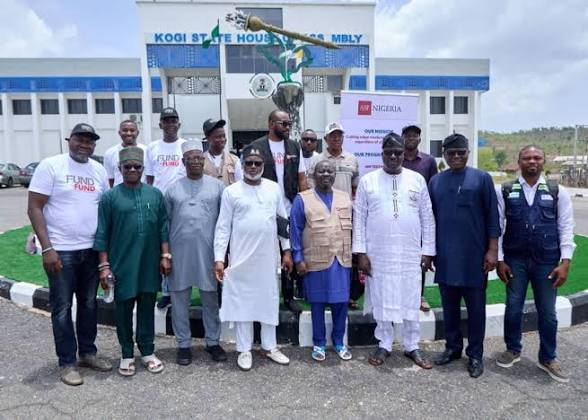
World TB day: AHF Nigeria takes campaigns to Kogi Assembly

0


… Advocates more budgetary allocation for HIV/AIDS, TB, other viral diseases

The AIDS Healthcare Foundation (AHF Nigeria) has advocated for increased Budgetary allocation to the health sector, especially to HIV and Tuberculosis (TB), in the face of major reductions in international donors funding limiting the support available for both HIV/AIDS and TB.

The Senior Advocacy and Marketing Manager of AHF-Nigeria, Mr. Steve Aborisade made the demand on during an advocacy meeting with the leadership of the Kogi State House of Assembly, in Lokoja, being part of activities of the organization to mark the 2026 World TB day.

Aborisade, who noted the many gains that has been recorded in the treatment of HIV/ AIDS in Nigeria, said what is needed now is increased collaboration between the Implementing Partners (IPs), Civil Society Organisations (CSOs) and the government, to guarantee increased local resource mobilisation to HIV/AIDS and TB.

He said “This is the only way to sustain the gains that has been made and mitigate the resultant impact of reduced funding by some international donor agencies.”

Aborisade who noted that there is still no cure for HIV/AIDS, but that the treatment program is working and is very effective stated that “Unless stakeholders and government make conscious efforts to warehouse local resources to HIV/AIDS and TB, we stand the risk of loosing the gains that has been accomplished.”

He explained that AHF and her partners are in the Kogi State House of Assembly to solicit the support of parliamentarians to ensure that the effort against HIV/AIDS and TB in the state gets the needed boost through increased budgetary allocation.

According to him, it has become expedient for Nigeria and other governments in Africa to pick up the gauntlet and bridge the gaps that may exist with the reduction in foreign donors support, adding that AHF has made a case to the Legislative arm of government to ensure that the state subsequently earmark adequate resources to the effort against HIV/AIDS and TB.

He disclosed that AHF has its presence in 50 countries globally, and provides services in 14 African states including Nigeria, while they work in seven states in Nigeria, including Benue, providing HIV/AIDS prevention and treatment services.

In his response, Speaker of kogi state House of Assembly, Aliyu Yusuf commended the effort of the coalition of NGOs and pledged for a collaborative synergy.

The speaker who noted that the interaction with organization and their CSOs partners has shed insight on the issue, urger AHF and her partners to engage the House of Assembly during the Budgetary processed promisinh to use the legislative framework to draw support to the sector.

The speaker, represented by the chairman, House committee on Health, Usman Ochidi, challenged AHF and partners to avail themselves during the budget defence to make useful contributions to the progressive increments in budgetary allocation to the sector.

The speaker urged members of National Assembly to use legislative framework to inspire the Federal Government to ensure that the budget for the Health Sector is not only approved but is released on time.

Ochidi called for massive sensitization and awareness of the people on the effect of TB and how relevant agencies are fighting to stem the scourge.

He commended AHF for the commitment to the fight against HIV/AIDS and other public health concerns and promise to remain supportive of the body in the effort against the pandemic.

In their separate speeches, the Chairman of KONGONET and INGRA, Hamza , Aliyu , Ambassador Muraina Ozovehe, Dr. Komolafe Rotimi, the Kogi state Program Officer for TB, leprosy and buruli ulcer, , Dr. Murna Yashim Ankint, senior Program Officer of Human Virology Abuja, solicited for government intervention through massive Budgetary allocation to the public health sector to mitigate the withdrawal of multinational donors.

Sun

Iran hits Middle East targets amid reports of US talks

0

Iran strikes Middle East targets

Iran launched a series of missile and drone attacks across the Middle East on Wednesday, targeting Israel and bases hosting US forces in Kuwait, Jordan, and Bahrain.

The assaults followed statements by US President Donald Trump suggesting progress in diplomatic efforts to end the conflict.

The war began on 28 February with US and Israeli strikes on Iranian positions and has since escalated, unsettling global energy markets. AFP footage showed missile trails over Netanya in Israel, while air raid sirens sounded across central regions.

In Kuwait, drones hit a fuel tank at the international airport, causing a fire, and Jordan reported shrapnel falling near Amman.

Air raid warnings were also issued in Bahrain, disrupting flights and tourism in the Gulf.

The conflict has intensified in Lebanon, where Israeli forces are advancing toward the Litani River in a campaign against Iran-backed Hezbollah.


President Trump indicated that Washington is “in negotiations right now” with Tehran, mentioning a significant concession concerning the Strait of Hormuz.

Despite this, the US reportedly plans to deploy an additional 3,000 troops to the region.

The crisis has major economic implications. The Strait of Hormuz, a key oil route, remains tense, and Iran has restricted passage to vessels from the US and Israel.

Energy prices have fluctuated, while global fertiliser supplies face potential shortages.

Observers warn that the humanitarian and economic toll could worsen in the coming months. Diplomatic efforts continue, offering a cautious note of hope amidst the rising tensions in the region.

Sun

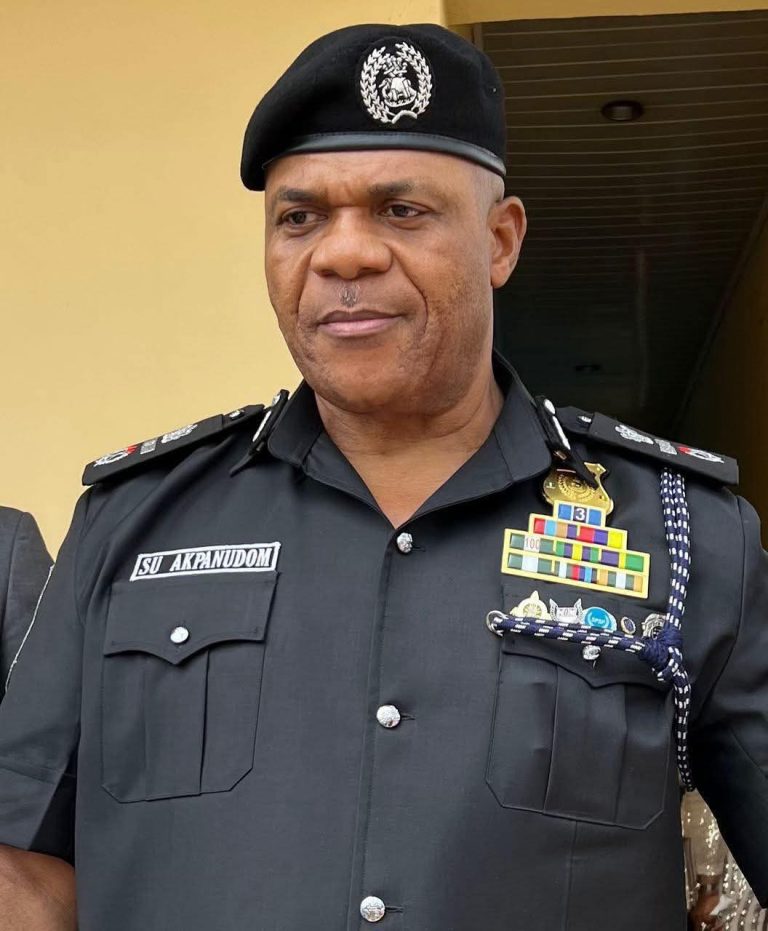
IGP Disu Appoints Akpanudom as AIG Force CID Annex Alagbon

0


The Inspector-General of Police, IGP Olatunji Rilwan Disu, has approved the appointment of Simeon Udofia Akpanudom as the Assistant Inspector-General of Police (AIG) in charge of the Force Criminal Investigation Department (FCID) Annex, Alagbon, Lagos.

Akpanudom’s elevation follows his recent promotion and decoration with the rank of AIG, marking another milestone in a distinguished policing career spanning over three decades. Until his new appointment, he served as Commissioner of Police in charge of Anti-Fraud at the FCID Annex, Alagbon Close, Lagos.

With this new responsibility, AIG Akpanudom succeeds the IGP Olatunji Disu who held the position until his appointment as Nigeria’s no. 1 Police officer by President Bola Ahmed Tinubu GCFR. He also previously worked closely with DIG Force CID Headquarters Abuja, DIG Margaret Ochalla when she served as AIG FCID Annex.

Born on August 4, 1967, in Ukana Ikot Ntuen, Essien Udim Local Government Area of Akwa Ibom State, Simeon Udofia Akpanudom was enlisted into the Nigeria Police Force on May 18, 1992, as a Cadet Assistant Superintendent of Police. He holds a Bachelor’s degree in Geography and Regional Planning from the University of Calabar, alongside advanced and postgraduate qualifications in industrial safety, security, and strategic studies, including a Master’s degree from the Nigerian Defence Academy, Kaduna.

A seasoned officer with extensive operational, investigative, and administrative experience, AIG Akpanudom has served in various capacities across the country. His career trajectory includes roles as Divisional Police Officer in several commands, Area Commander in Calabar, Deputy Commissioner of Police in Anambra and Cross River States, and directing staff at the Police College, Ikeja. He also served in the United Nations Mission in Kosovo, earning international recognition.

Akpanudom’s career has been decorated with several honours, including the Inspector-General’s Commendation (Sword of Honour) as Best All-Round Cadet ASP and a United Nations Medal. He is a member of several professional bodies and holds a PhD (Honoris Causa) in Leadership. He has attended numerous professional courses, including the Strategic Leadership Command Course and Higher Defence Management Course at the National Defence College, Abuja, where he was awarded Fellow status.

His appointment is expected to further strengthen investigative capacity and leadership at the FCID Annex, Alagbon, which is a critical investigative arm of the Nigeria Police Force.

Troops Arrest 18 Suspected Boko Haram Logistics Suppliers in Borno

0


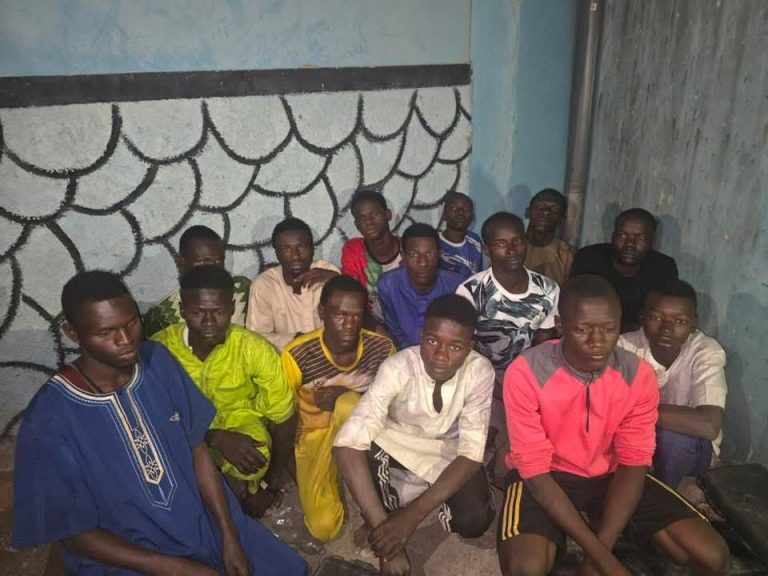
Troops of Operation HADIN KAI have arrested 18 persons allegedly linked to the supply of logistics to Boko Haram terrorists, in what military authorities described as a troubling sign of civilian involvement in sustaining insurgent activities in the North East.

The suspects were reportedly intercepted while moving through Gubio toward the Gudumbali axis in Borno State, where they were allegedly headed to deliver supplies to terrorist elements operating in the area.

According to preliminary findings, some of the suspects admitted to participating in the illegal operation, citing economic hardship and personal financial difficulties as reasons for their involvement. The development underscores concerns over how insurgent groups continue to exploit vulnerable individuals to support their activities.

The Nigerian Army warned citizens against any form of collaboration with terrorist groups, stressing that providing logistics, intelligence, or any form of assistance to insurgents remains a grave offence with serious implications for national security and public safety.

The Army also reiterated that the fight against terrorism requires the active participation of the public, particularly host communities in conflict-prone areas. It urged residents to remain vigilant, reject inducements from criminal elements, and promptly report suspicious movements or activities to security agencies.

Military authorities further emphasised the importance of sustained socio-economic interventions in vulnerable communities, noting that empowerment programmes, skills acquisition, and improved access to basic services are critical to reducing the appeal of insurgent networks and discouraging unlawful means of livelihood.

The Nigerian Army reaffirmed its commitment to protecting lives and property across the country, while stressing that lasting peace and stability in the North East can only be achieved through a combination of military operations, community cooperation, and broad-based development efforts.

Court dismisses cyberbullying charge against Sowore, releases passport

0


The federal high court in Abuja has dismissed the cyberbullying charge filed against Omoyele Sowore, publisher of Sahara Reporters, by Kayode Egbetokun, former inspector-general of police (IGP).

Musa Liman, the trial judge, on Tuesday, ruled that the prosecutor had failed to diligently prosecute the case.

In January 2025, Egbetokun arraigned Sowore on 16-count charges bordering on allegations of cybercrime.


credit: thecable

Nigeria unveils 2026–2030 national HIV prevention plan

0


The Federal Government has unveiled the National HIV Prevention Plan 2026–2030, shifting from reactive treatment to proactive, development-focused interventions to prevent infections and strengthen Nigeria’s human capital for sustainable growth nationwide.

Speaking at the inauguration on Wednesday in Abuja, Ms Kachallom Daju, represented by Dr Bilqisu Idris, affirmed the Ministry of Health and Social Welfare’s full commitment to successful implementation of the Plan nationwide.

It was reported that the inauguration highlighted a dual-track approach balancing immediate clinical needs with long-term developmental prevention strategies designed to reduce infections and strengthened resilience across populations nationwide.

Government officials, civil society organisations, traditional and religious leaders, and development partners were urged to collaborate collectively in implementing the Plan to ensure measurable outcomes and sustained progress in HIV prevention efforts.

The National Agency for the Control of AIDS (NACA) and its partners said the inauguration marked the beginning of a journey toward a healthier, HIV-resilient Nigeria anchored in values, prevention, and generational investment strategies.

Daju highlighted the overdue prioritisation of primary prevention, stressing that sustainable public health outcomes were achieved not only by treating illness but by preventing it through upstream investment in human development systems nationwide.

“The cultivation of self-respect, foresight, responsibility, and critical thinking among adolescents and young people represents an approach that transcends HIV itself.

“By investing in these competencies, we are strengthening overall health literacy and resilience in our population,” she said.

She further stressed that clinical services, biomedical interventions, and treatment-as-prevention remained central pillars of the response, noting that the values-based approach enhanced rather than replaced existing biomedical strategies within Nigeria’s HIV framework.

Also addressing the event, Dr Temitope Ilori, Director-General of NACA, outlined the strategic vision underpinning the Plan and its long-term objectives for national HIV prevention efforts.

Ilori described it as a “fundamental reimagining” of Nigeria’s approach to HIV prevention, shifting from reactive, risk-based models to a holistic, proactive, development-oriented framework addressing broader societal drivers nationwide.

“In August 2025, the National Council on AIDS endorsed a strategic pivot: from chasing the epidemic to outrunning it.

“Nine out of ten new adult infections now occur among ordinary Nigerians,” she said.

She added, “Clearly, we cannot treat our way out of this epidemic alone,” emphasising the urgency of shifting toward prevention strategies that addressed widespread vulnerabilities across general populations nationwide effectively.

She emphasised that HIV prevention was now a societal responsibility, with schools, sports fields, religious gatherings, and community meetings serving as critical frontlines for awareness, behavioural change, and sustained community engagement nationwide.

“The Plan aims to cultivate an “internal compass” in young Nigerians, self-respect, belonging, curiosity, foresight, responsibility, and critical thinking, foundational skills extending beyond health to citizenship and nation-building,” she said.

She urged all sectors to integrate HIV prevention objectives into their annual strategic plans, leveraging existing structures to create a sustainable ecosystem that delivered long-term generational impact across communities nationwide.

“By mobilising every sector into a comprehensive ecosystem of action, we are not merely preventing a virus; we are building human capital,” she said, fostering a safer, healthier, more prosperous Nigeria.

Giving an overview of the Plan, Mr Samuel Anya, Adviser on Science Systems and Services at UNAIDS, emphasised youth-focused strategies, internal value building, and data-driven approaches to curb new infections nationwide effectively.

“At the plan’s inauguration, a technical team representative highlighted that previous prevention efforts largely targeted high-risk populations, leaving a significant gap among adolescents and young people.

“Data from the National Data Consortium study indicated that only 0.2–1.2 per cent of resources reached the general population,” he said, highlighting the urgent need for broader inclusive prevention investments nationwide.

Anya said the new strategy aimed to fill the gap by building internal values among youth, including self-respect, responsibility, curiosity management, and social connectedness across diverse communities nationwide.

He said parents, guardians, influencers, and community leaders were tasked with fostering protective environments that enabled young people to make safe, informed choices independently and responsibly across different social contexts nationwide.

“We are creating multiple pathways to prevent risk-taking rather than relying on parachute-like interventions after the fact.

“The plan is proactive, focused on preventing new infections before they occur,” he said.

He added that the plan also aimed at mitigating collateral consequences, reinforcing a comprehensive approach that addressed both immediate and long-term challenges associated with HIV prevention and youth vulnerability nationwide.

Ekiti Student Wins 2026 African Spelling Bee Junior Title

0


Fourteen-year-old Adeolu Oluwadamilola Ooreofe emerged the winner of the 2026 African Spelling Bee in the Junior Category, bringing pride to Ekiti State and Nigeria after a remarkable performance at the continental competition held in Harare, Zimbabwe.

Adeolu, a student of St. Lawrence Metropolitan College, Ado Ekiti, defeated contestants from more than 20 African countries to clinch the coveted title, capping years of steady academic and spelling excellence.

Her latest triumph follows an impressive run in previous competitions. She placed second in the 2023 MTN Spelling Bee, came second in the 2024 Ekiti State Spelling Bee, finished fifth in the 2025 African Spelling Bee, and also secured second place in the 2025 Nigeria Spelling Bee.

Before her continental victory, Adeolu had first excelled at the Ekiti State qualifiers and later finished second at the national competition held in Port Harcourt, earning her place on the African stage.
Described as poised, intelligent and focused, the young champion has been praised for her discipline and consistency, qualities that ultimately propelled her to the top at the prestigious event.

As the newly crowned African Junior Champion, Adeolu was awarded a $5,000 educational scholarship and will go on to represent Africa at the World Spelling Bee scheduled to hold in China later this year.

Her achievement has been widely celebrated as a major milestone for Ekiti State, with commendations also going to her family and teachers for the support and guidance that helped shape her success.

The feat has also been seen as a reflection of Ekiti State’s continued investment in education and youth development, reinforcing its reputation as one of Nigeria’s leading centres of academic excellence.

Court Orders Final Forfeiture of $13m Linked to Achimugu’s Firm

0


A Federal High Court in Abuja has ordered the final forfeiture of $13 million linked to businesswoman Aisha Achimugu and her company, Oceangate Engineering Oil & Gas Ltd, to the Federal Government.

Justice Emeka Nwite gave the ruling on Wednesday, March 25, 2026, in a case involving the Economic and Financial Crimes Commission (EFCC) and Oceangate Engineering Oil & Gas Ltd over the ownership of the funds, which the anti-graft agency said were proceeds of fraud and other unlawful activities.

In his judgment, Justice Nwite held that Oceangate failed to convincingly explain the source of the money. He ruled that the EFCC had successfully established that the funds were proceeds of fraud and should therefore be forfeited to the government.

The court also dismissed the claim that the $13 million represented gifts allegedly received by Achimugu through the company. Justice Nwite noted that Achimugu did not appear before the court to show cause why the money should not be permanently forfeited.
He further observed that none of the individuals said to have given Achimugu the alleged gifts amounting to $13 million was called to testify in support of the claim.

According to the judge, the burden of proving the genuine ownership and lawful origin of the funds was not discharged by the applicant, thereby failing to rebut the EFCC’s case that the money was linked to fraudulent activities uncovered during its investigation.

Justice Nwite also held that Oceangate did not provide evidence of any business transaction or legitimate commercial activity that generated the funds, nor did it show proof of payments from customers.

The judge had earlier, on August 22, 2025, granted an interim forfeiture order over the $13 million and directed the EFCC to publish the order in a national newspaper for any interested person or persons to appear within 14 days and show cause why the funds should not be permanently forfeited.
In an affidavit filed before the court, EFCC investigator Usman Aliyu said the Commission acted on intelligence indicating that Oceangate Engineering Ltd allegedly used funds reasonably suspected to be proceeds of unlawful activity to acquire oil blocks from the Nigerian Upstream Petroleum Regulatory Commission (NUPRC) without due process.
Aliyu stated that the $13 million used by Oceangate to pay signature bonuses for PPL 302 and PPL 3007 did not originate from any lawful or legitimate business activity, but rather represented proceeds of unlawful conduct.

He further alleged that part of the funds used by the company for the signature bonuses came from large sums transferred by a state government to contractors for the execution of projects meant for the benefit of the State.

According to the investigator, there was no contractual or business relationship between Oceangate and the contractors who transferred the public funds into the company’s account.

He added that the contractors were neither investors, directors, nor shareholders in Oceangate Engineering Oil & Gas Ltd.
However, in its counter-affidavit, Oceangate urged the court not to grant the final forfeiture order, insisting that the funds were derived partly from the company’s legitimate earnings and partly from gifts given to its Group Chief Executive Officer, Aisha Achimugu.

The EFCC, in response, asked the court to dismiss the company’s claims and uphold the forfeiture application.

PDP Says Reconciliation Talks Ongoing, Vows Participation in Forthcoming Elections

0


The Peoples Democratic Party has said reconciliation efforts aimed at resolving its lingering internal crisis are making progress, assuring members and supporters that the party will participate fully in the forthcoming elections.

This was contained in a press briefing issued by the party’s National Chairman, Kabiru Tanimu Turaki, who said the reconciliation initiative followed the advisory of the Court of Appeal sitting in Ibadan, which urged parties in the dispute to pursue peaceful settlement in order to save the party from further crisis and preserve its electoral prospects.

According to him, the party’s Board of Trustees, led by former Senate President Adolphus Wabara, subsequently set up a high-powered committee to engage estranged members and find a lasting solution to the issues threatening the unity of the party.

Turaki explained that, in line with the peace process, the National Working Committee postponed the National Executive Committee and National Caucus meetings earlier scheduled to hold, describing the move as a demonstration of good faith.

He said the party also toned down confrontational public communication in anticipation of a similar response from the opposing faction, but lamented that the gesture had instead been met with what he described as “hurtful rhetoric” and “derogatory statements.”
Despite this, the PDP chairman said the party remained committed to peace, noting that the implications of the crisis could be far-reaching, especially considering the timelines stipulated in the Electoral Act.

“I can unequivocally confirm that, as of today, leaders on both sides have broken the ice and are exploring various pathways towards a lasting resolution,” he said.

He therefore urged supporters of both camps to immediately refrain from inflammatory statements and actions that could jeopardise the peace efforts already underway.

Turaki also reassured aspirants under the PDP platform that the party would field candidates for all elective offices, in line with Article 6(2) of the party’s constitution.

He further appreciated Nigerians who had continued to show interest in the party and had registered through its e-registration platform, noting that the support from loyal members remained strong despite the ongoing internal challenges.

The PDP chairman stressed that democracy thrives not only on periodic elections but also on the presence of a strong opposition and active civil society capable of holding government accountable.
Describing the PDP as Nigeria’s surviving legacy party in the current democratic dispensation, Turaki said the party remained committed to defending and consolidating democracy, even from the opposition.

He also called on those in positions of authority to govern in line with the will of the people, insisting that ultimate power belongs to the citizens and must remain the focus of governance.

In the briefing, the National Working Committee also passed a unanimous vote of confidence on Bala Mohammed and Seyi Makinde for what it described as their resilience and steadfast leadership during the crisis.

Turaki concluded by assuring Nigerians that the PDP remains alive and ready to provide a credible platform for political contest at all levels in the coming elections.

Nigeria, Switzerland pledge cooperation on trade, security, culture

0

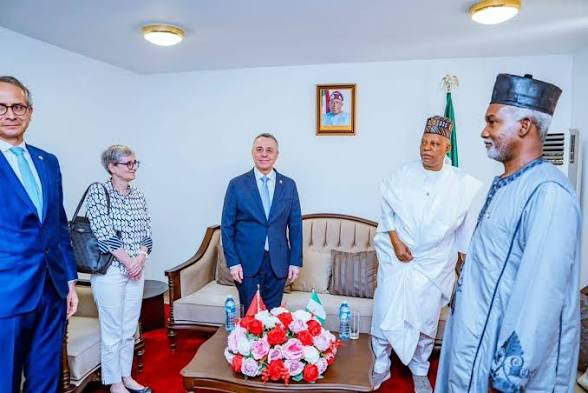
Nigeria and Switzerland have agreed to bolster bilateral relations, focusing on trade, security, economic collaboration, migration, and cultural exchange.

The commitment followed a high-level meeting on Tuesday between Vice President Kashim Shettima and his Swiss counterpart, Ignazio Cassis, held at the Presidential Wing of the Nnamdi Azikiwe International Airport.

Speaking after the discussions, Cassis highlighted plans to explore a free trade agreement linking Nigeria with the African Continental Free Trade Area (AfCFTA), emphasising the potential for enhanced economic ties.

He further stated that Switzerland would continue to support Nigeria’s efforts to tackle insecurity in the North-East through diplomatic and technical cooperation.

Moreover, the Swiss official noted that Swiss companies are actively engaged in vocational training across Nigeria, equipping young people with skills to secure employment and promote peaceful coexistence.
“Swiss enterprises in Nigeria are ensuring that youths gain the requisite skills to thrive in the labour market,” Cassis remarked.

In addition, both nations agreed to strengthen collaboration on migration and cultural matters. As part of these efforts, plans were confirmed to return cultural artefacts, including Benin bronzes, from Switzerland to Nigeria, marking a significant step in reinforcing historical and cultural bonds.

Yusuf Tuggar described the meeting as a continuation of the longstanding relations between the two countries, dating back to 1961. He noted that the Swiss delegation expressed keen interest in expanding private sector investments in Nigeria, signalling a boost for trade and industry.

Vice President Shettima, for his part, welcomed the outcomes of the discussions, reiterating Nigeria’s commitment to sustaining robust engagement with Switzerland. He also confirmed Nigeria’s active participation in the upcoming World Economic Forum in Davos, further consolidating international partnerships.

The meeting underscores a mutual desire to deepen cooperation across multiple fronts, while ensuring cultural restitution and economic development remain central to the partnership. Observers say the outcomes could pave the way for more structured and beneficial engagements between the two nations in the near future.

Sun