Home Blog Page 541

PDP crisis: Supreme Court not INEC has final say – Turaki faction

0


National Chairman of the Peoples Democratic Party (PDP) Tanimu Turaki


A faction of the Peoples Democratic Party led by Kabiru Turaki has insisted that only the Supreme Court can determine the party’s leadership dispute, not the Independent National Electoral Commission.

The position was conveyed in a statement by the faction’s National Publicity Secretary, Ini Ememobong, who said the group had already approached the apex court to seek a final ruling on the matter.

This comes after INEC recognised the National Working Committee aligned with Nyesom Wike and published its leadership on its website, listing Abdulrahman Mohammed as national chairman.

Reacting, the Turaki-led faction dismissed the convention that produced the leadership, describing it as a “pre-Easter jamboree” of All Progressives Congress sympathisers and members of what it called “Wike’s autocratic party.”

Ememobong argued that the gathering was held in defiance of ongoing legal proceedings, stating, “They were served with the processes of the appeal at the Supreme Court, as well as other suits challenging the holding of the said convention.”

He added, “The validity of that gathering is now a matter before the court, which we will diligently follow to its conclusion.”

The faction also accused the administration of President Bola Tinubu of orchestrating the crisis, alleging that the ruling party is attempting to weaken opposition platforms and impose a one-party system in the country.

Sun

Tinubu Condemns Jos, Kaduna Attacks, Orders Security Agencies to Hunt Perpetrators

0


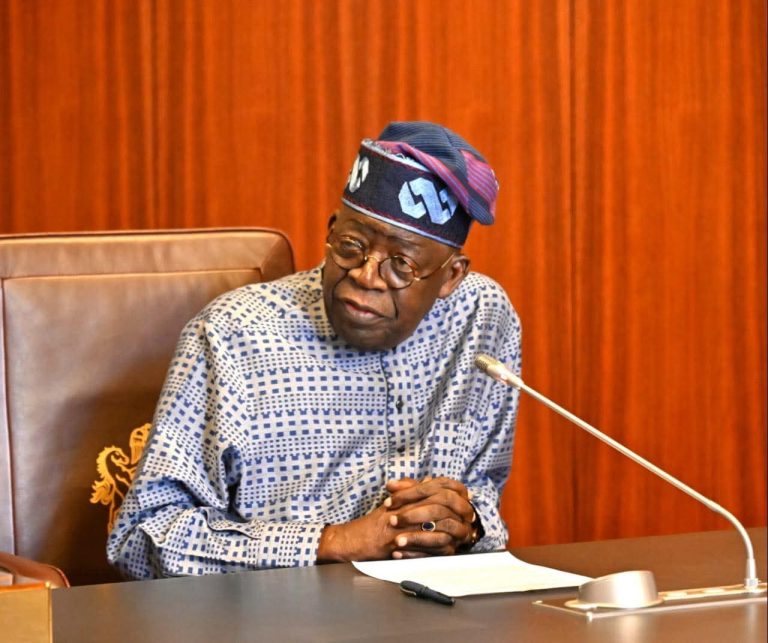
President Bola Tinubu has condemned the deadly attacks carried out by gunmen in Angwan Rukuba district of Jos, Plateau State, and Kahir village in Kagarko Local Government Area of Kaduna State, describing the incidents as barbaric and cowardly.

This was contained in a statement signed by Bayo Onanuga, Special Adviser to the President on Information and Strategy.

The President said the assault on residents in Jos, as well as the killing and abduction of wedding guests in Kaduna, represented “an affront to all that Nigeria stands for,” assuring Nigerians that those behind the attacks would be brought to justice.

In a statement, Tinubu said, “Anyone who will sneak under the cover of the night and kill defenceless citizens as done in Jos and Kahir village is a heartless coward. By attacking soft targets in Jos, their objective is not only to cause harm but also trigger a spiral of reprisal attacks and further bloodletting.”

He directed security agencies to intensify efforts to track down the perpetrators and also warned against the spread of misinformation capable of escalating tensions and endangering more lives. The President also cautioned sections of the media against suggesting that the attacks were religiously motivated.

Tinubu reaffirmed that security agencies were actively responding to the situation and stressed that public cooperation remained crucial to restoring calm and safeguarding lives and property. He also urged affected communities to comply with evacuation, relocation, and other safety advisories issued by relevant authorities.

The President welcomed the safe return of two of the victims abducted in Kaduna and called on security operatives to act more decisively in preventing further attacks.

“I urge our security agencies to be more proactive in preventing these attacks by acting on early warning intelligence. All the remaining abductees from Kahir village must be rescued immediately,” he said.

Tinubu also commended Plateau State Governor Caleb Mutfwang for his efforts in containing the situation in Jos, and Kaduna State Governor Uba Sani for supporting rescue and containment operations in his State.

“I assure the people and governments of the two states of my support. I commiserate with the families of those killed and pray for the quick recovery of the injured,” the President said.

He added that the Federal Government was in the process of acquiring more sophisticated equipment to enable security agencies to track and neutralise criminal elements in real time.

Troops Foil Terror Attacks, Arrest Suspected Logistics Suppliers in North-East

0
  1. U


Troops of the Joint Task Force (North East), Operation HADIN KAI (OPHK), have foiled multiple terrorist attacks and intensified operations against insurgent logistics networks, recording a series of operational successes across the theatre between March 28 and 30, 2026.

According to a statement signed by the Media Information Officer of OPHK, Lieutenant Colonel Sani Uba, one of the major breakthroughs occurred in Damboa, where troops detected the movement of Boko Haram/ISWAP fighters through surveillance systems and successfully thwarted a planned attack.

The troops engaged the insurgents in a firefight, forcing them to retreat in disarray, while subsequent exploitation operations confirmed their withdrawal from the area.

In separate operations, troops also repelled attempted attacks on farmers and communities in Gwoza and Askira Uba Local Government Areas of Borno State, compelling the terrorists to flee toward the Mandara Mountains and adjoining areas.

As part of ongoing offensive operations, troops uncovered and safely detonated an Improvised Explosive Device (IED) planted along the Goniri–Ngamdu axis. The explosive, according to the military, was intended to target both troops and commuters along the route.

Recovered materials at the scene, including rail tracks allegedly used to canalise vehicles into a killing zone, were said to underscore the continued efforts by insurgents to disrupt movement along strategic corridors in the region.
The military also recorded notable progress in disrupting terrorist supply chains.

At Molai, two suspected Boko Haram collaborators were arrested after they were found loitering suspiciously within a defensive area.

In another operation along the Maiduguri–Mafa road, troops intercepted vehicles conveying what was described as a large cache of suspected terrorist logistics supplies.

The intercepted consignments, estimated to be equivalent to two truckloads, were concealed in sacks and included cartons of medical drugs, motorcycle tubes and tyres, mosquito nets, rolls of mats, air filter cylinders, and detergents.
Preliminary investigations revealed that the items were being moved without clearance toward Kusuri, a border community near Chad. The vehicles, drivers, and recovered materials have since been handed over to the appropriate authorities for further investigation.

In a related development, troops working in collaboration with Civilian Joint Task Force (CJTF) operatives arrested a 26-year-old suspected logistics supplier, Mohammed Adamu, at Muna Garage.
Items recovered from him included 25 litres of engine oil concealed in sacks, N624,900 in cash, a mobile phone, a power bank, a national identity card, and ATM cards.

Military authorities said preliminary findings suggested that the suspect had been involved in supplying logistics, including motorcycle parts, to terrorists over a prolonged period.

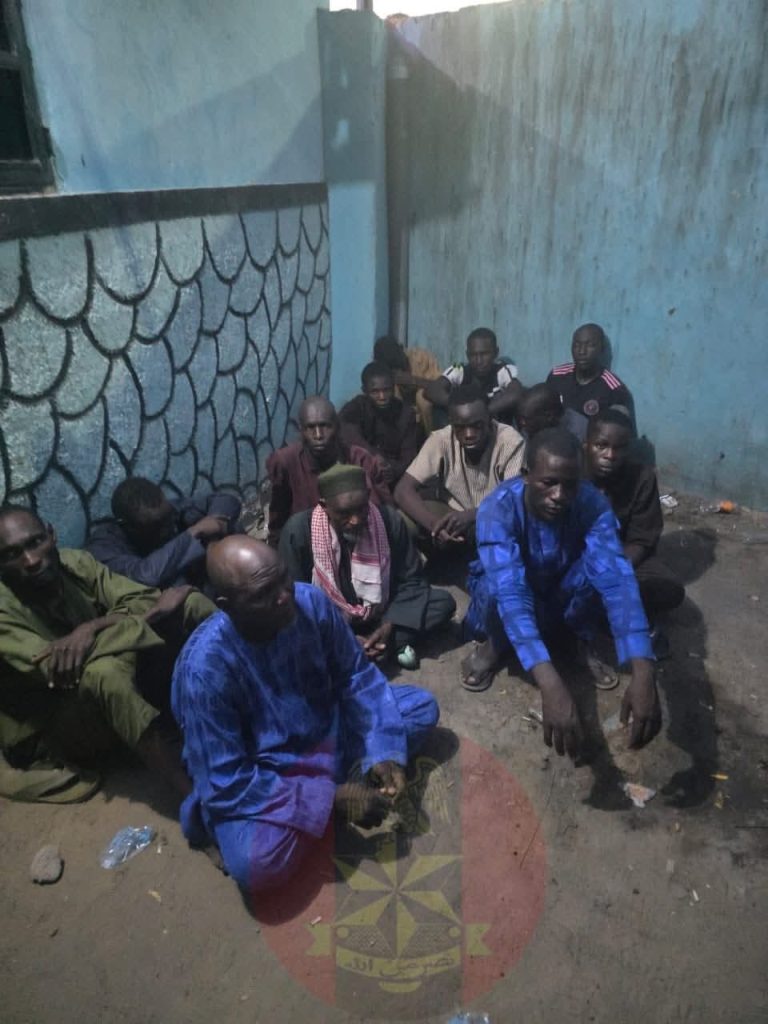
Similarly, troops deployed at Gubio, in conjunction with intelligence operatives and CJTF personnel, carried out targeted raids that led to the arrest of 13 suspected terrorist logistics suppliers and collaborators.

The statement added that two more suspects were apprehended in the same area and reportedly confessed to having long been involved in supplying logistics to insurgents.

In another security operation, troops arrested a suspected member of the Jama’atu Ahlis Sunna Lidda’awati wal-Jihad (JAS)/ISWAP terrorist group, identified as Abubakar Ali, also known as “Saina,” at the Kilo Papa checkpoint while he was transiting to Maiduguri.
Further interrogation reportedly indicated that the suspect may have been on a reconnaissance mission. He has since been handed over to relevant authorities for further investigation.
Troops also apprehended a suspected kidnapper in the Azir area of Damboa Local Government Area.

Meanwhile, clearance and cordon-and-search operations conducted in Wulgo Junction, Gamboru Motor Park, and surrounding areas led to the recovery of 450 wraps of suspected marijuana and other illicit substances. Suspected drug peddlers reportedly fled upon sighting the troops.

The Military High Command commended the troops for what it described as their resilience, vigilance, and professionalism, urging them to sustain the operational momentum in order to deny terrorists freedom of action across the North-East theatre.
It added that the operations remain critical to the security and economic stability of the region.

Parent Coach Sparks Conversation on Igbo Marriage Traditions After Online Debate

0


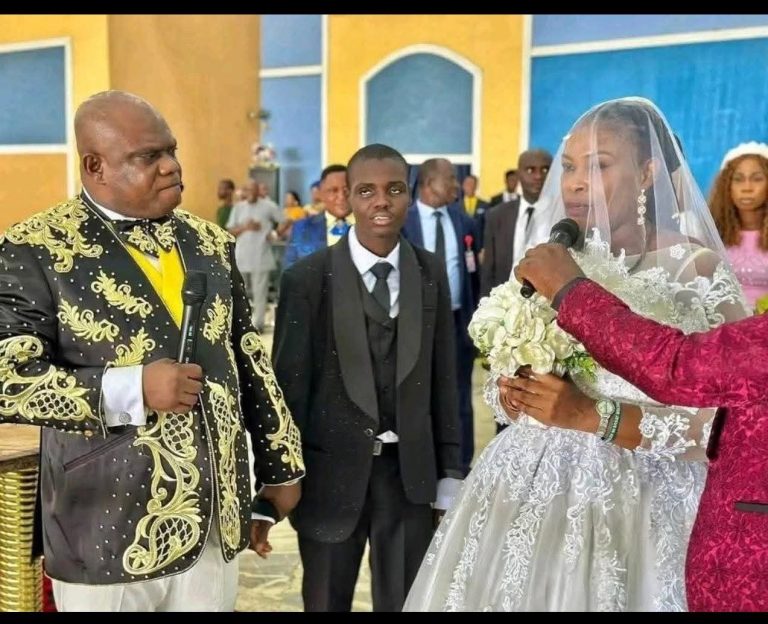
A parenting advocate, Wendy Ologe, has weighed in on the online controversy surrounding the reported marriage of an autistic son of Apostle Chibuzor to an older woman, describing the development as one that should be understood within the context of Igbo cultural traditions rather than sensationalised.

Ologe, who identifies herself as “Africa’s Number One Parent Coach,” said she was surprised by the intense reactions on social media, noting that such arrangements are not entirely unusual in some Igbo communities.

According to her, marriage in many traditional Igbo settings goes beyond romance and is often viewed as a rite of passage, a pathway to responsibility, and a means of integrating individuals fully into adult and communal life.

She argued that many critics of the marriage may be overlooking similar realities within their own families, where men considered irresponsible or lacking in certain qualities have still been married off to women from respectable homes, with society offering little resistance.

Ologe said the issue should not be reduced to a debate over whether it is right or wrong, but rather examined as a long-standing social practice rooted in history, family expectations and communal values.

Reflecting on her own experiences and conversations within her family, she said she had long observed how marriage is sometimes used in Igbo society as a form of social rehabilitation, particularly for men who may be seen as struggling in one way or another.

She recalled asking her father why an autistic cousin in their family had been married to an able-bodied woman, a question that led to a broader explanation of the cultural reasoning behind such unions.
According to Ologe, one of the major beliefs underpinning the practice is that marriage can help “mature” a man.

She said that in many families, marriage is seen as a way to instill responsibility, purpose and accountability, even though the outcome may vary from one case to another.
She added that family and community involvement in marriage decisions remains a strong feature of traditional Igbo life.

In such cases, marrying off a son living with a disability to a willing partner may be viewed as a way of preserving family ties, meeting social expectations and ensuring that the individual is not excluded from adulthood or community life.

Ologe also noted that age differences between spouses are often less controversial in traditional contexts than they are in modern online discourse.

What may appear unusual to social media audiences, she said, is sometimes culturally accepted when the union is seen as beneficial to both families and capable of providing social stability and care.

She further explained that for men who may be perceived as disadvantaged or less accomplished, marriage can serve as a means of inclusion and affirmation, giving them a sense of dignity, social acceptance and belonging that may not always be available in other aspects of life.

Drawing a contrast between traditional African values and global perceptions, Ologe said many of the criticisms being expressed online appear to be shaped by Western ideals of romantic compatibility and personal independence, while Igbo culture has historically placed greater emphasis on duty, family cohesion and communal responsibility.

“In short, while the internet may sensationalise the story, within Igbo culture this kind of marriage is often seen as practical, honourable and beneficial—not scandalous,” she said.

Ologe also noted that she had seen cases where women living with disabilities were also married off in similar ways, although she said she was unsure how widespread that practice is.

She concluded by stressing the importance of understanding history and culture before attempting to condemn or reform social practices, saying that societies can only build better futures by first understanding the roots of their traditions.

Tears, tension in Plateau over midnight terror attack

0


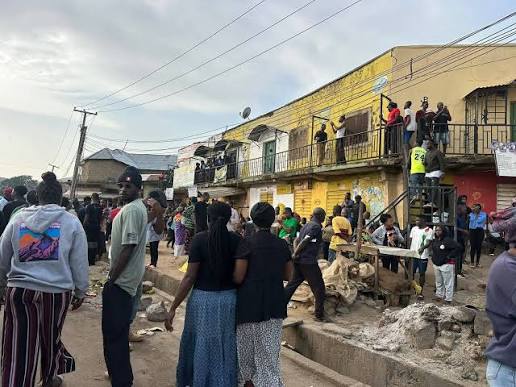
Tears flowed freely in Jos on Monday as bodies of dozens of victims killed in the Sunday midnight attacks littered the grounds in the Angwan Rukuba area.

Amidst tension and anger, residents of Angwan Rukuba and neighbouring areas remain in mourning, urging authorities not only to bring those responsible to justice but also to take concrete steps to prevent further attacks.

Gunmen had invaded the sleepy Gari Ya Waye community of Angwan Rukuba area, killing many people and wounding several others.

The gunmen, riding on motorcycles, had attacked the community at about 7.30 pm on Sunday, shooting sporadically. They were said to have escaped on their motorcycle after the mayhem.

Meanwhile, the Plateau State government has imposed a 48-hour curfew following the eruption of killings in the volatile Jos North Local Government.

A statement by the ‎Commissioner for Information and Communication, Joyce Lohya Ramnap, said the curfew took effect from midnight on Sunday.

This is as Governor Caleb Mutfwang announced that the state government will not allow a mass burial for victims of Sunday’s terror attack in Angwan Rukuba, Jos North Local Government.

Unofficial sources said over 30 persons were killed in the attack, while many others were injured by the rampaging terrorists who invaded Angwan Rukuba area of Jos.

Police authorities, however, confirmed that 26 people were killed in the incident, although it remains unclear how many victims died in the initial attack and how many were killed during subsequent retaliatory violence.

In a statement issued Monday, Gyang Bere, Director of Press and Public Relations to the governor, said Mutfwang visited the Angwan Rukuba community and promised that each victim would receive a befitting burial.

“This is a painful moment for all of us. Angwan Rukuba is a community that accommodates people from diverse ethnic backgrounds across Plateau State,” Bere quoted the governor as saying.

“Therefore, this is not the pain of a few—it is the pain of all of us. We will not allow mass burial. The government will work closely with the families to give each victim a befitting burial. They did not deserve to die in such a manner.”

The governor described the incident as tragic and unacceptable, assuring that those responsible would be tracked down and brought to justice. He also pledged that the state government would take full responsibility for the medical treatment of all injured victims until full recovery.

Mutfwang appealed for calm, particularly among the youth, urging residents to avoid taking the law into their own hands. “The greatest honour we can give to the departed is to remain peaceful and allow due process to take its course,” he said.

Bere stated that one suspect linked to prior threats had already been arrested, with efforts ongoing to apprehend other perpetrators. The governor assured citizens that both state and federal authorities, including President Bola Tinubu, are fully engaged in ensuring justice is served.

“The governor directed that the bodies of the deceased be evacuated to the mortuary, while consultations continue with families and stakeholders towards ensuring justice and lasting peace in the area,” the statement read.

Mutfwang also visited victims receiving treatment at the Jos University Teaching Hospital (JUTH), offering prayers for their speedy and full recovery.

During the visit, Samson Chiroma, a community leader, recounted that the assailants appeared in military-style attire and called on the government to act swiftly, ensure justice for the victims, and facilitate proper burial arrangements. He noted that the community remains in deep mourning.

An angry Senator Natasha Akpoti-Uduaghan has asked the Minister of Defence, Christopher Musa, to take immediate action to secure the lives of innocent Nigerians or step aside.

The lawmaker representing Kogi Central, Natasha Akpoti-Uduaghan, in a statement by her media office on Monday, called for urgent and decisive measures to address worsening insecurity, warning that continued failure by the nation’s security leadership is no longer acceptable.

In a direct message to the Defence Minister through her official social media handle, the lawmaker expressed disappointment over what she described as a disconnect between assurances made during his Senate screening and the current security situation.

Condemning the killings, she described the attack as “another brutal reminder that Nigerians remain unprotected.”

“Dear General Christopher Musa,” she said, “Angwan Rukuba is another brutal reminder that Nigerians remain unprotected. During your screening at the Senate chambers, your words were filled with promises, and I allowed myself a sigh of relief at last, I thought.”

Akpoti-Uduaghan, however, insisted that the time for assurances had passed, demanding visible results and accountability from the Defence Ministry.

“Well, prove NOW you are different and secure lives, or step aside. Enough of condolences. Enough of excuses. Nigerians want action, protection, and results!” she declared.

The senator’s position reflects growing public frustration over recurring attacks in vulnerable communities and has added to mounting calls for a comprehensive overhaul of Nigeria’s security architecture.

Sun
S’East LP women back Otti, Usman, pledge mobilisation for party programmes

0

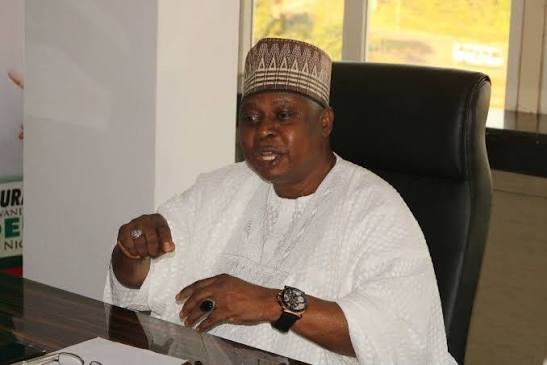
Abia Governor Alex Otti and LP IWC Chairman Nenadi Usman.

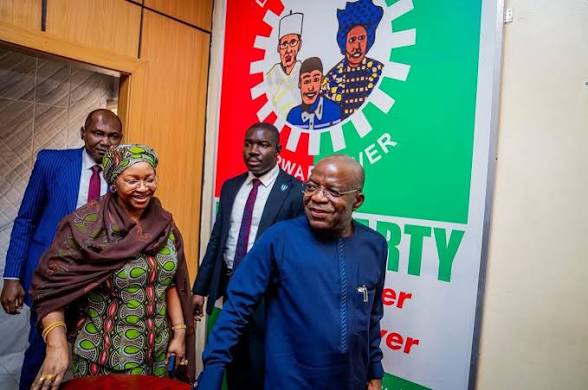
Women leaders of the Labour Party (LP) in the South East have passed a vote of confidence in Abia State Governor, Dr Alex Otti, and the party’s Interim National Chairman, Sen. Nenadi Usman.

The endorsement was part of the resolutions reached at a strategic online meeting which brought together women leaders from across the five South East states.

The statement containing the resolutions was released yesterday and was jointly signed by the Deputy National Woman Leader, Soutah East zone, Mrs Ijeoma Chukw, and the National Organising Secretary of the Labour Party, Mrs Chinelo Ofoche.

The women, who commended Otti and his deputy, Mr Ikechukwu Emetu, for their “purposeful and visionary leadership” in Abia, described the Otti-led administration as a reflection of the transformative potential of the party.

They also lauded Usman for being courageous and prudent, and for steering the party toward unity and stability. The women also praised Sen. Darlington Nwokocha and Ofoche for their contributions toward strengthening the party’s structure and advancing its ideals.

They reaffirmed their commitment to increasing women’s participation in politics, stressing that inclusion in leadership and decision-making processes remained vital for equity and sustainable development. The group pledged to intensify grassroots mobilisation to encourage more women to take active roles within the party.

On internal party processes, the leaders called on women-members across the zone to participate fully in the ongoing electronic registration exercise and prepare for the forthcoming congresses and national convention. They described the events as critical to deepening internal democracy and ensuring broader representation.

The meeting concluded with a renewed commitment by the women to promote unity within the party, strengthen its grassroots base, and position it as a credible political force in the South East and Nigeria at large.

Sun

Afenifere to S’West govs: Integrate local hunters into security architecture

0

Apex Yoruba socio-cultural organisation, Afenifere, has urged South-West governors to integrate local hunters into the region’s security architecture to tackle insecurity.

Chief Deji Wellington, Lagos State Chairman of the group, said local hunters possessed deep knowledge of forests and terrains where criminals often hide.

He said collaboration between hunters and formal security agencies would significantly strengthen security operations in the region.

“We should include the hunters in the security architecture in the South-West because we know our hunters.

“You may call it primitive but these hunters in those days performed wonders in security.

“How they did it then nobody knew and they are still very much around,” Wellington said.

He said the hunters’ familiarity with forests could help security agencies flush out kidnappers and bandits hiding in remote locations.

“All these marauders that you find in the forest, if we get the hunters to assist the security people, the police and the army and get our hunters out, you will see the miracle they will perform.

“These hunters understand the terrain. They live in the forest and the forest is the home of the hunters,” the Afenifere leader said.

Wellington added that some hunters were capable of staying in the bush for extended periods while tracking criminals.

“Some of the hunters will be in the bush for one month without coming home.

“These are people who understand and are very used to this area.

“Let us get them and engage them,” Wellington said.

He acknowledged the efforts of the regional security outfit, the Western Nigeria Security Network, but said incorporating hunters would further strengthen the system.

He said: “Yes, Amotekun is a good development. They are doing wonders.

“But if we include the hunters, the hunters understand all these terrains.

“I think if these people are engaged, we will not find some of these kidnappers or bandits again in the South-West.”

According to him, there are still enough experienced hunters across the region who can be mobilised if the government shows seriousness.

“If the government means business, many of them will come out. If we engage them, you will see that many of them are still living. These people are still around and we need their service.”

He also reiterated Afenifere’s support for the creation of state police, saying it would enhance intelligence gathering and community-based policing.

“Afenifere supports state police because effective policing can only succeed with local intelligence which only local police familiar with the terrain can gather easily.

“The police live within the vicinity, the state or local police can be reached at any time.

“They interact with the people and gather information and intelligence easily,” he said.

Sun

Tension in Kano as Kwankwaso joins ADC, urges supporters to vote for change

0


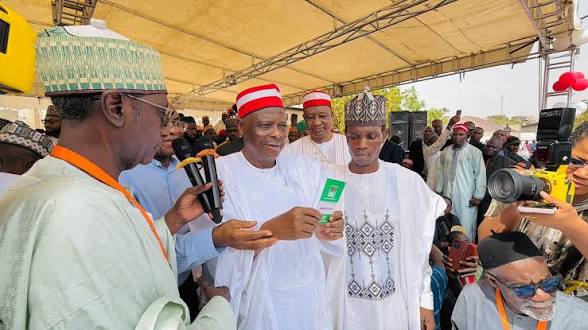
Palpable tension gripped Kano, yesterday as leading opposition elements in Nigeria converged on the ancient city of Kano to witness the membership registration exercise of the erstwhile leader of the New Nigeria Peoples Party (NNPP), Rabiu Musa Kwankwaso into the African Democratic Congress (ADC).

The team led by the National Chairman of the African Democratic Congress (ADC), David Mark, included former presidential candidate of the Labour Party, Mr. Peter Obi, former Minister of Transport and presidential aspirant of the All Progressives Congress (APC), Rotimi Ameachi, former governors Aminu Tambuwal, Liyel Imoke and Rauf Aregbesola as well as former deputy speaker, House of Representatives, Emeka Ihedioha, among others.

National Chairman of the African Democratic Congress (ADC), David Mark lamented that Nigeria was drifting into a dangerous situation marked by a determined bid to stifle the opposition, adding that the country was steadily etching towards, not just a single party state, but to a state power concentration in the hands of an individual.

He informed Kwankwaso that his entrance into the ADC at this point in time was part of a collective attempt to align with the people, stressing that Nigerians must have a choice and a right to choose their leader.

He insisted that in a democracy, the people’s participation is inevitable, cautioning that anything that obstructs the direct participation of the people in the choice of their leader is a direct attack on democracy.


“By coming together, we are sending a message that the future of democracy cannot be built through domination. It must be built through participation. Leadership cannot be sustained by control. Leadership can only be sustained by trust,” Mark declared amid cheers

He described the ADC as a melting point for the new national movement in the country, saying it is “a movement of the future, a movement of confidence, a movement of integrity, a movement not powered by coercion and a movement whose time has come.”

He invited Nigerians, regardless of religion, region, ethnicity and political affiliation, as well as members of other political parties, youth groups, civil society groups to join forces with the ADC to democratically ease out the present government by 2027.

Kwankwaso, who was issued card number 001 of the ADC in Kano State, welcomed the party delegation that witnessed the historical occasion.

He urged his supporters across the state to immediately go back to their respective wards and register with the ADC while urging them to also ensure that they regularise their registration with the Independent National Election Commission ahead of the 2027 elections.

Sun

Ambassadorial posting: Fani-Kayode debunks purported rejection by Germany

0


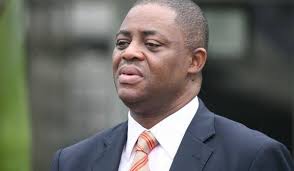
Ambassador-designate to Germany, Femi Fani-Kayode has laughed off reports of his purported rejection by the European nation.

In an X post on Monday, Fani-Kayode attributed the “fake news” to his political opponents who were “pained” by his appointment.

He said, “Fake news everywhere. These opposition elements are so pained by my appointment and they are doing everything to discredit me and scuttle it. Whether they like it or not I will serve my country! Keep crying!”
On March 6, the presidency announced that President Bola Tinubu had approved the posting of ambassadors to various diplomatic outposts, with Fani-Kayode posted to Germany.

An online newspaper reported that Germany rejected Fani-Kayode’s posting on March 13.

His rejection was reportedly linked to “rabid ethnic and religious slurs”

Sun

CPPE Hails Bank Recapitalisation, Urges CBN to Channel Credit to Real Economy

0


The Centre for the Promotion of Private Enterprise (CPPE) has commended the Central Bank of Nigeria (CBN) for the successful implementation of the bank recapitalisation programme, describing it as a major milestone in efforts to strengthen the country’s financial system.

In a policy brief issued on March 29, 2026, CPPE said the exercise, which is nearing completion, had been orderly, non-disruptive and confidence-boosting, with 32 banks reportedly meeting the new minimum capital requirements as of March 27, 2026.

The policy brief was signed by Dr. Muda Yusuf, Chief Executive Officer of the CPPE.

The economic policy advocacy group noted that, unlike previous consolidation exercises, the current recapitalisation process had not triggered depositor losses, forced mergers, job cuts or shareholder value erosion.
According to the CPPE, this outcome reflects improved regulatory oversight, stronger market discipline and greater resilience in Nigeria’s banking system.

However, the organisation warned that while the recapitalisation exercise has strengthened the banking sector’s capacity to absorb shocks and support large-scale transactions, the bigger challenge remains whether banks are adequately supporting the real economy.
CPPE said evidence suggests that the connection between banks and productive sectors of the economy remains weak.

It noted that private sector credit in Nigeria stood at about 17 per cent of Gross Domestic Product (GDP) in 2025, significantly below the sub-Saharan African average of 25 per cent and the 34 per cent average for lower-middle-income countries.

The group added that some peer African economies have far stronger levels of financial intermediation, citing South Africa at 57.5 per cent, Mauritius at 69.8 per cent and Cape Verde at 66.3 per cent.

According to CPPE, the low level of credit penetration points to a persistent structural disconnect between Nigeria’s financial system and its productive economy.
The organisation also expressed concern over what it described as severe credit constraints across critical segments of the economy.

It stated that consumer credit in Nigeria accounts for only about seven per cent of total credit, far below the sub-Saharan African average of between 15 and 25 per cent, thereby weakening domestic demand and limiting growth across sectors.

Even more troubling, CPPE said, is the state of financing for small and medium enterprises (SMEs), which account for roughly 50 per cent of Nigeria’s GDP and more than 80 per cent of employment.

Despite their importance, the group said SME credit makes up only about one per cent of total credit in Nigeria, compared to an average of about five per cent across sub-Saharan Africa. It also cited an estimated financing gap of about ₦48 trillion for the sector.

The CPPE further highlighted structural weaknesses in the pattern of bank lending, noting that most credit remains short-term and is therefore poorly suited to the needs of sectors such as manufacturing, agriculture, infrastructure and real estate.

It said loans with maturities of less than one year account for about 55 per cent of total credit, while long-term lending of more than three years accounts for only 25 per cent.

The group also raised concerns over the sectoral distribution of credit, revealing that the services sector receives about 55 per cent of total credit, while manufacturing gets only 14 per cent and agriculture just five per cent.

It argued that this lending pattern runs contrary to Nigeria’s aspirations for economic diversification, industrialisation and job creation.

CPPE identified several factors responsible for the weak transmission of banking sector strength to the broader economy. These include the crowding-out effect of heavy government borrowing, tight monetary policy, high interest rates, elevated risk perception, stringent collateral requirements for SMEs and incentive structures that favour low-risk, short-term financial investments over real sector lending.

To address these challenges, the organisation called on the CBN and fiscal authorities to focus on a new phase of reform aimed at deepening financial intermediation and reconnecting banks to the productive economy.
Among its recommendations, CPPE urged policymakers to increase private sector credit to at least 30 per cent of GDP in the medium term, de-risk SME lending through credit guarantees, improve credit infrastructure and strengthen monetary policy transmission so that lower policy rates can translate into increased real sector lending.
It also called for incentives for long-term financing, a more balanced sectoral allocation of credit, wider access to consumer credit and measures to reduce the crowding-out effects of public sector borrowing.
CPPE said that while the recapitalisation programme has succeeded in strengthening bank balance sheets and improving financial system stability, the ultimate test of the reform will be its impact on investment, enterprise development, job creation and economic transformation.

“The priority must now shift from capital adequacy to economic impact,” the group said.
It added that Nigeria needs not only stronger banks, but banks that work more effectively for the economy.