Home Blog Page 515

GIVING WELL DESERVED KUDOS TO A TIRELESS REFORMER

0


By Philip Agbese

In this present generation, institutions like the Nigerian Communications Commission (NCC) has been blessed with a leader whose tenure has become a reference point for courage, clarity, and uncommon administrative excellence. This leader has not simply supervised the agency, he has breathe a new life into the system that may have become cumbersome or directionless. The current Executive Vice Chairman and Chief Executive Officer of the Nigerian Communications Commission, Dr. Aminu Maida, is the dignified tireless reformer and leader who has performed beyond expectations in the NCC.

He came to the helm of the Commission at a time when the Nigerian telecom ecosystem required not ceremonial leadership, but strategic intelligence that needed to give results and not complacency. He came when courageous reforms were highly needed. Since he assumed office in November 2023, Dr. Maida’s transformative leadership style has produced immense results that were gotten from his numerous executed reforms. Today, these reforms has helped improve the growth of the commission and Nigeria at large.

Presently, the telecommunications industry remains one of the most consequential sectors in modern economies. It powers banking, education, commerce, governance, health systems, innovation, and social connectivity. For a nation as vast and dynamic as Nigeria, the regulator of such a sector requires a good combination of innovation with order, firmness with flexibility, and consumer protection with investor confidence. Right here is where Dr. Aminu Maida has distinguished himself from other leaders.

Under his leadership, the NCC has embraced what may be called “Intelligent Regulation”; a modern regulatory philosophy that is data-driven, transparent, responsive, and future-facing. Rather than rely on outdated bureaucratic methods, the Commission has evolved towards evidence-based governance, measurable standards, and public accountability.

This shift has not only improved the confidence of the institution alone but has also reassured operators, consumers, investors and development partners that Nigeria’s telecom industry is in a competent hand that will never leave any room for managerial failure.

The year 2025 was a significant year which saw another dimension in the evolution of the sector under Maida’s leadership.

One of the most consequential steps attributed to the NCC in 2025 was the return toward market-determined pricing principles in segments of the telecom economy. Despite not being a decision that was politically convenient or simplistic, it was economically strategic. This happened because foreign exchange volatility, tariff rigidity, and the rising cost in operation had strained operators’ ability to reinvest meaningfully in infrastructure for many years. According to available reports, these reforms have helped unlock more than $1 billion in fresh infrastructure commitments in 2025. This was a move that required foresight, courage, and the ability to prioritize long-term sustainability over short-term.

Moreover, reforms where made to see to infrastructural expansion. This led to the influx of fresh capital that translated into network upgrades, base station expansion, and procurement of modern equipment after hesitation. In practical terms, this means there will be wider coverage, stronger signals, and better user experience for millions of Nigerians. Maida’s reformist direction passed the performance test that measured leadership by an improved system and not by oratory or political alliance.

However, the NCC under Dr. Maida has also strengthened sanctions for operators who failed to deliver quality-of-service in their obligations. Reports indicate that non-compliance penalties rose significantly, including fines tied to reporting areas and persistent infractions. This reveals a working of a regulator that is unwilling to allow consumers become helpless victims of poor service delivery, further sending a clear message that profitability must coexist with responsibility. Nigerians are now saying goodbye to an era where operators act lawlessly without facing it consequences.

The year 2025 represented the act of courageous restructuring within the NCC, and so far, the year 2026 reflects measurable gains and consolidation of sacrifices made in executing big reforms in the previous year. The NCC’s fourth quarter of 2025 performance review was released in early 2026, and it pointed to clear improvement in national connectivity. It was recorded that there was increase in the median download speeds across urban and rural areas, while the quality gap between cities and remote communities narrowed. This is no ordinary achievement because it requires relentless coordination to improve digital inclusion in a country with diverse terrains, infrastructural limitations, and socioeconomic disparities,

Another laudable reform is revolutionary in its implications has been the Commission’s support for open performance data and nationwide network coverage mapping tools. These systems allow citizens to compare network quality by location and operator.

Additionally, the introduction of a Quality of Experience portal, which was designed to help monitor service performance in real time, further reflects a culture of transparency and measurable accountability. It speak more of a sector is keen on onboarding every available tools for achieving modern governance.

The renewed attention shown towards underserved and unserved communities has become one of the noblest dimensions of Maida’s tenure. Reports show that the NCC collaboration with the Association for Progressive Communications, focused on community networks and rural connectivity models through high-level engagements.

This particularly commendable because development cannot be exclusive for urban settlers. A child on a remote village also deserves access learning just as much students in Abuja or Lagos. A farmer in rural community deserves connectivity just as much as a trader in a commercial center. Breaching this gap was a very necessary and commendable effort.

In the case of cable theft, vandalism, fibre cuts, and accidental damage from road construction, the leadership of NCC under Maida has welcomed stronger legal protections for telecom infrastructure and aligned with security institutions to reduce disruptions. Now, there are new security frameworks and collaborative rapid response concepts.

Another refreshing Hallmark of Maida’s administration is the push for clearer tarrif structures and easier comprehension of service plans which would reflect good public communication and transparent pricing system. Under Maida’s stewardship, the NCC has become a regulator that is conscious of protecting consumers from being taken advantage of by operators. In the real sense, trust increases when citizens understand what they are paying for. When trust increases, markets deepen. When markets deepen, investment grows. This elegant alignment of market efficiency and consumer welfare is nothing but the writings of thoughtful leadership.

Perhaps most impressive is that Dr. Maida’s focus has not been confined to present challenges alone. In preparing Nigeria for the future, he has repeatedly emphasized on the readiness for new technologies and the urgency of ensuring that is up-to-date on global telecom evolution. While many are still adjusting to 4G and 5G realities, the world is already discussing advanced network futures. Maida is a tireless reformer who is solving today’s challenges must while preparing for tomorrow’s opportunities.

Dr Maida is not just a leader, he is a reformer is keen on fixing the present while taking care of the future. His rare and invaluable advance reforms are worthy of commendation despite inheriting a sensitive sector. His accomplishments are not accidental episodes, they are the cumulative results of when competence meets opportunity. Maida has demonstrated that Nigeria’s regulatory agencies can be modern, responsive, respected, and results-oriented.

Kudos to the tireless reformer who has shown that public service can still produce measurable progress when embraced with seriousness. Dr. Aminu Maida is steadily carving the reputation of a builder, and his fingerprints of leadership are visible and clearer for all to see.

Agbese is the Deputy Spokesperson of the 10th House of Representatives.

Regional development minister appoints Folagbade SA on media, communications

0


The Office of the Minister of State for Regional Development has announced the appointment of Fola Folagbade as Special Adviser on Media and Communications to the Minister, Uba Maigari Ahmadu.

This appointment comes at a critical time when effective communication is central to governance, public trust, and the successful delivery of development initiatives. As Special Adviser, Folagbade will provide strategic leadership in media engagement, public communication, and narrative development for the Minister’s office.

His role will focus on strengthening media relations, coordinating communication across key stakeholders, and translating government policies and programmes into clear, relatable, and citizen-centered messaging that drives understanding, trust, and participation.

Folagbade will work closely with the minister and relevant institutions to amplify the impact of initiatives under the Ministry of Regional Development, including projects executed through the Regional Development Commissions serving Nigeria’s North East, North West, and North Central regions.

With over a decade of experience at the intersection of media, publishing, and brand communication, Folagbade brings a rare blend of strategic thinking and execution. He is the Founder of Worital, a publishing company with over 2,000 published titles, and Worital Media, a media firm that has helped thought leaders, professionals, clergy, policymakers, and institutions build strong brands and position themselves for the evolving demands of a fast-changing global economy.

Through his work, he has consistently demonstrated the ability to shape narratives, clarify complex ideas, and position individuals and organizations for influence and impact. His expertise lies not just in telling stories, but in aligning communication with purpose, policy, and measurable outcomes.
In an era where perception, clarity, and engagement significantly influence the success of public initiatives, his appointment signals a deliberate move to strengthen the Ministry’s communication architecture and ensure that its work is not only executed effectively, but also understood, trusted, and embraced by the public.

Sun

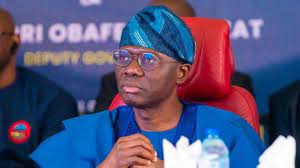
Substance Over Spectacle – Gov Babajide Sanwo-Olu of Lagos

0


In a political space crowded with noise and optics, Babajide Sanwo-Olu stands out for something rarer: disciplined, substantive leadership.

At a dinner with participants of the Oxford Saïd Business School Advanced Diploma in Global Business (Class of 2025), he engaged an audience accustomed to working systems. Their questions were rigorous; his responses were precise, detailed, and refreshingly free of buzzwords or bravado.

He spoke clearly about Lagos within the broader national vision under Bola Ahmed Tinubu, emphasizing continuity and the cumulative nature of governance. He acknowledged predecessors, not as a courtesy, but as a principle.

Just as important was his focus on building future capacity through the Lateef Jakande Leadership Academy a recognition that institutions endure only when talent is deliberately cultivated.

In an environment that often rewards performance over depth, this was a reminder: effective leadership is not loud it is rigorous, coherent, and anchored in systems that work.

Otunba Segun Showunmi
The Alternative

EPL: Arsenal title lead shrinks after 2-1 loss to Bournemouth

0


Arsenal suffered a major setback in the Premier League title chase on Saturday, losing 2-1 at home to Bournemouth, giving Manchester City renewed hope of overtaking the long-time leaders.

Junior Kroupi gave the visitors the lead at Emirates Stadium, but Mikel Arteta’s side equalised late in the first half with a penalty from Viktor Gyokeres.

The Arsenal made numerous attacking substitutions early in the second half but struggled to produce clear-cut chances against Andoni Iraola’s enterprising team.
Bournemouth were back in front in the 74th minute after a fluid move finished off by Alex Scott, who rifled the ball past David Raya.

Arsenal fought for a leveller but suffered only their second home defeat of the season.

With six games remaining, Arsenal, chasing their first Premier League crown since 2004, is nine points ahead of second-placed City.

However, if Guardiola’s side beats Chelsea on Sunday and defeats Arsenal in an Etihad summit meeting next week, they will be within three points of the top spot.

Sun

Gunmen kill Imo monarch, 5 others in deadly attack

0


Police begin manhunt for culprits

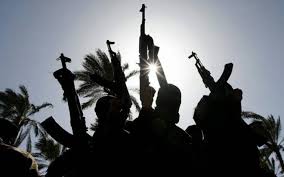
Gunmen have attacked and killed the traditional ruler of Ochia, Eze Paulinus Ekwueme in Ohaji/Egbema Local Government Area of Imo State on Friday along Asa Awara road.

Spokesperson of the State police command, Henry Okoye who confirmed the attack in a statement he released to journalists in Owerri said the hoodlums not only killed the monarch but also burnt his corpse alongside five other victims yet to be identified.

Meanwhile, the State Commissioner of Police, Garba Bosso has launched a manhunt into the dastardly attack in synergy with other sister security agencies in the State.
‎
‎Okoye’s statement read “The deployment followed a distress report received from Ohaji Division on 10th April, 2026 at about 1630hrs, indicating that armed assailants attacked the Traditional Ruler of Ochia Autonomous Community along Asa Awara Road.

“Regrettably, the attack led to the death of the monarch, HRH Eze Barrister Paulinus Ekwueme (Ochia I of Ochia Kingdom), alongside five other yet-to-be-identified victims.
‎
‎”Upon receipt of the report, the CP immediately mobilized and dispatched tactical teams to the scene at Assa, where operatives recovered the burnt corpses of the deceased. The remains have been evacuated and deposited at the Federal University Teaching Hospital (FUTH), Owerri, for preservation and autopsy”.
‎
‎”Consequently, the Command has commenced a comprehensive investigation into the incident, while intensive operations are ongoing to apprehend the fleeing suspects and recover any weapons in their possession. Adequate security measures have also been emplaced to forestall any future occurrence of such a tragic incident in the area and its environs.
‎
‎”In addition, the Commissioner of Police and his Management Team have embarked on an on-the-spot assessment and confidence-building visit to the Ochia community to reassure residents of the Command’s resolve to restore calm and enhance sustained security presence in the affected area”. Okoye stated.
‎
‎While extending condolences to the family of the late traditional ruler and other deceased victims, the CP assures residents of the State that the Command remains fully committed to sustaining peace and security in the State, and that in no distant time, the perpetrators will be brought to book.

Sun

FG names 48 persons, 12 entities as terrorism sponsors

0


Orders seizure of linked assets

Amid the escalating terror attacks in different parts of the country, especially in the Northeast, the Nigeria Sanctions Committee (NSC), in alignment with international efforts to curb terrorist financing, has released an updated list of individuals and entities designated as sponsors or facilitators of Boko Haram insurgents.

The updated records obtained from the NSC and the Nigeria Sanctions Board (NIGSAC) website listed several figures and businesses involved in funding and logistical support. According to official NSC records and circulars, the individuals designated for their roles in providing facilities or funds to Boko Haram are

Abdulsamat Ohida, Mohammed Sani, Abdurrahaman Abdurrahaman, Fatima Ishaq, Tukur Mamu, Yusuf Ghazali, Muhammad Sani, Abubakar Muhammad, Sallamudeen Hassan, Adamu Ishak, Hassana Isah, Abdulkareem Musa, Umar Abdullahi, Abdurrahaman Ado, Bashir Yusuf, Ibrahim Alhassan, Muhammad Isah, Salihu Adamu, Surajo Mohammad and Fannami Bukar. The list further includes Muhammed Musa, Sahabi Ismail

Mohammed Buba, Jama’atu Wal-jihad, Ansarul Sudan (Ansaru), Islamic Province (ISWAP), Indigenous Biafra (IPOB), Yan Group, Yan Group (NLBDG), Adamu Hassan, Hassan Mohammed, Usman Abubakar, Kubara Salawu, Rabiu Suleiman, Simon Njoku, Godstime Iyare, Francis Mmaduabuchi, John Onwumere, Chikwuka Eze

Edwin Chukwuedo, Chiwendu Owoh, Ginika Orji, Awo Uchechukwu, Mercy Ali, Ohagwu Juliana, Eze Okpoto, Nwaobi Chimezie, and Ogumu Kewe.

Additionally, the committee has also blacklisted several companies, mostly Bureau De Change (BDC) firms and general trading enterprises, suspected of laundering or moving money for the group. These include, among others, West and East Africa General Trading Co. Ltd, Settings Bureau De Change Ltd, G. Side General Enterprises, Desert Exchange Ventures Limited, Eagle Square General Trading Co. Ltd, Alfa Exchange BDC, Alin Yar Yaya General Enterprises, K. Are Nigeria Limited, Suhailah Bashir General Enterprises, Igwe Ka Ala Enterprises, Seficuvi Global Company, and Lakurawa Sect.

These actions were taken under the Terrorism (Prevention and Prohibition) Act, 2022. This allows the NSC to free assets and economic resources of anyone identified as a financier without prior notice.

Available reports say much of this list stems from joint intelligence between Nigeria, the United States (OFAC), and the UAE, particularly targeting the Dubai Network that was found to have transferred over $782,000 to Boko Haram.

This action allows the NSC to freeze assets and economic resources of anyone identified as a financier without prior notice. Following this development, the Federal Government has instructed all financial institutions and designated non-financial businesses in Nigeria to identify and freeze accounts linked to these names immediately.

Since March 2024, when some notable individuals were officially designated as terrorist financiers following recommendations under the Terrorism (Prevention and Prohibition) Act, 2022, the list has continued to evolve.

The latest addition to the list followed the escalating trend in terror attacks in the North East. A reliable source in the presidency who spoke with Sunday Sun on condition of anonymity, confirmed the designated list, saying it underscores the seriousness of the administration to end insurgency and terrorism.

Sun

Kogi: Strange death of two young men stirs controversy

0


* Claims, counterclaims as two families square up over murder, suicide allegations

On July 21, 2025, the Adebayo family set out from Lagos to Abuja. The trip was rooted in culture and obligation to mend a troubled marriage and ease tensions between two families that were already drifting apart.

But what began as a peace mission later turned to a tragedy. Less than 48 hours later, the trip was overshadowed by a calamity that remains deeply disputed nearly a year after.

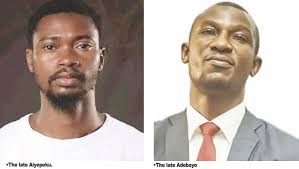
At the heart of the storm are two dead young men, Oluwapelumi Simidele Adebayo, a deputy superintendent of the Nigeria Correctional Service, and Ayobami Titus Aiyepeku, a photographer.


Their deaths have been surrounded by conflicting accounts, ranging from domestic violence and suicide claims to allegations of murder and cover-up.

A journey of peace

Pelumi Adebayo, as he was widely known, had reportedly been involved in an altercation with his wife, Laureen Onoja. In keeping with the customs of their Okun heritage, his elderly parents undertook what is traditionally expected in such circumstances, which is a visit to the wife’s family to apologise and seek reconciliation.

Their destination in Abuja was the residence of Laureen’s guardian and uncle, Chief Edward David Onoja, a former deputy governor of Kogi State.

For the Adebayos, the visit was intended to calm tension and preserve the marriage. For Onoja, however, the situation, by his own account, was far more serious than a routine marital disagreement.

According to the Adebayo family, the reception they received was hostile. They would later claim that Onoja was visibly angered, dismissive of their conciliatory gestures, and unequivocal in his stance that the marriage was over.

The elder Adebayo, then 71, reportedly left the meeting. But Onoja’s own account paints a sharply different picture.

In a detailed public statement issued weeks later, he rejected claims of hostility, insisting instead that the meeting was pleasant and lasted about two hours, with both families brainstorming on possible solutions.

He maintained that there was no rebuff of peace efforts and that discussions centred on managing what he described as Pelumi’s behavioural and psychological challenges.

According to Onoja, his daughter had endured years of escalating domestic violence in Pelumi’s house, which the Adebayo family did not accept. He claimed she concealed the abuse for years, only reaching out when her life was threatened with a knife.

The meeting, he said, ended with a structured agreement: the wife and child would remain with him for three months. Thereafter, the wife and child would also move to Lagos and stay there for another three months with Pelumi’s parents, while Pelumi underwent treatment, with both families collaborating on rehabilitation.

The day everything changed

By the evening of July 22, the situation had taken a dark and irreversible turn.

The Adebayo family, already on their way back to Lagos, received a call that altered everything.

According to their account, Edward Onoja contacted Pelumi’s brother with alarming claims: that Pelumi had killed someone on his property in Lokoja and had gone into hiding. He advised that Pelumi surrender himself to avoid mob justice.

But the Adebayo family insisted it was not just shocking, it was impossible. By their reconstruction of events, Pelumi was already dead at the time those calls were made. They pointed to what they described as critical inconsistencies, particularly the timing of phone activity. His devices, they claim, had gone offline hours earlier.

For the family, the timing discrepancy raised serious questions about who knew what, and when.

Onoja, on his part, offered a different explanation. He stated that he received information from an associate, who worked with the late Aiyepeku on his property. The call, he explained, triggered the chain of communication that followed.

Story takes shape

In the hours and days that followed, a version of events quickly gained traction, particularly across social media. According to the widely circulated account, Pelumi had killed Ayobami Aiyepeku and subsequently taken his own life. They insisted that the information, rather than resolve issues, was a distorted account of events. They alleged that both Pelumi and Aiyepeku were victims of a premeditated double homicide carried out on July 22 at a property linked to Onoja in Lokoja.

The family further claimed that what followed was, in their view, a misleading version of events. They also argued that the crime scenes were manipulated.

The hotel room mystery

Investigation revealed that the most contentious element of the case is probably the discovery of Pelumi’s body at Abidan 115 Guest Inn.

According to accounts referenced by Onoja, the hotel manager told investigators that Pelumi checked in during the early hours of July 23, spent time watching television at the reception, and later retired to his room. When he failed to check out, the staffers were said to have alerted the authorities, who then forced the door open and found him dead, alongside what appeared to be a suicide setup, including a bottle of pesticide, a soft drink, biscuits, and a note.

To many observers, this appeared straightforward. But to the Adebayo family, it did not. The family listed some troubling details, which included how Pelumi was reportedly found unclothed; his phone missing; and, most significantly, toxicology tests allegedly showed no trace of poison in his system.

The family contended further that the findings were incompatible with suicide by pesticide ingestion. Instead, they suggested that the scene might have been staged to support a predetermined narrative.

They further alleged that his body had been cleaned, which they believed could indicate an attempt to conceal evidence of violence. However, Onoja disputed the insinuations indirectly, citing a pathologist he engaged, who reportedly found no evidence of stabbing, gunshot wounds, or strangulation.

He also questioned the reliability of toxicology conclusions, suggesting that determining poisoning after a certain period can be scientifically uncertain.

The silent report

The controversy is being compounded by claims surrounding the autopsy and toxicology reports. The Adebayo family stated that despite paying substantial sums for the examinations conducted at the National Hospital in Abuja, they were denied full access to the results.

They further alleged attempts by interested parties to influence or compromise the findings. The divergence raised a key question on how both sides would cite medical evidence, yet reached such different conclusions.

It is being contended that until full reports are made available and independently verified, that question is unlikely to be resolved.

The digital battleground

The Adebayo family also alleged a coordinated online effort to shape public perception. According to the family, the campaign portrayed Pelumi as mentally unstable and capable of extreme violence.

They claimed that personal information about the family was circulated widely, compounding their grief with public scrutiny and reputational damage.

But Onoja rejected such claims. He insisted he does not operate any media machinery and had not commented publicly until he felt compelled to respond to what he described as defamatory reporting. He argued that much of the online narratives emerged particularly from individuals connected to Aiyepeku’s professional circles.

Questions for the police

The Adebayo family has levelled serious accusations against elements within the Nigeria Police Force. They claimed that investigators delayed key processes, failed to act on crucial evidence, and attempted informal resolutions which they considered inappropriate for a case involving multiple deaths.

Among their concerns are the alleged failure to retrieve CCTV footage of the hotel where the dead body of Pelumi was found, analyse Pelumi’s call logs comprehensively, and conduct thorough forensic examinations of digital devices.

They argued that the omissions have significantly hindered efforts to uncover the truth.

Onoja, in contrast, expressed confidence in the investigation process. He noted that the case is before the Homicide Department of the Force Criminal Investigation Department in Abuja. He also raised a counter-allegation that the complainants themselves have been absent from some investigative sessions.

Freezer trail

A lot of media reports were found online, which were published immediately after Pelumi was accused of killing Ayobami Aiyepeku on Monday July 22, 2025. But his family rejected the narrative, describing it as a calculated move to distort the facts of the case.

On that fateful day, 26-year-old apprentice, Ayobami Aiyepeku was working with his employer, Ujah Goodness, at a studio opposite the Kogi State Government House when the Deputy Superintendent of Corrections, Oluwapelumi Adebayo allegedly arrived around 7:50 p.m. and asked to see the apprentice photographer outside.

Moments later, Aiyepeku reportedly screamed for help. Goodness was said to have been frightened and alerted local vigilantes rather than stepping out. By the time help came, the scene had gone cold.

According to the reports, Pelumi allegedly attacked and killed the apprentice, hid his body in a deep freezer, loaded it into a white, unregistered Hilux van and fled. The vehicle was later found abandoned near Nataco Junction, with bloodstains inside the freezer and a machete believed to be the murder weapon recovered. The body, however, was missing.

Less than 24 hours later, the case took a darker turn. At about 12:10 p.m. on Tuesday, July 23, staff of Abidan 115 Guest Inn discovered Pelumi dead in a room, naked and alone.

A suicide note, a bottle of insecticide and a plastic Coca-Cola bottle found beside him pointed to suspected poisoning.

He was confirmed dead at the Federal Teaching Hospital, Lokoja, and his remains deposited in the mortuary for autopsy.

Two lives, one case

The Adebayo family insisted that Ayobami Aiyepeku’s death must not be overshadowed. They argued that early reports about his killing have also been inconsistent and that his case is inseparable from Pelumi’s.

For them, this is not just about one son, it is about two young men whose lives ended under unclear circumstances.

Onoja, while distancing himself from any connection to Aiyepeku, acknowledged that the death of the two was a tragedy, calling for a thorough investigation.

Yet even here, differences persist as the Adebayo family viewed the deaths as interconnected acts of violence, while Onoja maintained that he has no knowledge of the circumstances beyond what has been publicly reported.

Grief, fear and pressure

The Adebayo family spoke of profound grief, compounded by fear and a sense of vulnerability. They alleged that they were being monitored, intimidated, and that pressure has extended even to their legal representatives.

For them, the pursuit of justice has become not just a legal battle, but a personal ordeal.

Onoja, too, described his own experience as depressing. He spoke about reputational damage, a flood of accusatory messages, and what he saw as a deliberate attempt to tarnish his public service record.

A national question

As months passed without definitive resolution, the case might have taken on broader significance. The Adebayo family has escalated its appeal, and called on civil society organisations, such as Amnesty International and SERAP to intervene. They have also directed a public appeal to President Bola Tinubu, seeking federal oversight.

Their argument centred around Pelumi, saying if a serving officer of the state can die under such circumstances without clarity, what does that mean for ordinary citizens?

Edward Onoja speaks

For Edward Onoja, the allegations are not just incorrect, they are defamatory. He categorically denied any involvement in the deaths of either Pelumi or Aiyepeku. He described the accusations as baseless and malicious.

He maintained that he was not present in Lokoja at the time of the incident, had no knowledge of the events leading to the deaths, and has cooperated fully with investigators.

He also advanced a counter-narrative: that the tragedy might ultimately stem from untreated mental health issues and domestic instability. He referred to the issues as factors he believed the Adebayo family failed to adequately address.

On the digital imprint, he said: “I am not a social media practitioner nor do I own or operate a media team from when I left office on January, 27th, 2024. I was reading on social media like any other Nigerian the sequence of unfolding events.

“In fact, it was the wedding photo of Late Pelumi and my daughter that was first posted online. Some of the narratives online also alluded to the owner of the compound being a kingpin of organ harvesting or ritual killing ring, a narrative that prompted the NPF to invite me for an interview.

“So, it’s not only irresponsible but malicious for anyone to link online posts to me. Ayo was a photographer and interacted with the entertainment community in Kogi. So, news of his death and missing body was pushed mainly by the players in that industry. I am no member of the entertainment sector in Kogi.

“I had never slept a night in Kogi since I left office till the unfortunate incident. I only just started in February of 2026. None of those listed in the false petition, except my daughter, even related with me until the incident.

“And I boldly say that since I left the government in 2024, I only met most physically for the first time on Tuesday March 24, 2026 when we honoured the police invitation – a meeting that both the petitioner and his counsel refused to attend.”

Onoja stated further that from the time his daughter sent a message to him on her near death experience, until July 22 and 24, 2025 that the unfortunate incidents happened, he or anyone related to him by blood or work never made any online comment “until Saharareporters working with the Adebayos, released a damaging post on July 31, (2025).

“That was what necessitated my public response to clarify issues. And since the police took over the investigation, I have remained calm, awaiting the final outcome of their report.

“Unfortunately, the complainants and petitioners rather than wait to see the result of their own petition have resorted to approaching media houses with false, fake and mischievous narratives, a move that is making me feel they are now hired to do a hatchet job by some political cowards.”

Onoja noted the reference made by the reporter severally to Pelumi’s family findings while engaging with him via phone conversation. He responded by saying: “I find that curious. Findings from ‘hear say’ and their own independent, self-appointed investigation outside those of the NPF?

“As for suicide, I was never in Lokoja or in the hotel to know that. I only heard from the manager of the said hotel and believe he penned same in his statement to the police that “Pelumi walked into their hotel in the early hours of Wednesday the 23rd, paid for a room, and never came out till 4pm, he sat at the reception and watched TV for 30 minutes and returned to his room.

“And until about midday, Thursday when he, the manager, sought to ensure his check out time. After using the intercom and knocking severally with no response. That he alerted the police. He did say to my hearing right in front of the CP homicide onTuesday March 24, 2026 that it was the police who got a carpenter to force the door open.

“ And they met Pelumi lying down with a suicide note, sniper bottle and coke. That same note and ID card were equally posted on social media.

“All these testaments I heard from the manager of the hotel at the interview session with the CP Homicide ANC team of investigators along with Ayo’s elder brother, Timothy, my niece, and all the other four persons they falsely petitioned with me.

“All my years in Kogi, I never knew or heard of any hotel, lodge or guest inn by that name for the records.”

Waiting for closure

For the Adebayo family, it is a fight for truth, accountability, and the restoration of a son’s name.

For Edward Onoja, it is a battle to defend his reputation and reject what he described as damaging falsehoods. But for the public, it is a test of whether truth can emerge from a fog of contradictions.

As gathered, the FCID’s final report is expected to address the identified discrepancies, which have left the case unresolved and clouded by contradictions.

Sun

Red alert in Lagos as Lassa fever death toll climbs nationwide

0


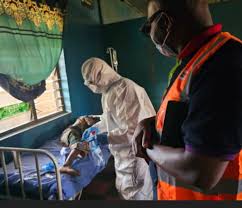
The Lagos State Government has raised the alarm over the surge in Lassa fever cases across the country, launching an aggressive statewide awareness and prevention campaign as the outbreak intensifies and begins to claim the lives of frontline health workers.

The Commissioner for Health, Prof. Akin Abayomi, at the campaign’s kickoff, revealed that the country has recorded more than 660 confirmed cases and 167 deaths between January and mid-March 2026, one of the most severe outbreaks in recent years.

Describing the situation as a “serious national health concern,” Abayomi warned that the disease has already spread across 22 states and 93 local government areas, underscoring the urgent need for coordinated action at all levels.

He expressed worry over the growing number of infections among healthcare workers. According to him, at least 38 medical personnel have contracted the virus, with three doctors already dead, a development he described as a critical warning sign.

“When a disease begins to kill frontline workers, it signals a dangerous escalation,” he said, calling for strict adherence to infection prevention protocols and heightened vigilance across health facilities.

According to experts, Lassa fever, a highly contagious viral disease transmitted primarily from rodents to humans and then between people, can cause severe haemorrhagic illness marked by fever and internal bleeding. “While many infected individuals show mild or no symptoms, they remain capable of spreading the virus, creating a silent but dangerous chain of transmission.”
Though Lagos is not traditionally an endemic state, its dense population and constant inflow of people places it at significant risk. Abayomi warned that the city’s status as a major commercial hub makes rapid transmission a real threat if early containment measures fail. “In a megacity like Lagos, infectious diseases can spread very quickly if not contained early,” he said, drawing parallels with past public health emergencies.

He also raised concerns over changing disease patterns, noting that Lassa fever is no longer strictly seasonal, with evidence now pointing to year-round transmission driven by environmental changes and increased human contact with rodent carriers.

Health experts estimate that while most cases are mild, about one in five symptomatic patients develop severe complications that can lead to death, particularly when diagnosis and treatment are delayed.

The Commissioner further classified Lassa fever among a group of high-risk pathogens capable of overwhelming health systems, alongside other deadly viral diseases, warning that factors such as climate change, deforestation and ecological disruption are accelerating their spread.

“In response, Lagos has activated its preparedness systems, including a 24-hour Emergency Operations Centre, enhanced surveillance, digital health tools and ongoing training for healthcare workers in infection control and biosecurity. Preparedness is not a panic response. It is leadership,” Abayomi said, stressing that the state’s strategy focuses on early detection, rapid isolation and effective case management.

He reassured residents that authorities are working closely with national and international partners to strengthen response mechanisms, urging the public to remain calm but alert. “The awareness campaign, now underway across the state, aims to educate communities, equip healthcare workers and promote preventive practices as Lagos races to stay ahead of a fast-evolving public health threat.”

Sun

Davido dazzles fans with electrifying Coachella performance

0


Nigerian hitmaker Davido showcased an electrifying performance during Coachella Weekend 1 on April 10 at the Polo Club in Indio, California.

Davido, who thrilled music fans from 7:50 to 8:35 p.m, opened with ‘Dami Duro’, delivering high-octane Afrobeats hits with dancers and a live band.

Fans were treated to an unexpected delight when Davido brought Adekunle Gold to the stage for a medley including ‘High’, with cheers ringing out from the audience.

Other notable performers include headliners like Sabrina Carpenter and Justin Bieber.

Davido is expected to return for his Weekend 2 performance on April 18.

Sun

Shock, tension in Delta over LG chairman’s kidnap

0

• CP visits Sapele, directs rescue operation

Shocked by the abduction of the Chairman of Sapele Local Government Area of Delta State, Hon. Bright Abeke, tension and apprehension have gripped people in the area.

The chairman was kidnapped from his hotel along Owumi Road in Sapele, on Friday night around 7:25 pm.

Eyewitnesses disclosed that the gunmen in their numbers stormed the hotel in a Range Rover SUV shooting sporadically to disperse onlookers.

In the ensuing chaos, they shot the chairman’s security aide, and a vigilante member identified as Ufuoma before seizing their target, who was immediately whisked away.

As at the time of filing this report the whereabouts of the council chairman has remained shrouded in mystery.

The injured persons were rushed to an undisclosed hospital in the area for medical attention.

In the wake of the development security operatives were said to have blocked all entry and exit routes in Sapele to aid rescue efforts and possibly track down the perpetrators.

Meanwhile, the Delta State Commissioner of Police, CP Yemi Oyeniyi, has visited Sapele for on the spot assessment of the rescue efforts.
Confirming this in a brief telephone conversation with Sunday Sun, Delta State Police Public Relations Officer, SP Bright Edafe, explained that the CP visited the crime scene yesterday and ordered deployment of additional police operatives to ensure the council chairman is rescued unhurt.

“The CP was early today, Saturday in Sapele where he visited the scene of crime and to do the necessary deployment to ensure the council Chairman is rescued unhurt,” Edafe said.

In an earlier statement, Edafe said that the CP had taken a series of proactive security measures following a comprehensive review of the security situation across the State.

He said that the new directives were aimed at strengthening public safety, preventing crime, and ensuring a peaceful environment for all residents, in line with the directive of the Inspector-General of Police, IGP Olatunji Rilwan Disu.

The IGP had mandated all Commands to intensify visibility policing, adopt intelligence-led operations, and reinforce community partnership as a strategy for effective crime prevention and control.

He said that in compliance with the directive, the Command has commenced massive deployment of personnel across all nine Area Commands, divisions, and other critical points within the State.

The new security measures include intensified stop-and-search operations along major highways, entry and exit routes, and identified flashpoints, as well as sustained day and night visibility patrols and coordinated operations with sister security agencies.

The Command is intensifying targeted operations to dismantle kidnapping and herdsmen-related criminal activities in key flashpoints, including Owa-Oyibu, Ogwashi-Uku power line axis, Okpanam, Ashaka, Uwherhu in Ughelli North, Umunede, Igbodo, Idumusa, Ute, and other border communities across the State, to dislodge criminal elements, restore public confidence, and secure all entry and exit corridors within Delta State.

The Commissioner of Police has also directed all Area Commanders to immediately convene stakeholders’ town hall meetings within their respective areas of responsibility, as part of efforts to strengthen community engagement, enhance intelligence gathering, and foster collaborative approaches to addressing security challenges across the State.”

Sun