Home Blog Page 5

Why I’m in hurry to fix Edo –Gov Okpebholo

0

Soft-spoken and unassuming, Edo State Governor, Senator Monday Okpebholo, is not given to trumpeting his achievements on the pages of newspapers and TV screens.Rather than talk about his projects, he prefers neutral observers to do the talking after visiting such projects. To mark two years since he assumed office, the Governor recently conducted select journalists round projects, ongoing and completed, undertaken by his administration.

In this interview, Governor Okpebholo explained his leadership style, why he is in a hurry to reinvent Edo, the legacy he will be leaving behind, how he was able to execute numerous projects in just two years of assumption of office and how he wants to be remembered, among others:

Congratulations, Your Excellency, on your second anniversary in office and your achievements so far. We have seen what you have done in Edo South. What is happening in the two other senatorial zones?

Welcome once again to Edo State. Unfortunately, we couldn’t proceed to Edo North and Edo Central because of the rain. We couldn’t even cover all the projects in Edo South because of the rain, too. I’m optimistic you will find time to come again. Well, what you have seen today, the quantity and quality of the projects – completed and ongoing – you saw in Edo South are also what you will see in Edo North and Central. Road infrastructure, education – rehabilitation of schools – healthcare, etc., are receiving serious attention from this administration. Construction is ongoing. There are so many things I wanted you to see, especially in the villages that have been abandoned and neglected in the past; it is just as if they don’t exist but this administration is now giving them a sense of belonging. What you are seeing here today, the infrastructural drive you are seeing in Edo South today, is just a tip of the iceberg.

If you are travelling to Abuja from here, you have to pass through Auchi and that is a federal road; it is in a deplorable condition. I had to appeal to the Minister for Works and said, please, allow us do this road and then we will wait for reimbursement from the Federal Government, and the minister graciously approved of it and Mr. President also agreed that I should do it. And we are now doing the road. I Just pray that you come back again to see things for yourself, it is not what you have seen today. Few days from today, we will be two years in office; I really don’t talk much, I’m saving my energy to work. I prefer doing the job than talking. Those shouting on social media…those are social media talks, people living in communities where we are executing various projects know that we are working, that work is ongoing. Just imagine the places you have been to and projects you have seen in Benin alone. I’m not talking about the villages. So much work is going on in the villages. We are deliberate about infrastructural development in the rural areas because the inhabitants are also human beings; they contribute to the economy and, therefore, deserve a better life. If they dont go to the farms, where will we see food to eat? If there is hunger, there could be hostility and restiveness and that is why I felt that everybody should be carried along, and that’s why I’m working in the rural areas. I don’t need any politician to lobby me. I don’t want anyone to lobby me. All I need to do is just to do the will and wish of the people.

We noticed that parts of Benin have been recovered from erosion, we also saw concrete roads and some of us have reservations about concrete roads, we heard that the Minister for Works, Dave Umahi, did concrete roads when he was the Governor of Ebonyi state but some of us saw it physically yesterday and I must confess, I was impressed and I think, going by the nature of Edo State, that will be more sustainable. Is concrete road construction the policy of the Edo State government now?

Thank you very much. Why we do concrete roads and pavements is because some of the places are swampy. We have studied the terrain and found out that, without the concrete roads, we will have problems in our hands within a very short time. We are simply preparing for the future so that, after this government, the next government that will come can concentrate on other areas; this way, development will spread. That’s what we are doing. We are not working on infrastructure alone. We are also paying attention to security; we are securing Edo. We are trying to make Edo very safe. We want to make Edo safer than we met it. When we came, we met a parlous security situation. No day passes without someone being shot dead. Someone could just see you on the road and shoot you, or walk into your shop and shoot you because he is a cultist. Someone asked me a question: Do you fear anyone and I said I don’t because I’m working for the people. We are taking stiff measures to curb insecurity in the state. If you are a kidnapper or a killer, we will trace your house and demolish it. If you are living in your father’s house, we will demolish the house. So, these are some of the stiff measures we are taking and they are working for us. To be honest with you, if we hadn’t adopted these stiff measures, maybe you won’t be able to stay in Benin for two nights. Today, night life is back in Benin, businesses are booming. Edo is today safer and will be safest in the nearest future. We are providing the police with the necessary tools to function properly. We will be providing them with bikes to navigate and police areas vehicles cannot easily access, mainly bush, forest paths, so that if you commit a crime and think you can run and hide in the forests or bushes, the police will pursue you there. So, we are prepared to secure the state.

Are you ready for state police?

Yes. We are ready. Edo is very much ready. We are prepared. Edo was one of the very first states to endorse state police and our House of Assembly has approved it. When other states were dragging their feet, we said no, state police will work for us, and we didn’t waste time in endorsing it. Even our vigilante is like state police, it’s working for us. Edo is safe. Remember there was this kidnapping that happened in Benin and, within 24 hours, which has never happened in Nigeria, the guys were rounded up. We are also prepared to go to other states to get our citizens whenever they are kidnapped. We did it in Kogi. And in Ogun, I called the governor and said, please, I dont want my person to stay with these kidnappers for more than five days and, as God would have it, he was released within a short time.

How are you managing the burden of debt servicing and project implementation, taking into cognisance what you receive from FAAC allocation and IGR?

Thank you very much. When I say I’m rooting for Mr. President, some people ask, why are you doing this, why are you saying this? But it’s because of what you have seen today, the evidence is what you have seen today. The FAAC allocation has increased and our own internally generated revenue has also increased. What we are doing now is prudent spending; we focus on things that matter to the people. I’m not interested in self. So, what matters to the people is what we spend Edo money for. Meanwhile, we are owing no debts. We only guaranteed contractors’ bonds. We are, instead, paying debts of N603b inherited from the previous government.

Some states have set up airlines; is there any plan for Edo to toe the same path, given that an Edo son pioneered private ownership of an airline in Nigeria, Okada Air?

Yes, there are plans for a state-owned airline. We are already on it. Recently, there was a publication about Edo Air. So, Edo Air will come on board and I hope you will patronise us.
Before now, in some schools in Edo, there were few teachers, two, three in an entire school, but now most of the schools are fully staffed with teachers. How did you do it?

We are still going to hire more teachers because education is key. When we were growing up, if there were no teachers, if we were not taught, we won’t be where we are today. So, education for our children is very very key and that was why, when I came in, I became very interested and determined in fixing our educational system. Yes, there was Edo Best but Edo Best was for Obaseki and not for Edo people. That’s the truth. They used Edo Best to take away Edo money because the programme called Edo Best was just a tablet. First of all, before you can use a tablet, there has to be internet everywhere, 3, 4 or 5G, but there was none. Maybe, they just bought data, loaded it on their phones and that was Edo Best. And the curriculum they were using wasn’t even Nigerian curriculum, it was Kenyan curriculum and I frowned at it and I stopped it. I stopped the Edo Best programme. Some governors that were also convinced to adopt the same programme in their states without knowing what it was got in touch with me and asked me how I got out of it. I said, why are you worrying yourself, just tell them bye-bye and that’s all. So, we have rescued Edo from Edo Best. In Edo, we are concentrating on school access programme and, for me, that’s the way to go, conducive classrooms for the children; they should have water in school, decent toilets. They should also have teachers. When you have all these, children will be eager to go to school. To be honest with you, right now in Edo, under this administration, many children don’t want to go to private schools, they want to come to government schools because the basic amenities are provided in government schools. So, these are the things we are doing to rescue, save and strengthen our education system.

Recently, the Special Court, which your administration set up sentenced kidnappers to death and you reportedly vowed to sign the warrant for their death, if they do not appeal the sentence within a stipulated time. Do you still stand on those words?

Hope our brothers are not involved because I will sign it. Even if my father is involved, I will sign it. The truth is that we just have to get some bad elements out of the system for the system to stand. These people are killing people and many people are being killed. If you see the way they were pushing the woman they kidnapped, she could have died. Fear alone was enough to make her die. People are passing through trauma. Even our Chief Judge, if you see our Chief Judge, one of his hands was cut off by kidnappers. A few days ago, I asked my Attorney-General and he said they have appealed. We will follow them up. We won’t just leave them to go like that. So, we’ll get to wherever they stop. We’ll take them from there. We will not spare anybody. If I see this paper today, I will sign it and I will even supervise the killing.

Edo has massive potential for agricultural development. What plans are in place to take the state beyond subsistence farming to be a major contributor to the agric sector? Secondly, what plans are in place to address challenges in the health sector, health centre facilities, hospitals, primary healthcare centres and others?

The heavy rain, if not for the rain, we would have gone round the health centres, especially the primary healthcare centres, for you to see things for yourself. Of course, the primary health system is our primary goal. When I met Mr. President in France and he asked what we have done in the primary health system and I brought out my phone and showed him our achievements, he was very happy with our achievements within two years. Apart from building the health system, we are also providing free treatment for patients. What we are doing in the primary and secondary health care is something that is amazing. We try to source for medical equipment; we are also building more healthcare centres. If you are here next time you will have the opportunity to go round and see things for yourself. I don’t talk theory, I talk practical. It’s what you see that you take home. I don’t believe in talking too much. So, we are doing much in the health sector. We have done well. We have done over 82 completed primary healthcare across the local government areas, across all the communities and wards.

On agriculture, naturally, Edo state is the home for agriculture even though Benue say they are the food basket. We are providing equipment for mechanized farming. Commissioner for Agriculture is here. Yesterday, he sent me a design on how we will start producing our own rice. We have a very big farm, which I had wanted to take you to. They are in Edo North and Edo Central. We have rice farm, we have corn we have cassava. Our rice farm is over 57 hectares. Then corn, we have 400 hectares. So, we are doing well in terms of agriculture. Private investors are also here farming on our land and they are doing well too. Okomu is here, it’s a private agro company and it’s doing well. In the agric sector, we are doing well. We are also supporting our farmers.

Financial autonomy granted to the local government system in Nigeria by the Supreme Court notwithstanding, some state governors still interfer in local government allocations. What is the situation in Edo?

On the issue of local government, the first day I met Mr. President, he told me about the local government. He is so passionate about the local government system. He said the local government is the closest to the grassroots, which is true. I can tell you that, since I came into office, I have never had any Joint Account Allocation Committee meeting with the local government chairmen. I have never sent my Commissioner for Finance or anybody to tell them, look, I need this money from you. It has never happened. Ask any of the local government chairmen. Many of them we met were all PDP and we left them. You can even ask the opposition whether we have done that. We dont intend to touch local government fund. The local governments are doing very well. They have maintenance agencies, they are buying equipment, they are renovating schools, primary health centres, etc . They are doing this across the 18 local government areas. And they are paying salaries; they are not owing anybody. In Edo, we are focused on the delivery of good governance. We don’t have time to waste. The day I was sworn into office, the first thing that came to my mind was that, out of my four-year tenure, a day was already gone. So, there is no time to waste. That’s why we are aggressively spreading development across the state; there is no time. Even if I come back for second term, there is still no time. So, we are hungry for work, we are in a hurry to deliver, to fix Edo.

I know you are proud of yourself, given your achievements in just two years, but let’s hear it from you: When you want to go to bed at night, what do you feel? How do you feel?

This is the most difficult question for me to answer. I dont know how I feel; all I know is that I just do my best. I don’t see all these as something to say, oh! I’m doing well. I just know that this is a task I have to carry and I have to fulfil my promises to the people. Sometimes when I go round the city and the people start hailing me, I feel like crying because I think I don’t even deserve it because I’m using Edo money, taxpayers’ money to work for them. So, I dont know, maybe I will start thinking how I feel now.

How did you navigate the murky waters of governance in a state like Edo that people say is very difficult to govern? How were you able to defy the odds and achieve so much in two years?

Wining an election, to me, is a privilege from God. Also, people were expecting too much from me because of the trust they repose in me. I asked for the job and my duty is to do the job. So, to me, I’m here to serve. I’m not here just for the fun of it. I want to serve the people, that’s my aim and that’s my goal. It should be an honour to me that when I leave government I should be remembered for the things I did. The service I rendered and not the amount of money I have. When I was growing up, I kept hearing about the good things Professor Ambrose Alli, the late governor of the defunct Bendel State, which today comprises Edo and Delta states, did. Now that I’m grown up, I still see Professor Alli’s stickers on vehicles. Was it Professor Alli that printed those stickers? No! So, these are the things I would want to be remembered for by the time I’m no longer in this world. It is my desire that in future people will still remember me and put my sticker on their vehicles.

Sun

Courts dismiss suits against ADC, NDC candidates in Kano

0

The Federal High Court in Kano has dismissed separate suits challenging the nominations of Ibrahim Ali Amin as the African Democratic Congress (ADC) governorship candidate and Tijjani Husseini Gandu as the National Democratic Congress (NDC) candidate for Kano Municipal State Constituency in the 2027 elections.

The judgments, delivered by Justices M.M. Shuaibu and Simon Amobeda, respectively, cleared the two candidates of the legal challenges to their nominations, with the court in the ADC case ruling that the action was filed outside the constitutionally prescribed period for pre-election disputes.

In the first suit, marked FHC/KN/CS/375/2026, Sheikh Ibrahim Khalil Idris had approached the court through his counsel, A.Y. Gumel, seeking a declaration that he was the duly elected governorship candidate of the ADC.

He joined the party, Amin and the Independent National Electoral Commission (INEC) as first, second and third defendants, respectively.

The dispute arose from the party’s governorship nomination process, during which both aspirants reportedly signed an agreement on May 27, 2026, accepting a consensus arrangement and authorising the party leadership to select its candidate.

Following consultations, the ADC leadership nominated Amin, a decision Khalil challenged in court, insisting that he was entitled to the ticket.

However, Amin’s legal team, led by N.A. Ayagi, raised a preliminary objection challenging the court’s jurisdiction to entertain the suit.

Delivering judgment, Justice Shuaibu upheld the objection, ruling that the action was statute-barred because it was instituted outside the 14-day period prescribed by the Constitution for filing pre-election matters.

The judge held that the cause of action arose during the nomination process and submission of Amin’s name to INEC between July 4 and August 5, 2026, rather than in September when Khalil commenced the action.

The court also found deficiencies in the plaintiff’s claim, particularly his reliance on an alleged party primary held on May 22, 2026.

Justice Shuaibu observed that INEC had confirmed that it neither participated in nor monitored the alleged primary, while the plaintiff failed to produce an official commission report authenticating the exercise.

The court further faulted a letter tendered by Khalil, noting that it was signed by the party’s state chairman, whereas the authority to transmit candidates’ names to INEC rested with the party’s National Working Committee or National Executive Committee.

It also held that Khalil failed to exhaust the party’s internal dispute resolution procedures as required under Section 10.9 of its guidelines.

Consequently, the court dismissed the suit, leaving Amin’s nomination as the ADC governorship candidate undisturbed.

In a separate judgment, Justice Simon Amobeda dismissed a suit challenging the nomination of Tijjani Husseini Gandu, a Kwankwasiyya political singer, as the NDC candidate for Kano Municipal State Constituency in the 2027 House of Assembly election.

The action was instituted by Aminu Isyaku Yusuf, who alleged that he purchased the party’s nomination forms to contest the election but that Gandu’s name was subsequently forwarded to INEC and published as the party’s candidate.

Yusuf contended that the process leading to Gandu’s nomination was marred by irregularities and sought judicial intervention to challenge the party’s decision.

However, counsel to Gandu, Badamasi Suleiman Gandu, opposed the suit and urged the court to uphold his client’s nomination.

In his judgment, Justice Amobeda accepted the defence submissions and dismissed the action, leaving Gandu’s candidature intact.

The two judgments resolve the challenges at the Federal High Court, subject to any appeals that may be filed by the dissatisfied parties.

Sun

Wike, APC group rally traders, northern voters for Tinubu, dismiss opposition threat

0

Minister of the Federal Capital Territory (FCT), Nyesom Wike, has directed market associations across Abuja to nominate representatives for President Bola Tinubu’s 2027 re-election campaign, as a Kaduna-based All Progressives Congress (APC) support group declared that the opposition lacked the political strength to unseat the President.

Wike, who gave the directive at a town hall meeting with traders and market leaders in Abuja yesterday, warned that verbal endorsements of Tinubu would amount to little unless translated into votes, while the Tinubu Uba Sani Consolidation Front (TUSCOF) dismissed the opposition’s chances of defeating the President and Kaduna State Governor Uba Sani despite the country’s economic and security challenges.
The minister urged each market association to nominate two representatives to participate in the FCT presidential campaign structure, promising support for grassroots mobilisation and regular engagement with traders.

His directive followed endorsements of Tinubu, Vice-President Kashim Shettima and other candidates backed by the administration, including former FCT senator Philip Tanimu Aduda, by market leaders who pledged to mobilise voters through trade unions, cooperatives, religious groups and community associations.

“So for me, if you agree with me, you know what I want. What you want, you have to demonstrate it. You know me, I’ve been in this game for years. When you come and tell me, ‘We are for you, we are for you,’ no problem. You must show it. And I will know,” Wike told the traders.

In Kaduna, TUSCOF Chairman Mohammed Sada Jalal, speaking ahead of the inauguration of the group’s state campaign committee, argued that internal disputes and political uncertainty had weakened opposition parties, leaving them poorly positioned to challenge the APC in 2027.

Although he acknowledged that insecurity and economic hardship could cost the ruling party some votes, Jalal maintained that the challenges would not prevent Tinubu and Uba Sani from winning their respective elections.

Wike, meanwhile, used the Abuja engagement to defend Tinubu’s removal of petrol subsidy, arguing that the policy had prevented an economic collapse and improved the Federal Government’s capacity to fund infrastructure, pay outstanding obligations and increase allocations to other tiers of government.

He said successive administrations had acknowledged that the subsidy regime was unsustainable but lacked the political courage to end it, leaving the country with mounting financial obligations.

“I want to appeal to all of us to keep this at the back of our minds: we have grown too used to living a fake life. Yes, it is true. We like to live a fake life. This country was nearly gone. Nearly gone,” he said.

According to him, Tinubu took the difficult decision because the country could no longer sustain paying trillions of naira in fuel subsidies while struggling to meet salary and pension obligations and fund critical services.

“For the President to change what had been happening, he had to lay a solid foundation first, and a foundation needs time to grow.”

Wike urged Nigerians to reject promises by opposition politicians to reverse the policy, insisting that the benefits of the reforms would become more evident if they were allowed to mature.

“If we allow these policies that the government has put in place to mature, what is going to happen in the next four years will be good. Forget about people coming to tell you stories,” he said.

The minister cited increased revenue allocations to states and local governments, the settlement of pension arrears and what he described as the absence of strikes by the Academic Staff Union of Universities (ASUU) for more than three and a half years as evidence that the reforms were producing results.

He also cited the payment of more than N80 billion in outstanding gratuities owed to former Nigeria Airways workers as one of the benefits of improved government revenue.

Wike credited Tinubu with providing funds for major infrastructure projects in the FCT, including the Apo-Karshi road, the reconstructed Saburi road corridor and the Bwari-Kubwa road, which he said was expected to be completed before the end of the year.

“All these roads you are talking about, all these things you are talking about in the FCT. Without the President, how will it be? Who is releasing the money?” he asked.

He said road construction and rehabilitation across the city centre and satellite towns were intended to improve commercial activities, ease transportation difficulties and reduce costs for traders.

The minister also highlighted institutional changes introduced in the FCT under Tinubu, including the appointment of an indigene of the territory to the Federal Executive Council, the establishment of the FCT Civil Service Commission and the creation of Mandate Secretariats for Women and Youth.

Wike challenged traders to judge political leaders by their performance rather than ethnic or regional affiliations.

“Governance has nothing to do with where I come from. It is not about Hausa, Yoruba, or Igbo; it is about ‘If I do my business here, am I happy?’”

He also criticised prominent opposition figures, particularly former Vice-President Atiku Abubakar and former Rivers State Governor Rotimi Amaechi, accusing them of presenting misleading accounts of their records in public office.

Wike questioned Atiku’s role in past privatisation exercises and alleged that Amaechi’s administration wasted N14 billion on a mosquito fumigation project, paid $39 million for a specialist hospital that was never built and spent N68 billion on an uncompleted monorail project in Rivers State.

He urged Nigerians to assess presidential aspirants by their records rather than campaign appearances or public displays of humility.

Earlier, a representative of Arewa market traders in the FCT, Adams Hassan, pledged support for Tinubu, Shettima and APC candidates, arguing that traders constituted an important voting bloc because of their numerical strength and contributions to employment, revenue generation and local security.

He, however, urged the FCT Administration to give market associations greater involvement in policies and programmes affecting commercial activities.

“We are ready to make every necessary contribution to ensure the success of His Excellency, President Bola Ahmed Tinubu, GCFR, Vice President Senator Kashim Shettima, and all APC candidates in the FCT in the 2027 general election,” he said.

A representative of Wuse Market traders, Okerie Okechukwu, announced plans for cluster-by-cluster mobilisation under what he described as a “rainbow coalition.”

He said the campaign would extend to trade unions, cooperatives, community groups and church unions, with traders supporting Tinubu, Aduda and candidates seeking election into the House of Representatives.

“Today, Your Excellency, we want to confirm to you that we are going into cluster mobilisation and campaign under the rainbow coalition,” he said.

Okechukwu attributed the traders’ support to infrastructure and market development initiatives by the FCT Administration and appealed for the construction of additional shops and malls in emerging districts, including Katampe and Kaura.

Chairperson of the National Assembly Quarters Market, Abiola Adekanbi, also pledged the support of market women for Tinubu’s re-election, citing road construction and rehabilitation projects as evidence of the administration’s performance.

She said traders would not only vote for the President but would remain at polling units to protect their votes.

“It is very simple: we are going to follow who knows the road. We are going to follow the ‘talk-and-do,’” she said.

Group Managing Director of Abuja Investment Company Limited (AICL), Maureen Tamuno, commended the minister for approving a dedicated fire truck and fire station for Wuse Market, reconstructing the Saburi road corridor and allocating additional district markets.

Acting Managing Director of Abuja Markets Management Limited (AMML), Onya Ojiji, also highlighted road and drainage projects around Dei-Dei and Kubwa markets, as well as the commissioning of Karu Modern District Market, Utako Farmers Market and Gwagwalada International Market.

He listed the distribution of free shops and the relocation of mechanics and traders to Wassa among the administration’s interventions.

Responding to requests from the traders, Wike approved a proposal for AICL to develop additional markets across the FCT and promised to institutionalise consultations with market associations at least twice yearly.

Meanwhile, in Kaduna, Jalal said TUSCOF’s confidence in Tinubu and Uba Sani was based on what he described as the administration’s achievements and the opposition’s internal weaknesses.

He cited interventions in education, healthcare, infrastructure and other public services as achievements that would strengthen the Kaduna governor’s re-election prospects.

According to him, Uba Sani’s efforts to promote unity across the state had helped address longstanding political divisions between Kaduna North and Southern Kaduna.

Jalal dismissed complaints about the distribution of projects and political appointments, citing road construction in Zone One and appointments involving individuals from Zaria as evidence that the administration had spread development opportunities.

He also blamed the country’s electricity crisis for some of the difficulties confronting businesses, criticising the outcome of power-sector privatisation undertaken during the administration in which Atiku served as Vice-President.

Defending Tinubu’s second-term ambition, Jalal argued that the South should be allowed to complete an eight-year presidential tenure under the country’s informal power-rotation arrangement.

He recalled Tinubu’s political support for northern leaders, including former President Muhammadu Buhari, and urged the region to reciprocate the gesture in 2027.

The TUSCOF chairman also cited federal infrastructure projects in Kaduna, including the Abuja-Kaduna road and railway projects, as reasons residents should support the President’s re-election.

On the political influence of former Kaduna State Governor Nasir El-Rufai and his son, Bello El-Rufai, Jalal dismissed suggestions that they posed a serious electoral threat to the APC.

He expressed optimism that political differences involving Uba Sani and his predecessor could eventually be resolved, maintaining that there was no crisis between the two politicians.

Speaking on preparations for the elections, Jalal said TUSCOF had established grassroots mobilisation structures, including a constitution, bank account and formal registration.

He disclosed that the organisation had appointed more than 50 patrons and about 60 advisers, with an organisational structure modelled after a campaign council.

Jalal, who said he participated in previous campaign organisations, including the 2023 presidential campaign, expressed confidence that the group’s experience and political network would strengthen mobilisation for Tinubu and Uba Sani ahead of the elections.

Sun

Manufacturers Seek Tax Relief, Support for ESG Compliance as CICAN Holds 2026 Workshop

0

BY TAIWO OGUNMOLA -OMILANI

Nigerian manufacturers have called on the Federal Government to ensure that the new tax regime and mandatory Environmental, Social and Governance (ESG) requirements do not impose additional financial burdens on businesses already struggling with high production costs and infrastructure deficits.

The appeal was made on Thursday, November 19, 2026, at the Annual National Workshop and Awards Ceremony of the Commerce and Industry Correspondents Association of Nigeria (CICAN), held at Protea Hotel, Alausa, Ikeja, Lagos.

​Themed “Fate of Nigerian Manufacturers in the New Tax Regime and Implications of Mandatory Environmental, Social and Governance (ESG) Adoption: Implications for Nigeria’s Business Climate Ahead of the 2030 Deadline,” the gathering brought together government officials, industry leaders, policymakers, and media practitioners to examine the impact of emerging regulatory frameworks on the real sector.

​Protecting Productive Capacity Amid Tax Reforms
​Delivering a goodwill message at the event, the Director-General of the Manufacturers Association of Nigeria (MAN), Mr. Segun Ajayi-Kadir, emphasised that while the sector supports reforms aimed at modernising tax administration and improving revenue mobilisation, policies must not undermine industrial survival.

​”Our guiding principle is that the seed must be protected while the fruit is taxed,” Ajayi-Kadir stated. “In practical terms, tax policy should preserve the capital and productive capacity that generate income and sustainable government revenue.”

He reiterated MAN’s opposition to any unwarranted retrospective application of the 2025 Nigeria Tax Laws, stressing that successful implementation requires transparency, consistency, and adherence to transitional provisions.

Ajayi-Kadir also flagged unresolved foreign exchange forward obligations as a major threat to business confidence, noting that the failure to honour valid contractual obligations has inflicted severe financial strain on affected manufacturers and requires urgent resolution to restore investor trust.

​Tailoring ESG Standards to Local Realities
​On the transition toward mandatory sustainability reporting ahead of the 2030 deadline, the MAN Director-General noted that while the association has taken proactive steps—including establishing a Green Manufacturing Unit and hosting the Industrial Energy Efficiency (IEE) and Resource Efficient and Cleaner Production (RECP) Project—foreign ESG frameworks cannot be adopted wholesale.

He called for realistic transition timelines, clear regulatory guidance, technical assistance, affordable financing, and targeted incentives, particularly for small and medium-scale enterprises (SMEs), so that environmental goals do not cripple local industries.

​Echoing these concerns, the Director-General of the Nigerian Association of Chambers of Commerce, Industry, Mines and Agriculture (NACCIMA), Engr. Olusola Obadimu, noted that manufacturers are already grappling with high energy costs, expensive financing, and exchange-rate pressures.

​”While ESG compliance can attract investment, improve efficiency, and expand export opportunities, MSMEs and local businesses will need clear guidelines, technical support, affordable financing, and adequate transition periods,” Obadimu said.

“Tax and ESG policies must therefore reflect business realities.”
​
​As political activities gather momentum ahead of the next electoral cycle, Ajayi-Kadir urged commerce and industry correspondents to subject the economic manifestos of political candidates to rigorous scrutiny. He noted that Nigerians deserve measurable commitments on addressing energy and infrastructure challenges and promoting Made-in-Nigeria products.

​The event, which also recognised excellence in economic and industrial journalism, was attended by prominent stakeholders, including the Chairman of the occasion, Alhaji Aliko Dangote; the Chairlady and Mother of the Day, Princess ’Layo Bakare-Okeowo; and the National Chairman of CICAN, Comrade Taiwo Hassan.

State police: Senate demands safeguards against abuse

0

Presses Tinubu to submit operational bill defining powers of federal, state police • President receives constitutional amendment endorsed by 36 states • AGF to review bill before presidential assent

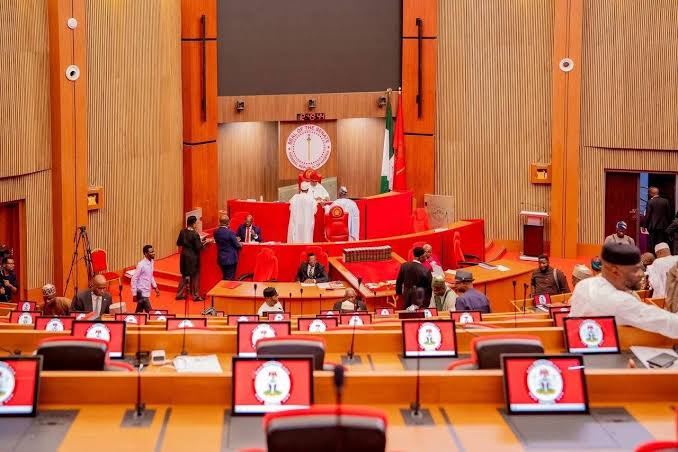
Amid longstanding concerns over the possible abuse of state police by governors and the danger of conflicting authority between federal and state security agencies, the Senate has called for urgent legislation to clearly define the powers, responsibilities and operational boundaries of the proposed decentralised policing system.

The upper chamber warned that the constitutional amendment establishing state police must be complemented by a comprehensive operational law to prevent jurisdictional disputes and ensure that the new security arrangement does not create conflicts between the Nigeria Police Force and police services to be established by the 36 states.

The demand came as President Bola Tinubu received the Constitution (Sixth Alteration) Bill, 2026, following its approval by all 36 state Houses of Assembly, clearing a major constitutional hurdle in the proposed restructuring of Nigeria’s policing architecture.

Although the amendment has secured the required legislative endorsements, concerns have persisted over the possibility of state governors deploying police formations against political opponents, intimidating dissenting voices or interfering in electoral processes, particularly in states where political competition is intense.

The fears have featured prominently in the national debate over state police, with opponents of decentralised policing warning that placing armed security personnel under the control of state authorities without adequate safeguards could expose citizens to political intimidation and abuse of power.

Supporters, however, have maintained that state police would improve intelligence gathering, strengthen community policing and enable faster responses to security threats, particularly in rural communities where federal police presence is inadequate.

Against this background, the Senate insisted that the proposed National Policing Bill must establish clear lines of authority, operational responsibilities and mechanisms for cooperation between the two policing structures before the new arrangement becomes operational.

Leading debate on a motion of urgent public importance, Senate Leader Opeyemi Bamidele urged Tinubu to forward the operational legislation to the National Assembly for scrutiny and passage, stressing that constitutional recognition of state police alone would not resolve the practical challenges of implementing the system.

Bamidele said the legislation was necessary to define the powers and responsibilities of state police services, establish their relationship with the Nigeria Police Force and provide safeguards against jurisdictional conflicts.

He urged the chamber to mandate the Clerk to the National Assembly, Kamoru Ogunlana, to transmit the constitutional amendment to the President in accordance with the Acts Authentication Act, 2004, while formally requesting the submission of the National Policing Bill for expeditious consideration.

“Thank Mr. President for taking ownership and boldly supporting the Bill throughout the process; and also urge him to forward the National Policing Bill that will enable the operationalisation of subnational policing, for legislative scrutiny and expeditious passage by the National Assembly,” Bamidele said.

Senate President Godswill Akpabio reinforced the demand, warning that the next critical stage of the reform must address the relationship between federal and state police authorities to avoid overlapping powers and operational disagreements.

“The next step is to address the operationalisation of the system and ensure that there is no conflict between the State Police and the Federal Police.” Akpabio described the constitutional amendment as a major achievement of the 10th National Assembly, expressing confidence that state police could contribute significantly to tackling insecurity across the country.

“This is a legislation that will not be forgotten. It is a major achievement of the 10th National Assembly.”

Akpabio also expressed optimism that the establishment of state police could address about 70 per cent of Nigeria’s security challenges, although he acknowledged that the success of the initiative would depend on an effective operational framework.

Deputy Senate President, Barau Jibrin, said the proposed state police system was intended to complement, rather than replace, the Nigeria Police Force, arguing that cooperation between both institutions would strengthen the country’s response to security threats.

“This is a collective achievement that deserves to be celebrated. The proposed State Police system is designed to complement the operations of the Nigeria Police Force, strengthening our overall policing structure and enhancing our capacity to address security challenges across the country,” Jibrin said.

Meanwhile, the Presidency has confirmed that Tinubu had formally received the constitutional amendment after its endorsement by all 36 state legislatures, surpassing the minimum approval of 24 states required under Section 9(2) of the Constitution.

Chief of Staff to the President, Femi Gbajabiamila, disclosed in a statement on Wednesday that the bill was transmitted to the President by his Special Advisers on Senate and House of Representatives Matters, Basheer Lado and Wasiu Olanrewaju-Smart.

Gbajabiamila said the President would review the amendment in consultation with the Attorney-General of the Federation before giving his assent at a formal signing ceremony.

He explained that the proposed National Policing Bill, which would establish the legal and administrative framework for the new security structure, was still undergoing executive consideration.

As Chairman of the Presidential Working Group on State Police, Gbajabiamila disclosed that the group had completed extensive stakeholder engagements and nationwide consultations towards developing the operational legislation.

He said the draft had been submitted to the Federal Ministry of Justice for legislative drafting validation, after which it would be reviewed by the working group and presented to the President.

“Upon receipt of the validated version, the Working Group will review it and present it, alongside its report, to Mr President for consideration,” he said.

Gbajabiamila commended the leadership and members of the National Assembly, the 36 state governors, state legislatures and other stakeholders for their contributions to the constitutional amendment process.

The renewed push for an operational law comes against the background of decades of controversy over decentralised policing in Nigeria, with successive administrations confronting demands for state-controlled security formations as insecurity spreads across the country.

While advocates have consistently argued that policing should be brought closer to communities to improve intelligence gathering and response times, critics have pointed to the country’s political history and the potential for governors to use state-controlled security agencies to suppress opposition activities, influence elections and settle political disputes.

The controversy has also raised questions about the independence of state police leadership, recruitment standards, funding, disciplinary procedures, accountability and mechanisms for resolving disputes between federal and state authorities.

These concerns have made the proposed National Policing Bill a critical component of the reform, as lawmakers seek to establish a framework that would strengthen local security without creating competing centres of coercive authority.

With the constitutional amendment now before Tinubu, attention is shifting to the proposed operational legislation and the safeguards it will provide against political interference, abuse of authority and jurisdictional conflicts between the two policing structures.

Tinubu unveils first University of Public Relations and Leadership

0

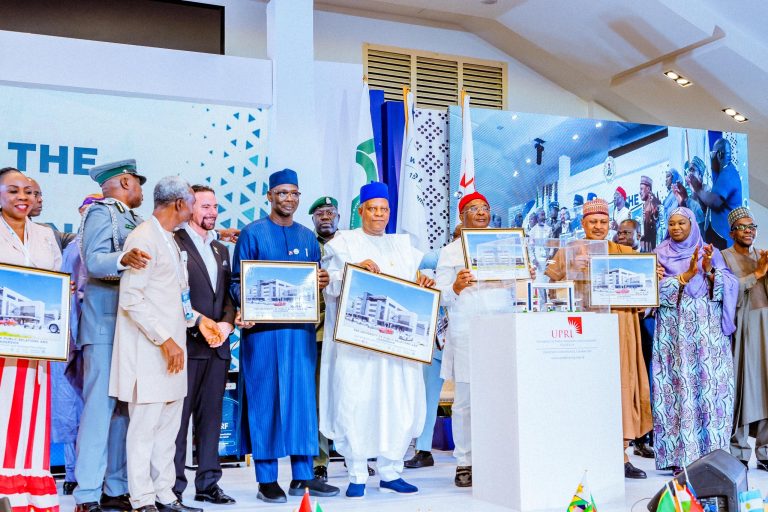
President Bola Tinubu has unveiled Nigeria’s first University of Public Relations and Leadership, approving the specialised institution to advance professional training, research and leadership development amid growing concerns over misinformation, disinformation and declining public trust.

Tinubu, represented by Vice-President Kashim Shettima at the opening of the 38th World Public Relations Forum (WPRF) and fifth African Public Relations Association Conference in Abuja on Wednesday, said the institution would equip communication professionals to confront the challenges of artificial intelligence and rapidly changing digital technologies.

Tinubu described the university, located in Nasarawa State, as a lasting legacy of Nigeria’s hosting of the global forum and an investment in the future of responsible communication.

“I am pleased to formally approve and support the establishment of the University of Public Relations and Leadership, a pioneering initiative designed to advance specialised education, research, professional development and leadership training in public relations, strategic communications and related disciplines.”

He commended the Nigerian Institute of Public Relations (NIPR), Federal Ministry of Information and National Orientation and Nasarawa State Government for collaborating on the initiative, particularly acknowledging Governor Abdullahi Sule’s commitment to the project.

Speaking on the forum’s theme, “Responsible Communication: The Voice of the World,” Tinubu challenged practitioners to move beyond image and reputation management to promote truth, accountability, transparency and constructive engagement between governments and citizens.

He said responsible communication was essential to democratic governance, economic development and public confidence in institutions, urging practitioners to uphold the highest ethical and professional standards.

The President also highlighted Nigeria’s economic and demographic potential, projecting that its population would reach 440 million by 2050, making it the world’s third most populous country.

He said six of Africa’s 10 unicorn companies were Nigerian, citing Flutterwave, OPay, Interswitch, Andela, Moniepoint and Moove as examples of the country’s growing technology ecosystem.

Tinubu urged international delegates to explore investment opportunities in Nigeria’s technology, creative industries, tourism and other sectors.
“Nigeria welcomes you. Nigeria is open for partnership, and Nigeria is ready to engage with the world,” he said.

Kenyan President William Ruto, represented at the forum, urged African governments to make communication central to policymaking, warning that public trust could not be manufactured through publicity but must be earned through honesty, transparency and accountability.

He disclosed that Kenya adopted a National Communication Policy in August 2026 to ensure that government institutions provided citizens with timely, accurate and accessible information.

Minister of Information and National Orientation, Mohammed Idris, called for stronger professional ethics and international cooperation against misinformation, warning that the misuse of digital platforms could deepen divisions and threaten security.

“Our communication should build bridges, not walls,” he said, urging governments to communicate openly, journalists to uphold professional standards and public relations practitioners to embrace transparency.

NIPR President, Ike Neliaku, disclosed that 2,837 delegates had attended the forum as of yesterday, describing it as the largest gathering in the event’s history.

He said the conference would address professional development, youth participation, women’s leadership, community relations and peacebuilding, alongside a cultural festival and a social responsibility initiative to feed 10,000 people.

“Public relations is not propaganda. Public relations is a business of trust,” Neliaku declared.

President of the Global Alliance for Public Relations and Communication Management, Justin Green, commended Nigeria for securing the hosting rights, saying the country’s determination had attracted delegates from 126 countries.

Green also described the University of Public Relations and Leadership as the world’s first university dedicated to the profession and praised the Nasarawa State Government for supporting the initiative.

African Public Relations Association President, Arik Karani, commended Nigeria’s leadership in professional regulation, noting that its public relations legislation had provided a model for other African countries.

“Nigeria is the table when we are discussing public relations,” he said, urging Africa to take a more active role in shaping global communication standards.

“I Want Peace Restored in Oyo, APC Before My Arrival on Saturday” — Tinubu Tells Adelabu

0

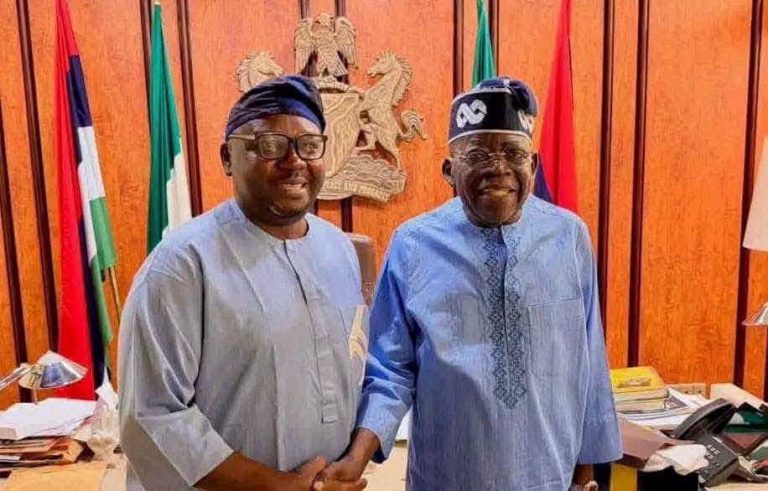
President Bola Ahmed Tinubu called for peace and reconciliation within the Oyo State chapter of the All Progressives Congress (APC) ahead of his scheduled visit to the state on Saturday.

The President made the statement last night while meeting with Chief Adebayo Adelabu, the immediate past Minister of Power, urging him to ensure that peace returns to the party before his arrival. Kogi ​‌‌‍​‍‍⁠⁠‍‍‍‍⁠⁠‌​‌‌​Senatorial Ticket: Court strikes out Obaro’s suit against Yahaya Bello

The Federal High Court in Abuja on Thursday struck out a suit filed by Mr Momoh Obaro, challenging the emergence of former Gov. Yahaya Bello as the All Progressives Congress (APC)’s candidate for the 2027 Kogi Central Senatorial District election.

Delivering judgment, Justice Inyang Ekwo, held that the plaintiff, Obaro, failed to exhaust the party’s internal dispute-resolution process before filing the suit.

Justice Ekwo, in his ruling on Bello’s and other defendants’ preliminary objections, found that the case was premature and was accordingly struck out.

The judge also found that the results of the May 18 primary poll Obaro presented were not signed by the chairman and secretary of the committee that conducted the primary.

Speaking to journalists after the ruling, Bello’s lawyer, Paul Daudu, SAN, said the court could not give Obaro’s documents “probative value in law.”

He added that the plaintiff’s case was based on documents the court considered not genuine, describing them as a “scam.”

Daudu said the ruling meant Bello remained the APC candidate for the senatorial election.

It was reported that Obaro, had filed the suit, seeking to void the ex-govenor’s APC senatorial ticket.

Obaro, in the suit marked: FHC/ABK/CS/1085/2026 filed by his lawyer, Kimi Appah, sued APC, Bello and Independent National Electoral Commission (INEC) as 1st to 3rd defendants respectively.

The plaintiff, in the originating summons filed on May 29, urged the court to declare that having scored the highest number of lawful votes cast on May 18 primary poll, he was the lawful winner whose name should be forwarded to INEC as APC’s candidate.

He, therefore, prayed the court to restrain APC from forwarding Bello’s name as party’s candidate to INEC for the 2027 senatorial poll.

Obaro also sought an order of mandamus compelling the APC to forthwith recognise and forward his name to INEC as duly and validly nominated candidate for the senatorial seat, among others.

In the affidavit he personally deposed to, Obaro alleged that Bello was not screened and cleared as aspirant in the poll.

He said he was, however, shocked to hear that Bello was declared the winner of the election and his name forwarded to INEC.

He prayed the court to grant his reliefs.

Also in his further affidavit in response to Bello’s counter affidavit, Obaro alleged that though the ex-govenor completed and submitted his Expression of Interest (EoI) Form and Nomination Form in respect of the primary election, Bello allegedly withdrew from the poll voluntarily.

He said the said letter of voluntary withdrawal was submitted to the APC’s appropriate authorities and was never withdrawn by him before the conduct of the primary election.

But Bello, APC and INEC, in their separate responses, prayed the court to dismiss the suit.

In his preliminary objection filed by Joseph Daudu, SAN, the ex-governor prayed the court to dismiss the suit in limine for being fundamentally defective, incompetent and for vesting no jurisdiction on the court to adjudicate thereon.

Daudu argued that the plaintiff’s written address failed to comply with the mandatory provision of Paragraph (7) of the Federal High Court (Pre-Election) Practice Directions, 2026 (as amended), among other reliefs.

Bello, in his counter affidavit he deposed to, said contrary to Obaro’s claim, he scored the highest number of lawful votes while the plaintiff polled a distant third place.

He said while the plaintiff polled 188 votes, he scored 72, 999 votes.

He argued that Obaro had failed to produce before the court the aunthentic and official result sheet by the duly constituted primary election committee.

He said he was screened, cleared and certified and found qualified to contest in the poll, contrary to the plaintiff’s claim.

He said following his declaration as winner of the poll monitored by INEC, the party submitted his name as valid candidate.

He vehemently denied withdrawing from the election in his further counter affidavit.

APC and INEC, in their separate court documents, also urged the court to dismiss the suit.

In its counter affidavit deposed to by Muhammad Ayuba, an administrative officer in Litigation and Prosecution Department, INEC said it monitored the election in compliance with the laws.

The commission said the election which was contested by three aspirants, was won by Bello, having polled the highest number of valid votes and was returned as the winner of the primary.

It argued that all the reports from the electoral officers who monitored the primary election exercise at various wards in the five LGAs constituting the Kogi Central Senatorial District clearly shows that the election was conducted substantially in compliance with the provisions of the Electoral Act, 2026.”

FG moves against illegal arms, destroys 18,000 firearms

0

•Ribadu raises alarm over possible return of seized guns to criminals
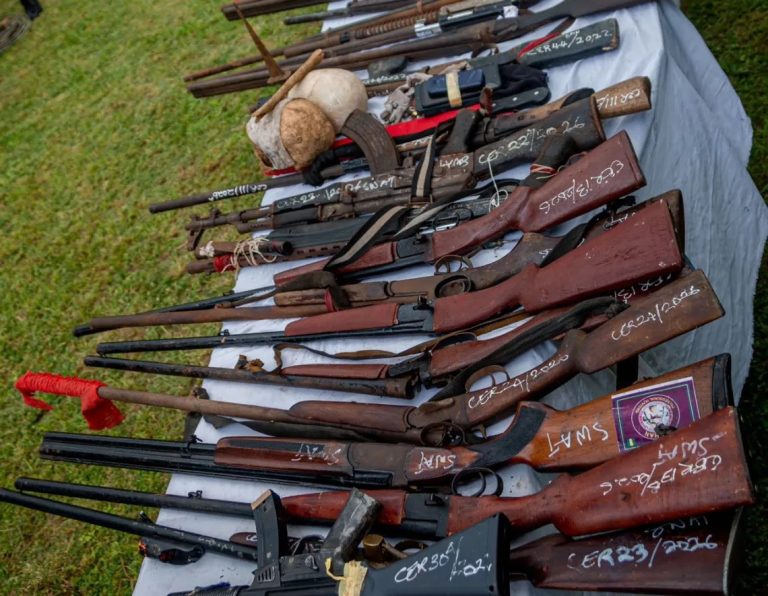
The Federal Government has recovered 22,377 illicit small arms and light weapons across the country, destroying more than 18,000 of them in a renewed effort to curb the proliferation of firearms fuelling terrorism, banditry, kidnapping and other violent crimes.

Director-General of the National Centre for the Control of Small Arms and Light Weapons (NCCSALW), Johnson Kokumo, disclosed this in Abuja on Wednesday during the public destruction of another batch of about 1,000 illicitly acquired, decommissioned and unserviceable firearms.

Kokumo said the Nigeria Police Force accounted for the largest share of the recovered weapons, with 11,907 firearms seized during security operations across the country.

He described the destruction exercise as a practical and irreversible contribution to national security, noting that permanently removing illicit weapons from circulation would weaken the operational capacity of terrorists, bandits, kidnappers and other armed groups.

“Every weapon that goes into the furnace today is a weapon that can never again be used to threaten a community, terrorise innocent citizens or facilitate criminal and terrorist activities,” he said.

Kokumo commended the Armed Forces of Nigeria, Department of State Services, Nigeria Customs Service and other security and intelligence agencies for their collaboration in recovering and surrendering illicit firearms for destruction.

He disclosed that the centre was strengthening cooperation with international partners to identify and disrupt external supply channels and trafficking routes through which illegal weapons enter the country.

The NCCSALW boss reaffirmed the centre’s commitment to sustained arms recovery, effective stockpile management and the destruction of illicit firearms as part of efforts to strengthen national security.

Speaking at the event, the National Security Adviser (NSA), Nuhu Ribadu, warned that the proliferation of illicit firearms remained a major factor sustaining terrorism, insurgency, banditry, kidnapping and communal violence across the country.

Ribadu, represented by the National Coordinator of the National Counter-Terrorism Centre (NCTC), Major General Adamu Laka, said the widespread availability of illegal weapons continued to strengthen criminal networks, prolong violent conflicts and undermine security operations.

He cautioned that firearms recovered from criminal groups could find their way back into circulation if they were not properly documented, secured and eventually destroyed.

“Terrorism, insurgency, banditry, kidnapping and communal conflicts are all sustained by the availability of illegal weapons.

“Every weapon recovered by our security agencies and eventually destroyed represents a threat permanently neutralised,” he said.

The NSA stressed that recovering firearms without ensuring their permanent disposal could undermine the gains recorded by security agencies in the fight against armed criminality.

“However, recovery alone is not enough. Weapons that are seized but poorly treated, stored or accounted for risk re-entering circulation.

“Public destruction, as we witnessed today, closes that loop decisively and ensures that these weapons can never again threaten our citizens,” Ribadu said.

He explained that the Federal Government, under President Bola Tinubu, was implementing a comprehensive security strategy anchored on intelligence-led operations, inter-agency collaboration, disruption of criminal and terrorist financing networks and engagement with international partners.

Ribadu said the destruction of recovered firearms complemented ongoing military and security operations by denying terrorists, insurgents and other criminal elements access to weapons.

He also underscored the importance of international cooperation in tackling illicit arms trafficking, commending the NCCSALW for strengthening collaboration with the Ministry of Foreign Affairs to identify external sources of illegal weapons and their financing networks.

The NSA urged Nigerians to support security agencies with timely and credible intelligence on the illegal possession, manufacture and movement of firearms, stressing that tackling insecurity required the collective involvement of communities, traditional and religious institutions and ordinary citizens.

“Security is not the responsibility of government and its agencies alone. It requires a whole-of-society approach involving communities, traditional and religious institutions and ordinary citizens,” he said.

He particularly appealed to traditional and religious leaders to promote peace, tolerance and peaceful coexistence while addressing conditions that expose young people to recruitment by armed groups.

Ikeja ​‌‌‍​‍‍⁠⁠‍‍‍‍⁠‍​⁠‌‌​Electric blames power outages on reduced grid allocationOutage

0

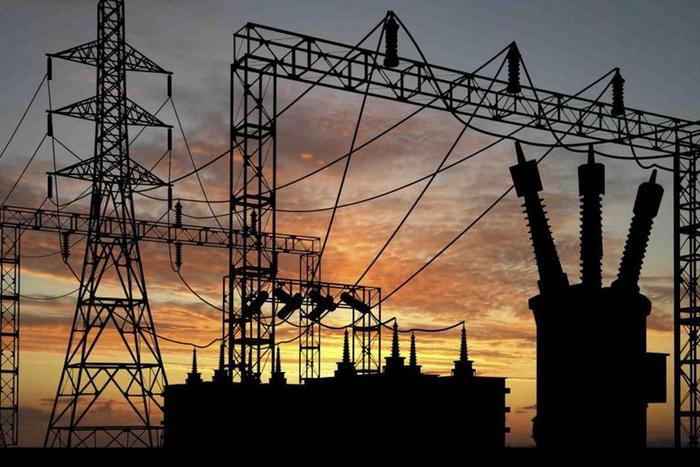
Ikeja Electric has attributed the poor electricity supply across its network to load shedding caused by reduced power allocation from the national grid.

Mr Kingsley Okotie, Head of Corporate Communications, Ikeja Electric, disclosed this in a telephone interview with the News Agency on Thursday in Lagos.
Okotie said that stakeholders across the power value chain were working to address the challenges responsible for the inadequate electricity supply.

He appealed to customers to be patient and understanding, assuring them that efforts were ongoing to resolve the situation.

“We passionately appeal to our customers to bear with us at this difficult moment as the inherent constraints and challenges are being addressed head-on by all stakeholders within the power value chain,” he said.

He regretted the inconvenience caused by the outages and pleaded for customers’ understanding.

It was reported that residents of Somolu, Igbobi and Fadeyi communities in Lagos on Wednesday protested against persistent power outages in their areas.

The protesters took to the streets with placards and chanted solidarity songs, demanding improved and stable electricity supply from the distribution company.
Some of the placards read: “We Need Light, Not Darkness,” “Stop Estimated Billing,” and “Ikeja Electric, Give Us Power.”

The residents said that many households and small businesses in the affected communities had been without electricity for days, and in some cases weeks, without adequate explanation from the company.

Shehu Sani Condemns Arrest of Eight Nigerians Over Car Theft in Canada

0

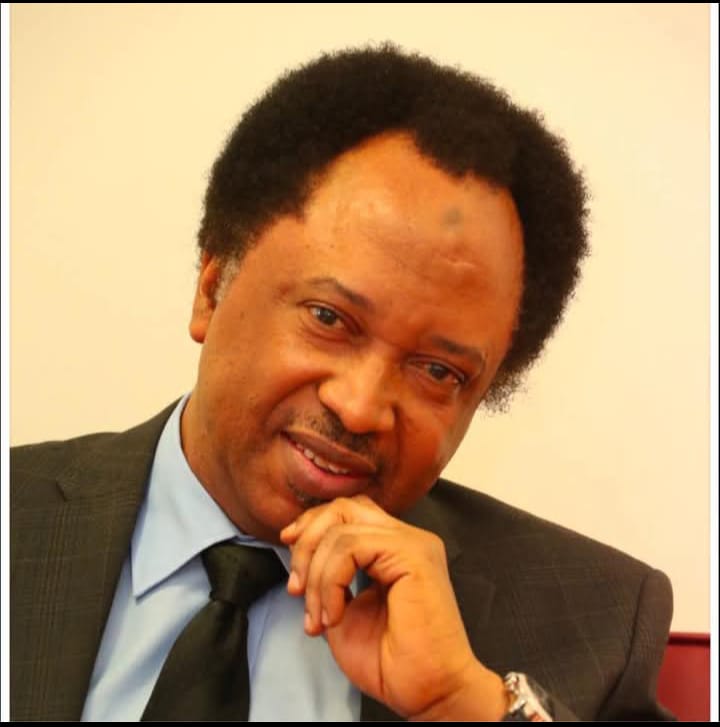
Former Senator representing Kaduna Central, Shehu Sani, has condemned the reported arrest of eight Nigerians in Canada over alleged car theft and the exportation of stolen vehicles to Nigeria.

Sani described Canada as one of the most hospitable countries in the Western world to Nigerians, expressing concern over the alleged criminal activities.

In a statement, the former lawmaker urged Nigerians to condemn the actions of those involved, warning that the criminal activities of some citizens abroad could tarnish the reputation of law-abiding Nigerians.

He added that such conduct could negatively affect Nigerians living and working abroad, as well as those seeking to travel to other countries.