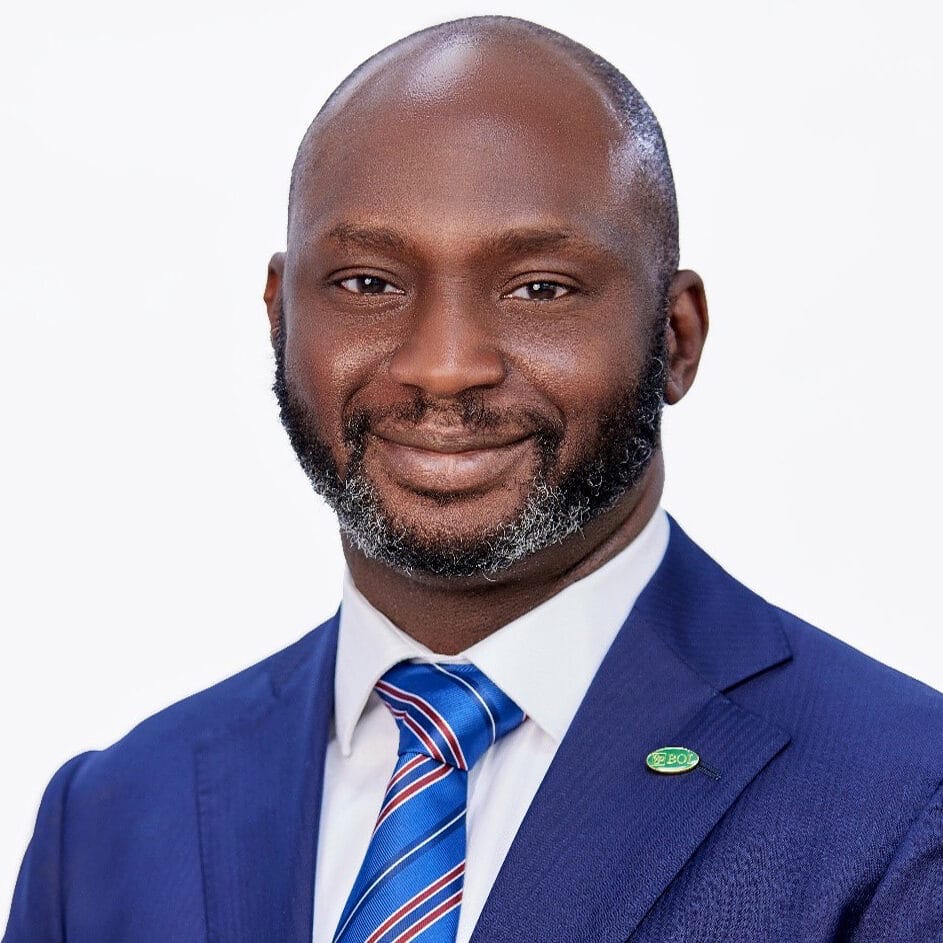
Managing Director/Chief Executive of the Nigeria Social Insurance Trust Fund (NSITF), Mr Oluwaseun Faleye, says social security should be considered as an investment in human dignity, social stability and economic resilience, not merely as an administrative mechanism.
He spoke on Friday in Lagos at the annual workshop of the Labour Writers Association of Nigeria (LAWAN), themed: “Workers at the Centre of Nigeria’s Political Transition: Defending Rights, Advancing Welfare and Building Economic Justice.”
In a paper presentation titled “Social Security and Workers’ Welfare in Nigeria’s Political Transition: Closing the Protection Gaps and Building a Sustainable Safety Net,” the NSITF MD stressed that social security is about creating a system that provides protection when people face circumstances beyond their immediate control.
Represented by the Deputy General Manager and Head of Corporate Affairs, Alexerdra Mede, the NSITF boss commended LAWAN for sustaining a platform for dialogue on issues affecting Nigerian workers.
He said social security must protect workers facing occupational injuries, disabilities and other circumstances that threaten their livelihoods.
“When we discuss social security, we sometimes become preoccupied with institutions, regulations, contributions and statistics. But at its heart, social security is about people,” he said.
He noted that technological advancements, artificial intelligence, automation, remote work and the growing gig economy were changing employment patterns and creating new challenges for workers’ protection.
Faleye questioned how social security could be extended to digital-platform workers and those operating outside traditional employment arrangements, warning that technological progress must not leave workers economically active but inadequately protected.
He said closing protection gaps required improved awareness, employer compliance, accessible services, reliable data, efficient institutions and sustained collaboration among stakeholders.
Faleye described the Employees’ Compensation Scheme administered by NSITF as an important instrument for protecting employees against work-related injuries, disabilities and occupational risks, and a social compact between workplace, employer, worker and wider society.
He said its effectiveness depends significantly on awareness and compliance by employers, who must understand their responsibilities.
He called for concerted efforts by government, labour, employers, media and development partners to build a sustainable safety net that ensures Nigerian workers and their families are protected against economic and social risks, especially during the country’s political transition.
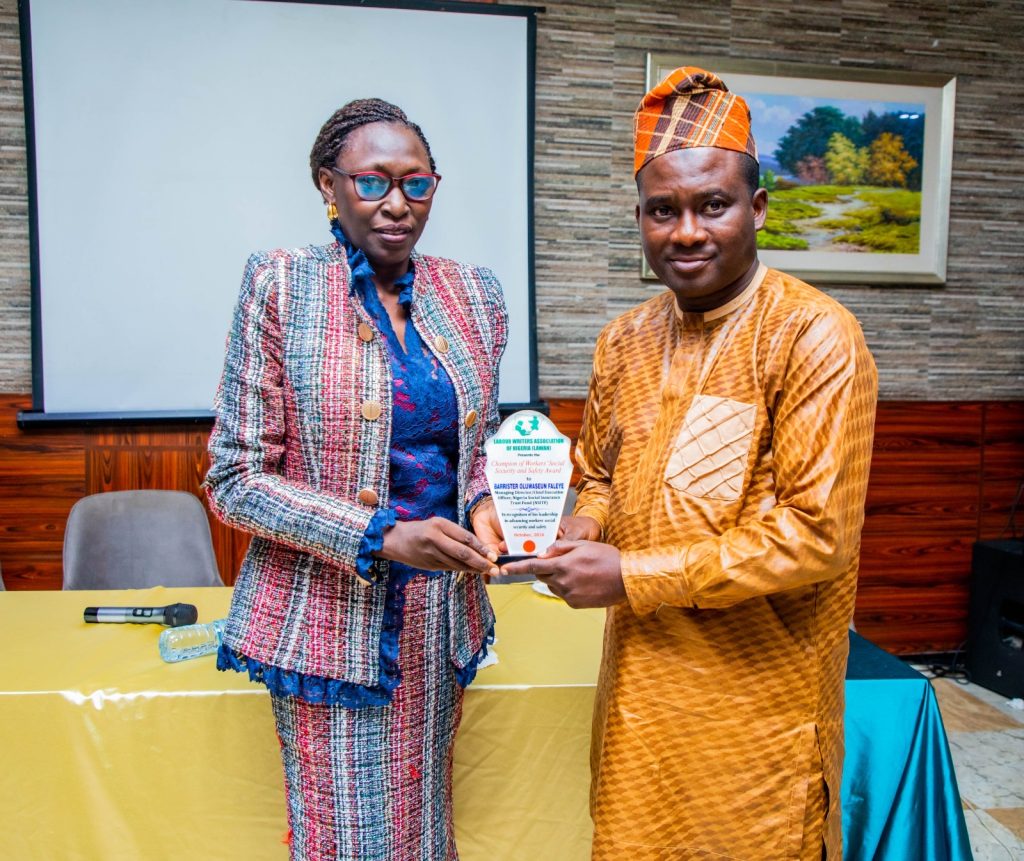
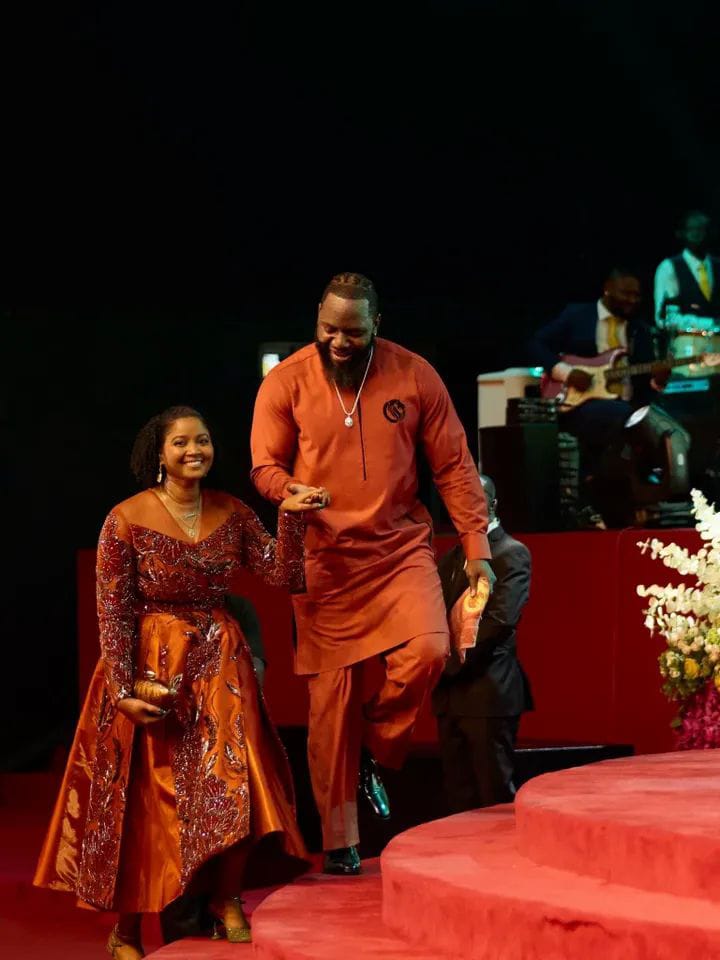
At the colourful event, LAWAN honoured Faleye with the Champion of Workers’ Social Security and Safety Award in recognition of his leadership in advancing workers’ social security and safety.
The Independent National Electoral Commission (INEC) has flagged 268 voter records over suspected artificial intelligence-generated photographs and other irregularities, as it begins cleaning up the preliminary Register of Voters ahead of the 2027 general election.
The commission’s Director of Information and Communication Technology, Lawrence Bayode, disclosed this during an interview on Channels Television’s Sunday Politics, explaining that its Automated Biometric Identification System (ABIS) had identified the affected records for further investigation.
Bayode said INEC was reviewing all 268 entries to establish which contained AI-generated photographs or other forms of manipulation before taking corrective action.
“What we are currently doing now is looking at all these 268 records that ABIS already flagged as AI-generated or even something of irregularities,” he said.
He also raised concerns about the alleged misuse of special registration, an option created for persons with disabilities who have incomplete fingers or no fingers.
According to him, some individuals allegedly exploited the provision and used official credentials to create questionable voter profiles, an irregularity the commission’s biometric system detected.
Bayode, however, clarified that INEC would not remove every photograph that had been enhanced with artificial intelligence.
He explained that there was a difference between images generated entirely by AI and genuine photographs improved with AI-powered tools on mobile phones.
“Those that we know it is the AI on the phone that helped enhance their pictures, we can’t exclude such people because it was the AI on the phone that does that,” he said.
He added that only photographs confirmed to have been generated by AI would be removed, stressing that the commission had already started addressing the affected records.
The development follows public concerns over INEC’s preliminary Register of Voters, which was published online on October 26.
Screenshots circulated on social media showing questionable photographs attached to voter records, including entries reportedly linked to parts of Edo State.
The controversy also raised questions about alleged duplicate registrations and reports that the names of deceased persons appeared on the register.
INEC had explained that the online publication was the same preliminary register displayed physically at Registration Areas across the country from October 9 to 15.
The commission stressed that the register was not yet the final certified version, noting that the display exercise was intended to give Nigerians an opportunity to identify errors, challenge questionable entries and report inaccuracies before certification.
INEC said it would complete the necessary verification, adjudication and data-cleanup exercises before certifying the final Register of Voters on December 15, 2026.
Governors Peter Mbah of Enugu State, Hope Uzodimma of Imo State, Francis Nwifuru of Ebonyi State, and Charles Soludo of Anambra State have called on the people of Southeast region to vote massively for President Bola Tinubu in the 2027 presidential election and ignore every form of deceit and political distractions.
The governors made the call during the All Progressives Congress (APC) Women Mega Rally and Empowerment Programme for the South East, flagged off by the First Lady, Senator Oluremi Tinubu, at the Okpara Square, Enugu, last Saturday.
Speaking, the host governor, Dr. Peter Mbah, urged the people of the region to support Tinubu’s re-election bid to enable him to consolidate the gains of his administration’s economic reforms.
He attributed ongoing development projects, including the construction of primary healthcare centres and the federal government’s economic reforms.
“If I ask what future you want for your children, I’m sure you are seeing that future unfold gradually through the bold and courageous reforms of Mr. President. It is through those reforms that enough money has been made available to all the states. Which is why, in Enugu, when you look around you, you will see the Smart Green Schools, Type 2 Primary Healthcare Centres, and numerous other projects and initiatives we have undertaken in just three years.
“This is happening because of the bold and courageous reforms of Mr. President and we know the job is not finished yet. A good sailor does not abandon his ship mid-sea because of challenges. So, we must finish the journey we all started together. We must come out on January 16 with our PVC and ensure that the good work Mr. President is doing will continue.
“Don’t listen to any voice; those voices telling us a different thing. We, the Igbo, have gone to communities outside our zone to build businesses. And we also know how to build relationships. And that is being put to test. We are not a people that are ethnic bigots. We are a people that are strategic.
“And that is why we must all come out in our numbers and support Mr. President to continue the good work. Support all our APC candidates to ensure that they are returned come January and February,” he emphasised.
Speaking on the empowerment programme targeting 5,000 women across the South East, Mbah said the initiative followed the empowerment of more than 2,000 women, including payment of hospital bills in Enugu by the First Lady, within 48 hours.
“When you empower a woman, you strengthen the family. When you empower a woman, you build a strong community,” he said.
Also speaking, Governor Uzodimma reiterated the commitment of the region to supporting Tinubu’s re-election in 2027. He explained that Igbo had experienced marginalisation for over 60 years, but were beginning to witness a new era of political inclusion and development under Tinubu. He commended the president for expanding the scope of infrastructure and economic development in the South East.
“We are now seeing good roads, electricity, health reforms, as well as educational reforms in the country. A winning team must not be changed,” he said.
The governor urged the electorate to sustain the current development trajectory, saying the federal government’s economic reforms had increased resources available to states for development.
“We have more money to build Okigwe to Owerri, Umuahia to Owerri, Orlu to Owerri and Owerri to Port Harcourt roads,” he said.
Like Mbah, Uzodimma added that the improved financial position of the state had enabled his administration to pay salaries and pensions consistently, including 13th-month salaries for workers.
In his remarks, Governor Nwifuru said that the number one mission for Ndigbo in 2027 elections was to re-elect President Tinubu, describing the APC as the only political party with a clear and identifiable manifesto capable of sustaining the country’s development and truly advancing the course of Ndigbo.
He dismissed suggestions of his involvement in any political coalition, stressing that his loyalty remained with the APC, urging his supporters to vote for APC candidates at all levels in the 2027 elections.
Similarly, Soludo, represented by his Deputy, Dr. Gilbert Ibezim, said the South East has a responsibility to support Tinubu’s re-election in appreciation of his administration’s achievements, adding that the region stands to benefit more from continued collaboration with the federal government.
Also speaking, the Deputy Speaker of the House of Representatives, Hon. Benjamin Kalu, urged Igbo to embrace political inclusion by supporting Tinubu’s re-election.
Kalu said the Igbo had not produced a president of Nigeria in the past 60 years, and was, therefore, not party to any one-term arrangement for the Presidency of Igbo extraction by anybody. He, however, stressed that the Igbo needed to strengthen its political alliances across the nation to actualise a full two-term Igbo presidency in the near future.
He recalled that Tinubu, while serving as governor of Lagos State, maintained cordial relationships with Igbo and included them in his cabinet. He commended the Tinubu administration for establishing the South East Development Commission (SEDC). He described it as a major step towards addressing the region’s developmental challenges.
Meanwhile, addressing the rally, the First Lady conveyed President Tinubu’s goodwill message and urged Nigerians not to be discouraged by the economic challenges associated with the President’s reforms, insisting that the country is moving towards prosperity. She likened the process to childbirth, noting that although the period of labour could be painful, it ultimately led to delivery.
“Mr. President said I should greet everyone. We have done reforms and we are now in prosperity. Don’t allow anyone to deceive you. The worst is over. We are stepping into prosperity,” she said.
The First Lady described the empowerment initiative as an indication of the APC government’s commitment to translating its promises into practical interventions, noting that the party was combining political mobilisation with economic support.
The First Lady urged the women to mobilise support for President Tinubu and APC candidates in the forthcoming 2027 general elections, asking them to hold political aspirants accountable for their records of empowerment and development interventions.
Other dignitaries at the massive rally were Wife of the Vice President, Hajiya Nana Shettima; wife of the Senate President, Mrs. Uloma Akpabio; wives of the South East governors; Minister of Industry, Trade and Investment, Dr. Doris Uzoka-Anite; Minister of Innovation, Science and Technology, Dr. Kingsley Udeh (SAN); and Minister of Women Affairs and Social Development, Hajiya Imaan Sulaiman-Ibrahim.
Also present were the APC Deputy National Chairman (South), Dr. Ben Nwoye; National Women Leader of the APC and Director-General of the Women Wing of the Presidential Campaign Council, Dr. Mary Alile-Idele; South East Zonal Woman Leader of the APC, Dr. Oby Ajih; members of the National and State Assemblies, local government chairmen, and other party stakeholders.
Ruling party cites N4trn debt settlement, reforms; Atiku says excuses cannot light homes
ADC candidate demands accountability, promises to scrap electricity tariff bands
The All Progressives Congress (APC) Presidential Campaign Council’s acknowledgement that Nigeria’s electricity crisis remains unresolved has intensified the political confrontation over President Bola Tinubu’s 2023 campaign promise to provide steady power, with former Vice President Atiku Abubakar insisting that the President must account for his pledge or face rejection at the 2027 polls.
While the APC defended the administration’s electricity reforms, N4 trillion debt settlement programme and infrastructure investments as evidence of progress, Atiku dismissed the interventions as insufficient, arguing that laws, bonds and project announcements could not substitute for reliable electricity in Nigerian homes and businesses.
At the centre of the controversy is Tinubu’s declaration during the 2023 presidential campaign that Nigerians should not vote for him again if he failed to provide constant electricity within four years, a commitment the APC now says must be considered alongside the structural challenges inherited by the administration and the measures taken to address them.
The ruling party’s Presidential Campaign Council, through its spokesman, Dele Alake, acknowledged on Sunday that efforts to resolve the country’s longstanding electricity problems remained unfinished, but insisted that the administration had made progress in addressing the financial, regulatory and infrastructure deficiencies affecting the sector.
“Fixing the electricity market and power sector is ongoing work,” Alake said, maintaining that the President’s performance should be assessed against improvements in electricity supply, metering, infrastructure and the stability of the electricity market.
Atiku, however, rejected the explanation, accusing the ruling party of attempting to reinterpret a straightforward campaign commitment at a time Nigerians continued to grapple with blackouts, estimated billing, high electricity tariffs and the rising cost of alternative power.
In a statement issued by the Director of Strategic Communication of the African Democratic Congress (ADC) Presidential Campaign Council, Phrank Shaibu, the former Vice President said Tinubu had voluntarily invited Nigerians to judge his performance on electricity supply before considering his re-election and should therefore be prepared to account for the promise.
“The APC should spare Nigerians the spectacle of celebrating paperwork while homes and businesses remain in darkness. After three and a half years, families still struggle to keep their homes lit.
“Traders and small business owners spend scarce resources on alternative power, yet struggle to keep their businesses alive. Nigerians are billed for electricity they cannot rely on. President Tinubu promised steady power and an end to estimated billing. That promise has not been kept,” he said.
The exchange has brought the administration’s electricity record into sharper focus ahead of the 2027 general elections, with the APC seeking to demonstrate progress through legislation, financial interventions and infrastructure projects, while the ADC candidate insists that the relevant measure of performance is the availability and affordability of electricity to consumers.
Recalling Tinubu’s campaign undertaking, Atiku said the President had left Nigerians in no doubt about the standard by which he expected to be judged.
“When President Tinubu campaigned in 2022, he made an unmistakable commitment. He said: ‘If I don’t give you constant electricity for four years, when I come back for a second term, don’t vote for me.’
“Nigerians have lived through those four years. They do not need his campaign council to interpret his words for them. They need him to answer for them,” he stated.
Alake, however, argued that public commentary on the pledge had frequently ignored the concluding part of Tinubu’s declaration, in which he undertook to provide adequate explanations if he was unable to fulfil the promise before seeking another mandate.
The APC spokesman maintained that the administration had not abandoned the commitment, but was pursuing reforms intended to address longstanding structural and commercial problems that had undermined the electricity industry for decades.
He identified the Electricity Act, 2023, signed by Tinubu on June 9, less than two weeks after assuming office, as one of the administration’s major interventions.
According to him, the legislation liberalised the electricity sector, expanded opportunities for private investment and enabled state governments to participate more actively in electricity generation, transmission, distribution and regulation.
He said seven states — Lagos, Enugu, Abia, Ekiti, Oyo, Kaduna and Niger — had begun taking advantage of the law by establishing electricity regulatory agencies and attracting private investment.
Alake also disclosed that the administration inherited more than N6 trillion in accumulated legacy debts in the power sector between 2015 and 2025, a financial burden he said had weakened electricity generation companies and gas suppliers.
To address the problem, he said the Federal Government established a N4 trillion bond programme to settle verified debts owed to 21 generation companies and gas suppliers, with the first and second tranches raising more than N1.2 trillion.
He maintained that the intervention was necessary to improve liquidity, restore confidence in the electricity market and enable operators to sustain generation and attract additional investment.
Atiku, however, challenged the administration to demonstrate how the financial arrangements had translated into improved electricity supply, arguing that settling outstanding debts was not equivalent to expanding generating capacity or providing steady power to consumers.
He alleged that the administration had not constructed new generation infrastructure of its own to increase national electricity capacity, insisting that the government could not present debt settlement arrangements as fulfilment of its campaign promise.
“His administration has not built a single new generation infrastructure of its own to increase Nigeria’s power capacity. Yet it has floated a multitrillion-naira bond programme to settle legacy debts owed to generation companies, without showing Nigerians how this financial intervention has produced the steady electricity they were promised.
“Paying old debts is not the same as building new power infrastructure. Bonds cannot be presented as a substitute for power in people’s homes,” he said.
The disagreement also extended to the administration’s efforts to end estimated billing, another undertaking Tinubu made during the 2023 electioneering campaign.
Alake said the government introduced the Presidential Metering Initiative to address a deficit of more than seven million electricity meters, adding that over 1.5 million customers had been metered in the past three years.
He argued that the initiative demonstrated the administration’s commitment to improving billing transparency, reducing disputes between consumers and distribution companies and strengthening accountability in the electricity market. Atiku countered that the continued existence of estimated billing and unreliable supply showed that the administration had yet to deliver the improvements promised to electricity consumers.
He also criticised the service-based tariff system, under which customers are classified into Bands A, B, C, D and E and charged different rates according to their designated electricity supply categories.
According to him, Band A consumers in many areas pay about N209.50 per kilowatt-hour before Value Added Tax, while charges for other categories vary according to the state and electricity distribution company.
He argued that consumers were being subjected to increasing electricity costs without corresponding improvements in reliability, forcing households and businesses to spend additional money on generators, petrol, diesel and other alternative energy sources.
“Across Nigeria, consumers are placed in Bands A, B, C, D and E and charged different rates. In many areas, Band A customers pay about N209.50 per unit before VAT. Rates for the other bands vary by state and electricity provider. Yet across every band, the same hardship endures: the power fails, but the bill arrives.
“No family should have to weigh the cost of electricity against the cost of food. No business should be left to pay more while receiving less,” he stated.
Defending the tariff reforms, Alake said the service-based classification was introduced to improve the financial viability of electricity distribution companies, strengthen cash flow within the market and reduce the Federal Government’s subsidy burden.
He nevertheless acknowledged the challenge of balancing cost-reflective tariffs with affordability, saying the administration would continue exploring measures to protect low-income households while ensuring that electricity operators remained financially sustainable.
Atiku also demanded clarification of the government’s reported plan to end electricity subsidies from 2027, particularly the implications for consumers already struggling with high energy costs.
He said assurances that there would be no immediate tariff increase were insufficient without a clear explanation of how subsidy withdrawal would be implemented and who would ultimately bear the financial burden.
The former Vice President further raised concerns over Value Added Tax on electricity and provisions of the Nigeria Tax Act for a five per cent surcharge on certain fossil fuels, including petrol and diesel.
Although he acknowledged the government’s position that the surcharge had not been activated and would require a ministerial order, he maintained that Nigerians deserved an explanation of its potential implications.
“Meanwhile, Nigerians face VAT on electricity, and the Nigeria Tax Act provides for a five per cent surcharge on certain fossil fuels, including petrol and diesel. The government says the surcharge has not been activated and would require a ministerial order.
“At a time when families already struggle to meet the cost of energy, Nigerians deserve to know why another potential charge has been placed before them,” he said.
On electricity infrastructure, Alake disclosed that Tinubu had reviewed the Presidential Power Initiative inherited from former President Muhammadu Buhari’s administration and signed an acceleration agreement with German partners in December 2023.
According to him, the Federal Executive Council approved the first batch of contracts in December 2024 for the upgrade of five Transmission Company of Nigeria substations in major electricity load centres.
He said the projects were nearing completion and would be commissioned before the expiration of Tinubu’s first term.
The council, he added, approved another batch of projects in June 2026 for the construction of eight new substations and the upgrade of four existing facilities.
Alake also listed plans to modernise the more than 60-year-old Osogbo Grid Control Centre and construct an East-West super grid among measures intended to strengthen transmission capacity and improve the stability of electricity supply.
He cited solar electricity projects being implemented through the Rural Electrification Agency for universities, hospitals and rural communities as further evidence of the administration’s efforts to expand electricity access.
Atiku, however, maintained that the approval of projects and announcement of investment programmes could not be equated with electricity already delivered to homes, schools, hospitals and businesses.
“Dele Alake’s statement cannot light a home. Signing a law is not electricity. Raising a bond is not electricity. Approving a project is not power delivered. Nigerians cannot cook, study, work or sustain a business on announcements.
“President Tinubu invited Nigerians to judge him by his performance. They have done so. What they seek is simple: reliable electricity they can afford, and a government that keeps its word,” he said.
Outlining his own proposed alternative, the ADC presidential candidate promised to work with state governments and electricity regulators to abolish the existing tariff band classification system if elected President.
He said his administration would introduce a framework that prioritised affordability, transparency and accountability, while ensuring that electricity companies were held responsible for the quality and reliability of supply delivered to consumers.
According to him, an ADC administration would work “to abolish the present band system and replace it with a fair, transparent and affordable framework that protects households and holds power companies accountable for the electricity they deliver.”
“Steady power that Nigerians can afford will be a national priority,” he added.
Alake, however, insisted that Tinubu remained committed to his electricity campaign promise and would present Nigerians with the administration’s scorecard, including reforms undertaken, projects completed and outstanding challenges, as he sought a second term in 2027.
He maintained that the President’s record should be assessed in the context of the difficulties inherited by the administration and the interventions being implemented to improve electricity supply across the country.
BOI MD Olusi to Highlight Manufacturing Sector’s Role in Nigeria’s $1trn Economy Target at CICAN Workshop
BY TAIWO OGUNMOLA -OMILANI
The Managing Director and Chief Executive Officer of the Bank of Industry (BOI), Dr. Olasupo Olusi, is expected to highlight the importance of funding Nigeria’s manufacturing sector as a critical driver of industrialisation and the Federal Government’s ambition of achieving a $1 trillion economy by 2030 at the 2026 CICAN Annual Workshop and Awards Ceremony.
Olusi, who will serve as the Special Guest of Honour at the event, is also expected to outline the bank’s interventions in providing financial support to manufacturing businesses and other enterprises, as well as its role in strengthening local production, expanding industrial capacity and accelerating Nigeria’s economic development.
The event is scheduled for Thursday, November 19, 2026, at Protea Hotel, Alausa, Ikeja, Lagos, with the theme: “Implications of Mandatory ESG on Nigeria’s Business Climate Ahead of the 2030 Deadline Date.”
In an invitation letter dated October 26, 2026, jointly signed by CICAN National Chairman, Comrade Taiwo Ademola Hassan, and Secretary-General, Comrade Olufemi Orioye, the association said Olusi’s contributions to Nigeria’s economic development, particularly in industrialisation, manufacturing and enterprise development, informed his selection.
He is also expected to deliver a goodwill message highlighting BOI’s contributions to the Federal Government’s industrialisation agenda, particularly its support for local manufacturers and efforts towards achieving the $1 trillion economy target by 2030.
According to CICAN, the workshop will provide a platform for policymakers, industry leaders, manufacturers, entrepreneurs, financial institutions, regulators and the media to examine the implications of Environmental, Social and Governance (ESG) standards for businesses.
Discussions will also focus on strategies for promoting sustainability, regulatory compliance and business competitiveness, as well as the implications of Nigeria’s new tax regime for manufacturers.
The association said participants would examine how the new tax framework could affect production costs, business sustainability, investment, employment generation and the competitiveness of locally manufactured products.
Expected participants include representatives of the Manufacturers Association of Nigeria (MAN), Nigerian Association of Chambers of Commerce, Industry, Mines and Agriculture (NACCIMA), Lagos Chamber of Commerce and Industry (LCCI), Nigeria Employers’ Consultative Association (NECA), Nigerian Association of Small and Medium Enterprises (NASME), Nigerian Association of Small Scale Industrialists (NASSI) and the Centre for the Promotion of Private Enterprise (CPPE).
Lagos State Governor, Mr. Babajide Sanwo-Olu, is expected to serve as Chief Host, while the Minister of Industry, Trade and Investment, Dr. Jumoke Oduwole; Minister of State, Mr. John Owan Enoh; and Lagos State Commissioner for Commerce, Cooperatives, Trade and Investment, Mrs. Folashade Ambrose-Medebem, are among government officials expected at the event.
Other invited dignitaries include the Executive Chairman of the Nigerian Revenue Service, Dr. Zacch Adedeji; Director-General of the Standards Organisation of Nigeria, Mr. Ifeanyi Chukwunonso Okeke; Director-General of NAFDAC, Prof. Mojisola Adeyeye; Managing Director of the Development Bank of Nigeria, Mr. Tony Okpanachi; and Director-General of SMEDAN, Mr. Charles Odii.
The President of the Dangote Group, Alhaji Aliko Dangote, is expected to chair the occasion as Father of the Day.
CICAN, which has over 100 members drawn from leading print, broadcast and online media organisations, said the annual workshop forms part of its efforts to promote informed public discourse on commerce, industry, MSMEs and the broader Nigerian economy.
With public debt standing at N166.79 trillion as at June 2026 and the federal government seeking approval for another $21.7 billion in external loans, experts are genuinely raising red flags over the situation, calling on economic handlers to make a detour before the country is boxed into a debt trap.
According to them, the level of borrowing is unhealthy when compared to revenue generation.
They said the wide mismatch between debt and income creates a scenario that suggests the country may be gradually borrowing away its fiscal future and ultimately stall its development goals.
However, they noted that the growing concern is not necessarily that Nigeria is on the brink of sovereign default, but that the rising cost of servicing the existing obligations could progressively restrict the government’s ability to finance development, respond to economic shocks and meet the expectations of its citizens.
According to the Debt Management Office (DMO) data, Nigeria’s public debt comprised N91.59 trillion in domestic obligations and N75.20 trillion in external debt, representing 54.91 per cent and 45.09 per cent of the total portfolio, respectively.
The external debt position is particularly noteworthy, having increased by $2.6 billion quarter-on-quarter and $7.5 billion year-on-year to $54.5 billion in Q2 2026.
Last week, the federal government proposed a $21.7 billion borrowing programme, comprising $20.5 billion and €1.0 billion in external facilities under the 2026–2027 debt framework, as it aims to further expand the country’s exposure to foreign-currency obligations if fully utilised.
While the government maintains that the funds are necessary to address Nigeria’s infrastructure deficit and stimulate economic growth, the scale of the proposed borrowing raises questions about repayment capacity, fiscal flexibility and the long-term implications for public finances.
Indeed, the International Monetary Fund’s June 2026 assessment projected that the federal government’s interest payments would absorb approximately 53.7 per cent of government revenue in 2026 whilst highlighting the growing competition between debt obligations and development expenditure.
In practical terms, the more revenue a government commits to servicing existing debt, the less fiscal room it has to finance public services, invest in productive sectors and cushion households against economic shocks.
The proposed borrowing programme also carries significant financing costs. According to Finance Minister Taiwo Oyedele, approximately $7.9 billion would come from multilateral and bilateral lenders, while the remaining $13.77 billion would be raised through commercial channels.
Based on assumed interest rates of 2.3 per cent for concessional facilities and 7.8 per cent for commercial borrowing, the programme could carry a weighted average interest rate of approximately 5.8 per cent. Full utilisation could translate into additional annual interest payments of about $1.26 billion.
This would increase the pressure on public finances, particularly given Nigeria’s exposure to exchange-rate fluctuations. Since external obligations are largely denominated in foreign currencies, further naira depreciation could increase the domestic-currency cost of servicing the debt.
However, the government’s argument for infrastructure financing cannot be dismissed. President Bola Tinubu has identified projects including the Lagos-Calabar Coastal Highway, Sokoto-Badagry Superhighway, Trans-Sahara Superhighway, electricity grid upgrades and modernisation of commercial ports as critical investments expected to improve connectivity, reduce logistics costs and strengthen productive capacity. The fresh $1.5bn World Bank loan The administration argues that these projects will unlock economic opportunities, attract private investment and support its ambition of building a $1 trillion economy by 2030.
But economic experts who spoke to Daily Sun at the weekend, stressed that the central question would be whether the economic returns from these investments will be sufficient to justify their financing costs.
Borrowing for infrastructure, they said, can support long-term growth, but only when projects are properly selected, transparently executed and completed within reasonable cost and time limits.
The Managing Director, Decof Investments Ltd, Moses Igbrude, said without effective project management, revenue reforms and accountability, additional borrowing could leave the country with expensive obligations but insufficient economic returns.
“Nigeria’s debt challenge, therefore, extends beyond the size of its obligations. Weak revenue mobilisation, dependence on oil earnings and rising interest payments remain significant structural constraints.
Ultimately, the country risks entering a cycle in which additional borrowing is required to meet existing fiscal obligations, further narrowing the resources available for development. The government’s priority must be to ensure that every borrowed dollar translates into productive assets, stronger economic activity and sustainable revenue”, Igbrude said.
He added that the real measure of Nigeria’s borrowing strategy should not be how much money it can secure, but whether it can build an economy capable of repaying it without sacrificing the future of its citizens.
Sharing the same sentiment with Igbrude, analysts at Cowry Research, said that although the infrastructure deficit provides a compelling case for additional
investment, borrowing must be matched by fiscal discipline, improved revenue mobilisation and sound project management.
“Without meaningful progress on these fronts, rising debt-service commitments, currency exposure and competition for domestic liquidity could further narrow fiscal space and complicate monetary policy management”, they said.
The research and investment firm added that Nigeria has not necessarily reached a point where it cannot meet its obligations but warned that the country’s exposure to foreign-currency obligations creates an additional layer of risk.
“Nigeria needs sufficient FX earnings to service its external obligations, but its export earnings remain heavily concentrated in crude oil. Consequently, fluctuations in international oil prices, production disruptions and exchange-rate pressures can complicate debt management.
First, revenue mobilisation must become a central component of the government’s economic strategy. Expanding the tax base, improving tax administration, reducing leakages and strengthening non-oil revenue generation are essential to reducing dependence on borrowing.
Also, the government must exercise greater discipline in project selection. Borrowed funds should prioritise projects with demonstrable economic returns, strong development linkages and the capacity to stimulate private-sector investment”, they said.
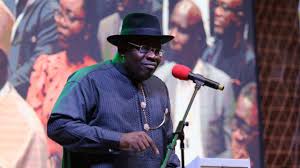
National Leader of the Nigeria Democratic Congress (NDC), Senator Seriake Dickson, has expressed confidence that the party’s presidential candidate, Peter Obi, will win Bayelsa State, the Niger Delta and Nigeria in the January 16, 2027 general election.
Dickson also said the All Progressives Congress (APC) had nothing to offer the people of Bayelsa, accusing the ruling party of failing to provide meaningful infrastructure, including roads and bridges, in the state and the wider Niger Delta region.
The former Bayelsa State governor spoke during a visit to his home state and community, Toru-Orua, alongside Obi and other NDC leaders.
In a statement posted on his Facebook page on Sunday, Dickson claimed that the APC had never defeated him politically or won Bayelsa State through the ballot.
He also boasted that he had been the major obstacle preventing the APC from winning the state since 2015, despite the defeat of the Peoples Democratic Party (PDP) at the federal level.
“The APC never defeated me and they have never won Bayelsa on the ballot. I have been the obstacle stopping them from winning Bayelsa since 2015, even with the defeat of the PDP at the centre,” he said.
Dickson accused Governor Douye Diri, whom he said he had supported and helped bring to power, of handing the state over to the APC, thereby turning him and his political associates into opposition members in an administration they helped establish.
He, however, described Diri as his brother and compatriot, saying their disagreement was over the political direction of the state.
“The governor is still my person, my brother, my compatriot and our governor. But he is now someone I disagree with, as he and the people in his government are wrong with the direction they are taking our state to,” Dickson said.
The senator said he had deliberately refrained from making extensive public comments on the political developments in the state to preserve peace and prevent a crisis.
He, however, urged his supporters and Bayelsans to make their political positions known ahead of the 2027 elections, while appealing to them to remain peaceful and avoid attacks, threats or abuses against political opponents.
Dickson said he introduced Obi to the people of Bayelsa and urged them to support and vote for him, as well as other NDC candidates in the 2027 elections.
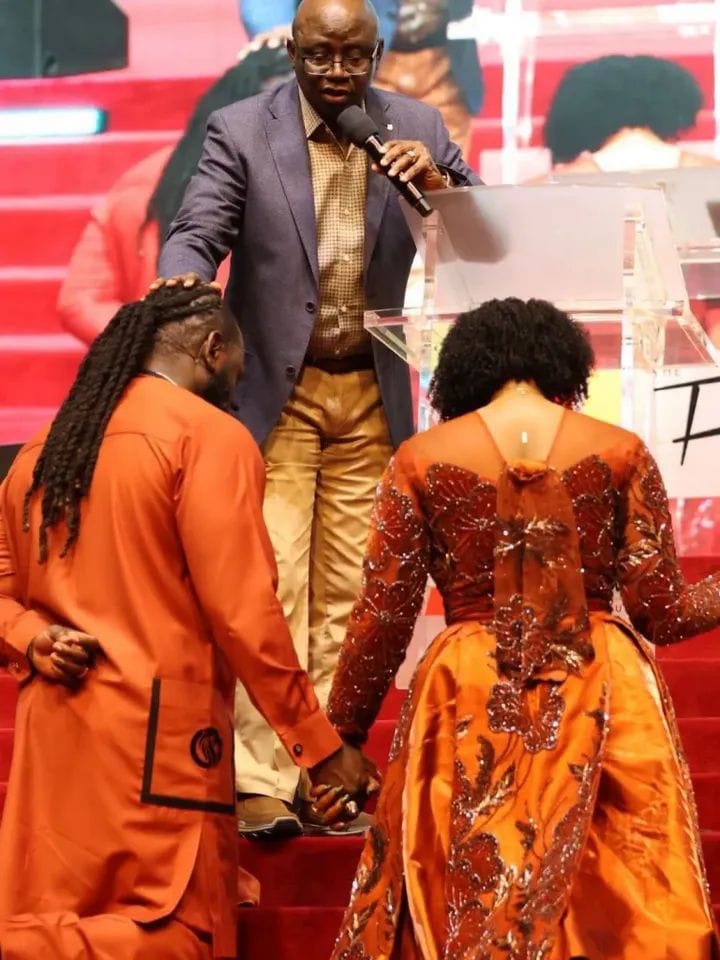
Pastor Jimi Odukoya has publicly confirmed his marriage to Pastor Mo, sharing the news with the words, “i looked and i found.”
the announcement marks a new chapter in the personal life of the Nigerian pastor and actor, who serves as the senior pastor of Fountain of Life Church.
by introducing Pastor Mo as his wife, Odukoya has brought public attention to their marriage.
the announcement has also drawn interest among followers of his ministry and those familiar with his work in the Nigerian entertainment industry.
further details about the wedding ceremony and the couple’s relationship have not been provided in the announcement shared.
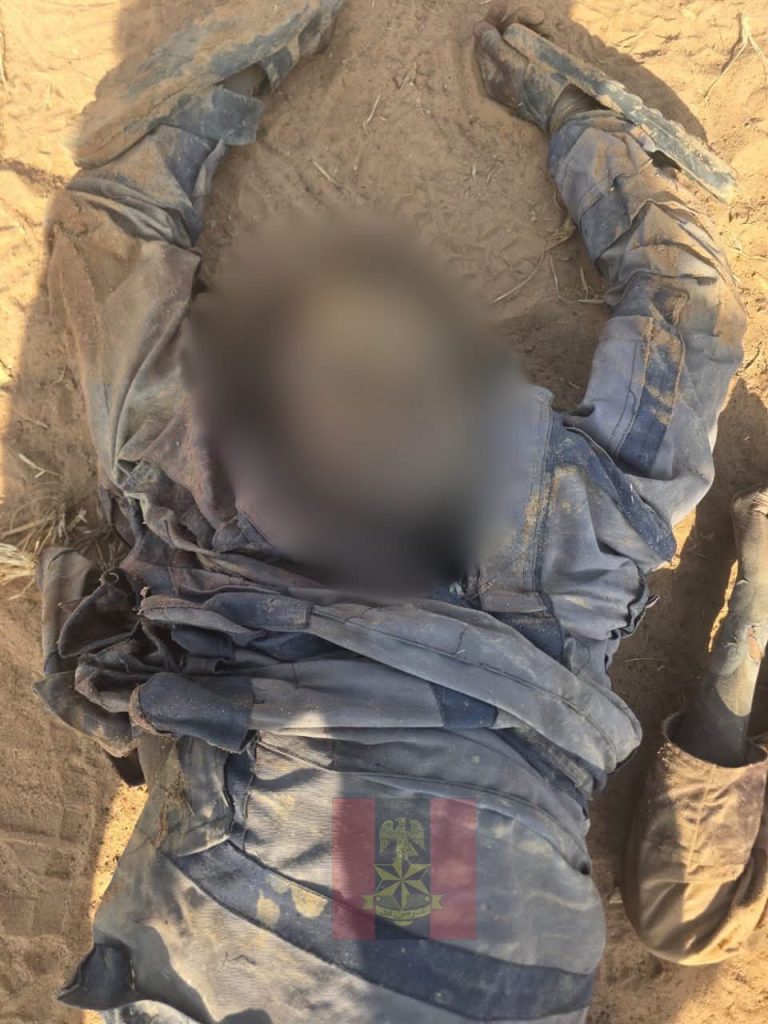
Troops of the Joint Task Force (North East), Operation HADIN KAI (OPHK), have killed several Islamic State West Africa Province (ISWAP) terrorists, including Abu Hajara, a high-profile member of the group’s Shura Council; Abul Walid, a prominent commander and close associate of ISWAP’s overall Wali, Ba Shuwa; and two high-ranking Arab fighters.
The terrorists were neutralised during an engagement in Kukawa, Borno State, on October 31, 2026, following an attack on the troops’ locations by ISWAP fighters.
The combined troops deployed in Kukawa successfully repelled the attack, deploying both ground and air assets from the Air Component of Operation HADIN KAI. Following the engagement, the troops recovered several arms, ammunition and communication devices.
The successful operation, according to the military, demonstrates the combat readiness, vigilance and superior firepower of Operation HADIN KAI troops in sustaining pressure on terrorist elements across the theatre.
The attack on the troops’ location in Kukawa came barely three days after the attack in Buni Yadi, where 55 terrorists were reportedly neutralised, including key commanders identified as Ali Mandara Abba Gajiri, also known as Munzir; Habu Ikkima Nakif Yana Faruk; and Commander Gogore.
The Theatre Command reaffirmed its commitment to protecting law-abiding citizens and sustaining military operations aimed at eliminating terrorists and destroying their camps across the region.
The statement was signed by Captain Mohammed Goni, Acting Media Information Officer, Headquarters Joint Task Force (North East), Operation HADIN KAI, Maiduguri.
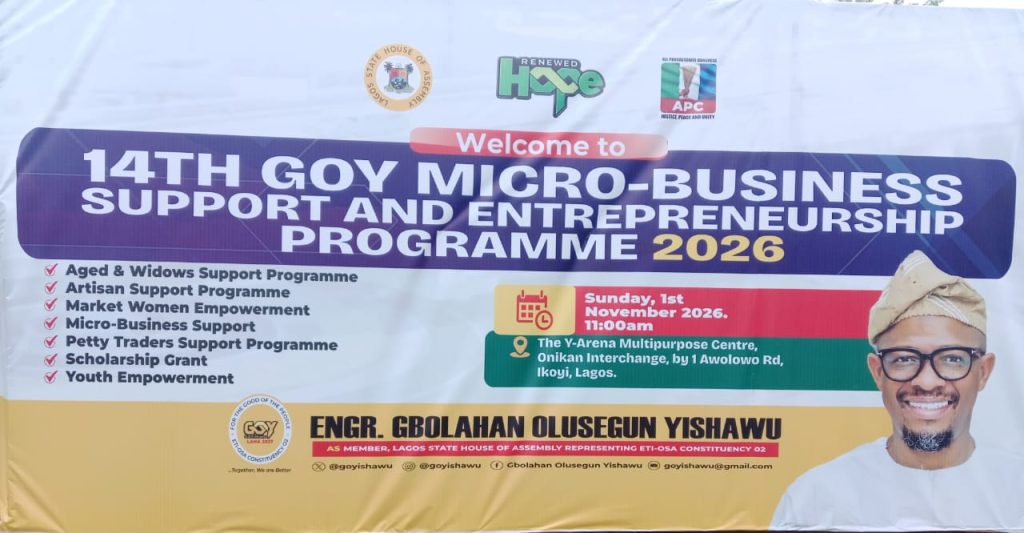
Former Minister of Finance, Wale Edun, has commended Lagos State lawmaker, Hon. Gbolahan Yishawu, for his sustained grassroots empowerment initiatives, describing them as efforts that complement President Bola Tinubu’s drive to reduce poverty and improve the living standards of Nigerians.
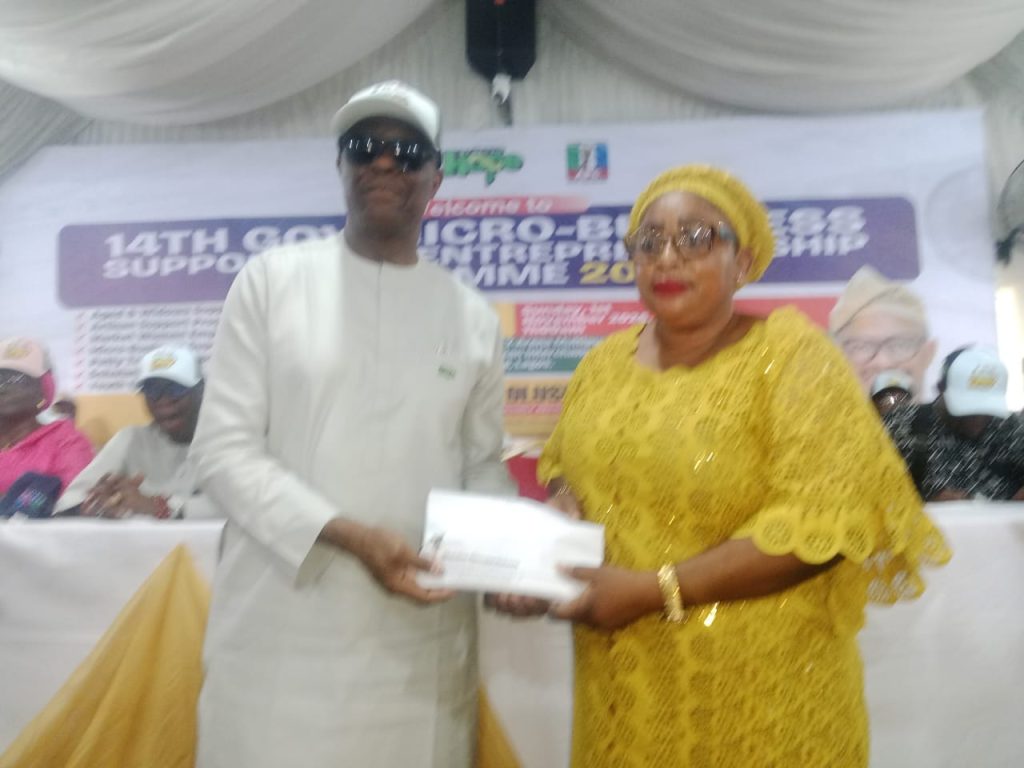
Edun gave the commendation on Sunday while speaking with journalists at the 14th edition of the GOY Micro-Business Support and Entrepreneurship Programme 2026, organised by Yishawu for constituents in Eti-Osa Constituency II, Lagos State.
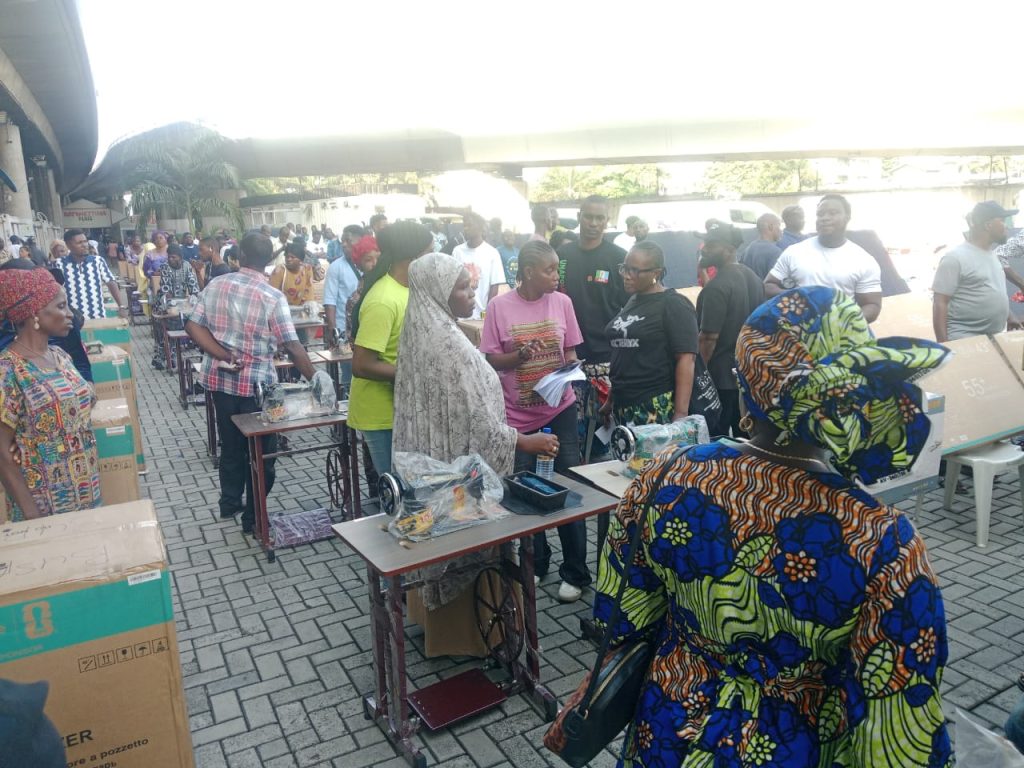
The programme, which empowered more than 300 beneficiaries, featured support for aged persons and widows, artisans, market women, petty traders, micro-business owners, youths and students.
The former minister said Yishawu’s interventions through direct financial assistance and the distribution of business equipment were consistent with the Federal Government’s economic reform agenda, which seeks to lift millions of Nigerians out of poverty.
According to him, beyond reforms aimed at stabilising the economy, the Tinubu administration is introducing interventions to cushion the effects of economic challenges on ordinary Nigerians.
He noted that Yishawu was replicating similar interventions at the constituency level by providing tools, equipment and financial assistance to help small business owners and vulnerable residents improve their livelihoods.
Edun also called on Nigerians, particularly those in positions of authority and influence, to support vulnerable citizens amid the economic transition. He said, “We must be our brother’s keeper at this time. Whether we are in office or out of office, whether in the public sector or private sector, large-scale or small-scale, we must look to help people through this difficult time.”
He expressed optimism about the country’s economic outlook, saying improvements were becoming evident in critical areas and that the Federal Government was working to ensure the benefits of its reforms reached the poor and vulnerable.
In his address, Yishawu said the programme was designed to translate the benefits of democratic governance into practical improvements in the lives of his constituents.
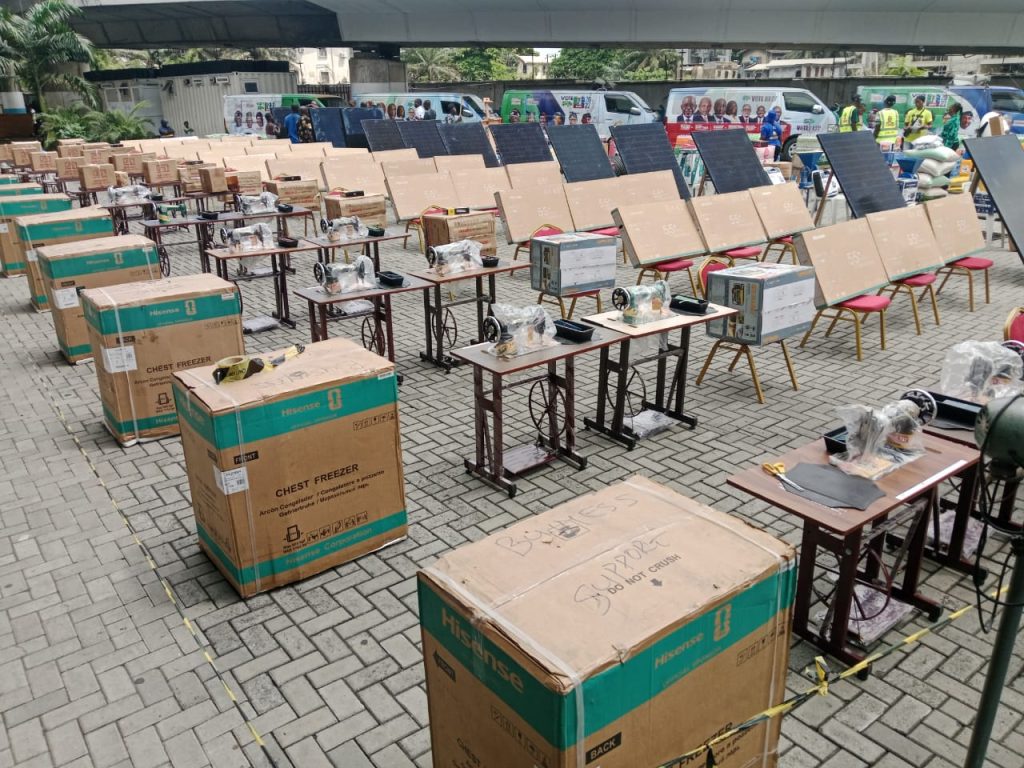
He disclosed that more than 300 beneficiaries were selected across eight categories, with over 200 empowerment items distributed to support businesses, improve productivity and strengthen household welfare.
Items distributed included sewing machines, machine tools, 4.5KVA generators, pumping machines, chest freezers, hair dryers, clippers, solar power systems, television sets, grinding machines, weaving machines, gas burners and cylinders, as well as food items and provisions for resale.
The lawmaker said the programme had, over the years, supported more than 500 artisans, while its micro-business, petty traders and market women empowerment initiatives had reached over 1,500 constituents.
He added that more than 1,000 youths had benefited from cash support, tools and other forms of assistance through his youth empowerment initiatives.
On education, Yishawu announced a N100,000 admission grant for each student who secured admission into tertiary institutions through the 2025–2026 edition of his free JAMB initiative.
He explained that the grant was intended to support the beneficiaries as they begin their academic journeys.
According to him, the initiative has provided more than 12,000 free JAMB forms to students over the years, with additional support for candidates who successfully secured admission. Yishawu said the introduction of free JAMB revision classes had also helped candidates prepare better for their examinations and improve their performance.
He recalled meeting former beneficiaries who had graduated from universities, secured employment and even obtained doctoral degrees, describing their progress as one of the most fulfilling aspects of the initiative.
One of the scholarship beneficiaries, Imioluwanimi Luciana, expressed appreciation for the grant, saying it would ease some of her educational financial burdens and provide a boost to her academic pursuit.
An elderly beneficiary, Chief Don-Cyril Ike, also commended the lawmaker for sustaining the initiative, while Mohammed Useni described Yishawu’s continued support for senior citizens as commendable.
Political leaders from Eti-Osa Constituency II also praised the lawmaker, describing the empowerment programme as an initiative that transcended partisan politics and deserved emulation.
They urged residents to support all candidates of the All Progressives Congress (APC) in the forthcoming elections.
Similarly, the Lagos State Governor’s aide on Environment, Kunle Rotimi, called on residents to ensure that Lagos remained under the leadership of the APC, stressing the need to protect the state’s political direction.
Yishawu urged beneficiaries to make productive use of the support provided, reaffirming his commitment to initiatives that promote economic independence, education and improved living conditions across his constituency.