Home Blog Page 324

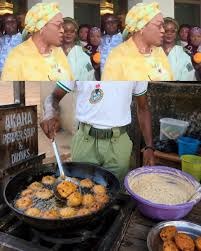
Actress Eucharia Anunobi backs Remi Tinubu’s remark, says ‘frying akara better than begging for urgent N2k’

0


Eucharia Anunobi has advised young Nigerians to pursue small-scale entrepreneurship rather than constantly seeking financial handouts, emphasising that modest beginnings can lead to significant wealth.

In a video shared on her Instagram page, the 60-year-old Nollywood star-turned-evangelist encouraged those frequently requesting “urgent N2,000,” a popular term for small monetary assistance, to acquire skills or launch micro-businesses instead…

The Cable

NBA rejects AG’s alleged order to postpone 2026 national election

0


The Nigerian Bar Association (NBA) has rejected the directive in a document circulating that claims the Attorney General of the Federation (AGF), Lateef Fagbemi has ordered the postponement of the association’s 2026 National Officers’ election, describing the report as unconstitutional and beyond the AGF’s authority.

In a statement signed by NBA President, Afam Osigwe, the association reacted to a Sub-Committee report and comments attributed to the Attorney General allegedly directing the disbandment of the NBA’s Electoral Committee, the postponement of the national officers’ election, the removal of the current election service provider on the grounds that he is a sole proprietor, the appointment of a caretaker committee to run the election, the incorporation of National Identification Numbers into the voter data, and a “recalibration” of the NBA Constitution to eliminate universal suffrage.

The NBA rejected the directive stating that the association operates independently of the Attorney General’s office and while citing the Legal Practitioners Act, it said outside interference in NBA affairs is permitted only under specific statutory conditions, none of which it says have been met. The association also linked the alleged directive to two pending cases before the Oyo State High Court, arguing that the Attorney General has no power to unilaterally grant the reliefs sought in that litigation.

According to the NBA, attendees of a June 11, 2026 meeting had authorized the Sub-Committee only to help broker a withdrawal of the litigation, not to investigate the conduct of the NBA president or issue binding findings against him. The statement said the president was never given the underlying memos used to reach those conclusions, raising fair-hearing concerns, and that the Sub-Committee’s chairman, Chief Wole Olanipekun, SAN, was conflicted given his role as counsel for one of the parties.

The NBA’s statement reads in part: “For the record, the Nigerian Bar Association is an independent body not under the control of the Honourable Attorney General of the Federation. By the provisions of section 10(2) of the Legal Practitioners Act, the only time a body distinct from the Nigerian Bar Association is empowered to interfere in the activities of the Nigerian Bar Association is stated clearly therein and none of the events have occurred as to entitle the Honourable Attorney General to take the position stated in the purported directive.

”We are strengthened in our belief that the Honourable Attorney General could not have given the purported directives when in fact the purported directives are no different from the reliefs sought in the two Egbe Amofin Cases pending at the High Court of Oyo State. Indeed, the Honourable Attorney General cannot grant reliefs sought in the two Egbe Amofin suits in his capacity as a convener of a mediation meeting or even as the Chief Law Officer of the Federation. The Honourable Attorney General is at best a party/mediator, and it is settled that a mediator does not give directives to the parties in a matter in which he is a party.

”All past Presidents of the Nigerian Bar Association in attendance, to the exclusion of Wole Olanipekun, were of the view that the cases initiated by Egbe Amofin are frivolous and should be withdrawn. It was therefore the decision of the attendees of the meeting that the Sub-Committee set up is to ONLY liaise with the contending parties for the purpose of overseeing the withdrawal of the actions. The Sub-Committee was never empowered to make any inquest as to the conduct of the President of the Nigerian Bar Association to the extent of making far-reaching condemnations against him when he is not a candidate in the election. Their reliance on the memos submitted by some candidates as the basis for those findings violates the constitutional safeguard of fair hearing as the President was never served with those memos to enable him make a response before such condemnations were made, assuming he was a necessary person to appear before the Sub-Committee.

”The resolution of the meeting of 11 June 2026 is that the Sub-Committee is to report to the entire body at a reconvened meeting. From the face of the purported report, it is clear that none of those who attended the 11 June 2026 meeting were availed a copy of the purported report or made any input to it. Assuming without conceding that they have received the report, the meeting cannot give the directions as it violates the Legal Practitioners Act and the Nigerian Bar Association Constitution.

”We are by this press release stating categorically that: The Nigerian Bar Association is an independent body not subject to the control and directive of the office of the Honourable Attorney General of the Federation or any other arm of government. The NBA National Officers’ electoral process shall continue as scheduled by the ECNBA. At no time was the Honourable Attorney General empowered to issue directives that are capable of truncating the democratic succession process of the NBA or even suggest a “recalibration” of the NBA Constitution.

”The Nigerian Bar Association is a body that has clear decision-making organs and can only subject itself to its constitutional mechanisms. The office of the Honourable Attorney General of the Federation is not one of them.”

Sun

Tinubu inaugurates panel to draft law to make state police reality

0


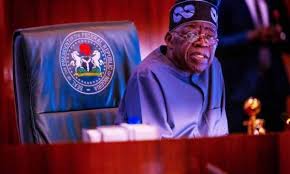
President Ahmed Tinubu on Tuesday inaugurated a Presidential Working Group to draft the National Policing Bill that will provide the legal framework for implementing state police across Nigeria.

Speaking at the Presidential Villa through his Chief of Staff, Femi Gbajabiamila, who will chair the committee, the President said the Constitution Alteration (State Police) Bill, 2026 — already passed by the National Assembly — creates the framework for a dual policing structure but does not operationalise it, according to a statement issued by Special Adviser on Information and Strategy, Bayo Onanuga.

“The Constitution Amendment Bill establishes the framework for dual policing, but it does not operationalise it. That work is left to the National Policing Bill,” Tinubu said.

“The proposed National Policing Bill will include provisions on minimum policing standards, state readiness certification, federal-state coordination, accountability, human rights safeguards and fiscal conditions.”

The working group was formed to produce “a technically robust, implementation-ready draft National Policing Bill for transmission to the National Assembly,” the President added, explaining the urgency of preparing the implementing legislation while the constitutional amendment proceeds.

“We must not wait until the constitutional process is concluded before beginning this important assignment,” he said.

Membership of the panel includes the Attorney-General of the Federation, the President of the Nigerian Bar Association (NBA), the Chairman of the Nigeria Governors’ Forum (NGF), the National Security Adviser, the Inspector-General of Police and the Chairman of the NGF Committee on State Police. A secretariat will provide administrative support.

Governor of Ogun State, Dapo Abiodun speaking for the governors, pledged the NGF’s backing for fast-tracking the reform once the bill reaches state Houses of Assembly.

“This bill has answered the cries of Nigerians about cascading policing and removing it from the Exclusive Legislative List,” he said, describing state police as a response to long-standing calls for community-based policing.

Abiodun also highlighted the manpower potential of the reform. “If each state deploys about 6,000 personnel, we will add nearly 200,000 officers to complement the existing federal police,” he said, and praised the Presidency for initiating implementation planning before the constitutional amendment is fully concluded.

“This inauguration demonstrates the proactiveness of the Executive in preparing for effective implementation,” he added.

Attorney-General of the Federation and Minister of Lateef Fagbemi, called the timing of the initiative appropriate given Nigeria’s security situation.

“There is no denying the fact that we are in a critical moment security-wise, and all hands must be on deck,” he said, urging governors to ensure rapid ratification of the constitutional amendment by their state assemblies.

“I appeal to the governors to do their utmost to ensure the early passage of the constitutional amendment because this is a shared responsibility,” Fagbemi added.

NBA President Afam Osigwe affirmed the association’s support for state police while cautioning about safeguards.

“Nigeria can hardly be effectively policed by one national police. We fully support the constitutional amendment providing for state police,” he said.

“We must ensure we do not create a monster. The right legal framework must guarantee accountability and prevent oppression.”

Also present at the Villa were the Attorneys-General and commissioners for justice of Plateau, Lagos and Ondo states, representatives of the Inspector-General of Police and the National Security Adviser, and senior government officials.

The working group is expected to deliver an implementation-ready draft to the National Assembly following the committee’s work.

Sun

Xenophobic attacks: Senate seeks fresh diplomatic guarantees for Nigerians in South Africa

0


The Senate has urged the Federal Government to secure fresh written assurances from the South African government on the safety of Nigerians living in the country following renewed xenophobic attacks, while stopping short of endorsing calls to nationalise South African businesses or sever diplomatic relations.

This followed the adoption of a motion sponsored by Asuquo Ekpenyong in plenary yesterday.

The lawmakers also directed the Ministry of Foreign Affairs and the Nigerian High Commission in South Africa to obtain formal guarantees for the protection of Nigerians and demand the arrest and prosecution of those responsible for violence, looting and unlawful vigilante activities.

The Red Chamber also mandated its Committees on Foreign Affairs and Diaspora and Non-Governmental Organisations to investigate the implementation of its earlier resolution on the matter and report back within two legislative weeks.

Moving the motion, Ekpenyong warned that the June 30 ultimatum issued by anti-migrant groups for undocumented foreigners to leave South Africa had triggered fresh attacks, intimidation, displacement and destruction of businesses owned by Nigerians and other African nationals.

He noted that anti-migrant groups had unlawfully ordered undocumented foreign nationals to leave the country before the deadline, followed by widespread fear, demonstrations, attacks on foreign-owned businesses and the harassment of migrants.

According to him, the attacks had extended beyond undocumented migrants to Nigerians and other foreign nationals with valid residence and work permits, many of whom had reportedly been profiled, threatened, evicted and intimidated by vigilante groups.

He added that the indiscriminate targeting of lawful residents showed that the campaign had gone beyond immigration enforcement and amounted to xenophobic hostility based on nationality.

While recalling Nigeria’s pivotal role in South Africa’s struggle against apartheid, he noted that the country provided diplomatic, financial and material support to South Africa’s liberation movement and campaigned for the release of Nelson Mandela and other political prisoners.

Ekpenyong also reminded the Senate that Nigeria hosted the World Conference for Action Against Apartheid in Lagos in 1977 under former military Head of State, General Olusegun Obasanjo, and imposed economic measures against businesses linked to the apartheid regime.

He also expressed concern that while Nigerian-owned businesses in South Africa had repeatedly been attacked, looted and abandoned, South African firms operating in Nigeria, including MTN and MultiChoice, continue to conduct their businesses without molestation.

He said Nigeria had consistently chosen diplomacy and African solidarity over retaliation but warned that recent developments, including the voluntary repatriation of some Nigerians and the expiration of the June 30 ultimatum, showed that previous interventions had failed to guarantee adequate protection.

While recognising South Africa’s sovereign right to enforce its immigration laws, he insisted that such enforcement must be carried out only by authorised state institutions in accordance with the rule of law and international human rights standards.

Supporting the motion, Orji Uzor Kalu commended President Bola Tinubu and the Ministry of Foreign Affairs for facilitating the evacuation of Nigerians who wished to return home, but insisted that compensation should be paid for Nigerian businesses and assets destroyed during the attacks.
He urged the Federal Government to sustain diplomatic engagement with South Africa rather than adopt retaliatory measures.

On his part, Mohammed Monguno described the recurring attacks as an unfortunate cycle that resurfaces every few years and argued that Nigeria’s foreign policy should be centred on protecting its citizens abroad.

However, Abdul Ningi said Nigeria’s foreign policy should place Nigerians first, lamenting that repeated appeals had failed to halt the attacks. He suggested that Nigeria should consider severing diplomatic relations with South Africa if the violence persisted.

Similarly, Yahaya Abdullahi urged restraint, arguing that the developments should be viewed within South Africa’s domestic political context.

He said the attacks could be linked to internal political struggles aimed at destabilising the South African government and weakening the African National Congress, advising the Senate to await the outcome of a detailed investigation before considering punitive measures.

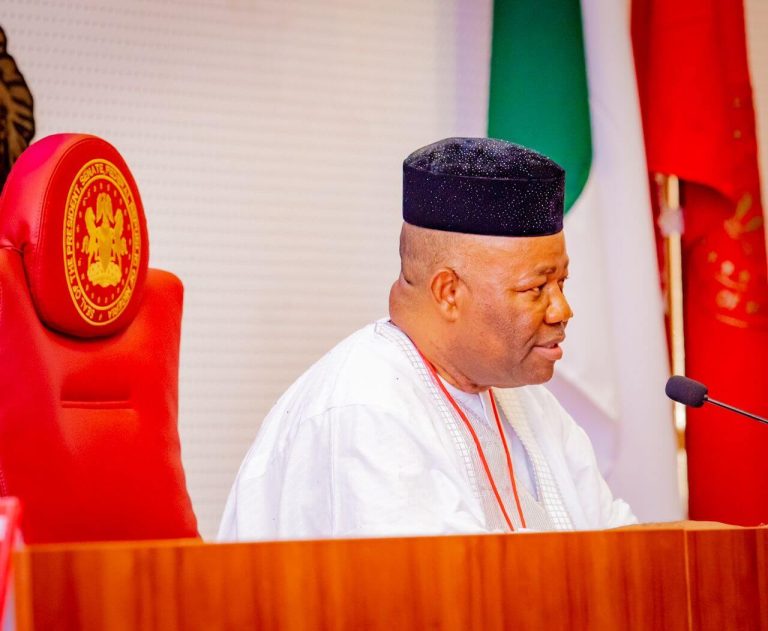
Responding, Senate President Godswill Akpabio said Abdullahi’s submission had introduced an important perspective that deserved careful consideration.

He directed the Senate Committee on Foreign Affairs to investigate the situation and submit a comprehensive report within two legislative weeks.

He also appealed to senators who proposed additional prayers seeking the nationalisation of South African businesses or the severance of diplomatic ties to step them down pending the committee’s findings.

The Senate thereafter adopted the substantive prayers of the motion through a voice vote.

In a separate resolution, the Senate expressed concern over the growing attacks, abductions and killings of serving and retired military personnel.

The resolution followed a motion sponsored by Abdulaziz Musa Yar’Adua, who cited the recent death in captivity of former Director of Defence Information, Major General Rabiu Abubakar (retd), after he was abducted by bandits in Katsina State.

The Senate observed a minute’s silence in honour of the late general and other victims of terrorism, resolved to send a delegation to condole with his family, the Katsina State Government and the Nigerian Army, and urged security agencies to intensify intelligence gathering, surveillance and collaboration with local communities.

Lawmakers also called on the Federal Government to accelerate the deployment of modern security technology to combat terrorism, banditry and kidnapping, while directing security agencies to ensure those responsible for the killing of the retired general are arrested and prosecuted.

The Senate leadership was further mandated to brief President Bola Tinubu on the country’s worsening security situation, as Akpabio urged the Committees on Defence and the Armed Forces to intensify oversight of security agencies to improve their effectiveness in tackling insecurity nationwide.

Sun
UTM FLNG secures 15-year gas supply deal with NNPC-Seplat Joint Venture

0

Nigeria’s drive to monetise its vast natural gas resources received a major boost on Tuesday as UTM Floating Liquefied Natural Gas (UTM FLNG) Limited signed a 15-year Wet Gas Sale and Purchase Agreement (GSPA) with the NNPC/Seplat Energy Joint Venture (SEPNU), securing feed gas for the country’s first indigenous floating liquefied natural gas (FLNG) project.

The agreement, signed on the sidelines of the Nigeria Oil and Gas (NOG) Energy Week Conference in Abuja, provides for the supply of 200 million standard cubic feet of gas per day (mmscf/d) to the UTM FLNG facility over a 15-year period.

The deal is expected to provide the long-term feed gas security required to advance financing, construction and operations of the 1.8 million tonnes per annum (MTPA) floating LNG project, while strengthening investor confidence ahead of the project’s Final Investment Decision (FID), which is targeted for the fourth quarter of 2026.

Speaking at the signing ceremony, the Group Chief Executive Officer of NNPC Limited, Engr. Bayo Ojulari, described the agreement as a landmark milestone for Nigeria’s gas industry and a demonstration of the Federal Government’s commitment to accelerating gas utilisation.

According to him, the agreement aligns with the Presidential mandate to significantly increase domestic gas utilisation by 2030 under the Decade of Gas initiative.

Ojulari said the project would not only deepen Nigeria’s participation in the global liquefied natural gas market but also contribute to industrialisation, economic growth and lower carbon emissions.

He noted that the gas supply agreement establishes a predictable revenue framework for the FLNG project, provides assurance of stable LNG supplies for buyers and offers lenders the confidence needed to support the project’s financing.

“Today’s signing is not just an agreement—it is a declaration of intent to power Nigeria’s growth, prosperity, and energy future through gas,” he said.

Also speaking, the Minister of State for Petroleum Resources (Gas), Rt. Hon. Ekperikpe Ekpo, described the agreement as another major step towards achieving Nigeria’s gas commercialisation and energy transition objectives.

He said the project would support the Federal Government’s industrialisation agenda by creating jobs, promoting local content development and attracting fresh investments into the gas value chain.

Ekpo reinstated the federal government’s commitment to creating an enabling environment for transformative investments through improved infrastructure, regulatory certainty and investor-friendly fiscal policies.

According to him, the government will continue to prioritise reforms that position Nigeria as a gas-powered economy capable of competing effectively in global energy markets.

He noted that securing long-term gas supply is one of the critical requirements for reaching Final Investment Decision, adding that the agreement substantially de-risks the project and enhances its commercial viability.

Rone said the deal also demonstrates the growing confidence of investors, financial institutions and industry stakeholders in Nigeria’s gas sector, driven by ongoing policy reforms and regulatory stability.

He added that the project reflects the increasing role of indigenous companies in leading strategic investments capable of unlocking the country’s enormous gas potential.

The feed gas for the project will be sourced from Oil Mining Lease (OML) 104, specifically the Yoho Field located offshore Akwa Ibom State. The gas will be processed and liquefied aboard the UTM FLNG vessel, which has a production capacity of 1.8 million tonnes of LNG annually.

The UTM FLNG project commenced in 2021 and has since recorded significant milestones.

The project received its Licence to Establish (LTE) from the former Department of Petroleum Resources (DPR), now the Nigerian Midstream and Downstream Petroleum Regulatory Authority (NMDPRA). In 2024, the NMDPRA also granted the company a Licence to Construct (LTC), while the Nigerian Content Development and Monitoring Board (NCDMB) approved its Nigerian Content Plan for the Engineering, Procurement and Construction phase.

The project’s Pre-Front-End Engineering Design (Pre-FEED) was completed in 2021, while the Front-End Engineering Design (FEED) was concluded in October 2023 by JGC Corporation and Technip Energies. KBR serves as the Owner’s Engineer.

The company said the project will be developed in line with international environmental standards, incorporating robust emissions control systems, strong governance practices and world-class project management to ensure safe and sustainable operations.

Under the shareholding structure, NNPC Limited holds a 20 per cent equity stake in UTM FLNG Limited, while UTM Offshore Limited owns 72 per cent and the Delta State Government holds the remaining 8 per cent.

Industry stakeholders believe the gas supply agreement marks a significant milestone in Nigeria’s ambition to unlock greater value from its vast gas reserves, deepen local participation in the energy sector and strengthen the country’s position as a competitive supplier in the global LNG market.

Sun

Oriire: Pressure mounts on abductors as intelligence aids tracking, arrest of associates

0


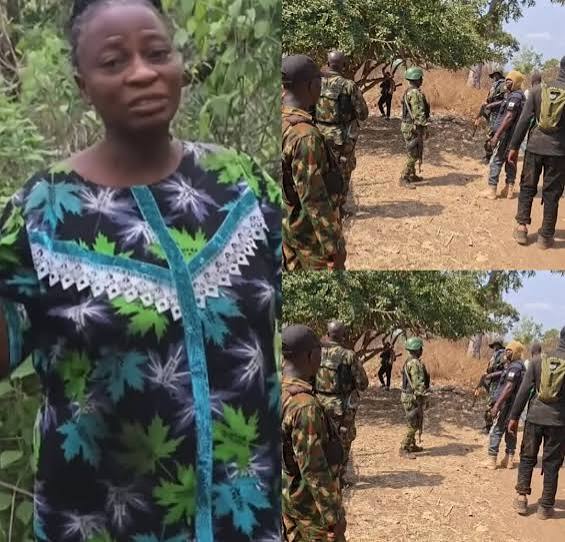
Pressure is mounting on the abductors of schoolchildren and teachers from Ahoro-Esinle, Yawota and Alawusa communities in Oriire Local Government Area of Oyo State following a major breakthrough by security agencies, which have reportedly identified and traced the kidnappers’ associates.

The latest development comes barely two weeks after security forces tightened the noose around the abductors by blocking their escape routes and surrounding their hideout in the National Park forest, where the victims are believed to be held.

Security sources disclosed that after painstaking investigations, operatives, acting on credible intelligence provided by the Department of State Services (DSS), identified members of the kidnapping gang and subsequently launched operations to trace their associates.

According to the sources, operatives have successfully located associates of several members of the gang in different parts of the country.

The discovery is said to have unsettled the abductors, who are now reportedly under intense psychological pressure after realising that security agencies know the whereabouts of their key associates.

“The kidnappers are becoming increasingly apprehensive. Their confidence has been shaken, and they are now showing greater willingness to release the children,” a security source familiar with the operation said.

The sources added that while the abductors remain confused about the implications for their associates, a combined team of DSS operatives and military personnel is steadily closing in on their location and is optimistic that the standoff will soon end with the safe rescue of the hostages.

Armed terrorists abducted 39 pupils and seven teachers on May 15, 2026, during coordinated attacks on Baptist Nursery and Primary School in Yawota and two other schools in Esinle.

The kidnappers initially demanded the release of detained terrorist commanders, payment of a ransom, the provision of two Hilux vehicles and the implementation of Sharia-related laws as conditions for freeing the victims.

They specifically demanded the release of Mahmud Usman, also known as Abu Bara’a or Abbas Mukhtar, and his deputy, Abubakar Abba, alias Isah Adam or Mahmud Al-Nigeri, both identified by security agencies as senior members of Jama’atu Ansarul Muslimeena Fi Biladis Sudan (Ansaru), a breakaway faction of Boko Haram. The two were arrested by DSS operatives last year.

However, security sources said recent gains by the rescue team have forced the abductors to abandon some of their earlier demands and shift their focus to finding a way to escape while releasing the captives.

Speaking during an interactive session with journalists in Port Harcourt over the weekend, Shaibu said operations to rescue the abducted schoolchildren and teachers were advancing steadily.

“Operations are currently ongoing to rescue those children abducted in Oyo State, and we are making tremendous progress,” he said.

The Army Chief expressed confidence that the operation would end with the safe rescue of the victims, adding that the Nigerian Army remained fully engaged in combating security threats across the country’s six geopolitical zones.

Highlighting recent operational successes, Shaibu said troops under Operation Hadin Kai in the North-East had neutralised more than 1,872 insurgents, while many others had surrendered.

He also disclosed that troops, working with United States partners, recently eliminated high-profile Islamic State commander Abu-Bilal al-Minuki.

The Army Chief added that Operations Enduring Freedom, Whirlwind and the newly established Savannah Shield had continued to record successes across the North-Central, improving security in Plateau, Benue, Nasarawa, Kwara, Niger and parts of Kogi states.

According to him, security has also improved considerably in the South-East, while sustained operations against crude oil theft, illegal bunkering and pipeline vandalism have boosted Nigeria’s oil production in the South-South.

Shaibu described the South-West as one of the country’s most peaceful regions, noting that the recent school abduction in Oyo State was an isolated incident.

He further revealed that President Bola Ahmed Tinubu had approved the establishment of a new Nigerian Army Depot in Amasiri-Edda, Ebonyi State, which, alongside the existing depots in Zaria, Kaduna State, and Osogbo, Osun State, is expected to increase the Army’s annual recruitment and training capacity to about 28,000 personnel.

The Army Chief also announced that the Nigerian Army had acquired additional armoured personnel carriers, mine-resistant vehicles and unmanned aerial vehicles to strengthen ongoing operations, while troops continue to receive specialised training both within Nigeria and abroad to enhance their operational effectiveness.

Sun

Manufacturing Sector Showing Signs of Recovery Despite Persistent Challenges – George Onafowokan

0


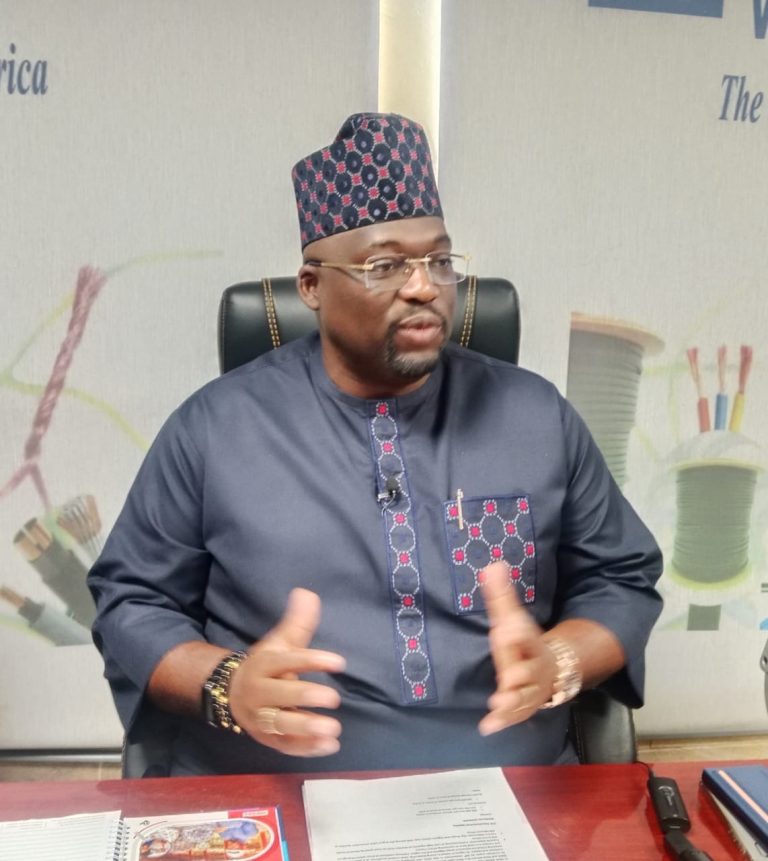
Nigeria’s manufacturing sector is showing cautious signs of recovery in the second half of 2026 despite lingering challenges, according to the Managing Director and Chief Executive Officer of Coleman Technical Industries Limited, Mr. George Onafowokan.

Speaking during an interview on the State of the manufacturing sector, Onafowokan said manufacturers entered 2026 with high expectations following improvements in macroeconomic stability, moderation in exchange rate volatility and easing inflation. However, he noted that unexpected global developments disrupted those expectations.

According to him, the geopolitical tensions involving the United States, Israel and Iran triggered fresh inflationary pressures across the world, driving up crude oil prices and international shipping costs.

He explained that the cost of shipping a 40-foot container from Asia to Africa rose from about $3,000 to between $6,000 and $7,000, significantly increasing the cost of importing raw materials and other production inputs.

“The global crisis came as a shock to manufacturers. We had no choice but to adjust our business strategies to cope with the new realities,” he said.

Onafowokan, who is also Chairman of the Manufacturers Association of Nigeria (MAN), Ogun State Chapter, commended the Federal Government’s macroeconomic reforms, saying policies such as fuel subsidy removal, foreign exchange harmonisation and the operationalisation of the Dangote Refinery helped cushion the impact of the global shocks.

He noted that Nigeria avoided severe fuel shortages experienced in some countries, while the country’s foreign reserves, now above $50 billion, strengthened economic stability by reducing the impact of capital flight.

According to him, the reforms have restored investor confidence, particularly in the manufacturing sector.

He revealed that Ogun State continues to witness significant growth in manufacturing activities, with the state chapter of MAN admitting an average of 10 to 15 new functional manufacturing companies every one to two months.

Onafowokan, however, observed that nearly 70 per cent of the new investors are foreign-owned companies, a trend he described as both encouraging and concerning.
“It shows that foreign investors have confidence in Nigeria’s economy, but indigenous manufacturers need greater support to compete,” he said.

He attributed the disparity to the high cost of borrowing in Nigeria, noting that while foreign companies can access funding at interest rates of between two and six per cent, Nigerian manufacturers often contend with lending rates of about 26.5 per cent.

He praised the Bank of Industry for providing relatively affordable financing but stressed the need for more patient and low-cost capital to support local manufacturers.
The industrialist also called for greater policy consistency, urging the government to sustain fiscal and monetary reforms to ensure long-term stability.

Despite concerns over the 2027 election cycle, Onafowokan expressed optimism that Nigeria’s economic direction would remain stable, citing the country’s resilience in navigating global economic shocks while keeping inflation relatively contained.

He urged Nigerians to view manufacturing as a long-term investment opportunity rather than focusing solely on trading activities.

According to him, experienced manufacturers should mentor younger entrepreneurs to build a stronger industrial base capable of driving economic transformation.

While acknowledging that the benefits of ongoing reforms have yet to fully reach ordinary Nigerians, Onafowokan maintained that economic transformation requires patience.

He compared Nigeria’s journey to that of China, noting that the Asian giant took decades to become a global manufacturing powerhouse.

“We are not there yet, but we have made significant progress. The economy is becoming more stable, investor confidence is improving, and manufacturing remains Nigeria’s long-term path to sustainable economic growth,” he said.

He urged Nigerians to focus on emerging opportunities in the sector rather than dwelling solely on existing challenges, stressing that local participation is essential if the country is to realise its ambition of becoming Africa’s industrial hub.

Alleged $1.5m Investment Fraud: Court Remands Ifoma Emmanuel in Kirikiri Correctional Centre

0


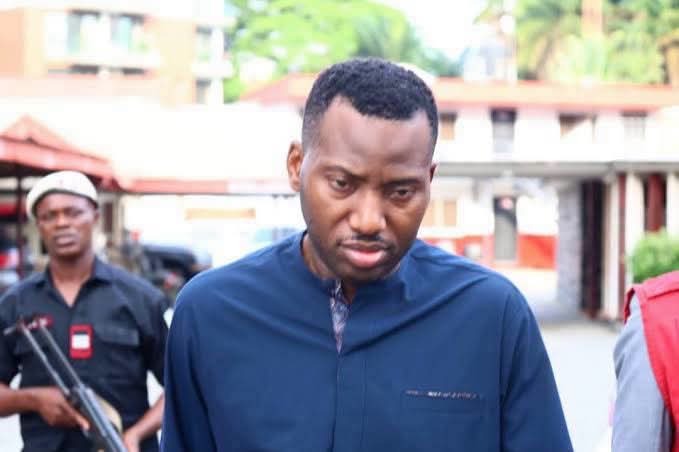
Justice Mojisola Dada of the Lagos State Special Offences Court sitting in Ikeja, on Tuesday, July 7, 2026, ordered the remand of Ifoma Immanuel, Executive Director of Intermediate Investment Holdings Limited, in Kirikiri Correctional Centre for an alleged $1.5 million investment fraud.

Investigations revealed that the defendant allegedly induced Adebisi Adebutu of R28 Holdings Limited to invest $1.5 million by claiming that the funds would be used to finance projects linked to Chappal Petroleum Development Company Limited, Intermediate Investment Holdings Limited, and Chappal Energies Mauritius Limited.

The Commission further alleged that the investment was backed by assurances that the funds would be reimbursed, alongside the payment of a $2.25 million development capital fee and the allocation of a 22.4 per cent equity stake in Intermediate Investment Holdings Limited.

The defendant and the company were subsequently arraigned on March 11, 2026, and they pleaded not guilty to the charges.

At Tuesday’s proceedings, the fourth prosecution witness (PW4), Sheriff Oluwo, while continuing his testimony and led in evidence by prosecution counsel, Iheanacho Ekele, SAN, and Babatunde Sonoiki, told the court that Immanuel approached him in 2022 to help source investors for an International Oil Companies (IOCs) divestment opportunity.

He said he subsequently introduced the defendant to Adebutu after contacting him about the investment opportunity.

The witness testified that Immanuel, during a meeting at Adebutu’s residence, presented the investment proposal and requested $1.5 million as a loan.

According to Oluwo, Adebutu rejected the proposal as a loan, insisting that he needed an equity stake to protect his investment in the event that the transaction failed.

Oluwo said the parties subsequently negotiated the shareholding structure, under which Intermediate Investment Holdings Limited and Immanuel would hold about 58 per cent equity, R28 Holdings Limited would hold approximately 22.41 per cent, while he and Chikezie Evuluchukwu would each receive 9.49 per cent.

He further testified that, following the agreement, a term sheet was prepared by legal practitioner Olaniyi Osoniyi.

He, however, stated that despite receiving the investment funds, the defendant failed to comply with the terms of the agreement.

“The defendant did not fulfil his obligations under the agreement and has not refunded the $1.5 million paid by R28 Holdings Limited to this day,” he said.

The court also declined the defendant’s bail application after a medical report from the Lagos State University Teaching Hospital (LASUTH) was presented, citing discrepancies observed in the report.

Justice Dada adjourned the matter until November 16, 18 and 19, 2026, for the continuation of trial.

The judge also ordered that the defendant be remanded at the Kirikiri Correctional Centre, Lagos.

Just in: Tinubu Orders ICPC to Probe Fake Presidential Foreign Intervention Promotion Council

0


President Bola Tinubu has directed the Independent Corrupt Practices and Other Related Offences Commission (ICPC) to launch a full-scale investigation into the activities of a fictitious organisation known as the Presidential Foreign Intervention Promotion Council (PFIPC) and those behind it.

According to a statement issued on Tuesday by the Special Adviser to the President on Information and Strategy, Bayo Onanuga, the President directed the ICPC to conclude its investigation and submit a comprehensive report within 30 days.

The statement clarified that the PFIPC was never established by the Federal Government and has no legal backing through any law, executive order, or presidential approval.

It alleged that one Adeniyi Adeyemi Matthew falsely presented himself as the Director-General of the non-existent council and claimed to be a presidential appointee.

The ICPC has been mandated to investigate alleged forged appointment letters and other official-looking government documents linked to the scheme.

The commission is also expected to investigate how the fake organisation allegedly used claims of presidential backing to obtain official recognition, diplomatic support, visa facilitation, and open multiple bank accounts in the names of purported government agencies using forged documents.

President Tinubu directed the anti-corruption agency to investigate not only the principal suspect and his collaborators but also the wider network that allegedly enabled the fraud to appear legitimate.

The investigation will cover the origin and circulation of forged official documents, efforts to obtain official recognition or diplomatic assistance, the operation of related bank accounts, the sources and movement of funds, and the roles of any public officers, private individuals, financial institutions, or intermediaries who may have facilitated the alleged fraud.

The President also instructed the ICPC to identify weaknesses in government and institutional procedures that may have been exploited and recommend measures to prevent similar incidents in the future.

He further directed all Ministries, Departments and Agencies (MDAs) to cooperate fully with the commission by providing all relevant information and records required for the investigation.

Tinubu stressed the need to protect the integrity of the Presidency and government institutions from impersonation, forgery, abuse of official identity, and other fraudulent activities.

“The integrity of the Presidency and the institutions of the Federal Government must be protected against impersonation, forgery, abuse of official identity and the exploitation of weaknesses in the public service,” the statement said.

The President also directed that anyone found culpable should be dealt with strictly in accordance with the law.

Alleged N7.8b Fraud: I Deposited Billions for Emefiele in Zenith Bank- Witness

0


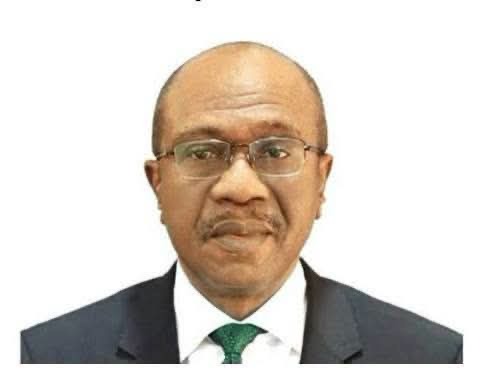
The Third Prosecution Witness, PW3, Richard Agulu, in the trial of the former governor of the Central Bank of Nigeria, CBN, Godwin Emefiele, on Tuesday, July 7,2026, told Justice Yusuf Halilu of the Federal Capital Territory, FCT, High Court, Maitama, Abuja, that while he worked in Zenith Bank, he banked billions of naira in cash for Emefiele brought by his personal assistant, Eric Ocheme.

The witness, a former staffer of Zenith Bank disclosed under cross-examination by defence counsel, Mathew Burkaa, SAN that he would usually lodge the sums in the accounts of Ifeabigo Integrated Services and Kelvito Integrated Services or deposit them in Zenith Bank’s vault, all on Emefiele’s instruction.

He further told the court that while he was with Zenith Bank, he was under Emefiele’s instructions, to receive cash from Ocheme and disburse them according to his instruction. Emefiele, he said, would usually convey the instructions to him through Ocheme’s phone.

The witness, who stated that he worked in the banking sector for 17 years, disclosed that the withdrawals made from the deposits he made for Emefiele into Ifeabigo Integrated Services and Kelvito Integrated Services accounts were authenticated by the real account owners and signatories, adding that he had verbal waivers from his superiors to attend to the transactions of the defendant.

“My lord, for every transaction, I followed normal banking transaction procedures. I followed the steps for cash deposition but there are different scenarios for different transactions. There are waivers for some certain customers who can bring cash into the bank. I was not given a written approval but I was given a waiver to attend to the transaction of the defendant which was verbal from my superiors. I cannot mention names. I don’t want to put somebody in trouble,” he said.

The witness further revealed that he supervised the transfer of N1.6 billion to MG Properties Limited on Emefiele’s instruction through his personal assistant, Ocheme.

Justice Halilu adjourned the matter till November 3,4,5, 2026 for continuation of trial.

Emefiele is being prosecuted by the Economic and Financial Crimes Commission, EFCC, on an eight-count charge, bordering on criminal breach of trust, conspiracy, forgery and unlawful possession of properties suspected to be proceeds of crime to the tune of ₦7,831,002,396 (Seven Billion, Eight Hundred and Thirty-one Million, Two Thousand, Three Hundred and Ninety-six Naira).