Home Blog Page 281

A/ Ibom: Barrow, Eno receive awards at African leaders confab

0


The President of the Republic of The Gambia, Adama Barrow, and the Governor of Akwa Ibom State, Pastor Umo Eno were among distinguished African leaders honoured at the 19th Security Watch Africa Conference and Awards held at Gambian capital in Banul.

A statement signed by Akwa Ibom state commissioner of Information Hon Aniekan Umanah and made available to Journalists in Uyo stated that the award was given to two leaders in recognition of their contributions to governance, security and sustainable development.

According to the Commissioner , Eno was represented at the event by his Deputy, Senator Akon Eyakenyi, who received the prestigious African Leader award in People-Centric Governance .

Umanah disclosed that Eno In his keynote address commended President Bola Ahmed Tinubu, for his administration’s efforts in strengthening Nigeria’s security architecture through collaboration with the Armed Forces and other security agencies.

He explained that thr governor called for greater regional and continental cooperation to tackle emerging security challenges and promote peace, stability and prosperity across Africa adding that security, inclusive leadership and people-centred governance remain essential pillars for sustainable economic growth.

He said Eno while delivering the address at Sir Dawda Jawara International Conference Centre, Banjul, before African leaders, diplomats, defence chiefs, security experts, policymakers and development partners, Pastor maintained that true measure of governance lies in its ability to improve the lives and welfare of citizens.

He said Eno dedicated the award to Akwa Ibom people and described it as recognition of the collective commitment of government, security agencies and citizens towards building a peaceful, secure and prosperous society.

“Governance must go beyond political leadership to improving the material conditions of the people. Meaningful development can only thrive where lives and property are protected, and the rule of law is upheld”

He said Eno acknowledged Nigeria’s security challenges but noted that they were not peculiar to the country and could be overcome through collaboration, innovation and sustained commitment among nations.

” Transnational threats require shared intelligence, coordinated responses and deeper partnerships among governments, security institutions and communities across Africa.

” Nigeria remains one of Africa’s most attractive investment destinations due to its large market, youthful and technology-driven population, abundant natural resources and democratic stability”.

Umanah disclosed that Eno used the conference to showcase achievements of his administration under the ARISE Agenda
highlighting key interventions in agriculture, infrastructure, healthcare, education, tourism, aviation and social welfare.

He said Eno pointed out his administration’s achievements to include construction of over 1,346 kilometres of roads and bridges, establishment of Ibom Model Farm, Tree Crop Revolution, commissioning of 350-bed Ibom International Hospital, enrollment of more than 300,000 residents into the State Health Insurance Scheme and construction of over 455 solar-powered Compassionate Homes for vulnerable citizens.

” Governor Eno also highlighted strategic projects aimed at positioning Akwa Ibom as a leading investment and tourism destination, including the ARISE Palm Resort, International Convention Centre, remodelling of Ibom International Hotel, expansion of Ibom Air’s regional operations and ongoing efforts towards the realisation of the Ibom Deep Seaport.

“From land through our extensive road network, to air through Ibom Air, and to sea through the Ibom Deep Seaport, Akwa Ibom is ready to partner with the world”

Umanah further disclosed that Eno told African leaders that his administration had strengthened internal security through the creation of a dedicated Ministry of Internal Security and Waterways, headed by a retired military officer and deepened collaboration with conventional security agencies through intelligence gathering, technology deployment and community participation.

He said Eno identified establishment of the Ibom Community Watch, the integration of 2,272 gazette Village Youth Presidents into the state security architecture and the construction of a modern Security Command and Control Centre as key initiatives that have reinforced Akwa Ibom’s reputation as one of Nigeria’s safest and most peaceful states.

“The Governor emphasised that security is a collective responsibility, urging citizens to provide credible and timely information to security agencies”.

Umanah said the International Coordinator of Security Watch Africa, Patrick Agbambu, commended Eno for demonstrating a conscientious and people-driven leadership style, noting that his commitment to citizen-focused governance informed the decision to honour him with the African Leader in People-Centric Governance Award.

“The conference was organised to harness diverse thoughts, expertise and ideas from across the continent towards developing practical solutions for improving security and strengthening cooperation among African nations.

“Other award recipients at the event included Nigeria’s Minister of Defence, General Christopher Musa; the Gambian Police Force; the Nigeria Police Force; the South African Defence Force; the Kenya Navy; the Commissioner of Police, Akwa Ibom State Command; CP Baba Mohammed Azare; and the Chief Security Officer to Governor Umo Eno, CSP Besta Sini”.

Sun

Otu reverses policies, taxes after public complaints

0


Cross River State Governor, Senator Bassey Otu, says his administration has reversed seven policies in three years following public complaints, declaring that citizens’ feedback is now the backbone of governance in the state.

The Governor, represented by Deputy Governor Peter Odey at the 2026 Political Advocacy Summit in Calabar said the “People First” mantra was a deliberate choice to prioritize citizens’ needs, not a slogan.

“In a democracy, the people give power through the ballot, and they also have the right to hold government accountable through petition, advocacy and criticism,” Odey said. “Feedback is the superstructure that stabilizes governance.”

Odey listed the policy reversals to include: a panel to probe employment racketeering at the Local Government Service Commission; streamlining of road traffic agency operations; reduction of fines for erring motorists; and temporary suspension of intercity motor ticketing.

Others are the temporary suspension of scrap metal dealers’ activities, tax harmonisation for businesses and communities, and provision of free bus rides during festive periods.

To institutionalize the process, the administration has established the Cross River State Public Complaints Office with a state coordinator. The office, working with feedback channels in the Ministry of Information, is to ensure citizens have unimpeded access to government.

“We cannot afford to distance ourselves from the yearnings of our people,” Odey said. “We are pleased to serve because together we can serve Cross River State better.”

keynote speaker and former military administrator of Kwara State, Col. Pam Ogar called for greater collaboration between government and citizens, urging stakeholders to embrace constructive dialogue and solution-driven engagement. He cautioned against abusive public discourse, saying criticism must be responsible and in the collective interest of the state.

Earlier, Special Adviser on Content Development and Archiving, Beatrice Akpala, said the summit themed “The Role of the People in the People’s Government: Institutionalizing the Feedback Mechanism” was convened to position citizens as active partners in governance.

She noted that the office was created to bridge communication between government and citizens and preserve the legacy of governance for future generations.

As part of summit, a magazine detailing some of the achievements of the government in three years was also unveiled by the deputy governor.

Sun

A/ Ibom: Barrow, Eno receive awards at African leaders confab

0


The President of the Republic of The Gambia, Adama Barrow, and the Governor of Akwa Ibom State, Pastor Umo Eno were among distinguished African leaders honoured at the 19th Security Watch Africa Conference and Awards held at Gambian capital in Banul.

A statement signed by Akwa Ibom state commissioner of Information Hon Aniekan Umanah and made available to Journalists in Uyo stated that the award was given to two leaders in recognition of their contributions to governance, security and sustainable development.

According to the Commissioner , Eno was represented at the event by his Deputy, Senator Akon Eyakenyi, who received the prestigious African Leader award in People-Centric Governance .

Umanah disclosed that Eno In his keynote address commended President Bola Ahmed Tinubu, for his administration’s efforts in strengthening Nigeria’s security architecture through collaboration with the Armed Forces and other security agencies.

He explained that thr governor called for greater regional and continental cooperation to tackle emerging security challenges and promote peace, stability and prosperity across Africa adding that security, inclusive leadership and people-centred governance remain essential pillars for sustainable economic growth.

He said Eno while delivering the address at Sir Dawda Jawara International Conference Centre, Banjul, before African leaders, diplomats, defence chiefs, security experts, policymakers and development partners, Pastor maintained that true measure of governance lies in its ability to improve the lives and welfare of citizens.

He said Eno dedicated the award to Akwa Ibom people and described it as recognition of the collective commitment of government, security agencies and citizens towards building a peaceful, secure and prosperous society.

“Governance must go beyond political leadership to improving the material conditions of the people. Meaningful development can only thrive where lives and property are protected, and the rule of law is upheld”

He said Eno acknowledged Nigeria’s security challenges but noted that they were not peculiar to the country and could be overcome through collaboration, innovation and sustained commitment among nations.

” Transnational threats require shared intelligence, coordinated responses and deeper partnerships among governments, security institutions and communities across Africa.

” Nigeria remains one of Africa’s most attractive investment destinations due to its large market, youthful and technology-driven population, abundant natural resources and democratic stability”.

Umanah disclosed that Eno used the conference to showcase achievements of his administration under the ARISE Agenda
highlighting key interventions in agriculture, infrastructure, healthcare, education, tourism, aviation and social welfare.

He said Eno pointed out his administration’s achievements to include construction of over 1,346 kilometres of roads and bridges, establishment of Ibom Model Farm, Tree Crop Revolution, commissioning of 350-bed Ibom International Hospital, enrollment of more than 300,000 residents into the State Health Insurance Scheme and construction of over 455 solar-powered Compassionate Homes for vulnerable citizens.

” Governor Eno also highlighted strategic projects aimed at positioning Akwa Ibom as a leading investment and tourism destination, including the ARISE Palm Resort, International Convention Centre, remodelling of Ibom International Hotel, expansion of Ibom Air’s regional operations and ongoing efforts towards the realisation of the Ibom Deep Seaport.

“From land through our extensive road network, to air through Ibom Air, and to sea through the Ibom Deep Seaport, Akwa Ibom is ready to partner with the world”

Umanah further disclosed that Eno told African leaders that his administration had strengthened internal security through the creation of a dedicated Ministry of Internal Security and Waterways, headed by a retired military officer and deepened collaboration with conventional security agencies through intelligence gathering, technology deployment and community participation.

He said Eno identified establishment of the Ibom Community Watch, the integration of 2,272 gazette Village Youth Presidents into the state security architecture and the construction of a modern Security Command and Control Centre as key initiatives that have reinforced Akwa Ibom’s reputation as one of Nigeria’s safest and most peaceful states.

“The Governor emphasised that security is a collective responsibility, urging citizens to provide credible and timely information to security agencies”.

Umanah said the International Coordinator of Security Watch Africa, Patrick Agbambu, commended Eno for demonstrating a conscientious and people-driven leadership style, noting that his commitment to citizen-focused governance informed the decision to honour him with the African Leader in People-Centric Governance Award.

“The conference was organised to harness diverse thoughts, expertise and ideas from across the continent towards developing practical solutions for improving security and strengthening cooperation among African nations.

“Other award recipients at the event included Nigeria’s Minister of Defence, General Christopher Musa; the Gambian Police Force; the Nigeria Police Force; the South African Defence Force; the Kenya Navy; the Commissioner of Police, Akwa Ibom State Command; CP Baba Mohammed Azare; and the Chief Security Officer to Governor Umo Eno, CSP Besta Sini”.

Sun

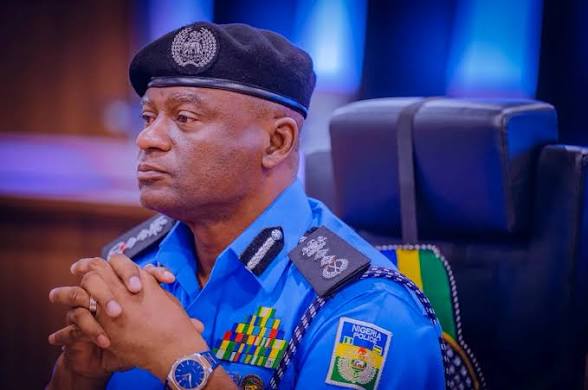
IG didn’t issue ‘shoot-on-sight’ order in Makurdi – Police

0


The Nigeria Police Force has stated that the Inspector-General of Police, IGP Olatunji Disu, did not issue a “shoot-on-sight” order during a recent engagement in Makurdi, Benue State.

The clarification was made in a Saturday statement signed by Force Public Relations Officer (FPRO), CSP Ani Iniedu.

At a stakeholders’ meeting in Makurdi, the IGP was reported to have directed police officers across the country to shoot on sight anyone found carrying illegal firearms, as part of intensified efforts to curb insecurity.

But in Saturday’s statement, the force spokesman maintained that the IGP did not issue any “shoot-on-sight” order as widely misreported.

A video of the IGP’s remark at the event posted on Facebook also did not show the police boss giving such order.

Iniedu said, “The Nigeria Police Force has noticed a misleading report claiming that the Inspector-General of Police, IGP Olatunji Rilwan Disu, psc (+), NPM, ordered police officers to “shoot anyone with illegal firearms.” This claim is false and does not reflect what the Inspector-General said.

“During the stakeholders’ meeting held in Makurdi, Benue State, the Inspector-General did not give any “shoot-on-sight” order. His comments have been taken out of context and wrongly presented to the public.

“In his address, the IGP reminded officers that only security personnel who are legally authorised are allowed to carry firearms. He also spoke about the growing problem of illegal weapons, which are often used by criminals to carry out kidnapping, armed robbery, banditry, cult violence, and other serious crimes.

“The Inspector-General further reminded police officers that the use of firearms is guided by Force Order 237, which clearly states when an officer may lawfully use a firearm while carrying out official duties. He stressed that officers must always act within the law and follow the approved rules for the use of force. At no time did he instruct officers to shoot anyone simply because they were found with an illegal firearm.”

Sun

Death on the waterways 235 lives perish in boat mishaps in 19 months

0


Nigeria is believed to have been endowed with one of Africa’s largest inland waterway networks. It is a vast natural asset that comprises thousands of kilometres of rivers, creeks, lakes, lagoons and reservoirs stretching across the country.


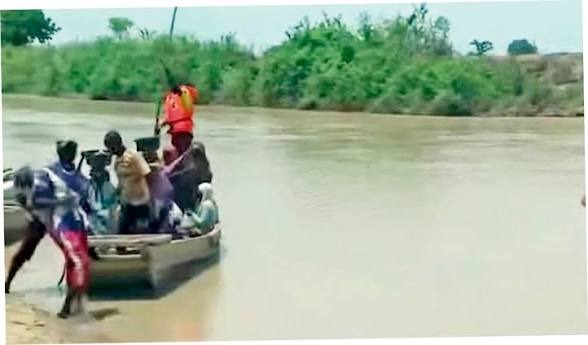
• The scene of the Jigawa boat accident
These waterways, from the River Niger and River Benue to the intricate waterways of the Niger Delta and numerous inland channels, as gathered, possess enormous potential to revolutionise transportation, facilitate trade, boost tourism, support agriculture and fisheries, reduce pressure on the nation’s overburdened road network, and stimulate economic growth.


• The boat involved in the Jigawa mishap returns to work
Investigation revealed that if properly developed, regulated and maintained, the inland waterway system could become a safer, cheaper and more environmentally sustainable means of moving people and goods, while unlocking significant investment and employment opportunities across Nigeria.


• Another boat accident

For millions of Nigerians living in riverine communities, boats are not luxury vessels.

They are school buses, ambulances, taxis and market vehicles, providing the only practical means of accessing education, healthcare, commerce and neighbouring communities.

The sector, despite the immense potential, seemed to have been unable to deliver its full economic and social benefits. It has been fraught with tragedies at intervals.

Available information showed that behind every voyage that ended in tragedy were breadwinners who never returned home, children left orphaned, women suddenly widowed and communities forced into repeated mourning.

19 months of tragedies

Within the past 19 months, hundreds of Nigerians boarded boats in search of life. Some travelled to markets, schools, farms, hospitals, weddings and even funerals. But many never returned.

Between January 2025 and July 2026, at least 235 Nigerians perished in 10 major boat mishaps across eight states.

From the River Niger in Niger and Kogi states to the waterways of Kwara, Sokoto, Jigawa, Benue, Lagos and Yobe, journeys that should have lasted minutes ended in catastrophe.

They left behind grieving families, orphaned children and communities struggling to come to terms with avoidable losses.

Perhaps no tragedy captured the magnitude of the crisis more vividly than the September 2, 2025 disaster on the River Niger in Niger State, where an overloaded wooden boat carrying mourners to a burial ceremony struck a submerged tree stump and capsized.

By the end of the rescue operation, at least 60 people had drowned, making it one of the country’s worst inland waterway disasters in recent years.

Yet the tragedy was not an isolated catastrophe. It was the most visible symbol of a national emergency that has continued to unfold with alarming regularity.

An investigation by Saturday Sun, based on verified official reports and credible media accounts, showed that the 235 fatalities represent only the major, nationally documented incidents recorded within the past 18 to 19 months.

Safety experts believe the actual death toll is likely much higher, as numerous accidents in remote riverine communities might not have been officially documented or received only scant public attention.

The findings raised questions about preventable factors, such as overloading, failure to enforce the compulsory use of life jackets, ageing boats, untrained operators, night travel and weak regulatory oversight have continued to claim lives despite repeated government promises to make Nigeria’s inland waterways safer.

Between January 2025 and July 2026, official reports also confirmed at least 106 survivors or rescued passengers. The total number of survivors is believed to be much higher because several accident reports did not state how many people were rescued.

Rivers turned into death traps

The first major tragedy during the review period occurred in May 2025 at Gbajibo in Kaiama Local Government Area of Kwara State.

A passenger boat conveying traders to a weekly market capsized, killing 27 people.

Investigations linked the accident to severe overloading and the absence of life jackets. It was the third major boat disaster recorded in the area within two years.

Barely two months later, disaster struck again in Shiroro Local Government Area of Niger State. On July 27, 2025, a passenger boat carrying 39 passengers to Zumba Market overturned. Twenty-six passengers were rescued, but 13 others drowned despite frantic rescue efforts by local divers and emergency responders.

On the same day, another tragedy occurred hundreds of kilometres away in Taura Local Government Area of Jigawa State, where a canoe carrying 17 passengers from Digawa to Zangon Maje village capsized.

Nine people, most of them young girls, lost their lives.

The National Emergency Management Agency (NEMA) later visited the affected community and intensified public enlightenment on water transportation safety.

A trader, Salihu Mudassir, who survived the Kwara boat accident in May 2025, recalled that the warning signs were ignored.

“Before we boarded, it had already started raining. Some people suggested that we wait for the rain to stop, while others insisted that we should go ahead because they wanted to return home. Eventually, we decided to board the boat despite the weather.

“As we set off, the water started acting strangely. It became rough and unstable. After a while, water began entering the boat, and it felt like we were about to sink,” he said.

Mudassir said he survived by clinging to the boat after it capsized.

One tragedy after another

The wave of disasters continued in August 2025 when a boat conveying traders to Goronyo Market in Sokoto State capsized amid strong river currents.

Emergency responders reportedly faced enormous challenges because there was no passenger manifest, making it difficult to determine the actual number of passengers onboard. About 25 people lost their lives.

Barely weeks later came the catastrophe that shocked the nation.

On September 2, 2025, an overloaded wooden boat carrying more than 100 passengers to a burial ceremony struck a submerged tree stump and capsized on the River Niger in Niger State. Most of the victims were women and children.

Despite desperate rescue efforts involving local divers, emergency officials and volunteers, at least 60 people died.

The incident triggered nationwide outrage and renewed calls for stricter enforcement of inland waterway safety regulations.

The tragedies did not end there. In September 2025, another wooden passenger boat conveying traders and market women across the River Niger in Ibaji Local Government Area of Kogi State overturned, killing at least 26 people.

The Kogi State Government subsequently promised to strengthen collaboration with federal agencies to improve water transport safety.

Even Lagos was not spared

Although Lagos has one of Nigeria’s most organised water transport systems, it also experienced tragedy.

On December 30, 2025, a passenger boat travelling through the Igbologun water channel capsized during a night journey. Six passengers died, while four others were rescued.

The accident raised concerns over the dangers of night travel and poor visibility on inland waterways.

Furthermore, the new year (2026) brought no respite. On January 3, 2026, a canoe carrying 52 passengers capsized on the Yobe River near Garbi in Nguru Local Government Area of Yobe State.

Investigations attributed the accident to overloading and the structural failure of the ageing canoe. Twenty-nine passengers lost their lives.

Barely two weeks later, another commuter boat capsized around the Buruku and Logo/Ukum river crossings in Benue State. Eleven people died.

Residents have repeatedly complained about the dangerous crossings and the absence of safer transportation alternatives.

11 die in Jigawa boat accident

The latest major incident within the review period occurred on July 20, 2026, in the Ringim Local Government Area of Jigawa State. A boat carrying about 30 passengers overturned.

Rescue teams confirmed 11 deaths, Reports from journalists that visited the scene of the accident showed that the boat was supposed to carry about eight to 10 people,. But on the fateful day, it carried about 30.

As gathered, the particular boat involved in the accident floated on the river, after it emptied people on board into the water.

Latest information revealed that people about 40 communities around the area rely heavily on using canoes to cross the river, a journey which should be about five minutes.

The particular boat involved in the accident after one or two days, has also returned to ferrying people across the river.

Locals recounted that the incident was not the first one in the community. The previous mishaps, they stated, had involved one person, two persons, three persons, but not a major one like the latest incident.

The Jigawa State governor, Umar Namadi, in the aftermath of the Malamawar Yandutse boat tragedy, pledged immediate government intervention to prevent a recurrence. After attending the funeral prayers for the victims at the Malamawar Yandutse Juma’at Mosque, the governor directed the immediate construction of a road bridge across the river to replace the community’s reliance on canoes.

He described the bridge as the only permanent solution to the recurring tragedies. He also conveyed the condolences of the Jigawa State Government to the bereaved families and prayed for the peaceful repose of the victims.

In addition, Namadi assured residents that his administration would strengthen the enforcement of safety measures on inland waterways, while work on the bridge progressed. He stressed that the government was determined to ensure such a tragedy never occurred again.

18 Adamawa travellers die in Cameroon boat mishap

At least 18 Nigerians from Adamawa State died in a boat accident in the Republic of Cameroon after a vessel travelling from Garoua to Yola capsized during a storm.

The tragedy occurred late on Monday night when the boat, carrying more than 50 passengers, encountered a violent storm around midnight and overturned, according to eyewitnesses.

The boat was reportedly transporting passengers as well as rods and other building materials destined for Dasin community in Fufore Local Government Area of Adamawa State.

Although initial reports put the death toll at about 30, local authorities later confirmed that about 20 people had died. However, 18 of the victims were identified as Nigerians from Adamawa State.

Same mistakes

Although the accidents occurred in different locations, official investigations repeatedly identified similar causes. Overloading remains the single biggest factor.

In many riverine communities, it was was gathered that commercial operators routinely exceed the carrying capacity of their boats in a bid to maximise profit.

The widespread disregard for life jackets has also been identified as a major concern.

It was also argued that despite sustained campaigns promoting the slogan, ‘No Life Jacket, No Travel’, compliance remains poor, while enforcement is inconsistent.

Another critical weakness is the failure to maintain passenger manifests. As gathered, without accurate records of passengers before departure, rescue agencies often struggle to determine how many people are missing after accidents occur.

Investigations have also identified ageing wooden boats, inadequate maintenance, submerged tree stumps, untrained operators, excessive speed, adverse weather conditions and night travel without navigational aids as recurring causes of the disasters.

Beyond awareness campaigns

The Federal Government, concerned by the increasing fatalities, inaugurated a Special Committee on the Prevention of Boat Mishaps in February 2025 to review existing safety measures and recommend practical solutions.

Similarly, National Emergency Management Agency (NEMA), the National Inland Waterways Authority (NIWA), state emergency management agencies and other stakeholders have intensified public enlightenment campaigns in vulnerable riverine communities.

Their interventions have focused on promoting life jacket usage, safer loading practices and compliance with water transport regulations.

Experts, however, insisted that awareness campaigns alone cannot solve the problem.

They argued that Nigeria urgently requires compulsory boat registration, periodic vessel inspections, licensing and retraining of operators, stricter enforcement against overloading, improved search-and-rescue capability, mandatory passenger manifests and sustained investment in safer inland water transport infrastructure.

They also advocated stiff penalties for operators who violate safety regulations, stressing that weak enforcement has emboldened many to continue dangerous practices with little fear of consequences.

Boat operators blame weak enforcement, poor safety culture

Boat operators and their associations have repeatedly argued that most inland waterway disasters are preventable. They blamed weak enforcement of safety regulations, inadequate safety equipment and the economic realities facing operators.

National President, Association of Tourist Boat Operators and Water Transporters of Nigeria (ATBOWATON), Gani Shekoni Balogun, following a series of deadly boat accidents across the country, has repeatedly urged the governments to move beyond announcing the distribution of life jackets to ensuring they actually reach operators and are worn by passengers.

He maintained that sustained enforcement and public safety education are just as important as providing safety equipment.

Similarly, the National Public Relations Officer of the Waterfront Boat Owners and Transporters Association of Nigeria (WABOTAN), Raymond Gold, said in an interview a while ago that many rural jetties operate without effective regulatory oversight.

He identified overloading, poor maintenance of boats, inadequate monitoring and widespread disregard for safety rules as recurring problems, particularly in remote communities where water transport remains the only means of movement.

Investigations by the Nigeria Safety Investigation Bureau (NSIB) and the National Inland Waterways Authority (NIWA) into several major boat mishaps in Kwara, Niger and Adamawa states between 2024 and 2026 also revealed recurring operational challenges.

Operators interviewed during the investigations cited submerged tree stumps and other underwater obstructions capable of damaging boat engines, passengers’ refusal to wear life jackets despite repeated warnings, and rising fuel and maintenance costs, which they said often encourage operators to carry more passengers and cargo than recommended in an effort to remain profitable.

Maritime regulators join forces

In what appears to be a renewed push to stem the tide of fatal boat accidents, the National Inland Waterways Authority (NIWA) and the Nigeria Safety Investigation Bureau (NSIB) have strengthened their partnership to improve safety on the nation’s inland waterways.

At a meeting held on July 21, 2026, in Lokoja, the two agencies agreed to deepen collaboration in accident investigation, information sharing, joint enforcement operations and the development of preventive measures aimed at reducing the frequency of boat mishaps.

NIWA’s Acting Managing Director, Malam Umar Yusuf Girei, stressed that stronger inter-agency cooperation was essential to safeguarding lives and property on Nigeria’s waterways.

Also, the NSIB Director-General, Capt. Alex Badeh Jr. said the partnership would help improve safety standards and support more effectively.

It was further gathered that NIWA has deployed water safety marshals to major loading jetties and passenger terminals across the country.

The partnership between NIWA and NSIB is expected to ensure the conduct of independent, and forensic investigations into all future marine accidents, ensuring that root causes like submerged obstructions or mechanical failures are addressed systematically.

FG adopts blueprint to end boat mishaps

The Federal Government’s determination to tackle the recurring boat disasters on Nigeria’s inland waterways gathered momentum after the submission of the report of the 16-member Special Committee on the Prevention of Boat Mishaps, a panel set up by the Minister of Marine and Blue Economy, Adegboyega Oyetola, in February 2025 to investigate the root causes of the persistent tragedies and recommend lasting solutions.

The committee, chaired by the then Managing Director of the National Inland Waterways Authority (NIWA), Bola Oyebamiji, who is now the governorship candidate of the All Progressives Congress (APC) for the August 15, 2026, gubernatorial poll, submitted its report to the minister in Abuja on August 1, 2025.

The report was submitted after the committee had conducted an extensive review of commercial boat operations, regulatory gaps, vessel standards and safety compliance across the country’s inland waterways.

Oyetola, while receiving the report, described the recurring loss of lives on the nation’s waterways as an unacceptable tragedy and pledged that the Federal Government would immediately begin implementing both policy and institutional reforms based on the committee’s findings.

“The safety of our citizens on water is not just a policy responsibility; it is a moral duty. Every life lost in a boat mishap is one too many,” the minister said.

He added that the report would serve as the foundation for immediate and long-term reforms.

The committee submitted 64 recommendations, identifying 17 as immediate priorities. They include the establishment of a Coastal Guard to strengthen enforcement on inland waterways, the introduction of a National Boat Design Policy to standardise commercial vessels, compulsory certification and periodic safety training for commercial boat operators, increased funding for NIWA to enhance safety oversight, and the establishment of search-and-rescue stations at strategic locations across the country’s waterways.

Oyetola also disclosed that the Federal Government had commenced the nationwide distribution of certified life jackets to riverine and coastal communities and urged state governments to work closely with federal agencies in enforcing the ban on night sailing, preventing overloading and ensuring strict compliance with other safety regulations.

Aftermath of committee report

It was further gathered that despite the raft of initiatives introduced by the Federal Government to improve safety on Nigeria’s inland waterways, the statistics of victims have continued to mount. Fatal boat mishaps have remained a recurring tragedy, exposing persistent lapses in safety compliance, weak enforcement of regulations and the continued disregard for basic precautions, such as the use of life jackets, adherence to passenger limits and the ban on night sailing.

Sun

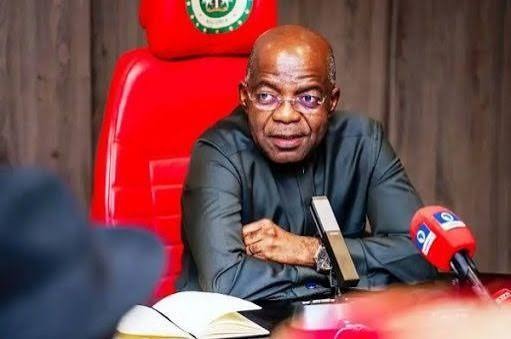
Otti expresses worry over flooding, rising rent in Abia

0


Abia State Governor, Dr. Alex Otti, has sympathised with residents affected by the recent floods. He also expressed worries over rising accommodation rents, particularly in Aba and Umuahia metropolises.

Governor Otti, who stated these during the July edition of his monthly media chat held at Government House, Umuahia, said efforts are being made to remedy these anomalies.

The governor said his government remains committed to investing in durable drainage infrastructure.

“We are building drainage channels that will quickly take floodwater off our roads. Our goal is to permanently solve the flooding problem,” he said.

On housing, Otti expressed worries over rising rents in Aba and Umuahia metropolis, blaming increased demand for accommodation as the contributory factor for higher rental costs.

However, he announced that the state government would soon flag off the construction of the Pocket Layout project in Umuahia, to help bridge the housing gap.
The governor announced that the latest 2026 Phillips Consulting State Performance Index released recently has ranked Abia State under his leadership the third most improved state.

Otti attributed Abia state’s rise in the ranking index to his administration’s sustained investments in healthcare, education, infrastructure and governance, observing that the latest ranking showed that the government’s reforms were beginning to make a noticeable impact on the lives of Abians.

“You will recall between 2023 and 2024, our state was rated number 36, and in 2025, we moved from 36 to number 10.

“And with the current report, we are number three, closely following Jigawa, which came second, and Enugu which came first”.

Otti equally disclosed that Abia State topped the charts in the maternal and infant mortality rate in the 2026 first quarter report released recently in Nigeria.

He revealed the health sector has recorded one of the administration’s biggest successes, particularly in reducing maternal and infant mortality, while enrolment into the Abia State Health Insurance Scheme has continued to grow.

Sun

Adeleke, ALGON at war over Osun motor parks

0


Osun State Governor, Ademola Adeleke, has directed the Police and other security agencies to stop all activities of the National Union of Road Transport Workers (NURTW) in all the motor parks across the state.

This directive came in contrary to the order by the Association of Local Government of Nigeria (ALGON).

The ALGON premised its directive on Paragraph 1(e) of the Fourth Schedule to the 1999 Constitution of the Federal Republic of Nigeria (as amended), which empowers local government councils to regulate motor parks, maintain order, reduce violence, and enhance internally generated revenue.

The association, on Tuesday, ordered security agencies to take over the parks and subsequently appointed caretakers to the parks.

However, in a statement by the Commissioner for Information and Public Engagement, Kolapo Alimi, on Friday, Governor Adeleke directed the Police and other security agents to arrest anybody that is parading himself as official/executive of the union in any of the park.

According to the statement, Governor Adeleke gave the order at the security council meeting held on Thursday with the Police, both from the State Command and Zone 11, representatives of DSS, Army, Air Force Navy, Civil Defence, NDLEA, Immigration, Correctional Service, FRSC, NAPTIP, WNSN -Amotekun, in attendance.

The governor reportedly chaired the meeting with the deputy governor, the COS, the Commissioner for Information and the Special Adviser on Security Matters in attendance.

“I hereby direct the Police and other security agents to stop all activities of the union in all our parks across the state, I’m not saying you should close the parks, but you should not allow anyone to operate in the parks in the name of the union in our parks. Anyone found contravening this order should be arrested for possible prosecution for disturbance of public peace,” the governor was quoted as saying.

The governor also directed immediate establishment of Rapid Response Squad, which will consist of all the security agents in the state to ensure compliance with the directive.


Osborn Umahi honours father, David Umahi, commends legacy of service

0

Businessman and philanthropist Osborn Nweze Umahi has honoured his father, Senator David Nweze Umahi, Minister of Works, on the occasion of his birthday, describing him as an outstanding father and mentor.

Reflecting on his father’s influence, Osborn said Senator Umahi’s life has been defined by integrity, discipline and unwavering commitment to public service.

He observed that beyond politics, the Minister has remained deeply committed to family values and personal mentorship, attributes that continue to shape the lives of those around him.

Osborn offered prayers for God’s continued grace, wisdom and strength, expressing hope for many more years of impactful leadership and national service.

The birthday celebration has drawn goodwill messages from political associates, family members and supporters across Nigeria.


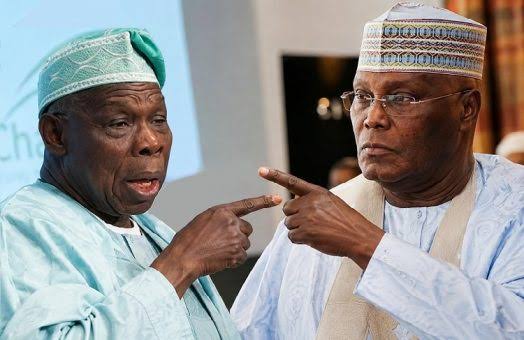
2027: Atiku tackles Obasanjo

0


•Says, ‘opposing your 3rd term bid my only offence
•It’s unfair to say I bribed Na’Abba who’s not alive to defend himself
From Ndubuisi Orji, Abuja

Presidential candidate of African Democratic Congress (ADC), for the2027 election, Atiku Abubakar, has said that the latest allegations against him by President Olusegun Obasanjo are attempts to confer advantage on his preferred presidential candidate for the 2027 polls.

Atiku, in a statement by his Senior Special Assistant on Public Communication, Phrank Shaibu, said the former president’s allegation that the former vice president bribed former Speaker, Ghali Umar Na’Abba, to impeach him was unfair “to a man who is no longer alive to defend his name.”

Atiku said it is difficult to ignore the political timing of what he described as “the recycled allegations,” against him.

He maintained that the roots of Obasanjo’s hostility towards him are well known. He noted that his only offence was opposing the alleged third term agenda.

According to him: “Coming at a time when the political landscape ahead of the 2027 general election is taking shape, the obvious objective is to besmirch my person and reputation and confer an undeserved political advantage on the former president’s kinsman. Nigerians, however, know better. They are too discerning to be distracted by stale allegations resurrected for political convenience.

“My offence was that I stood firmly against the unconstitutional third-term agenda. As a democrat, I chose the path of constitutionalism and the rule of law. Rather than surrender democratic principles on the altar of personal ambition, I defended the constitution and successfully asserted my rights through the courts in a series of landmark legal victories against a sitting President.

“Those battles are now part of Nigeria’s democratic history. It is evident that the bitterness arising from that defining period has failed to leave former President Obasanjo.”

The ADC candidate stated that while President Obasanjo is entitled to support any candidate of his choice, he should do so openly, noting that he would not be distracted into exchanging words over historical political disputes while Nigeria grapples with “unprecedented” multidimensional crisis.

Sun