Home Blog Page 252

EFCC Declares Cynthia Kalu Wanted Over Alleged Fraud

0


The Economic and Financial Crimes Commission (EFCC) has declared Cynthia Obehi Kalu wanted over her alleged involvement in conspiracy, stealing and obtaining money by false pretence.

The wanted notice was signed by the EFCC’s Head of Media and Publicity, Dele Oyewale.

In a wanted notice issued by the anti-graft agency, the EFCC said Kalu, 41, is being sought in connection with an ongoing investigation into the alleged offences.
According to the Commission, Kalu’s last known addresses are Apartment 172, Eko Atlantic City, Victoria Island, Lagos State, and No. 16, Lateef Jakande Road, Agidingbi, Ikeja, Lagos State.

The EFCC appealed to members of the public with useful information on her whereabouts to contact the Commission through any of its offices in Ibadan, Uyo, Sokoto, Maiduguri, Benin, Makurdi, Kaduna, Ilorin, Enugu, Kano, Lagos, Gombe, Port Harcourt or Abuja.

The Commission also urged anyone with relevant information to report to the nearest police station or other security agencies.

The agency provided its contact telephone number, 08093322644, and email address, info@efcc.gov.ng, for members of the public wishing to provide information.

Troops Intensify Offensive as 17 JAS Family Members Surrender in Borno

0


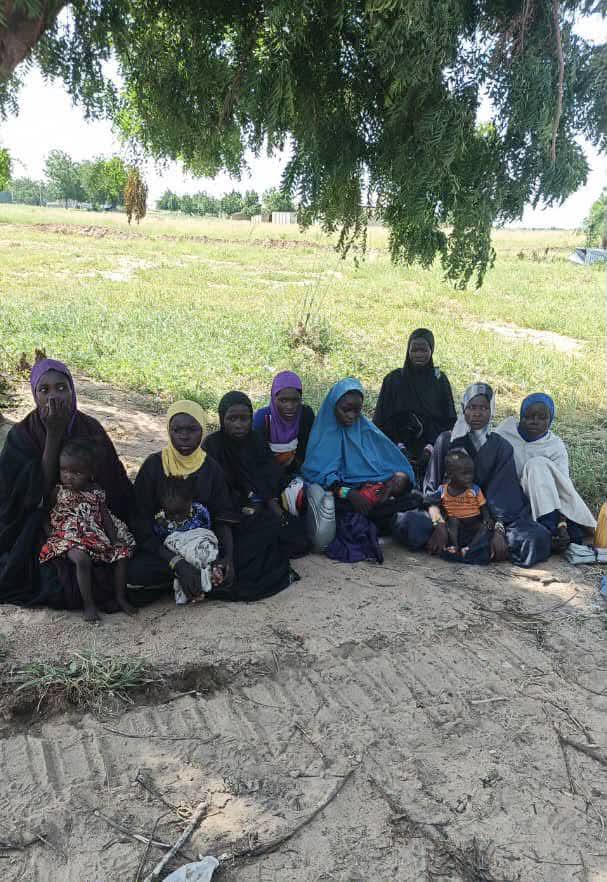
Sustained offensive operations by troops of Operation HADIN KAI (OPHK) have continued to pile pressure on terrorist elements in the North-East, leading to the voluntary surrender of 17 family members of Jama’atu Ahlis Sunna Lidda’awati wal-Jihad (JAS) in separate incidents in Borno State.
According to the Headquarters Joint Task Force (North East), the first incident occurred at about 9:15 a.m. on August 4, 2026, when 16 JAS family members comprising 10 women and six children voluntarily surrendered to troops of the 222 Battalion during a domination patrol along the Gezuwa axis in Konduga Local Government Area.

During preliminary debriefing, the surrendered individuals said the sustained military offensive against terrorist enclaves influenced their decision to surrender. Troops also recovered a total of ₦92,000 from the group.
In a related development, at about 12:04 p.m. on the same day, an 11-year-old JAS family member voluntarily surrendered to troops of the 202 Battalion under Sector 1 in Bama Local Government Area.

The minor reportedly told troops during preliminary debriefing that the sustained operational pressure mounted by the military against terrorist elements prompted the decision to surrender.

The military said all the surrendered individuals are currently in custody undergoing preliminary profiling and debriefing. They will subsequently be handed over to the appropriate authorities for further profiling, detailed debriefing, rehabilitation where applicable, and other administrative procedures in line with established guidelines.
Operation HADIN KAI described the latest surrender as a direct outcome of its ongoing operations aimed at dismantling terrorist enclaves, disrupting their communication and logistics networks, and denying them freedom of movement across the theatre.

The Joint Task Force reiterated its commitment to sustaining aggressive operations against terrorist groups in the North-East, noting that troops will continue to dominate key operational areas, maintain pressure on terrorist hideouts, and create conditions that encourage the safe and voluntary surrender of those willing to renounce terrorism in accordance with established procedures.

The statement was signed by the Acting Military Information Officer, Headquarters Joint Task Force (North East), Operation HADIN KAI, Captain Mohammed Goni.

Dangote Cement Ibese Boosts Community Leadership Capacity with Sustainable Development Training

0


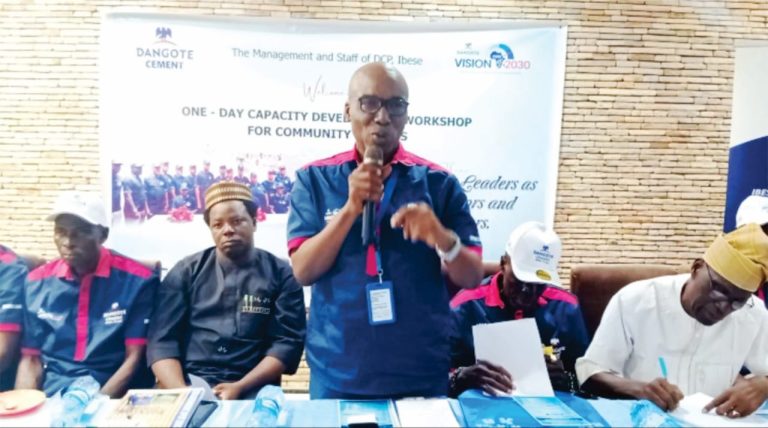
Dangote Cement Plc, Ibese Plant, has reaffirmed its commitment to sustainable community development and stakeholder engagement with through the successful hosting of the this year’s Annual Capacity Development Workshop for leaders of its host communities.


The one-day workshop,in its fourth edition, held at the Yewa Frontier Hotel, Ibese in Ogun State, brought together traditional rulers, Baales, community representatives, women and youth leaders, as well as government officials under the theme, “Community Leaders as Ambassadors and Conciliators.”


The training focused on strengthening leadership capacity, enhancing communication and stakeholder engagement skills, and equipping participants with practical tools for negotiation, conflict resolution, and community development.


Speaking at the opening ceremony, the General Manager, Human Assets Management and Administration (HAM/Admin), Dangote Cement Plc, Ibese Plant, Mr. Aina Olugbenga, commended the host communities for their sustained support and peaceful disposition, which he said had contributed significantly to the Plant’s growth and operational success.


According to him, community leaders play a pivotal role in fostering harmony and understanding within their communities and between stakeholders.


“This workshop reflects our belief that strong communities are built on effective leadership, constructive dialogue, and mutual respect. As leaders and custodians of your communities, you serve as important ambassadors of peace and development. We encourage you to apply the knowledge gained here to strengthen relationships, resolve conflicts amicably, and contribute meaningfully to the continued progress of your communities and the Plant,” he said.

In his goodwill message, the Chairman of Yewa North Local Government, Hon. Dr. Samuel Olabode Olusola, praised Dangote Cement for maintaining cordial and productive relationships with its host communities.

He noted that the Company’s investments in community engagement and development initiatives have continued to promote peaceful coexistence and inclusive growth within the area.

“Dangote Cement deserves commendation for its consistent efforts at nurturing harmonious relationships with its host communities. Such initiatives help to build trust, strengthen social cohesion, and create an enabling environment for development. We encourage the Company to sustain its road safety and truck driver training programmes, which have become important measures for enhancing safety on our roads,” he stated.

Also speaking, the Head of Social Performance, Dangote Cement Plc, Ibese Plant, Mr. Ademola Ojolowo, expressed appreciation to participants for their continued collaboration with the Company and highlighted the inclusion of Baales in this year’s edition of the programme as part of efforts to broaden community participation and strengthen grassroots engagement.


“Our host communities remain critical partners in our journey towards sustainable development. By expanding participation in this year’s workshop, we are creating more opportunities for engagement, knowledge sharing, and collaboration. We encourage participants to take advantage of the sessions and apply the lessons in promoting peaceful coexistence, effective leadership, and community advancement,” he said.


Participants were taken through a series of interactive sessions addressing leadership effectiveness, communication strategies, stakeholder engagement, negotiation techniques, and conflict management.


The workshop equipped attendees with actionable skills to function more effectively as community ambassadors and conciliators while fostering social harmony, collaboration, and sustainable development across the Plant’s host communities.


The Annual Capacity Development Workshop has become an important component of Dangote Cement Ibese Plant’s stakeholder engagement strategy, providing a platform for strengthening partnerships, building local capacity, and promoting trust, shared prosperity, and long-term development within its host communities.

CharlyBoy Boy popularly known as Area Fada Warns Men over Daughter

0


He writes: One of my Princesses in the Castle of Punk.
Representing her siblings at the 999 lunch,
The Memoir of CharlyBoy.

All the men using style to come to my house ooo, I have a gun.
U have been warned.

Figo demands Infantino’s exit over FIFA World Cup controversy

0


Former Portugal captain Luis Figo has called for FIFA president Gianni Infantino to resign, describing him as “deceitful” as pressure continues to mount over the failed plan to sell a stake in the World Cup.

The former Real Madrid and Barcelona star said Infantino had lost the moral authority to lead world football after abandoning the controversial proposal following widespread opposition.

Infantino had sought to sell a 20 per cent stake in the World Cup through FIFA Forward Enterprise (FFE), a private investment vehicle created to manage the commercial and operational aspects of FIFA tournaments.
The proposal drew fierce criticism from football stakeholders and was rejected by three continental confederations, forcing FIFA to withdraw the plan.

According to AFP, Infantino held emergency talks with senior FIFA officials in Morocco on Wednesday in an effort to contain the growing crisis and rebuild support.

However, Figo insisted the damage had already been done.

“I could write 10,000 words on the problems at FIFA. But the solution needs only three: Infantino must go,” Figo wrote in the Daily Mail.

“I have loved football all my life. I was a professional player for 20 years. And believe me, I have met some rogues in my time in the game.

“But what I have seen exposed in the last 10 days is the lowest, most deceitful and cravenly self-interested behaviour I have ever witnessed.”

Figo further accused Infantino of attempting to push through sweeping changes for personal gain.

“The man who would do that, the man who would try to force through such major changes just to enrich himself and his friends is a relic of the game’s past and should have no part in its future,” he said.

Infantino had defended the proposal by arguing that private investment would generate greater financial returns for FIFA’s 211 member associations.

The initiative, however, triggered a strong backlash after reports emerged that national football associations had not been adequately consulted before the plan was unveiled.

Critics also raised concerns that the proposal could eventually pave the way for more frequent World Cup tournaments, including the possibility of staging the competition every two years instead of the traditional four-year cycle.

Figo, who contested the FIFA presidency in 2015 before withdrawing from the race, said Infantino should step down immediately rather than seek another term in office.

“Infantino has debased the office of FIFA president that he promised to elevate,” he said.

“He has lied, deceived and tried to feather his own nest at the expense of the game he is supposed to serve.”

The former FIFA presidential candidate added that Infantino had lost the confidence of key figures within world football.

“He has lost the support of his senior staff, his closest advisers, the vast majority of people who devote their lives to this sport and even, it would seem, the FIFA Peace Prize winner (US president Donald Trump).

“It is too late to save his dignity but it is not too late to save football. He should go. Now.”

Figo’s comments add to growing criticism of Infantino from senior football figures, including FIFA’s Chief of Global Football Development, Arsene Wenger, who recently described the decision to abandon the investment plan as “absolutely necessary and beyond question.”

Sun

Tinubu reaffirms commitment to malaria-free Nigeria as FG moves to adopt new prevention strategy

0


President Bola Ahmed Tinubu has reaffirmed his administration’s commitment to eliminating malaria and strengthening Nigeria’s public health response.

This is even as the Federal Government moves towards adopting Perennial Malaria Chemoprevention (PMC) to protect children in areas with year-round malaria transmission.

Minister of State for Health and Social Welfare, Dr Iziaq Adekunle Salako, stated this on Wednesday in Abuja while delivering the keynote address at the national dissemination of findings from the Perennial Malaria Chemoprevention Implementation Research Study.

The event was organised by the National Malaria Elimination Programme (NMEP) of the Federal Ministry of Health and Social Welfare in collaboration with Malaria Consortium.

Salako said the possible adoption of PMC was among the “bold steps” the Federal Government was prepared to take based on evidence generated by the implementation research, as Nigeria intensified efforts to reduce malaria-related illness and deaths.

He said President Tinubu’s commitment to improving the health and wellbeing of Nigerians remained firmly anchored on strengthening national public health responses, stressing that malaria elimination was “not as a slogan but as a strategic priority.”

According to him, “Together with commitment and partnership, we will change the story.

“Together we will drive down the burden of malaria and together we will move decisively towards a malaria-free Nigeria.”

Salako said the PMC study, which began in 2023 following its inclusion in the 2021-2025 National Malaria Strategic Plan, was designed to generate evidence on the feasibility and effectiveness of the intervention in Nigeria.

He explained that the Federal Ministry of Health and Social Welfare, through NMEP, prioritised the piloting of PMC, formerly known as intermittent preventive treatment in infants, particularly in areas not eligible for Seasonal Malaria Chemoprevention (SMC).

“The intervention is targeted at protecting children under 24 months in regions where malaria transmission occurs throughout the year,” the minister added.

He further said the research findings would be critical to shaping Nigeria’s decision on the adoption of PMC as a targeted sub-national intervention to reduce the malaria burden and accelerate progress towards elimination.

He said the strategy was also consistent with the World Health Organisation’s recommendation of PMC for malaria-endemic countries, noting that it would complement existing interventions such as vector control, effective testing and treatment, surveillance and other prevention measures.

Salako said Nigeria had recorded significant progress in malaria control, with the 2025 Nigeria Malaria Indicator Survey showing a decline in malaria prevalence from 42 percent in 2010 to 15 percent in 2025.

Despite the progress, he said Nigeria still accounted for 24.3 percent of the global malaria burden, making the adoption of additional evidence-based interventions imperative.

The minister noted that the proposed adoption of PMC would also promote equity in Nigeria’s malaria elimination efforts, particularly because SMC had already contributed significantly to saving the lives of children in northern Nigeria.

“Seasonal malaria chemoprevention has contributed to a lot of under-five children’s lives being saved in the northern parts of our country,” he said.

Salako reaffirmed the Ministry’s commitment to implementing the Nigerian Malaria Strategic Plan 2026–2030, which he said would provide strategic leadership for maximising resources, integrating services and strengthening healthcare systems.

He commended funding and implementing partners, including Malaria Consortium, as well as Federal Government agencies, sub-national governments and frontline health workers for their contributions to the malaria elimination effort.

Sun

Peace Summit: Arewa leaders rally united front against terrorists, bandits

0


Stakeholders from across Northern Nigeria have called for a united and coordinated approach to tackle the region’s lingering security crisis, declaring that political, ethnic and religious divisions must no longer stand in the way of restoring peace.

The call was made on Wednesday at the Northern Peace Summit organised by the Arewa Cohesion for Peace, Unity and Development Initiative in Kaduna, where traditional rulers, religious leaders, government officials, security chiefs, civil society organisations, development partners, youth and women groups, academics and policy experts gathered to chart a new course for regional peace and security.

Speaking at the opening of the summit, the convener of the coalition, Abdullahi Idris, said the meeting was convened to develop practical solutions to insecurity and strengthen collaboration among key stakeholders.

He lamented that Northern Nigeria has continued to bear the devastating impact of insurgency, banditry, kidnapping and other violent crimes that have destroyed livelihoods, displaced communities and slowed socio-economic development.

“The time has come for Northern Nigeria to rise above political, ethnic and religious differences and work together for the common good,” Idris declared.
“We can no longer afford the luxury of blame or silence. Our collective resolve must be stronger than the challenges confronting us.”

According to him, the summit is designed to produce practical strategies that will improve dialogue between communities and government, address the root causes of insecurity, combat corruption and strengthen community-based peacebuilding initiatives.

He stressed that rebuilding public trust would require stronger coordination among institutions, effective intelligence sharing and increased grassroots vigilance.

Idris also challenged traditional rulers and religious leaders to take leading roles in promoting reconciliation, tolerance and peaceful coexistence across communities.

Describing young people and women as indispensable partners in peacebuilding, he said they must be fully involved in designing and implementing sustainable security initiatives.

“Young people and women are critical stakeholders in peacebuilding and must be actively involved in shaping lasting security solutions,” he said.

The convener noted that the summit was intended to deliver more than speeches, revealing that participants would develop a regional peace and security framework with actionable recommendations for implementation.

He further disclosed plans to institutionalise quarterly peace dialogues and establish a network of community peace and youth ambassadors to sustain engagement and monitor progress across the region.

Expressing optimism about the initiative, Idris said the coalition was determined to change the narrative of Northern Nigeria from one defined by insecurity to one driven by resilience, peace and inclusive development.

“The success of this initiative will depend on our collective commitment to implementing the resolutions that emerge from this summit,” he added.

The summit attracted prominent traditional rulers, religious leaders, senior government officials, heads of security agencies, civil society organisations, development partners and experts in peace, security and public policy.

Participants are expected to adopt a communiqué containing recommendations aimed at strengthening regional collaboration, improving community security and advancing sustainable peace across Northern Nigeria.

Sun

I gave Adeniyi Adeyemi N400m for contract facilitation, businessman tells reps panel

0


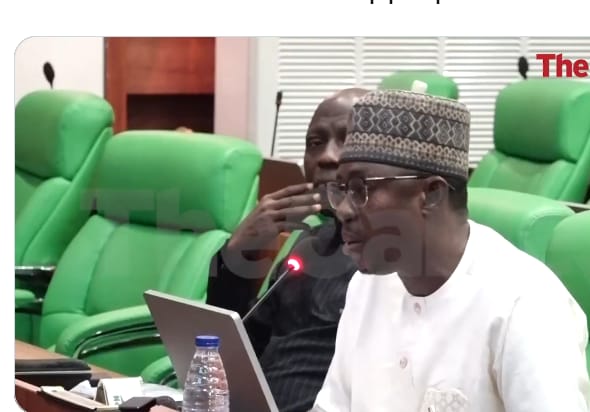
Gbenga Collins, managing director of Divine Dopacy Nigeria Limited, says he gave Adeniyi Adeyemi N400 million to facilitate the award of a contract to renovate and furnish an apartment he claimed was his official residence.

Collins spoke on Tuesday when he appeared before the house of representatives ad hoc committee probing the controversy surrounding the Presidential Foreign Intervention Promotion Council (PFIPC) and the N1.3 billion allocated to the council in the 2026 Appropriation Act.

thecable

Flight Disruptions Hit Air Peace Operations After FAAN Equipment Failure

0


Air Peace has announced disruptions to its flight operations following the failure of a baggage screening machine at the Federal Airports Authority of Nigeria (FAAN) Domestic Terminal of the Nnamdi Azikiwe International Airport, Abuja.

The airline said the technical fault has slowed baggage screening and loading, forcing some aircraft to remain on the ground and causing delays to scheduled departures from Abuja. The disruption has also affected subsequent flight rotations across its network.

Air Peace said it is working closely with the relevant airport authorities to restore normal operations as quickly as possible while making every effort to minimise delays and ensure the safe processing of passengers and their baggage.

The airline apologised for the inconvenience and appealed for passengers’ patience and understanding, assuring them that safety remains its highest priority and that further updates will be provided as the situation develops.

FG unveils Almajiri reform, bans street begging

0


The Federal Government has unveiled a new National Policy for the Enhancement of Almajiri Education, prohibiting Almajiri learning centres from sending pupils to beg on the streets.

The policy introduces compulsory literacy, numeracy, digital education and vocational skills as part of efforts to reform the country’s traditional Qur’anic education system.

Recently approved under the Federal Ministry of Education, the policy also mandates the registration of all Almajiri learning centres, requires the biometric capture of learners, introduces nationally recognised certification for graduates and prescribes sanctions, including possible closure, for schools that violate its provisions.

According to the policy document, the reforms are aimed at ending the long-standing practice of street begging associated with the Almajiri system while integrating learners into Nigeria’s broader education framework without altering the religious identity of Qur’anic schools.

It stated, “No learner(s) shall be sent out to beg in the street or do menial jobs.”

The government further warned that, “Any registered learning centre that sends learners out to beg shall face appropriate action such as sanction from operation.”

The policy explained that one of its key objectives is “to eradicate all forms of begging, abuse and stigmatisation associated with Almajiri in line with the existing Child Protection Laws.”

Beyond ending street begging, the government said the curriculum would be expanded to equip learners with foundational education and employable skills.

It stated that literacy and numeracy would become part of Almajiri education nationwide, while relevant digital skills, vocational training, Arabic language, civic education and life skills would also be incorporated into teaching.

The document stated, “Literacy and Numeracy shall be infused into the curriculum of the Almajiri teaching and learning.”

It added, “Relevant digital skills shall be included in the training of the facilitators and learners.”

The policy further provides that learners should be given opportunities to acquire vocational and technical skills of their choice or those approved by their parents or guardians to improve their future economic prospects.

For the first time, graduates of recognised Almajiri learning centres will also receive formal certification.

According to the policy, “A structured certification process for learners shall be established by the National Commission for Almajiri and Out-of-School Children Education in collaboration with relevant federal government agencies.

“Learners who complete the Almajiri education shall be awarded a certificate.”

To strengthen oversight, the government directed that all Almajiri learning centres across the country must register with relevant state or local government authorities and maintain comprehensive records of learners.

It also requires schools to keep manual or electronic records as well as biometric data for every learner.

The policy states, “All learning centres shall be registered with relevant state or local government authority working on Almajiri Education.”

It adds that every learning centre must “keep records of all learners manually and/or electronically as well as biometric data.”

The reforms also introduce minimum operational standards for both day and boarding Almajiri schools.

Under the new guidelines, learners must undergo health screening before admission, while facilitators will also undergo periodic health checks.

Each learning centre must register with a nearby public health facility, maintain a functional first aid box, provide adequate water and sanitation facilities, ensure proper ventilation and prevent overcrowding.

The government also directed that separate learning spaces be provided for male and female learners and prescribed minimum standards for hostels in boarding schools.

The policy extends welfare support to registered Almajiri schools by making them eligible for learning materials, healthcare, nutrition services, school feeding programmes, scholarships for facilitators and, depending on state capacity, allowances for teachers.

It further provides that Alarammas and other facilitators should be integrated into existing teacher development programmes organised by agencies such as the Universal Basic Education Commission, State Universal Basic Education Boards, the National Teachers’ Institute and the Teachers Registration Council of Nigeria.

The document noted that the policy is intended to reform, not abolish, the Almajiri system.

“It is developed not to take over learning centres but to provide clear operational guidelines, direction and streamline activities of the Almajiri education system. This is to guarantee the learners’ and teachers’ security, promote their well-being and engender economic productivity among the learners,” it stated.

The government attributed many of the challenges confronting the Almajiri system to years of neglect, parental abandonment, inadequate funding, poor regulation and widespread misconceptions.

It noted that the practice of children roaming streets to beg for food and alms had exposed many learners to exploitation, abuse and other risks while contributing significantly to Nigeria’s out-of-school children population.

The policy also pays special attention to girls participating in Qur’anic education, acknowledging that they have historically received less attention despite facing heightened risks of exploitation, neglect, poor living conditions and limited access to formal education.

The Federal Government assigned implementation responsibilities to the Federal Ministry of Education, the National Commission for Almajiri and Out-of-School Children Education, state governments, local government education authorities, traditional rulers, parents, community leaders and development partners.

The commission is expected to coordinate nationwide implementation, establish a database of learners and teachers, mobilise funding, enforce child protection standards, support states in registering learning centres and collaborate with relevant agencies to integrate basic education, technical and vocational education, digital literacy and skills acquisition into the Almajiri system.

The policy follows the establishment of the National Commission for Almajiri and Out-of-School Children Education in 2023 to coordinate interventions aimed at addressing Nigeria’s out-of-school children crisis.

Nigeria has one of the world’s largest populations of out-of-school children, with a significant proportion linked to the traditional Almajiri system in parts of northern Nigeria. Previous government interventions, including the establishment of Almajiri model schools and efforts to integrate Qur’anic education into the Universal Basic Education programme, recorded mixed results due to poor funding, inadequate coordination and weak maintenance.

The newly released National Policy for the Enhancement of Almajiri Education is expected to provide the first comprehensive national framework governing the registration, curriculum, welfare, funding, monitoring and regulation of Almajiri learning centres across the country.