Home Blog Page 245

Lagos ready to host maiden National Intermediate Games — Sanwo-Olu

0


Lagos State Governor, Babajide Sanwo-Olu, has declared the state ready to host the maiden National Intermediate Sports Festival, assuring that ongoing rehabilitation and upgrade of sporting facilities across the state will be completed ahead of the competition slated for October 1-15.

Sanwo-Olu gave the assurance on Saturday after inspecting sporting facilities at the Teslim Balogun Stadium, Surulere, Lagos, as part of preparations for the national competition scheduled to hold in October.

The governor said the state had about 60 days to put finishing touches to the facilities and ensure that they meet international standards before thousands of young athletes arrive in Lagos for the competition.

According to him, Lagos was selected by the National Sports Commission as the host of the inaugural National Intermediate Sports Festival about two months ago, prompting the state government to intensify work on its sporting infrastructure.

He said the competition would provide an opportunity to strengthen grassroots sports development and discover young talents before they are lost to other countries.

Sanwo-Olu said, “We have only about 60 days to ensure that everything that we are doing will be put to international standards. We believe that we will be there and we will do it.”

He disclosed that about 14,000 to 15,000 athletes from across the country were expected to participate in the competition, noting that several sporting facilities across Lagos would be used to host the events.

The governor said the state had, about three years ago, embarked on a strategic rehabilitation programme covering about 10 stadia in different parts of Lagos.

He listed some of the locations as Surulere, Ifako, Badagry, Epe, Agege, and Ikorodu, among others, saying the initiative was aimed at rebuilding and upgrading sports facilities across the state.

At the Teslim Balogun Stadium, Sanwo-Olu inspected the main football and athletics arena, indoor sports facilities, volleyball court and swimming pool, among other facilities.

He said the main football pitch was being upgraded to FIFA standards and would become one of the best football pitches in the country when completed.

“The main football pitch is a FIFA-graded one and, from what I am told, will be number two in the country. It is natural grass and they have laid the grass. The wet ring and tartan track will also be completed within the next four to six weeks,” he said.

The governor also disclosed that extensive renovation was ongoing at the indoor sports hall, including the installation of roofing, seats, flooring and air-conditioning facilities.

He, however, identified the swimming pool as one of the areas requiring urgent attention ahead of the competition, assuring that it would be ready for the games.

“We will need to very quickly activate the swimming pool. I can assure you that it will be ready for that competition,” Sanwo-Olu said.

He noted that the Olympic-sized swimming pool at the Rowe Park Sports Centre was also available for the competition, but stressed that the larger swimming facility at Teslim Balogun Stadium would be upgraded and put into use.

The governor said the state government was working with contractors to ensure that all facilities were competition-ready, adding that the remaining work included extensive cleaning, landscaping and general preparation of the stadium environment.

Sanwo-Olu expressed satisfaction with the pace of work at the stadium, commending the contractors for remaining on site and working to meet the deadline.

“What we need to do now is to completely clean up the entire area, make sure that it is sports-ready and competition-ready, and that it can host the national sports competition,” he said.

He added that the state would continue to monitor the projects closely, promising to return to the stadium in the next three to four weeks to assess the next stage of preparedness.

The governor said Lagos was determined not only to successfully host the maiden National Intermediate Sports Festival but also to use the event to deepen grassroots sports development and create opportunities for young athletes.

He said the state accepted the hosting responsibility because of its commitment to nurturing young talents and providing them with platforms to develop their sporting careers.

According to him, the initiative is particularly important at a time when many young Nigerians are seeking opportunities abroad.
“We want to hold grassroots sports. We want to encourage the young people before they begin to ‘japa’ and run away, hold them and be able to develop them,” he said.

Sanwo-Olu expressed optimism that the inaugural edition of the National Intermediate Sports Festival would be one of the best sporting competitions ever hosted in the country.

He urged stakeholders and the media to continue to support Lagos as the state puts its facilities and logistics in place for the October games.

Sun

Lionel Messi’s father, Jorge Messi, dies at 68

0


Jorge Messi, father of Argentina captain and Barcelona legend Lionel Messi, has died at the age of 68.

Multiple media outlets in Argentina and Spain, including Infobae, reported that Jorge passed away in his hometown of Rosario, Argentina, at around 10 p.m. local time on Friday.

“Jorge Messi, the father of Lionel Andrés Messi, died last night at 10 p.m. in a clinic in the city of Rosario, Argentina” according to information obtained by Infobae.

The reported death also comes after an emotional moment involving Messi during Argentina’s 2026 World Cup campaign.

The Messi family confirmed that Jorge had been dealing with a health condition and was receiving medical treatment urging the public and media to respect the family’s privacy.

Jorge Messi played a significant role in his son’s career and was a key figure in managing Lionel Messi’s affairs throughout his rise to global football stardom.

Sun

IPMAN appoints interim caretaker team to stabilize Eastern Zone

0


The Independent Petroleum Marketers Association of Nigeria, IPMAN, has named a 16-member Caretaker Executive Committee to run its Eastern Zone, System 2E, for the next three months.

The inauguration was held in Calabar following the death of the immediate past Zonal Chairman, Chief Larry Nworuh.

National Secretary, Hon. James Tor, who represented National President, Alhaji Abubakar Maigandi Shettima, said the decision followed consultations with stakeholders in the zone.

“Following the demise of our Zonal Chairman, there was need to enthrone new leadership to pilot the affairs of the Association in System 2E,” Tor said.

He said the committee, led by Chairman, Chief Nsikan Ekpe Sunday, is mandated to ensure stability and prepare for credible elections in the zone.

Tor urged marketers, depot communities, and sister unions in Cross River and Akwa Ibom to support the CTC and commended the Cross River State Government and security agencies for providing a conducive business environment.

In his acceptance speech, Chief Sunday thanked the national executive and pledged to justify the confidence reposed in them.

A Calabar Zonal Task Force covering Cross River and Akwa Ibom was also inaugurated at the event.

IPMAN System 2E covers petroleum marketers operating in Cross River, Akwa Ibom and nine other states.

Sun

Police neutralise gang leader behind April killing of Imo monarch, five others

0


The Nigeria Police Force has confirmed the death of a suspected kingpin identified as Ojiogu Elumah Martin, alias Acid, whose criminal gang was linked to the April 10 killing of Eze Paulinus Ekwueme, Ochia I of Ochia Kingdom, and five others in Ohaji/Egbema, Imo State.

Force Public Relations Officer, CSP Ani Iniedu, said in a statement on Saturday that operatives of the Special Tactics Squad, Force Intelligence Department (STS-FID) conducted a series of operations between August 2 and 6 targeting members of the criminal syndicate allegedly linked to the incident.

According to the statement, the operations culminated in the early hours of August 6 when operatives located the hideout of a suspected gang kingpin identified as Ojiogu Elumah Martin, alias “Acid”, in Ohaji/Egbema.

“The suspect engaged the operatives in a gun duel and sustained injuries during the encounter, which subsequently led to his death,” Iniedu said.

One AK-47 rifle, three magazines and 56 rounds of 7.62mm live ammunition were recovered from the scene.

The police said the suspect was identified as an alleged leader of the criminal syndicate linked to the attack of April 10, 2026, in which the monarch and five others were killed along the Asa/Awara Road, Ohaji/Egbema, while returning to Owerri.

Iniedu stated that four suspects had earlier been arrested in connection with the incident, while two others reportedly died during previous encounters with the police.

“Following the latest operation, efforts have been intensified to apprehend other fleeing members of the syndicate, establish the full extent of their involvement and recover further operational intelligence and exhibits,” the statement added.

The Nigeria Police Force said it remains committed to ensuring that all persons found to be connected with the crime are brought to justice and that every effort is made to bring the investigation to a logical conclusion.

Sun

NAPTIP, EU train 40 journalists on SGBV reporting

0


The National Agency for the Prohibition of Trafficking in Persons (NAPTIP), in collaboration with the European Union (EU) Support to End Sexual and Gender-Based Violence (ESGBV) Programme, has trained 40 journalists from Kaduna State and the Federal Capital Territory (FCT) on ethical and survivor-centred reporting of sexual and gender-based violence (SGBV).

The 40 media practitioners, comprising 20 journalists each from Kaduna and the FCT, participated in a 2-day SGBV Media Corps Workshop organised by NAPTIP with support from the EU-funded ESGBV Programme, implemented by International IDEA.

The training aimed to enhance public engagement on SGBV by improving the quality, ethics, and coordination of media and community-based communication, while shifting reporting towards professional, evidence-based, and action-oriented coverage.

Speaking at the workshop, NAPTIP’s Head of Press and Public Relations, Mr Vincent Adekoye, urged journalists to take ownership of the fight against SGBV, believing that responsible media could play a decisive role in exposing perpetrators and protecting victims.

“What we need is a vibrant media,” Olukorede said. That’s why I’m so happy we’re having this training.

“As someone who has been in the field before, I want us to take over the case, take over the space by ourselves as journalists,” he said.

Adekoye disclosed that NAPTIP had secured three life imprisonment convictions in SGBV cases, but said intimidation, community pressure and attempts to settle rape cases outside the formal justice system remained major challenges.

“A child is raped, you come together as a community leader, you say you want to settle it, were you the one who was raped?

“Do you know the pain of being raped? No. And you say you are a community leader and you want to settle it?” he queried.

He also raised concerns over revenge porn and blackmail, saying some victims were lured into relationships before their private images were used to extort money from them.

“They will end up in relationships with some of these people who are pretending to be rendering one therapy or the other, and the same people will use it with this revenge porn,” he added.

Also speaking, Civil Society and Community Mobilisation Specialist with the ESGBV Programme, Wynyfred Achu-Egbuson, stated that the organisers expected the training to result in improved reporting of SGBV cases in Kaduna and the FCT.

Wynyfred said journalists were expected to produce reports that were survivor-centred and ethical, while helping the public understand the social, financial, emotional and psychological consequences of SGBV.

“So we hope to see reporting that is survivor-centred, reporting that is ethical, and reporting that helps people have a better understanding of what SGBV is,” she said.

She maintained that journalists had a critical role to play in reducing SGBV, particularly by connecting survivors with available support services.

“We want to see journalists in the FCT and Kaduna states who understand that they play a very critical role towards reducing incidences of sexual and gender-based violence in these two locations,” she said.

Meanwhile, she encouraged SGBV survivors to seek help, noting that medical facilities, trauma counselling and shelters supported by government and civil society organisations were available in Kaduna and the FCT.

“For survivors of SGBV, my first message would be to let them know that there are places where they can access services like psychological and trauma counselling,” she added.

She urged survivors who might be unable to directly access government agencies to also approach journalists, describing them as accessible links to available support services.

To her, “You do not need to fill a form to see a journalist, and they could help survivors connect with services to overcome the trauma from these incidents.”

The EU ESGBV programme is implemented in the FCT, Kaduna, Oyo and Benue states, with the broader objective of strengthening prevention, referral pathways, access to trusted information and positive social norm change around SGBV.

Sun

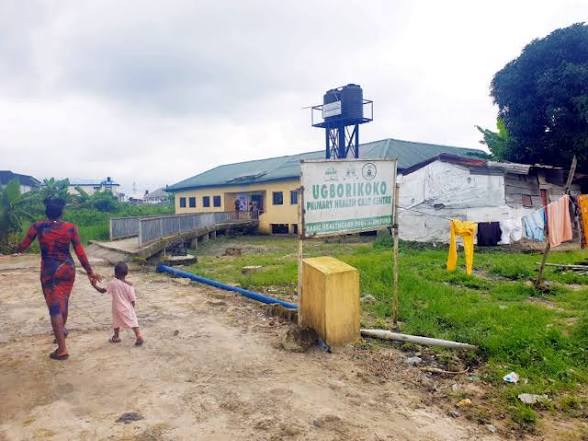
Sick health centres keep rural dwellers in agony

0

Nigeria’s primary healthcare centres (PHCs), which are supposed to be the bedrock of the country’s health system, are generally not in a good state of health. The PHCs were established to provide accessible, preventive, and basic curative care at the grassroots level. The first part of the evolution of the healthcare system began in the colonial period and ran up to the post-independence era, ending in 1975, during which the early health infrastructure prioritised curative medicine over preventive care, largely serving colonial administrators, military personnel, and urban residents. Then came the five-year period from 1975 to 1980, when the global shift towards basic health services, propelled the country to initiate the National Basic Health Services Scheme (NBHSS). This period was the first attempt to build a system that would be centred on primary healthcare. However, it failed because the implementation process was plagued by challenges and a lack of community-focused strategies.


Then came the Prof Olikoye Ransome-Kuti era that lasted eight years (1985 to 1993), following his appointment as the Minister of Health. Ransome-Kuti drew on the 1978 Alma-Ata Declaration, and drove the effort of the country to adopt the model of primary healthcare prescribed under the declaration. It was first tried out in 52 local government areas (LGAs). The success of that initial step led to expansion of the programme to all the local governments in the country from 1986 to 1990. In essence, delivery of primary healthcare services was delegated exclusively to the local governments. Under the PHC programme, the country achieved over 80 per cent universal child immunisation.

To sustain progress, the Ibrahim Babangida military regime promulgated Decree 29 in 1992 under which the National Primary Health Care Development Agency (NPHCDA) was established. Unfortunately, after the exit of Ransome-Kuti in 1993, institutional decline began to set in as the system suffered from neglect, political instability, and a loss of community confidence. The system continued to operate at the sub-optimal level until 2017 when a revitalisation initiative was commenced to reposition the PHCs, boost their capacity and the capability of the personnel to render more value-added services including some degree of medical investigations. Supported by the World Bank and other foreign donor agencies, the federal and state government set about tackling infrastructural decay and epileptic supply of medications and necessary consumables. For this purpose, the federal government established the Basic Health Care Provision Fund, built several new facilities, upgraded several PHCs, provided solar-powered cold chain storage facilities for vaccines. As with everything in Nigeria, changes of administrations and differing commitment to governance standards have once again affected the PHCs.

Correspondents in states present situation reports.


Imo: New buildings, old problems

In village squares across Imo, the blue-and-white signboards of Primary Health Care Centres, PHCs, are becoming more visible. Under Governor Hope Uzodimma, the state approved the construction of 55 new PHCs spread across all 27 local government areas. The idea is simple: bring care closer to the people.


The list stretches from Enyiogwugwu and Ibeku in Aboh Mbaise to Nnarambia and Ihenweorie in Ahiazu Mbaise. In Owerri West alone, new centres are planned for Ndegwu, Amakohia-Ubi, Irete and Orogwe. Government officials say each facility will be fully equipped, staffed, and run 24/7, with a focus on maternal and child health, prevention, and emergencies. They are meant to complement existing PHCs that the administration says have been “renovated, equipped, and functional.”

For many rural families, that promise matters. But on the ground, a different picture is emerging. In several communities, newly announced PHCs sit beside older ones that are still falling apart. Residents describe collapsed ceilings, wall cracks, no perimeter fencing, and buildings they are structurally unsafe. Yet they keep coming, because it is the only facility within walking distance.

Staffing is another gap. Most of the centres do not have enough trained personnel. And despite the policy of free primary care on paper, patients and nursing mothers say they are charged for treatment and vaccination.

Mrs. Patient Ajuluchi, a nursing mother in Owerri West, said she paid ₦30,000 for delivery at a local PHC. Vaccinations cost between ₦1,500 and ₦2,000 per dose. She also pointed to a solar power system that has not worked since installation. “They use rechargeable lanterns at night,” she noted, adding that her biggest frustration is staffing hours. “The most annoying thing is that they don’t sleep at the PHC themselves. They leave us to come back the next day. My experience there is always horrifying.”

Delivery fees vary widely. Saturday Sun learnt that women pay between ₦20,000 and ₦40,000 for delivery.

Isiala Mbano is a miniature of Imo’s PHC story. Not all facilities there are “dilapidated” anymore, but progress is uneven. The Umuduru Health Centre is one of the success stories. Revitalised with support from the Federal Government through NPHCDA and community contributions, it now has fresh paint, working solar panels, functional delivery rooms, immunisation, maternal care, medical laboratory and treatment for minor ailments. Residents say access has improved.

Step outside Umuduru, however, and the challenges return. An assessment of 10 PHCs in Isiala Mbano found many with severely cracked walls, leaking roofs with torn nets on doors and windows, dirty or broken toilets, no clean water, and reliance on rainwater. Most fell below NPHCDA standards.

“Beneath the renewed hope lies deeper structural problems,” noted a local assessment by a group. However, the state government announced three more PHCs for Isiala Mbano in 2025, to be located in Obollo, Ibeme, and Anara. Whether they would avoid the same pitfalls is blowing in the wind.

Physical access is one area with modest gains. A survey in Isiala Mbano found 72 per cent of residents describing the access road to PHCs as good; 19 per cent as “very good,” three per cent “bad,” and six per cent as “very bad.” The conclusion: “Physical accessibility to HCFs defined by the road network in Isiala-Mbano is generally good.” Most routes remain as narrow village or feeder roads, not highways, but they are passable.

Staffing and supplies are harder to fix. Umuduru’s upgrade came “despite lingering challenges relating to staffing, water supply and accommodation.” Health workers describe exhaustion, delayed funding, and weak infrastructure.

A recent study found utilisation was “generally very low due to lack of qualified personnel and valid drugs.” Residents also cited the “protracted absence of doctors” and “poor workers’ attitude” as barriers to care.

Imo’s plan for 55 new, 24/7 PHCs is ambitious and needed. For residents in communities that currently trek long distances, proximity alone can save lives, especially for mothers and children.

But the experience in Owerri West and Isiala Mbano shows that new buildings without staff, drugs, water, power, and accountability risk becoming empty shells. Charging for services that should be free, absent night staff, and non-functional solar systems erode the trust PHCs need to function. As one resident put it, the centres are used because they are the only nearby option. The real test for Imo’s PHC reform will be whether the next 55 centres are not just closer, but safer, staffed, equipped, and truly open when a woman goes into labour at midnight.

Until then, for many families across the state, hope is under construction, but care is still a struggle. Another patient from Ohaji/Egbema, Mrs Janeth Uzoma, also said that most PHCs in Ohaji/Egbema are not in a good state, lack good roads, amenities and power supply.

“The primary healthcare centre in Ohaji/Egbema, presently deserves good attention. Some in various communities are not good for human usage,” he said.

Bayelsa: Doctors scarce as drones deliver supplies to riverine PHCs

As at the time Senator Douye Diri assumed office as governor in February 2020, Bayelsa State’s health was not in great shape. Worst hit by the crisis in the health sector were the primary healthcare centres (PHCs) located in very remote communities in the state. The difficult terrain did not help the situation in several coastal communities.

As of January 2023, the situation report at some of the PHCs in the state was depressing. Any first time visitor to the PHC at Kpansia community in Yenagoa Local Government Area would wonder why the doors were firmly locked. Investigations revealed that the doctor, the medical officer attached to the PHC, came at 9 am to attend to patients, but by noon, once the queue of patients seated in the waiting areas had thinned out, he would lock the door and leave due to lack of residential quarters for him to stay.

An emergency case in such a situation would be taken to a private hospital. This trend was replicated across the eight local government areas in the state. Shortage of manpower, corruption, lack of electricity, absence of security, lack of water, low staff morale, nepotism, political considerations, lack of capacity, and poor facilities have been identified as some of the problems militating against the optimal efficiency of PHCs in Bayelsa State.

However, the story changed when Diri was sworn in for a second term in 2024, and he appointed a Professor of Family Medicine, Professor Seyifa Brisibe, as the Commissioner for Health. Immediately he resumed office, Prof Brisibe initiated efforts to upgrade the facilities in PHCs across the state through expansion of the health insurance scheme, and improved the data systems. He also introduced the Local Government Areas Primary Healthcare (PHC) challenge in the state, to recognise and reward local government areas that demonstrated exceptional commitment and performance in the delivery of essential primary healthcare services to communities.

Aside from upgrading health facilities, with some PHCs becoming cottage hospitals, the state government has adopted the deployment of drones to take drugs to remote areas in the state. The use of the drones deployed by Zipline Drone has enabled medical supplies to get to swampy and riverine communities, which had previously found it difficult to access. In partnership with GAVI and UNICEF, the state government wants to improve primary healthcare through disease prevention and routine immunisation in riverine communities. This partnership has also been able to ensure the recruitment of 500 skilled personnel for the PHCs.

But it is not yet Uhuru. Shortage of manpower persists while absenteeism is still a big deal. In the Imiringi community, there is no functional PHC. The building that used to be the PHC has been donated to the Catholic Church to be used as the Catholic Hospital, while the staff of the PHC work for the hospital. According to Joseph, while this has been helpful for the community, it would be good if the state government could still consider having a PHC to make healthcare delivery accessible to more people.

At Okordia, the PHC, though accessible by road, is not functional. Saturday Sun learnt from Raymond, a resident that the staff of PHC hardly come to work. He said the people of Okordia now access medical care through the upgraded cottage hospital at Tein Biseni. The story is not different in Akassa, Brass Local Government Area. The sorry state of the PHC in Akassa has been brought to the notice of the Speaker of the House of Assembly, Rt Hon Abraham Ngobere.

In Oluasiri, Nembe Local Government Area, Madam Mabinto stated that medical personnel are not available at the PHC. Most of the medical personnel posted to the area usually influenced their posting back to places accessible by road, leaving the PHC at Oluasiri, Okoroma, and other far flung communities in Nembe without adequate healthcare.

Anambra: some good, some crying for attention

In Anambra State some primary healthcare centres are in good shape and functional, while several others are not. They do not only lack adequate personnel, they have dilapidated structures with limited drugs available.

The PHC in Awba-Ofemmili community in Awka North Local Government Area, for example, has received very little attention from the government. The last time the reporter visited the healthcare centre, the structure was already dilapidated with parts of its roof and ceilings falling off. Not even several reports on the horrible state of the PHC moved the government to fix the clinic and make it functional.

The hospital structure was built by Governor Peter Obi towards the end of his two-term tenure which lasted from 2006 to 2014. His successor, Chief Willie Obiano whose own two-year tenure lasted from 2014 to 2022, did almost nothing to equip the hospital and make it functional despite the vast financial resources at his disposal at the time. Even the road to the community was horribly dilapidated.

Fortunately, however, the current governor, Prof. Chukwuma Soludo, has fixed the road, tarring it from Amansea to the community. The new road passes through the PHC.

Residents of the community are hopeful that the Soludo-led government would also fix the hospital and make it functional in no distant time. Contrast that with the situation in Umuomaku community, Orumba South LGA of the state, and you’ll see that the story is different. Residents of the community said their PHC is very functional; and that it has health officers working there. A youth leader, Maduakor King Nwabueze, told the reporter that all was well with the primary healthcare centre.

“The Soludo government, through the Executive Secretary of the Primary Healthcare Development Agency provided a solar system for the facility, a borehole also powered by solar too”, he said.

“The PHC has a matron and two nurses, making them three personnel. In fact, it functions. It is functional at the moment. What we are asking them to do is the flooring of the compound to stop the bushes growing there.”

In the Umuzu community, Ogbaru LGA, the PHC is in bad shape. In fact, the health centre is not functioning. Former President-General of the community, Mr. Chukwudum Ndedigwe, told the reporter that the hospital was horribly dilapidated.

“The health centre had one building until Senator Stella Odua built another one which was demarcated with a fence. The first building was erected under the MDG programme. So, the main health centre is the one built by Senator Odua. The hospital is not working. There’s nobody there. It doesn’t have health personnel,” Ndedigwe lamented.

Edo: Benin gets light, villages get darkness

In Edo State, the previous administration under Mr. Godwin Obaseki concentrated more of his time in bringing healthcare delivery closer to the people of the state by investing heavily in primary healthcare. Every local government area had a functional primary healthcare facility.

Interestingly, the present Monday Okpebholo administration has been consolidating on what it met on ground.

A visit to one of the facilities in Ogbeson in Ikpoba Okha Local Government Area of the state revealed that patients were trooping in and out of the health centre.

Mr. Chris Akhabue, who took his child there for medical attention, expressed satisfaction with the services rendered to his child.

He said: “I live in Benin on the Agbor Road axis and I have accessed the healthcare service at Ogbeson and the building is very okay. My child was sick and I took him there and he got prompt medical attention.

“The one at Amufi is also up to standard. The staff are up and doing too. There is a good road network to the facility and luckily for them too, the state government has tarred all the roads linking to the health centre. And I must commend the Edo State Government for taking such a good initiative to revamp the healthcare facilities in the state.” He also revealed that he was not charged exorbitant fees for the service. At the primary healthcare facility at Ikpema in Oredo Local Government Area, renovation work is ongoing while the workers in the facility have been relocated to temporary buildings within the locality.

Medical Officer of Health for Oredo Local Government Area, Dr. Amenze Ohenhen told Saturday Sun that the facilities of Oredo LGA meet or exceed national standards. He added that the facilities are accessible, well-built, and equipped with multiple power sources (solar, grid, and generators).

Ohenhen maintained that the Edo State Primary Health Care Development Agency centrally procures drugs and equipment to ensure fixed, affordable pricing. He noted that while staffing is improving with the presence of doctors, the system still requires more personnel to meet growing demand. However, it was revealed that while the Edo South senatorial district has adequate staff and every other thing working out for them, it is not completely so in the rural areas.

It was discovered that some of those in the rural areas are under staffed and short of some of the essential commodities.

Ogun: COVID forced PHC’s rehabilitation, citizens seek maintenance

When Governor Dapo Abiodun assumed office in 2019, rehabilitation and revamping of the healthcare sector was among the top priorities of his administration, which promised to overhaul the healthcare system right from the primary to secondary and tertiary health institutions.

The first tangible step taken by the administration to walk its talk was the comprehensive rehabilitation of primary healthcare centres during the COVID-19 pandemic. Then, all the PHCs across the state were not only rehabilitated, they were equipped with basic medical facilities and drugs. Amenities such as water and electricity were put in place. This upgrade was not unconnected with the outbreak of the pandemic as Ogun was the first state to record the index case of COVID-19 in Nigeria.

After the pandemic, people have continued to visit the PHCs as a result of the renovation and availability of medical facilities necessitated by COVID-19. Since then, pressure had eased on the general hospitals as health centres began to offer treatment for some non-life threatening ailments. Laboratories became fully functional as medical tests such as malaria, typhoid, genotype, diabetes and others are being carried out. Child and mother mortality rate equally improved further. When our correspondent visited the Obada-Oko Primary Health Centre in Ewekoro Local Government Area of the state, it was observed that the facility was still operational. Nurses and health workers were sighted carrying out their duties, while the laboratory was in active mode.

Meanwhile, a solar power system has been installed to provide alternative electricity supply to the health centre. A resident of the community, Ademola Okunneye, noted that the health centre has continued to provide the healthcare needed for the people of Obada-Oko and its environs. He, however, appealed to the state government to construct Obada Health Centre-Iwokun-Railway Line Road, in order for people in the remote communities to have access to the medical facility.

Okunneye further called for more medical personnel to be posted to the health centre in order to be able to offer 24-hour medical services to the people.

At the Abeokuta South LG Primary Health Centre located in the Oke-Ilewo area of Abeokuta, antenatal and postnatal services are notable. When our correspondent visited the facility, pregnant women were attending an ante-natal programme. Health personnel were administering immunisation to newly born babies.

A cursory look around the facility showed that it is still maintained in its pristine condition and visitation is high, perhaps due to its location in the heart of Abeokuta metropolis.

A nursing mother, Mrs Omolara Sanusi, who brought her newborn baby for immunisation, commended the state government for maintaining standard and quality of the health centre. She also lauded the Abeokuta South LG for ensuring the smooth running and posting of personnel who carry out clinical services with diligence.

Sun
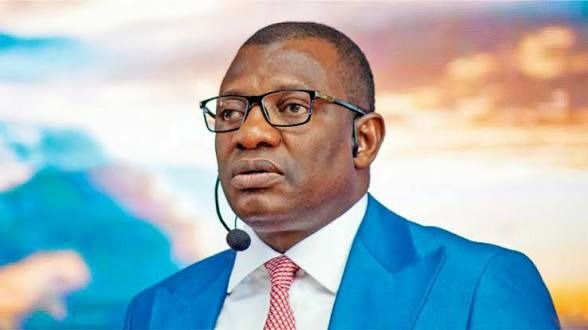
Wunti to steer World Energy Council Nigeria towards sustainable, gas-fuelled future

0

The appointment of Bala Wunti as the inaugural Chief Executive Officer of the World Energy Council (WEC) Nigeria marks a strategic pivot away from the myopic focus on crude oil extraction toward a more holistic, sustainable energy architecture. Wunti, a seasoned energy executive with a knack for commercial strategy, is expected to leverage this platform to champion Nigeria’s gas development agenda—a sector he has long argued is the cornerstone of the nation’s economic and environmental future.

Wunti’s appointment comes at a pivotal moment. As the global energy landscape shifts toward decarbonization, Nigeria faces a dilemma: how to monetise its vast hydrocarbon resources while meeting international climate commitments. Wunti brings to the WEC a philosophy that views natural gas not as a fossil fuel to be phased out, but as a “transition enabler.” In his three decades at the Nigerian National Petroleum Company (NNPC), Wunti was the driving force behind several commercial negotiations involving Liquefied Natural Gas (LNG) projects and gas sales agreements. He was instrumental in ensuring that Nigeria did not just extract gas but exported it through projects that added significant value to the economy.

His experience as Chief Strategy and Sustainability Officer at NNPC was particularly formative. In this capacity, Wunti played a pivotal role in the unprecedented transformation of NNPC into a commercially driven energy company. This was not a cosmetic change; it was a fundamental restructuring that attracted billions of dollars in investment. He helped shape strategic reforms that prioritised profit, efficiency, and long-term growth, positioning the company to survive and thrive in an era of energy transition. This commercial mindset is precisely what WEC Nigeria needs. The organisation, under his leadership, will not merely produce white papers but will act as a catalyst for bankable projects.

The creation of a dedicated executive leadership structure for WEC Nigeria signifies a recognition that energy is not merely a technical issue but a strategic imperative for national security. Wunti’s work in institutional reforms—such as implementing internationally certified management systems at NAPIMS—demonstrates his commitment to the “corporate governance” of the sector. He has also established a modern Command and Control Centre to combat crude oil theft and pipeline vandalism, institutionalizing security within the operational framework of the industry. By bringing this security focus to WEC Nigeria, he aims to create an environment where investors feel safe and logistics are reliable.

In his acceptance remarks, Wunti emphasised the necessity of grounding Nigeria’s energy future in pragmatic realities. “WEC Nigeria will bring government, industry, investors, academia, and society into a credible, impartial platform,” he said. This is a significant departure from the status quo, where energy debates are often fragmented along ethnic or political lines. Wunti seeks to create a national consensus, a “Big Table” where difficult conversations about pricing, subsidies, and investment can be held without rancour.

Under his stewardship, WEC Nigeria will focus heavily on evidence-based research to tackle the Energy Trilemma. Wunti plans to utilise the council’s global network to connect Nigerian priorities—expanding electricity access and deepening domestic gas utilization—with international best practices. He represents Nigeria on the OPEC Economic Commission Board and the Gas Exporting Countries Forum, giving him a global perspective on market stability.

By combining his technical expertise in upstream operations with his commercial acumen developed at Harvard Business School and his policy leadership honed at Oxford, Wunti is arguably the most influential figure to tackle the “Nigeria Energy Challenge.” He intends to ensure that the energy transition is not about depleting assets but about creating a sustainable ecosystem where natural gas fuels industrialisation and provides reliable power to millions of Nigerians currently living off the grid. The WEC Nigeria will be the vehicle for this transformation, and Wunti is firmly at the wheel

Sun

APC determined to use Osun guber poll as dress rehearsal for 2027 – Dele Momodu

0

African Democratic Congress (ADC) chieftain, Dele Momodu has claimed that the Federal Government would not permit a free and fair election in Osun State on Saturday, August 15.

Momodu, an ally of Governor Ademola Adeleke of Osun, stated this in an X post directed to the governor.

Adeleke, who is seeking re-election, is the candidate of the Accord Party.

According to Momodu, the All Progressives Congress intends to use the Osun governorship election as dress rehearsal for the 2027 general election.

He alleged that the Independent National Electoral Commission (INEC) is under the “complete control” or President Bola Tinubu of APC and could not be trusted to conduct a free and fair poll.

The Ovation publisher advised the Osun governor to prepare for any eventuality.

Sharing a photo of himself with Adeleke, Momodu said, “My Twin Brother, I’m led in spirit to send you this brief message, for posterity sake.

“PLEASE, take note of the following: A. Let no one deceive you that INEC, under the complete control of PRESIDENT BOLA TINUBU will organize free, fair and credible ELECTION in OSUN State next week, AUGUST 15, 2026…

“The ruling APC government is determined to use your election as the dress rehearsal for their nefarious preparation for the Presidential election in January 2027.

“The devil has taken possession of their hardened souls and they’re ready to play GOD because of POWER…

“B. We have a lot of friends in APC and we’ve been warned to expect ANY eventuality.

“The instruction to their foot-soldiers is simple: GRAB OSUN by any means NECESSARY and deal with the resultant volcano thereafter…

“C. Pls, hold on tightly to GOD as you’ve always been. We are proud of the uncommon work you’ve done, and doing. Let them campaign with the work they did in the past… Little or nothing to show…”

Sun

Life in Sambissa: Ex-Boko Haram insurgents open up

0

• They said we were fighting Allah’s war –Ex-combatant
• I fled three days before my execution date –Boko Haram’s Imam
• How they kept us fighting with lies, fear, fake Quran teachings
• Over 100, 000 insurgents surrender, 9,680 low-risk ex-fighters reintegrated into communities –Govt

They were young, energetic, and full of potential. Yet dozens of them ended up fighting against the very country, against the very communities, and against the families that raised them, fighting for a cause they never really understood.

Armed with assorted weapons of death and terror, they roamed the fringes of the Lake Chad for years, some for over a decade, attacking communities across Borno, Yobe, and Adamawa states.

Then something changed. Many of them chose to lay down their guns and flee the bush, former well-armed insurgents making their way back to the society, uncertain of what lay ahead.

“I told myself one day that the life of a terrorist is a terrible one. So I quit but escaping the camp wasn’t an easy task,” said Liman, whose other names are withheld.

Like many others, Liman says he did not set out to join Boko Haram; circumstances forced him into it. He was intercepted and picked up by the insurgent fighters at Kross Kawa, a volatile area in the northern part of Borno while running for his life in 2014.

“I left Kukawa because people warned me I could be arrested by soldiers in a raid,” he told Saturday Sun in an interview. “Most of the boys i played with then had joined Boko Haram. So, I was afraid and attempted to run for my life,” he added, as he relaxed on a plastic chair at a rehabilitation centre in Maiduguri for surrendered fighters. Then he recounted the complex story of his failed escape.

From frying pan to fire

Liman walked straight into an insurgents’ roadblock at Kross Kawa. He and others were bundled into a waiting truck and taken into the bush.

“They asked us many questions from the Holy Qur’an and then separated us into different groups,” he said. “They pushed us into a vehicle and drove deep into the bush.”

He recalled how the insurgent leader informed them as soon as they got to the camp: “You’re here to do Allah’s work.”

He said they seized his phone as soon as they got to their camp at dusk. For two months, he could not communicate with his parents. He later learned that both had died. He also lost one of his brothers during that period — a development that changed his mindset about life. In the end, he resolved to stay with Boko Haram.

Life in Boko Haram camps

Life in the insurgents’ camps, according to some of the surrendered combatants, is regimented, brutal, and full of uncertainty. Food is rationed. Telephone use is forbidden except for top commanders.

“Fighters can only make calls in the presence of officers in charge, and they must return the phone immediately after,” Liman, a former armour bearer and fighter, said. “Only commanders are allowed to make or receive calls anytime, and even then, away from other fighters.”

This account was corroborated by Mohammed Ibrahim, another ex-fighter.

Persuaded by friends to join the jihad, Mohammed said he enlisted with Boko Haram in Damaturu, Yobe State. He was later moved to a camp in Gujba Local Government Area and took part in several attacks on communities. He eventually quit the terror group last year.

Regretting his years in the group, Mohammed said: “I would have done something meaningful with my life instead of bearing arms and engaging in violence for over a decade.”

Terrorist groups like Boko Haram and Islamic State West Africa Province (ISWAP) are not only about fighting. They also have strong unit for reorientation of new recruits and members on their belief.

Saturday Sun gathered that the groups’ leadership usually appoint known Islamic clerics among them to handle that duty.

Malam Bashir was a fiery preacher in Boko Haram camps. He worked closely with Abubakar Shekau, the group’s leader in Sambisa Forest, Boko Haram’s main operational base. He was later appointed Imam for Jumu’ah and Eid prayers, considered one of the most important positions for an Islamic cleric.

However, his exposition of Islamic matters put him in conflict with Shekau, who saw him as deviant from the group’s distorted beliefs.

How I escaped death in Sambisa

Bashir said his attempt to correct Shekau’s misrepresentation of the Holy Qur’an during sermons led to his imprisonment in Sambisa and a death sentence by the leader.

“I was locked up in jail in Sambisa. Later, someone came to tell me I would be executed after Sallah,” he disclosed.

“Ironically, ISWAP came and there was a serious fight with Boko Haram, and Shekau died during the battle. It was three days to Sallah. They freed me from the jail.”

The lies in terrorists’ enclaves

Misinformation and deliberate lies are strong weapons frequently used by Boko Haram and ISWAP to keep the fighting spirit of members alive, Bashir revealed.

Liman also corroborated this, adding that the groups often wrongly use the Quran to justify their hatred for government, democracy and elections.

Commenting further on the issue, Malam Bashir, the former cleric for Boko Haram, disclosed that the insurgents warned them against fleeing the camp

“They lied to us that the military would kill us, and that the government would inject us with strange drugs to kill us slowly. They scared us every time with such lies,” he said. But despite all that, he fled one day with his three wives and children.

Govt messages, family pressure encouraged us

Many of the insurgents said a combination of frustration exacerbated by the violent life in the bush and uncertainty of the supposed jihad forced them to drop their guns and surrender.

Liman left his assault rifle early in the morning in his make-shift house at the camp. He told this newspaper that he had told his commanders he was going to the farm with his wives and children, an excuse that drew the commanders’ curiosity.

“They queried me, saying why don’t you leave one of your wives? But I convinced them, and we left,” he said.

In his words, for days, he struggled to find his way to a military location where he finally surrendered.

Beyond the brutal camp life, some also said they escaped from the camps after receiving handbill messages in local languages dropped in the bushes sometimes near the terrorists enclaves by air.

“I fled the camp one day but was unable to come out with my family. It wasn’t easy. I finally succeeded,” Bashir disclosed.

For Idrissa, some of the messages posted on social media changed his perception. The urge to quit the Boko Haram camp became stronger after his mother called him on social media asking him to return home.

He also said others were encouraged to flee because of the various calls by family members and other ex-combatants on the social media, showing a better prospect to life outside the terrorists’ camps.

“I listened to my mother’ and friends on the social media, asking me to return. I’m glad I did,” Idrissa stated.

Over 100,000 insurgents and their families have surrendered voluntarily since the exercise started five years ago, according to military authorities in Borno. The mass surrender followed the launch of Borno Model in July 2021, a civil approach to depopulate the terrorist camps and tackle the protracted violence in the area.

Borno Model to the rescue

Gov. Babagana Zulum, at the launch of the initiative, explained that The Borno Model for security is a non-kinetic, community-driven approach that uses dialogue and rehabilitation to get insurgents to surrender voluntarily.

The man who is driving the model and Special Adviser to Governor Zulum on Security, Brig-Gen. Abdullahi Ishaq (rtd), said the programme stands on three critical pillars: Disarmament, Demobilisation and Deradicalisation (DDD).

“Borno State focuses on restorative justice based on rehabilitation, reconstruction of communities affected by insurgency, and resettlement of displaced person’s as well as victims of the violence,” he told Saturday Sun

He stated that most of the insurgents that surrendered were forcefully enlisted in the terrorist groups.

While explaining the process, he said the ex-fighters are usually brought to the rehabilitation centres located in Maidiguri and its environs for deradicalisation. He said the exercise involve regular teachings by Islamic clerics with question and answer sessions, reorientation on Nigeria’s law and offences- usually handled by lawyers and police personnel, and society values by community leaders.

“There is also vocational trainings for carpentry, phone repairs, welding and metal work, plumbing, pot making and barbering,. among others,” he added.

Ishaq said 9,680 low-risk repentant former Boko Haram fighters and their families, have been reintegrated to the community after acceptance by community members.

“We no longer have issue of rejections as experienced during Operation Safe Corridor. This is because community leaders are involved. They ask questions from the repentant fighters and absorb them after these checks,” he explained. He also said his team follows up the activities of the repentant through feedbacks from community leaders.

Saturday Sun learnt that many children of the surrendered fighters, who would have taken up arms in terrorist camps, are now learning in schools. Malam Idrissa who has enrolled his 10 children in school, expressed satisfaction over his decision to quit Boko Haram. He said enrolment of his children has broken the barrier as he now embraced western education with Islamic knowledge.

Chairman Northeast Civil Society Organisations Forum, Ahmed Shehu noted that despite gaps, the surrendering and deradicalisation programme has stabilised the peace process in the area.

“Looking at the larger picture of the security situation in the North-East, we have to forgive these people,” he said, calling for community understanding.

“We either forgive and accept them, as Gov Zulum once said, or they remain in the bush attacking us,” he added.

He advised government to identify farming as a way of creating livelihood for the repentant combatants. He said this will yield more result and fast-track the reintegration process.

Sun

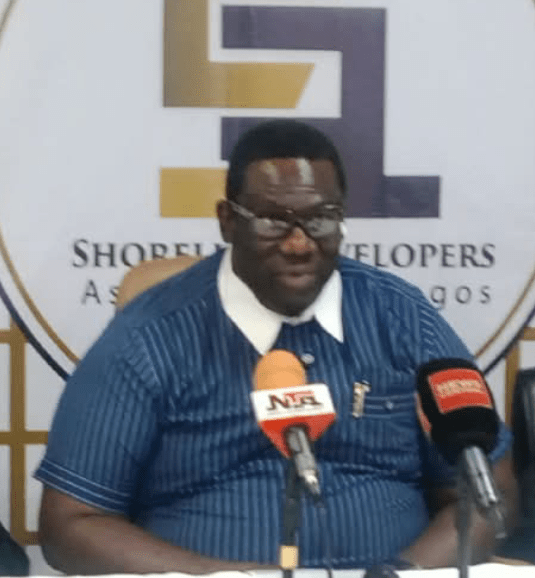
Lagos Coastal Road Not Responsible for Flooding, Says Shoreline Developers’ President

0


BY TAIWO OGUNMOLA -OMILANI

The President of the Shoreline Developers Association of Lagos (SDAL), Mr. Lai Omotola, has dismissed claims that the Lagos Coastal Road is responsible for flooding in communities along the state’s coastline.

Omotola, who spoke during a press conference in Lagos on the need for sustainable shoreline development, said the flooding experienced in some coastal communities was largely caused by buildings constructed without regard to existing master plans and natural drainage channels.

He said the Lagos Coastal Road was designed in line with the state’s master plan, but many property owners had constructed buildings at lower elevations before the road was eventually developed.

“Let me tell you categorically that the Lagos Coastal Road is not responsible for flooding. It is not the one responsible for flooding. It is the people that have built into the posterior room,” he said.

According to him, many of the affected structures were built before the coastal road project became a reality, with developers failing to anticipate the road’s eventual elevation.
He explained that rather than raising their foundations above the expected road level, many developers established their own road and foundation levels without consideration for the master plan or future infrastructure projects.

“Instead of spending money to make their foundation higher than the road level, they decided to take their own appropriate road level without any consideration to any master plan or any future development,” Omotola said.

He noted that when the coastal road was eventually constructed according to the planned elevation, many surrounding properties were left below road level, making them vulnerable to flooding.
“Water will always find its level. Water will flow from the mountain to the valley,” he said, stressing that the road was constructed in accordance with the master plan, while adjoining developments were not.

Omotola said some property owners could eventually be forced to demolish and rebuild their structures in accordance with approved planning requirements if the flooding problem persists.
He therefore called on the Federal and Lagos State governments to develop and implement a long-term, 50-year master plan for coastal and urban development.

According to him, such a plan would enable prospective developers to obtain clear guidelines before commencing construction and prevent situations where people invest millions of naira in buildings only to discover years later that the structures have to be demolished.

He also expressed concern over developments that obstruct natural drainage channels, warning that diverting the natural flow of water could have serious consequences.
“Nature will still come back to be nature,” he said, noting that water would eventually return to its natural course despite attempts to divert it.

The SDAL president also criticised what he described as inadequate enforcement of planning regulations, saying authorities sometimes discover that structures have been erected on drainage channels only after flooding occurs.

He called for greater public enlightenment and enforcement to prevent developers from making costly investments in locations where construction may eventually become problematic.

Omotola further warned against indiscriminate reclamation and sand-filling along the coastline without proper environmental and technical assessments.
He said adequate tests and professional assessments must be carried out before reclamation projects are undertaken, noting that water has its own natural flow and would always seek a path.

He also raised concerns about illegal refuse dumps along the coastline, saying several beaches and coastal areas remain affected by waste despite ongoing development.
The SDAL president said the association would engage relevant government agencies and other stakeholders as part of efforts to promote responsible and sustainable shoreline development.

He stressed that the objective of the association was not merely to promote profits in the property sector but to ensure that development along Lagos’ coastline remained environmentally sustainable.
“The profit will grow; sustainability is what is more important,” Omotola said.

He added that developers, government agencies and other stakeholders must work together to ensure that future developments conform to approved plans and environmental requirements.

According to him, preventing avoidable mistakes at the planning stage remains cheaper and more effective than demolishing properties and rebuilding them after flooding or other environmental problems have occurred.