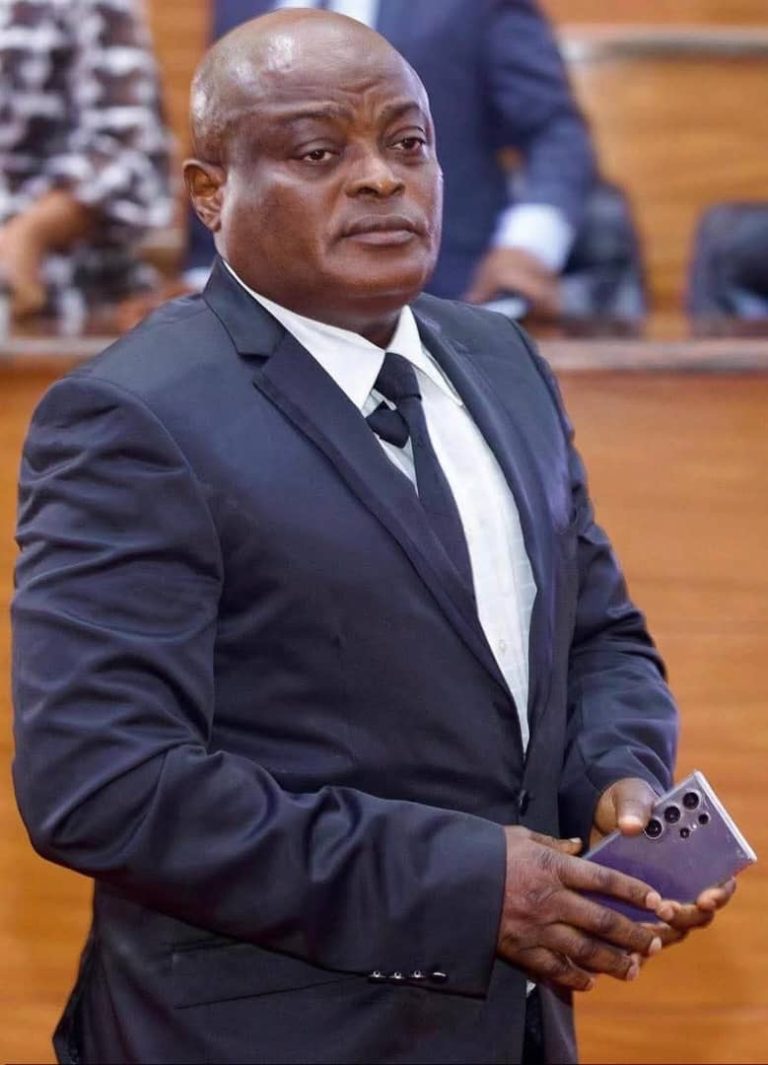
The Lagos State House of Assembly witnessed one of the most dramatic political crises in its history in 2025, following the removal and eventual reinstatement of Rt. Hon. Mudashiru Ajayi Obasa as Speaker.
On January 13, 2025, lawmakers of the Assembly, dominated by the All Progressives Congress (APC), moved to impeach Obasa, who had served as Speaker since 2015 and represented Agege Constituency I.
The impeachment took place during a plenary session held while Obasa was reportedly out of the country, returning from the United States, a development that immediately sparked controversy over due process and legality.
During the session, between 32 and 36 of the 40 lawmakers reportedly voted in favour of Obasa’s removal on allegations of gross misconduct, abuse of office, financial mismanagement and high-handed leadership. The Deputy Speaker, Mojisola Lasbat Meranda, was subsequently elected as Speaker, making history as the first female to occupy the position in Lagos State.
The Clerk of the Assembly was also suspended, alongside other leadership changes.
While supporters of the move described it as a corrective step for good governance, critics condemned it as a political ambush. Obasa alleged that the Assembly complex was broken into, that a “fake mace” was used, and that security operatives were deployed to intimidate lawmakers loyal to him.
Beyond the official allegations, political observers linked the crisis to internal APC dynamics. Obasa’s long tenure and reported 2027 governorship ambitions were believed to have unsettled key interests within the party. Tensions over succession planning and party cohesion were said to have deepened rifts between the Speaker and influential party stakeholders.
The impeachment plunged the Assembly into turmoil, dividing lawmakers and drawing intense public and media scrutiny, given Lagos State’s political and economic importance.
Legislative activities slowed, while the crisis heightened intraparty tensions and raised concerns about executive–legislative relations in the state.
On February 12, 2025, Obasa approached the Lagos State High Court in Ikeja, challenging the legality of his removal. He argued that the impeachment was carried out while the Assembly was on recess, without proper authority to convene the session, and in violation of constitutional provisions and the Assembly’s standing rules.
In a landmark judgment delivered on April 16, 2025, the High Court declared the January 13 proceedings illegal, unconstitutional, null and void. The court held that due process was not followed, stressing that only duly authorised House leaders could convene a valid sitting. It also awarded Obasa ₦500,000 in damages and nullified all resolutions reached during the controversial session.
Even before the judgment, political negotiations had begun to resolve the crisis. On March 3, 2025, after 49 days in office, Mojisola Meranda resigned as Speaker in what was widely seen as a move to restore stability. Obasa was subsequently re-nominated and re-elected as Speaker, while Meranda returned as Deputy Speaker following a reshuffle of principal offices.
Upon his reinstatement, Obasa thanked his colleagues and party leaders for their intervention and called for unity and renewed focus on legislative service to the people of Lagos State.
The episode has since been viewed as a defining moment in Lagos politics, underscoring the importance of due process, constitutionalism and judicial oversight in legislative affairs. It also highlighted the judiciary’s role as a critical check on political actions that fall short of established procedures.
By Lanre Ogunyemi, former Lagos Assembly lawmaker.