Improved Workers’ Welfare Will Boost Nigeria’s Economy – Ajaero
BY TAIWO OGUNMOLA -OMILANI
The President of the Nigeria Labour Congress (NLC), Comrade Joe Ajaero, has said that improving workers’ welfare and purchasing power is not merely a labour demand but a critical economic strategy capable of stimulating growth and strengthening domestic economic activities.
Ajaero said placing workers at the centre of government economic policies would improve the performance of the Nigerian economy, noting that money paid to workers circulates within the domestic economy through spending on food, transportation, accommodation and other essential needs.
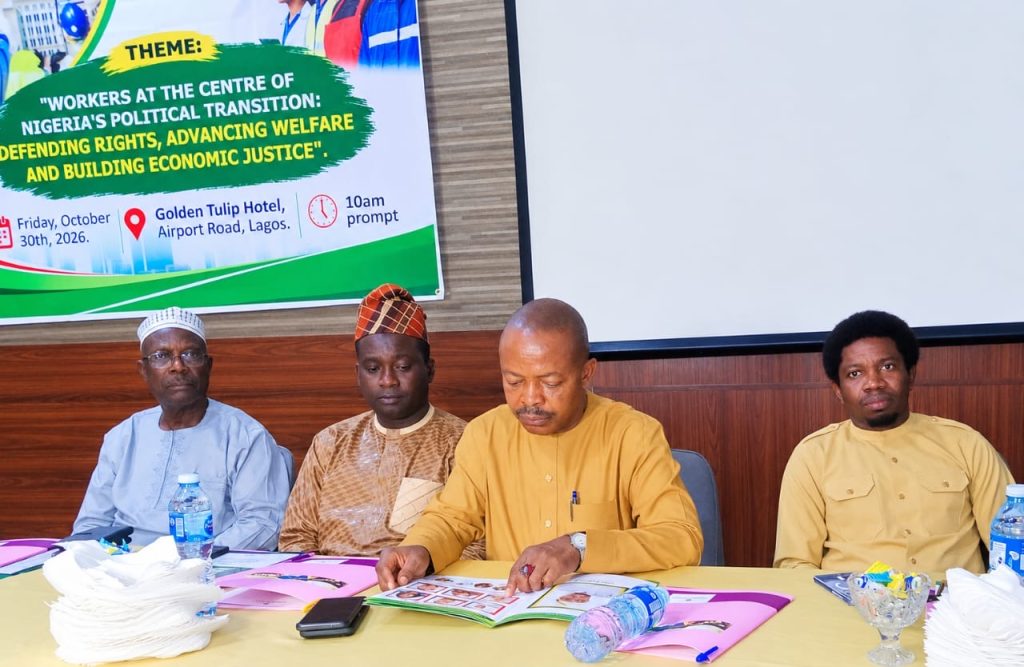
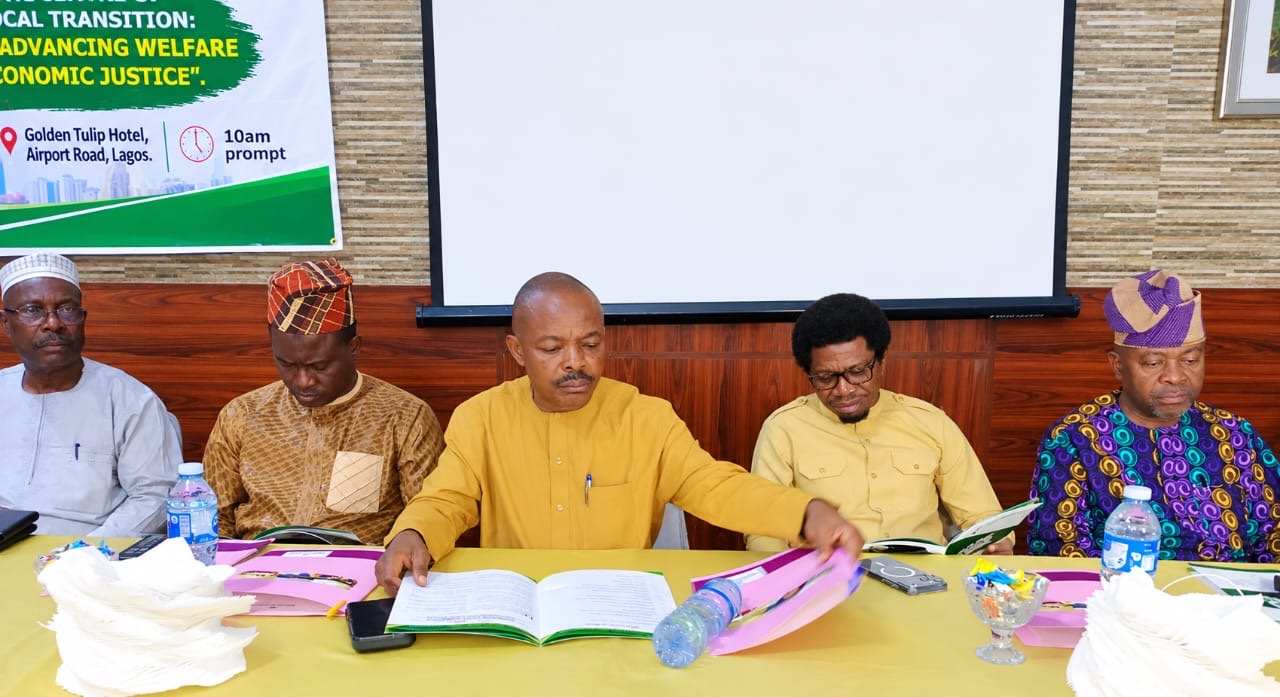
He stated this while delivering his speech at the 2026 conference of the Labour Writers Association of Nigeria (LAWAN), themed, “Workers at the Centre of Nigeria’s Political Transition: Defending Rights, Advancing Welfare and Building Economic Justice.”
According to him, ordinary workers spend a substantial proportion of their earnings within the local economy, unlike some wealthy individuals and politicians who may spend a significant part of their income on imported goods.
He explained that better salaries would benefit not only workers but also traders, transport operators, landlords and small business owners who depend on their spending.
Ajaero said a worker earning ₦200,000 would likely spend the money on rent, food, public transportation and other goods and services within Nigeria, thereby supporting local businesses and stimulating economic activities.
“This is the kind of economic activity that can stimulate growth. Therefore, the government must recognise that improving workers’ purchasing power is not simply a labour demand; it is also an economic strategy,” he said.
The NLC president stressed the need for real wages that reflect the cost of living, arguing that salary increases must be considered alongside inflation, the value of the naira and the rising costs of accommodation, transportation and food.
He said the next minimum wage review should be guided by prevailing economic realities rather than arbitrary figures, adding that negotiations should commence in April 2027 in line with the three-year review period introduced by the 2024 amendment to the National Minimum Wage Act.
Ajaero also called on the Federal Government to address the transportation challenges confronting workers, saying the additional ₦70,000 paid to workers for six months provided only temporary relief without resolving the underlying problems.
He maintained that the government must develop sustainable transportation alternatives, including Compressed Natural Gas (CNG) and electric vehicles, to reduce the burden of commuting on workers.
He further warned that the temporary ₦70,000 payment should not be used to reverse the gains workers had made, insisting that future wage negotiations must take into account the additional income workers had become accustomed to receiving.
Ajaero urged the government to manage the country’s resources in a manner that prioritises citizens’ welfare, questioning why Nigeria continues to borrow despite its crude oil resources and potential revenue earnings.