BY TAIWO OGUNMOLA-OMILANI
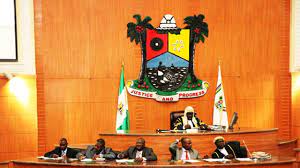
The Lagos State House of Assembly has directed the Clerk, Mr. Olalekan Onafeko to transmit the resolution of the assembly on the Fifth Alteration Bill 2022 (1999 Constitution Amendment) to the National Assembly.
The Speaker, Rt. Mudashiru Obasa announced it on the floor on Thursday at the plenary.
The House sent input to the Lagos Assembly on the 44 alteration bills, which included the reasons for the positions the House had taken in respect of the bills.
The Lagos State House of Assembly on Thursday during plenary put into consideration its input on the 1999 Constitution of the Federal Republic of Nigeria (as amended) (Fifth Alteration) Bill, 2022.
Under Section 9(2) of the 1999 Constitution of the Federal Republic of Nigeria as amended considers fifth alteration bills to enable us to forward our approval by resolution on the 1999 Constitution to the Clerk of the House.
At the end of the consideration, the Lagos State House of Assembly rejected sections (1), (2), (26), (27), (52), and (66) of the 44 bills received by the assembly.
The Majority Leader, Mr. Sanai Agunbiade explained that the segments of the bills they approved were a product of the fact that in respect of the alteration, lawmakers had been exposed to workshops and conferences.
Agunbiade said the workshops were to strengthen them the understanding which facilitated the quick passage with a bit of the fewer areas they cited.
The National Assembly on March 1, voted on the 68 amendments recommended by the Joint Senate and House of Representatives’ Special Ad Hoc Committee on the Review of the 1999 Constitution.
To amend a clause in the Constitution, two-thirds of a four-fifth majority of each of the Senate and the House have to approve the amendment after which it will be transmitted to the state Houses of Assembly, where two-thirds or 24 of the 36 of them have to concur.