 BY TAIWO OGUNMOLA -OMILANI
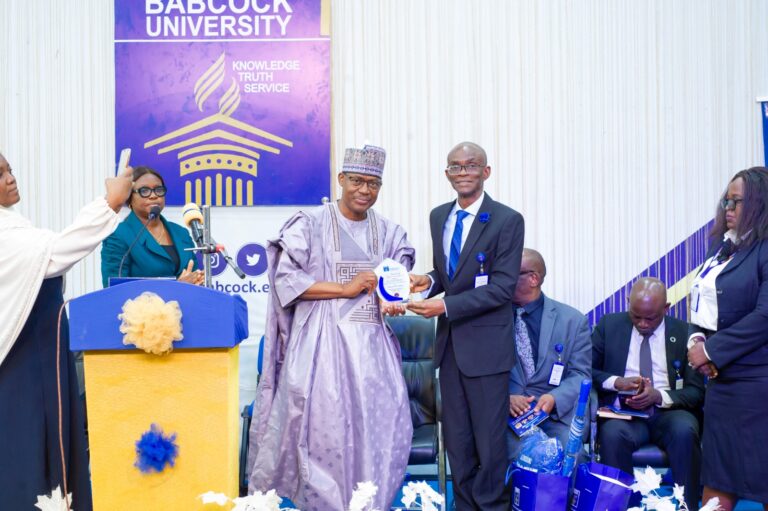
At the Babcock University inaugural Registry Lecture, Mr. Chris Maiyaki, the acting Executive Secretary of the National Universities Commission (NUC), underscored the critical need for quality assurance and reputational capital in advancing Nigeria’s educational system.
Delivering a lecture titled “The Role of the University Administrator in a Changing University Environment: Issues and Prospects,” Maiyaki highlighted the evolving responsibilities of university administrators in the face of today’s dynamic higher education landscape.
Maiyaki called on university administrators to embrace adaptability, innovation, and strategic leadership to foster growth and progress within their institutions. He emphasized the necessity for administrators to “develop a creative and innovative mind-set” that aligns with contemporary demands and challenges.
Additionally, he stressed the importance of mastering new technologies to boost efficiency and effectiveness, cautioning that technology should serve as a means to achieving institutional goals rather than an end in itself.
The NUC, according to Maiyaki, advocates for the integration of local content with emerging technologies and competencies in line with the new university curriculum policy. This, he believes, will enhance the relevance and impact of higher education in Nigeria.
Maiyaki concluded by urging university administrators to follow these guidelines to contribute to a thriving academic ecosystem that promotes excellence, innovation, and growth.
The hybrid lecture, which resonated with the Babcock University community, also attracted participation from institutional stakeholders, academics, and administrators from Adeleke University, Covenant University, Clifford University, and Tai Solarin University of Education, prompting reflections on the future of leadership in higher education.