Vows political office, influence won’t shield offenders • INEC warns against turning campaigns into battlefield
- NDC boycotts security meeting, seeks international intervention
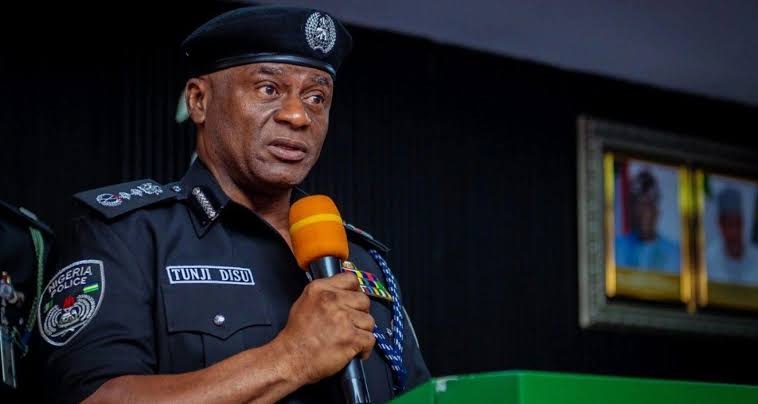
Alarmed by the escalating wave of political violence, killings, intimidation and attacks on opposition figures ahead of the 2027 general elections, the Inspector-General of Police, Olatunji Disu, yesterday read the riot act to the political class, vowing to investigate and prosecute politicians who recruit, finance and deploy thugs to unleash violence on their opponents, irrespective of their political offices, affiliations or influence.
Disu, who declared that the Force would no longer fold its arms and allow politicians and their supporters to take the law into their own hands, warned that no political ambition was worth the life of any Nigerian and no electoral victory justified the destruction of national peace.
The warning came as Chairman of the Independent National Electoral Commission (INEC), Prof. Joash Amupitan, raised the alarm over persistent violations of electoral laws by political actors, warning that growing incidents of violence, intimidation and attacks on citizens and members of political parties threatened the credibility of the forthcoming elections.
However, the Nigeria Democratic Congress (NDC) boycotted the high-level security meeting convened by the IGP, accusing the police and other security agencies of complicity in attacks on its members allegedly perpetrated by thugs loyal to the ruling All Progressives Congress (APC), and calling for international intervention to safeguard democratic participation in Nigeria.
Speaking at the security meeting held at the Force Headquarters, Abuja, which brought together national chairmen, secretaries and executives of registered political parties, representatives of security agencies, civil society organisations, INEC officials and other stakeholders, Disu expressed concern over the increasing incidents of violent clashes among political supporters, attacks on campaign venues, intimidation of political opponents, use of dangerous weapons and disruption of lawful political gatherings.
He warned that such developments endangered innocent lives, threatened public peace and undermined confidence in democratic institutions.
Declaring zero tolerance for political violence, irrespective of the parties, candidates or individuals involved, the IGP assured political parties and their supporters of adequate protection to exercise their democratic rights, including organising rallies, holding meetings and expressing their political preferences without fear or intimidation.
“Our neutrality in the political process is non-negotiable. We owe allegiance to the Constitution, the law and the Nigerian people, not any political party or individual,” he said.
Disu warned that the recruitment, financing and deployment of political thugs, threats of violence, attacks on electoral officials and destruction of electoral materials would attract appropriate law enforcement action, insisting that political office, party affiliation and personal influence would not place anyone above the law.He assured Nigerians that offenders would be professionally investigated and prosecuted in accordance with due process, while every political party and candidate would be accorded equal treatment under the law.
Beyond the responsibilities of security agencies, the IGP charged political party leaders to take responsibility for the conduct of their candidates, youth wings and supporters, urging national chairmen to issue clear directives against violence and ensure compliance across their party structures.
He also called on national secretaries to facilitate effective communication and ensure compliance with applicable electoral notification requirements, while urging youth leaders to mobilise young people for constructive democratic participation rather than expose them to manipulation and political violence.
Disu stressed that peaceful political competition remained essential to democratic development, urging stakeholders to place the lives of Nigerians and the stability of the country above partisan interests.
•INEC raises alarm over electoral law violations
Amupitan, who described the growing incidents of political violence and violations of electoral laws as worrisome, warned politicians against turning electioneering into a battlefield, urging them to concentrate on presenting their manifestos, policies and ideas to Nigerians rather than resorting to violence and intimidation in their quest for power.
The INEC chairman said strict compliance with electoral laws and procedures had become imperative as political activities intensified ahead of the 2027 general elections, stressing that the credibility of the polls depended not only on the integrity of the voting process but also on the political environment in which campaigns and other electoral activities were conducted.
Recalling his earlier engagement with political party leaders and members of the National Peace Committee on August 18, 2026, where he emphasised the need for peaceful political competition, Amupitan warned that when political actors could no longer freely assemble, organise campaigns or express their views without fear of intimidation, the democratic process was already being undermined before election day.
He noted that persistent attacks on political party members and other citizens could discourage voter participation and weaken public confidence in the electoral process, urging political stakeholders to operate within the boundaries established by the Constitution and electoral laws.
Amupitan reminded politicians and their supporters that the people whose votes they sought were the ultimate holders of sovereign power under the Constitution and that all stakeholders had a responsibility to protect their rights, security and welfare.
•NDC accuses police of partisanship
Despite Disu’s assurances of neutrality and equal protection for political parties, the NDC said its decision to boycott the security meeting followed repeated attacks on its members across the country and the alleged failure of security agencies to apprehend and prosecute those responsible.
In a statement by its National Publicity Secretary, Osa Director, the party accused the police of abandoning their constitutional responsibility to protect all Nigerians, irrespective of their political affiliations.
“We no longer feel safe and protected by a Police Force that watches helplessly the slaughter of our members across the country by hired thugs of the ruling APC. We will not lend legitimacy to a process that has failed to protect us,” it said.
The party cited incidents in Benue, Edo, Cross River, Enugu and Delta states, alleging that its members had come under sustained attacks and that political campaigns were increasingly being characterised by violence and intimidation.
It particularly recalled the alleged prevention of its presidential candidate, Peter Obi, from entering Benue State by thugs loyal to the APC government and the reported killing of four of its members in Delta State.
“The killing of four members of the NDC in Delta State was done in the full glare of the Police and security forces who were supposed to protect all Nigerians,” the party alleged.
Accusing the police of partisan conduct, the NDC declared that the Nigeria Police Force had become an “APC Police sustained by taxpayers’ money”. It also faulted the police over what it described as their inability to conduct proper investigations into attacks on opposition politicians and ensure that perpetrators were brought to justice.
The party called on the international community to prevail on President Bola Tinubu and the APC-led government to uphold democratic standards, warning that democracy could not survive in an atmosphere where opposition members were attacked and killed with impunity.
“The NDC remains committed to peaceful, issue-based campaigns, but we will not be intimidated, silenced, or chased out of the democratic space,” it added.
The allegations have not been independently verified. Although Disu reaffirmed the neutrality of the police, his reported remarks at the security meeting did not specifically address the NDC’s wider accusations.
•Mounting concerns over political violence
The security meeting came against the backdrop of growing incidents of political violence across the country, with attacks on campaign rallies, political gatherings, candidates and their supporters heightening apprehension over the conduct of the forthcoming elections.
President Bola Tinubu had, on November 13, condemned the growing incidents of campaign violence and directed security agencies to deal firmly with perpetrators, irrespective of their political affiliations.
Similarly, the Senate, last week, called for investigations into attacks on political actors and urged INEC to enforce relevant provisions of the Electoral Act against perpetrators of political violence.
The upper legislative chamber also urged state governors to desist from denying opposition political parties access to public facilities for campaigns and other legitimate political activities.
The Socio-Economic Rights and Accountability Project (SERAP) had also given INEC seven days to initiate the prosecution of suspected perpetrators of electoral violence against whom sufficient evidence existed or face legal action.