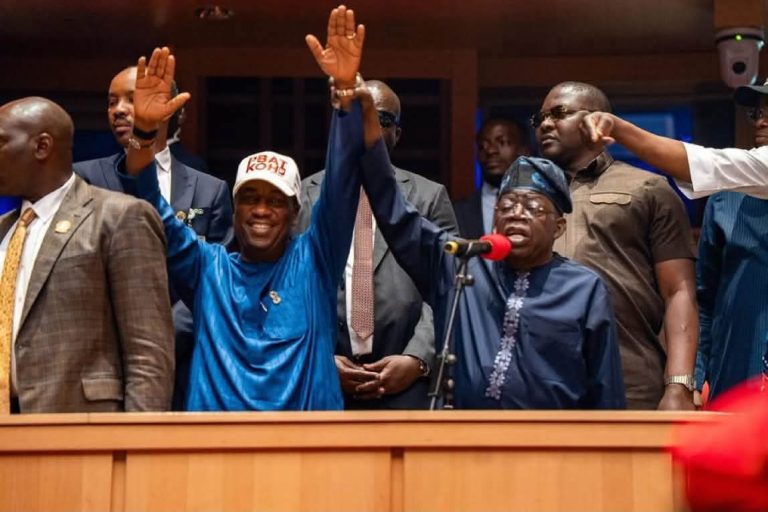
A chieftain of the All Progressives Congress (APC), Joe Igbokwe, has defended President Bola Tinubu’s engagement with Igbo leaders, describing criticisms of such meetings as politically intolerant and unnecessary.
Igbokwe said it was wrong for some commentators to describe Igbo people who meet with the President as paid agents, fake Igbo or individuals seeking financial favours.
In a statement, he argued that Nigerians should be free to pursue different political interests without being labelled traitors for refusing to align with particular political groups.
He stressed that Nigeria’s ethnic and political diversity made it impossible for everyone to think, vote or support the same political direction.
According to him, Tinubu has consistently demonstrated political inclusiveness and the ability to accommodate Nigerians across ethnic, religious and political divides.
Citing his record as Lagos State governor from 1999, Igbokwe said Tinubu opened up the state’s civil service, healthcare, judiciary, education and political space to Nigerians from different backgrounds, including the Igbo community.
He noted that this inclusion continued despite the fact that a significant section of Igbo voters in Lagos did not support Tinubu’s re-election in 2003, choosing instead to support the Peoples Democratic Party (PDP).
Igbokwe maintained that Tinubu continued to provide opportunities for Igbo people to participate in his administration, adding that his political successors, Babatunde Fashola and Akinwunmi Ambode, also won subsequent governorship elections in Lagos.
He argued that political engagement should not be limited to election periods, stressing that politicians must continuously engage communities, understand their interests and build relationships.
Igbokwe also expressed satisfaction with the town hall meeting held on Monday at the Wole Soyinka Centre, Iganmu, describing it as a worthwhile political engagement.
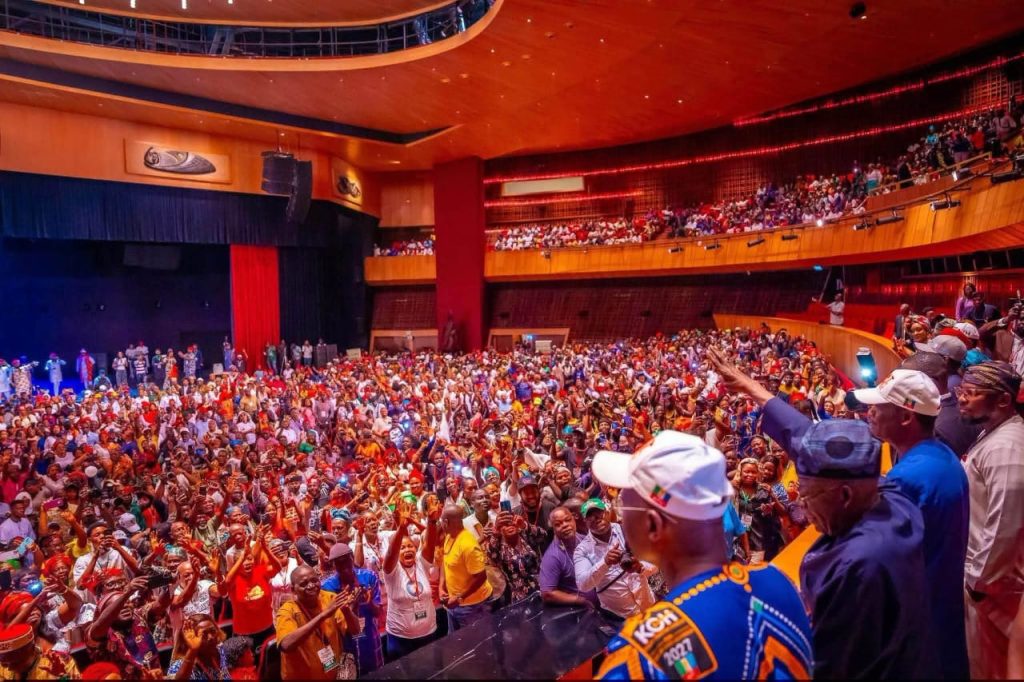
He said the Tinubu administration’s political team should sustain and expand such engagements across communities, backed by concrete political and economic commitments, to gradually build trust and support.
He added that every Nigerian community had legitimate interests and that politicians had a responsibility to understand and address them rather than dismiss differing political positions.