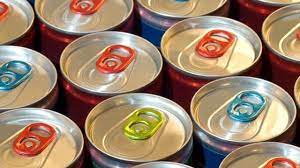
A group, Concerned Consumers, has called attention to the severe harm that energy drink importation has inflicted on the Nigerian economy, calling it “an act of sabotage and destruction to local industry.”
The heads of the relevant government agencies received a copy of a statement addressed to them titled “The Importation of Energy Drinks into Nigeria Despite the Proven Health Hazards and the Various Ban on Imported Juices,” in which Messrs. Olufemi Odebunmi and Rufai Rimi, the convener and co-convener of the CC, respectively, noted that energy drinks fall into the category of ready-to-drink fruit juice, which importation in whatever mode and means remains banned in Nigeria since 2003.
Odebunmi and Rimi, who denounced the massive influx of imported energy drinks into the nation, urged government agencies, such as the Central Bank of Nigeria, the Nigeria Customs Service, the National Agency for Foods and Drugs Administration and Control, the Consumers Protection Council of Nigeria, and the Standards Organisation of Nigeria, to be vigilant and discourage the unscrupulous importation of energy drinks into Nigeria, which will jeopardise the interests of the local industrial sector.
They added that for about 20 years now, product HS Codes 2009.11.0012 – 2009.11.0013 – 2009.9000.99 have been on the NCS list of prohibited products.
The statement read, “By the circular of the Federal Ministry of Finance of March 20, 2015 the Import Prohibition List (Trade) Annex III states all the products and goods whose importation into Nigeria was prohibited.
“Curiously, fruit juice in retail packs were banned along with water, mineral water, aerated water containing added sugar or sweetening matter flavoured, other non-alcoholic beverages and beer and stout and the only exception was energy or health drinks.
“More than 85 per cent of the market is dominated by imported energy drink brands. The locally manufactured brands are all struggling as they don’t have international brand names and recognition to match the imported ones. They are therefore disadvantaged and even considered inferior.