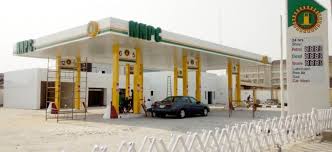
The amount spent as subsidy by the Federal Government on every litre of Premium Motor Spirit, popularly called petrol, consumed in Nigeria is currently above N600, oil sector operators stated on Sunday.
Also, the latest PMS evacuation data obtained from the Nigerian National Petroleum Company Limited on Sunday showed that the year-to-date daily consumption of petrol in Nigeria was 66.8 million litres.
Going by the above figure from the NNPC, it, therefore, implies that the Federal Government spends about N40.1bn daily when subsidising every litre of petrol consumed in Nigeria by at least N600. This also means that the government is spending about N1.243tn on fuel subsidy every month
Oil marketers told our correspondent that the cost of petrol (if not subsidised as done in Nigeria) was often higher than the cost of Automotive Gas Oil, popularly known as diesel.
They said diesel price was currently between N800 and N850/litre, while the approved subsidised pump price of petrol had remained at N165/litre. Diesel is not subsidised.
Their position had earlier been confirmed severally by other operators in the oil sector, including NNPC’s Group Managing Director, Mele Kyari.
Based on this, it implies that the Federal Government through NNPC currently spends nothing less than N600 as subsidy on every litre of petrol consumed across the country.
Meanwhile, the IPMAN deputy president urged the government to hasten up the repairs of Nigeria’s refineries, as this would serve as a major remedy to the woes besetting the oil sector.
“If we have refining capacity, the government would have found a way of cushioning the effect of the rise in prices. However, since we don’t have refining capacity and we use the dollar to purchase products abroad, we will have no control over prices,” Zarma stated.
Fuel subsidy removal’ll be very harsh now, experts say
But despite calls for the deregulation of PMS by operators and some international financial organisations, a renowned energy expert and Technical Director at Template Design Limited, Baka Zaka, kicked against the push.
Zaka argued that the widespread poverty in Nigeria would not support an outright halt in petrol subsidy, no matter the positions of oil marketers and global lenders such as the World Bank, International Monetary Fund, Organisation of Petroleum Exporting Countries, among others.
He said, “Those calling for subsidy removal don’t know what economic growth is all about, because you will, first of all, have economic growth before even economic development.
“Let me give you my reasons for saying this. We already know that diesel has been deregulated and we can all see the consequences in all the sectors, whether strategic domestic, commercial or industrial sector.
“We have seen how companies are shutting down, how banks are closing around 1 or 2pm in parts of the country, while some don’t even open on some days just because they cannot afford the cost of diesel and can’t break even.”
Zaka added, “And as I’m speaking to you now, Company Income Tax will go down this year. Maybe that is when people will know the consequences of deregulation. And that is just on diesel, I’ve not talked about kerosene and aviation fuel.
“So for people canvassing PMS deregulation, do they know that the minimum wage in this country today is around $50, which is about N30,000? Are you saying that a country where the minimum wage is about $50/month is where you want to price of PMS to approach that of diesel?
“If PMS price approaches that of diesel, it means sachet water would sell for N200 to N200. Is that the kind of economy we want?”
On his part, a former President, Association of National Accountants of Nigeria, Dr. Sam Nzekwe, stressed that it would be very harsh at the moment to completely halt fuel subsidy.
“Subsidy removal should be gradual, but most importantly is the call for our refineries to work so that we can stop spending the bulk of our foreign exchange on petroleum products’ imports,” he stated.