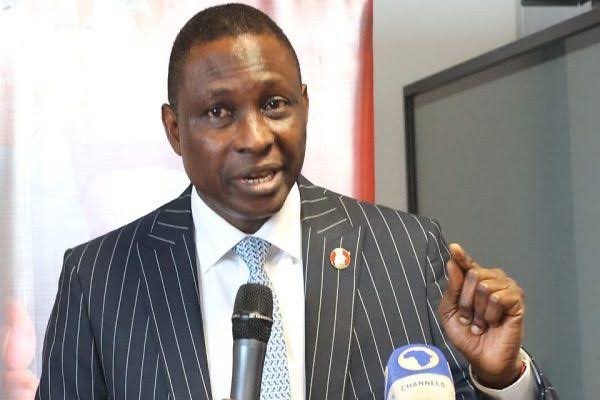
The Economic and Financial Crimes Commission (EFCC) has commenced a nationwide investigation into property ownership across Nigeria, alleging that many housing estates are being used to launder stolen public funds by corrupt civil servants.
Chairman of the EFCC, Ola Olukoyede, made the disclosure on Wednesday during a policy dialogue on Nigeria’s real estate sector held in Abuja. He said the Commission has uncovered disturbing trends of massive corruption involving property development and ownership.
According to Olukoyede, a number of housing estates—some abandoned for up to two decades—were funded by public officials using stolen money. “What we have been able to find out is that most of these estates are funded by civil servants who have stolen money,” he stated.
The EFCC boss said he had set up a special task force to visit housing estates across the country to identify the true owners of the properties.
“We will start visiting all the housing estates, not just in Abuja, but across Nigeria. We want to know who owns what,” he said.
Olukoyede noted that some developers abandon construction once their illicit funding dries up, particularly after the public officers retire or leave service. These incomplete estates are then marketed to unsuspecting investors.
“In recent times, we have had cause to file for the forfeiture of about 15 estates. We have obtained interim forfeiture orders against them,” he added.
He further raised alarm over the prevalence of money laundering in the real estate sector, particularly among developers.
“It is extremely rampant,” he said, warning that it is nearly impossible to secure bank loans at high interest rates for real estate and expect a genuine return on investment, raising further suspicion around the source of funds being used in the sector.
The EFCC’s move comes amid increasing scrutiny of Nigeria’s real estate market, which has often been cited as a key channel for illicit financial flows.