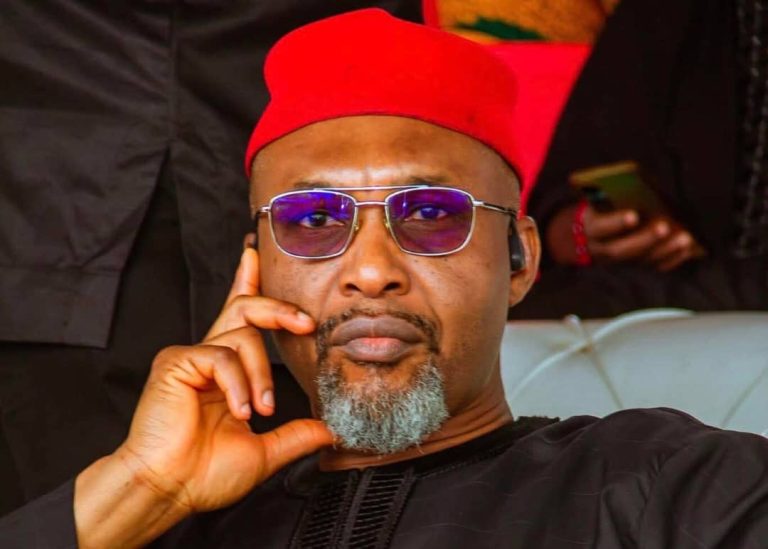
Former Aviation Minister, Osita Chidoka, has appealed for calm and responsible conduct following the conviction of the leader of the Indigenous People of Biafra (IPOB), Mazi Nnamdi Kanu, describing the moment as an emotional one for many Nigerians, particularly in the Southeast.
In a statement issued on Sunday, Chidoka said he took time to study the judgment before responding, noting that moments of national tension require sober reflection.
He urged youths, IPOB sympathisers, and concerned citizens to avoid violence, warning that any escalation would worsen an already fragile situation.
Chidoka said his initial sympathy for IPOB was rooted in the democratic right of citizens to agitate peacefully. However, he stressed that no movement can maintain moral legitimacy when associated with killings, fear, and widespread disruption of daily life. He said the Southeast has suffered deeply from violence, affecting traders, travellers, young people, and security personnel.
Addressing the judicial process, Chidoka defended the integrity of the courts. He recalled his role in 2017 in ensuring that Kanu’s bail—granted despite executive resistance—was respected, describing it as a testament to judicial courage. He rejected any attacks on the judiciary but noted that legal experts and citizens have raised legitimate questions about the judgment.
He encouraged the use of the appeal process, expressing confidence that higher courts would scrutinise the case fairly.
Chidoka also highlighted the strain on Nigeria’s security apparatus, which he said is overstretched amid economic challenges and rising public distrust.
He argued that force alone cannot sustain national unity, calling instead for a structured political settlement that would require IPOB to renounce violence, surrender arms, and acknowledge past harm, while the government explores dialogue, rehabilitation, and reintegration options.
Citing global examples such as the Good Friday Agreement in Northern Ireland and the dissolution of ETA in Spain, Chidoka said lasting peace comes from accountability, negotiation, and courage—rather than retaliation.
He urged the Presidency, the National Council of State, and national leaders to facilitate a peace-driven process anchored on justice and national harmony. According to him, the moment presents an opportunity for Nigeria to choose reconciliation over resentment.
Chidoka emphasised that the future of Ndigbo lies not in anger or isolation, but in strategic engagement and moral leadership. He added that Nigeria must, in turn, demonstrate fairness and inclusion to all regions to rebuild trust.
“The time to begin that journey again is now,” he said.