BY TAIWO OGUNMOLA -OMILANI
In recent years, gender equality in the workplace has become more than just a talking point—it has emerged as a litmus test for modernity, fairness, and progress in Nigeria’s socio-economic structure. Yet, despite increasing awareness and advocacy, deep-seated disparities and biases continue to hold women and girls back across the professional landscape.
Understanding Gender Equality
At the heart of gender equality lies a simple but powerful idea: equal rights, responsibilities, and opportunities for all, regardless of sex or gender. It’s not about erasing differences between men and women, but about recognizing and valuing them equitably.
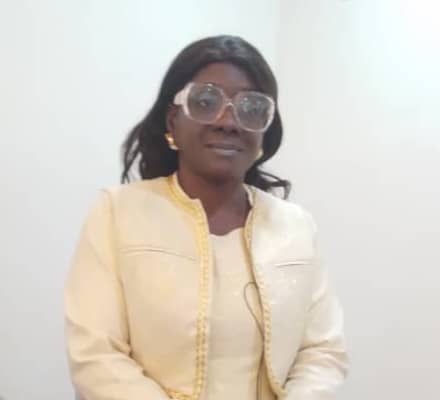
According to Mrs. Adebola Akinwande, a legal expert and advocate at Nigeria Employers’ Consultative Association (NECA) gender is a social and cultural construct that assigns roles based on perceived differences between men and women. These roles evolve over time and vary across cultures, yet they consistently influence who gets hired, promoted, and protected at work.
Akinwande highlights the importance of understanding core concepts like gender equity (fairness in outcomes), gender mainstreaming (integrating gender perspectives in all policies), and gender accommodation (adjusting to gender differences without correcting inequalities). Together, these concepts shape how workplaces can build inclusive environments.
Challenges on the Ground
Despite existing frameworks, such as Nigeria’s constitutional provisions and international conventions like ILO’s C.190, gender inequality persists in subtle and overt forms. These include:
Gender stereotypes and societal expectations
Career glass ceilings
Pay gaps and limited access to finance
Sexual harassment and lack of institutional protection
Underrepresentation in leadership and decision-making roles
Health inequities, inadequate parental support policies, and unequal access to legal representation further widen the divide, particularly for women in informal or low-income jobs.
Workplace Harassment: A Ticking Time Bomb
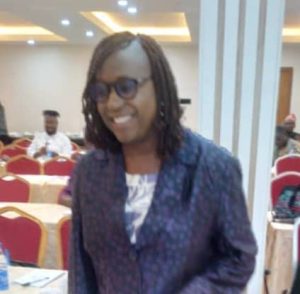
Sexual harassment remains one of the most pervasive and underreported issues affecting gender equality in Nigerian workplaces. During a recent Labour Writers’ Association of Nigeria and Friedrich Ebert Stiftung workshop in Lagos, veteran journalist and activist Funmi Komolafe emphasized the gravity of the issue.
Quoting the International Labour Organization, she defined workplace harassment as “any unwelcome sexual advance or conduct that affects employment decisions or creates a hostile work environment.”
Examples range from inappropriate jokes and gestures to unwanted physical contact, coercive messages, and threats. Yet, the reporting process is fraught with fear, bias, and systemic barriers. Komolafe notes that many organizations lack clear reporting channels, while newsrooms and trade unions often look the other way.
“There’s newsroom obstacle,” she explained. “Sometimes the editor, usually male, may not be interested in pursuing such a story—not because it’s not newsworthy but because of silent gender solidarity.”
The Role of Media, Unions, and Employers
Both Akinwande and Komolafe underscore the need for inclusive policies, gender-sensitive programming, and unbiased reporting. Best practices for journalists include using inclusive language, consulting experts, focusing on both problems and solutions, and amplifying diverse voices, especially those of women and girls.
Trade unions, meanwhile, must move from silence to action. Komolafe calls on unions to establish gender desks, set clear sanctions for harassment, and advocate for safe reporting structures. “To my knowledge, not a single trade union in Nigeria has mandated its women’s branches to handle such cases. That needs to change,” she said.
Employers, too, must play their part—embedding anti-harassment clauses in employment policies, separating facilities like restrooms to respect privacy, and treating harassment as a human rights violation.
A Call to Action
As Nigeria moves towards a more equitable future, women are encouraged to be bold, intentional, and resilient. “You can be educated, career-driven, a mother, and a wife—and be great at all of them,” Akinwande reminds young women. “Failure is part of the journey, but God has your back.”
To the men who remain comfortable with the status quo, she offers a stark warning: “You are not only failing this generation, but the next—your daughters, nieces, and granddaughters.”
In the end, gender equality is not a women’s issue. It is a societal imperative. Only by recognizing and addressing the gaps, biases, and violence in the workplace can Nigeria truly unlock its full human potential—one inclusive office, boardroom, and newsroom at a time.