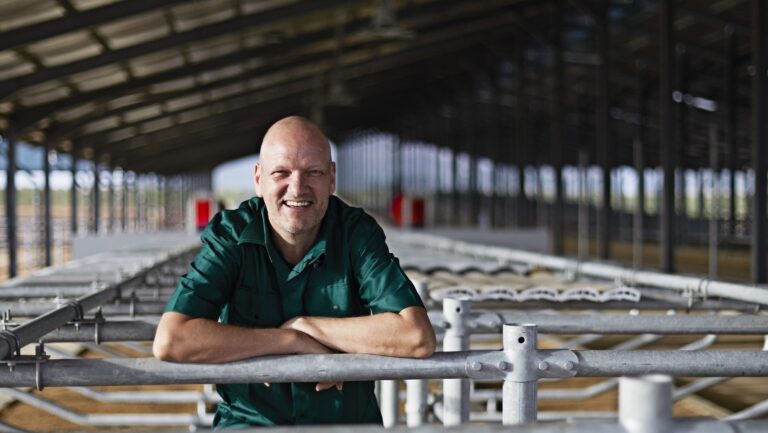
Mr. Snorri Sigurdsson, Senior Manager of Raw Milk Supply and Production at Arla Foods, has emphasized the need for innovation to boost local dairy production and improve nutritional standards in Nigeria.
In a statement issued on Wednesday in Lagos, Sigurdsson highlighted Nigeria’s agricultural sector as a resilient industry with significant potential. However, he noted that innovation was crucial to tackling the challenges in food production to meet the nutritional needs of Nigeria’s growing population.
“The economic and human benefits of addressing Nigeria’s food production challenges call for the integration of innovative solutions. Leveraging advanced tools in the dairy sector can act as a catalyst, transforming agriculture so that healthy inputs lead to nutrition-rich outputs,” Sigurdsson said.
He added that local production is essential to Nigeria’s food security and is a critical step toward reducing malnutrition and boosting the nation’s overall health. Yet, he pointed out that the country’s rapidly expanding population and economic shifts present ongoing challenges to food production.
According to Sigurdsson, Nigeria’s agriculture faces significant hurdles, including high operational costs, climate change, limited technology access, and post-harvest losses—all of which affect food availability and nutritional quality nationwide.
“These challenges create substantial gaps within Nigeria’s agricultural value chain that need innovative solutions to foster sustainability,” he stated. “The gap between Nigeria’s resources and its agricultural productivity influences both the quality and nutritional value of the food available.”
Sigurdsson emphasized that addressing factors like food security and nutritional value can be achieved through a stronger focus on local production and by embedding best practices across the value chain.
Given the impact of food inflation and declining nutritional quality on Nigerians, Sigurdsson called for integrating advanced production methods and best practices to support local output and ensure access to high-quality, nutrient-rich products.
“Many agricultural producers and farmers seek to merge traditional methods with modern technology, but their efforts are often hindered by limited access to the necessary tools and equipment,” he said.
In particular, he noted that the dairy industry suffers from issues such as inadequate infrastructure and poor animal welfare practices, which hinder production and product preservation.
Sigurdsson suggested that with the right investments and access to technology, challenges like low agricultural output and post-production losses could be significantly reduced.
He concluded that companies like Arla Foods are leading the way by incorporating modern technology into animal welfare and local milk production practices, underscoring the importance of private sector support in elevating Nigeria’s dairy industry and nutritional well-being.