BY TAIWO OGUNMOLA-OMILANI
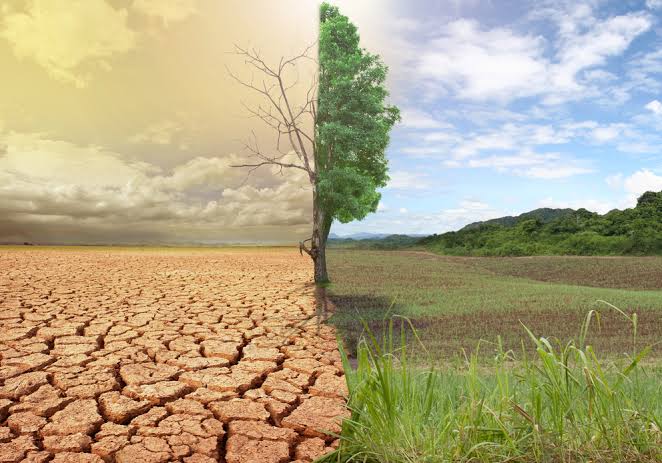
Experts in the eco-system and the environment have said that all hands must be on deck by the governments, citizens and manufacturers to reduce the impact and effect of climate change in Nigeria.
They stated this at an ongoing virtual training programme organized for journalists by Nestle Nigeria and Lagos Business School (LBS) on Friday.
One of the facilitators, Dr. Eugene Itua, CEO of Natural Eco Capital, who spoke on the topic: “Exploring the Impact of Industry and Economic Consumption Pattern,” said that governments at all levels, those in the private sector and citizens generally must work together to improve resource and efficiency, reduce waste, pollution and shape a new circular economy.
Itua warned against wastage of food and water and overconsumption, saying that citizens should take what they can consume at a particular time.
Speaking on environmental challenges, Itua explained that unsustainable patterns of consumption and production are the root causes of the triple planetary crisis of climate change, bio diversity loss, and pollution (SDG 12).
“These crises and related environmental degradation threaten human wellbeing and the achievement of Sustainable Development Goals (SDG),” he said.
He posited that the fashion industry and manufacturing companies contribute to impact of climate change.
According to him, the fashion industry is responsible for 8-10percent of global emissions, more than the ones caused by the aviation sector and shipping combined.
Part of the identified environmental impact of manufacturing are carbon emissions, waste generation amongst others.
He also spoke on the impact of plastic pollution, which he said includes: air, soil and water pollution.
Itua urged manufacturers to make products with plants rather than fossil fuels and urged the citizens to reduce their consumption of organic and recycled materials.
Digging deep on the topic, “The Impact of Changing Environment and Climate: Agriculture, Food security and Health in Nigeria,” Lead facilitator and Manager of LBS Sustainability Centre, Oreva Atanya, said in a panel session that climate change causes erratic weather patterns, extreme temperature, and change in natural resources, threatens farmers’ ability to sustainably produce and maintain qualify crops.
Amara Nwankpa, Director of Policy at Shehu Musa Yar’Adua Centre, said that focus should be on technology use for adaptation in order not to worsen the effect of climate change.
He called for coordinated response that would not create additional problems in the society.
Nwankpa said that his organization is working assiduously to speak to people on the effects of climate change in local languages.
Some identified solutions to the issue include application of building technology that can respond to climate change, and use of mathematics to calculate flow of water amongst others.
Adamu Garba, Senior Business Venture Analyst of NCIC, urged the government to take precautions on dredging that could affect the lives of the people.