BY TAIWO OGUNMOLA -OMILANI
Prominent religious leaders across Nigeria, including Dr. Philip Omobude, General Superintendent of New Covenant Gospel Church, and Bishop Mike Okonkwo of TREM, have expressed deep concerns over the worsening state of the nation, particularly the rising insecurity, escalating poverty, and the challenges of governance.
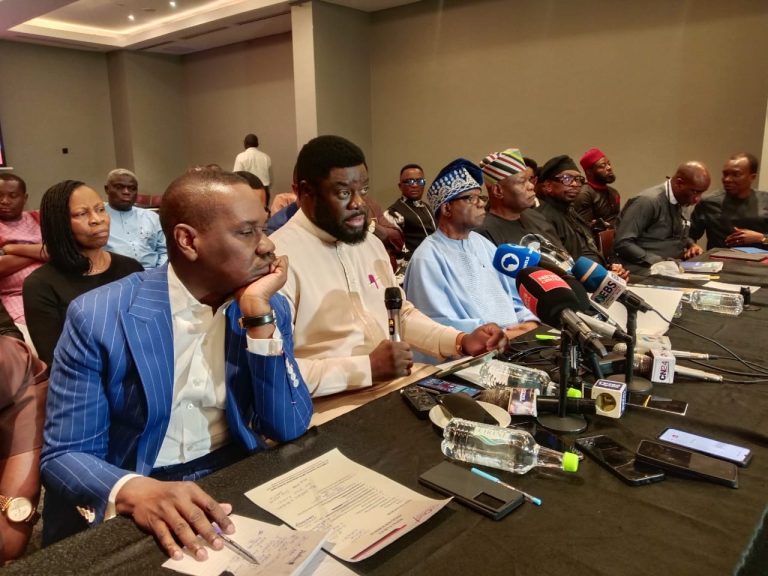
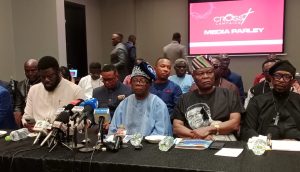
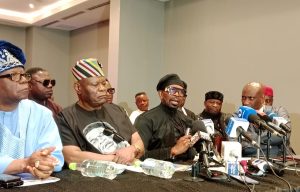
During a media parley held in Lagos on Monday, the leaders of faith gathered to discuss the grave issues facing the country, especially during the ongoing Easter period.
Nigerian cleric present include: Rev. Yomi Kasali and Rev. Lawrence Achudume, the conveners. Others are Rev. Itua Ighodalo, Archbishop John Daniel amongst others.
Dr. Omobude emphasized the importance of peace and justice for every citizen, stating that the message on the cross calls for a united and just society where all Nigerians, regardless of status, have access to the basic necessities of life. He also urged that the judiciary be allowed to do its work, and warned against the corrupt practices of electorates who sell their consciences.
Bishop Okonkwo echoed Omobude’s concerns, lamenting the severe economic hardships Nigerians are enduring. He pointed out the impossibility of living on the minimum wage, especially with rising costs of basic commodities and services.
Okonkwo called the economic situation an emergency, with many Nigerians suffering from hunger, limited access to healthcare, education, and electricity.
He noted the country’s failure to provide even the most basic public services, highlighting the crippling effects of corruption and mismanagement in governance.
The former President of the Pentecostal Fellowship of Nigeria (PFN) further criticized the lack of governance accountability, citing issues such as exorbitant government convoys and unchecked corruption. “We have a government that keeps asking Nigerians to tighten their belts while they live in luxury,” Okonkwo stated.
Pastor Ayo Oritsejafor, former CAN chairman, passionately called for a change in Nigeria’s political culture, urging politicians to prioritize the welfare of citizens over their personal ambitions.
He decried the ongoing political violence and the growing divide between the rich and poor in the nation. Oritsejafor emphasized that Nigeria needed new leadership committed to genuine public service, not selfish political interests. He also raised concerns over the influence of money in politics and elections, highlighting that such practices were distorting the democratic process.
Prophet Isa El-Buba of Jos raised the alarm about the escalating violence in Northern Nigeria, particularly the attacks on Christians, which he described as “deliberate acts of terrorism.”
He called on the government to face the reality of these attacks and provide better support for the security forces. El-Buba expressed the belief that the Nigerian government knew the locations of the terrorists but had failed to act decisively due to political compromises. He further urged the government to prioritize the empowerment of the military and establish state police to enable citizens to defend themselves.
The religious leaders also shared concerns about the political divisions within the Christian Association of Nigeria (CAN) and expressed their willingness to extend a hand of fellowship to the breakaway faction in the North. They stressed that the unity of the Church and the nation was paramount in these challenging times.
At the heart of the discussion was a call for the Federal Government to act decisively in addressing the pressing issues of security, economic hardship, and political instability. The religious leaders urged that the people’s votes be respected in the upcoming elections, with a fair and transparent process conducted by the Independent National Electoral Commission (INEC).
As Easter celebrations unfold, the leaders are calling for a renewed focus on the well-being of all Nigerians. With the country facing its toughest challenges in decades, they believe it is time for both political and spiritual leaders to unite for the good of the nation.
Talking Points Raised at the Media Parley:
Politics without Rancor: Political assassination attempts and bullying must be condemned.
Government’s Responsibility to Protect All Citizens: Security situation is precarious and must be addressed urgently.
Insecurity in the North: The killings of Christians should be properly investigated.
Unity within the Church: Leaders extended an olive branch to the breakaway faction of Northern CAN.
Fair Elections: INEC should conduct elections fairly and be guided by godly principles.
Church and Politics: Religious bodies should remain apolitical.
As the leaders conclude their call to action, they are hopeful that with the right leadership, Nigeria can overcome its current crises and chart a course toward a brighter future for all citizens.