Home Blog Page 92

Raise workers’ salaries now, TUC tells FG

0


Seeks February start to minimum wage talks • Gives health ministry days to resolve JOHESU dispute

The Trade Union Congress of Nigeria (TUC) has urged the Federal Government to increase workers’ salaries without waiting for a new minimum wage agreement, saying prevailing economic conditions require immediate attention to their welfare.

TUC President, Festus Osifo, made the call while addressing journalists after the congress’ National Administrative Council (NAC) meeting, where he also announced preparations for fresh minimum wage negotiations.

“We have mentioned several times that allowances do not need a minimum wage conversation. And even salaries, government on its own can actually push the salaries of workers up, even without a minimum wage conversation,” he said.

“Minimum wage is minimum. Government can decide to pay whatever it wants to take care of its employees. Employers can decide to do way above what is there at the minimum threshold.”

Osifo said the statutory minimum was only a wage floor, noting that workers in banking, food and beverages, and oil and gas already earned substantially above it.

He urged the government to address workers’ welfare immediately, particularly those on the lower levels of the federal payroll.

“Government does not even need to wait for a new minimum wage Act to be signed before government will take care of its workers,” he said.

On preparations for a new wage agreement, Osifo said negotiations should begin about six months before the current agreement expires in August 2027.

Drawing on the last negotiations, which he said lasted three to four months, he urged the government to inaugurate a committee in February 2027 to allow sufficient time for discussions.

“So, if the committee can be inaugurated in February, we can start work, so that by the end of May or June, we could have a new minimum wage,” he said.

On the lingering Joint Health Sector Unions (JOHESU) dispute, Osifo gave the Federal Ministry of Health a few days to resolve outstanding issues in the communiqué that led to the suspension of the union’s strike.

“We are going to send a letter to the Minister of Health, draw his attention to that communiqué once again. By the time we draw his attention, we wait for his response,” he said.

Osifo said TUC was also engaging its sister labour centre and warned that the two centres would intervene if the issues remained unresolved after the latest engagements with the ministry.

He called for increased funding to combat insecurity, saying persistent kidnappings and killings had disrupted farming, investment and other economic activities.

The TUC president urged the government to prioritise the protection of lives and property, arguing that citizens needed to be alive and secure to benefit from infrastructure and other government projects.

On the economy, Osifo said the naira remained undervalued and urged the Central Bank of Nigeria (CBN) to strengthen it, arguing that a stronger currency would ease pressure on fuel, food and other commodities with foreign exchange components.

He also called for the revival of the textile industry, citing high energy and production costs, layoffs and declining employment.

Osifo urged the Ministry of Labour to enforce decent working conditions and address excessive casualisation, poor remuneration and unsafe workplaces.

Ahead of the 2027 general elections, he called on the Independent National Electoral Commission (INEC) to ensure a transparent, open and credible electoral process.

Sun
Okpebholo calls 2027 polls defining moment, Plang rejects imposition

0


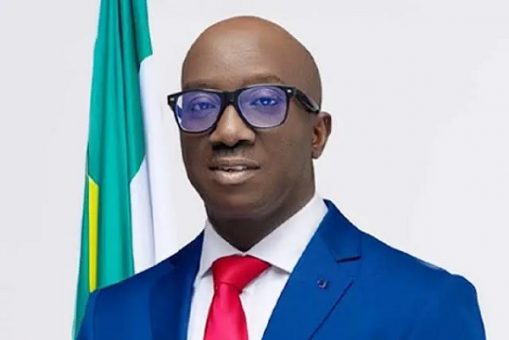
Senator representing Plateau Central, Diket Plang, has warned that outsiders cannot determine who becomes the state’s next governor, as Edo State Governor Monday Okpebholo rallied support for President Bola Tinubu’s re-election, describing the 2027 polls as a defining moment for Nigeria’s growth and development.

Meanwhile, the Independent National Electoral Commission (INEC) has announced a seven-day exercise in Gombe State for voters to verify their details and challenge ineligible entries in the preliminary voters’ register ahead of the elections.

Speaking to journalists in Jos, Plang said Plateau’s political future must be determined by its people, warning that allowing external forces to dictate their choice would undermine the state’s honour and leadership in the Middle Belt.

“It will be unfair for anybody to think that somebody somewhere can decide who will be governor for us. Then we will lose our honour, we will lose our leadership in the region,” he said.

The senator, who chairs the Senate Committee on Employment, Labour and Productivity, said Plateau had sufficient military, academic and political leaders to chart its own course.

He urged residents, elders and political stakeholders to unite, protect the will of the electorate and hold elected officials accountable.

“Nobody should be standing here and feel that someone will make him a leader outside Plateau,” he said.

Asked whether his remarks referred to the Rainbow Coalition, Plang said: “I just want to assure you that I don’t even know about Rainbow Coalition. I don’t even know what’s happening about Rainbow Coalition.”

He criticised what he described as overambitious statements by politicians and their supporters, warning that voters would punish arrogance and disrespect at the polls.

Plang, however, expressed confidence that Tinubu would secure a second term, describing the President’s policies as “futuristic” and arguing that the administration’s initial difficulties were part of the governance cycle.

He dismissed the opposition “gang-up” as a collection of competing regional and tribal interests which, he predicted, would dissipate as the elections approached.

The senator identified security, electoral transparency and responsible political conduct as essential to credible elections. He urged authorities to ensure citizens could vote freely and INEC had the materials and logistics required for a transparent process.

He also called for inclusive language and civility during campaigns, saying a transparent contest would make it easier for defeated candidates to accept the outcome.

In Edo, Okpebholo urged Nigerians to take the elections seriously, saying their choices would determine whether the country consolidated its development gains or returned to retrogression.

He spoke during APC mobilisation visits to Akoko-Edo and Etsako West local government areas, where party leaders canvassed support for Tinubu’s re-election.

“2027 is a defining year for Nigeria’s growth and development. This is the year we are voting for our president, Senators, House of Representatives members and House of Assembly members to finish the good work our president commenced,” he said.

Okpebholo commended Tinubu’s removal of fuel subsidy, describing it as a necessary reform to address longstanding economic challenges. He maintained that the administration’s reforms would deliver long-term benefits.

Former Edo governor and senator representing Edo North, Adams Oshiomhole, also called for continuity, praising Tinubu’s courage and determination to implement reforms.

Edo APC Chairman Jarrett Tenebe urged members to work towards delivering the 2.5 million votes the party had promised Tinubu.

He said strong electoral support would strengthen Edo’s demand for additional local government areas, adding that collaboration among the governor and federal and state lawmakers would help advance the request.

The mobilisation train has visited 11 of the state’s 18 local government areas.

Okpebholo also pledged to extend infrastructure development across Edo’s three senatorial districts, promising a requested step-down transformer, rehabilitation of the water board in Akoko-Edo and repairs to a flood-damaged bridge leading to Ibillo.

“The step-down transformer you requested will be provided and it’s a package we will deliver to make you know that I am a son of President Tinubu,” he said.

Deputy Governor Dennis Idahosa praised the administration’s efforts against cult-related killings, kidnapping and banditry, saying residents were experiencing improved security.

In Gombe, INEC said the register-verification exercise would run from Friday, October 9, to Thursday, October 15, across all 114 Registration Areas, including weekends, from 9 a.m. to 3 p.m. daily.

Registered voters were urged to visit their Registration Area Centres to confirm their names and other details. Those whose names were omitted or whose information contained errors could submit claims for inclusion or correction using the prescribed forms.

Members of the public could also object to the inclusion of ineligible persons, including non-Nigerians, underage persons and deceased voters.

The commission said available Permanent Voter Cards (PVCs) could be collected during the exercise.

It clarified that the cards currently ready were for people who registered during the first phase of the Continuous Voter Registration exercise, between August 25 and December 10, 2025, as well as those who transferred, replaced or updated their registration during that period.

PVCs for people who registered or changed their records in 2026 were not yet available, INEC said, but printing was underway and the cards would be ready before the elections.

The commission urged voters to use the seven-day window to submit claims and objections, saying their participation was essential to ensuring that the register accurately reflected eligible voters.

Sun

Orodata urges CSOs to shape frontier AI governance

0

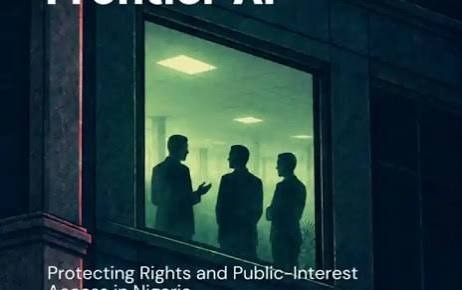
Orodata Science, a Nigerian data science and research organisation, has urged civil society organisations (CSOs) to participate actively in shaping frontier Artificial Intelligence (AI) governance.

Orodata made the call in a policy brief titled “Pacing Frontier AI: Protecting Rights and Public-Interest Access in Nigeria”, released in Lagos on Wednesday.

The ​‌‌‌‍‌⁠‍⁠⁠‍​‌​‌‌⁠‍‌‌​organisation said the global debate on slowing the development and deployment of increasingly capable AI systems presented risks and opportunities for Nigeria and other Global South countries.

It said the debate followed recent calls by Dario Amodei, the Chief Executive Officer of Anthropic, for deliberate pacing of frontier AI development.

According to the brief, Amodei proposed stronger independent evaluation, binding technical safety standards and international coordination before AI systems reached potentially dangerous capability thresholds.

It said the proposals received public support from OpenAI Chief Executive Officer Sam Altman and Elon Musk, founder of xAI and Chief Executive Officer of Tesla.

Orodata, however, cautioned that voluntary commitments by technology companies should not be treated as legally binding agreements or substitutes for enforceable regulatory frameworks.

It said Nigeria needed to guard against systemic risks associated with unchecked frontier AI, while preventing digital marginalisation and excessive concentration of technological power.

The organisation urged Nigerian CSOs to use existing domestic and continental frameworks, including the Nigeria Data Protection Act 2023, National Artificial Intelligence Strategy and African Union Continental AI Strategy.

It said the frameworks should be used to demand verifiable commitments from AI developers, funded African red-teaming, data sovereignty protections and equitable access to AI technologies.

Orodata explained that “pacing” did not mean an abrupt halt to software development or withdrawal of existing digital services.

Rather, it involved introducing regulatory checkpoints, red-teaming phases and capability thresholds before more advanced AI systems were trained or deployed.

The organisation identified independent evaluation, harmonised industry safety standards and multilateral coordination as key elements of responsible frontier AI governance.

It said independent evaluators should have sufficient access to AI development processes to assess models throughout their training and deployment lifecycle.

Orodata also warned that Nigeria’s dependence on foundational AI models developed and governed largely outside Africa could create strategic vulnerabilities.

It said changes to foreign AI platforms, including pricing, licensing conditions, access restrictions or withdrawal of application programming interfaces, could disrupt Nigerian start-ups and public-interest initiatives.

These, it said, included healthcare programmes, educational platforms and governance initiatives.

The organisation urged policymakers to consider existing and everyday AI-related harms alongside potential catastrophic risks.

It identified linguistic and cultural marginalisation, political disinformation, deepfake manipulation, financial fraud and exploitation of African data workers as concerns requiring greater attention.

Orodata said frontier AI systems should be evaluated for performance in Nigerian languages, socio-political contexts, ethnic diversity and local fraud patterns.

It also called for greater investment in Nigerian universities, research institutions and CSOs to conduct AI safety testing and red-teaming tailored to African realities.

The organisation urged international donors, development finance institutions and technology companies to provide dedicated technical and financial support for such initiatives.

It further recommended that Nigerian CSOs be included in international AI safety networks and consultations to ensure Global South perspectives were represented.

On regulation, Orodata called for tiered liability and proportional compliance requirements distinguishing between frontier AI developers and downstream users.

It said developers should bear responsibility for structural design flaws, baseline safety and inadequate testing.

According to the organisation, organisations deploying AI should have responsibilities proportionate to the nature and potential impact of their applications.

Orodata said automated systems used in consequential decisions should retain meaningful human oversight.

It listed social welfare allocation and legal or community interventions among areas requiring such oversight.

For non-profit organisations, Orodata recommended five immediate internal controls.

These include auditing AI applications in use, restricting the transmission of sensitive beneficiary information into consumer AI systems and requiring human verification of AI-generated outputs.

Others are demanding clear supplier terms on data retention and security, and joining civil society working groups to share knowledge, incident reports and procurement resources.

Orodata said Nigeria should not wait for international consensus or new domestic legislation before taking steps to protect institutions and citizens from AI-related risks.

It said responsible AI governance should protect democratic rights and social justice while ensuring African countries were not excluded from technological development benefits.

The organisation said Nigerian civil society had an opportunity to influence the emerging global AI governance framework.

It urged CSOs to demand stronger data protection, local technical capacity and affordable public-interest access to AI.

Orodata stressed that voluntary restraint by foreign technology executives alone could not guarantee Nigerian digital sovereignty or protect civic space from algorithmic spaces.

Sun

2027: CJN warns judges against bias, lawyers against forum Shopping

0


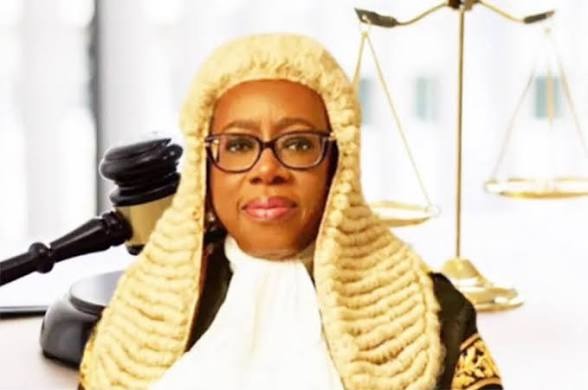
The Chief Justice of Nigeria (CJN), Justice Kudirat Kekere-Ekun, has warned judges against conduct suggesting political alignment and cautioned lawyers against manipulating the judicial process for partisan or strategic purposes ahead of the 2027 elections.

Speaking in Abuja on Wednesday at the 2026/2027 Legal Year ceremony of the National Industrial Court of Nigeria (NICN), she said some judges may be called upon to serve on Election Petition Tribunals, where they would determine “politically sensitive disputes which attract considerable public attention”.

“The nature of such assignments therefore demands an even greater degree of impartiality, restraint and detachment,” she said.

Justice Kekere-Ekun said judges’ conduct would be closely scrutinised, whether they were sitting in the industrial court or on election tribunals. Nothing in their associations, public engagements or other conduct, she stressed, should create “a reasonable perception of political alignment or predisposition”.

She also cautioned lawyers against pursuing proceedings in different courts or divisions in search of a favourable outcome, saying the temptation “must be resisted”.

Parallel proceedings capable of producing conflicting orders, she said, undermine public confidence and expose the judiciary to avoidable embarrassment.

“The proper forum is determined by law, not by the perceived likelihood of success before a particular Judge or court,” she said.

The CJN stressed that the Bar must never become an instrument for manipulating the judicial process for partisan or strategic purposes.

On public commentary, she said the right to criticise judgments did not extend to personal attacks on judges, deliberate misrepresentation of proceedings or attempts to pressure courts through public opinion. Genuine concerns about judicial conduct, she added, should be channelled through appropriate institutional avenues.

Justice Kekere-Ekun also warned judges and lawyers against uncritical reliance on artificial intelligence, noting that AI could generate seemingly authoritative answers, complete with parties, citations and quotations, while referring to cases that did not exist.

She said lawyers who filed unverified or non-existent authorities risked misleading the court and compromising their clients’ cases. The fact that an error originated from AI, she stressed, did not diminish a lawyer’s professional responsibility.

Every authority, she said, must be independently located, read and verified before being cited.

For judges, she said judgments could not safely rest on unverified authorities, adding that AI “cannot assume the judicial responsibility of determining what the law is”.

She also urged caution about entering confidential case materials into AI systems whose security could not be assured.

The Attorney-General of the Federation and Minister of Justice, Lateef Fagbemi, commended the court’s electronic filing and service system, saying it placed the NICN among Nigeria’s leading institutions in the use of technology for justice administration.

Represented by the Director of Civil Appeal, Tijani Gazali, Fagbemi said the value of the court’s new headquarters would be measured by “the quality, efficiency and fairness of the justice administered” within it.

He identified delay as an enduring challenge, particularly in employment disputes, where workers whose employment had been terminated and their employers faced prolonged uncertainty.

Technology, he said, must be complemented by effective case management, adequate personnel, professional discipline and cooperation between the Bench and the Bar.

In his welcome address, NICN President, Justice Benedict Kanyip, said the court disposed of 2,236 cases across its divisions in the past 12 months, significantly reducing its historic backlog.

He said the court remained committed to accessibility, professionalism and the use of innovation and technology to improve justice delivery.

Sun

Ondo aircraft crash: NAF probes cause as FG moves to tighten aviation safety

0

The Nigerian Air Force has commenced a comprehensive investigation into Monday’s crash of its ATR-42 aircraft in Igbokoda, Ondo State, as recovery teams battle difficult swampy terrain to retrieve the wreckage and remains of the 25 victims.

According to a military source, the military activated a board of inquiry after the crash, while the NAF spokesman, Air Commodore Ehimen Ejodame, said the Chief of Air Staff, Air Marshal Sunday Aneke, ordered the investigation.

The source said the Superintendent of Standards and Evaluation traditionally heads the board.

“A board of inquiry has been set up. Immediately after an aircraft crashes, we activate the board of specialists.

“The Superintendent of Standards and Evaluation is automatically the chairman of the board. It’s a permanent appointment.

“They have to be on the ground as they are recovering those things, because part of the recovery process forms part of the investigation,” the official stated.

Recovery efforts have been slowed by thick vegetation and the depth of the swamp, with the aircraft’s main fuselage still submerged.

A private construction firm has deployed floating heavy equipment to clear a path for recovery teams, while the Nigerian Navy has deployed sonar equipment to scan the mapped underwater area.

Governor Lucky Aiyedatiwa also ordered the deployment of two amphibious swamp machines to improve access to the crash site.

The military source said, “I don’t think they’ve recovered all the bodies yet. The aircraft is deeply submerged in the swamp, and we are currently clearing the area.

“A construction company brought a floating buggy, or whatever it’s called. So, that’s what is clearing that path.”

The source added, “Until we clear that part, we can look for what to use to lift the fuselage out of that swamp. It is going to take time before we can recover the bodies. The clearing operations remain ongoing at the site.”

Ejodame said the NAF would release the outcome of the investigation after the preliminary report, explaining that the service follows established aircraft investigation procedures.

“The most important thing is that the Chief of Air Staff has directed a comprehensive investigation and the outcome of that one will be communicated. Whether it’s a board, committee, or a one-man army,” he said.

The NAF spokesman also clarified confusion over the number of people aboard the aircraft, following earlier reports of higher casualties.

He said, “For air traffic controllers, when they normally communicate ‘25 souls on board inclusive of seven crew’, it is minus the seven — the seven is in the 25. It doesn’t mean you add.”

He further explained, “In this case, there were 25 souls on board: five were active crew, then two were passengers, but they are crew.

“So, there are seven crew on board reported, but only five were flying at that time. The other two were on board as passengers.” The Air Force has confirmed that 25 people died in the crash.

Meanwhile, the Minister of Aviation and Aerospace Development, Festus Keyamo, and Aneke have agreed to deepen cooperation between the civil and military aviation sectors following the tragedy.

The plan includes a joint committee involving the Nigerian Civil Aviation Authority and the NAF on airworthiness, certification, training and other safety matters.

Keyamo said, “It is one country, one people. When disaster happens, it affects everybody.

“There were civilians in that air crash, and when there’s an air crash in civil aviation too, there can be military personnel. And so, it is important that we cooperate in the area of safety.”

“We have decided that we will cooperate in terms of capacity building,” he added.

The minister also offered Air Force personnel access to training programmes organised by civil aviation authorities, saying, “There is no reason why we cannot take some names from the Air Force.

“We have a lot of training we go for, so there is no reason why we cannot.”

Keyamo described the proposed partnership as “a kind of cross-pollination and symbiotic relationship” aimed at improving aviation safety, while Aneke said both sectors had a shared responsibility to protect Nigerians.

Aneke said, “We have both agreed that we need to move the aviation industry, whether military or civil, to a higher level.

“We are serving the same government; we are protecting the same Nigerians. So we are just a blend of each other.”

The investigation comes as former DSS director Mike Ejiofor called for a broader review of military aviation operations, maintenance and aircraft condition, saying the frequency of military air crashes warranted closer scrutiny.

Sun

PenCom: Pension Assets Hit ₦31.48tn as 938,229 Nigerians Join Scheme

0

BY TAIWO OGUNMOLA -OMILANI

The National Pension Commission (PenCom) has disclosed that pension assets under the Contributory Pension Scheme rose from ₦20.79 trillion in July 2024 to ₦31.48 trillion in June 2026, representing more than ₦10.7 trillion growth in retirement wealth in less than two years.

PenCom Director-General, Ms Omolola Oloworaran, disclosed this on Tuesday at the 2026 PenCom Media Conference in Lagos, themed “From Reform to Reality: Renewed Hope, Pension Security for Nigerians.”

Oloworaran also said 938,229 Nigerians joined the Contributory Pension Scheme within the same period, describing the growth as evidence of an expanding pension system.

According to her, the commission has recorded several reforms, including the first across-the-board pension increase for retirees under the Contributory Pension Scheme. She said Pension Boost 1.0 increased the monthly pensions of more than 241,000 retirees, raising total monthly pension payments from ₦12.15 billion to ₦14.83 billion.

She further disclosed that pensions of 2,116 retirees of the defunct Nigeria Social Insurance Trust Fund were reviewed for the first time in 21 years, resulting in a 1,173 per cent increase. Their combined monthly pensions rose from ₦12.56 million to ₦159.95 million, while ₦8.70 billion in arrears had been paid.

Oloworaran said the Federal Government had also cleared pension liabilities through a ₦758 billion Federal Government Pension Bond, with payments reaching 957,045 beneficiaries.

She added that retirement benefits that previously took up to 21 months to approve are now required to be processed within 48 hours under a mandatory service standard for Pension Fund Administrators.

The PenCom boss said the commission had also introduced an Exit Benefit Scheme for eligible employees of Treasury-funded federal MDAs, with the first 175 retirees receiving about ₦1.1 billion in August 2026.
She disclosed that PenCom had recovered ₦36.6 billion from defaulting employers as of July 2026, warning employers that failure to remit workers’ pension contributions was both a breach of trust and the law.

Oloworaran also announced that two additional initiatives, PenCare and the Minimum Pension Guarantee, would be introduced during National Pension Week, scheduled for October 26 to 30, 2026.
She said PenCare would initially provide essential healthcare at no cost to 30,000 eligible low-income retirees, while the Minimum Pension Guarantee would establish a minimum level of protection for eligible retirees under the Contributory Pension Scheme.

On investment, Oloworaran said the Pension Industry Leadership Council had endorsed the phased launch of a $250 million Pension Industry Infrastructure Investment Consortium, comprising $200 million from pension fund operators and a further $50 million being sought from development finance institutions.

She said PenCom was also developing the Pension Transformation Agenda 2030 to establish clear priorities and measurable milestones for the industry.

Court Jails Cable Dealer For Selling Counterfeit Coleman Wires

0


…Says Fake Products Portend Grave Danger To Society

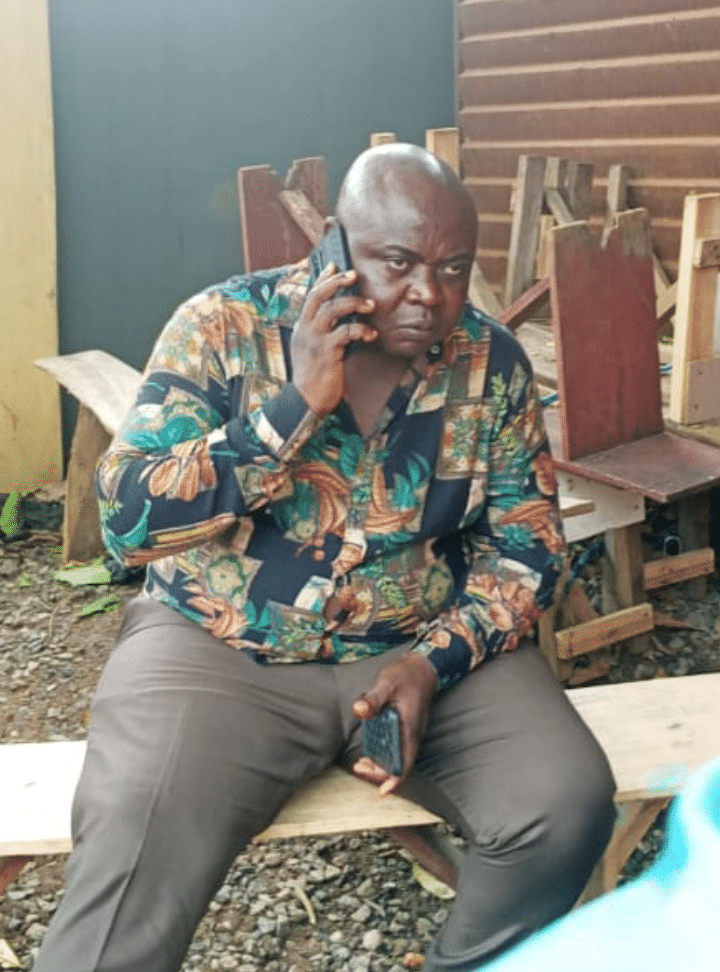
A Magistrate Court sitting in the Ojodu Abiodun Magisterial District of Ogun State has sentenced Samson Okonkwo, a businessman, to jail with hard labour without an option of fine for selling counterfeit Coleman wires and cables.

Magistrate O.P. Mobee handed down the sentence on September 24, 2026, in Charge No. MOJ/138C/2025 between the Commissioner of Police and Okonkwo.
Okonkwo was arraigned on April 10, 2025, on a four-count charge, including conspiracy to forge Coleman wires and cable products, unlawful possession of forged products and selling of products bearing forged Coleman marks.

According to the judgment, 317 coils of cables bearing Coleman wraps and labels were recovered from the defendant. The prosecution told the court that tests and physical comparisons showed that the cables did not originate from Coleman Technical Industries Limited.

The court heard that while the recovered cables were marked as 2kg products, one of the seized cables weighed 1.2kg, compared with 2kg for a genuine product brought from the Coleman factory. The prosecution also demonstrated differences in the copper content and other identifying features.

In his defence, Okonkwo, who resides at 5 Oderinde Street, Akute, Ogun State, said he had been trading in electrical items for 20 years. He told the court that he bought the cables from Alaba Market and had receipts for the purchases, which he tendered as exhibits.

The court, however, held that the prosecution had established the counterfeit nature of the products and that the defendant’s defence did not satisfactorily rebut the direct evidence presented.

In sentencing the defendant, the court considered his status as a first-time offender, family man and breadwinner, but noted the dangers associated with counterfeit electrical cables, including cable sparks, electrical fires and electrocution.

Magistrate Mobee said the punishment was intended to serve the purposes of retribution, deterrence and protection of society.

The court consequently sentenced Okonkwo to jail with hard labour, without an option of fine.

Reacting to the judgement,
Managing Director and Chief Executive Officer of Coleman Technical Industries Limited, George Onafowokan, described the conviction of a trader for adulterating and faking Coleman cables as a major victory for the company, its customers and Nigeria.

Onafowokan said the judgment marked the first time, to his knowledge, that a person involved in the adulteration of cables had been legally convicted in Nigeria, describing it as an indication that the country was beginning to treat cable counterfeiting as a criminal offence.

He commended the Nigeria Police Force and the judiciary for supporting the company’s efforts to pursue the case, which he said had lasted for almost two years, involving raids and other enforcement actions.

According to him, the conviction demonstrated that businesses could continue to fight against the activities of counterfeiters and protect their investments, customers and employees.
Onafowokan, however, criticised the Standards Organisation of Nigeria (SON), alleging that the regulator had not provided adequate support throughout the process.

He said that despite several raids, seizures and confiscations of adulterated cables over the years, there had been no corresponding criminal convictions that could serve as a deterrent.

He contrasted the situation with the enforcement approach of the National Agency for Food and Drug Administration and Control (NAFDAC), arguing that stronger consequences had helped to deter the sale of adulterated drugs.

The Coleman CEO said counterfeit and substandard cables posed serious risks because they could be undersized, lack proper fire-retardant properties and cause short circuits that could result in fires and loss of lives.

He called for stronger enforcement powers and action by SON, saying regulators should focus not only on removing substandard products from the market but also on ensuring that offenders face criminal consequences.

Onafowokan said Coleman had been forced to finance enforcement efforts and support legal proceedings to protect its brand, adding that such responsibility should ordinarily not rest on the manufacturer.

He expressed appreciation to the Inspector-General of Police and police formations involved in the case, saying the conviction had demonstrated that faking and adulterating cables was a crime that could be pursued through the justice system.

Beyond the Office: How Gbenga Omotoso Demonstrated That Public Service Can Still Be Personal

0


By Alexander Omughele

In public service, responsiveness is often discussed as an ideal, but it becomes meaningful only when citizens experience it firsthand.

My recent experience with the Lagos State Commissioner for Information and Strategy, Mr. Gbenga Omotoso, has given me a reason to acknowledge and publicly appreciate a quality that is sometimes taken for granted in public office, which is the willingness to listen.

My concern was about the deplorable condition of Moshalashi Road in Egan, within Alimosho Local Government Area of Lagos State. For residents of the community, the condition of the road is not an abstract policy issue. It is a daily reality that affects movement, businesses, accessibility and the general quality of life.

Like any concerned citizen, I decided to raise the matter with the appropriate authorities.

That was how I reached out to Commissioner Omotoso @gbenga_omo

What happened afterwards was, quite frankly, encouraging.

At a time when citizens can sometimes find it difficult to get the attention of government officials, Mr @gbenga_omo made himself accessible. On every occasion I called him to seek updates concerning the complaint, he picked up his phone and listened.

He never complained about the frequency of my calls. He never made me feel like I was imposing on him. Instead, he continued to engage, provide updates and demonstrate an understanding that behind every complaint is a citizen hoping that government will listen.

That, to me, is public service at its most basic and most important level.

A government does not only serve through policies, budgets and infrastructure projects. It also serves through the attitude of the people entrusted with public responsibilities.

And sometimes, the difference between a citizen feeling abandoned and feeling heard is simply whether someone in government is willing to answer the phone.

The intervention has also progressed beyond conversation. The Special Adviser on Infrastructure has indicated that a team will be sent to our community to assess the condition of Moshalashi Road and evaluate the situation firsthand.

This is an important development.

Of course, an assessment is not the same thing as rehabilitation, and residents will ultimately want to see tangible action on the road. But government intervention must begin somewhere, and allowing the relevant authorities to inspect the situation on ground is an important first step.

This is why I believe Mr. Omotoso deserves to be commended.

We have become accustomed to publicly highlighting the failures of public officials and there is certainly a place for holding government accountable. But accountability should not mean criticism alone. When a public official demonstrates responsiveness, accessibility and a willingness to facilitate action, citizens should equally have the courage to say so.

My appreciation of Commissioner Omotoso is therefore not based on political affiliation or partisan loyalty. It is based on a simple personal experience: I raised a concern, and a government official listened.
My friend @Riddwane told me about Mr Omotoso when the issue of the BRT incident happened that he is a very good man.

He did not promise miracles. He did not dismiss the complaint. He remained available and helped ensure that the matter received attention from the appropriate quarters.

That may appear ordinary, but in public administration, the ordinary can be extraordinary when citizens have become accustomed to being ignored.

There is an important lesson here for public officials everywhere.

Citizens do not always expect every problem to be solved overnight. What they often want is to know that somebody is listening; that their complaints have not disappeared into the bureaucracy; and that there is a human being on the other side of government who cares enough to respond.

Alexander Omughele wrote via his X, formerly Twitter handle

PHOTOS: Sanwo-Olu, Bio, Elumelu, Others Seek Stronger West African Trade, Investment

0

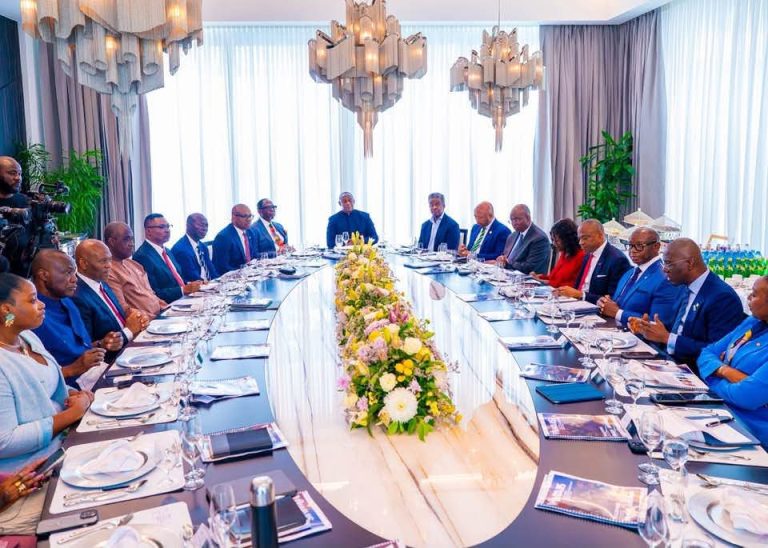
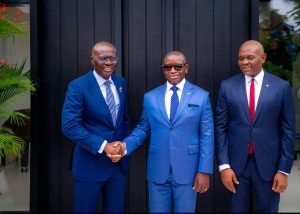
Lagos State Governor Babajide Sanwo-Olu has joined Sierra Leone President Julius Maada Bio, business leader Tony Elumelu and other private sector leaders to discuss ways of strengthening trade and investment across West Africa.

Sanwo-Olu disclosed this in a statement following his participation in the WAIIS Private Sector Advisory Board Strategic Lunch Meeting held in Lagos.


The meeting brought together political and business leaders, including Alhaji Aliko Dangote, who was represented at the gathering.

According to Sanwo-Olu, the discussions focused on practical measures to deepen trade across West Africa and attract more investment into industries capable of driving shared economic growth.

He said West Africa had enormous economic potential that could be converted into tangible opportunities for businesses and citizens through stronger partnerships.

The governor stressed the need for a shared commitment among governments and the private sector to unlock the region’s potential.

“With stronger partnerships and a shared commitment, we can turn that potential into real opportunities for our people and businesses,” Sanwo-Olu said.

ASSBIFI Demands Urgent Review of Trade Union Law, Collective Bargaining Agreement

0


BY TAIWO OGUNMOLA -OMILANI

The Association of Senior Staff of Banks, Insurance and Financial Institutions (ASSBIFI) has called for an urgent review of the Trade Union Act and the renewal of its sector-wide Collective Bargaining Agreement, which it said has been due since 2007.

Acting National President of ASSBIFI, Comrade Isaac Adesina, made the demands on Wednesday at the association’s 2026 commemoration of the World Day for Decent Work, held at the ASSBIFI Events Centre, Alausa-Ikeja, Lagos.

Fanimokun said the provision on voluntarism contained in Section 12(4) of the Trade Union Act had been abused by some employers to threaten, persuade and dissuade workers from joining trade unions.

He also called for the urgent review and renewal of the ASSBIFI Sector-Wide Collective Bargaining Agreement, which he said had been due for renewal since 2007, alleging that efforts to renew the agreement had been frustrated by management and employers in the banking, insurance and financial sectors.

The ASSBIFI president further urged the Federal Government to ratify International Labour Organisation Convention 158 on Termination of Employment, noting that Nigerian courts had recognised and applied its principles in resolving labour disputes.

He called on the Central Bank of Nigeria (CBN), National Insurance Commission (NAICOM) and other regulatory agencies to make compliance with decent work standards a corporate governance requirement for organisations.

Fanimokun also urged employers to consider payment of gratuity to deserving employees, in line with the recent government directive, arguing that the withdrawal of gratuity schemes by some employers in the organised private sector was wrongful.

He said the demands were aimed at strengthening workers’ rights and ensuring decent work, stressing that “together we bargain, divided we beg” remained ASSBIFI’s guiding principle.

In another development,
the Precision, Electrical and Related Equipment Senior Staff Association (PERESSA) demanded fair wages, improved working conditions and policies that guarantee decent work for Nigerian workers, particularly young people.

National President of PERESSA, Comrade Rufus Olusesan, said the theme of the 2026 World Day for Decent Work, “Young Workers Organizing for the Future,” was timely, stressing that work must provide dignity and not merely income.

He said young Nigerian workers were confronted with precarious employment, low wages, the “Japa syndrome” and exploitation in the digital economy.

According to him, decent work must be productive, provide fair income, offer safe and secure working conditions and social protection, while allowing workers to organise and have a voice in decisions affecting them.