Home Blog Page 87

Plateau: BYM calls for urgent action as 2 killed in mining site attack in Barkin Ladi

0


The Berom Youth Moulders-Association (BYM) has expressed deep concern over the increasing attack in Berom land.

The association concern followed the killing of two miners in Kazok villages, Gashish District of Barkin Ladi Local Government Area on Friday.
According to BYM, in a statement signed by the National Publicity Secretary, Rwang Tengwong, the incident happened on Friday, at about 3:00 p.m.. when the duo were attacked at the mining site.

Tengwong identified the victims as Mr John Mafulul, aged 53, and Mr Ezekiel Yohanna, aged 50.

He alleged that they were attacked and killed by radical Islamic Fulani militias at a mining site around Jamus area of Kazok villages, Gashish District of Barkin Ladi Local Government Area.

He said, “The latest casualties added to a list of civilians killed by the Armed Fulani Terrorists, they were human beings with families, loved ones and people who depended on them.”

Tengwong also disclosed that Mr Bulus Chun Pam of Gwom Ajang, Foron District of Barkin Ladi Local Government Area, who was injured in an attack on 7th October has died.

He said that Pam died at the Jos University Teaching Hospital (JUTH) for treatment, died on Friday.

“His death is another painful loss to his family and community, who would have hoped and prayed for his recovery. The Association is deeply concerned that, while families are still mourning previous victims, fresh attacks continue to claim more lives.

“Behind every reported death is a family forced to confront grief, children and dependants who are left without support, and a community struggling to understand why innocent people continue to die.

“The situation is particularly troubling because people should be able to work, travel and go about their daily activities without the constant fear of being attacked.

Tengwong pleaded with security agencies to protect mining sites, farmlands, rural settlements and community roads, which are increasingly becoming places where residents risk losing their lives simply because they are trying to survive.

BYM also extended its heartfelt condolences to the Nigeria Police Force and the family of the police officer killed along Kwi road on Thursday, describing the death of a police officer in the line of duty is a painful.

“While we mourn, we must also ask difficult but necessary questions: How many more lives must be lost before these attacks are stopped? How long must families continue to bury their loved ones while living with the fear that they could be next? And what concrete measures are being taken by the Government to ensure that communities already traumatised by repeated violence can live in safety?

BYM therefore called on the Plateau State Government, the Federal Government and all relevant security agencies to move beyond routine condemnations and take decisive action.

“We urge security agencies to thoroughly investigate these incidents, identify and apprehend those responsible, and ensure that they are brought to justice.”

Sun

NAFDAC seizes N800m banned pesticides, warns against food safety risks

0


The National Agency for Food and Drug Administration and Control (NAFDAC), has seized banned agrochemicals worth over N800 million in Ogun, Ondo, Osun and Oyo states, warning that illegal pesticides threaten public health, food safety and Nigeria’s agricultural future.

The agency said enforcement operations in 2025 uncovered the products, while subsequent operations across the country resulted in further seizures and interceptions.

Director General, NAFDAC, Prof. Mojisola Adeyeye, on Friday, disclosed that between September 2024 and July 2026, enforcement operations in the North-West alone led to the seizure or interception of 2,974 cartons of pesticides containing banned paraquat, valued at about N148.7 million. Another 120 cartons of chlorpyrifos-containing pesticides, worth over N17 million, were seized within the same period.

In Kebbi State, more recent operations intercepted 5,619 cartons, equivalent to 67,428 litres, of banned paraquat and 500 cartons, equivalent to 5,000kg, of atrazine.

Adeyeye said the continued circulation of prohibited products after the expiration of their phase-out periods indicated persistent illegal importation, unauthorised production and distribution.

She explained that, as of January 1, 2026, all applicable phase-out periods under NAFDAC’s completed regulatory measures had ended, making the manufacture, importation, distribution, sale and use of affected products illegal.

The banned substances include paraquat, chlorpyrifos and atrazine. NAFDAC has also restricted the 100ml pack size of dichlorvos (DDVP), prohibiting its importation, manufacture and sale in open markets and supermarkets over concerns about its misuse on agricultural produce.

Adeyeye disclosed that the agency sealed four unauthorised agrochemical and pesticide manufacturing facilities in Bichi, Kano State, in July 2026. Officers reportedly found unlabeled products, bulk materials and packaging linked to illicit production.

She said NAFDAC was strengthening surveillance, border monitoring and collaboration with law enforcement agencies to dismantle illegal supply chains and sanction offenders.

The agency also warned that approved pesticides could contaminate food when improperly applied or when crops were harvested before the recommended waiting period.

Adeyeye cited a market study on beans that found pyrethroids and dimethoate residues exceeding safe limits. She said dimethoate was not approved for preserving harvested beans against pests such as weevils, stressing that pesticides must only be used for approved purposes and according to label instructions.

Sun

Stanbic IBTC champions equitable climate transition

0

Stanbic IBTC Holdings, member of Standard Bank Group, has reinforced its commitment to advancing sustainable finance in Nigeria.

The bank made the declaration at the third edition of its flagship Sustainable Finance hybrid summit, which brought together leaders from the financial, regulatory, public, academic, and technology sectors under the theme, ‘Financing a Just Transition: Mobilising Capital for People, Policy, and Prosperity’.

The summit, which was held in Lagos, convened C-suite executives, regulators, investors, sustainability professionals, policymakers, academics, and other stakeholders from Nigeria and beyond.
Speaking at the event, Chief Executive, Stanbic IBTC Holdings, Chuma Nwokocha, said the summit was started to move Nigeria’s sustainable finance conversation from dialogue to action by bringing together stakeholders capable of shaping the country’s sustainable finance ecosystem. He noted that sustainable finance has moved from the margins to the mainstream, supported by stronger collaboration, broader participation, and greater market awareness.

“For us at Stanbic IBTC, the conversation about sustainability is no longer about the future. Sustainability is here, it is real, and it requires action now. It is about how we allocate capital today; how we shape policy; how we bring others along on the journey; and how we build institutions capable of delivering prosperity for every Nigerian and for future generations.”

In addition to the summit’s focus on action-driven initiatives, the Standard Bank Sustainability Academy was officially launched as a significant step towards fostering a culture of sustainability in Nigeria. This innovative programme aims to provide free, high-quality educational resources to individuals enthusiastic about sustainable practices and finance.

In his opening remarks, a Professor of Economic and Business Intelligence, Lagos Business School, Bongo Adi, said Nigeria had reached a critical point where economic growth and climate action are no longer competing priorities.

Delivering a goodwill message, the Special Adviser to the President on Climate Finance, Mallam Ibrahim Shelleng, said Nigeria had established the policy, regulatory and institutional frameworks required to translate its climate ambitions into investment opportunities.

Sun

MDAs risk prosecution for buying foreign vehicles without approval —BPP

0


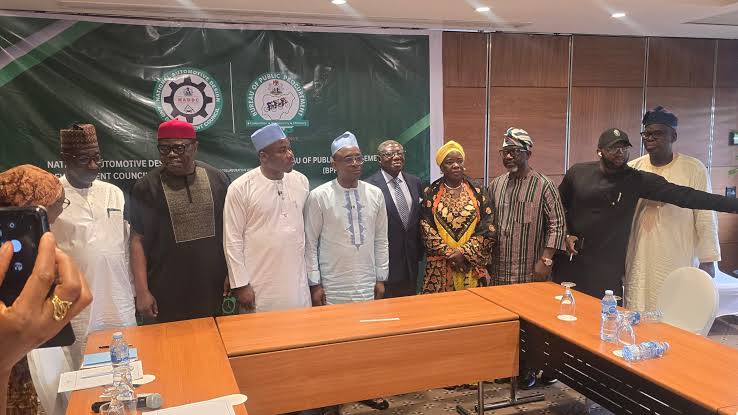
The Bureau of Public Procurement (BPP) has warned that Ministries, Departments and Agencies (MDAs) could risk prosecution for purchasing vehicles from suppliers that have not complied with the Federal Government’s local automotive assembly policy.

The warning came at a joint press conference by the BPP and the National Automotive Design and Development Council (NADDC) in Abuja, on Friday, on the implementation of the Nigeria First Policy, aimed at boosting domestic vehicle assembly, creating jobs and conserving foreign exchange.

BPP Director-General, Dr. Adebowale Adesanya, said the bureau would not issue a no-objection certificate for vehicle purchases involving manufacturers, importers or suppliers that had not met the technical specifications and requirements established by NADDC.

He said government agencies must obtain the necessary approvals before procuring vehicles, warning that bypassing the process could attract legal consequences.

NADDC Director-General and Chief Executive Officer, Oluwemimo Joseph Osanipin, said the policy was designed to reduce Nigeria’s dependence on foreign-assembled vehicles by using government procurement to stimulate local manufacturing.

Under the framework, he said, MDAs are expected to purchase vehicles from licensed local assemblers or their authorised retailers, insisting that any agency seeking to procure a foreign-assembled vehicle must establish that no suitable domestic alternative exists and obtain presidential clearance.

Osanipin said NADDC would maintain an updated register of compliant assemblers, verifying their production facilities, technical capacity and after-sales service arrangements. “Vehicles supplied to government must also have traceable Vehicle Identification Numbers (VINs), with the council responsible for verification,” he said.

He said Nigeria had an installed vehicle assembly capacity of 370,520 units annually, adding that the government was seeking to progressively increase domestic production towards meeting 70 per cent of the country’s vehicle needs.

Adesanya further said the policy was already producing encouraging results, citing a procurement experience in which a locally assembled vehicle subsequently cost about half the price paid during an earlier purchase. He did not disclose the vehicle model or exact prices.

He argued that increased production volumes and predictable government patronage would encourage investment, lower unit costs and create opportunities for local manufacturers of automotive components.

The BPP chief said the government was also encouraging partnerships between Nigerian firms and established foreign manufacturers to address technical gaps and strengthen domestic capacity.

He disclosed that discussions were ongoing with universities, polytechnics and technical institutions to commercialise automotive research and prototypes.

He cited NADDC’s Campus Shuttle initiative, under which students from 12 universities designed bus prototypes, as part of efforts to connect academic research with industry.

Adesanya also announced plans for a digital platform to help buyers identify local automotive component manufacturers and verify product origins through traceability barcodes.

On enforcement, he said a joint monitoring and evaluation mechanism had been established to track vehicle purchases by government agencies.

He added that anti-corruption agencies, including the Economic and Financial Crimes Commission (EFCC) and the Independent Corrupt Practices and Other Related Offences Commission (ICPC), had sought procurement records to monitor compliance.

He also urged journalists to scrutinise vehicle purchases by MDAs and request relevant approval records from the BPP.

Osanipin assured that NADDC would work with the Standards Organisation of Nigeria (SON) and other technical partners to enforce quality, safety and environmental standards.

Both agencies were optimistic that effective implementation of the policy would strengthen domestic manufacturing, expand employment opportunities and reduce Nigeria’s dependence on imported vehicles.

APC PCC chides Obi over troubling lack of character, candour, dignity

0

The All Progressives Congress (APC) Presidential Campaign Council (PCC), has lampooned the presidential candidate of the Nigeria Democratic Congress (NDC), Peter Obi, expressing concerns over his demonstration of troubling lack of character, candour, and dignity.

The PCC, in a statement by its spokesperson, ​Dele Alake, made available to newsmen in Abuja, chided the former Anambra State governor over his sumersualting claims on winning the 2023 presidential election.
The spokesperson noted that nothing could be more annoying than Obi’s recent claim that he won the 2023 presidential election, while simultaneously admitting he lacks the evidence to support it.

The PCC emphasised that it reflects a deep and troubling disconnection from reality and absolute disregard for facts and truth for a candidate who finished a distant third in the presidential poll to persistently insist he won without evidence and contrary to all official records.

Tagged Peter Obi’s election claims troubling display of delusion, the PCC, noted: “Nothing is more annoying than Obi’s recent claim that he won the 2023 presidential election, while simultaneously admitting he lacks the evidence to support it.”

“​In a recent interview on the BBC, Obi stated: ​”I don’t like going back to the past. I won the last election. There’s no evidence, but I won the election. Everything is not based on evidence.”

​”By Obi’s logic, it is acceptable to make outrageous claims without a shred of evidence or verisimilitude. For him, it is in order and acceptable to make allegations without substantiation or to act on impulse by airing unsubstantiated conjectures.

“This is deeply troubling. There is simply no end to Obi’s posturing and no end to his shenanigans and farce. ​For a candidate who placed a distant third in the presidential poll to persistently insist he won — without evidence and contrary to all official records — reflects a deep and troubling disconnection from reality and absolute disregard for facts and truth.

“This constant habit of exaggerating facts is unbecoming of a man who aspires to lead our great country. Where is Obi sourcing his facts? Could it be from his infamous adviser at Upper Iweka Junction or from one Obidient punching the laptop for the next post from California or Dallas?” Alake asked sarcastically.

​Reacting further, the PCC noted that; “At the pain of restating the factually obvious, President Bola Tinubu won the 2023 election decisively. There can be no doubt about it. The Independent National Electoral Commission confirmed his victory. The election tribunal and the country’s highest court affirmed it.”

“President Tinubu has continued to discharge his mandate, advancing key reforms that have stabilised the economy, expanded infrastructure, supported businesses and youth, upgraded education and healthcare, and created job opportunities.

“We again call on Peter Obi to act honourably and honour his earlier pledge to exit the 2027 presidential race if it is proven that his administration left behind liabilities in Anambra State—a fact now clearly established by the state’s financial records,” the statement read.

World Egg Day: Gombe Farm Distributes 3,000 Eggs to Almajiri Children

0

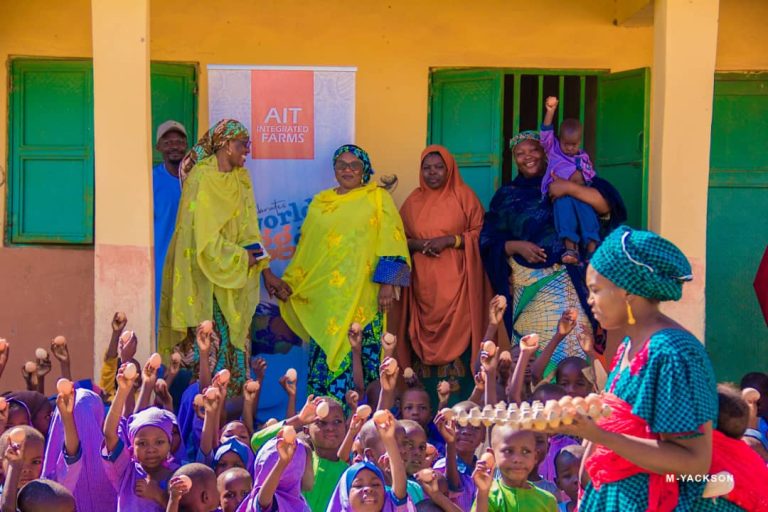
AIT Integrated Farms has distributed 3,000 boiled eggs to children attending selected Tsangaya (Almajiri) schools in Gombe State as part of activities marking World Egg Day 2026 and the farm’s 10th anniversary.

The distribution, held on Friday, October 9, focused on promoting child nutrition and social inclusion by providing nutrient-rich food to children in traditional Qur’anic learning institutions.


The farm’s promoter, Abubakar Inuwa Tata, said the initiative reflected the organisation’s commitment to improving child welfare and ensuring that vulnerable children were not excluded from access to nutritious food.

“Behind the word Almajiri is a child seeking knowledge, carrying dreams and deserving the same care and opportunities as every other child,” Tata said.

“We are not reaching out because they are Almajiris; we are reaching out because they are our children. Their health matters, their education matters, and their future matters.”

He described eggs as an accessible source of high-quality protein and essential nutrients that support children’s physical growth, cognitive development and overall well-being.

Tata said the distribution went beyond a symbolic celebration of World Egg Day, demonstrating how private agricultural enterprises could contribute to addressing nutritional challenges within their communities.

According to him, every child deserves access to nutritious food that supports healthy growth, learning and development, regardless of their family’s economic circumstances.

He added that the outreach formed the first phase of the farm’s two-day anniversary celebration, which combines community-focused initiatives with efforts to promote nutrition and agricultural development.

AIT Integrated Farms said the intervention reflected its commitment to community welfare and its belief that improved nutrition should remain a priority in efforts to support children’s development.

The farm’s 10th anniversary provided an opportunity to reaffirm its commitment to sustainable agriculture, improved nutrition and stronger community partnerships.

World Egg Day is observed annually to raise awareness of the nutritional value of eggs and their contribution to healthy diets.

Horror in Oyo community

0


• Family of six massacred over phone in isolated sugarcane farm, bodies dumped in river
• Government should just kill us, suspect says, as police nab siblings, one other

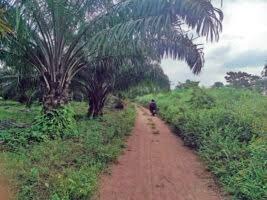
Deep inside the forest of Lagelu Local Government Area of Oyo State is Oloba village. A lonely road, which winds through palm tree groves and a large cocoa farm leads to the village.


Road to Oloba Village

Before reaching the remote settlement, which is close to a major river, a family of six lived largely away from the bustle of the city.

The landmark junction to Oloba village is at Ejioku, a community between Lalupon and Iyana-Offa on Ibadan-Iwo Road.

From Ejioku, the journey to the community took about 45 minutes by motorcycle. The route passes through stretches of palm trees, cassava farms, and a big cocoa farm, with long portions of the road devoid of human activity. Visitors to the village would have to cross a section of the Ibadan Circular Road, which is under construction, apart from two big rivers that separately have small bridges on them.


Osun River where the bodies of the six murdered family members were dumped

Oloba itself is tucked deep into the bush, close to the river that residents variously refer to as Odo Oba, Osun River or Asejire, depending on the side from which it is approached.

It was in the secluded setting that police said a family of six was attacked on September 22, 2026, allegedly by three men, who invaded their home, and armed with a locally made Dane gun, two cutlasses and a club.


Ifeanyi’s home
The attack, according to the Oyo State Police Command, ended with all six members of the family dead.

The police identified the deceased as Ifeanyi Chukwu, his wife and their four children.


Ifeanyi’s sugarcane farm
Two brothers – Hammed Akinbami, Ojo Akinbami – and their friend, one Padonu Edward, all said by the police to be from Oloba village, are now in police custody over the alleged murder and robbery.

The police said the suspects allegedly robbed the family of N200,000 cash, a Boxer motorcycle, a Doma machine with chainsaw and a spraying machine.

According to the Police Public Relations Officer for Oyo State, Olayinka Ayanlade, preliminary investigation showed that Ahmed Akinbami allegedly shot the husband, while Ojo Akinbami and Padonu Edward allegedly attacked the wife, hitting her on the head.


Ifeanyi’s car

The children were also caught up in the attack. The police said the suspects tied two of the children, including a five-year old, by their hands and legs and threw them into the nearby Osun River alive while the remaining members of the family were killed and their bodies disposed of in the same river.


Alagba Olugbade Olufemi, one of the leaders of Oloba village

From phone dispute to deadly attack

According to accounts obtained during the investigation, the tragedy may have its roots in a dispute involving a mobile phone.

The disagreement reportedly occurred about four months before the family was attacked, killed and their remains thrown into Osun River.


Pa Akinbami, father of two of the suspects

The phone dispute was said to have been taken before community leaders, where it was reportedly settled. The Chukwus were asked to pay about N50,000 in connection with the damaged phone of Ahmed Akinbami. It was confirmed by the villagers and the police that the Chukwus paid the money.

For a while, there appeared to be an end to the disagreement. But the police would later be confronted with accounts suggesting that the earlier dispute had not completely disappeared.

The police have not publicly established the motive beyond the preliminary findings contained in the statement issued by the command.

What is known is that about 7pm on September 22, the family was attacked in their isolated home.

The first major breakthrough came days later. The police said intelligence was received on October 2 about 5pm concerning the incident.

Detectives were subsequently deployed and visited the scene. Photographs were taken, while several exhibits were recovered.

Among the exhibits were the family’s Boxer motorcycle, one locally made Dane gun, two cutlasses and the club allegedly used during the attack.

The three suspects were arrested and detained. The police said that during interrogation, all three confessed to their involvement in the crime.

Confessions of the suspects

One of the suspects, Ahmed Akinbami, told journalists that the phone dispute was connected to the attack.

According to the account made available during interrogation, the disagreement over the damaged phone had resulted in the payment of N50,000 by the family after community intervention.

But the suspect’s account suggested that the matter did not end there. He acknowledged that six people were killed during the incident and expressed remorse over what happened.

When asked what the government should do for them, Ahmed said the government should kill him and along with the other suspects.

Another suspect, Padonu Edward, gave a different account of his involvement. He said he was from Benin Republic and had lived in Nigeria for about 12 years. He described himself as a farmer and said he was invited by one of the other suspects to collect money. But he admitted hitting the woman on the head with a club.

The third suspect, Ojo Akinbami, denied personally killing anyone. But he admitted tying one of the children and participating in taking the child towards the river. He claimed that he feared being killed himself if he refused to participate.

A community removed from outside world

Away from the interrogation room, the physical setting of Oloba helps explain why the tragedy could unfold with little immediate attention.

The journey from Ejioku to the community is not one that encourages casual movement.

There are no busy streets, shops or clusters of houses characteristic of urban communities. All the houses in the village are mud houses.

When this reporter visited the Oloba village on Wednesday October 7, 2026, findings revealed that the late Ifeanyi Chukwu and his family did not live directly in the village. The family made their abode in their sugarcane farm, which is about one and half kilometres away from the Oloba village

One of the leaders of Oloba Village, Alagba Olugbade Olufemi, of the Akintolu family, told Saturday Sun that the late Chukwu, popularly known as Baba Chike (meaning Chike’s father), was an Igbo man, who obtained land from the late Chief Samuel Oyebode, Mogaji of the Akintolu family, to cultivate sugarcane.

“He lived there with his wife and their four children. I live outside the village. But this incident brought many of us home to assess the development and ensure that the right thing is done so that the name of our village will not continue to be dragged in the mud.

Firm donates borehole to Oyo community
“He came to farm in this village 10 years ago. He also came from somewhere. Some years ago, we discovered that he lived alone with his family in the sugarcane farm. We sent representatives to him.

“The message was simple. He and his family should not live alone in the bush. He should come to Oloba village to live with people. But he refused. He said he was okay in the place. So, we left him there.

“This accounted for why we did not know that something happened to him on time. He was a good man. He would not pick fight with anyone. He minded his own business.

‘Whenever he harvested the sugarcane in his farm, he would take it to Erunmu Market for sale. He would pass through the village in his car to the market. He also had a friend that used to come to help him carry the sugarcane to the market on every market day, if he would not take his own car.

“ So, based on the location of the farm, the deceased family was not surrounded by a large network of neighbours. Their daily interaction with outsiders was also limited.

“The family’s activities were closely connected to farming, particularly sugarcane cultivation.

“One person who regularly had contact with the family was a driver who transported their sugarcane to the Erunmu market.

“ As I was further briefed, it was the driver’s observation that the family had suddenly stopped appearing as usual in the market that helped trigger questions about their whereabouts.”

But it was difficult for the reporter to locate the Oloba village. There is one Oloba village at Papa in Iwo. It was when the reporter got there that he was directed to the Oloba village that can be accessed either through Ejioku or Erunmu.

Osun River holds unanswered questions

For the police, the recovery of the woman’s remains provided an important breakthrough. But the river still holds much of the mystery.

The police said the remains of five other members of the family had yet to be recovered.

As gathered, the recovery of the motorcycle, Dane gun, cutlasses and club might provide police with physical evidence to compare with the suspects’ accounts.

The police also made it known that further investigation of the case would be handled by the State Criminal Investigation Department (SCID), Iyaganku, Ibadan.

The Commissioner of Police, Abimbola Ayodeji Olugbenga, was said to have directed that the matter be thoroughly investigated.

That investigation will be expected to reconcile the accounts given by the suspects and establish the circumstances surrounding the deaths.

I never taught them violence – Suspects’ octogenarian father

The father of two of the three suspects introduced himself as Akinbami. He is the biological father of Ahmed Akinbami and Ojo Akinbami.

He told Saturday Sun that he had never noticed any behaviour in his sons that suggested they were capable of such an act of killing people.

He claimed that his sons had engaged in different forms of legitimate work, including commercial motorcycle riding, farming and mechanical work.

He expressed shock over their arrest and involvement in the alleged crime.

The father stated that if the court eventually found his two sons and their friend guilty, the three suspects should be promptly executed by the government.

“I am not from this village. I was still a toddler when my father carried me to this village. My father was a hunter. I also grew up to become a hunter. But now, I am a vegetable farmer.

“Originally, we were not from this village. My father brought me to this village. I cannot remember the year. But it has been very long.

“It is even better if government kills them if they are found guilty. This is because they have not been allowing me to have rest of mind

“ As old as I am, I would cultivate vegetables and sell it. The little money I have been making, my children have been stealing the money and they would leave me with nothing.”

Pa Akinbami stated further that Ahmed was a commercial motorcycle rider in Ibadan City, before he sold the motorcycle and returned to the village for farming.

“I tried my best to prevail on him not to sell it, but he insisted and sold the motorcycle.

“ Also, his younger brother, Ojo, was in Ibadan, where he learnt how to repair cars. Sometime ago, his brother went to the city and brought him to the village. He told me that Ojo would no longer be learning the trade again as he had become a professional.

“So, Ojo too stayed back in the village. What he does now is climb palm trees using ropes cut bunches of palm produce in exchange for money.”

Community left with questions

For residents and those familiar with the area, the incident has raised difficult questions.

How could a disagreement over a damaged phone allegedly escalate into the destruction of an entire family?

Why did a dispute that was reportedly settled months earlier resurface with such deadly consequences?

What happened between the settlement of the phone dispute and the alleged attack? And why did the family, living in such an isolated location, become the target?

As gathered, the questions may only be answered conclusively by the police investigation and, ultimately, the courts.

I

Ifeanyi Chukwu’s isolated abode

A visit to the scene of the crime showed that the deceased family had a large expanse of sugarcane plantation. The family also planted crops and vegetables for their daily consumption.

But the house, where the family lived was built with roofing sheets. It is the only structure in the bush and very close to the Osun River.

An enquiry was also made on whether Chukwu’s children were enrolled in school. The answer the villagers provided was that they were in school, noting that they transported themselves to the school with their father’s motorcycle. The villagers, who were very cautious while speaking with the reporter, did not provide further information.

How suspects were arrested

Investigation revealed that immediately it was discovered that Ifeanyi Chukwu was missing, the matter was reported to the police.

Sources said detectives were discreetly deployed to the area to crack the riddles.

“One day, Hammed Akinbami was somewhere, and out of pride, he said he wanted Baba Chike. Unknown to him, a policeman in mufti was there. That was how police investigation began until the suspects were tracked and arrested,’ the source said.

Return trip from Oloba village

The return trip from Oloba village was not a smooth one. The motorcycle stopped on the road for more than 10 times as a result of mechanical faults.

A man, who was walking by during one of the stops immediately recognised that the journalist was a stranger in the area. He suspected that the journalist went to the village in connection with the killing of the Chukwus.

Though he did not mention his name, he simply said: “What happened was the failure of parenting. When these children were growing up, they had been committing minor offences and their parents have been condoning them without discipline.

“Did the people you met in the village tell you that one of the suspects was caught some time ago with a dead person’s head? What happened thereafter? The matter was buried under the carpet.

“Did you know that one of the suspects had once shot his father with a locally made gun? But the pellets did not penetrate the man because he is a hunter and he has native insurance. What happened then and what did the suspects’ parents and other people that heard about it in the village do about it,” he queried.

Sun
Chinese Embassy explains One-China principle to Nigerian media executives

0


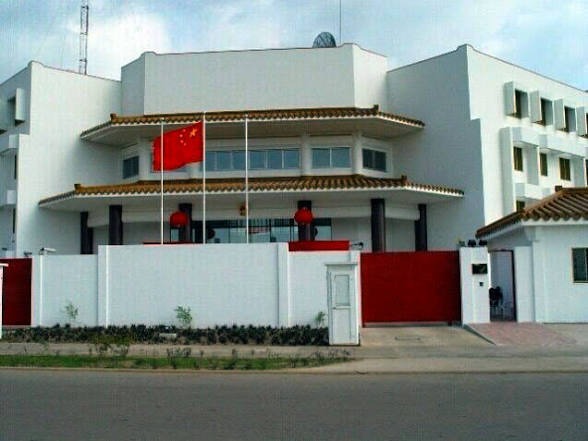
The Chinese Embassy has explained its One-China Principle, urging the Nigerian media to distinguish between reporting on Taiwan and descriptions that suggest the island is a sovereign country separate from China.

Speaking during a meeting with media executives in Lagos, Mr. Xu Fan, Director of Bilateral Relations and Commerce at the Chinese Consulate General in Lagos,

said China’s position on Taiwan was rooted in historical records, international agreements and the diplomatic framework established after the Second World War.
He cited United Nations General Assembly Resolution 2758 of 1971 and Nigeria’s diplomatic recognition of the People’s Republic of China, while maintaining that the One-China Principle remained the political foundation of diplomatic relations between Beijing and Abuja.

Fan noted that Nigeria reaffirmed its commitment to the principle during President Bola Ahmed Tinubu’s state visit to China in September 2024.

He clarified that China did not object to Nigerian media reporting on Taiwan but was concerned about terminology that could be interpreted as recognising the island as a sovereign state.

The explanation prompted a robust exchange with Nigerian media executives, who stressed the importance of editorial independence and the need to preserve the freedom of journalists to report issues in the public interest.

The discussion, which also examined Nigeria-China relations, trade, investment and media cooperation, underscored the importance of dialogue between Chinese diplomatic institutions and Nigerian media organisations.

The session was convened by Hon. Peter Ogbonna Eze, representative of Buffalo and Bay Media, and featured Ambassador Anderson Madubike, a former Nigerian High Commissioner to Australia, former Consul General in Shanghai, China, and former Chargé d’Affaires to South Africa.

Earlier, Eze described Nigeria-China relations as a partnership that had expanded beyond traditional diplomatic engagement to encompass infrastructure, trade, education, technology, agriculture, investment and people-to-people exchanges.

He urged media organisations to report the relationship with accuracy, balance and context, stressing that informed public discourse was essential to maximising the benefits of bilateral cooperation.

“The media does not merely report events. It shapes how societies understand countries, people, policies and opportunities,” Eze said.

Madubike, on his part, drawing on his diplomatic experience, described Nigeria-China relations as robust, citing the extensive diplomatic, commercial and infrastructure ties between the two countries.

He said the media had a critical role in sustaining diplomatic relations by shaping public perceptions, providing reliable information and promoting mutual understanding.

“Diplomacy opens doors, but the media helps to keep those doors open,” he said.

According to him, treaties and government agreements alone cannot sustain long-term relationships between nations without public understanding and engagement. The diplomat also stressed the importance of reporting the human dimension of Nigeria-China relations, including the experiences of Nigerian students, entrepreneurs and traders in China, as well as Chinese investors, engineers and business operators in Nigeria.

He noted that credible information about markets, regulations, infrastructure, incentives and investment opportunities could encourage business partnerships and strengthen economic ties.

The interaction also featured concerns about the trade imbalance between Nigeria and China, import dependence and complaints by Nigerian traders that some Chinese businesses were competing with them in the retail market.

Responding, Xu acknowledged the concerns but argued that the solution should involve establishing clearer regulatory boundaries between wholesale and retail operations rather than excluding Chinese businesses from Nigeria.
He said the Chinese Embassy had engaged Chinese traders, market authorities and other stakeholders to explore practical solutions.

Xu also advocated a shift from a relationship dominated by trade in finished products towards greater Chinese investment in local manufacturing.

He said Chinese companies could establish more factories and production facilities in Nigeria to create jobs, transfer skills and contribute to the country’s industrial development.

The Chinese diplomat disclosed that bilateral trade reached approximately $28 billion in 2025, describing the figure as evidence of the growing economic relationship between both countries.

He also said China had become Nigeria’s largest market for engineering contractors, its second-largest export market and China’s third-largest trading partner in Africa.

Xu further highlighted China’s decision to extend zero-tariff treatment to 53 African countries with which it maintains diplomatic relations, including Nigeria.

He said the policy presented opportunities for Nigerian agricultural products, including sesame, cashew nuts and cocoa, to gain greater access to the Chinese market, subject to applicable rules of origin, inspection and quarantine requirements.

He urged Nigerian businesses to improve product quality, strengthen branding and take advantage of opportunities in the Chinese market.

The issue of illegal mining involving some Chinese nationals in Nigeria also featured prominently in the discussions. Xu distinguished between law-abiding Chinese businesses and individuals involved in illegal activities, insisting that violations of Nigerian law were unacceptable to the Chinese government and diplomatic authorities.

He said the Chinese Embassy and relevant authorities were cooperating with Nigerian institutions by providing information and supporting efforts to identify Chinese nationals involved in illegal mining.

According to him, the Chinese government would not shield individuals found to have violated Nigerian laws.

Participants also called for deeper Chinese investment in manufacturing, technology transfer, industrial development and local value addition, arguing that bilateral cooperation should deliver more benefits to Nigeria beyond infrastructure development and the importation of finished goods.

The discussion highlighted the need for a partnership that promotes local production, employment, skills development and technological advancement.

On media freedom, Nigerian executives reiterated that editorial independence remained a fundamental principle of journalism and that disagreements over sensitive diplomatic issues should be addressed through dialogue, clarification and the right of reply.

In his concluding remarks, Xu described Nigerian media organisations as “partners and friends, not enemies.” He offered to strengthen cooperation with Nigerian media through professional exchanges, training programmes, seminars, media delegations and other institutional initiatives.

He said Chinese authorities would continue to facilitate opportunities for Nigerian journalists to visit China, experience its development and gain a deeper understanding of its society, culture, economy and political system.

Xu also invited participating media organisations to propose practical joint initiatives, including media programmes, publications and professional exchange projects. The engagement highlighted the opportunities and challenges in Nigeria-China relations, particularly the need to reconcile diplomatic sensitivities with the principles of editorial independence and responsible journalism.

Participants agreed that sustained dialogue, accurate reporting and stronger people-to-people engagement were essential to building mutual trust and ensuring that the bilateral relationship delivered greater benefits to both countries.

Sun

Super Falcons beat Comoros 2-0 in Olympic Qualifier first leg

0

Nigeria’s Super Falcons defeated Comoros 2-0 in the first leg of their second-round qualifying tie for the 2028 Olympic Games in Ikenne on Friday.

The 10-time African champions dominated the first half but failed to find the breakthrough before the interval as Comoros held firm defensively.

Nigeria eventually took the lead two minutes after the restart, with Michelle Alozie scoring to put the hosts ahead.
The goal marked her second for the Super Falcons.

Nigeria doubled their advantage in the 60th minute through Uchenna Kanu, who made no mistake in converting Jennifer Echegini’s corner kick to give the hosts a comfortable lead.

The Super Falcons will now look to complete the job when both sides meet in the return leg at the Remo Stars Stadium in Ikenne next Tuesday.

Sun

Iwobi, Bassey seek first PL maximum points

0

Fulham coach Álvaro Arbeloa faced the media on Friday ahead of his side’s Premier League clash with Ipswich Town, with the return of Nigeria duo Alex Iwobi and Calvin Bassey from international duty among the topics discussed during his pre-match press conference.

The two Super Eagles stars, who are regular starters in Arbeloa’s preferred lineup, are available for selection against the Tractor Boys after taking part in full training ahead of the trip to Portman Road.

Iwobi and Bassey played the full 90 minutes in Nigeria’s back-to-back 2027 Africa Cup of Nations qualifying matches against Madagascar and Guinea-Bissau.
The Super Eagles suffered a disappointing 3-0 defeat to Guinea-Bissau, leaving the three-time African champions three points behind the Djurtus after two rounds of Afcon qualifying.

Asked whether his Nigeria players could put the disappointing international result behind them upon returning to Motspur Park, Arbeloa urged Iwobi and Bassey to focus on the game against Ipswich Town.
The Spanish tactician told reporters: “I think especially we need to be ready to be focused on the game, because when you are away for two weeks and you are back, you need to make the effort and be focused again.

“Of course, we have been working over the last few days for the Ipswich game, and how we want to play, how we want to defend and attack. This is the most important thing.

“For the international players, they have a good break, but now we are back and we need to be a team again.”

Iwobi and Bassey have both started all five of Fulham’s Premier League matches so far this season.

Sun