Home Blog Page 763

Farouk Ahmed Disowns Alleged Statement on Corruption Claims, Awaits ICPC Probe

0


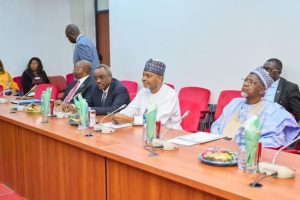
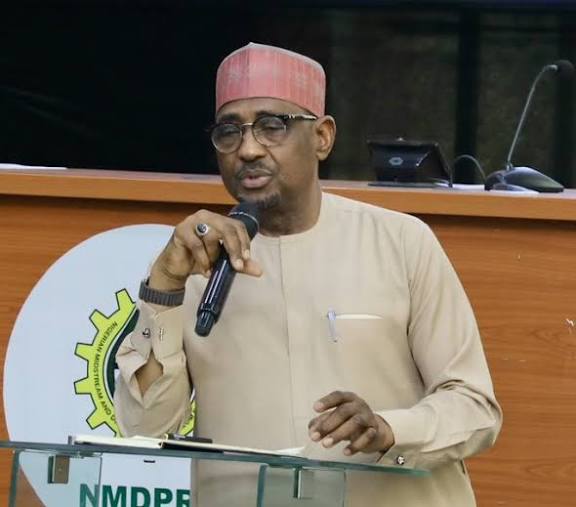
The Chief Executive of the Nigerian Midstream and Downstream Petroleum Regulatory Authority (NMDPRA), Engr. Farouk Ahmed, has disowned a statement circulating in the media in which he was purported to have responded to recent corruption allegations against him.

In a clarification issued on Wednesday, Ahmed categorically denied authoring or releasing any such statement, describing it as false and unauthorised.

“My attention has been drawn to a purported response I was said to have made on the recent allegations against my person. I hereby state categorically that the so-called statement did not emanate from me,” he said.

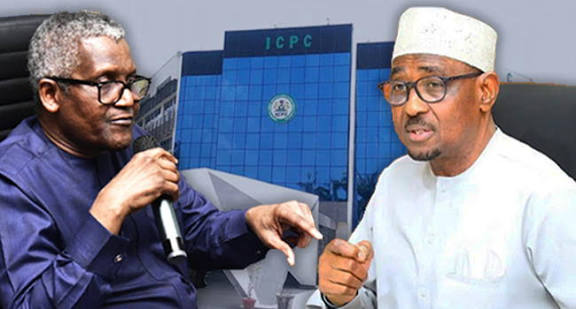
The disclaimer comes amid growing controversy following allegations by billionaire industrialist Aliko Dangote, who accused the NMDPRA chief of corruption, including claims that he spent millions of dollars in illicit funds on his children’s education abroad.

While declining to engage directly with the substance of the allegations in the public space, Ahmed said he deliberately chose restraint in view of his position as a regulator in a sensitive sector.

“While I am aware of the wild and spurious allegations made against me and my family and the frenzy it has generated, as a regulator of a sensitive industry, I have opted not to engage in public brickbat,” he stated.

He expressed confidence in due process and the ongoing institutional response to the matter.

“Thankfully, the person behind the allegations has taken it to a formal investigative institution. I believe that would provide an opportunity to dispassionately distill the issues and to clear my name,” Ahmed added.

The disclaimer was signed by Engr. Farouk Ahmed in his capacity as Authority Chief Executive of the Nigerian Midstream and Downstream Petroleum Regulatory Authority.

The development follows Dangote’s formal petition to the Independent Corrupt Practices and Other Related Offences Commission (ICPC) on December 16, seeking a full investigation into the allegations. The ICPC has since confirmed receipt of the petition and assured the public of a thorough probe.

ICPC Acknowledges Dangote’s Petition Against NMDPRA Chief Farouk Ahmed

0


The Independent Corrupt Practices and Other Related Offences Commission (ICPC) has confirmed the receipt of a formal petition from Africa’s richest man, Alhaji Aliko Dangote, against the Chief Executive Officer of the Nigerian Midstream and Downstream Petroleum Regulatory Authority (NMDPRA), Alhaji Farouk Ahmed.

This was issued on Tuesday, December 16, 2025 and signed by the ICPC spokesperson, Mr. John Okor Odey.

The anti-corruption agency said the petition was submitted through Dangote’s legal representatives.

“The Independent Corrupt Practices and Other Related Offences Commission (ICPC) writes to confirm that it received a formal petition today, Tuesday, December 16, 2025, from Alhaji Aliko Dangote through his lawyer. The petition is against the CEO of the NMDPRA, Alhaji Farouk Ahmed,” the statement read.

The commission added that the petition would be subjected to due process.

“The ICPC wishes to state that the petition will be duly investigated,” the statement said.

MAKING THE OIL AND GAS SECTOR WORK FOR CITIZENS: NUPRC RESCUE MISSION

0


By James Itodo

The Nigerian oil and gas sector, since its discovery, exploration, and exploitation at the turn of the century, has become the goose that lays the golden egg, likened only to the much-sought-after bride.

This is because oil, and later gas, remained the main economic sustainer, accounting for virtually all the revenue utilised for the economic sustainability and stability of the country—a nation driven by a monolithic economy.

Various attempts at sustaining its viability failed because those reforms lacked the necessary ingredients and the political will of their drivers to succeed. Moreover, the temptation of the enormous amounts generated, and the ease of generating this revenue, became stronger than the moral responsibility and patriotic devotion of the country’s leaders, causing various rulers to rely completely on oil while abandoning or ignoring agriculture and every other means of generating revenue, including all forms of diversification and integration.

The present Nigerian Upstream Petroleum Regulatory Commission (NUPRC) was born out of necessity: first, to inherit the abnormalities of the past; and second, to set in motion reforms aimed at effectively repositioning the sector. Key among these is strong political will and the appropriate sensitisation of the country’s political leaders to look beyond oil and gas revenue and think towards diversification.

To carry this out effectively, there is a need to build trust and confidence on the fulcrum of accountability and transparency.
So far, the verdict has been positive. The basic recipe for repositioning and bringing about a volte-face in the sector is now present: accountability and transparency.

A new era, based on a better concept of transparency and accountability, is enhancing the effective repositioning of the Nigerian oil and gas sector, which will work for the overall benefit of all citizens and indeed residents.

Today, Nigerians are now seeing the oil and gas sector as a blessing, with transparency and accountability becoming the fulcrum of operations at the NUPRC.

There is no doubt that, for decades, Nigeria’s oil and gas sector was a cesspit of abhorrent and odious corruption, coupled with mismanagement—a centre of graft, earning the moniker “resource curse.”
Instead of bringing blessings to the country, it became an avenue for self-aggrandisement and self-enrichment at the detriment of national interest, economic growth, prosperity, and development.

As a whole, the sector’s opacity and lack of accountability led to widespread corruption, where the few who had access to this national wealth enriched themselves and their families—buying choice houses at highly exorbitant prices in prime cities of the world and sending their children to schools abroad on ear-splitting school fees, all with our common patrimony—at the expense of the country. This resulted in environmental degradation and human rights abuses, leaving citizens with little to show for the country’s vast oil resources, world oil production status, and its derived and associated wealth.

However, a new dawn has emerged with the Nigerian Upstream Petroleum Regulatory Commission (NUPRC) leading a rescue mission to reposition the sector with renewed vigour, intentionality, and patriotic commitment under the leadership of Engr. Gbenga Komolafe, who has turned the NUPRC into a beacon of hope for Nigerians.
Unambiguously, the NUPRC’s commitment to transparency is demonstrated through its proactive disclosure of key industry data—which had previously been shrouded in obscurity—including production figures, revenue streams, and contract awards.

The demystification and openness of this key information have greatly enhanced the fostering of trust and confidence among stakeholders, including local communities, civil society organisations, and international partners.
Another signature reform is the strengthening and implementation of the Nigeria Extractive Industries Transparency Initiative (NEITI), which ensures that oil and gas revenues are transparently tracked and accounted for, thereby reducing corruption and ensuring that revenues are channelled for the overall benefit of all citizens.

Projecting the ideals of the Renewed Hope Agenda of the Tinubu-led administration, the NUPRC has also prioritised increased utilisation of local content development, bringing on board many more Nigerian companies to participate in the oil and gas value chain, thereby creating more jobs, stimulating economic growth, and empowering local communities.

The sector’s transformation is an unequivocal demonstration of the power of transparency and accountability.
Daily, Nigerians are beginning to see oil and gas resources as a direct blessing rather than a curse, with a sector and operators poised to drive economic growth, create jobs, and improve living standards.

However, this is just the beginning; the journey is far from over, and the best is yet to come—for all of us.
While Nigerians holistically embrace these reforms, they must also continue to demand transparency and accountability from their leaders, while the NUPRC’s efforts must be supported and sustained to ensure that the sector remains a catalyst for national development.

There is no doubt that the oil and gas sector can be a powerful catalytic tool for poverty reduction, wealth creation, and economic transformation. This can be imminently and necessarily achieved when the NUPRC continues in its commitment to transparency and accountability, predicated on the resilience of Nigerians, who will look forward to a brighter future where their natural resources work for them, not against them.

It must be a collaborative and conscientious responsibility of all Nigerians not only to support the NUPRC’s efforts and reforms targeted at transforming the oil and gas sector but also to demand consistent transparency and accountability from our leaders, as this will ensure that our natural resources benefit all Nigerians, securing a brighter future for Nigeria and Nigerians.

Itodo writes from Abuja
Binatone Launches new electronic Power station in Nigeria

0

Global Appliances Nigeria Limited, Manufactures of Binatone products has launched an ultra- modern power station into the Nigerian electronics market.

The company’s Managing Director, Mr Prasun Banerjee the new Binatone power station, a portable plug-and-play power station with solar charging capability.

Mr Banerjee said in a statement that the new power station is built for modern living stressing that the new product offers clean, dependable backup power for homes, small offices, and outdoor activities, especially during long power cuts or in off-grid areas.

Speaking during the formal launching of the product in Lagos, Mr Banerjee, said:
“For more than five decades, Binatone has supported African households with reliable and affordable appliances. The Binatone Power Station is another important step in our mission to make life easier, smarter, and more sustainable.”

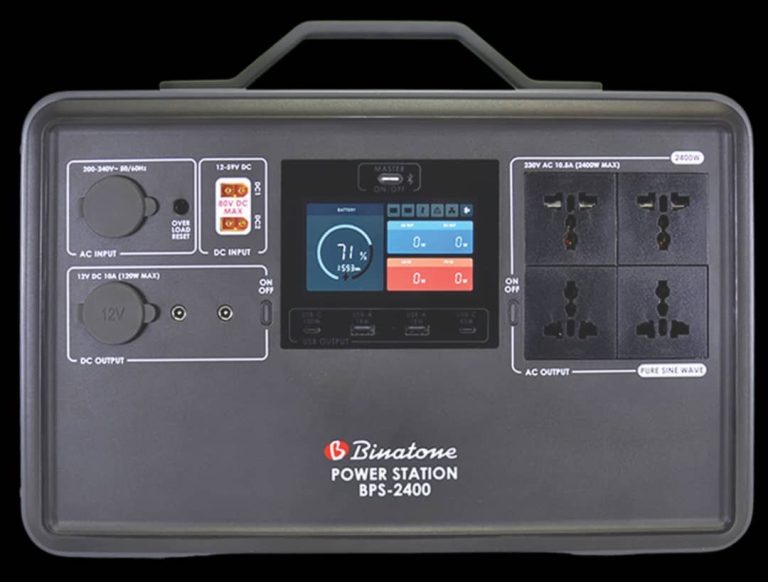
According to him,Two Powerful Variants the new Power Station series is available in two high-performance models. There is BPS-2400 (2400W) – A robust 2,240Wh unit powered by a 44.8V and 50,000mAh LiFePO₄ battery, offering up to 4000 charge cycles.

He also disclosed that the products comes with multiple output ports, Bluetooth app connectivity and the option to expand capacity by adding up to two additional BEB-2400 batteries for a total of 6720Wh.

“The BPS-1800 (1800W) – Designed as a lighter, high-efficiency model ideal for everyday household needs, providing safe, stable power for appliances, gadgets, and essential home devices” he stated

Stressing that Quality, affordability, and customer-focused innovation have always defined Binatone products and innovations, Mr Banerjee disclosed that the Power Station carries this legacy forward by offering a safe, reliable, and eco-friendly way to stay powered anytime, anywhere.

He disclosed that the Binatone power Station range will soon be available across leading retail outlets and online platforms in Nigeria.

About Binatone
Founded in 1958, Binatone is one of the leading global names in domestic appliances. Trusted by millions across Africa, the brand has served homes for over five decades with products designed around quality, value, and user convenience.
Its wide range includes stand and rechargeable fans, blenders, kettles, irons, air fryers, cookers, air conditioners, stabilizers, voltage protectors, and now, portable power solutions—all created to make everyday life easier, more efficient, and more enjoyable.

Dangote Formally Petitions ICPC Over Alleged Corruption by NMDPRA Chief Farouk Ahmed

0


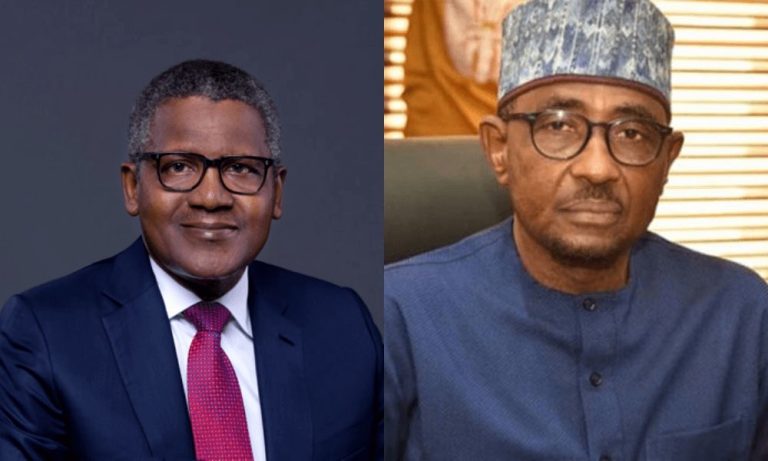
Aliko Dangote, has escalated a high-profile feud in Nigeria’s petroleum sector by submitting a formal petition to the Independent Corrupt Practices and Other Related Offences Commission (ICPC). The petition accuses Ahmed Farouk, Chief Executive of the Nigerian Midstream and Downstream Petroleum Regulatory Authority (NMDPRA), of corruption, financial impropriety, and abuse of office.

Submitted on December 16 through Dangote’s lawyer, Ogwu James Onoja (SAN), and received by ICPC Chairman Dr. Musa Adamu Aliyu (SAN), the petition demands the immediate arrest, investigation, and prosecution of Farouk. Dangote alleges that the NMDPRA boss has been living far beyond his legitimate earnings as a public servant, specifically citing expenditures exceeding $7 million paid upfront for the six-year education of his four children at elite schools in Switzerland.

The petition reportedly names the children and their respective institutions, providing details to facilitate verification by the ICPC. Dangote claims Farouk’s cumulative public sector earnings could not reasonably fund such lavish spending, accusing him of embezzling and diverting public funds through his position at the NMDPRA for personal gain. These actions, according to the petition, have contributed to public unrest, protests, and undermined trust in the downstream petroleum sector.

Dangote has vowed to appear in person to provide evidence supporting claims of corrupt enrichment, abuse of office, and impunity. He argues that swift ICPC action would uphold justice and safeguard the reputation of President Bola Tinubu’s administration.

This development follows Dangote’s public accusations during a December 14 press briefing at the Dangote Refinery in Lagos, where he initially alleged Farouk spent around $5–7 million on his children’s secondary education abroad an amount he described as inconsistent with a public officer’s salary. Similar allegations surfaced earlier in 2025, prompting protests and calls for probes by groups like SERAP and civil society organizations.

As of now, neither the ICPC nor NMDPRA has issued an official response to the petition. Farouk has previously denied related claims as baseless smear campaigns. The ongoing rift has also drawn parliamentary attention, with the House of Representatives summoning both parties to address broader regulatory tensions in the oil sector.

The Senate has today confirmed the appointments of non-career ambassadors Kayode Are from Ogun State, Aminu Dalhatu from Jigawa, and Ayodele Oke from Oyo State.

0

The Senate has today confirmed the appointments of non-career ambassadors Kayode Are from Ogun State, Aminu Dalhatu from Jigawa, and Ayodele Oke from Oyo State.

From Grenada to the NHS: How St. George’s Varsity Prepares Future Doctors for the UK’s PLAB Challenge

0


For thousands of international medical graduates, the dream of practicing medicine in the United Kingdom begins with a single, demanding gateway: the Professional and Linguistic Assessments Board (PLAB) examination. Designed to ensure that overseas-trained doctors meet the clinical, ethical, and communication standards of the National Health Service (NHS), the two-part assessment is both a test of knowledge and a measure of readiness for one of the world’s most respected healthcare systems.

At St. George’s University (SGU) School of Medicine in Grenada, West Indies, that journey starts long before students book an exam date. Through structured academic support, immersive clinical exposure, and a globally oriented curriculum, SGU positions its students not just to pass PLAB, but to thrive as doctors within the UK healthcare system.

Understanding the PLAB Pathway

The PLAB examination is divided into two stages. PLAB 1 is a written test that assesses applied medical knowledge across a broad range of clinical scenarios. PLAB 2, an Objective Structured Clinical Examination (OSCE), focuses on hands-on clinical skills, decision-making, and—crucially—communication with patients and colleagues in situations that mirror real NHS practice.

Success in both stages is required for registration with the UK’s General Medical Council (GMC), a milestone that opens the door to clinical practice across hospitals and clinics in the UK. SGU supports students throughout this process with targeted academic resources, mentorship, and opportunities to gain early familiarity with UK healthcare standards.

Starting Early, Building Strong Foundations

For SGU graduates who have successfully navigated the PLAB process, one message stands out: preparation should begin early. The university encourages students to align their clinical training with PLAB objectives, reinforcing core competencies such as diagnosis, patient management, and ethical decision-making.

“Looking back, beginning early was the most important decision I made,” said Dr. Sotonye Campbell, MD ’19, a Nigerian SGU graduate now practicing in the UK. “SGU’s training framework didn’t just prepare me to pass PLAB; it helped me understand the clinical standards and patient-centered approach expected in the NHS. By the time I sat for the exam, I felt grounded, confident, and ready for the next step in my career.”

Experiencing the UK Clinical Environment First-Hand

One of SGU’s distinguishing strengths is its exposure to the UK healthcare system. Through a long-standing collaboration with Northumbria University and NHS-affiliated hospitals, students gain firsthand experience of British clinical practices, communication styles, and healthcare protocols—an advantage that proves invaluable during PLAB 2 and beyond.

“SGU supported my goal of practicing in the UK by offering clinical rotations in London and other parts of the country, which aligned perfectly with my long-term plans,” said Mishal Jaleel Akbar, MD ’18, who now practices at the Royal Free and BHRUT NHS Trusts. “That exposure made the transition into the UK healthcare system much smoother.”

Practice, Communication, and Confidence

Effective PLAB preparation goes beyond textbooks. SGU equips students with high-quality preparatory tools, including NBME-style practice exams, mock OSCE sessions, and clinical skills workshops. Regular practice under simulated and timed conditions helps students sharpen their clinical reasoning and build confidence with the exam format.

Equally important are communication and interpersonal skills. The NHS places strong emphasis on patient-centered care, empathy, and professionalism. SGU’s globally focused curriculum trains students to communicate clearly and compassionately—skills that are essential for PLAB success and for long-term integration into UK clinical practice.

Wellbeing, Mentorship, and a Holistic Approach

Balancing PLAB preparation with academic and clinical responsibilities can be intense. Recognizing this, SGU supports students through wellness programs and dedicated mentorship, helping them manage stress, maintain motivation, and stay focused on their goals.

Through its partnerships across the NHS system, including opportunities linked to Northumbria University, SGU offers students early access to the realities of UK medical practice. This exposure deepens their understanding of clinical expectations, healthcare delivery, and the cultural nuances of working within the NHS.

In the end, preparing for PLAB is about far more than passing an exam. It is about developing the mindset, professionalism, and adaptability needed to succeed in an international healthcare environment. With its holistic, globally oriented approach, St. George’s University aims to produce not just successful PLAB candidates, but well-rounded physicians ready to make meaningful contributions to medicine—wherever in the world they choose to practice.

Buhari Book Exposes Failed Plot by Aides to Install Ahmad Lawan as APC Presidential Candidate

0


A newly released biography of the late former President Muhammadu Buhari has revealed an alleged failed plot by some influential aides to manipulate the 2022 All Progressives Congress (APC) presidential primaries through forged presidential directives aimed at installing then Senate President, Ahmad Lawan, as the party’s consensus candidate.

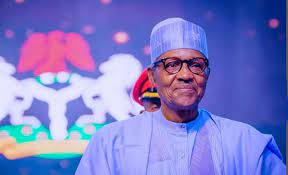
The revelations are contained in From Soldier to Statesman: The Legacy of Muhammadu Buhari, authored by Dr. Charles Omole and unveiled on December 15, 2025, at the State House Conference Centre, Abuja. The book launch was attended by President Bola Ahmed Tinubu and other top government officials.

According to the biography, on the eve of the APC presidential primaries, some aides close to Buhari allegedly issued fake orders in the president’s name to heads of security agencies, directing them to deploy operatives to ensure Lawan’s emergence as the party’s flagbearer.

The security chiefs reportedly targeted by the forged directives included the then Inspector-General of Police, Usman Alkali Baba; the Director-General of the Department of State Services (DSS); and the Director-General of the National Intelligence Agency (NIA).

However, the plot was said to have collapsed after Alkali Baba rejected the instructions, consulted his fellow security chiefs and proceeded to verify the authenticity of the orders directly with Buhari. The former president, according to the book, denied issuing any such directive and stressed that he had no preferred candidate.

Buhari reportedly insisted that Nigerians should be allowed to freely choose their leader and that security agencies must remain neutral and refrain from interfering in the political process. The book adds that Buhari laughed when informed that celebrations had already broken out in Lawan’s neighbourhood following the false belief that he had been endorsed.

“He made it clear that he had not anointed anyone and that the security agencies must not be used to influence the process,” the author noted.

The biography presents the episode as a reflection of Buhari’s resistance to the misuse of state power for political advantage. It also chronicles other internal power struggles during his administration, including the controversial removal of former DSS Director-General Lawal Daura in 2018 and a reported family dispute within the Presidential Villa that allegedly involved gunfire.

FG, States, LGs Share ₦1.928tn as November 2025 FAAC Allocation Drops

0


The Federation Account Allocation Committee (FAAC) has shared a total of ₦1.928 trillion among the Federal Government, states and local government councils as federation account revenue for November 2025.

The allocation was approved at the December 2025 FAAC meeting held in Abuja.

According to the communiqué issued after the meeting, the ₦1.928 trillion distributable revenue was drawn from a gross revenue of ₦2.343 trillion. From this amount, ₦84.251 billion was deducted as cost of collection, while ₦330.625 billion went to transfers, interventions and refunds.

A breakdown of the allocation shows that the Federal Government received ₦747.159 billion, state governments got ₦601.731 billion, while local government councils shared ₦445.266 billion. Oil-producing states received ₦134.355 billion as 13 per cent derivation revenue.

The total distributable revenue comprised ₦1.403 trillion from statutory revenue, ₦485.838 billion from Value Added Tax (VAT), and ₦39.646 billion from the Electronic Money Transfer Levy (EMTL).

FAAC figures indicated a decline in major revenue sources during the month. Gross statutory revenue fell to ₦1.736 trillion in November, down from ₦2.164 trillion recorded in October 2025. Gross VAT revenue also dropped to ₦563.042 billion from ₦719.827 billion in the previous month. EMTL stood at ₦43.400 billion gross, with ₦39.646 billion available for distribution.

While the communiqué noted a moderate increase in excise duty, it reported significant declines in Petroleum Profit Tax (PPT), Hydrocarbon Tax (HT), Companies Income Tax (CIT) from upstream operations, oil and gas royalties, import duty, CET levies, VAT, EMTL and other revenues.

The ₦1.928 trillion shared for November represents a decrease from the ₦2.094 trillion distributed among the three tiers of government for October 2025.