Home Blog Page 593

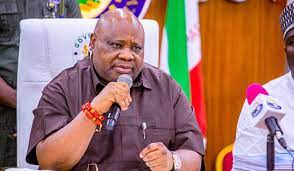
APC accuses Adeleke of plan to use LGs as collateral for N300b loan

0


Governor calls claim baseless

The Osun State chapter of the All Progressives Congress (APC) on Tuesday accused Governor Ademola Adeleke of plotting to use the state’s 30 local government areas as collateral to secure a N300 billion loan from Unity Bank Plc.

APC state chairman, Tajudeen Lawal, stated that party sources told him that Governor Adeleke and members of his “kitchen cabinet” invited all Peoples Democratic Party (PDP)‑elected local government chairmen, Heads of Local Government Administration (HLAs), Directors of Administration (DAs) and Heads of Finance (HFs) to a meeting at the State Secretariat where the loan intention was reportedly disclosed.

Lawal alleged each council would be pledged as security for the proposed N300 billion facility and said promises were made to “handsomely take care of” senior cooperative council career officers. He warned Unity Bank against transacting with what he described as “unrecognised” council chairmen and condemned the plan as an unlawful attempt to saddle future generations with debt.

Accusing the governor of flouting the spirit of local government autonomy affirmed by the country’s highest court, Lawal said, “There’s no justifiable reason for the Adeleke‑led government to deliberately and wickedly plunge the state into avoidable debts which generations unborn would be made liable for.”

He urged the public to condemn what he called an “illegal activity” that would amount to N10 billion per local government.
However, Governor Adeleke dismissed the allegation as a baseless rumour and accused the APC of trying to distract attention from the alleged misappropriation of over N250 billion in Osun local government funds.

In a statement by his spokesperson, Olawale Rasheed, Adeleke denied any plan to borrow N300 billion with the council chairmen or to use local governments as collateral. He mocked the APC over what he described as the “hijack and illegal disbursement” of parts of the Osun local government fund and warned that those responsible would face legal consequences.

“Osun APC and the UBA are already facing criminal trial over their mishandling of Osun LG Fund. Those who diverted and squandered Osun LG fund will surely be brought to book,” the governor’s office said, alleging past diversion of LG funds into the pockets of cronies.

Sun

‘Senate a workshop of solutions, not theatre of debate’ – Akpabio

0


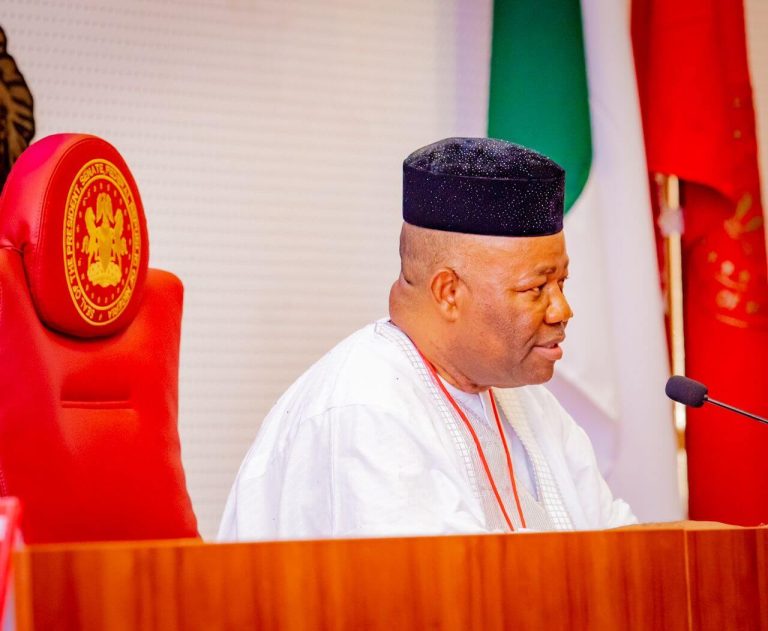
Senate President, Godswill Akpabio, has described the Senate as a “workshop of solutions” rather than merely a theatre of debate, urging Nigerians to actively engage their elected representatives.

Speaking during the adjourned plenary for the 2026 budget defence by Ministries, Departments, and Agencies (MDAs), Akpabio emphasised that while social media often amplifies the noise of the moment, the Senate focuses on addressing substantive issues and turning grievances into policy action.

“Social media speaks to the moment; representation speaks to the future,” he said, calling on citizens to bring their concerns to lawmakers to ensure that public resources are deployed to promote development, strengthen institutions, and uplift lives.

Akpabio also highlighted the need for courage and clarity in tackling Nigeria’s challenges, mourning the recent passing of Senator Barinada Mpigi and reminding lawmakers of the enduring value of service to the people.

He concluded by invoking the lessons of Ramadan and Lent, stressing that discipline, compassion, and faith should guide both leaders and citizens in building a stronger Nigeria.

Akpabio’s full speech reads, “We assemble once again in this Senate after our brief adjournment, which enabled our committees to carry out important legislative work. Yet we do so with the full knowledge that while legislatures may adjourn, the life of a nation never pauses.

“The march of events does not wait for parliamentary calendars. The hopes of our people do not sleep. The burdens of governance do not take leave.

“Across our land, from the great cities to the smallest villages, the Nigerian people have continued their daily struggle — to build, to labour, to hope, and to endure. It is therefore fitting that we return not merely to our seats, but to our solemn duty as custodians of the people’s trust and stewards of their welfare.

“Distinguished colleagues, before we proceed further with our deliberations, let us pause to acknowledge with deep sadness the recent passing of our distinguished colleague, Senator Barinada Mpigi, who represented the good people of Rivers South-East Senatorial District. His passing has left a painful void in this chamber and in the hearts of those who knew him.

“Senator Mpigi was a patriot whose years of service in the National Assembly were marked by dedication to the welfare of his constituents and loyalty to the ideals of democratic governance. He was a man of calm strength, cooperative spirit, and unwavering commitment to the legislative process. In mourning his departure, we are reminded once again of the fragility of life and the enduring value of service to one’s people.

“On behalf of the Senate, I extend heartfelt condolences to his beloved family, to the government and people of Rivers State, and especially to the people of Rivers South-East Senatorial District, whom he served with diligence and pride. May Almighty God grant his soul eternal rest and grant his family and constituents the strength to bear this irreparable loss.

“Distinguished colleagues, during the period of our adjournment, millions of our compatriots have been observing the sacred month of Ramadan, a holy season which continues to unfold across the Muslim world. Ramadan is not merely a period of fasting; it is a profound exercise in discipline, self-denial, reflection, and submission to the will of Almighty Allah. It reminds humanity that restraint is strength, that sacrifice refines the spirit, and that devotion to God must find expression in compassion for fellow citizens.

“On behalf of this Senate, I commend the Muslim faithful across our country for the devotion with which they continue to observe this sacred season. The lessons of Ramadan are not confined to the mosque alone. Patience, humility, charity, and obedience to God are virtues that our nation desperately needs in public life and private conduct alike. A people disciplined in spirit will always build a nation strong in character.

“At the same time, our Christian compatriots are also passing through the sacred season of Lent, a 40-day period of prayer, fasting, repentance, and spiritual preparation before Easter. A time to reflect upon the suffering, sacrifice, death, and resurrection of Jesus Christ.

“Easter stands in the history of faith as a powerful proclamation that suffering is not the end of the story, and that sacrifice, when guided by righteousness, ultimately gives birth to redemption. In the same spirit, the teachings of Christ call upon humanity to walk in humility, to love one’s neighbour, to defend the cause of justice, and to extend mercy even where bitterness might seem easier.

“Thus, in these two sacred seasons — Ramadan and Lent — we glimpse a profound moral harmony: discipline before God and compassion toward one another. If these virtues were to guide our conduct as citizens and leaders alike, Nigeria would stand upon foundations stronger than any fortress of stone — a nation anchored on faith, guided by justice, and united by love for our country.
Distinguished Senators, the task of representation lies at the very heart of the democratic enterprise. Representation is not an abstraction written only in constitutional language. It is a living covenant between the people and those whom they elect to speak in their name.

“In this age of instantaneous communication, social media has expanded with astonishing speed. It has given voice to millions, and in doing so has enriched the conversation of democracy. Yet we must remind ourselves and our fellow citizens that while social media may raise an alarm, it is the institutions of democracy that must provide the remedy.

“The Senate is not merely a theatre of debate; it is a workshop of solutions. Where social media magnifies the noise of the moment, the Senate addresses the substance of the problem. Where the digital arena stirs emotion, the legislative process pursues resolution. Social media speaks to the moment; representation speaks to the future.

‘Let our people remember that democracy is not only a government of the people, by the people, and for the people; it is the voice of the people — spoken by the people and raised for the people.
“I therefore encourage Nigerians everywhere: engage your representatives. Bring your concerns to those whom you have entrusted with the responsibility of speaking for you. For it is through the instrument of representation that grievances are transformed into policy and concerns into action.

“Distinguished colleagues, among the pressing matters before this chamber stands the national budget — that great ledger of national purpose in which the hopes of millions are translated into the language of public policy. A budget is more than figures upon paper. It is a declaration of national intention. It tells our citizens where we choose to invest our energies, what priorities we pursue, and what future we seek to build.

“It is my earnest hope that every diligence has been exercised by our vigilant and patriotic sectoral committees to ensure that the budget reflects, as faithfully as possible, the aspirations and yearnings of the Nigerian people — the farmer who tills the soil, the trader who labours in the marketplace, the student who studies by lamplight, and the worker whose daily effort sustains the engines of our economy.

“Distinguished colleagues, Nigeria stands today at a moment that calls for clarity of purpose and steadfastness of spirit. The challenges before us are real. But history teaches us that great nations are not built by those who shrink from difficulty; they are built by those who confront it with courage and determination.

“We must therefore ensure that public resources are deployed in ways that promote development, strengthen institutions, expand opportunity, and uplift the lives of our citizens.

“Let us therefore continue to conduct our work with dignity, with seriousness of purpose, and with a patriotic devotion worthy of the trust placed in us by the Nigerian people. Let us debate with vigour but act with wisdom. Let us differ in opinion but remain united in our duty to the Republic. For above all our political differences stands a higher obligation — the obligation to serve Nigeria faithfully and to secure for our people a future worthy of their sacrifice and hope.

“Therefore, as we resume our today, may the spirit of Ramadan inspire our character and strengthen our resolve, may the spirit of Lent illuminate our conscience and guide our actions, and may the Almighty guide our deliberations as we labour together for the peace, unity, and prosperity of our beloved country.”

Sun
LASU Don Highlights Rising Asthma Burden in Nigeria, Calls for Improved Awareness, Care

0


A Professor of Medicine at Lagos State University, Olufunke Olayinka Adeyeye, has raised concern over the growing burden of asthma in Nigeria, describing the respiratory condition as widely misunderstood, underdiagnosed, and poorly managed.

Adeyeye made the remarks while delivering the 118th inaugural lecture of the university at its Ojo campus in Lagos, where she highlighted the health, social, and economic implications of asthma on individuals and communities.

According to her, asthma is a common chronic respiratory disease affecting millions of people globally, with Nigeria accounting for a significant share of cases.

She noted that the condition is frequently underdiagnosed, misdiagnosed, and undertreated, resulting in avoidable suffering and increased healthcare costs.

The professor explained that asthma is a complex disease characterised by airway inflammation, hyperresponsiveness, and tightening of airway muscles, which lead to symptoms such as wheezing, breathlessness, and persistent coughing.
Adeyeye stressed the need for a better understanding of asthma phenotypes, triggers, and related health conditions to ensure effective diagnosis and treatment.

She further noted that asthma should not be viewed solely as a medical issue but also as a social and economic challenge that affects families, workplaces, and communities.

Citing research findings, Adeyeye said Nigeria has a high prevalence of asthma, with an estimated 13 million people living with the condition. She added that studies indicate poor asthma control across the country, largely due to inadequate treatment, limited awareness, and gaps in knowledge among both healthcare professionals and the public.

To address the growing burden, the professor called for comprehensive policy reforms, stronger healthcare infrastructure, and increased investment in research and medical training.

She urged government agencies, healthcare institutions, community leaders, and individuals to collaborate in tackling the problem and improving access to quality asthma care.

Adeyeye also highlighted the importance of clean air, healthier environments, and lifestyle changes in preventing and managing asthma, noting that education and public awareness remain critical in empowering people to take control of their health.

She concluded her lecture with a call for stakeholders to prioritise asthma awareness, research, and treatment, stressing that with coordinated efforts, the condition can be effectively managed and the quality of life for affected individuals significantly improved.

Women Judges Day: NHRC, Ojukwu calls for more female representation on the bench

0

The National Human Rights Commission (NHRC), has called for increased representation of women in the judiciary to strengthen justice delivery and broader access to justice.

Executive Secretary of the Commission, Dr. Tony Ojukwu (SAN) made the call to mark the International Day of Women Judges observed annually on March 10 across the world.
According to a statement on Tuesday by Fatimah Agwai Mohammed, Director Corporate Affairs and External Linkages said Dr. Ojukwu stated that the presence of women on the bench enhanced the legitimacy, credibility, and inclusiveness of justice systems.

Speaking on the theme of the 2026 celebration, “Women Judges on the Bench and Beyond: Protecting Access to Justice,” the NHRC boss said the day offers an opportunity to celebrate the invaluable contributions of women in the judiciary while reflecting on progress made toward gender equality within the justice sector.

“The participation of women in the judiciary strengthens public confidence in the rule of law. When the courts reflect the diversity of the society they serve, justice becomes more inclusive and responsive to the needs of all citizens,” Ojukwu said.

He noted that despite significant progress globally, women remain underrepresented in many judicial institutions, particularly at leadership levels, and called for sustained efforts to remove structural barriers limiting women’s participation in the legal and judicial professions.

Ojukwu added that many women judges across the world have demonstrated courage, resilience and professionalism in the discharge of their duties, inspiring young female lawyers and aspiring judges to pursue careers in the judicial career.
The Senior Advocate of Nigeria further highlighted that the role of women judges goes beyond adjudication, noting that many also serve as mentors, advocates and champions of justice within their communities.

He also pointed out that women judges have played key roles in advancing human rights, particularly in cases involving gender-based violence, discrimination and the protection of vulnerable groups.

The NHRC Executive Secretary reiterated the Commission’s commitment to promoting gender equality within the justice system and ensuring improved access to justice for all.

He called for stronger policies and initiatives that would support the advancement of women in the judiciary and the broader legal profession.

“We must continue to promote mentorship opportunities for young female lawyers, eliminate gender bias within justice institutions and create an enabling environment that allows women to thrive in leadership positions within the judiciary,” he said.

Ojukwu commended women judges in Nigeria and around the world for their dedication to upholding the rule of law and protecting the rights and dignity of individuals, urging stakeholders in the justice sector to renew their commitment to building inclusive and equitable justice systems.

The International Day of Women Judges, established by the United Nations General Assembly, celebrates the achievements of women in the judiciary while advocating greater representation of women at all levels of judicial leadership.

Sun

Gumi: FG knows terrorists’ locations — I go with military to negotiate with them

0


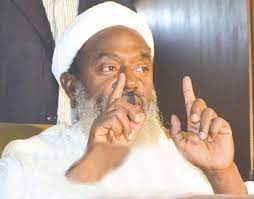
Ahmad Gumi, a Kaduna-based Islamic cleric, has alleged that the federal government is aware of the identities and locations of terrorists in Nigeria.

Gumi spoke in a recent interview where he was asked about his role in dialoguing with terrorists, and if the federal government lacked the technology or power to find them.

“The government knows every terrorist by name and location. I don’t go alone to negotiate. I go with the police, military, and other security agencies,” he said.

“I would go to the Emirs. In fact, when we went to one forest, I even went with women into the bush.”

credit: thecable.ng

Iran threatens Gulf oil blockade as war escalates

0


Iran has threatened to halt oil exports from the Gulf region as its conflict with the United States and Israel intensifies, raising fears of a major disruption to global energy supplies.

The warning comes despite claims by US President Donald Trump that the war could soon come to an end.

Tehran’s stance follows attacks on vessels travelling through the Strait of Hormuz, a strategic shipping route through which nearly 20 per cent of the world’s crude oil passes to markets in Asia and Europe.

The disruption has already unsettled global energy markets and heightened concerns over supply shortages.

Oil prices surged past $100 per barrel earlier in the week after reports that Iranian strikes had forced shipping traffic to slow in the Gulf.

Prices later eased after Trump said the war would be “ended soon,” helping calm markets that had reacted sharply to the escalating tensions.

But Iran’s Islamic Revolutionary Guard Corps (IRGC) dismissed the claim, insisting that neither Tehran nor Washington would determine when the war ends.

“The Iranian armed forces… will not allow the export of a single litre of oil from the region to the hostile side and its partners until further notice,” the IRGC said.

Iran’s Foreign Minister Abbas Araghchi also signalled the country was ready for a prolonged confrontation.

“We are well prepared to continue attacking them with our missiles as long as needed and as long as it takes,” he said, adding that further diplomatic talks with Washington were unlikely.

Meanwhile, countries across the region are moving to contain the fallout from the crisis. Egypt has raised fuel prices by up to 30 per cent, Pakistan has offered naval escorts for commercial vessels, and France has deployed warships to help secure maritime traffic in the Gulf.

Energy experts warn that a prolonged disruption in the Strait of Hormuz could have serious consequences for the global economy.

Saudi Aramco chief executive Amin Nasser cautioned that “there would be catastrophic consequences for the world’s oil markets the longer the disruption goes on,” stressing the need for shipping to resume.

Sun

Dangote Refinery Cuts Petrol Price by ₦100 to ₦1,075 Per Litre, Diesel Drops to ₦1,430

0


Dangote Petroleum Refinery has reduced the ex-gantry price of Premium Motor Spirit (PMS), also known as petrol, by ₦100, bringing the price down to ₦1,075 per litre from the previous ₦1,175 per litre.
According to the refinery’s latest pricing template issued on March 10, 2026, the price adjustment applies to petrol supplied at the gantry.

The refinery also announced that the price of PMS for coastal supply has been set at ₦1,050 per litre, reflecting a slight adjustment to account for maritime distribution costs.

Similarly, the price of Automotive Gas Oil (AGO), commonly known as diesel, has been reduced to ₦1,430 per litre at the gantry. This represents a decrease of ₦190 from the previous price of ₦1,620 per litre.

The refinery clarified that the gantry prices do not include statutory fees charged by the Nigerian Midstream and Downstream Petroleum Regulatory Authority (NMDPRA).

Fears grow over dollar shortage as Middle East tensions rise

0


Renewed geopolitical tensions in the Middle East are beginning to transmit fresh pressures into Nigeria’s foreign exchange market, raising concerns among analysts and banking sector players about rising arbitrage opportunities, renewed dollar scarcity, and potential volatility in the naira.

The ripple effects follow a sharp rally in global crude oil prices triggered by escalating hostilities in the Middle East, which disrupted tanker movements through the strategic Strait of Hormuz, a critical global energy corridor that accounts for roughly 20–30 per cent of the world’s daily oil supply.

The escalation has forced the shutdown of several refineries and liquefied natural gas plants across parts of the region, intensifying concerns about near-term supply constraints in the global energy market. Brent crude consequently surged by nearly 25 per cent week-on-week to $91.10 per barrel.

While higher oil prices would ordinarily provide fiscal relief and improve Nigeria’s external balances, analysts say structural challenges in crude production could once again prevent the country from fully capturing the benefits of the rally.

Early domestic spillovers emerge.
Barely a week into the crisis, early spillover effects are already evident domestically. Notably, the retail price of Premium Motor Spirit (PMS) has increased by at least N100 per litre, reaching a floor of roughly N930.00/litre in Lagos and several other states. At the same time, queues have begun to reappear across some filling stations amid supply shortages, disrupting logistics, raising transportation costs, and adding pressure to business operating expenses.

Although Dangote Refinery has the installed capacity to fully meet domestic PMS demand (estimated full capacity output:75.0 million litres daily versus estimated peak domestic consumption: about 56–58.0 million litres), limited access to domestically produced crude continues to constrain its operations.

Thus, this leaves the refinery exposed to global supply shocks. Recent reports indicate that the refinery currently receives only 5 of the 13 crude cargoes required monthly from NNPC Limited. This situation remains paradoxical given Nigeria’s proven crude oil reserves of approximately 37.3 billion barrels, the 11th largest globally, which, according to the Nigerian Upstream Petroleum Regulatory Commission (NUPRC), could sustain production for at least the next six decades.
Strain on FX market

The developments have not affected the country’s external reserves as it increased by $236.21 million w/w to $49.93 billion (March 5), marking the eleventh consecutive week of increase.

However, renewed demand for dollars, amid global uncertainties, exerted pressure on the currency market during the week. At the official NFEM window, the currency depreciated by 2.1 per cent to N1,393.26/$1, while weakening by 3.2 per cent w/w to close at N1,410/$1 at the parallel market, triggering concerns that traders could take advantage of the situation, withholding FX or selling at a higher rate.
When gaps between official and informal exchange rates widen, it typically encourages speculative demand for FX.

Sources within the financial sector say the Central Bank of Nigeria (CBN), under Governor Olayemi Cardoso, is closely monitoring developments and sustaining interventions to stabilise the FX market.

The apex bank in its bid to moderate volatility in the currency market, intervened during the week with an estimated $300 million injection into the FX market.

However, research houses say the improvement in reserves has not been sufficient to offset rising demand for dollars in the domestic market. According to them, renewed global uncertainty has driven investors toward safe-haven assets such as the U.S. dollar, while businesses and importers continue to seek foreign currency to meet trade obligations.

Trade finance constraints

Banks providing letters of credit, trade guarantees, and other import financing instruments may experience longer settlement cycles if FX supply tightens. Import-dependent sectors such as manufacturing, pharmaceuticals, and energy could face delays in accessing foreign currency, potentially affecting production schedules and supply chains.

Experts’ react

Research and investment experts who spoke to Daily Sun, said that Nigeria risks missing out on the windfall gains from the ongoing oil price rally due to persistent structural constraints in crude production.

According to them, had Nigeria been producing at its budget benchmark of 1.84mbpd, the country could have realised an estimated daily windfall of roughly $30.00 million (about N42.50 billion at an exchange rate of N1,360/$1). Such additional inflows would have provided critical fiscal buffers at a time when global shocks are beginning to feed into domestic price pressures.

Managing Director, Afrinvest Consulting Limited, Abiodun Keripe, explained that while elevated oil prices could support Nigeria’s fiscal and external balances, persistent production shortfalls and crude supply constraints continue to cap the upside.

He said, “Unless structural bottlenecks in the upstream sector are addressed, Nigeria risks once again missing the opportunity to convert favourable global oil price movement into meaningful fiscal and macroeconomic gains.

Looking ahead, Brent crude is expected to remain elevated, supported by geopolitical tensions in the Middle East and disruptions to oil supply from the Strait of Hormuz. On the domestic front, the Naira is likely to trade under mild pressure; however, CBN interventions and higher oil receipts from elevated oil prices should help cushion the currency, even as dollar demand in the currency market persists”.

In an emailed note, analysts at Cowry Research, concurred that in the near term, the naira is likely to remain under pressure amid persistent demand for foreign exchange and lingering liquidity constraints in the FX market.

“However, the modest improvement in external reserves and continued foreign exchange inflows could provide some support to the currency. In the oil market, crude prices may remain volatile as geopolitical developments and potential policy interventions by the United States continue to influence supply expectations. Nonetheless, sustained strength in global oil prices could improve Nigeria’s external position and support foreign exchange inflows over the medium term”, they said.

For their part, analysts at Cordros Research expect any depreciation of the naira to remain relatively contained, with the currency likely to retain its strength on a year-to-date basis, supported by Nigeria’s robust foreign exchange reserves and improved FX liquidity, which will provide the apex bank with sufficient buffers to intervene and curb excessive volatility in the FX market.

Conclusion

As geopolitical tensions in the Middle East continue to unsettle global energy markets, Nigeria finds itself once again navigating the complex intersection of oil price volatility and foreign exchange stability.

The immediate challenge lies in managing rising demand for foreign currency, narrowing FX liquidity, and the potential resurgence of arbitrage pressures in the currency market. Although the apex bank’s interventions and relatively strong external reserves may help cushion short-term volatility, sustained stability will depend largely on improving crude oil output, strengthening FX inflows, and maintaining confidence in the formal currency market.

Until these structural issues are addressed, external shocks, from geopolitical conflicts to global financial shifts, will continue to test the resilience of Nigeria’s FX framework and the banking system that supports it.

Sun

Nigeria’s stocks surge in dollar terms despite global tensions

0


While major African exchanges saw investors pull back amid rising geopolitical risks, Nigeria’s equity market extended its rally in dollar terms, highlighting the country as a relative safe haven, the latest weekly newsletter on African markets showed on Monday.

The benchmark NGX All Share Index (ASI) rose 2.15 per cent last week, pushing its year-to-date gain to 26.58 per cent in local currency. For international investors, the advance has been even stronger as the market went up more than 31 per cent in U.S. dollar terms so far this year, supported by currency stabilization and renewed appetite for Nigerian assets.

Furthermore, at the close of business yesterday, its year-to-date gain grew to 26.72 per cent.

These gains came as global risk sentiment deteriorated following military escalation involving Iran over the previous weekend. The rise in geopolitical uncertainty drove investors away from riskier assets, hitting several African markets that are more closely linked to international portfolio flows.

Specifically, across East Africa, markets also weakened. Kenya’s NSE All Share Index fell 3.55 per cent while Tanzania’s DSE All Share Index slipped 4.31 per cent. Egypt’s blue-chip EGX 30 declined 3.45 per cent as investors reacted to the global shift toward safer assets.

Furthermore, Namibia’s NSX Overall Index fell even further, sliding 10.41 per cent and marking the steepest weekly decline among major African exchanges.

Morocco’s MASI Index dropped 5.75 per cent, extending a downward trend that has pushed the market into negative territory for the year, with a decline of roughly 9.28 per cent in local currency terms.

Against that backdrop, Nigeria’s performance highlights the growing divergence among African equity markets this year. Investors have been returning to the country’s bourse following policy adjustments, currency reforms and improved liquidity conditions that have helped restore confidence in local financial assets.

The domestic bourse has also benefited from strong gains in key banking and consumer stocks, sectors that dominate trading on the exchange and are often seen as proxies for domestic economic recovery.

Corporate developments also kept Nigeria’s capital market in focus. The Nigerian Exchange Group placed five companies on a delisting watchlist during the week, while three others entered the final stage of the delisting process. The move underscores the exchange’s push to tighten post-listing compliance and improve governance standards among publicly traded firms.

Despite the recent volatility triggered by geopolitical tensions, several African markets, including Nigeria, continue to post strong year-to-date performances. Alongside Ghana, markets such as Tanzania and Zimbabwe remain among the continent’s top performers in 2026. For now, Nigeria’s rally in dollar terms is drawing particular attention from global investors seeking exposure to frontier markets that still offer growth potential despite an increasingly uncertain global environment.

Sun

Five Iranian Women Footballers Dump Hijabs After Winning Asylum in Australia

0


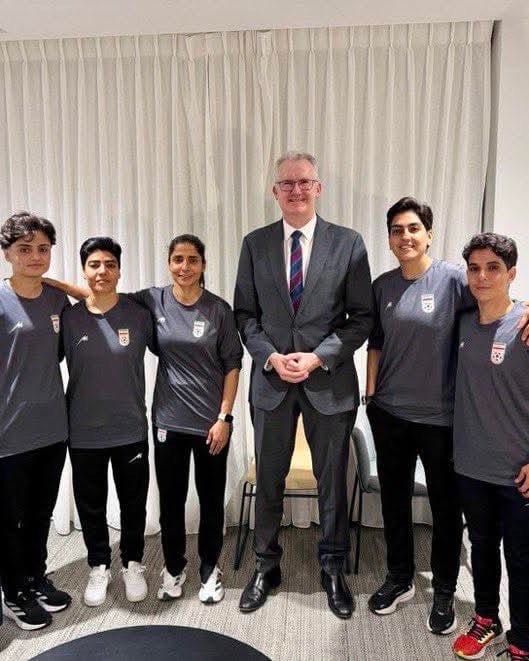
Five courageous members of Iran’s women’s national football team—Fatemeh Pasandideh, Zahra Ghanbari, Zahra Sarbali, Atefeh Ramazanzadeh, and Mona Hamoudi—have been granted humanitarian visas by Australia, freeing them from the regime’s grip after the Women’s Asian Cup.

The players refused to sing the national anthem in silent protest against the oppressive Islamic Republic. Labeled “traitors” by state media amid heightened regional tensions, they faced grave risks of imprisonment, torture, or execution upon return.

They slipped their minders at the team hotel on the Gold Coast, were swiftly moved to safety by Australian Federal Police, and received protection. In powerful photos released by officials, the women immediately removed their compulsory hijabs—casting off a core symbol of the regime’s control over women.

This bold stand echoes the Woman, Life, Freedom movement and exposes the brutal reality Iranian women endure under mandatory veiling laws. Australia stepped up decisively on humanitarian grounds, while President Trump publicly pressed for their safety and offered U.S. refuge as an alternative.

A clear win for freedom over tyranny. These brave athletes now breathe free air—no more forced submission.