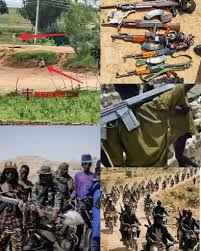
Plateau: Gunmen kill four despite curfew in renewed attack Four people have reportedly been killed after gunmen attacked Sabon Angwa community, around Bet/Zat in Barkin Ladi Local Government Area of Plateau State, on Thursday night, raising fresh concerns over the safety of residents despite an existing curfew.
The attackers reportedly stormed the community at about 8pm and opened fire on residents, triggering panic in the area.
A Barkin Ladi resident, Bulus Jok, who confirmed the incident, said the gunmen operated despite the curfew imposed in parts of the state to curb attacks and restore security.
“The gunmen struck the community around 8pm despite the curfew in place and started shooting sporadically,” he said.
Jok added that the attackers shot at anything in sight, leaving four people dead and residents terrified.
He described the incident as particularly disturbing because an early warning alert had reportedly been sent to the relevant authorities a day before the attack.
The Publicity Secretary of the Berom Youth Moulders-Association (BYM), Rwang Tengwong, also confirmed the incident, saying suspected terrorist gangs attacked the community and shot four people dead.
Tengwong condemned the killings, describing the loss of innocent lives as unacceptable. He questioned the continued attacks on communities despite security measures introduced to protect residents.
“It is disturbing that communities are still being attacked despite the security measures and curfew put in place to protect residents,” he said.
The BYM spokesman urged security agencies to strengthen surveillance in vulnerable communities, improve their response to early warning alerts and take proactive steps to prevent further attacks.
He also called for a stronger security presence in the affected areas to protect residents from further violence.
Efforts to reach security operatives for comments and further details were unsuccessful as of the time of filing this report.
Nigerian singer Oladapo Daniel Oyebanjo, popularly known as D’banj, has paid an emotional tribute to his late son, Daniel Oyebanjo III, saying he and his family are now in a “safe space” following the tragedy.
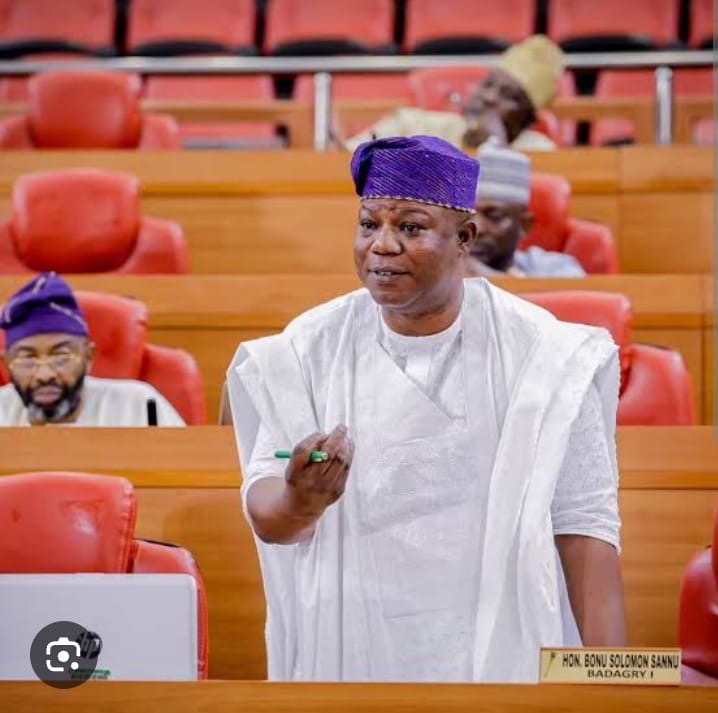
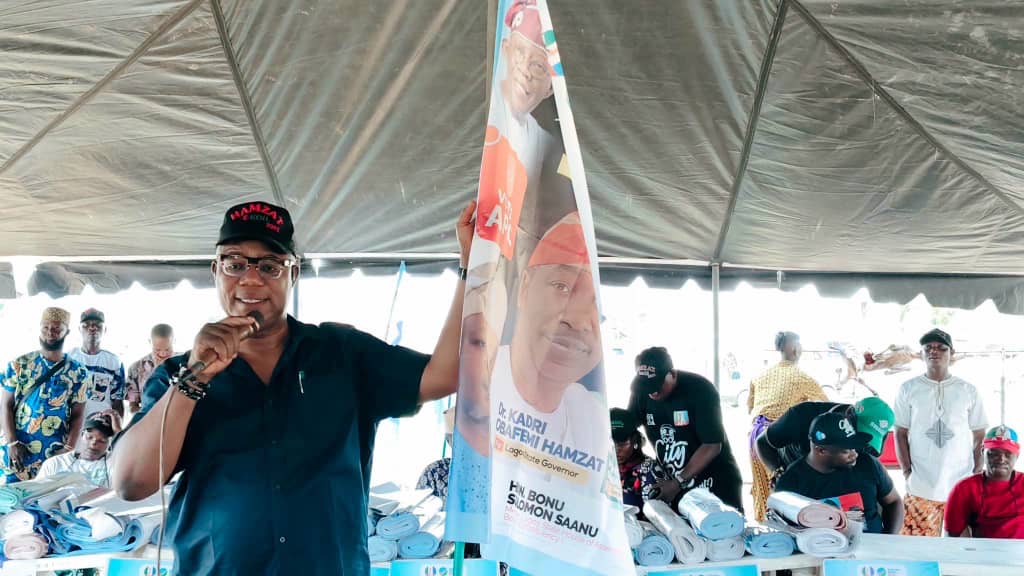
The member representing Badagry Constituency I in the Lagos State House of Assembly, Hon. Bonu Solomon, has urged his constituents and All Progressives Congress (APC) faithful to vote massively for all the party’s candidates in the 2027 general elections.
Bonu gave the charge at the official unveiling of the Starboy Movement for President Bola Ahmed Tinubu, Kadiri Obafemi Hamzat and Damilola Sonayon James (PBAT/KOH-DSJ) campaign initiative held recently in Badagry.
The campaign initiative is aimed at mobilising eligible voters and expanding support for APC candidates across the Badagry axis of Lagos State under Bonu’s coordination.
At the unveiling, campaign materials and party-branded vehicles bearing the photographs of the candidates were presented to members of the movement, with a mandate to reach communities across Badagry and canvass support for the party.
The lawmaker urged members of the campaign train to remain committed, focused and dedicated to their assignment.
“I charge you to go from house to house, door to door and every corner of Badagry Constituency I am ahead of the 2027 general election, with a clear focus of moving Badagry forward,” he said.
Addressing his supporters, Bonu also called on residents to participate actively in the elections and vote for all APC candidates, insisting that his commitment to the party remained unwavering despite his political circumstances.
“I still remain a party member, and come rain, come shine, don’t think that because I am not returning, you will not be voting for the party’s candidates,” he said.
Describing Badagry as their common home, the lawmaker urged residents to unite behind the APC, arguing that the area’s development was a collective responsibility.
“This is our home, our safe place. Outsiders can’t fix it better than us. We are one body. Come out en masse and vote for APC,” Bonu reaffirmed.
The Brain and Spine Foundation Africa (BSFA) has warned Nigerians against delaying medical treatment when symptoms of stroke occur, saying immediate intervention could make the difference between survival, permanent disability and death.
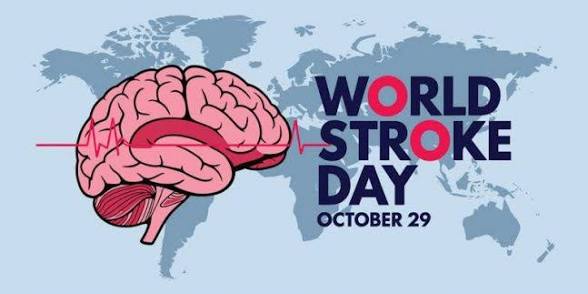
The foundation, through its Executive Director, Chika Okwuolisa, gave the warning on Thursday to mark the 2026 World Stroke Day, with the theme, “Every Minute Counts,” and the campaign message, #ActFAST.
Okwuolisa said early recognition of stroke symptoms and prompt access to emergency medical care could significantly improve patients’ chances of survival and recovery, stressing that the condition could affect anyone, including young adults and people who appeared healthy but had underlying risk factors.
She explained that stroke occurs when blood supply to part of the brain is interrupted by a blockage or when a blood vessel ruptures, causing bleeding in the brain.
“Both situations can damage brain cells within minutes, making immediate medical attention essential,” she explained.
Okwuolisa identified high blood pressure, diabetes, high cholesterol, smoking, certain heart conditions, physical inactivity, unhealthy diets and excessive alcohol consumption as major risk factors.
She noted that many people lived with high blood pressure and other conditions that increased their risk of stroke without experiencing obvious symptoms, urging Nigerians to undergo regular health checks and seek appropriate treatment when necessary.
The foundation’s executive director advised Nigerians to control their blood pressure, manage diabetes and cholesterol, maintain balanced diets, exercise regularly, avoid tobacco and take prescribed medications consistently.
She particularly urged the public to familiarise themselves with the FAST method of recognising stroke symptoms, describing it as a simple but important means of identifying warning signs and responding without delay.
Under the method, F stands for Face, as one side of the face may droop when the affected person is asked to smile. A represents Arms, as one arm may suddenly become weak or drift down when both arms are raised.
S stands for Speech, which may become slurred or difficult to understand, while T represents Time, emphasising the need to seek emergency medical care immediately.
Okwuolisa said other warning signs included sudden weakness or numbness, particularly on one side of the body, sudden loss of vision, dizziness, difficulty walking, loss of balance, confusion and an unusually severe headache.
She warned that people should not wait for all the symptoms to appear before seeking help, adding that even symptoms that disappeared after a few minutes required urgent medical assessment.
According to her, such symptoms could indicate a transient ischaemic attack, commonly known as a mini-stroke, which may serve as a warning of a subsequent stroke.
The foundation advised anyone attending to a suspected stroke patient to note when the symptoms began, or when the person was last known to be well, while arranging immediate emergency medical attention.
The foundation also warned against giving suspected stroke patients food, water, aspirin or other oral medication without appropriate medical direction, explaining that some patients might have difficulty swallowing, while aspirin could worsen bleeding in cases of haemorrhagic stroke.
Okwuolisa cautioned against relying on herbs, massage or home remedies instead of seeking emergency treatment, noting that some patients could benefit from clot-dissolving medication or procedures to remove blood clots, depending on the type of stroke, the time elapsed since symptoms began and clinical assessment.
On recovery, she said stroke could leave survivors with difficulties in walking, speaking, swallowing, remembering and performing everyday activities, although the extent of disability varied among patients.
She stressed that timely treatment, rehabilitation and family support could improve recovery, identifying physiotherapy, occupational therapy, speech and language therapy, and psychological support as important components of stroke rehabilitation.
Okwuolisa urged families and communities not to abandon stroke survivors because of their disabilities, saying they deserved dignity, compassionate care and access to appropriate treatment.
She also called for stronger emergency health services, trained healthcare professionals, accessible diagnostic facilities, well-equipped stroke units and expanded rehabilitation services in Nigeria and other African countries.
According to her, public awareness campaigns must be complemented by improved access to treatment and policies that reduce the burden of stroke on patients and their families.
She urged Nigerians to use World Stroke Day to learn the warning signs, check their blood pressure and educate their families and communities about the importance of seeking emergency medical attention without delay.
“Learn the signs. Control the risks. Act fast. Support survivors,” she said, stressing that prompt action could save lives and reduce the long-term consequences of stroke.
The family of late singer Ilerioluwa Aloba, popularly known as Mohbad, has demanded the disclosure of the identity of a United States laboratory expected to conduct a DNA test to determine the paternity of Liam, the singer’s son.
The family also called for the postponement of the examination scheduled for Saturday, October 31, at the Mainland General Hospital/IDH, Yaba, Lagos, pending clarification of its concerns over transparency and compliance with a court order.
In a statement signed by the family head, Samuel Aloba, and sent to on Thursday, the family expressed concern over arrangements for the tissue-based DNA examination, particularly reports that samples would be collected in Lagos and sent to a laboratory in the US for analysis. The family questioned whether the Lagos State DNA and Forensic Centre, which it said was designated by a court order issued on May 5, 2026, would conduct the examination or merely collect and dispatch the samples abroad.
“This raises a fundamental question that must be answered before the exercise proceeds: Is the Lagos State DNA and Forensic Centre itself going to conduct the examination contemplated by the court, or is it merely going to collect and dispatch samples to another laboratory?” the statement read.
It added that the distinction was important because the parties were entitled to know how the court’s directive would be implemented.
“If the designated centre intends to rely on a foreign laboratory to conduct the analysis, the arrangement should be explained and, where necessary, presented to the court for clarification,” the family said.
The family argued that no institution or party should unilaterally introduce a materially different arrangement from the one contemplated by a subsisting court order without obtaining appropriate judicial clarification.
It also demanded the full name and address of the proposed overseas laboratory, evidence of its accreditation and technical competence, details of the testing procedure, and documentation showing how the samples would be collected, labelled, preserved, transported and examined.
The family further requested a mechanism to confirm that the samples collected in Lagos were the same ones received and analysed by the foreign laboratory.
It said it had been informed that the identity of the proposed overseas laboratory might only be disclosed to the court.
“The family recognises the importance of protecting legitimate confidential information, [but] confidentiality cannot be permitted to defeat the basic requirements of transparency, accountability and meaningful verification in a process whose outcome may have far-reaching legal and personal consequences,” the statement added.
The family maintained that its position was not intended to frustrate the judicial process or prevent a scientifically valid examination but to ensure that the outcome could withstand independent scrutiny.
It also expressed concern about possible interference, mishandling or manipulation if adequate safeguards were not established before the exercise.
However, the family clarified that it was not alleging that the proposed test had already been compromised or that manipulation had been established.
“In a matter as sensitive as Mohbad’s DNA, the result must not merely be announced; it must be demonstrably reliable. The integrity of the process must be capable of independent verification, from the point of sample collection to the final laboratory report,” it said.
The family also linked its concerns to questions it had previously raised about the handling of biological samples during the post-mortem examination conducted in connection with Mohbad’s death.
It questioned the role of the pathologist involved in sample collection during the coroner’s inquest.
The family further claimed that information obtained through its enquiries indicated that the laboratory to which samples from the earlier process were purportedly sent had not received them or any specimen registered in the name of Ilerioluwa Promise Aloba.
It stressed that the claim represented its account of the matter and required clarification and verification, adding that it was not a court finding or independently established proof of wrongdoing by any individual or institution.
The family said it supported a credible DNA examination capable of resolving Liam’s paternity but insisted that the identity of the testing laboratory and the chain of custody of the samples must be established.
It urged the relevant authorities to address its concerns, provide the requested information and ensure that the examination complied with the court’s order and accepted forensic procedures.
The family consequently requested that Saturday’s exercise be postponed until the outstanding issues were clarified, adequate notice was given to all parties and their legal representatives, and further directions were obtained from the court where necessary.
It said its objective was not to predetermine the outcome of the examination but to ensure that the eventual result was based on a credible and properly documented process.
The family added that the public interest in establishing the truth should not be undermined by avoidable uncertainty or a lack of transparency.
Mohbad died at the age of 27 on September 12, 2023. Following his death, the Lagos State Police Command inaugurated a 13-member special investigation team to probe the circumstances surrounding his passing.
Earlier reports in 2024 indicated that Aloba, through his legal representatives, filed an application at the coroner’s court in Ikorodu to determine the cause of Mohbad’s death and later demanded a DNA test to resolve the paternity dispute.
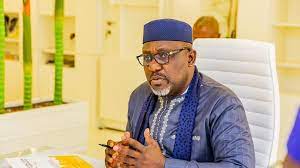
Former Imo State Governor Rochas Okorocha has claimed that 90 per cent of Nigerian politicians would not remain in office if the country practised genuine democracy, arguing that many emerged through imposed candidacies rather than the free choice of voters.
Okorocha made the assertion during an interview with Arise News on Thursday while reacting to the Federal High Court judgment in Abuja recognising him as the winner of the All Progressives Congress (APC) senatorial primary for Imo West ahead of the 2027 general elections.
“If democracy is practised the way it should be practised, 90 per cent of people holding office in Nigeria cannot hold office,” he said.
The former governor accused political power brokers of imposing candidates on voters, arguing that the practice undermined the people’s right to choose their leaders.
“Most of them are not truly the choice of the people. These are people who are imposed, opportunists, who find their way,” he said.
Okorocha maintained that the court judgment went beyond his personal political contest with Imo State Governor Hope Uzodimma, saying it raised wider concerns about the credibility of party primaries and Nigeria’s electoral process.
“My joy is not on the basis that I was declared a winner, but for the fact that so many misinformation [claims] were paraded in the news media,” he said.
He added that the evidence supporting his case was clear, declaring, “The facts are too glaring.”
The dispute centres on conflicting records of the APC primary. Figures cited during the interview credited Uzodimma with 230,464 votes and Okorocha with 1,098 votes, while another document reportedly showed Okorocha with 150,780 votes.
Explaining his position, Okorocha said he obtained certified documents from the Independent National Electoral Commission (INEC) on July 22, 2026. He questioned the emergence of another document dated August 22, which he attributed to Uzodimma.
The court ruled in Okorocha’s favour and directed INEC to recognise him as the winner of the primary. Uzodimma, however, has said he will appeal the judgment.
Okorocha insisted that his concern was not simply about securing the senatorial ticket but about ensuring that the people’s choices were respected in the democratic process.
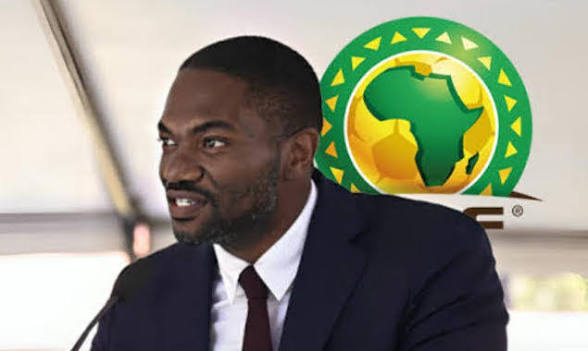
Adamu makes history as first Nigerian CAF General Secretary, NFF hails landmark confirmation Samson Adamu has made history as the first Nigerian to be confirmed General Secretary of the Confederation of African Football (CAF), and the Nigeria Football Federation (NFF) has congratulated him.
Adamu was confirmed on Thursday as the substantive General Secretary. That makes him the first Nigerian to serve as Chief Operating Officer of Africa’s football governing body in its 70-year history.
He joined the Cairo-based CAF as Director of Competitions, and later became Director of Tournaments and Events. On Sunday, 29th March this year, he was named Acting General Secretary after Swiss-Congolese Veron Mosengo-Omba resigned. NFF Acting General Secretary Dr Emmanuel Ikpeme MON welcomed the development in a press release made available to Daily Sun Sports.
Other News AFCON: CAF writes NFF, others on tournament frequency Rangers drags MC Alger to CAF over fan misconduct AFCON: CAF may reconsider four-year tournament cycle “This is, indeed, very good news. I am so happy for Samson Adamu on his confirmation and I know he is going to make Nigeria and Africa proud. He is a highly-knowledgeable individual who has never stopped improving himself, and he is well-rounded in the business of football administration.
“The NFF is delighted and very pleased with this appointment, and we will give him all the necessary support as a Member Association under CAF. We wish him tremendous success in the job.”
The new General Secretary of CAF is son to Nigeria’s former Director General in the Ministry of Sports and a former executive member of CAF, Dr. Amos Adamu.
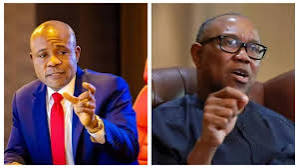
Enugu State Governor, Peter Mbah, has denied allegations that he ordered the withdrawal of a private venue for a town hall meeting scheduled to feature the Nigeria Democratic Congress (NDC) presidential candidate, Peter Obi, and his running mate, Rabiu Kwankwaso, in Enugu.
The governor, in a statement posted on his X account, described the allegation as false, adding that he had no involvement in the decision to deny the organisers the use of the facility.
“My attention has just been drawn to a video circulating on some social media platforms, alleging that I gave an order denying a political party use of a private facility for their town hall event. This is preposterous and utter falsehood, because I did not,” Mbah wrote. He accused the opposition of attempting to attract public attention through the allegation, warning that freedom of expression did not extend to defamation.
“This is shameful and reveals a desperate pattern adopted by the opposition to attract attention. There’s no doubt that democracy guarantees freedom of expression. It should be noted, however, that it does not grant anyone the right to defamation,” he said.
Mbah added that legal avenues were available to those seeking redress and warned against “crossing the red lines”.
Other News In landmark deal, Enugu, Humatrix partner to create 100,000 jobs through BPO Reps panel expresses optimism on SEDC’s prospects 2027: Mbah gets royal endorsement from Ghana The governor’s Senior Special Assistant, Dan Nwomeh, also defended him, questioning why Mbah should be held responsible for the rental of a privately owned facility.
“What has Governor Mbah got to do with the rental of a privately owned facility? It appears some people on this app get a kick out of blaming Governor Mbah for just about everything,” Nwomeh wrote on X.
He said the Governor Mbah remained focused on delivering on his campaign promises and advancing the state’s development.
The controversy followed the withdrawal of the Amadeo Event Centre in Enugu as the venue for a town hall meeting organised under the Nigeria Democratic Congress banner and scheduled for Thursday, October 29, 2026.
A video circulating on social media showed NDC official, Princess Ada Ogbu, confronting venue staff over the decision, with claims that the state government had pressured the facility to cancel the event.
The meeting was expected to feature Obi and Kwankwaso. According to the information circulating alongside the video, the venue was withdrawn less than 24 hours before the event despite prior payment.
Reforms driving down Nigeria’s borrowing costs -Tinubu
Projects 250,000 jobs from Lagos-Calabar highway
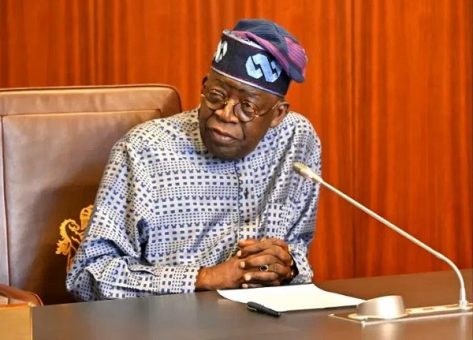
President Bola Tinubu has said his administration’s economic reforms are driving down Nigeria’s borrowing costs and strengthening investor confidence, insisting that the country must take advantage of its improving financial standing to fund critical infrastructure, create jobs and achieve its ambition of becoming a $1 trillion economy by 2030.
The President, who projected that the Lagos-Calabar Coastal Highway alone would generate 250,000 direct and indirect jobs, defended the Federal Government’s borrowing plans amid mounting criticism from opposition leaders, arguing that the true measure of public debt should be the infrastructure delivered, economic value created and opportunities provided for future generations.
In an essay titled, “From Reforms to Delivery: Our Infrastructure Investment and Growth Strategy,” released by the State House on Thursday, Tinubu maintained that the economic reforms introduced since May 2023 had strengthened Nigeria’s public finances, improved its standing in international financial markets and created opportunities to secure long-term financing on more favourable terms.
“Confidence has a price; our cost of borrowing is going down, and the country risk premium has drastically decreased.”
He said the improvements were reflected in assessments by international credit rating agencies, index providers, regulators and investors, which he described as independent recognition of stronger external reserves and improved macroeconomic management rather than political endorsements.
According to him, Nigeria’s improving financial credibility would enable the country to attract more institutional investors, secure longer-term financing and reduce the cost of funding productive investments.
Tinubu argued that the government was deliberately shifting public borrowing away from meeting short-term fiscal pressures towards financing infrastructure and other investments capable of generating economic returns, creating employment and expanding opportunities for Nigerians.
“The real question is not how much we borrow, but what we build, what value we create and what future we leave behind,” he said.
He identified the Lagos-Calabar Coastal Highway, Sokoto-Badagry Superhighway, Trans-Sahara Superhighway, electricity grid upgrades and the modernisation of major commercial ports in Lagos as strategic investments expected to connect economic regions, reduce transportation and logistics costs, stimulate industrial production and attract private capital.
The President said the Lagos-Calabar Coastal Highway could reduce logistics costs along its corridor by 15 to 20 per cent and contribute up to two per cent to Nigeria’s Gross Domestic Product through increased trade, tourism and industrial activities.
He projected that the project would generate approximately 100,000 direct jobs in construction and engineering, alongside more than 150,000 indirect employment opportunities in logistics, building materials, supply chains and related services.
“We are not simply building highways. We are opening economic corridors, connecting markets, unlocking industries and reshaping Nigeria’s economic geography,” Tinubu stated.
He maintained that Nigeria’s existing infrastructure was inadequate to support the scale of economic expansion required to achieve the administration’s $1 trillion economy target by 2030, stressing that sustained investment in transport, power, ports, healthcare, education and vocational training was essential.
“We cannot build a USD 1 trillion economy with infrastructure designed for an economy a fraction of that size,” he said.
Tinubu linked the infrastructure investment strategy to the administration’s broader economic reforms, including the removal of petrol subsidy, unification of the foreign exchange market, tax reforms and measures to contain inflation, which he said had helped restore macroeconomic stability and strengthen government finances.
He cited real Gross Domestic Product growth of 4.43 per cent in the second quarter of 2026 and a decline in headline inflation to 14.63 per cent in September, compared with 20.98 per cent in the corresponding period of 2025, as evidence of progress.
The President also disclosed that gross external reserves had risen to $55.1 billion as of October 9, 2026, including approximately $46 billion in net reserves, while the country’s tax-to-GDP ratio had increased from seven per cent to 12.5 per cent.
“The decisions taken since 2023 were difficult but necessary,” he said.
According to Tinubu, the government was pursuing financing arrangements whose repayment periods would correspond with the economic lifespan of infrastructure assets, thereby reducing refinancing pressures and improving the sustainability of public borrowing.
He stressed that borrowing must be responsible and tied to investments that deliver measurable economic benefits rather than merely increasing the country’s debt obligations.
Outlining the next phase of the Federal Executive Council’s economic strategy, Tinubu identified five priorities: improving food affordability and energy price stability; strengthening budget harmonisation and fiscal discipline; completing high-impact projects and investing in critical infrastructure; improving economic policy and regulatory efficiency; and providing targeted household support alongside investments in human development.
He said the administration was determined to convert renewed international confidence into capital expenditure, completed infrastructure and tangible improvements in the lives of Nigerians.
The President acknowledged that the ultimate test of his administration’s economic policies would not be the volume of financing secured or the favourable assessments of international institutions, but the number of projects completed, jobs created, investments attracted and improvements recorded in citizens’ living standards.
“Securing financing is not the achievement. Completing the project, delivering value and improving the lives of Nigerians is the achievement,” he declared.
Tinubu maintained that Nigeria’s economic ambitions must be supported by responsible borrowing, sustained reforms and investments that create lasting opportunities for present and future generations.
Imo West: Uzodimma heads to A’Court over nullification of senatorial ticket
The battle for the All Progressives Congress (APC) senatorial ticket for Imo West has taken a fresh turn, with Governor Hope Uzodimma moving to challenge the Federal High Court judgment that nullified his nomination and declared former governor Rochas Okorocha the party’s candidate for the January 16, 2027 election.
While the Imo State chapter of the APC insisted that Uzodimma remained its duly nominated candidate despite the judgment, Okorocha’s camp celebrated the ruling as a victory for the judiciary, constitutional democracy and the people of Imo State. The conflicting positions followed Wednesday’s judgment by Justice Obiora Egwuatu of the Federal High Court, Abuja, which nullified Uzodimma’s recognition as the APC candidate, declared Okorocha winner of the party’s May 18, 2026 primary election and directed the Independent National Electoral Commission (INEC) to replace the governor’s name with that of the former governor.
The ruling sparked jubilation among Okorocha’s supporters in parts of Imo State, particularly the Imo West Senatorial District, even as Uzodimma’s camp rejected the decision as a travesty of justice and announced plans to challenge it at the Court of Appeal.
Commissioner for Information, Declan Emelumba, said the governor’s camp would explore available judicial remedies to overturn the judgment, accusing the trial judge of disregarding established Supreme Court decisions governing pre-election disputes.
Emelumba argued that the Federal High Court ought not to have entertained Okorocha’s suit because it involved disputed allegations of forgery and perjury, which, according to him, could not properly be determined through originating summons and affidavit evidence.
He alleged that Justice Egwuatu was presented with Supreme Court judgments establishing the procedure for resolving such disputes but failed to apply them, instead delivering judgment in favour of Okorocha on the strength of affidavit evidence which he claimed was founded on forged documents.
The commissioner also challenged the competence of the suit, maintaining that it was filed outside the constitutionally prescribed period for instituting pre-election cases.
Citing the Supreme Court decision in Orji v. Chima, Emelumba argued that an aspirant seeking judicial declaration as winner of a party primary must institute proceedings within 14 days of the event giving rise to the complaint.
He pointed out that the disputed primary was conducted on May 18, 2026, while Okorocha instituted his action on August 13, 2026, a period of 87 days.
According to him, having identified the central issue as the determination of the winner of the May 18 primary, the trial judge ought to have upheld the preliminary objection rather than proceed to determine the substantive suit.
“As law-abiding citizens, we would explore the judicial avenues available to set aside the Federal High Court ruling and recover our mandate,” Emelumba declared.
Similarly, the state Publicity Secretary of the APC, Onwuasoanya FCC Jones, maintained that the judgment had not changed the party’s position on its candidate for the senatorial election.
“The Party wishes to state without any confusion that His Excellency Distinguished Senator Hope Uzodimma, CON, remains the candidate of our Party for Imo West Senatorial District, having won the primaries of our great Party with the overwhelming support of the majority of our Party members,” Jones declared in a statement issued in Owerri.
He said the party’s legal department would study the judgment and determine the appropriate response.
“The Party’s legal department shall study the outcome of a legal intervention in this matter and act accordingly,” he said.
Jones urged party members and supporters not to allow the dispute to distract them from preparations for the general election.
“We urge our teeming Party members and supporters of our great Party to remain focused and undistracted and remain committed to working assiduously for the victory of our Party across all constituencies in the State.”
On the other hand, Okorocha’s Special Adviser on Media, Sam Onwuemeodo, welcomed the judgment, saying the court had settled the controversy over who won the APC senatorial primary.
“The Court granted Okorocha all the reliefs he had sought for. And declared him the authentic candidate of APC for Imo West Senatorial District, and equally ordered INEC to enlist Okorocha’s name, to that effect,” he said.
Onwuemeodo expressed appreciation for the celebrations that followed the judgment, describing them as an indication of the support enjoyed by the former governor.
“On our side, we appreciate the spontaneous and unprecedented jubilation in Imo, especially in Imo West Senatorial District, over this historic judgement. We won’t take these jubilation and excitement for granted.”
He described the decision as a victory for the judiciary, constitutional democracy and the people of Imo State.
“This judgement, to say the least, is a resounding victory for the nation’s judiciary. It’s a victory for the nation’s fast growing Democracy. It is an outstanding victory for the Nation’s Constitution, as amended. It is a remarkable victory for all lovers of what is right and haters of what is wrong. It is a notable victory for posterity and history. Finally, it is a victory for Imo people in general, and Imo West Senatorial District people in particular.”
Onwuemeodo recalled that Okorocha approached the court to challenge the outcome of the APC primary and also sought a determination on whether Uzodimma could constitutionally contest the 2027 senatorial election while serving a governorship tenure scheduled to expire in January 2028.
According to the former governor’s aide, the court also resolved that question against Uzodimma, holding that it was wrong for the governor to contest another paid elective office while his current tenure was still running.
He thanked President Bola Tinubu for what he described as providing an enabling environment for the judiciary and other institutions to discharge their responsibilities.
“We thank the president of the Federal Republic of Nigeria, His Excellency, Bola Ahmed Tinubu, for providing the enabling environment for the Judiciary and other institutions to function for the nation’s rapid development and growth,” he said.
Onwuemeodo also expressed gratitude to the APC leadership for allowing members to pursue their constitutional rights, while thanking the people of Imo State, particularly those in Imo West, for their prayers and support.
He commended Uzodimma for participating in the proceedings as one of the respondents and gave thanks to God for the outcome.
The judgment arose from suit No. FHC/ABJ/CS/1854/2026, in which Okorocha challenged the outcome of the May 18 APC primary and INEC’s subsequent recognition of Uzodimma as the party’s candidate.
In his judgment, Justice Egwuatu held that the evidence before the court established that Okorocha secured the majority of lawful votes cast during the primary and was entitled to the APC ticket.
The judge consequently nullified Uzodimma’s recognition as the party’s candidate, restrained him from presenting himself as the APC candidate for the senatorial election and directed INEC to replace his name with that of Okorocha.
Justice Egwuatu held that Uzodimma’s nomination violated Sections 29 and 32 of the Electoral Act and failed to comply with the APC guidelines for conducting primaries.
“The publication of Hope Uzodimma’s name by INEC as the winner of the primary election is wrongful and unlawful.
“Rochas Okorocha is the lawful winner and is entitled to have his name submitted to INEC,” the judge held.
In arriving at his decision, Justice Egwuatu questioned the authenticity and consistency of documents tendered by the APC to justify Uzodimma’s nomination, observing that several contained contradictory accounts of how the primary was conducted.
“Majority of the documents tendered by APC to support the purported nomination of Uzodimma (3rd respondent) contradicts each other indicating that they were clearly fabricated for the unlawful purpose of nominating the 3rd respondent as candidate,” he said.
He noted that while one document indicated that the party adopted Option A4, another, attributed to a member of the APC National Working Committee, claimed that Uzodimma emerged through consensus, while a third maintained that a direct primary was conducted.
The judge described the contradictions as significant, particularly because votes were reportedly allocated to aspirants despite claims that Uzodimma emerged through a consensus arrangement.
By contrast, the court found that documents signed, certified and released to Okorocha following a formal request indicated that he secured the majority of lawful votes cast across the 10 local government areas of the senatorial district.
The disputed primary had produced conflicting results, with figures initially relied upon for Uzodimma’s recognition indicating that he polled 230,464 votes against Okorocha’s 1,098, while a separate document relied upon by the former governor indicated that he secured 150,780 votes.
The judge also faulted INEC for accepting Uzodimma’s nomination despite documentary evidence which, according to the court, established that Okorocha won the primary.
Speaking with journalists after the judgment, Okorocha’s counsel, O.J. Aboje, welcomed the decision, saying it had vindicated his client against allegations that he relied on forged election results.
“You have all heard the court,” Aboje said. “Like it’s always said, the court is the last hope for the common man, even though my client is not a common man. He has been vindicated.”
Okorocha’s son and Special Adviser on Political Matters, Amen Rochas, also commended the judiciary for the judgment, accusing unnamed interests of attempting to influence public perception of the proceedings through allegations of forged documents.
The Federal High Court ruling has thus left the APC facing conflicting claims over its Imo West senatorial ticket, with Okorocha relying on the judgment recognising him as the party’s candidate, while the state leadership maintains its support for Uzodimma and the governor’s camp prepares to challenge the decision at the Court of Appeal.