Home Blog Page 492

Power Has Sweet and Dangerous Sides, Says Shehu Sani

0


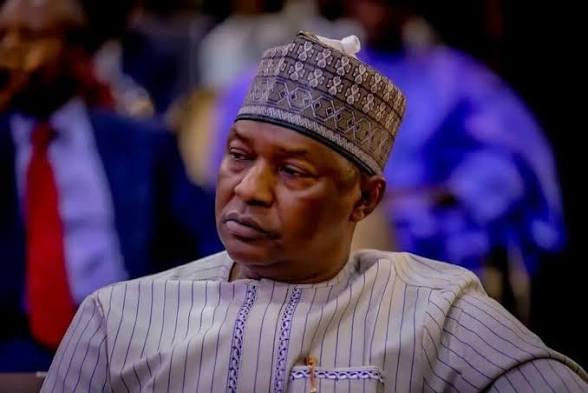
Former lawmaker Shehu Sani has reflected on his experiences in public office, warning aspiring leaders about the dual nature of political power.

In a recent statement, Sani recounted his time in the Senate, describing how he and other lawmakers spent a significant part of their tenure accompanying former Senate President Bukola Saraki to various courts in Abuja over multiple legal cases, including allegations of forgery, criminal conspiracy, and false declaration of assets.

He noted that the period was marked by intense legal battles involving several legislators.

Sani added that he also had to manage his own civil and criminal cases in Kaduna while fulfilling his legislative duties in Abuja.

The former senator further recalled the legal challenges faced by his colleague, Dino Melaye, who he said was repeatedly summoned to courts in both Abuja and Kogi State amid disputes with state authorities.

He referenced a dramatic incident in which Melaye reportedly climbed a tree to evade arrest.

Drawing parallels beyond Nigeria, Sani pointed to former U.S. President Donald Trump, who has faced multiple criminal charges but continues to play an active role in politics.

According to Sani, such experiences highlight that political power comes with both rewards and risks.

He advised young people aspiring to hold public office to be prepared for what he described as the “sweet and dangerous sides” of leadership.

Nestlé Nigeria, Livestock Ministry Partner to Establish Dairy Skills Centre in Abuja

0


BY TAIWO OGUNMOLA -OMILANI


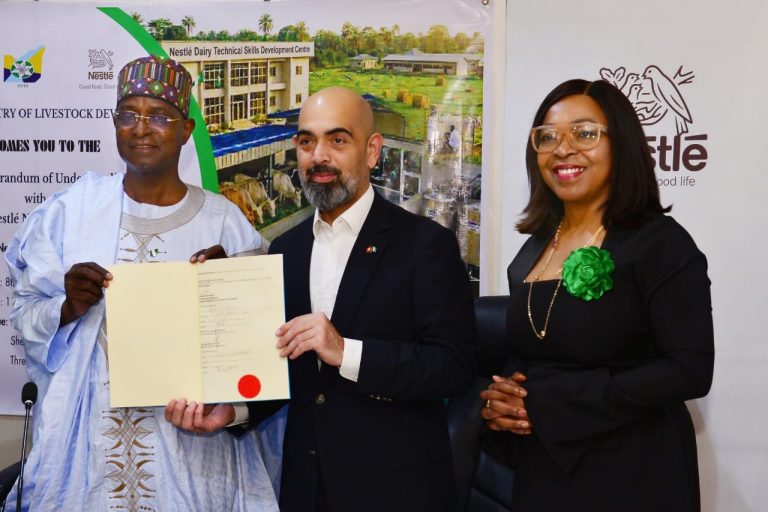
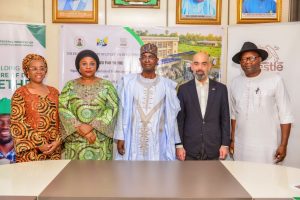
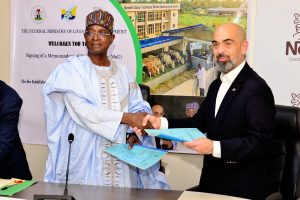
Nestlé Nigeria Plc has signed a Memorandum of Understanding (MoU) with the Federal Ministry of Livestock Development to establish a Dairy Technical Skills Development Centre in Paikon Kore, Gwagwalada, Abuja, as part of efforts to strengthen technical capacity, improve milk quality, and boost productivity in Nigeria’s dairy sector.

The proposed centre, to be sited at the Nestlé Dairy Demonstration Farm, builds on the company’s ongoing Nestlé Livestock Development Project (NLDP).

The initiative represents a transition from pilot interventions to a more structured and scalable approach to skills development across the dairy value chain, following earlier milestones including the launch of the Demonstration Farm and the signing of a Letter of Intent on World Milk Day 2025.

Under the partnership, the centre will deliver structured training programmes focused on improving on-farm practices such as milk production, processing, hygiene, and farm management, while also developing industry-relevant technical skills and strengthening value chain coordination.

Speaking at the signing ceremony, Managing Director and Chief Executive Officer of Nestlé Nigeria Plc, Wassim Elhusseini, said the collaboration would expand the company’s efforts to build capacity within the dairy sector.

“At Nestlé, we have consistently worked to strengthen the dairy value chain in Nigeria. Our experience shows that improved capability leads to better outcomes. This partnership allows us to scale a structured approach to developing the skills needed to enhance productivity, improve quality, and ensure long-term sustainability,” he said.

Elhusseini added that Nestlé’s dairy investments are designed to create shared value for communities while supporting a resilient local supply base.

Since 2019, the NLDP has supported dairy communities across Nigeria, establishing 83 dairy cooperatives and benefiting over 3,000 milk producers. The project has aggregated more than one million litres of raw milk, trained over 2,000 pastoralists, vaccinated more than 36,000 cattle, and introduced critical infrastructure to support production.

Also speaking, the Minister of Livestock Development, Mukhtar Idi Maiha, described the partnership as a significant step toward unlocking the potential of Nigeria’s dairy industry.

“Nigeria’s dairy sector holds immense potential, but achieving it requires stronger technical capacity across the value chain.

This partnership is a practical step towards improving productivity and quality, and it underscores the importance of collaboration between the government and the private sector,” he said.

Maiha noted that the initiative aligns with the National Dairy Policy under the National Development Plan, which seeks to drive growth in the livestock sector, enhance food security, and create economic opportunities.

Following the signing of the MoU, both parties are expected to commence implementation, including finalising the training framework, preparing the project site, and rolling out the programme in phases in collaboration with key stakeholders.

The Dairy Technical Skills Development Centre is expected to serve as a platform for building mid-level technical skills critical to the sustainability of Nigeria’s dairy sector, while supporting livelihoods, strengthening local production, and advancing national development goals.

COWLSO Donates ₦60 Million Worth of Items to 11 Orphanage Homes in Lagos

0

BY TAIWO OGUNMOLA -OMILANI


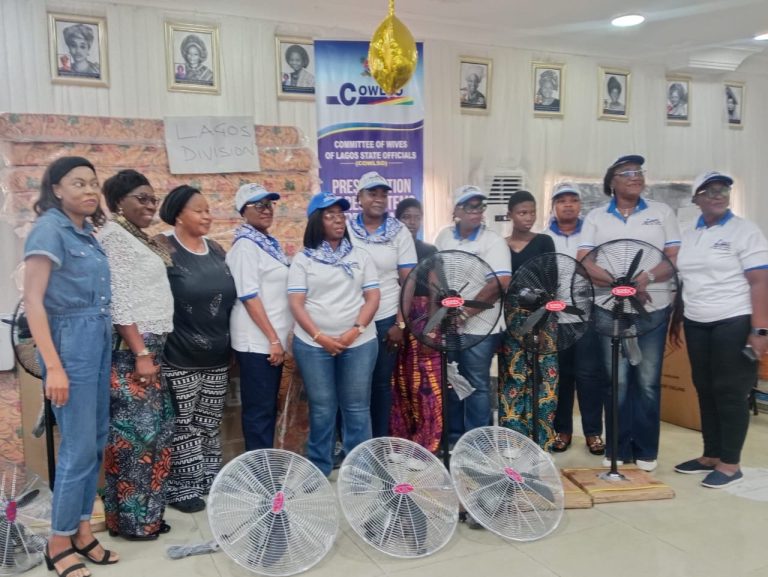
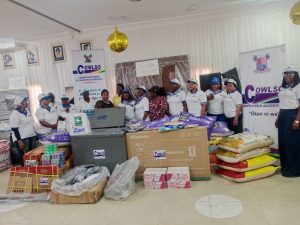
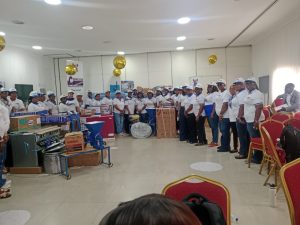
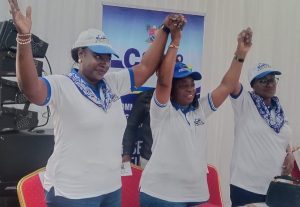
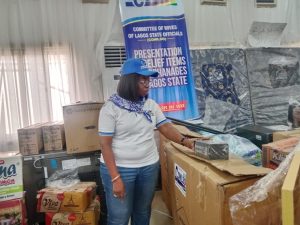
The Committee of Wives of Lagos State Officials (COWLSO) has donated items worth ₦60 million to 11 orphanage homes across Lagos State as part of its annual humanitarian outreach.

The presentation, held on Tuesday at the Banquet Hall of the First Lady’s Office in Alausa, Ikeja, marked the sixth edition of the initiative aimed at supporting vulnerable children and caregivers in orphanages across the State.

Speaking at the event, the First Lady of Lagos State, Claudiana Ibijoke Sanwo-Olu, said the programme reflects compassion, unity, and a commitment to improving the lives of the less privileged.

She noted that since the initiative began in 2020, over 70 orphanage homes across Lagos have benefited from visits, donations, and financial support running into several millions of naira.

According to her, the intervention has grown significantly from ₦5.5 million at inception to ₦60 million in 2026, demonstrating increased commitment to social welfare.

The First Lady explained that the beneficiary homes were selected through a transparent process involving a 33-member committee drawn from the five IBILE divisions—Ikorodu, Badagry, Ikeja, Lagos, and Epe—ensuring fairness and accountability.

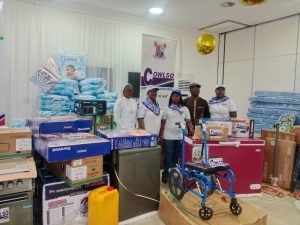
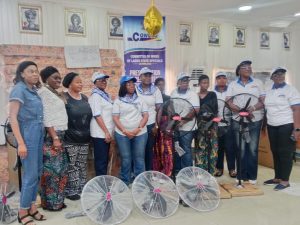
Items distributed included smart televisions, deep freezers, standing fans, mattresses, 5KVA inverters, canopies, food supplies, beverages, toiletries, and other essentials tailored to the needs of each home.

Other items include: children cerebral palsy wheel chairs, baby diapers, clothing materials to mention few.

Sanwo-Olu emphasized that the donations were based on detailed needs assessments and aimed at improving living conditions, supporting caregivers, and creating a better environment for the children’s development.

She also commended members of the selection committee and COWLSO leadership for their dedication, while urging stakeholders, including government, private sector, and individuals, to support efforts geared toward caring for vulnerable members of society.

Some of the beneficiary homes included Brainy Kid Foundation, House of Mercy Children’s Home, Poget Care Homes Foundation, Friends of Beth Torrey Home, Child Lifeline, Lagos State Rehabilitation and Training Centre, Shayofunmi Care Agency, Echoes of Mercy and Hope Foundation, Street Child Care & Welfare, Cerebral Palsy Centre, and Destiny Trust Homes.

Responding, a beneficiary, Mrs. Funmi Adegun of Miracles of Mercy and Hope Foundation, expressed gratitude to the Lagos State Government, describing the support as overwhelming.

She noted that the intervention included solar-powered inverters, refurbished facilities, and essential household items that would significantly improve living conditions.

Another beneficiary, Aduke Gomez of Child Lifeline in Ikorodu, said the donation of solar power systems would enable children to study at night and improve their academic performance. She added that access to electricity would enhance comfort and overall well-being within the home.

The event reaffirmed COWLSO’s commitment to promoting inclusion, dignity, and opportunities for vulnerable residents across Lagos State.

Kebbi ADC factional chairman loyal to Malami arraigned for alleged contempt

0


A factional Chairman of the African Democratic Congress (ADC), Safiyyanu Bala, has been arraigned before a Magistrates’ Court in Birnin Kebbi over alleged contempt of court.

Bala, a chairman of the ADC loyal to the former Minister of Justice, Abubakar Malami’s faction, was dragged to the Chief Magistrates’ Court by another chairman of the same party, Abdulrazak Abubakar, for disobeying a High Court order restraining all parties to maintain status quo in the matter before it.

It could be recalled that,the High Court had also ordered the defendant to stop p as parading himself as the State Chairman of the party.

The matter is before Magistrate Abubakar Abdullahi Koko and Magistrate A’isha Abdulmumin of the Chief Magistrates’ Court I, Birnin Kebbi.

At the sitting on Monday evening, Counsel to the complainant, Garba Abubakar-Shehu, informed the court that the defendant, in spite of being properly served the court summons, evaded service by the court’s bailiff.

He said the defendant refused to appear before the court until he was arrested on Sunday and arraigned before the court.

Shehu said: “The case was filed due to disobedience of a High Court order restraining all parties in the matter from relocating the party’s secretariat to another place pending the determination of the matter before it.”

However, Counsel to the defendant, Ahmad Abubakar-Fingilla, denied that his client was properly served by the court bailiff.

He informed the court that one Issa Guluma called his client twice when he was away in Abuja and when he returned, he called the bailiff but was told that the court summons had expired and the summons had been returned to the court registrar.

Fingilla also challenged the jurisdiction of the Magistrates’ Court over the matter, which he said was also before the High Court in Birnin Kebbi, arguing that entertaining criminal and civil cases concurrently would amount to abuse of judicial process.

He urged the court to recuse itself from entertaining the case since the same matter “is before the High Court in the state.”

Counsel to the claimant, Shehu, urged the court to discountenance the defendant’s claims, saying that the defendant could not claim ignorance of the court case filed against him.

He added that having the same matter with different consequences before different courts could not be described as abuse of judicial process.

He cited section 105(3) and 121(1c) of the Kebbi Criminal Justice Administration Law to justify that the Chief Magistrates’ Court had jurisdiction over the matter.

Shehu told the court that civil and criminal cases could run concurrently, citing Nwabusi & Others v. FG as published in the 2018 Law Reports, saying the outcomes could differ.

Magistrates Abubakar Abdullahi-Koko who read the Court rulung, declared that the defendant had been duly notified through telephone conversations, which the defendant cannot deny.

“It is our view that the defendant cannot deny knowledge of the case in court. Therefore, the service was properly effected. We hereby uphold the prayer of the claimant.”

The court, however, adjourned the sitting till Tuesday, April 21, by 3 p.m. for ruling on jurisdiction and ordered the defendant to be remanded in police custody.

Sun

How troops dismantled bandits’ camps in Bauchi forest, communities – Gov Bala Mohammed

0


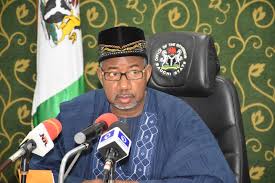
Bauchi State Governor, Senator Bala Abdulkadir Mohammed, has commended President Bola Ahmed Tinubu, the Nigerian Armed Forces, and security agencies for what he described as a successful large-scale operation that dismantled bandits’ camps across forest corridors linking Bauchi, Plateau, Taraba, and parts of Gombe states.

The governor spoke during a press briefing after a closed-door security meeting with heads of security agencies and traditional rulers from affected communities.

He said the operation followed repeated appeals by the Bauchi State Government over worsening insecurity in Alkaleri Local Government Area and surrounding border communities.

According to Governor Mohammed, the security intervention uncovered the true scale of criminal activity in the region, with thousands of armed elements reportedly hiding in forests such as Dajin Madam and adjoining areas in Taraba State.

He said coordinated ground and aerial offensives, backed by intelligence gathering, reconnaissance, surveillance, and tracking, led to the destruction of several camps, disruption of supply routes, and the neutralisation of many bandits, while others fled under sustained military pressure.

The governor added that hundreds of motorcycles allegedly used by the criminal groups were destroyed, weakening their mobility and operational capacity.

“We have never witnessed this level of professionalism and federal support deployed to Bauchi, Plateau, and Taraba states,” he said.

Governor Mohammed stated that troops have now established security presence in key locations to prevent the regrouping of fleeing criminals, while aerial surveillance and rapid-response operations would continue.

He disclosed that the government has opened a temporary surrender window for bandits still hiding in and around the state, urging them to lay down their arms.

“This is not amnesty, but an opportunity to abandon violence and return under lawful supervision,” he said.

The governor noted that arrangements are being considered for the relocation and rehabilitation of those who surrender, including their families, stressing that many of them are not indigenes of Bauchi State.

As part of broader reforms, Governor Mohammed announced plans for biometric profiling of residents in vulnerable communities in collaboration with National Identity Management Commission and other federal agencies.

He said the exercise would help monitor population movement, strengthen intelligence gathering, and prevent the creation of ungoverned spaces that could serve as hideouts for criminal groups.

The governor also said local vigilante groups would be further strengthened to complement formal security agencies.

He called on residents to remain vigilant, report suspicious movements, and cooperate with security agencies to ensure lasting peace and stability across the state.

Sun

Jonathan fires back at Atiku, defends record in office

0


Former President Goodluck Jonathan has defended his time in office, insisting he did his best despite criticisms from former Vice President Atiku Abubakar.

Jonathan’s response followed remarks by Atiku during an interview on ARISE TV, where he described the former president as inexperienced and blamed that for shortcomings during his administration.

Reacting while speaking at an event in Abuja, Jonathan said no leader can claim to have served without making mistakes.

“So not too long ago, a very senior politician said, ‘Oh, Jonathan was too young and probably that’s why he made mistakes.”

“If I made mistakes, yes, nobody who becomes a governor or a president will say you did not make mistakes,” he said.

He questioned the basis of the criticism, noting that he assumed office at 53 and left at 58, asking whether leadership should be reserved for much older individuals.


“Must it have been 100 years before I ran the affairs of the state?” he added.

Jonathan also defended key decisions taken during his tenure, pointing to Nigeria’s diplomatic achievements, including its election into the United Nations Security Council.

“I’m talking to diplomats… If I were so naive, I don’t think I would have been able to navigate through that process,” he said.

Beyond the exchange with Atiku, the former president raised concerns over political instability across West Africa, warning that it remains a major barrier to economic progress in the region.

“We cannot progress economically if we are very unstable societies politically,” he stressed.

He urged leaders within the ECOWAS bloc to work together to strengthen democratic institutions, noting that without political stability, the region’s economic ambitions would remain out of reach.

Sun

Family Homes Fund Scheme: Kaduna widows settle into free housing estate

0


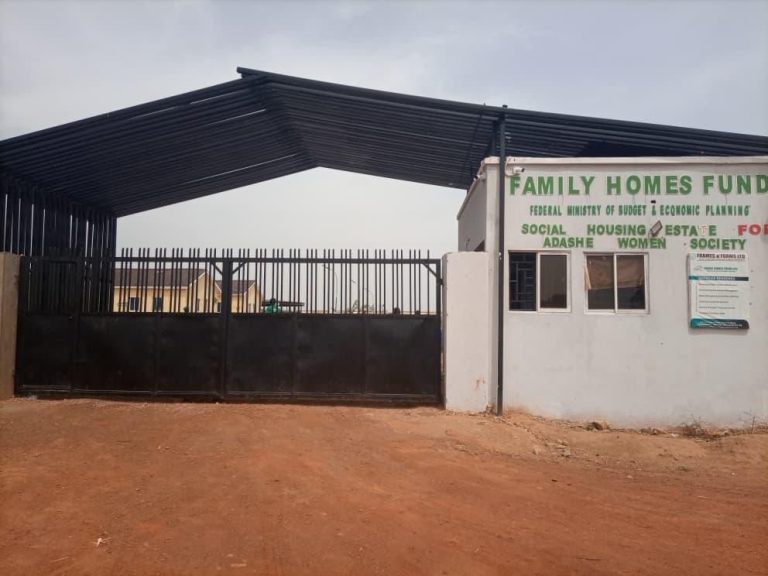
Relief and renewed hope now define the lives of widows resettled in a free housing estate in Rigachikun, Igabi Local Government Area of Kaduna State under the Family Homes Funds scheme.

Six months after the inauguration, the estate, once clouded by uncertainty and hesitation, is gradually coming alive as beneficiaries take possession of homes designed to offer safety, dignity and a fresh start.

The social housing estate, funded through a partnership involving the Family Homes Funds and the Federal Ministry of Budget and Economic Planning for Adashe Women Society, targets vulnerable women across the state.

Speaking with journalist during a media visit to the estate at the weekend, the Facility Manager, Dr. Mustapha Umar Kumshe, said although 100 housing units were allocated to beneficiaries late last year, many initially hesitated to relocate.

Kumshe also disclosed that despite the allocation of 100 housing units late last year, initial response from beneficiaries was slow due to perceived insecurity and access roads.

But that narrative has since shifted. Family Homes Funds has intensified outreach efforts and reinforced safety measures within the estate, gradually rebuilding trust and encouraging relocation.

The Facility Manager said, “After the commissioning, there were gaps and glitches. Many beneficiaries were afraid to move in due to perceived insecurity and concerns about access roads.

“We assured them there was no problem. We have the presence of well- armed security personnel, including vigilantes and Civil Defence officers. There is no cause for alarm.”

According to him, the presence of early occupants who resided in the estate for months without any security incident helped to build confidence among others.

“As we speak, over 65 of the 100 houses are now occupied, and more residents are expected in the coming weeks,” Kumshe added.

The facility manager further disclosed that the estate is fully equipped with essential infrastructure to support comfortable living, saying that Family Homes Funds also intervened in the education of the children (Orphans) in the estate by providing school uniforms, text books, exercise books and all other school needs.

He said, “We have four functional boreholes, including solar-powered systems, and a dedicated electricity supply supported by a transformer, alongside solar installations in each house.

Kumshe also said that each housing unit is fitted with lighting, fans, kitchen facilities, and access to constant water supply, while the estate also features over 450 economic trees, including fruit-bearing varieties and internet connectivity.

He therefore urged the remaining beneficiaries to take advantage of the opportunity and relocate to the estate without delay.

“ Federal Government has given out these two-bedroom homes free of charge. It is an opportunity many people would not want to miss,” he added.

Acknowledging that some beneficiaries were still reluctant due to challenges such as relocating their children from existing schools, Kumshe expressed optimism that occupancy would continue to improve in the coming days.

He recalled that the estate was inaugurated in a ceremony attended by Kaduna State Governor Uba Sani, ministers and other top officials, where beneficiaries were formally presented with keys.

For many of the widows in the estate, the homes represent far more than shelter—they signal a turning point in their lives.

One of the beneficiaries who spoke during the media visit to the estate, Fadila Tahir, described the opportunity as transformative, linking her improved circumstances directly to a new chapter in her personal life.

“I came here as a widow, but today I am married because the issue of accommodation is no longer a problem. I am grateful to Allah for this opportunity,” she said.

Another beneficiary, Amina Alhassan, highlighted the stark contrast between her past living conditions and her current reality.

“Before now, I lived in a single room with my children, but now we have a two-bedroom apartment with tiles, electricity and water. We are thankful to everyone who made this possible,” she said.

The Rigachikun housing initiative is widely regarded as part of broader efforts to tackle housing deficits among vulnerable populations, while strengthening social welfare systems in Kaduna State.

Women groups laud Mbah, demand female senator for Enugu North

0


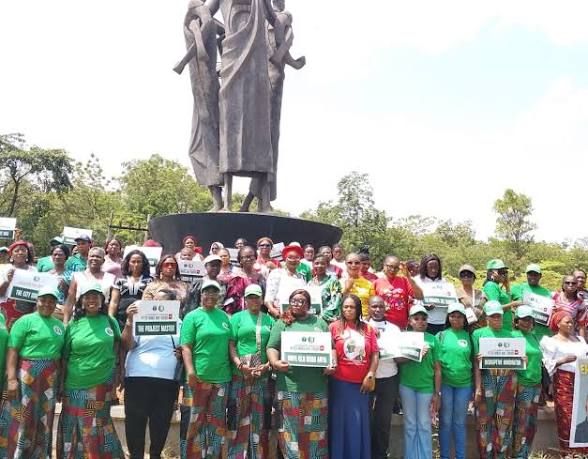
A coalition of women groups in Enugu State has applauded Governor Peter Mbah for his development strides, while renewing their call for the emergence of a female senator to represent Enugu North Senatorial Zone.

Operating under the aegis of ‘Loudest Voices for Peter Mbah’, the women converged on Okpara Square, where they commended the governor’s efforts in infrastructure renewal, education reform, and gender inclusion in governance.

They, however, insisted that more deliberate action is needed to address the long-standing under-representation of women in elective positions.

The event drew participation from several allied groups, including Governor Peter Mbah Authentic Squad, City Boys Movement, Umuada Peter Mbah Worldwide, Jesus Wives Prayer Network, Women Support Women for Human Empowerment and Mentorship Initiative (WOSUWO), and Resilience Divine Widows.

The women made a passionate appeal for the nomination of a woman to fill the vacant Senate seat in Enugu North, noting that the district has witnessed 26 years of male-only representation since Nigeria’s return to democratic rule in 1999.


Leading the coalition, the Executive Director of Heroine Women Foundation and President of WOSUWO, Onyinye Mamah, said the governor had demonstrated uncommon openness to gender inclusion.

Mamah, who is also the founder of Loudest Voices for Peter Mbah, stressed that while the administration had recorded visible progress across sectors such as education, transportation, and hospitality, political inclusion for women must now take centre stage.

“From 1999 till date, we have had only males as senators. We are kneeling before you, His Excellency, to, at least, recognise one woman in the Senate. Two men and one woman — that is what we are asking for in line with the 35 per cent affirmative action,” she said.

She further revealed that women in the Nsukka axis have already identified a capable female figure for the position, though she declined to name the individual.

“We, the women, have looked in Igboeze South Local Government Area and found out that there is a particular woman who behaves like you do. We will not mention her name, but what we want is a woman. Our dear governor, please give us a woman from Nsukka, so you can shock the world how you talk and do it,” she declared.

Sun

Refinancing risks rise as Nigeria’s debt nears N180trn

0


Nigeria’s rising debt profile is entering discomforting quarters, as concerns shift from the sheer size of borrowings to the growing risks associated with refinancing existing obligations.

With the recent revelation from the Debt Management Office (DMO) of the country’s debt standing at N159 trillion, the structure, cost and maturity profile of the country’s liabilities are becoming increasingly critical to macroeconomic stability.

According to the debt office, Nigeria’s total public debt climbed to N159.28 trillion in the fourth quarter (Q4) of 2025, reflecting a steady accumulation driven by persistent fiscal deficits and weak revenue performance.

Domestic debt, which accounted for 53.3 per cent of total public debt, it said, climbed by 3.7 per cent quarter-on-quarter (q/q) to N84.85 trillion (Q3: N81.82 trillion). This growth reflected increases in both state government debt (+8.9 per cent q/q) and federal government debt (+3.4 per cent q/q).

Similarly, external debt, making up 46.7 per cent of the total, rose more sharply by 7.0 per cent q/q to $51.86 billion, compared with a 3.1 per cent increase in the previous quarter ($48.46 billion).

The uptick was driven by higher disbursements from multilateral lenders, including the World Bank ($347.04 million) and the African Development Bank Group ($93.48 million), as well as increased borrowings from bilateral sources (+6.9 per cent q/q). Notably, syndicated loans surged by 89.0 per cent q/q, largely tied to capital project financing.

The latter, often priced at commercial or near-commercial rates, signals a gradual shift away from cheaper concessional financing toward more expensive funding sources.

This evolution in Nigeria’s borrowing mix has important implications. Unlike concessional loans from institutions such as the World Bank and the African Development Bank Group, syndicated and other market-based loans typically carry shorter maturities and higher interest rates. As a result, they increase the frequency and cost of refinancing, exposing the government to rollover risks, especially in periods of tightening global liquidity.

Refinancing risk arises when a borrower must replace maturing debt with new obligations, often under less favourable conditions. For Nigeria, this risk is no longer theoretical. As global interest rates remain elevated and investor appetite for frontier market debt fluctuates, the cost of issuing new debt, or rolling over existing facilities, could rise significantly. This would further strain public finances already stretched by low revenue mobilisation.

Compounding the challenge is Nigeria’s exposure to exchange rate volatility. Although the naira appreciated in Q4 2025, moderating the local currency value of external debt, such gains may prove temporary. A reversal in currency stability would quickly inflate debt service obligations in naira terms, intensifying fiscal pressures and complicating budget execution.

The implications extend beyond fiscal arithmetic. Higher external debt servicing requirements place direct pressure on the country’s foreign exchange reserves, as repayments must be made in hard currency. This can constrain the central bank’s ability to stabilise the naira and meet other external obligations, while also crowding out private sector access to foreign exchange.

At the same time, Nigeria’s decision to chart an independent fiscal path adds another layer of complexity. The government has recently rejected the prospect of a fresh programme with the International Monetary Fund, maintaining that its ongoing reforms, ranging from fuel subsidy removal to exchange rate liberalisation, are sufficient to restore macroeconomic stability.

While this stance underscores a commitment to policy autonomy, it also removes a potential source of concessional financing and external policy support. IMF programmes often serve as a signal of credibility to international investors, helping to anchor expectations and lower borrowing costs. Without such backing, Nigeria must rely more heavily on market confidence, which can be volatile and sensitive to policy slippages.

This places a premium on the effectiveness of ongoing reforms. Efforts to boost government revenue, particularly through tax administration and oil sector reforms, will be critical in reducing the need for additional borrowing.

Similarly, maintaining exchange rate stability and curbing inflation will be essential in preserving investor confidence and limiting the cost of new debt issuance.

Yet, structural challenges persist. Nigeria’s revenue-to-GDP ratio remains among the lowest globally, limiting fiscal space and increasing dependence on debt financing. At the same time, debt service-to-revenue ratios remain elevated, meaning a substantial portion of government income is already committed to servicing existing obligations. This dynamic leaves little room for error.
The projected expansion of the fiscal deficit in 2026 further underscores the scale of the challenge. With the government budgeting a deficit of over N30 trillion, well above some independent estimates, borrowing is expected to remain elevated. This will likely push total public debt toward N179 trillion or higher, reinforcing concerns about sustainability.

Experts’ react

For investors and analysts, the key question is not simply whether Nigeria can continue to borrow, but at what cost and under what conditions. As refinancing needs grow, the country may face higher yields on both domestic and external instruments, reflecting increased risk perceptions.

This, in turn, could create a feedback loop, where rising borrowing costs worsen fiscal metrics, further elevating risk premiums.

Chief Economist, SPM Professional, Paul Alaje explained that owing to the Middle East crisis, Nigeria’s economy is already facing rising transport costs, higher food prices, and broader inflation as global energy prices filter through local supply chains.

“When this crisis started, I had said we need to strengthen our domestic refining capacity, manufacturing capability, and regional trade integration. There are also broader economic implications.

Increased government borrowing, particularly from domestic markets, can crowd out private sector access to credit, dampening investment and growth. Meanwhile, external borrowing pressures could weigh on the balance of payments, especially if oil revenues fail to keep pace with rising obligations”, Alaje said.

Speaking recently, the Chief Executive Officer, Centre for Promotion of Private Enterprises (CPPE), Dr Muda Yusuf, repeatedly warned that the country’s debt accumulation, especially amid weak revenue, poses serious macroeconomic risks.

He expressed concern about Nigeria’s borrowing spree not being matched by commensurate revenue growth, creating a dangerous imbalance.

Whilst arguing that rising debt in the face of dwindling government income is “not healthy for the economy, Yusuf stressed that a significant share of revenues is already tied up in debt servicing.

“I have often said that there is no problem with borrowing but the problem is the quality of borrowing. Using debt to fund recurrent expenditure rather than productive investments, does little to generate the growth needed to service the debt in the future”, He said.

Instead, the CEO who also doubles as an economist, advocates prioritising capital projects, improving spending efficiency, and leveraging public-private partnerships to reduce reliance on borrowing.

Despite these risks, Nigeria retains some buffers. Its debt-to-GDP ratio, projected at around 35 per cent in 2026, remains moderate compared to many peer economies. However, analysts caution that this metric can be misleading in the Nigerian context, where low revenues, not necessarily high debt levels, are the primary constraint.

Conclusion

Ultimately, the sustainability of Nigeria’s debt trajectory will hinge on its ability to manage refinancing risks while accelerating structural reforms. This includes lengthening the maturity profile of debt, prioritising concessional financing, and improving the efficiency of public spending.

As the country moves toward a projected N180 trillion debt stock, the focus is shifting decisively from accumulation to management. In an environment of tighter global financial conditions and domestic economic uncertainty, the cost of missteps is rising.

The challenge is no longer just about borrowing to bridge fiscal gaps, but about ensuring that today’s debt does not become tomorrow’s crisis.

Sun
Arsenal fans have every reason to feel frustrated – Gary Neville

0


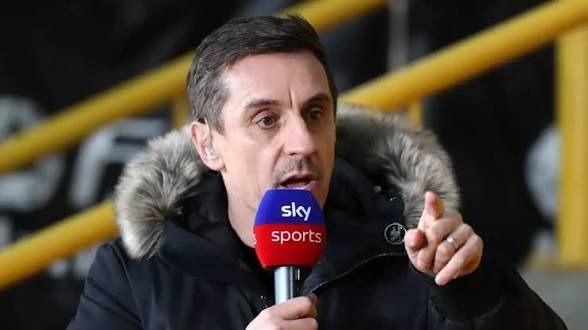
Gary Neville has told Arsenal fans they have every reason to feel frustrated with their team’s repeated failure to close out the Premier League title race.

The Sky Sports pundit and former Manchester United captain made the assessment in his latest analysis of the 2025/26 season, following Arsenal’s 2-1 defeat to Manchester City at the Etihad Stadium on Sunday.

Neville said, “I can’t believe earlier this season I thought the title was theirs.

“We’ve seen this pattern repeat itself time and again, it’s becoming all too familiar, and the fans have every reason to feel frustrated.”

Neville further argued that another season without silverware would raise serious questions over manager Mikel Arteta’s future.
“If Mikel Arteta falls short again and ends the season without a trophy, then he has to be sacked,” he added.

Arsenal had a comfortable nine-point cushion at the top of the league table just a few weeks ago, but unfavorable results in subsequent games have now made that a three-point difference, with Manchester City still having a game in hand over their title rivals.

Sunday’s loss to Pep Guardiola’s City has left the Gunners facing familiar pressure in the closing stages of the season, mirroring near-misses in previous years when they finished as runners-up without ending their long wait for a league title.

Neville, who has frequently analysed Arsenal’s campaigns on his podcast and Sky Sports platforms, has previously defended the club’s progress under Arteta while highlighting what he sees as recurring vulnerabilities under pressure.

Sun