Home Blog Page 413

Days to sallah, ram markets await buyers

0

• Traders bemoan low patronage as prospective customers lament prohibitive cost
• We’re hopeful we’ll have better sales by Monday, Tuesday –Sellers

From Kara in Lagos to Sabo in Ikorodu, Alaba Rago and Gbagada, Ibadan, Oyo Kwara and Ilorin, Kaduna and Kano, the scene is the same across Nigeria. This week, millions of rams are on display in many markets from state to state.


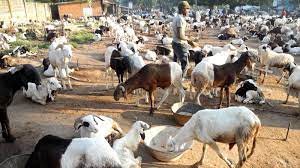
Ram sellers waiting for buyers in Gbagada.


A seller manning his pen at Sabo, Ikorodu.
In different markets in Lagos, a large number of rams are everywhere, in regular markets and in temporary, makeshift ram pens scattered in several parts of town, bleating, horns curled, wool matted from long journeys across the country.


They arrived in trucks that crawled down battered highways from Borno, Yobe, Katsina, Kano, Sokoto, their journey timed precisely for the Muslim calendar’s most anticipated celebration—Eid Al-Adha, otherwise known as Eid- el-Kabir.

For all the rams on display, the usual pre-festival excitement is still muted and the rams pens, though rowdy, are still dull.


The buyers of these rams are still fewer as the atmosphere is still heavy with question hanging in the air in every market: who can afford the Ileya rams this year?

With less than five days to the festival, Nigeria’s ram markets have become a live tableau of the country’s economic strain. Sellers who staked their income on this season are watching sales stalled.


Meanwhile, buyers who have kept the religious tradition of worship for decades are also walking away empty-handed or settling for something far smaller than they planned.

With the present hike in the prices of rams, it is no doubt that this year’s festival season is marked by contradictions.

There are many rams in the markets across Nigeria, but there are also a shortage of purchasing power among the people.


Every year, especially in the two weeks leading to the Eid, the demand for rams increases because traders invest heavily in the business.

They borrow money, pooling resources, and transporting animals hundreds of kilometres south to Lagos, Ibadan, Port Harcourt, and other cities and states.

The expectation, Saturday Sun gathered, is that for 10 to 14 days, sales will be brisk enough to clear stock and yield profit that sustains families until the next season. But with the present situation in the market, that may not be feasible.

Chairman of the Lagos State Ram Sellers Association, Alhaji Abubakar Langa, expressed concern over low patronage. He was at the Gbagada rams pens when the reporter met with him.

According to him, rams sales were very much higher by this time last year. He explained further that the reason for the low sales is nothing but the poor state of the economy.

Alhaji Langa also highlighted the difficulties encountered on the roads before they get the rams to Lagos State.

“By this time last year, I had sold more than 60 per cent of my stock. But as at today, sales are still very low. Customers are coming, but they are asking for prices and leaving. They say the same thing—‘it is too expensive.’

“We are not the ones making rams expensive. We are also victims. The cost of bringing these rams from Borno to Lagos is huge. Diesel is expensive. The trucks charge more. And the roads are bad. A journey that should take three days now takes five or six. During that time, we feed the rams, we pay for security, and some die on the way. When a ram dies in transit, that is our capital gone.

“The journey from Maiduguri to Lagos was pure trauma. Trucks break down on pothole-riddled stretches of the A3 and A2 highways.

“At night, the risk of armed robbery and kidnappers forces drivers to travel in convoys. We also pay informal levies at checkpoints. We see hell. Some rams die. Others arrive injured. All of that loss is added to the price you see here,” he stated.

The leader of the ram sellers also appealed to the Federal Government to help fix the roads, stabilise fuel prices, and secure the highways.

“If the roads are good, we spend less on diesel and less time on the road. The rams arrive healthier, and we can sell at prices that ordinary Muslims can afford. Right now, it feels like we are being punished for trying to provide an animal for worship.

“We all know that the Lagos market is the largest receiving point for rams and other livestock in the South-West.

“This year, members of the association brought in over 500,000 rams. Prices range from ₦300,000 for smaller, leaner rams to N2 million for large, well-fed breeds with symmetrical horns and thick wool. That is the kind of rams that are preferred for ceremonial slaughter and for display as a sign of status,” he said.

Lagos-based farmer and businessman, Alhaji Hammed Otufowora stated that the high cost of rams in 2026 is not limited to Nigeria.

According to him, the high cost in prices of rams also reflects a convergence of domestic and global economic pressures that have hit livestock trading hard.

He stated also that animal feed costs have risen sharply in the North-East and North Central, where most of Nigeria’s rams are reared.

“One of the major factors affecting the prices of rams this year is the spate of insecurity.

“Insecurity has disrupted grazing patterns and limited access to farmland. Farmers who produce maize chaff, and millet have also increased prices to compensate for reduced output and higher transport costs.

“Insecurity along key livestock corridors has raised the risk. Banditry in Zamfara and Katsina, kidnapping in Niger State, and parts of Kogi and Kwara States mean transporters and truck drivers would always hire armed escorts or pay unofficial fees. Those costs, as far as I am concerned, are not absorbed by traders—they are passed to the buyers.

“For instance, a 50kg bag of feed that sold for ₦8,000 last year now goes for ₦14,000 in many markets. Fuel prices remain elevated due to global energy market volatility. The protracted conflict between Iran and Israel in mid-2026 disrupted oil supply routes in the Middle East, pushing Brent crude prices above $95 per barrel.

“Despite being an oil producer, Nigeria still imports over 80 per cent of its refined petroleum products. The effect of this is usually immediate at the pump. Diesel, which powers livestock trucks, now sells for over ₦1,200 per litre in most parts of the country.

“Currency depreciation has also become another issue even as the increasing cost of veterinary inputs. Although rams are bred locally, vaccines, de-wormers and nutritional supplements are often imported and priced in dollars. A weak naira means traders spend more to keep animals healthy and market-ready,” he said.

He pointed out also that Nigeria’s livestock value chain remains largely informal and fragmented.

“You cannot store a ram in a warehouse and wait for prices to improve. Once Eid passes, the value of unsold stock drops by 40-60 per cent. That creates a situation where traders are forced to sell at whatever price they can get in the last 48 hours, but until then, they hold out, hoping for a turnaround.

“There is no cold chain, no modern holding facilities near urban centres, and no subsidised transport system for livestock. Every trader bears the full risk. Until that changes, we will continue to see this cycle where festivals become a period of financial distress for both consumers and small-scale traders,” Alhaji Otufowora stated

Last Tuesday, a Lagos- based Surveyor, Mr. Abiodun Adams, visited Sabo Market in Ikorodu to buy a ram. He left without buying. He narrated his experiences, even as he added that buyers are making difficult decisions.

“For many, Eid Al-Adha is not optional—it is a religious and social expectation. But the math no longer adds up. The ram I wanted to buy was sold for ₦300,000. Last year, I bought a similar one for ₦180,000. I couldn’t justify spending that much.

“The issue of high cost is not limited to rams alone. The situation in Iran has affected the global economy, and Nigeria is not exempted. Everything is connected. When diesel goes up, food goes up. When food goes up, everything else follows. The economy is biting every Nigerian, and we can only pray for a better situation.” he noted.

He called on the federal government to create designated ram markets across the country during the season and to consider subsidies for rams during major religious festivals.

“Government can subsidise rams for Muslims during Eid, just like they sometimes subsidise rice or flour during Christmas. It doesn’t have to be free, but a 20 to 30 per cent reduction would make a huge difference,” he said.

Adams is not alone. Across Lagos, Abuja, and Kano, the pattern is the same. Buyers circle the pens, ask for prices, and walk away.

Some are pooling resources with relatives to buy one large ram jointly. Others are switching to goats or sheep, which cost between ₦80,000 and ₦150,000 but do not carry the same cultural weight for many during Eid Al-Adha.

A ram seller, Umar Yisa said the prices of rams vary according to the location. He said rams sold in Kara and Alaba Rago would be cheaper than the ones in Ikorodu or any other place in Lagos. He added also that the reason for the slight changes is centred on the locations.

Yisa explained further that many of the customers he had attended to on Wednesday paid the little they had on them with promises to balance up before the Eid when they would be allowed to take home their rams.

According to him, the rams are measured by their sizes. He pointed to some of the rams, whose process, he noted, start from between N600,000 and N700, 000. Some cost even more, he added.

“I have sold more than five rams here today, but their owners would later come for them before the Eid,” he stated.

A cow seller, Abubakar Muhammed, said the situation in the market now is not predictable.

He noted that the prices of cows are always higher, especially during festive periods, but he was sure that he would still record maximum sales. Muhammed also stated that the lesser cows in his pens are sold for N1.3 million.

“I have cows here that are worth over N2 million, depending on their sizes and the demand and timing.

“During festivals like this, we are always conscious of the timing because that is a major factor in the business. But I am hopeful that by Monday or Tuesday, we shall record more sales,” he said.

From the situation in the rams market now, it seems the hope of both the rams and cow sellers lie in a last-minute surge in sales. For the buyers, the hope is that prices will reduce as the festival approaches.

“Eid should be a time of joy, not a time of stress for both the buyer and the seller. We are ready to sell our rams to our customers. But we just need the environment to make it possible. And until that environment changes, Nigeria’s ram markets will remain a place of abundance and anxiety—a place where rams are everywhere, but celebration feels just out of reach,” Yisa stated.

Sun
Lagos rakes in N2.6trn revenue, hits N1.87trn IGR in one year

0


Lagos State government has announced that it generated a total revenue of ₦2.6 trillion in 2025, with Internally Generated Revenue (IGR) rising to ₦1.87 trillion, as the state deepened reforms in tax administration, debt management and digital revenue collection.

The state’s Commissioner for Finance, Abayomi Oluyomi, disclosed this during a Ministerial Press Briefing marking the seventh year of Governor Babajide Sanwo-Olu’s administration at the Bagauda Kaltho Press Centre, Alausa, Ikeja.

Oluyomi said the state’s total revenue increased from ₦2.3 trillion in 2024 to ₦2.6 trillion in 2025, representing a 16 per cent growth, while IGR climbed by 18.5 per cent from ₦1.58 trillion in 2024 to ₦1.87 trillion in 2025.

He also revealed that tax revenue collection recorded a historic leap, rising from ₦678.13 billion in 2023 to ₦1.045 trillion in 2024, the first time the Lagos State Internal Revenue Service surpassed the ₦1 trillion mark.

According to him, tax revenue further surged to ₦1.443 trillion in 2025, reflecting a 38 per cent increase over the previous year.

Oluyomi attributed the growth to aggressive digital transformation and reforms in tax administration.

“The Lagos State Internal Revenue Service remains focused on broadening the tax base, closing revenue gaps and fostering long-term revenue growth, all essential to funding the state’s expanding urban and infrastructure requirements,” he said. The commissioner explained that the state upgraded and expanded the LIRS e-Tax platform to include stamp duties, Capital Gains Tax filing integration, geo-tagging, report builder, Corporate Affairs Commission integration and expatriate tracking through the Nigeria Immigration Service integration.

He added that the e-Tax mobile application had been migrated to the cloud to provide more secure access to taxpayer data, while multiple payment channels including mobile platforms, POS, USSD, WhatsApp and online payment systems had been strengthened to improve compliance and ease of payment.

Sun

Court’s voiding of INEC timetable: Opposition parties, lawyers hail judiciary, knock INEC

0


•Legal experts say INEC overstepped constitutional boundaries
•Electoral body heads to Appeal Court

Legal practitioners and opposition figures on Friday hailed the Federal High Court ruling, which invalidated the timelines issued by the Independent National Electoral Commission (INEC) for the conduct of primaries and nomination of candidates.

In a judgement delivered on Wednesday, Justice Mohammed Umar, the presiding judge, held that INEC could not fix or prescribe the timetable within which political parties may conduct their primary elections for the purpose of nominating candidates for the 2027 general elections.”

The decision was sequel to a suit marked FHC/ABJ/ CS/ 517/ 2026, filed by the Youth Party (YP), challenging INEC’s time-frame for the conduct of the 2027 general elections.

Speaking with Saturday Sun, Senior Advocate of Nigeria (SAN), Olu Daramola, described the court ruling as a “welcome development,” insisting that the commission overstepped its constitutional boundaries.

He argued that Independent National Electoral Commission has no legal authority to alter provisions of the Electoral Act through subsidiary regulations, noting that such powers rest solely with the National Assembly. According to him, the revised timetable was inconsistent with the clear provisions of the law.

“It is a welcome development. INEC lacks the constitutional power to amend legislation passed by the National Assembly through regulations. The revised timetable is contrary to the clear provisions of the Electoral Act,” he said.

Daramola further noted that the judgment could have far-reaching political implications, including providing aggrieved aspirants who are dissatisfied with party primary outcomes the opportunity to switch platforms and contest tickets under different political parties ahead of the 2027 general elections.

Former Chairman of the Nigerian Bar Association (NBA), Ikeja Branch, Dave Ajetomobi, described the ruling as a positive development for Nigeria’s democracy and the rule of law.

According to him, the judgment signals that the courts are beginning to assert their constitutional responsibility in safeguarding democratic processes.

“It is a good signal that our courts are waking up to their responsibility to sustain this democracy. A guideline made pursuant to powers conferred by a statute must not confer powers beyond what the statute permits. That is what the court has declared in this case,” Ajetomobi said.

He noted that the ruling could have far-reaching implications for preparations ahead of the 2027 elections, particularly in ensuring that electoral guidelines strictly comply with statutory provisions.

Also, a Lagos-based lawyer, Michael Akinyemi, described the ruling as commendable, noting that INEC’s timetable was contrary to the provisions of the Electoral Act.

According to him, the timelines released by the commission were not favourable to political parties and could not stand without an amendment to the law.

“What INEC did was not in line with the Electoral Act. The actual stipulations of the law are contrary to the timetable released by the commission. Before INEC can introduce such timelines, the Electoral Act must first be amended,” he said.

Akinyemi added that the implication of the judgment for the 2027 elections is that INEC would now be compelled to review its timetable to ensure compliance with the Electoral Act, 2026.

Meanwhile, the Coalition of United Political Parties (CUPP) and other major political parties have welcomed the landmark judgment, insisting that it will reshape the electoral process for the 2027 general elections.

In a unanimous position, the parties urged the electoral commission to immediately comply with the court ruling by adjusting its revised timetable to align with the judgment, stressing that the court’s pronouncements have expanded the democratic space by granting political parties greater flexibility in their internal affairs.

The statement by Peter Ameh, Acting National Chairman of CUPP noted: “We commend the Federal High Court for this progressive and constitution-aligned judgment.”

“INEC must immediately obey this ruling and adjust its timetable accordingly. Any decision to appeal this judgment will only create unnecessary uncertainty, erode public confidence, and undermine the credibility of the 2027 general elections,” Ameh noted.

He further disclosed that 14 political parties have resolved to announce extended party election timetables to accommodate new decampees and ensure a more inclusive nomination process in line with the court’s decision.

Former National Chairman of African Democratic Congress (ADC), Chief Okey Nwosu, has said the Independent National Electoral Commission (INEC) must respect the decision of the citizens to associate with any political party of their choice.
Nwosu stated this while reacting to the judgment of the Federal High Court Abuja, which nullified the INEC guideline for the 2027 election, which mandated political parties to submit their digital register not later than May 10.

The ADC leader stated in an interview with Saturday Sun that the implication of the court verdict is that the freedom of citizens to freely associate cannot be restricted in a democracy.

Nwosu, who accused the INEC chairman, Professor Joash Amupitan, of allegedly plotting to use the Election Guideline to cripple the ADC and other opposition political parties, said he would not be surprised if the judgment is appealed.

According to him, “individual freedom must not be restricted. Individual freedom to do anything in a democracy must not be respected. INEC should be law-abiding and stop being dictatorial.”

He admonished INEC to concentrate its energy on voter education and promoting democratic ethos rather than engaging things that would weaken the country’s democracy.

Similarly, the National Publicity Secretary of the Tanimu Turaki led Interim National Working Committee of the Peoples Democratic Party ( PDP), Ini Ememobong, said the judgment will afford political parties more time to organise their internal activities.

Said Ememobong: “It allows political parties more time to organise their internal activities. It allows them more time for membership registration. You know that the digital membership registration was a new introduction, which needed infrastructure, both hard and soft. So, this offers political parties more time elasticity within which to undertake these critical activities. “

He added that the party would meet to analyze the judgment and how it affects the PDP and decide on way forward.

The Nigeria Democratic Congress (NDC) Caucus in the House of Representatives also charged the Independent National Electoral Commission (INEC) to comply with the judgment of the Federal High Court, Abuja, which nullified its guideline for the 2027 general election.

The caucus, in a statement by its leader, Afam Ogene, yesterday, lauded the court verdict, describing it as a victory for inclusive democracy and the imperatives of freedom of association.

It commended the judiciary for its recent firm stances in restraining INEC from decisions that appear to reinforce undue influence over the nation’s democracy, stating that the commission as an impartial arbiter should consistently take actions that uphold democracy and the rule of law.

“We therefore agree with the declarations of the court that having regards to Section 32 of the Electoral Act, 2026, the INEC does not possess the statutory power to publish the final list of candidates for the 2027 general election before the 60 days minimum period prescribed by Law.

“The declaration that upon a proper interpretation of Section 98 of the Electoral Act, 2026, the INEC does not possess the statutory authority to fix in its timetable for the 2027 general elections provision for campaigns to end two days before the elections.

“The Declaration that upon a proper interpretation of Section 33 of the Electoral Act, 2026, the time frame prescribed by the defendant for submission of membership registers for the conduct of primary elections is NOT applicable to primary elections conducted for the purpose of replacing withdrawn candidates” the caucus stated.

Responding to the judgment, the national leadership of the All Progressives Congress (APC), said that it would not affect the ruling party in any way.

In a very tight text message in response to the inquiry from our correspondent, APC National Secretary, Ajibola Basiru, insisted that it would not amount to anything to the ruling party.

While dismissing the insinuations that aggrieved party members might defect elsewhere over the outcome of the party primary, the party’s chief scribe maintained that it is against the Electoral Act for an aspirant to contest primary under two political parties.

“How will it affect APC? Are we INEC?” Ajibola quipped, asking: “Do I need to educate you that it is against the Electoral Act for an aspirant to contest primary election in two political parties.

“So, asking me the possibility of aggrieved aspirants in my party defecting to another party to re-contest primary is irrelevant,” Ajibola said.

Meanwhile the Independent National Electoral Commission (INEC) has disclosed that it has concluded arrangements to appeal the judgement of the Federal High in Abuja annulling its timetable and schedule of activities.

An Abuja division of the Federal High Court earlier in the week set aside the revised timetable and schedule of activities for 2027 general election issued by the commissions for being inconsistent with the provisions of the Electoral Act, 2026.

Reacting to the ruling, Dayo Eriye Oketola, Chief Press Secretary (CPS) to the commission’s chairman, Prof Joash Amupitan, told Saturday Sun that though the electoral umpire is reappraising the judgment, it would definitely appeal it.

In his response, he said: “The commission is currently reviewing the court order and it will take a position on it. Of course, it is expected to appeal the order.”

Sun

Ebola spreads panic in Nigeria

0


• Doctors on red alert as NCDC, states heighten surveillance at borders

The worsening outbreak of Ebola Virus Disease (EVD) in some African countries, particularly the Democratic Republic of Congo (DRC), Uganda, and now extending to South Sudan, has triggered panic among Nigerians.

Death toll from the disease in the affected countries has continued to rise while hospitalisations have increased significantly. As a result, several countries have tightened border surveillance, leaving many people worried about the possibility of cross-border transmissions

A few days ago, the Nigeria Centre for Disease Control (NCDC) attempted to calm public fears when it confirmed that no case of EVD has been detected in Nigeria. It assured Nigerians that it is closely monitoring developments across all entry points into the country, particularly international airports.

Director-General of the NCDC, Dr. Jide Idris, in a statement, confirmed that the agency was working closely with relevant local and international partners and stakeholders, including the Port Health Services of the Federal Ministry of Health and Social Welfare, to ensure continued vigilance and preparedness within the public health system.

He said: “We are aware of the ongoing Ebola outbreak in the DRC and recent reports of a confirmed imported case in Uganda linked to the outbreak in the DRC. We have activated all our public health emergency measures to ensure proper response. This includes enhanced surveillance, laboratory testing, infection prevention and control (IPC), case management, contact tracing, and risk communication activities.”

Despite these assurances, many Nigerians remain fearful and uncertain about the evolving public health situation, especially considering Nigeria’s porous land borders and concerns that some airport officials could be compromised.

Some Nigerians have expressed doubts about the ability of health authorities to effectively manage a possible outbreak due to perceived weaknesses in public health emergency preparedness. Others, however, remain optimistic, citing Nigeria’s successful containment of the Ebola outbreak in 2014.

Some have even suggested that President Bola Tinubu and members of his delegation who recently returned from East African countries, including Kenya and Rwanda, where they attended several meetings, should observe the recommended 21-day quarantine period.

What is Ebola Virus Disease?

According to the NCDC, Ebola Virus Disease is a severe viral illness caused by the Bundibugyo Ebola virus. It is primarily transmitted through direct contact with the blood, bodily fluids, secretions, or contaminated materials of an infected person or animal.

Medical experts said the incubation period ranges from two to 21 days, while symptoms often resemble those of common illnesses prevalent in Nigeria and other countries. Symptoms may include fever, weakness, headache, muscle pain, sore throat, vomiting, diarrhoea, and, in severe cases, unexplained bleeding.

Health experts stressed that a high index of suspicion is required for early detection, especially in patients presenting with compatible symptoms and relevant travel or exposure history.

They also emphasised that early detection, prompt isolation and treatment, contact tracing, infection prevention and control, community engagement, and safe burial practices remain critical to stopping transmission.

Reports of Ebola outbreak spark fears

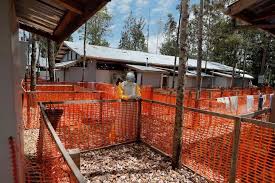
Reports of Ebola outbreak in parts of Africa have prompted a range of reactions and renewed anxiety as the images of health workers in full protective gear, wearing of nose masks, hand washing, social distancing, and other forms of preventive measures are gradually gaining ground.

Folake Adeyemi, a secondary school teacher, expressed concern after hearing about the outbreak of Ebola in DRC on the radio.

“2014 still feels like yesterday. It’s not an experience I would ever want to have. Now I carry hand sanitiser everywhere and I’ve told my students not to share water bottles and wash their hands regularly. Maybe I’m overreacting, but I would rather overreact and be safe,” she said.

A commercial driver, Homa Umeorah said he is following NCDC updates on social media daily but worries about information reaching rural areas.

He said: “I can read the updates online, but my parents in the village don’t use smartphones. If something happens, how will they know? The government needs to use radio and town criers, not just on social media. For now, I’m just going about my business and hoping it doesn’t return.”

Susan Oghenero, a hairdresser, says she has changed how she runs her shop since the news broke.

“We use scissors, clippers, and combs for different people. Since I heard about the outbreak, I have been concerned, but it has always been my practice to sterilise everything after each client and wash my hands between customers. I can only pray we don’t experience that epidemic again.”

WHO, Africa CDC react

The World Health Organization (WHO) reacted swiftly to the outbreak last week following the rapid rise in suspected infections and deaths across affected communities in Central and East African countries.

WHO subsequently declared the outbreak a public health emergency after confirming that at least 81 suspected deaths and over 246 confirmed cases had been recorded in the affected countries as of Sunday, May 17, 2026.

The organisation said the decision followed an assessment of the public health risk posed by the outbreak, the possibility of international spread, and the potential implications for international movement and trade. WHO added that it had issued temporary recommendations to countries responding to the outbreak in line with the International Health Regulations (2005).

As of Wednesday, WHO Director-General, Dr. Tedros Adhanom Ghebreyesus, declared that more than 600 cases and 130 deaths had been recorded, with figures expected to rise. He said the numbers are likely to change as field operations scale up, including strengthened surveillance, contact tracing, and laboratory testing.

“We are deeply concerned about the scale and speed of the epidemic outbreak. This is an indication that the outbreak had been spreading long before it was detected,” he said.

He urged affected countries to activate emergency operation centres, intensify surveillance, strengthen infection prevention and control measures, improve contact tracing, and establish specialised treatment centres. WHO also advised neighbouring countries to strengthen preparedness and rapid response systems.

“No country should shut its borders or impose restrictions on travel and trade. Such restrictions could be disastrous. It could encourage the use of informal and unmonitored border crossings, thereby increasing the risk of disease spread and undermining response operations,” the organisation warned.

The global body encouraged confirmed Ebola patients not to travel internationally except as part of approved medical evacuations, while contacts of infected persons should remain under monitoring for 21 days. Similarly, the Africa Centres for Disease Control and Prevention (Africa CDC) said it has activated strategic measures to support response efforts in affected communities in the DRC and Uganda.

Africa CDC, in a statement, confirmed that it had activated the Incident Management Support Team (IMST), involving all partners as the regional coordinating mechanism for the affected countries.

It also approved a 72-hour Incident Action Plan covering response activities in the DRC and Uganda, as well as preparedness measures in South Sudan. The agency added that it had deployed multidisciplinary surge teams to support the DRC and Uganda, while also providing readiness support for neighbouring countries. It further disclosed that it had also established medical countermeasure workstreams to assess diagnostics, Personal Protective Equipment (PPE), therapeutics, vaccines, and cold-chain needs pending final sequencing results.

Africa CDC mandated its Science, Innovation and Research team to coordinate sequencing follow-up, evidence review, product options, research protocols, and partner engagement.

Nigeria’s experience with Ebola

Nigeria had its share of the Ebola outbreak in 2014. The unexpected outbreak claimed several lives, including Dr. Stella Adadevoh, a consultant physician with First Consultants Hospital in Obalende, Lagos.

On July 20, 2014, Nigeria recorded its index case of Ebola Virus Disease in Mr. Patrick Sawyer, a Liberian-American diplomat infected with the virus.

He collapsed at the Murtala Muhammed International Airport in Lagos and was taken to First Consultants Hospital for treatment. It was during a medical examination that he was diagnosed with EVD.

Late Dr. Adadevoh and her medical team recognised the threat and courageously refused to discharge Mr. Sawyer despite intense political and diplomatic pressure. Their actions prevented the virus from spreading freely within the densely populated city of Lagos.

The outbreak was largely contained in Lagos, although a diplomat who travelled to Port Harcourt caused a secondary cluster of infections. But out of the 20 confirmed and probable cases recorded in Nigeria, eight people died, including Dr. Adadevoh and several healthcare workers, while 12 others recovered. The outbreak exposed deep weaknesses in Nigeria’s healthcare system and prompted gradual improvements in infrastructure, manpower, administration, and emergency response capacity.

Since successfully containing the outbreak in 2014, Nigeria’s public health system has maintained a high level of alertness. The NCDC and state health agencies have continued monitoring Ebola outbreaks in neighbouring regions while sustaining surveillance systems and port health measures aimed at promptly isolating and containing imported cases.

Lagos ready to battle disease

Addressing the concerns, Chairman of the Nigeria Medical Association, (NMA) Lagos Branch, Ewonowo Temidire Sunday, stressed that the state is ramping up infectious disease preparedness across public and private health facilities following the resurgence of the virus.

Ewonowo said Lagos’ position as Nigeria’s main gateway for travel and commerce makes readiness non-negotiable. He cited the state’s experience during the 2014 Ebola outbreak as proof that early action works.

“We understand clearly that preparedness is not optional. The NMA Lagos State Branch has continued to engage doctors across both public and private health institutions on infectious disease preparedness and emergency response protocols.”

According to him, the association is working with the Lagos State Ministry of Health, hospital management boards, and other professional bodies to strengthen training on Ebola case recognition, rapid triage, isolation procedures, infection prevention and control, and proper use of personal protective equipment. He added that healthcare facilities have been urged to reactivate internal surveillance systems and maintain a high index of suspicion among frontline workers. He stressed that preparedness must go beyond tertiary hospitals to include private clinics; primary health centres, and emergency care providers, noting that early detection at every level is key to stopping transmission.

On public communication, he warned that fear, rumours, and misinformation often do more damage during outbreaks by discouraging people from seeking care early. To counter this, the NMA is supporting the state government and health agencies to push out clear, evidence-based information through traditional media, digital platforms, and community outreach.

“Doctors are also being encouraged to serve as trusted voices in their communities by educating patients on symptoms, preventive measures, and the importance of early presentation to health facilities,” he said.

Ewonowo said engagement with religious leaders, market associations, community groups, and local influencers is critical to ensure health messages reach people in languages and formats they trust.

His message to residents is straightforward: “stay calm, rely on credible sources, follow recommended preventive measures, and report suspected symptoms early.”

He declared that panic and misinformation are dangerous, but informed vigilance and collective responsibility will help protect communities.

Urgent need to train health workers

Port-Harcourt-based environmental health practitioner, Nelson Confidence, called for an urgent refresher training for frontline health workers and renewed sensitisation campaigns in rural communities, warning that the renewed Ebola outbreak in Africa poses a serious threat to Nigeria and the wider continent. He said frontline health workers remain the first line of defence against the disease and must be adequately prepared.

“Health workers are like the military when it comes to the fight against disease. Ebola is a disease that spreads easily through different routes of transmission and carries a high morbidity and mortality rate. Frontline health workers should be adequately prepared for it,” Nelson said.

He noted that Nigeria’s successful containment of Ebola in 2014 remains one of Africa’s strongest public health achievements and urged authorities to leverage that experience through intensive refresher training for health personnel.

“Nigeria can leverage that experience by focusing on intensive refresher training. Frontline health workers should receive continuous refresher training,” he said. “There are ongoing efforts but they are not adequate.” He expressed concern that public awareness and hygiene practices introduced during the 2014 outbreak have declined, particularly in rural and underserved areas.

“Since the fight against Ebola in 2014 ended, campaigns against Ebola virus disease have reduced drastically, especially among rural communities and underserved areas. This is a very big problem.

“Hygiene practices that were initiated then have been abandoned, and physical distancing has become a thing of the past. It is imperative that authorities reawaken the moribund campaign against the Ebola virus among rural areas to create consciousness on the prevention, control, and reporting of the disease.”

Nelson stressed that health education remains critical in curbing the spread of infectious diseases and called for immediate mobilisation to sensitise rural communities.

“The advantages of health education in the fight against diseases of this nature cannot be overemphasised. It is imperative that we start mobilisation for the sensitisation of rural areas,” he said.

He cited guidance from the World Health Organisation and Africa CDC, noting that early detection, contact tracing, infection prevention, and community sensitisation remain the most important tools for stopping the spread of Ebola.

Chinedu Ikenga, a medical doctor at Gracevale Medical Centre in Enugu, highlighted that institutional memory from 2014 gives Nigeria an advantage to prepare.

“We learned that speed matters more than anything. In 2014, we had to build systems while fighting the fire. Now those systems exist on paper and in practice. Our challenge is keeping them funded and keeping staff trained when there’s no active outbreak.

“If people don’t believe you’ll treat them fairly, they won’t report symptoms early. That’s how outbreaks get out of hand. We can’t wait for a case to arrive before we act. Health security is national security. The systems we invest in now will determine whether we contain the next outbreak in 48 hours or 48 days.”

Abuja-based medical doctor, Ifeoma Abassah also stated that healthcare workers have already been reminded to maintain a high index of suspicion for patients with fever and recent travel history to affected countries.

“We are reviewing our triage protocols and making sure personal protective equipment is available and accessible. The hardest part is avoiding complacency. When you go months without a case, people start to relax. Ebola doesn’t care about that.

“In the cities, we have more resources. In rural areas, a health worker might be the only person for 20 kilometres. If a case shows up there first, they need clear instructions and support fast. That’s where we need more simulation exercises and funding.”

Sun

UNAAB Commends EFCC for Recovering N27m from Estate Agents

0


The Vice Chancellor of Federal University of Agriculture, Abeokuta, Professor Olusola Babatunde Kehinde, has commended the Economic and Financial Crimes Commission for recovering N27 million belonging to the institution.

In a letter addressed to the Executive Chairman of the EFCC, Ola Olukoyede, Kehinde praised the Commission for its professionalism, resilience, and commitment in securing the recovery of the funds.

The recovered money was reportedly paid by the university in 2011 for a property arrangement aimed at establishing the institution’s Abuja Liaison Office and Guest House.

However, the project failed to materialise due to several administrative and legal challenges, leaving the university unable to secure the buildings.

According to the Vice Chancellor, after exhausting available options without success, the university sought the intervention of the EFCC to recover the funds.

The Commission investigated the matter for two years and eventually succeeded in recovering the money, which was remitted to the university in April 2026.

Kehinde noted that the university deeply appreciates the Commission’s efforts in ensuring justice and accountability in the matter.

He described the recovery as not only a major institutional achievement for the university but also part of the EFCC’s broader success story in safeguarding public resources and strengthening public confidence in the fight against economic and financial crimes in Nigeria.

The Vice Chancellor further disclosed that, beyond recovering and remitting the funds, the Commission had also charged the suspects involved to court.

He concluded by stating that the EFCC’s intervention had reinforced the university’s confidence in the integrity and effectiveness of the anti-graft agency.

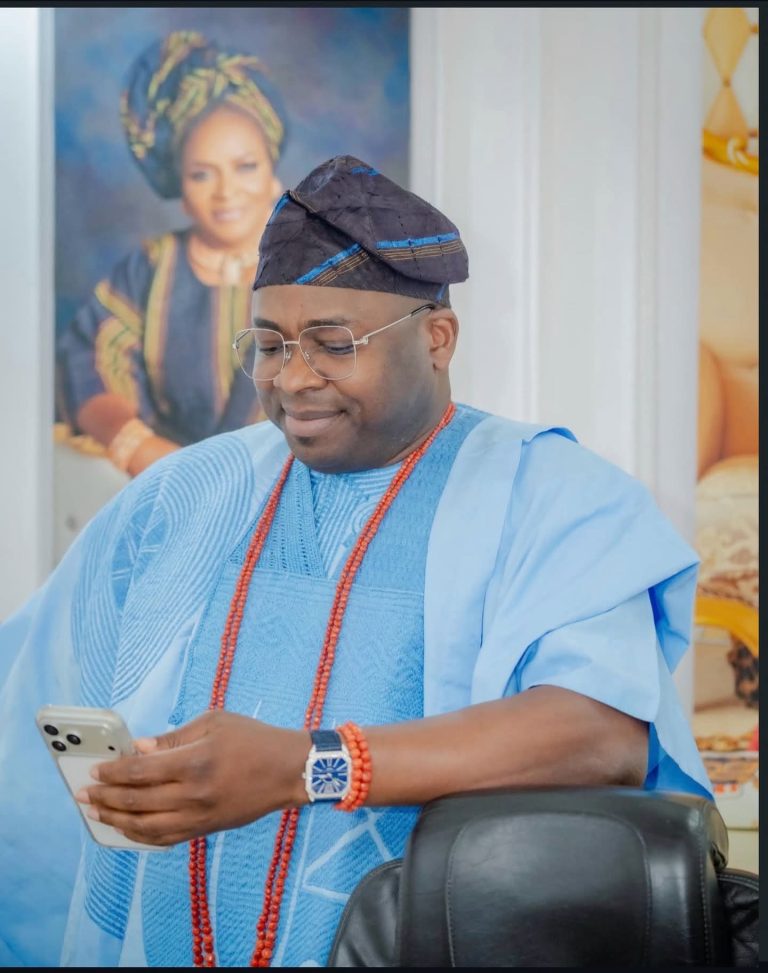
Elegushi Palace Denies Role in Politicians’ Electoral Misfortunes, Warns Against Blackmail

0


The palace of Oba Saheed Ademola Elegushi has dismissed allegations linking the traditional ruler to the failure of some politicians to secure their party tickets ahead of the next general elections, describing the claims as blackmail and an attempt to drag the traditional institution into partisan politics.

In a statement issued by Temitope Oyefeso, Special Assistant on Public Affairs to the monarch, the palace said it had been compelled to respond to what it described as a coordinated media campaign aimed at tarnishing the image of the traditional ruler over the outcome of political contests within a party.

The statement stressed that the palace and the throne of Elegushi remain apolitical and should not be blamed for the inability of certain politicians to secure nominations from their party.

According to the palace, Oba Elegushi remains a father figure to all political actors irrespective of their affiliations and continues to welcome stakeholders across the political divide to his palace.

The palace further recalled that when the monarch’s immediate younger brother once sought elective office, Oba Elegushi asked him to step down after party leaders intervened, insisting that the monarch has consistently stayed above partisan politics.

It added that the traditional ruler remains committed to the peace, unity, and development of Eti-Osa and Lagos State, pledging support for whoever emerges through the democratic process regardless of political party, tribe, or religion.

The palace also cautioned politicians against involving traditional institutions in political disputes, urging them instead to focus on presenting their candidacies to the electorate through legitimate means.

It warned that legal action could be taken against individuals or groups behind the alleged blackmail campaign if such actions persist.
Meanwhile, in a related development, Noheem Adams reportedly accused the traditional ruler of influencing the outcome of a political contest in favour of another aspirant. Adams was quoted as saying that Oba Elegushi should be held responsible if anything happened to what he described as his mandate.

Mati, Kuti Power Nigeria Into WTT Contender Lagos Men’s Doubles Semifinals

0


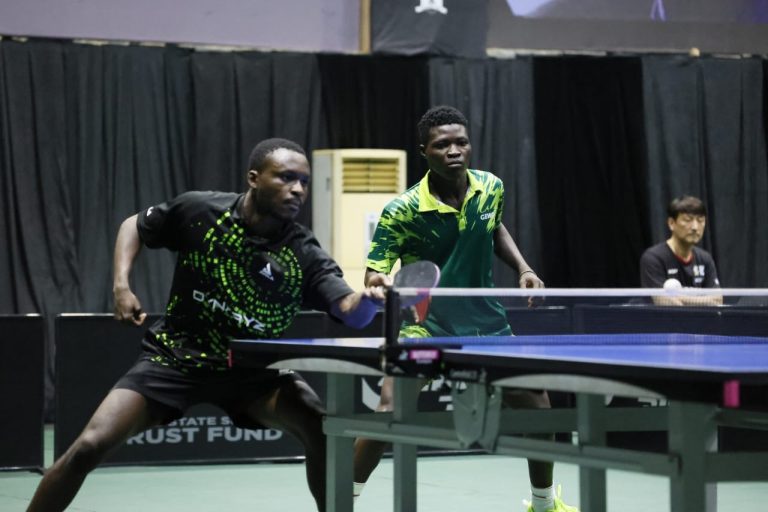
Nigeria’s table tennis faithful have found new heroes in Taiwo Mati and Matthew Kuti after the duo stormed into the semifinals of the Men’s Doubles at the WTT Contender Lagos.

Their impressive run has revived memories of the 2024 edition, when Olajide Omotayo and Azeez Solanke carried Nigeria’s hopes to the final before losing to India’s Manav Thakkar and Harmeet Desai.

This year, Mati and Kuti have taken up the mantle and are determined to etch their names into the tournament’s history.

The Nigerian pair began their campaign in commanding fashion, sweeping aside opponents from Ghana in the opening round to signal their intent.

Their quarterfinal clash, however, proved more emotional as they faced fellow Nigerians David Fayele and Amidu Lawal.
In a fiercely contested all-Nigerian encounter, Mati and Kuti held their composure to secure victory and book a place in the last four.

Standing between the duo and a place in the final are India’s Thakkar and Manush Shah. Despite the daunting challenge ahead, Nigeria is already guaranteed a podium finish in the event.

For the host nation, the achievement carries added significance, as the doubles campaign could yet deliver Nigeria’s only medal at this year’s championship — one earned through resilience, teamwork, and determination.

In Lagos, where table tennis enjoys passionate support, Mati and Kuti’s success serves as another reminder of Nigeria’s enduring strength in doubles competition and the ability of its players to rise on the big stage.
De Nodrest’s Lagos Return Ends in Disappointment
Meanwhile, French star Leo De Nodrest saw his campaign at the tournament come to an earlier-than-expected end.
De Nodrest first captured attention in Lagos in 2025
when he emerged from the qualifying rounds to reach the semifinals of the Men’s Singles, eventually losing to eventual champion Anders Lind.

That breakthrough performance marked the beginning of his rise on the international circuit and established Lagos as a special venue in his career.
Returning this year as one of the tournament’s seeded players, the Frenchman entered directly into the main draw and opened his campaign impressively with a straight-sets 3–0 victory over India’s Sanil Shetty.

However, his journey ended on Friday, May 22, after a 3–1 defeat to Korea Republic’s Oh Junsung.
For De Nodrest, once one of Lagos’ standout stories, the defeat marked a disappointing conclusion to a tournament where he had hoped to recreate the magic of his remarkable 2025 run.

#EkitiDecides2026 : INEC Boss Inspects Election Preparations ahead of Ekiti Election

0


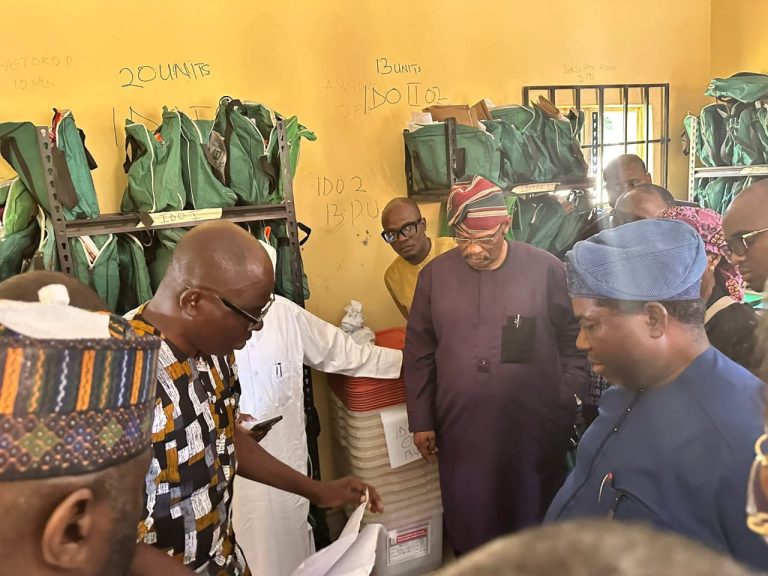
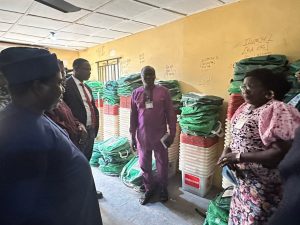
In continuation of the Commission’s routine pre-election activities, the INEC Chairman, Prof. Joash Ojo Amupitan (SAN), accompanied by National Commissioners and senior officials of the Commission, paid inspection visits to Ido/Osi and Oye Ekiti Local Government Areas to assess the level of preparedness ahead of the polls.

During the visits, the team evaluated the quantity and condition of electoral materials already received, while also reviewing the organizational arrangements being put in place by officials at the local government offices.

The inspection tour formed part of INEC’s strategic measures aimed at ensuring all logistics and operational plans are fully in place before election day.


The visits also provided an opportunity for the Hon Chairman INEC and his team to interact with field officers and monitor firsthand the progress made in key areas of election planning and coordination.

APC Finalises Governorship Primaries Ahead of 2027 Elections

0


The All Progressives Congress (APC) has intensified political activities across the country as it concludes governorship primary elections ahead of the 2027 general elections, with several incumbent governors, prominent political figures, and consensus candidates emerging victorious in different States.

The outcomes of the primaries are widely seen as a major step in the ruling party’s preparations for another nationwide electoral contest.

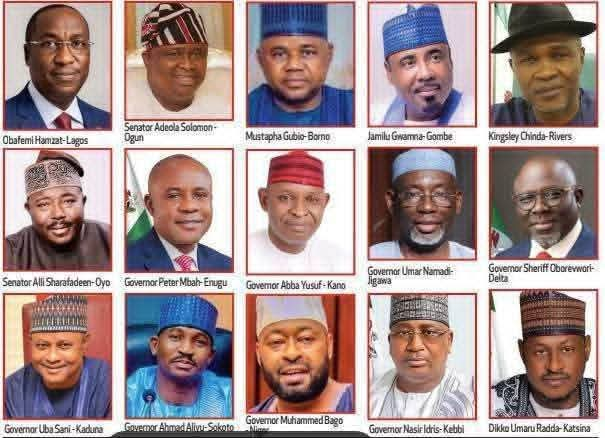
In Lagos State, Deputy Governor Obafemi Hamzat emerged as the APC governorship candidate after securing 657,917 votes to defeat Lanre Kamal, who polled one vote during the party’s primary election.

In Ogun State, Senator Solomon Adeola clinched the party’s ticket with 304,055 votes, while Governor Uba Sani recorded a landslide victory in Kaduna State with 459,393 votes.
Governor Sheriff Oborevwori also secured victory in Delta State after polling 345,375 votes.

In Akwa Ibom and Ebonyi states, Governors Umo Eno and Francis Nwifuru respectively emerged through consensus arrangements.

Similarly, Governors Bassey Otu, Dikko Radda, Nasir Idris, and Umar Namadi all secured their tickets through consensus.

One of the fiercest contests was recorded in Gombe State, where Jamilu Gwamna defeated former Minister of Communications and Digital Economy, Isa Pantami, as well as former Minister of Transportation, Saidu Ahmed Alkali.

Gwamna polled 247,161 votes to secure the APC ticket.
In Rivers State, Ogundu Kingsley Chinda emerged as the party’s governorship candidate after polling 268,497 votes. His emergence followed the withdrawal of three aspirants, including Governor Siminalayi Fubara, paving the way for a consensus-backed contest.

Elsewhere, Eric Opah defeated Henry Ikoh in Abia State, polling 126,977 votes against Ikoh’s 5,905 votes. In Borno State, Mustapha Gubio emerged through consensus.
Governors Ahmad Aliyu, Umaru Bago, and Dauda Lawal also secured their party tickets through consensus arrangements.
Meanwhile, primaries are yet to be concluded in some states.

Adamawa and Oyo states are awaiting final official announcements, although Ahmed Galadima and Senator Sharafadeen Alli are reportedly leading in their respective contests.
The APC also postponed governorship primaries in Bauchi, Kwara, and Nasarawa states, with the exercises expected to continue today. In Plateau, Taraba, and Yobe states, leading aspirants are widely expected to emerge victorious as collation of results continues.

The party leadership commended members for maintaining peace and unity throughout the primary elections, describing the exercise as transparent, democratic, and reflective of the APC’s internal strength ahead of the 2027 general elections.
The party further clarified that governorship primaries were not conducted in Anambra, Bayelsa, Edo, Ekiti, Imo, Kogi, Ondo, and Osun states due to their off-cycle election schedules.

Political observers believe the outcome of the APC governorship primaries will play a significant role in shaping the political landscape ahead of the 2027 general elections as the ruling party moves to consolidate its influence across the federation.

NAFDAC Destroys Counterfeit, Expired and Unwholesome Products Worth Over ₦1.8 Billion in Abuja

0

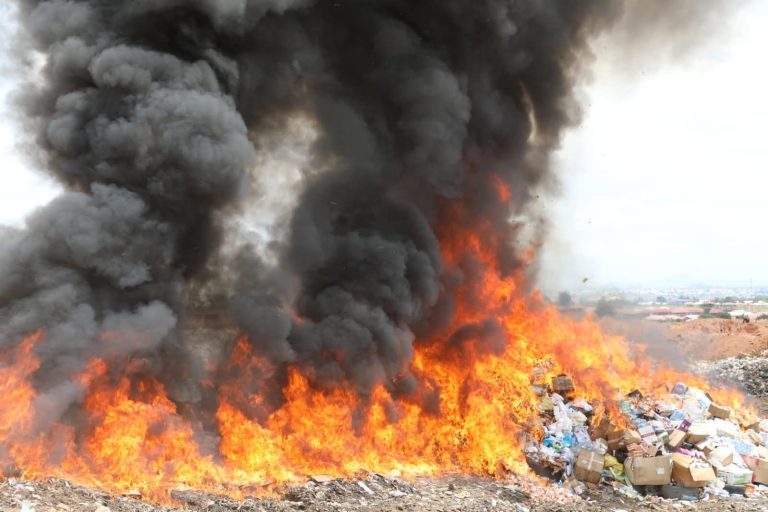
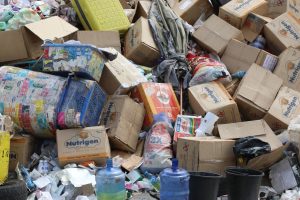
NAFDAC has destroyed counterfeit, substandard, falsified, expired and unwholesome regulated products valued at over ₦1.8 billion at the Kuje dumpsite in the Federal Capital Territory (FCT).

The destruction exercise involved the incineration of counterfeit medicines, banned sachet alcohol, expired pharmaceuticals, fake chemicals and other unsafe products seized across Abuja and surrounding areas, including items voluntarily submitted by companies, NGOs, and the Association of Community Pharmacists of Nigeria (ACPN).

Speaking during the exercise, the Director-General of NAFDAC, Prof. Mojisola Adeyeye, represented by the Director of Investigation & Enforcement, Dr. Martins Iluyomade, warned that counterfeit drug syndicates now deploy sophisticated cloning techniques to imitate genuine products, making it increasingly difficult for consumers to identify fake items.

He disclosed that the Agency recently intercepted several containers of suspicious products falsely declared to evade detection at the ports, stressing the need for stronger inter-agency collaboration and public vigilance.

NAFDAC reiterates that the destruction exercise demonstrates the Agency’s commitment to ensuring that seized products do not re-enter circulation. The Agency also reaffirms its commitment to enforcing the ban on alcoholic beverages packaged in sachets and PET bottles below 200ml, warning that enforcement actions and prosecution will extend to traders found in possession of such products.

NAFDAC urges Nigerians to avoid patronising suspiciously cheap medicines and other regulated products, and to report suspicious activities to the nearest NAFDAC office or the NAFDAC Call Centre.