Home Blog Page 312

Obasa Attends 17th Annual Judges’ Retreat in France, Advocates Judicial Reforms

0


BY TAIWO OGUNMOLA -OMILANI

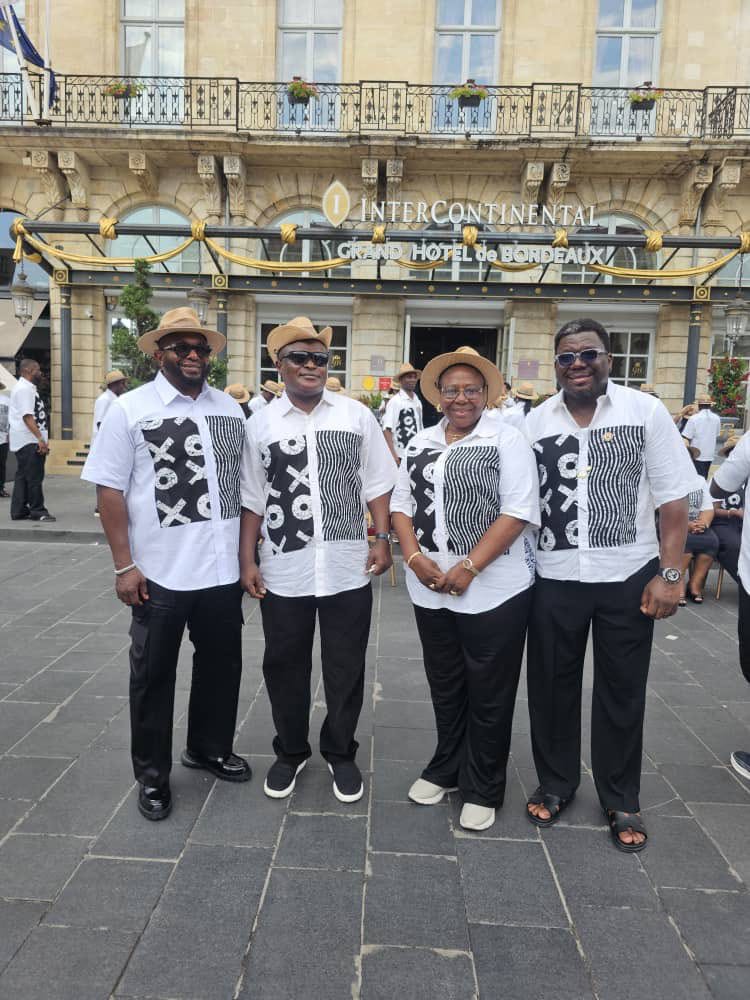
Speaker of the Lagos State House of Assembly, Rt. Hon. Mudashiru Obasa, has joined judges, legal practitioners and other stakeholders at the 17th Annual Judges’ Retreat in Bordeaux, France, where participants are exploring strategies to improve judicial efficiency and strengthen the administration of justice.

The retreat, themed “Enhancing Judicial Productivity: From Institutional Reform to Measurable Results,” provides a platform for discussions on reforms aimed at enhancing the performance of judicial institutions and delivering measurable outcomes that will boost public confidence in the justice system.

Obasa said the gathering offers an opportunity for meaningful dialogue on strengthening judicial institutions, advancing reforms that improve efficiency, and ensuring that the administration of justice remains effective and responsive to the needs of the people.

The Speaker stressed the importance of collaboration between the Legislature and the Judiciary, describing both arms of government as indispensable partners in deepening democratic governance.

According to him, engagements such as the annual retreat will help drive institutional reforms, strengthen democratic institutions, and promote a justice system that is more efficient, accountable and reflective of the aspirations of Nigerians.

The annual Judges’ Retreat brings together judicial officers, legal experts and policymakers to deliberate on contemporary issues affecting the justice sector and to develop practical solutions for improving judicial productivity.

Planned WAEC, NECO registration fees hike suspended

0


WAEC NECO logos
The federal government has suspended the proposed review of registration fees for the 2027 West African Senior School Certificate Examination (WASSCE) and the National Examinations Council (NECO) Senior School Certificate Examination (SSCE).

The decision appears to have followed public outcry and concerns and is aimed at ensuring broader stakeholder participation.

In a statement on Monday, the Federal Ministry of Education confirmed that it had withdrawn its 18 June 2026 letter conveying the proposed fee adjustment to allow for comprehensive consultations before any final decision is taken.

According to the ministry, the decision followed constructive feedback from Nigerians and reflects the federal government’s commitment to inclusive, transparent, and evidence-based policymaking.

The ministry explained that the proposed increase had been necessitated by prevailing economic realities and the rising cost of conducting credible national examinations.

It noted that registration fees for the examinations have remained largely unchanged for several years despite escalating operational expenses, including logistics, security, printing of examination materials, technology deployment, quality assurance, and other services required to safeguard the integrity of public examinations.

However, the Minister of Education, Dr Tunji Alausa, directed that the proposal be put on hold pending extensive consultations with critical stakeholders.

The ministry said the decision demonstrates the government’s resolve to ensure that policies affecting millions of students and their families are carefully considered and reflect the nation’s collective interests.

As part of the review process, the ministry said it would engage examination bodies, state ministries of education, school proprietors and administrators, parents’ associations, organised labour, and other education stakeholders to ensure that any future decision is fair, sustainable, and responsive to current economic realities.

It stressed that the proposed review of examination registration fees would not take effect, as previously communicated, until the consultation process is concluded.

The ministry, however, reaffirmed the federal government’s commitment to protecting students’ welfare and expanding equitable access to quality education.

It noted that responsible policy decisions remain central to President Bola Ahmed Tinubu’s Renewed Hope Agenda for the education sector and also thanked Nigerians for their understanding, assuring the public that it would continue to provide updates throughout the consultation process.

Sun

Kano govt rejects disputed population, social figures

0


The Kano State government has rejected a report containing figures on the state’s population, industries, mosques, churches, and the number of underage children without parents roaming its streets.

A statement signed by the Director-General of the Kano State Bureau for Statistics (KSBS), Suraj Suleiman, noted that the report did not emanate from the Bureau and was not related to any of its official statistical findings.

“The publication contains misleading and unsubstantiated claims regarding the population of Kano State, the number of industries, mosques, churches, and the population of underage children allegedly roaming the streets without parents,” the statement declared.

The statement added that, “For the avoidance of doubt, the number of active industries, including micro, small, medium and large-scale enterprises – currently (in the state) stands at 3,632 based on the validated industry census conducted by KANINVEST in collaboration with the Bureau and not 58.”

The disclaimer also stated that the report was wrong on the number of worship places in the state, adding that it failed to provide any credible evidence to validate its claim regarding the number of worship places.

The Bureau also described as false, grossly exaggerated, and unsupported by official statistics the claim by the report that the state has a total of 3.67 million parentless, underage children roaming its streets.

According to the Bureau, “A validated KSBS mapping exercise identified 6,573 street beggars in the state, of whom only 457 (7 per cent) were children aged 9-10 years.”

The Bureau cautioned individuals, organisations, research institutions and development partners intending to conduct statistical surveys or data collection exercises to obtain prior clearance and official approval from the Bureau.

The Bureau challenged the publisher of the report, Garba Adamu, to make public his research methodology, data sources, and any evidence supporting the publication, while urging him to retract the report and issue a public correction within 48 hours.

Sun

Cats in the chamber, tigers on Facebook: Shehu Sani calls out Kaduna lawmakers

0


Former Kaduna Central Senator and the All Progressives Congress (APC) senatorial candidate for Kaduna Central in the 2027 election, Shehu Sani, on Monday, accused Kaduna lawmakers in the National Assembly of lacking the courage to openly challenge government policies on the floor of their chambers.

In a statement posted on his Facebook page, Sani described the lawmakers as “cowardly, dubious, and comical opposition members of the upper chamber,” alleging that they prefer criticising government actions on social media rather than engaging in legislative debates.

According to him, the senators failed to oppose foreign loan requests, the removal of fuel subsidy, the proposed state police legislation, and the worsening security situation during Senate proceedings, choosing instead to air their views on Facebook.

“They don’t have the boldness to stand on the floor of the chamber to oppose foreign loans; they rather turn to Facebook.

“They can’t stand on the floor to oppose the withdrawal of subsidy; they seek refuge on Facebook.

“They can’t challenge the bill on state police on the floor; they make their noise on Facebook.

“They can’t stand on the floor to speak about insecurity; they murmur on Facebook,” Sani wrote.

Without mentioning any senator by name, he also accused one lawmaker of seeking the release of his “master” from prison but lacking the courage to formally raise the matter before the Senate.

Sani attributed what he described as the lawmakers’ conduct to “fear, hypocrisy, self-doubt over what they portray themselves to be, lack of self-confidence, or personal problems with public speaking.”

He referred to them as “Cats in the Chamber and Tigers on Facebook.”

Shehu Sani represented Kaduna Central in the Eighth Senate and is seeking to return to the Red Chamber in the 2027 general election under the platform of the APC.

None of the Kaduna senators had responded to the allegations as of the time of filing this report.

Sun

Kano Governor Abba Yusuf Picks Deputy Garo as 2027 Running Mate

0


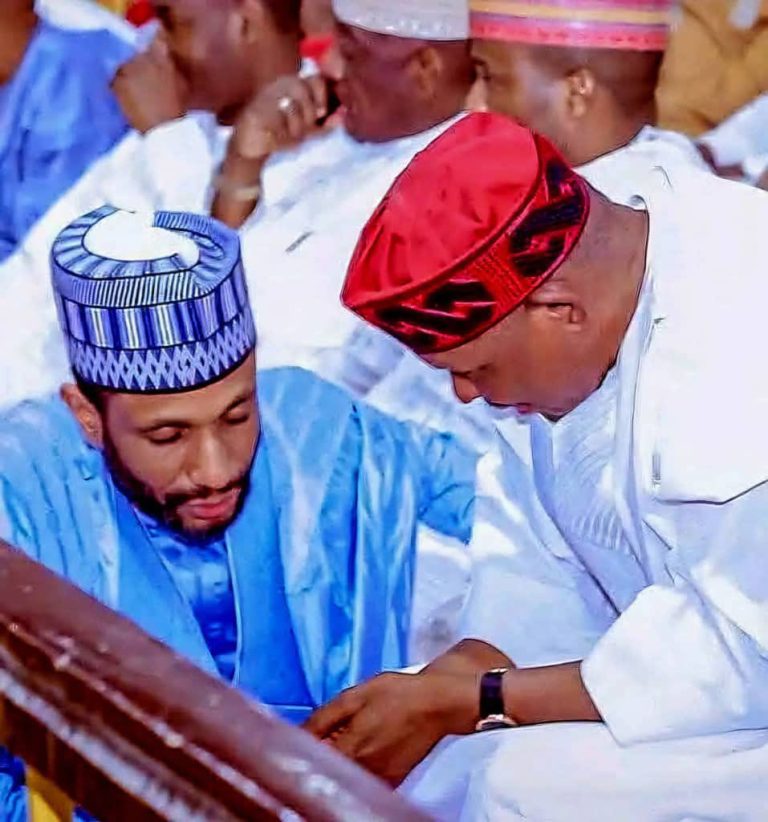
Kano State Governor, Alhaji Abba Yusuf, has officially named his Deputy Governor, Murtala Sule Galadima Garo, as his running mate for the 2027 governorship election, setting the stage for a continuity ticket.

The announcement was made on Monday during a strategic meeting with Federal Political Appointees serving under President Bola Ahmed Tinubu at the Kano Governor’s Lodge in Abuja.

In a statement issued shortly after the meeting, Governor Yusuf’s spokesman, Sunusi Bature Dawakin Tofa, said the decision was based on Garo’s proven loyalty, dedication, and contributions to the state’s development since the current administration took office.

Governor Yusuf expressed strong satisfaction with the partnership, describing Garo as a reliable and effective deputy.

“I have no regrets for choosing Garo as my Deputy in the last few months, and he has proven to be the right choice so far. I want to confirm to you that I have every confidence in him,” the Governor said.

He further passed a vote of confidence on the Deputy Governor, praising his competence, unwavering commitment, and strong sense of responsibility in driving the administration’s agenda.

The Governor called on party leaders, political appointees, and supporters to remain united and committed as the government focuses on consolidating its achievements while preparing for the 2027 polls.

FG Suspends Proposed Increase Of WAEC/ NECO Examination Registration Fees

0


Federal Government has suspended the proposed review of registration fees for the 2027 West African Senior School Certificate Examination (WASSCE) and the National Examinations Council (NECO) Senior School Certificate Examination (SSCE).
Federal Ministry of Education says the fee adjustment proposal contained in its 18 June 2026 letter has been withdrawn pending broader stakeholder consultations.

The Ministry explains that the proposed increase was driven by rising costs associated with conducting credible national examinations.

However, the Minister of Education, Dr. Maruf Tunji Alausa, directs that the proposal be placed on hold in line with the Federal Government’s commitment to inclusive, transparent and evidence-based policymaking.

The Ministry says it will engage examination bodies, State Ministries of Education, school proprietors, parents, organised labour and other stakeholders before any decision is taken.

It stresses that the proposed fee review will not take effect until consultations are concluded and reaffirms its commitment to protecting students’ welfare.

PHOTOS: Rescued Principal’s husband gives emotional thanksgiving

0


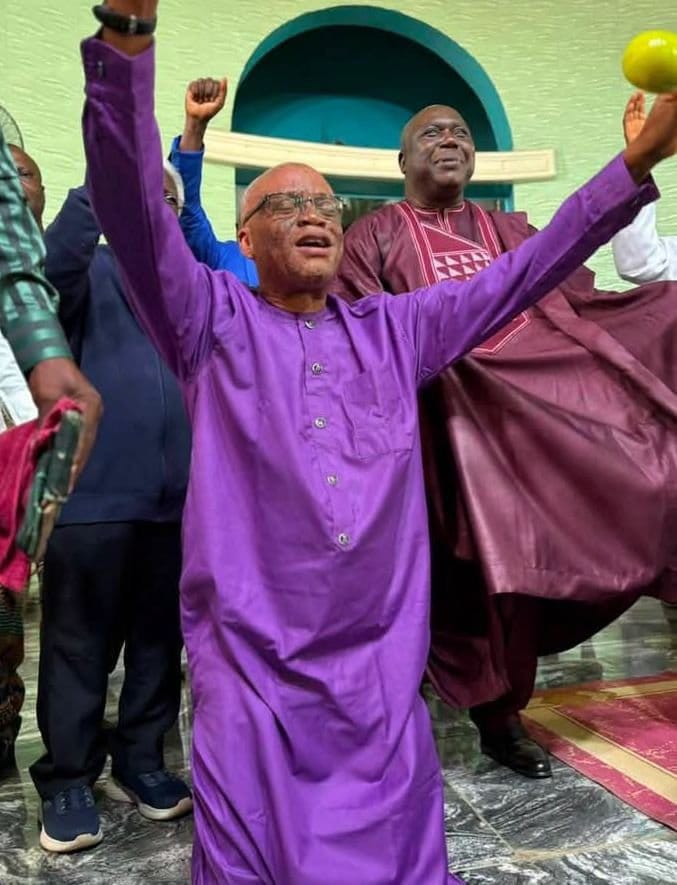
Professor Alamu, husband of the rescued Principal of Community High School, Esiele, in Oriire Local Government Area of Oyo State, expressed deep gratitude during a family thanksgiving service held after his wife’s safe rescue.

The thanksgiving service was attended by family members, friends and well-wishers, who joined the family in celebrating her safe return after the traumatic ordeal.
-—

TheNation

Obi Hails Suspension of Examination Fees, Says Decision Is Victory for Nigerians

0


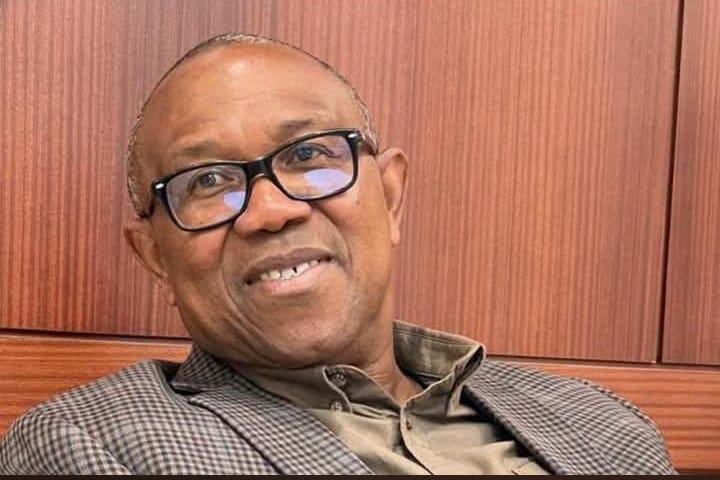
Labour Party presidential candidate in the 2023 election, Peter Obi, has welcomed the suspension of the newly introduced examination fees, describing the decision as a victory for the Nigerian people.

In a statement on Monday, Obi commended the authorities for responding to widespread public outcry by suspending the policy but maintained that the fees should never have been introduced in the first place, given the country’s current economic challenges.

According to him, imposing additional financial obligations on families at a time of widespread hardship would have further limited access to education and worsened Nigeria’s out-of-school children crisis.

Obi argued that education is a fundamental right and a public good that should be funded by the government rather than used as a source of revenue.

He said introducing multiple fees at the basic education level risks denying many children access to schooling, stressing that the government has a responsibility to invest in education and equip young Nigerians for productive lives instead of creating financial barriers.

The former Anambra State governor added that true leadership involves not only making decisions but also having the humility to reverse policies that impose unnecessary hardship on citizens.

He urged the government to similarly review other policies that he described as anti-people, while thanking parents, citizens and advocacy groups whose sustained advocacy contributed to the suspension of the examination fees.

Obi concluded by reiterating his campaign slogan: “A New Nigeria is Possible.”

Planned WAEC, NECO registration fees hike suspended

0

WAEC NECO logos
The federal government has suspended the proposed review of registration fees for the 2027 West African Senior School Certificate Examination (WASSCE) and the National Examinations Council (NECO) Senior School Certificate Examination (SSCE).

The decision appears to have followed public outcry and concerns and is aimed at ensuring broader stakeholder participation.

In a statement on Monday, the Federal Ministry of Education confirmed that it had withdrawn its 18 June 2026 letter conveying the proposed fee adjustment to allow for comprehensive consultations before any final decision is taken.

According to the ministry, the decision followed constructive feedback from Nigerians and reflects the federal government’s commitment to inclusive, transparent, and evidence-based policymaking.

The ministry explained that the proposed increase had been necessitated by prevailing economic realities and the rising cost of conducting credible national examinations.

It noted that registration fees for the examinations have remained largely unchanged for several years despite escalating operational expenses, including logistics, security, printing of examination materials, technology deployment, quality assurance, and other services required to safeguard the integrity of public examinations.

However, the Minister of Education, Dr Tunji Alausa, directed that the proposal be put on hold pending extensive consultations with critical stakeholders.

The ministry said the decision demonstrates the government’s resolve to ensure that policies affecting millions of students and their families are carefully considered and reflect the nation’s collective interests.

As part of the review process, the ministry said it would engage examination bodies, state ministries of education, school proprietors and administrators, parents’ associations, organised labour, and other education stakeholders to ensure that any future decision is fair, sustainable, and responsive to current economic realities.

It stressed that the proposed review of examination registration fees would not take effect, as previously communicated, until the consultation process is concluded.

The ministry, however, reaffirmed the federal government’s commitment to protecting students’ welfare and expanding equitable access to quality education.

It noted that responsible policy decisions remain central to President Bola Ahmed Tinubu’s Renewed Hope Agenda for the education sector and also thanked Nigerians for their understanding, assuring the public that it would continue to provide updates throughout the consultation process.

Sun

First floating LNG project: UTM Offshore targets September final investment decision

0

First floating LNG project
With financing secured, UTM Offshore says it is on track to take a Final Investment Decision on Nigeria’s first floating LNG project in September, paving the way for construction to begin in the first quarter of next year. Speaking to CNBC Africa at Nigeria Oil and Gas Week in Abuja, Group Managing Director, Julius Rone said the project will support gas monetisation, reduce gas flaring, strengthen domestic Liquefied Petroleum Gas supply and position Nigeria as a more attractive destination for energy investment.

UTM Offshore said it is aiming to take a final investment decision in September on what would become Nigeria’s first floating liquefied natural gas project, marking a key step for a development the company says could unlock stranded offshore gas, curb flaring and strengthen domestic fuel supply.

Speaking to CNBC Africa on the sidelines of Nigeria Oil and Gas Week in Abuja, UTM Offshore Group Managing Director Julius Rone said the project now has financing in place, giving it the momentum needed to move from agreements and contracting into execution.

Today is a great day for not just Nigeria, for the world, because in signing this gas agreement underpins that this project can proceed into the next stage,” Rone said, adding that the deal creates the certainty needed to advance the project through final investment decision, financing closeout and constructionAccording to Rone, UTM Offshore is working toward an FID in September, with additional milestones planned before year-end.

He said the company expects to sign the gas supply agreement and the engineering, procurement, construction, installation and commissioning contract before Christmas, allowing construction to start in the first quarter of next year.

The timeline is significant for Nigeria’s gas sector, which has long struggled to monetize substantial offshore resources, much of them stranded due to limited infrastructure. Floating LNG, or FLNG, is designed to process natural gas at sea, directly at or near the field location, allowing companies to liquefy and export gas without waiting for extensive onshore pipelines and processing plants.

Rone framed the project as a strategic response to that challenge. Nigeria, he said, has “a lot of gas resources that are stranded offshore,” while FLNG offers a proven way to process gas where it is produced, export volumes meant for international buyers and channel some products back into the domestic market.

One of the clearest local benefits cited by UTM Offshore is liquefied petroleum gas supply. Rone said more than 300,000 tons of LPG would be brought back into Nigeria to support the domestic market. That could help reduce the country’s reliance on imported LPG while expanding access to cleaner cooking fuel for households.

The domestic angle is increasingly important as Nigeria seeks to widen the use of gas under its broader energy transition strategy. LPG is seen as a cleaner alternative to traditional biomass fuels commonly used in homes, and wider penetration could help reduce indoor air pollution and deforestation.

Rone argued that the project could therefore generate both industrial and social benefits. By improving LPG availability, he said, the development would support cleaner cooking adoption and help move households, particularly women in rural and underserved communities, away from more polluting and less efficient energy sources.

UTM Offshore also cast the project as an environmental play, particularly in relation to gas flaring. Rone said part of the gas earmarked for the project is currently being flared, meaning the FLNG facility would capture gas that might otherwise be wasted and process it into LNG and LPG instead.

“That automatically you’re saving the environment,” he said.

Gas flaring has been a longstanding issue in Nigeria’s oil and gas industry, drawing scrutiny from regulators, communities and climate-focused investors. Converting flare gas and rejected gas into commercial products could improve project economics while aligning with pressure on producers to lower emissions and improve environmental performance.

Rone said the company has carried out significant environmental, social and governance work around the project and built eco-friendly systems into the floating LNG facility to minimize harm to surrounding communities and marine ecosystems. He said the design is intended to avoid polluting water and degrading the environment within the project’s area of operation.

Beyond the first development, UTM Offshore signaled broader ambitions to build out a pipeline of FLNG projects in Nigeria. Rone said the company is already looking at “Project 2 and Project 3,” drawing inspiration from Mozambique’s offshore LNG development path, where successive floating LNG projects have followed the first installation.

He said the strategy is centered on offshore stranded gas and fits with a wider push in Nigeria to prioritize gas development. Rone noted that the Nigerian National Petroleum Company is a partner in the project with a 20% stake, alongside other stakeholders, and said the latest gas agreement should help open the door to the construction phase.

The comments come as African energy projects attract renewed attention from investors seeking supply diversification amid geopolitical disruptions. Rone argued that recent instability affecting traditional energy routes has sharpened international interest in Africa as an alternative source of supply.

“We’re looking at a huge investment flow into the African continent,” he said, adding that in his view the next 12 months could bring a surge in capital as global buyers and investors look for new, reliable export sources.

For international investors considering Nigeria specifically, Rone said trusted local partnerships would be essential. He described UTM as a credible local operator that has worked to build its reputation and attract global capital, while insisting that Nigeria is becoming more aligned with international business standards.

His message was that the country is increasingly open for business, with stronger investor confidence and fewer of the concerns that once discouraged foreign participation. Whether that optimism translates into project execution will likely depend on UTM Offshore meeting its September FID target and locking in the commercial and engineering agreements needed to begin construction in early 2026.

If it does, the project would mark a milestone for Nigeria’s gas industry: the launch of its first floating LNG development and a potentially important test case for how the country can commercialize offshore gas, reduce flaring and deepen its position in global energy markets.

Sun