Home Blog Page 293

BREAKING: Ansaru Terrorist Group Commanders Plead Guilty To Terrorism, Kidnapping Charges

0

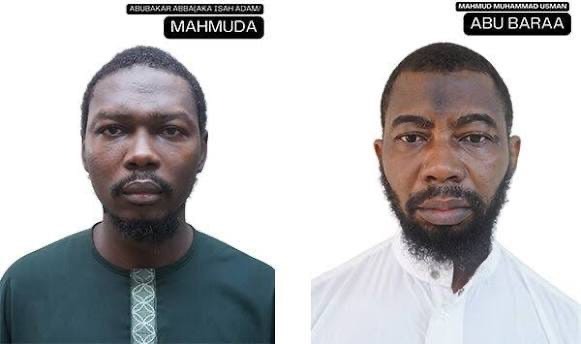
Two Ansaru commanders Mahmud Usman and Abubakar Abba have pleaded guilty to a 32-count charge bordering on terrorism financing, kidnapping for ransom, illegal mining, funding terrorism, and the fabrication of Improvised Explosive Devices (IEDs), among other offences.

The defendants are also known as Mahmud Al-Nigeri and Abu Baraa also pleaded guilty to coordinating sleeper cells, planning attacks, and maintaining links with terrorist groups operating across the Sahel and Maghreb regions.

The defendants changed their plea from not guilty to guilty before Justice Emeka Nwite of the Federal High Court Abuja.

The defendants had at the last adjourned date informed the court of their intention to change their plea.

At their initial arraignment, Mahmud Usman pleaded guilty to one count of illegal mining to finance terrorism and the procurement of arms.

He was convicted and sentenced to 15 years imprisonment on that count but pleaded not guilty to the remaining 31 charges.

Abubakar Abba pleaded not guilty to all the charges.

At the day’s proceedings, they were re-arraigned wherein they both changed their plea to guilty

In view of their guilty plea the prosecuting counsel David Kwase, prayed the court to convict the defendant immediately on all 32 counts in line with section 274(2) of the Administration of Criminal Justice Act 2015

The defendant’s counsel noted that despite the unequivocal plea of guilty by the defendants, the court should take cognizance of the fact that the change of plea by the defendants is to convey a message of repentance.

Ex-Warri refinery MD gets N500m bail after EFCC arraignment over ‘money laundering’

0

The Economic and Financial Crimes Commission (EFCC) has arraigned Jimoh Yisawu, former managing director of the Warri Refining and Petrochemical Company Limited (WRPC), before a federal high court in Abuja on an eight-count charge of alleged money laundering.

Yisawu pleaded not guilty to the charges when they were read before Inyang Ekwo, the trial judge, on Monday.

thecable

NRS Sets July 31 Deadline for Large Taxpayers to Adopt E-Invoicing System

0


BY TAIWO OGUNMOLA -OMILANI


The Nigeria Revenue Service (NRS) has set July 31, 2026, as the deadline for all large taxpayers to fully adopt the national e-invoicing and Electronic Fiscal System (EFS).

The directive follows a public notice issued by the NRS on February 17, 2026, outlining the implementation timeline and mandatory adoption of the National E-Invoicing and EFS, also known as the Merchant Buyer Solution (MBS).

NRS Chairman, Zacch Adedeji, who personally signed the notice, directed all large taxpayers to complete their onboarding, integration, testing, and commencement of invoice transmission to the NRS e-invoicing platform in line with the approved implementation framework.

According to a statement issued on Sunday by the Chairman’s Special Adviser on Media, Dare Adekanmbi, the NRS has already commenced compliance monitoring to assess adherence to the e-invoicing mandate among large taxpayers.

The statement warned that defaulting taxpayers could face regulatory and enforcement actions in accordance with relevant tax laws and regulations.

It urged affected companies to urgently conclude all outstanding onboarding and integration activities and begin transmitting invoices before the July 31 compliance deadline.

“The NRS appreciates the cooperation of taxpayers and remains committed to providing the necessary support to ensure the successful implementation of the national e-invoicing regime,” the notice stated.

Large taxpayers are defined as companies with an annual gross turnover of ₦5 billion and above. As of the first quarter of 2026, more than 1,000 companies had complied with the directive.

To achieve compliance, affected taxpayers are required to complete onboarding on the NRS Merchant Buyer Solution (MBS), successfully integrate their systems through approved Access Point Providers (APPs) or Systems Integrators (SIs), complete all validation and testing processes, actively transmit invoices to the NRS e-invoicing platform in line with approved standards, and ensure they receive only compliant e-invoices bearing valid Invoice Reference Numbers (RINs) from suppliers.

Court Grants ₦2 Billion Bail to Miyetti Allah President Bello Bodejo

0


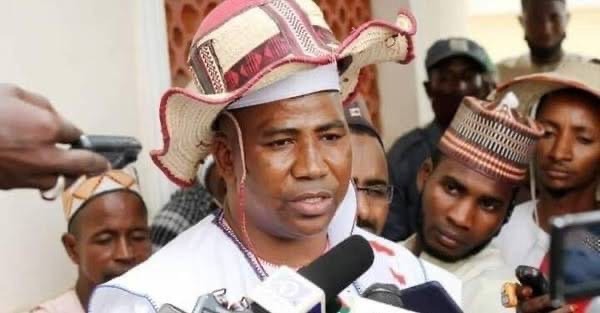
Justice Inyang Ekwo of the Federal High Court in Abuja has granted bail to the National President of Miyetti Allah Kautal Hore, Bello Bodejo, in the sum of ₦2 billion with two sureties in like sum.
Justice Ekwo ruled that the sureties must be responsible individuals. One of the sureties must own landed property within the Abuja Municipal Area Council (AMAC), while the other must provide tax clearance certificates for the 2023, 2024, and 2025 tax years.

The court registrar is to verify all documents and details submitted by the sureties before the bail conditions are deemed satisfied.

The court also ordered Bodejo to surrender his travel documents.

The Nigeria Immigration Service has been notified, and he is barred from leaving the country or travelling outside the court’s jurisdiction without prior approval.

The matter was adjourned to October 5, 6, and 7, 2026, for the continuation of trial.

Bodejo was arraigned on July 9, 2026, by the Economic and Financial Crimes Commission (EFCC) on a 12-count charge bordering on alleged money laundering involving $2.33 million. He pleaded not guilty to all the charges.

BREAKING: Court Grants N2bn Bail to Miyetti Allah National President, Bello Badejo

0


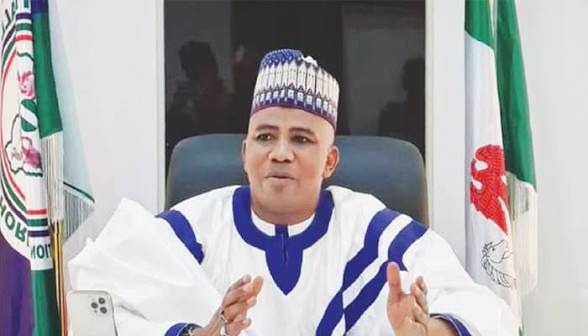
The court has granted bail to the National President of Miyetti Allah, Bello Badejo, in the sum of N2 billion. The ruling was delivered on Monday.

Details later…

tvc

Troops Arrest Suspected Sudanese Terrorist Fighter, Alleged Illegal Immigrant in Borno

0


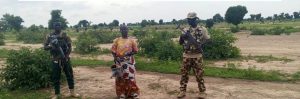
Troops of Sector 4, Operation HADIN KAI (OPHK), have arrested a suspected foreign terrorist fighter and an alleged illegal immigrant during a security operation in Lassa, Dille General Area of Askira/Uba Local Government Area of Borno State.

The statement was signed by Captain Mohammed Goni, Acting Military Information Officer, Headquarters Joint Task Force (North East), Operation HADIN KAI, Maiduguri.

The operation was carried out by troops of the 115 Task Force Battalion at about 11:48 a.m. on July 19, 2026, as part of ongoing intelligence-driven counter-terrorism operations across the North East.

According to the military, the troops arrested 32-year-old Musa Fashir, a Sudanese national suspected to be a foreign terrorist fighter and collaborator. Preliminary intelligence indicates that the suspect has established links with terrorist elements, raising concerns over attempts by foreign actors to support insurgent activities in the region.

The troops also apprehended Mary Florence, 36, who claimed to be an illegal immigrant from the Republic of Ghana.

The military said the circumstances surrounding her presence in the area, as well as the authenticity of her claims, are currently under investigation.

Both suspects are in military custody undergoing preliminary profiling and interrogation to establish their identities, determine the extent of their activities, and ascertain any possible links to terrorist or transnational criminal networks.

The military said the arrests underscore the effectiveness of Operation HADIN KAI’s intelligence-driven operations and the vigilance of troops in denying terrorists and their collaborators freedom of action.

It added that the operation reflects the Theatre Command’s commitment to disrupting terrorist support networks, preventing the infiltration of foreign fighters, and safeguarding communities across the North East.

Operation HADIN KAI reaffirmed its resolve to neutralise terrorists and dismantle their logistics, financing and support networks, while urging members of the public to continue providing timely and credible information to security agencies to support ongoing efforts to restore lasting peace, security and stability in the region.

One Year After the Tax Reform Laws: Tinubu’s Economic Foresight Is Taking Shape

0


_How President Tinubu’s bold reforms and Dr. Zacch Adedeji’s leadership at the Nigeria Revenue Service are driving record revenue growth and building a more resilient economy._

By Arabinrin Aderonke

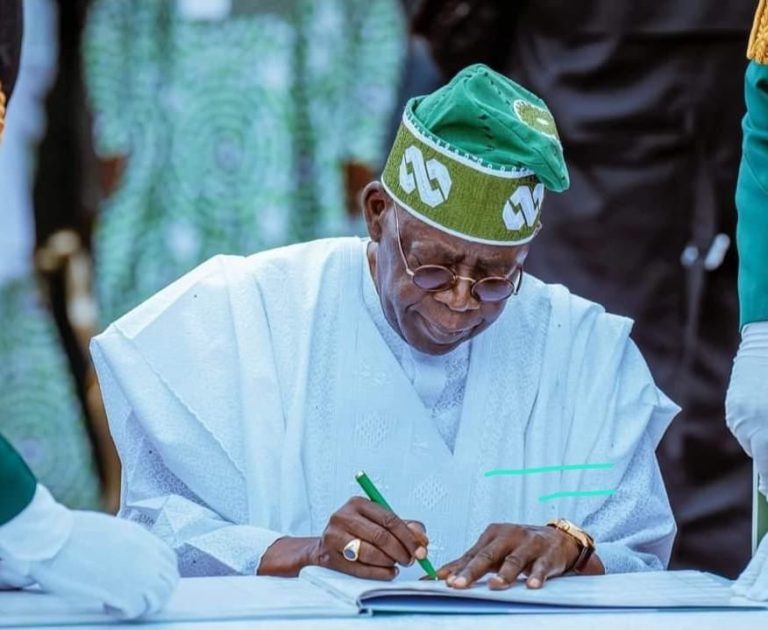
One year ago, President Bola Ahmed Tinubu, GCFR, signed Nigeria’s landmark tax reform laws. At the time, many Nigerians wondered whether the reforms would make any real difference. Today, one year later, the answer is becoming clear. The reforms are not only changing how Nigeria raises revenue but also the country’s economic direction.

For decades, Nigeria depended heavily on crude oil to fund government activities. Whenever oil prices fell, government revenue dropped, budgets came under pressure, and development slowed. It became obvious that relying on one source of income was no longer sustainable. President Tinubu’s Renewed Hope Agenda recognised this challenge early and chose a different path. Instead of waiting for oil prices to improve, the administration focused on strengthening domestic revenue through bold tax reforms that simplify the tax system, eliminate double taxation, encourage voluntary compliance, support businesses, and provide the government with sustainable resources to fund development.

Policies alone do not deliver results. They need competent leadership and disciplined implementation. This is where the Executive Chairman of the Nigeria Revenue Service (NRS), Dr Zacch Adedeji, has distinguished himself. Since assuming office, he has led one of the most remarkable improvements in Nigeria’s tax administration.

Through technology, stronger compliance, better taxpayer services, and improved collaboration with stakeholders, the NRS has continued to deliver record-breaking revenue performance. The numbers leave little room for debate. Between January and June 2026, the NRS collected ₦21.6 trillion in tax revenue, representing a 49 per cent increase over the ₦14.27 trillion collected during the same period in 2025. In June alone, Nigeria generated ₦799.75 billion in Value Added Tax, while total statutory revenue into the Federation Account reached ₦3.701 trillion, resulting in a gross revenue of ₦4.501 trillion. From this, the Federation Account Allocation Committee distributed ₦2.55 trillion to the Federal Government, state governments and local government councils.

These figures are not a coincidence. They reflect a steady pattern of growth over the last three years. Nigeria’s tax revenue rose from about ₦10.1 trillion in 2023 to approximately ₦21.6 trillion in 2024, then climbed to about ₦36.8 trillion in 2025. With ₦21.6 trillion already realised within the first six months of 2026, the country is well on course to record another historic year.

This growth has been boosted by deliberate reforms, including improved tax administration, wider deployment of technology, electronic invoicing for large taxpayers, stronger enforcement against leakages and a more transparent and streamlined revenue collection system. The tax reform laws signed by President Tinubu one year ago have strengthened these efforts by delivering a modern legal framework that promotes fairness, simplicity, and stronger compliance.

Nigeria’s experience is not uncommon. Countries that have reshaped their economies have done so by strengthening domestic revenue rather than relying solely on natural resources. India expanded tax collections after introducing its Goods and Services Tax. Brazil significantly strengthened compliance through electronic invoicing. Indonesia modernised its tax administration using digital technology, while South Africa continues to maintain one of Africa’s strongest revenue authorities through efficient tax administration. Mexico also increased government revenue by strengthening compliance and reducing tax leakages.

Nigeria is now following the same path, proving that strong institutions and sound policies can produce sustainable economic growth. The lesson is simple. Countries that build strong tax systems are better able to fund development, withstand global economic disturbances and improve the lives of their people.

The benefits of these reforms reach far beyond government accounts. Stronger tax revenue gives government greater capacity to invest in roads, schools, hospitals, security, agriculture, digital infrastructure and social programmes. It also reduces excessive dependence on borrowing and strengthens Nigeria’s economic security.

This is one of the clearest ways to improve the quality of life for citizens because sustainable development can only happen when government has reliable resources to allocate essential public services. The reforms are also boosting investor confidence. Nigeria’s stock market has consistently ranked among the world’s top-performing equity markets since the commencement of the Renewed Hope economic reforms, reflecting growing confidence in the country’s fiscal and macroeconomic direction.

Of course, the work is not finished. More Nigerians and businesses must be brought into the formal economy. Tax education and voluntary compliance must continue to improve, while government must ensure that taxpayers see visible results through better public services and greater accountability.

Public trust grows when citizens can connect the taxes they pay with improved infrastructure, quality healthcare, better education and stronger security. Every additional naira collected and properly managed creates more opportunities for inclusive growth, job creation and national development.

One year after President Bola Ahmed Tinubu signed the tax reform laws, the direction is unmistakable. Nigeria is steadily moving away from an economy that depends largely on crude oil towards one that is driven by sustainable domestic revenue. President Tinubu provided the vision and political courage to pursue reforms that many considered difficult. Dr. Zacch Adedeji has provided the leadership and competence to translate that vision into verifiable results.

Under his stewardship, the Nigeria Revenue Service has continued to break revenue records while building a tax administration that is more transparent, more efficient and more trusted. The numbers tell the story. The reforms are working. The economy is responding. Investor confidence is improving. Revenue is growing.

Most importantly, Nigeria is laying a stronger foundation for inclusive growth and shared prosperity. One year on, the Renewed Hope tax reforms are no longer simply a policy ambition. They are becoming one of the administration’s most important economic success stories. If this pace is sustained, the best days for Nigeria’s economy are not just ahead; they have already begun.

_Arabinrin Aderonke is an award-winning investigative journalist, a 2016 finalist for the CNN Africa Journalist Award; Deputy Director, Corporate Communications, and Technical Advisor to the Executive Chairman, Nigeria Revenue Service_
Reasons we’re prioritising state police – Senators

0

Senators have defended the National Assembly’s decision to prioritise constitutional amendments on the establishment of state police, saying the country’s worsening insecurity makes the proposal an urgent national priority.

The lawmakers gave the clarification while responding to concerns that the national assembly appeared to be focusing more on state police than on other constitutional amendment proposals.

Senate Leader, Opeyemi Bamidele, in his reaction, said insecurity remained the foremost concern of Nigerians.


Bamidele, who spoke through his Directorate of Media and Public Affairs, said this was why priority seemed to be given to state police.

The senate leader, who is also the Deputy Chairman of the Constitution Review Committee, said the 10th National Assembly could not afford to downplay issues relating to state police.

This, he said, had even become necessary because the issue of state police was coming at a time when security challenges continued to threaten lives and property across the country.

Also, the Senate Minority Leader, Sen. Abba Moro (PDP-Benue South), dismissed suggestions that other constitutional amendment proposals had been abandoned.

Moro explained that the Constitution Review Committee had deliberately segmented the amendment process to fast-track urgent issues, particularly state police.

“We’re looking in all the directions of constitutional amendments. We decided to segment the amendment process because if we wait for every item to be concluded before submitting them, this legislative cycle may pass.

“So we’re taking the state police now, while other constitutional amendment proposals will follow very soon. In the next couple of months, they will also see the light of the day,” he said.

Ali Ndume (APC-Borno South) equally said that security remained the primary responsibility of government, making the establishment of state police a necessary constitutional reform.

Ndume, who chairs the Senate Committee on Army, said he had consistently advocated not only for state police but also for local government police to strengthen grassroots security.

“Security is number one. In fact, I have even been advocating for local government police because of the security situation in the country.

“The constitution was written by Nigerians and can be amended whenever necessary to meet the exigencies of the time.

“Anything that will improve the security of this country should be supported. Other aspects of constitutional amendment will still be pursued,” he said.

The senator urged Nigerians, particularly the media, to contribute to constructive suggestions that would improve the proposed policing framework rather than merely criticising the initiative.

To Anthony Ani (APC-Ebonyi South), it was logical for the national assembly to address the most pressing constitutional issue first before moving to others.

“We have to think about security because it is a major challenge in this country. We cannot take everything at once.

“Once this issue is settled, we will continue with other constitutional amendment proposals,” Ani said.

Other alteration bills before the 10th National Assembly include bill for 35 per cent affirmative action for women in appointments and bill for special seats for women in the national assembly – one per state and the Federal Capital Territory (FCT).

Others are the Bill for special seats for women in state assemblies – three per state and bill for citizenship rights for women married to foreigners.

The Electoral and Political Reforms Bills include: Bill for independent candidacy; bill for diaspora voting; bill for electronic transmission of election results and bill to reduce time for election petitions.

For local government autonomy, the bills are: bill for financial autonomy of local governments – abolish Joint Account and bill for the Independent National Electoral Commission (INEC) to conduct local government elections.

The Bill for Single five-year tenure for local government chairmen and those for democratic guarantee of local structure, constitutional role for traditional rulers and for recognition of local government as third tier of government are also receiving the attention of the lawmakers.

Sun

Kogi deploying hunters, vigilantes, ICT and security forces to tackle insecurity — Gov Ododo

0

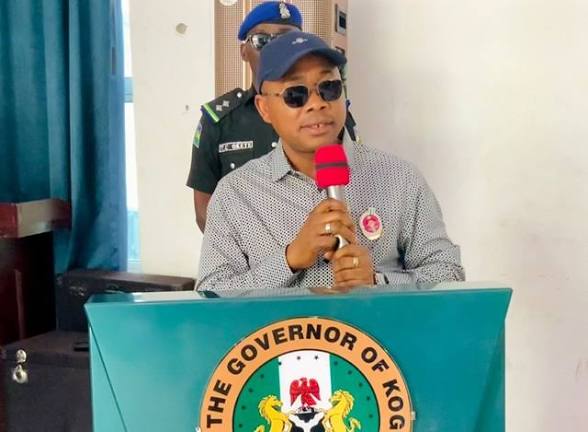
The Governor of Kogi State, Usman Ododo, has revealed that his administration is deploying the services of hunters, vigilantes, Information and Communication Technology (ICT), and regular security forces to tackle insecurity across the state.

The governor, represented by the state Commissioner for Information and Communication, Kingsley Fanwo, spoke during an inspection tour of projects in the state by the Renewed Hope Ambassadors, in collaboration with the Presidential Media Team, across some local government areas (LGAs) in Kogi West Senatorial District.

He said that the deployment of kinetic security forces would make it almost impossible for non-state actors to attack schools in the state, except those in Miracle Centres, emphasising that this was made possible by the funds made available to states by the administration of President Bola Tinubu.

While explaining the security arrangements put in place to protect the state, he said: “As you are entering the school premises, you will notice that we have a robust security architecture. The local government chairmen are on top of their game and the State government has also recruited people to into vigilante service, they are trained and armed. Before now they operated as ad-hoc, but this governor has integrated them into the mainstream civil service.”

“They are now in charge of security. We have the local hunters, the vigilante service and the police as the kinetic part of the security architecture. We are also deploying technology into it, and right from the control room in Lokoja, they are picking every movement. With what happened in Olowa, Dekina LGA, we have been able to integrate technology into the security measures. The students are very safe so long as they remain in government designated centres not Miracles Centres.

“The two critical pillars of this administration, education and health, are topmost. The government is not just providing the health facilities, equipment and structure, it also knows that it will create room for affordability and to access it, which means taking it to the grassroots.

“Government has invested so much in recruiting teachers, buying books, equipping the laboratories, making the school fees free and the people have already started receiving the dividends with the high statistics of parents pulling their children from private to public schools,” he said.

In his assessment of the inspection, Tunde Rahman, Senior Special Assistant to the President on Media and Special Duties and Director of Media and Publicity for the Renewed Hope Ambassadors, said President Tinubu has performed well enough to deserve re-election in 2027 after freeing up resources for state governors to facilitate the landmark projects they have executed.

He said: “We have gone round Kogi West on inspection of projects and Governor Ododo’s intervention in the areas of primary healthcare, road infrastructure across some local governments. We were told that the intervention covers eight out of the 21 LGAs. We saw the achievements in rehabilitation and building of model schools and in the area of erosion control too.”

“For us, this speaks to the character, the person, governance philosophy of Governor Ododo. If you look at him very well, you will know that he is very humble, has a sense of fairness, a sense of moderation and speaks to the projects we have inspected so far. The development of inner roads in Mopa, according to the Information Commissioner, was the first of its kind, which speaks of a governor who is egalitarian, and who wants development across the board. He also purchased 30 fully-equipped ambulances across the state.

“We also saw what has been done in just two years at Kogi State University in Kabba and it confirms that the governor has shown clearly that he believes in grassroots development, education, and human empowerment.

“All these have been possible due to the reforms the Federal Government has put in place in freeing resources to the nationals and it equally confirms that President Tinubu had done so well to deserve a second term because the achievements will speak for him to get re-elected,” he said.

Sun

Why I won’t marry a man who wants me to cook regularly — Mercy Eke

0


Former Big Brother Naija winner, Mercy Eke, has stirred conversations after sharing her views on relationships and household responsibilities.

The reality television star said she would not date or marry a man who expects her to cook for him regularly, explaining that she prefers a relationship built on shared responsibilities and mutual understanding.

She emphasised that she can only cook for her man once in a while when she is “in the mood.”

Eke stated this in a recent episode of the Toke Moments podcast, hosted by Toke Makinwa.

“I can’t marry or date a man who wants me to cook for him regularly. I only cook once in a while when I am in the mood. If you want fresh food every day, hire a chef.

“It can’t be me. Love can never make me cook for a man every day. I’m not the woman for that kind of man. There are other women out there who will gladly do that, which is fine.

“That is why it’s important to marry ‘who has what you are looking for’.

“So, if you marry me and you are thinking you don’t eat overnight food, it’s not me. I can’t cook every day,” she stated.

Sun