Home Blog Page 263

EPL: Tottenham prepare £65m move for Osimhen

0


Osimhen will solve Chelsea’s No. 9 problem – Petit
Premier League club Tottenham Hotspur are preparing to enter the race for Super Eagles striker Victor Osimhen, with reports indicating that the North London side are ready to open formal negotiations with Galatasaray in a bid to secure the Nigerian forward before the summer transfer window closes.

Having already established themselves among Europe’s biggest spenders this summer, Spurs are now looking to strengthen their attacking options further, identifying Osimhen as a key target after investing more than £230 million in new signings.

According to CaughtOffside, Tottenham are prepared to table an initial offer of £55 million for the 27-year-old striker after receiving internal sporting approval to begin discussions over a possible transfer. The report added that the club believes agreeing personal terms with the Nigerian international would not pose a significant challenge.
However, Tottenham face a major obstacle in Galatasaray, who reportedly value Osimhen at €150 million but according to reports they would may be willing to let the forward leave this summer for £65 million.

The Turkish champions are in a strong negotiating position after signing Osimhen permanently from Napoli for €75 million (£65 million). The striker is under contract until 2029 and has previously stated he would only consider leaving if Galatasaray decide to sell him.

Osimhen has continued to justify his status as one of Europe’s most sought-after strikers. The Nigerian has inspired his clubs to three league titles in the last four seasons, lifting the Serie A title with Napoli during the 2022/23 campaign before guiding Galatasaray to back-to-back Turkish Super Lig crowns in the 2024/25 and 2025/26 seasons.

His scoring record has further strengthened his reputation. Across the last four seasons, Osimhen has registered 107 goals in 145 appearances in all competitions, while also scoring 16 goals in 27 UEFA Champions League matches, underlining his consistency on Europe’s biggest stage.

The Super Eagles star has repeatedly attracted interest from leading Premier League clubs, including Arsenal, Manchester United and Chelsea, but none have succeeded in securing his signature. He has also been linked with Barcelona, Paris Saint-Germain, Bayern Munich and Juventus.

Tottenham’s reported interest comes as manager Thomas Frank continues reshaping his squad ahead of the new campaign, with the club determined to add another proven goalscorer capable of leading their attack both domestically and in European competition.

Whether Spurs’ proposed £55 million offer will be enough to persuade Galatasaray remains doubtful, given the Turkish champions’ firm valuation and Osimhen’s importance to the club’s long-term plans.

Sun

US condemns Kaduna killings, presses Tinubu to protect Middle Belt communities

0


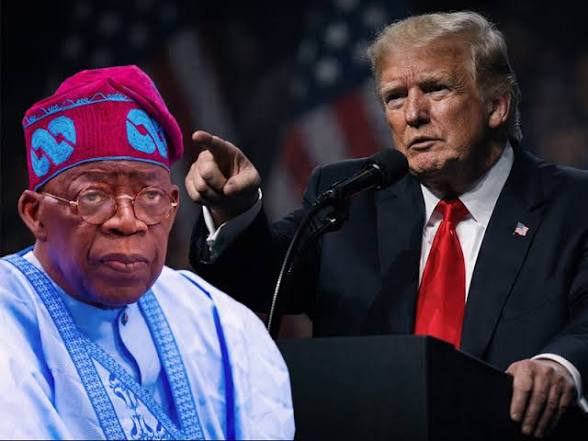
The United States has condemned the deadly July 27 attack on a village in Kaduna State that reportedly claimed at least 30 lives, including children, while urging President Bola Tinubu’s administration to intensify efforts to halt the wave of violence affecting Nigeria’s Middle Belt.

In a statement posted on X, the US Bureau of African Affairs described the attack as another tragic episode in the region’s prolonged security crisis and extended condolences to the victims’ families.

“The United States condemns the early morning July 27 attack on a village in Nigeria’s Kaduna State that reportedly killed at least 30 people, including children,” the bureau said.
It added, “We express our deepest condolences to the loved ones of the deceased. We will continue to urge the Government of Nigeria to address rampant violence against Christians in the Middle Belt.”

Echoing the bureau’s position, US Representative Riley Moore described reports from Nigeria’s Middle Belt as “terrible” and called on the Federal Government to strengthen security operations in the troubled region despite recent gains recorded in northern Nigeria through bilateral security cooperation.

“President Tinubu must do more to address the violence in the Middle Belt, including securing the safe return of this seminarian,” Moore wrote on X, referring to Seminarian Kelvin Ochai, who was abducted in Benue State. The US lawmaker did not provide further details regarding the circumstances surrounding the seminarian’s kidnapping.

The latest attack adds to a growing list of deadly incidents across Kaduna and other Middle Belt states, where communities have continued to face bandit attacks, kidnappings and communal violence. The region, situated between Nigeria’s predominantly Muslim North and Christian South, has remained one of the country’s most volatile security flashpoints.

Last year, Nigeria and the United States activated a security cooperation framework focused on intelligence sharing, military training and counter-terrorism operations. US officials have frequently cited the partnership as contributing to gains against insurgents in the North-East.

However, Washington and several international rights organisations have continued to express concern over persistent attacks on farming communities, villages and places of worship across the Middle Belt, despite ongoing security interventions.

The Bureau of African Affairs said its latest statement underscores the United States’ continued concern over civilian protection and renewed calls for stronger measures to curb violence and safeguard vulnerable communities across the region.

Sun

CPPE seeks overhaul of devt finance to boost funding for MSMEs

0


The Centre for the Promotion of Private Enterprise (CPPE) has called for a comprehensive overhaul of Nigeria’s development finance framework, warning that the country’s productive sectors are being held back by a financing shortfall estimated at more than N50 trillion.

The private sector advocacy group said the current financial system is failing to provide the affordable, long-term capital required to drive industrialisation, agricultural transformation and sustainable economic growth.

In a policy brief, CPPE argued that manufacturing, agriculture, agribusiness, micro, small and medium enterprises (MSMEs), supply chains and export-oriented businesses continue to struggle with prohibitively high interest rates, short loan tenors, stringent collateral requirements and limited access to patient capital. According to the organisation, these challenges reflect deep structural weaknesses in Nigeria’s financial system rather than temporary liquidity shortages.

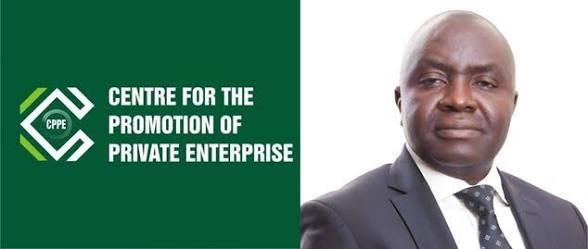
The Chief Executive Officer of CPPE, Dr. Muda Yusuf, said the financing constraints stem from persistent market failures, including maturity mismatches between bank deposits and long-term investment needs, information asymmetry, sovereign crowding-out and the inability of commercial lenders to capture the broader economic benefits generated by investments in productive sectors.

CPPE estimated that the financing gap across Nigeria’s real sector exceeds N50 trillion, noting that agriculture, despite contributing more than one-fifth of the country’s Gross Domestic Product, has historically received less than five per cent of banking sector credit. Manufacturing, it added, equally requires substantial medium- and long-term financing for machinery, factory expansion, automation, energy infrastructure, technology upgrades, backward integration and export development.

The organisation argued that such investments cannot be sustainably financed with expensive short-term commercial bank loans, stressing that their long gestation periods require affordable, long-tenor funding. It therefore maintained that development finance institutions and properly structured intervention funds remain indispensable to unlocking investment in productive sectors.

CPPE also observed that the current monetary policy environment has widened the financing gap. With the Monetary Policy Rate at 26.5 per cent and the Cash Reserve Requirement for deposit money banks at 45 per cent, it said prevailing lending rates are largely incompatible with the returns expected from productive investments in manufacturing and agriculture.

While acknowledging the Central Bank of Nigeria’s efforts to restore monetary policy credibility, strengthen exchange-rate stability and moderate inflationary pressures, the organisation argued that price stability should not come at the expense of investment, productivity, employment and long-term economic growth. It urged policymakers to strike a better balance between inflation control and financing the productive economy.

According to CPPE, monetary stability and development finance should not be viewed as competing objectives. Instead, it advocated a carefully designed development finance framework that addresses identifiable market failures through transparent, targeted and non-inflationary interventions capable of supporting key productive sectors without undermining monetary policy credibility.

The policy brief further argued that conventional commercial banks alone cannot finance Nigeria’s industrial and agricultural transformation because they primarily mobilise short-term deposits while businesses in the productive sector require financing extending between five and 10 years or more. It also pointed to excessive reliance on landed property as collateral, which excludes many otherwise viable enterprises with strong cash flows and productive assets.

CPPE acknowledged the shortcomings of previous intervention programmes implemented by the Central Bank of Nigeria, including governance concerns, weak loan recovery, political interference and quasi-fiscal risks. However, it insisted that these implementation failures should not justify abandoning development finance altogether, but rather should drive reforms that make such interventions more transparent, market-oriented and commercially disciplined.

Among its recommendations, the organisation urged the Federal Government and the Central Bank to recapitalise and strengthen development finance institutions such as the Bank of Industry and the Bank of Agriculture, expand partial credit guarantees and risk-sharing mechanisms, establish specialised long-term refinancing windows, deepen supply-chain and cash-flow-based lending, mobilise pension and insurance funds for productive investments, reduce sovereign crowding-out through stronger fiscal discipline and institutionalise robust governance and accountability measures.

CPPE stressed that Nigeria’s real-sector financing deficit is too significant to be left solely to conventional commercial finance. It maintained that the country requires a transparent, rules-based development finance architecture in which the Central Bank serves as a catalyst by refinancing and sharing risks rather than directly lending. According to the organisation, closing the financing gap is essential for accelerating industrialisation, boosting agricultural productivity, strengthening food security, diversifying exports, creating jobs and enhancing Nigeria’s long-term economic competitiveness.

Sun

Global accolades for Nigerian leaders as EuroKnowledge honours RMAFC Chairman Shehu, John Momoh, ex-Minister Akande, others

0


A cross-section of influential public officials, business executives, media proprietors, diplomats, academics and humanitarian advocates from across the world converged in London as the EuroKnowledge Institute, in partnership with Richmond College, United Kingdom, honoured prominent Nigerian leaders and individuals whose contributions have shaped leadership, innovation and public service across different sectors.

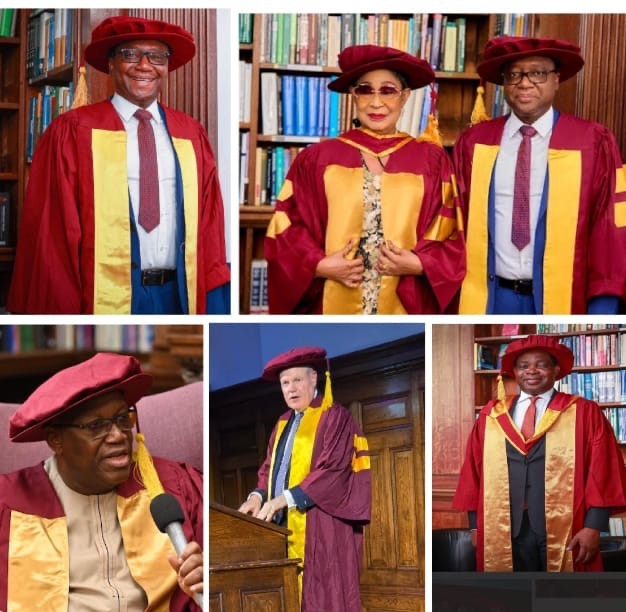
The 2026 Honorary Doctorate and Distinguished Fellows Conferral Ceremony, held on July 17 at the historic One Great George Street in Westminster, London, celebrated achievements spanning government, education, enterprise, healthcare, media, technology, law, diplomacy and humanitarian service.

Among the distinguished recipients of the EuroKnowledge honorary doctorate awards were Dr. Mohammed Bello Shehu, Chairman of Nigeria’s Revenue Mobilisation Allocation and Fiscal Commission (RMAFC); Dr. John Momoh, Founder of Channels Media Group; Rt Hon Sir Conor Burns, former UK Minister of State for Trade Policy; Chief Dr. Mrs Onikepo Akande, former Nigerian Minister of Industry; Senator Abdulaziz Musa Yar’Adua; Alex Apau Dadey, Executive Group Chairman of KGL Group, Ghana; Pastor Afolabi Thomas Oketunji, Founder and President of Focus Initiatives and Senior Pastor of Christ Embassy International Church; Col. Kolawole Kayode Shaw (Rtd.), Managing Director of Kolie Mobs Ventures Limited; Papachsorn Meepa, Founder and President of Phuket9; alongside several other distinguished personalities from different parts of the world.

In a statement signed by the Event Manager, Mr Tokunbo Fayomi and made available on Sunday, the organisers further disclosed that the event underscored the growing international emphasis on recognising leaders whose works have transcended national boundaries and contributed to societal development, while also providing a platform for dialogue on the future of leadership, innovation and global cooperation.

Participants drawn from Africa, Europe, North America, Asia and the Middle East included government representatives, entrepreneurs, academics, diplomats, media executives and professionals from diverse industries, reflecting the international character of the gathering.

Proceedings were anchored by internationally acclaimed event strategist Linda Pereira while the ceremony commenced with opening remarks by Dr. Baha Altay, Head of Academics at Richmond College, before participants were addressed by the Rt Hon Sir Conor Burns, former United Kingdom Minister of State for Trade Policy, who delivered a keynote lecture titled “Innovation, Education & Global Impact.”

One of the major highlights of the programme was a Global Leadership & Enterprise Dialogue chaired by Dr. John Momoh, Founder and Chairman of Channels Television. The session featured an international panel that examined evolving approaches to leadership, innovation, education and the future of global enterprise in an increasingly interconnected world.

The Institute conferred Honorary Doctorate awards on individuals whose careers have been associated with significant contributions in public administration, media, business, education, healthcare, faith-based leadership, technology, law, diplomacy, real estate and humanitarian initiatives.

Beyond the honorary doctorate awards, the EuroKnowledge Institute also admitted accomplished professionals into its body of Distinguished Fellows in recognition of contributions to leadership, governance, communications, entrepreneurship, education, technology and public service.

According to the organisers, the fellowship recipients represent institutions and organisations operating across several continents, reflecting the Institute’s objective of promoting international cooperation while acknowledging excellence across diverse professional disciplines.

Speaking during the ceremony, Chairman of the EuroKnowledge Institute, Alex Itkin, said the significance of the recognition lies not merely in celebrating achievement but in encouraging greater responsibility and inspiring future generations of leaders.

“Recognition becomes meaningful when it strengthens responsibility, inspires others and creates a wider culture of leadership and service.”

Following the formal investiture, recipients reflected on leadership, service and the importance of international collaboration before participating in a networking reception attended by invited guests from government, academia, business and civil society.

The engagement provided an avenue for participants to explore opportunities for deeper partnerships, knowledge exchange and cross-border collaboration in areas of education, enterprise and sustainable development.

The organisers said the Honorary Doctorate and Distinguished Fellows Conferral has continued to evolve into an international platform dedicated to recognising individuals whose achievements demonstrate excellence, integrity and sustained commitment to leadership, innovation, education, enterprise and humanitarian service.

Honorary doctorate ceremonies have increasingly become platforms through which academic and professional institutions acknowledge exceptional contributions to society outside the traditional academic pathway.

Such recognitions often celebrate leadership, innovation, public service, philanthropy and enterprise while encouraging collaboration among governments, educational institutions and the private sector.

The EuroKnowledge Institute describes itself as an international leadership and knowledge platform committed to recognising excellence, promoting education and strengthening collaboration between academia, business and public service.

Through its partnerships and recognition initiatives, the Institute says it seeks to celebrate individuals whose work advances responsible leadership, innovation and sustainable global development.

World Bank opens applications for 2027 Africa Fellowship, invites eligible Nigerians

0

The World Bank has opened applications for its 2027 Africa Fellowship Programme, offering eligible Nigerian PhD candidates and recent doctoral graduates an opportunity to gain hands-on experience in global development research and policymaking.

The application window, which opened on July 15, will close on August 25, 2026, with successful candidates expected to begin a six-month fellowship in January 2027.

According to the World Bank, the fellowship is designed to build the capacity of the next generation of African development professionals by exposing them to research, economic policy, technical assistance and lending operations.

Selected fellows will be based either at the World Bank Group headquarters in Washington, D.C., or at one of its country offices, where they will contribute to projects aimed at reducing poverty and promoting shared prosperity across developing countries.

The programme is open to nationals of Sub-Saharan African countries, including Nigeria, who are either in the final year of their PhD studies or have completed their doctorate within the last three years. Applicants must also be 32 years old or younger as of January 1, 2027, possess excellent written and spoken English, and demonstrate strong quantitative and analytical skills.
The World Bank said the fellowship has, over the years, produced a strong pipeline of African professionals who have gone on to careers in international development institutions, governments, think tanks and academia.

The selection process will take place in two stages. In the first phase, candidates will be shortlisted based on their academic background and area of specialisation. Shortlisted applicants will then be considered by various World Bank units, which will make the final selection of fellows. Only shortlisted candidates will be contacted during the recruitment process.

Successful applicants will be engaged as World Bank consultants for the six-month programme beginning in January 2027. During the fellowship, they will participate in knowledge generation, policy design, institutional development and operational assignments across sectors relevant to Africa’s development agenda.

The World Bank encouraged qualified women to apply, describing the initiative as part of its broader commitment to strengthening African expertise in development research and policymaking.

Interested Nigerian applicants can submit their applications through the World Bank Group Africa Fellowship portal before the August 25 deadline.

Sun

Nigeria’s vast gas wealth largely untapped –Falade, NLNG MD

0


For nearly four decades, the Nigerian Liquefied Natural (NLNG), has remained one of Nigeria’s most successful energy investments.

Aside from generating nearly $150 billion in cumulative revenue, it has significantly curbed gas flaring, expanded access to cooking gas for millions of households, and delivered billions of dollars in taxes and dividends to the federal government.

Yet, according to its Managing Director and Chief Executive Officer (CEO), Mr. Adeleye Falade, the company’s biggest challenge is no longer building Liquefied Natural Gas (LNG) trains but securing enough gas to keep its existing facilities running at optimal capacity.
Speaking during his first media interaction with energy journalists in Lagos last week since assuming office on April 1, Falade reflected on NLNG’s 37-year journey, outlined plans to complete the Train 7 expansion project, disclosed that the company remains under force majeure due to persistent gas supply disruptions, and argued that Nigeria must urgently monetise its vast gas resources before the global energy transition narrows the opportunity.

Priorities for NLNG

My focus is to build on the strong foundation that has been laid over the last 37 years while preparing the company for its next phase of growth.

NLNG has gone through distinct phases, from incorporation, to operations, and now to expansion. The next chapter is about growth, consolidation and positioning the company to remain relevant in a rapidly changing global energy landscape.

Recent spike in cooking gas price

The increase in cooking gas prices was largely driven by supply shortages rather than the price at which NLNG sold the product.

At NLNG, we have consistently increased the volume of LPG supplied to the domestic market. We started with about 70,000 tonnes annually, and today we supply around 500,000 tonnes, representing roughly one-third of Nigeria’s domestic demand. That growth reflects our commitment to ensuring more Nigerians have access to cleaner cooking fuel.

However, national demand has continued to outpace supply. Nigeria’s annual LPG requirement is estimated at between 2.4 million and 2.5 million tonnes, while available supply remains lower, creating a deficit that inevitably puts pressure on prices.

Part of the solution will come from Train 7, which is expected to increase our LPG production by an additional 250,000 tonnes per year, representing about a 50 per cent increase over current production. That additional supply should help improve market availability and moderate price volatility.

When prices spiked earlier this year, the Federal Government, through the Minister of State for Petroleum Resources (Gas), convened several meetings with stakeholders to determine the cause. The discussions examined whether the problem was with production, distribution, transportation or supply logistics.

At one point, retail prices rose to about N2,400 per kilogramme, but they have since moderated following government intervention and improved supply. Efforts are ongoing to ensure such sharp increases do not recur.

It’s important to understand that NLNG does not sell directly to consumers. We sell to approved off-takers who are expected to distribute the product efficiently across the country. Our ex-plant price as of the time the open market was selling at N2,400 per kilogramme was between N800 to N900 per kilogramme which is significantly lower than what consumers were paying for

Based on NMDPRA recommendation, even after adding transportation and distribution costs, LPG should ordinarily retail at around N1,100 to N1,200 per kilogramme, not the much higher prices witnessed during the recent spike.

What happened was that some market participants with limited storage and distribution capacity bought products and held them back, creating artificial scarcity in the market. Others lacked the infrastructure to move the product quickly to retail outlets, further tightening supply. To address this, NLNG commissioned a comprehensive assessment of its domestic LPG off-takers. The review examined whether they have adequate storage facilities, logistics capability, distribution networks and the capacity to move products directly to retailers and end-users.

Going forward, priority will be given to off-takers with proven infrastructure and the ability to deliver products efficiently to the market, rather than those who merely buy and warehouse LPG.Our objective is to ensure that increased domestic supply translates into better availability and more affordable prices for Nigerian households, rather than creating opportunities for speculation or artificial shortages.

Contributions to Nigeria’s economy

The numbers speak for themselves.Our assets today are worth over $23 billion, while the company has generated close to $150 billion in revenues since inception.

We have paid almost $50 billion in dividends to shareholders, including the Federal Government, and since becoming tax compliant, we have also paid about $10 billion in taxes.

For the past five years, NLNG has consistently been recognised among Nigeria’s most tax-compliant companies.

Beyond finances, we have reduced gas flaring significantly, created employment, developed Nigerian talent and built a world-class company run predominantly by Nigerians.

Gas flaring, support for Nigeria’s energy transition

When NLNG was conceived, one of the major objectives was to commercialise gas that would otherwise have been flared.

Nigeria used to rank among the highest gas flaring countries globally. Through NLNG, we have contributed to reducing national gas flaring by more than 65 per cent.

We also play a major role in promoting cleaner cooking fuel.

We started supplying LPG to the domestic market in 2005 at about 70,000 tonnes annually. Last year, we supplied around 500,000 tonnes, representing about one third of Nigeria’s LPG demand. Our objective is not simply exporting gas but ensuring Nigerians benefit from cleaner, safer and more affordable energy.

Update on Train 7

Train 7 is progressing well.

Our immediate priority is to complete the project safely and according to specification.

Once completed, Train 7 will increase NLNG’s LNG production capacity by about 35 per cent, while LPG production will rise by roughly 50 per cent, adding another 250,000 tonnes annually to domestic cooking gas supply. That is a significant boost for Nigeria’s LPG market.

Beyond Train 7

Even as Train 7 moves towards completion, we have already begun conversations around future expansion.

We are already examining what it will take to develop Train 8 and subsequent projects. However, expansion must be backed by reliable gas supply. We cannot commit to new investments unless we’re confident sufficient gas resources will be available over the long term.

Nigeria’s struggle to exploit its large gas reserves

Nigeria is truly a gas country. Our challenge isn’t the availability of gas but what we do with it.

Many countries with smaller reserves have developed much larger LNG industries because they invested early and consistently.

The world is transitioning to cleaner fuels, but gas will remain an important part of the global energy mix for decades.

That means Nigeria has a window of opportunity to monetise its gas resources. We must act before that window narrows.

Gas supply as biggest operational challenge

Gas supply is our single biggest operational challenge.

For the last two to three years, plant utilisation has averaged around 60 per cent, whereas facilities like ours should ideally operate above 90 per cent.

One major reason has been pipeline vandalism.

Last year alone, we recorded about 19 pipeline interruptions, forcing repeated shutdowns and repairs. The good news is that government and security agencies have significantly improved pipeline protection, and we are already seeing better performance this year.

Force majeure

Yes. The force majeure declared in 2022 because of gas supply disruptions remains in place. We are making progress, but we can only lift it when supply becomes consistently reliable and sustainable.

Acquiring upstream gas assets to guarantee feedstock supply

It is a question we have thought about.

Traditionally, our business model has focused on gas processing and LNG production rather than upstream exploration.

Today, over 70 per cent of our gas already comes from third-party suppliers outside our shareholders.

For now, our strategy is to diversify supply sources rather than move into upstream production, although we’ll continue evaluating options as circumstances evolve.

New Bonny road’s impact on host communities

The Bonny-Bodo Road is transformational.

For decades, access to Bonny depended almost entirely on water transportation.

Today, people, goods and services can move much more easily.

Naturally, increased accessibility will bring new opportunities as well as new pressures.

We are already working with community leaders and government to ensure Bonny retains the qualities that have made it one of Nigeria’s most stable host communities while adapting to the changes that improved connectivity will bring.

Message to Nigerians

Nigeria’s gas story is only just beginning.

We have enormous resources, but resources alone don’t create prosperity.

Investment, infrastructure, sound policies and collaboration are what unlock value.

At NLNG, we’ll continue to invest, expand and advocate for greater gas utilisation because we believe natural gas remains one of Nigeria’s strongest pathways to economic growth, industrialisation and energy security.

Sun

NUPRC defends 2025 oil block awards

0

NUPRC warns public against fake contract racketeers
The Nigerian Upstream Petroleum Regulatory Commission (NUPRC) has pushed back against criticism of the 2025 oil and gas licensing round.

The Commission argued that reports that portrayed the award of oil blocks as politically influenced distorted a process it described as transparent, competitive and technically driven.

Speaking recently in Lagos at the Society of Petroleum Engineers (SPE) Nigeria Council Executive Masterclass on Energy Journalism at the weekend, the Commission Chief Executive (CCE), Mrs Oritsemeyiwa Eyesan, represented by Mr. Dr. Amba Ndoma Egba, Deputy Director, Acreage Administration, said some media reports failed to reflect the technical and commercial rigour behind the exercise.
“Others, regrettably, reduced a rigorous and competitive technical process to political speculation and unsubstantiated headlines,”.

In what appeared to be a direct response to public debate surrounding the recently concluded bid round, the Commission said some reports had unfairly reduced a rigorous regulatory exercise to political speculation, warning that such narratives could weaken investor confidence in Nigeria’s upstream petroleum industry.

She warned that inaccurate reporting could widen the gap between regulatory processes and public understanding of the petroleum industry.

The CCE said the licensing round attracted significant global interest, with 50 blocks offered across onshore, offshore, deepwater and frontier basins.

She explained that, after prequalification, 196 applicants advanced to the technical and commercial stages, while 143 companies submitted 200 bids covering 37 assets before the process culminated in the commercial bid conference held on July 21.

The defence comes days after the announcement of winners in the licensing round, which has drawn scrutiny from industry watchers and commentators. NUPRC said the exercise was designed to meet global standards of transparency and competitiveness and formed part of its broader effort to position Nigeria as an investment-friendly upstream jurisdiction.

Beyond the licensing round, the Commission used the forum to announce a more aggressive transparency strategy. It said it would hold regular technical engagements with energy editors and correspondents and continue publishing oil production data, acreage status, rig disposition and operational performance reports on its website.

“If you do not understand our methodology, you cannot accurately report our outcomes. And if you cannot accurately report our outcomes, the public cannot hold us accountable,” Eyesan said.

NUPRC argued that many controversies surrounding the oil sector stem from poor understanding of technical concepts such as reserve classifications, licensing categories and field development obligations.

The Commission urged journalists covering the industry to seek technical clarification before publishing reports on reserves, production or asset awards. Earlier in his welcome address, the Chairman of SPE Nigeria Council, Mr.Francis Nwaochei, said the Masterclass themed: “Engineering the Narrative: Why Technical Knowledge Matters in Energy Journalism” speaks directly to the role that credible journalism plays in shaping public understanding of Nigeria’s energy industry.

“The stories that appear in our newspapers, on television, online platforms and across social media influence public perception, investor confidence and even policy conversations. That is why accuracy matters,”.

He explained that Nigeria’s energy industry is evolving rapidly, hence today’s conversations extend beyond crude oil production but include gas development, energy security, carbon management, digital technologies, local content, infrastructure development, financing, regulatory reforms and the transition to a lower-carbon future.

He argued that, as the industry becomes more complex, reporting on it also requires greater depth and context.

“This Masterclass is not about turning journalists into petroleum engineers. That is not our expectation. Rather, our goal is to inspire you to become even more effective energy journalists by developing the confidence to ask the right questions, conduct due diligence and present accurate, balanced and well-researched reports,”.

Sun

WAEC CONCLUDES MARKING, SET TO RELEASE 2026 WASSCE RESULTS Monday, August 3

0


The West African Examinations Council (WAEC) has concluded the marking of scripts for the 2026 West African Senior School Certificate Examination (WASSCE) on July 21st, 2026 and will release results Monday 3rd August 2026.

The earlier in July 2026 reports indicate that the Council has entered the final stage of result processing and is expected to release the 2026 WASSCE results on Monday, 3rd August, 2026, subject to the successful completion of all necessary procedures.

To all candidates who sat for the examination should look out for the results. !

Global Recognition for Nigeria Customs as ‘Customs Cares’ CSR Initiative Wins Commonwealth Gold Award

0
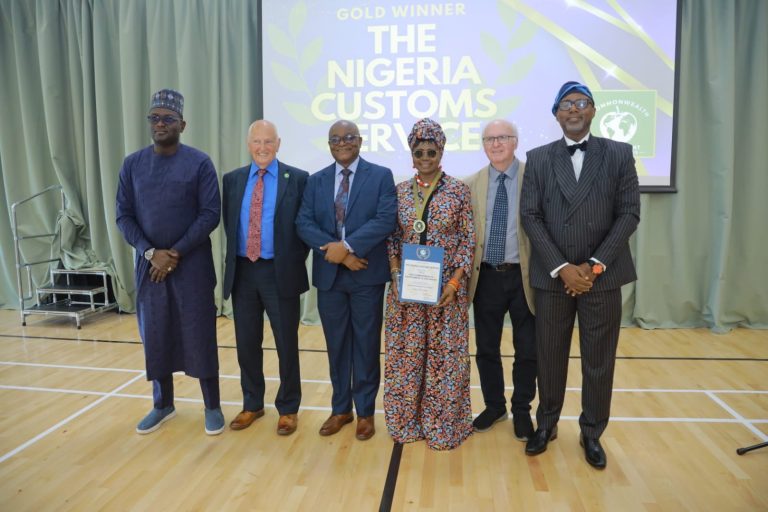
L-R: Abdullahi Aliyu Maiwada, PhD
National PRO, Nigeria Customs Service, Mr. Timi Bomodi, Deputy Comptroller-General of Customs (DCG), Roger Wolens, President, Green Apple Awards, Mbiduffu Ibrahim fsi, Comptroller in Charge of CSR, Prof. John Struthers, University of West Scotland and Mr. Chris Adetayo, Consultant CSR at the Commonwealth CSR Awards held at the Bargeddie International Hub, Bargeddie, Scotland, United Kingdom on Friday 31, July 2026.

​The Nigeria Customs Service (NCS) has received global recognition as its flagship Corporate Social Responsibility (CSR) initiative, Customs Cares, won the Commonwealth Environment and CSR Gold Award in Glasgow, Scotland on Friday, 31 July 2026.

The award honours organisations with measurable, sustainable and community-driven interventions that advance the United Nations Sustainable Development Goals. Customs Cares stood out for its impact in education, healthcare, food security, and environmental sustainability across Nigeria.

Receiving the award on behalf of the Comptroller-General of Customs, Adewale Adeniyi, MFR, Deputy Comptroller-General of Customs (DCG) in charge of Enforcement, Investigation and Inspection, Timi Bomodi described the recognition as a defining milestone in the Service’s transformation journey.
“This award is both humbling and inspiring. It affirms our belief that public institutions create their greatest value not only by fulfilling their statutory mandates, but by improving lives and strengthening the communities they serve,” he said.

Adeniyi attributed the honour to President Bola Ahmed Tinubu’s Renewed Hope Agenda. He said Customs Cares has reached over 10 million Nigerians in 12 states and the Federal Capital Territory, through school renovations, healthcare projects, clean water, food support and the Green Borders Initiative. “Beyond every classroom renovated, every borehole commissioned and every tree planted is something even more enduring; trust,” he added.

The Governor of Tharaka Nithi County, Kenya, Muthomi Njuki, also spoke on climate action and partnerships. “No country could solve the crisis alone, but that through accountability, partnership, innovation and shared responsibility, the world could become greener, safer and more prosperous,” he said.

The Comptroller in charge CSR, Mbwiduffu Ibrahim, said the recognition would spur the Service to do more. “For a long time, we worked believing that the impact in our communities was reward enough. Today, this international recognition tells us that those efforts have not gone unnoticed,” she said.

The organisers noted that NCS won for its innovative Hub-and-Spoke Community Activation Model. They added that the award reinforces NCS’ reputation as a modern Customs administration committed to revenue generation, trade facilitation, border security, and sustainable development.

Kalu Commends Catholic Bishop’s Meeting with Tinubu

0


Senator Orji Uzor Kalu has commended the meeting between President Bola Ahmed Tinubu and the leadership of the Catholic Bishops’ Conference of Nigeria.
The APC chieftain and former Abia State Governor said “I commend the meeting between President Bola Ahmed Tinubu and the leadership of the Catholic Bishops’ Conference of Nigeria.”
In every thriving democracy, sincere engagement between government and respected institutions is essential to nation-building.

The Catholic Church has always played an important role in promoting justice, peace, moral values and national unity. Likewise, the President carries the enormous responsibility of leading our country through difficult economic and security challenges.

Open and honest conversations such as this create an opportunity to listen, reflect and work together in the best interest of Nigerians. Constructive criticism should be received in good faith, while the efforts of government to address our challenges also deserve fair and objective assessment.

Our collective goal should not be division but progress. Regardless of political, religious or ethnic differences, we must continue to support every sincere effort that will strengthen our democracy, improve the economy, enhance security and give hope to our people.

Nigeria belongs to all of us, and together we can build the peaceful, prosperous and united nation we desire.

Keep Hope Alive!