Home Blog Page 209

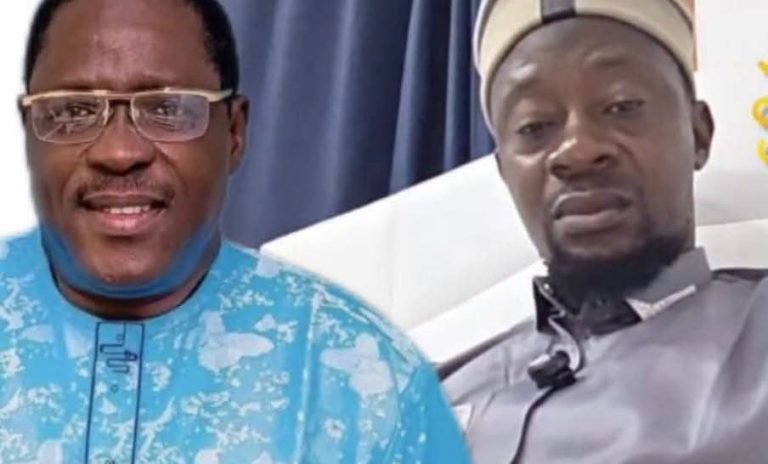
I saw Alhaji Hassan Ogogo at the hospital yesterday, and honestly, his condition is very serious. 

0


At this point, he needs God’s intervention more than ever. May Allah grant him healing, strength, and recovery. 🤲🏽

In fact, he doesn’t even have the strength to take any concoction at the moment, and he can barely eat. I honestly didn’t know his condition had gotten to this stage. Please, let’s continue to remember Alhaji Hassan Ogogo in our prayers. There is nothing our God cannot do. I dropped all the concoction with them yesterday, but at this point, it truly takes the grace and intervention of God.


May Allah grant him healing, strength and recovery.

— Alhaji AlhmaidTV

Why Nigerians Must Vote Right in the 2027 Elections

0


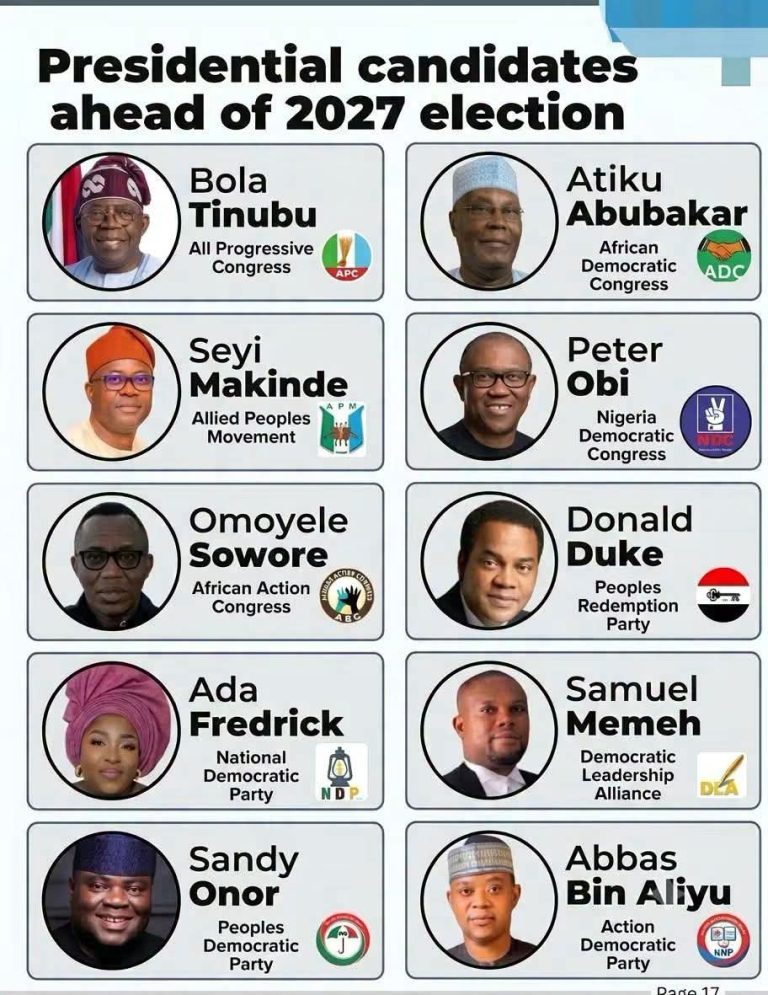
As Nigerians look forward to the 2027 general elections, voters across the country must carefully choose the leaders they want to entrust with the affairs of the nation. The presidential election, in particular, will present Nigerians with several political choices, making it important for citizens to make informed decisions without fear, favour, ethnic sentiment or political pressure.

The political landscape is already beginning to take shape, with several prominent politicians and political parties positioning themselves for the presidential contest. Among those mentioned in connection with the race are President Bola Ahmed Tinubu of the All Progressives Congress (APC), former Vice President Atiku Abubakar of the African Democratic Congress (ADC), former Anambra State Governor Peter Obi, Oyo State Governor Seyi Makinde, Omoyele Sowore of the African Action Congress (AAC), former Cross River State Governor Donald Duke and other contenders.

The lessons from recent elections are a reminder that the power to determine Nigeria’s future ultimately rests with the people.

Nigerians will have the opportunity to decide whether to retain the incumbent or support another candidate whose plans, policies and leadership capacity they believe can move the country forward.

Vote for Competence, Not Popularity
The 2027 election should not be treated merely as another contest between political parties or personalities. It is an opportunity for Nigerians to determine the kind of leadership they want and the direction they want the country to take.

Voters must look beyond political slogans, social media popularity, ethnic sentiments and party loyalty. The presidency requires competence, sound judgment, integrity, experience and the ability to unite a diverse country.

Candidates should be assessed based on their records, ideas, policies and demonstrated capacity to address Nigeria’s most pressing challenges.

Examine the Candidates’ Records

Before casting their ballots, voters should ask important questions.
What has each candidate achieved in previous public or private responsibilities? How have they handled public resources? What is their position on security, the economy, education, healthcare, unemployment and infrastructure?
Candidates should also be challenged to explain how they intend to transform campaign promises into measurable results.

Nigerians should not be satisfied with attractive promises without clear and realistic plans for implementation.
Reject Vote Buying and Empty Promises
One of the major threats to credible elections is vote buying and the exchange of money or material benefits for votes.

While economic hardship may make some voters vulnerable to inducements, Nigerians must understand that the value of an election extends far beyond whatever is offered on election day.

A voter who sells his or her vote may receive a temporary benefit but could spend years living with the consequences of poor leadership. The right to vote is too valuable to be exchanged for money, food or other short-term benefits.

Put Nigeria First

The 2027 election should also be an opportunity to reject politics based solely on ethnicity, religion or regional identity.

Nigeria is a nation of diverse peoples, cultures and interests, and whoever emerges as president will govern the entire country—not a particular ethnic, religious or regional group.

Voters should therefore consider candidates who demonstrate a genuine commitment to national unity, justice, inclusiveness, security and equal opportunity.
Verify Before You Vote
In an era of misinformation and political propaganda, Nigerians must make deliberate efforts to verify information before accepting or sharing it.
False claims, manipulated videos, fabricated endorsements and misleading statistics can influence public opinion and distort voters’ understanding of candidates.

Citizens should rely on credible sources, examine candidates’ records and study their policies before making their decisions.

The Power Is in the Voter’s Hands

The 2027 presidential election will present Nigerians with choices, but the responsibility does not end with political parties producing candidates. Citizens must take ownership of the democratic process.
Voting is not simply about choosing the person one likes most. It is about choosing the person a voter genuinely believes can best protect the country’s interests, improve governance and provide responsible leadership.

Ultimately, Nigerians should vote right—not because of inducement, ethnicity, religion, friendship, popularity or political pressure, but because of competence, character, capacity and a clear vision for Nigeria.

The future of the country is too important to be surrendered to careless choices. In 2027, every vote should count—and every voter should make that vote count.

Atiku: I will restore petrol subsidy if elected president!

0

Atiku: I will restore petrol subsidy if elected president!

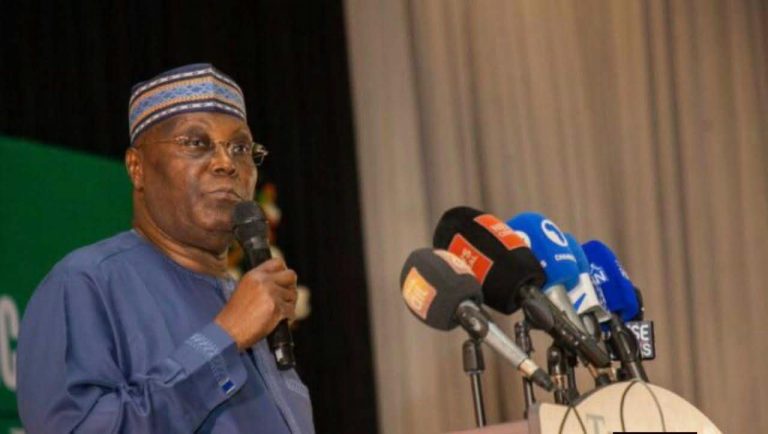
Atiku Abubakar, presidential candidate of the African Democratic Congress (ADC), says he will restore the petrol subsidy if elected president in 2027.

Speaking during an interview on Wednesday, Atiku said the government has failed to account for the funds saved from the removal of petrol subsidy…

Troops Rescue 10 Civilians in Sokoto, Kebbi, Zamfara Operations

0

Troops of the Joint Task Force North West, Operation FANSAN YAMMA, have rescued 10 civilians in separate operations across Sokoto, Kebbi and Zamfara states.
The operations, conducted between August 18 and 19, 2026, were part of ongoing efforts to protect lives and secure communities across the North West.
On August 19, troops conducting a patrol in Isa Local Government Area of Sokoto State encountered a terrorist ambush.

The troops responded swiftly and decisively, forcing the terrorists to flee in disarray. Five civilians were rescued during the encounter and subsequently reunited with their families, while two motorcycles abandoned by the terrorists were recovered.

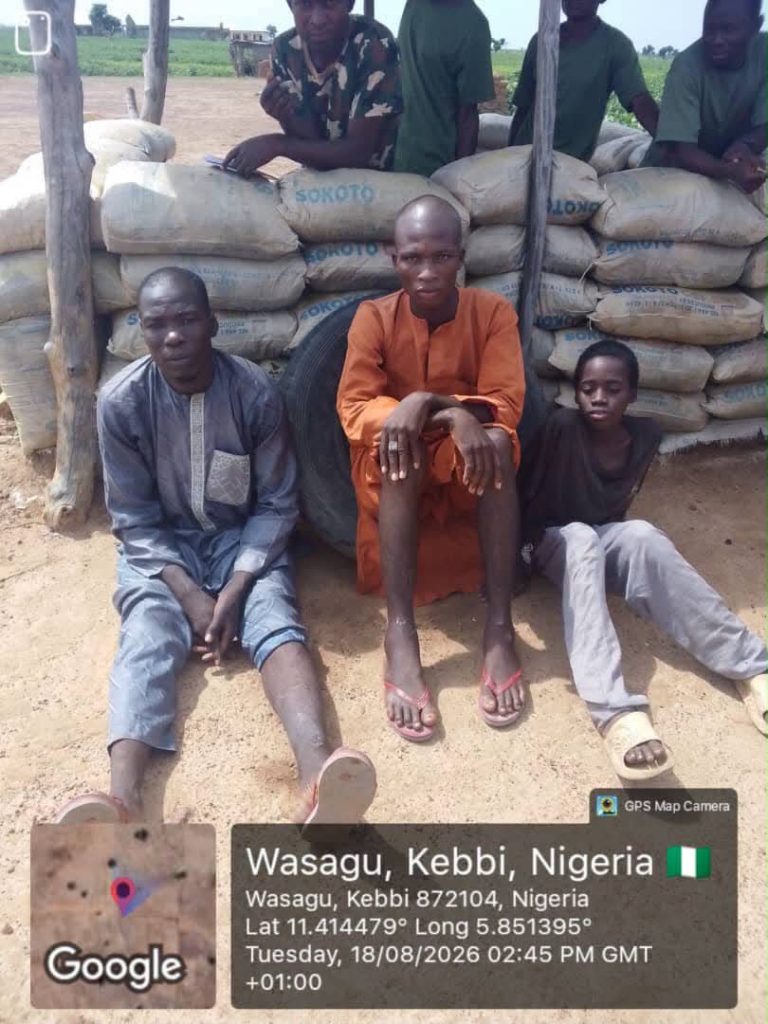
Earlier, on August 18, troops acting on intelligence concerning three kidnapped victims launched a search-and-rescue operation in Danko Wasagu Local Government Area of Kebbi State.
The operation resulted in the successful rescue of all three victims, who were profiled and handed over to the appropriate local authorities.

Similarly, troops responded to reported terrorist activities in Tsafe Local Government Area of Zamfara State on August 18.
The rapid mobilisation of the troops compelled the terrorists to flee, abandoning two captives.

The victims, who had sustained gunshot wounds during their ordeal, were immediately evacuated to a medical facility for urgent treatment.
Efforts are ongoing to track and neutralise the fleeing terrorists.

The Theatre Command commended the troops for their vigilance and swift response, assuring residents of its determination to sustain pressure on terrorist elements across the Joint Operations Area.

It also urged members of the public to continue providing timely and credible information to security forces to support ongoing operations and enhance the protection of lives and property.

LASU Vice-Chancellor Bows Out, Highlights Five Years of Achievements

0


BY TAIWO OGUNMOLA -OMILANI

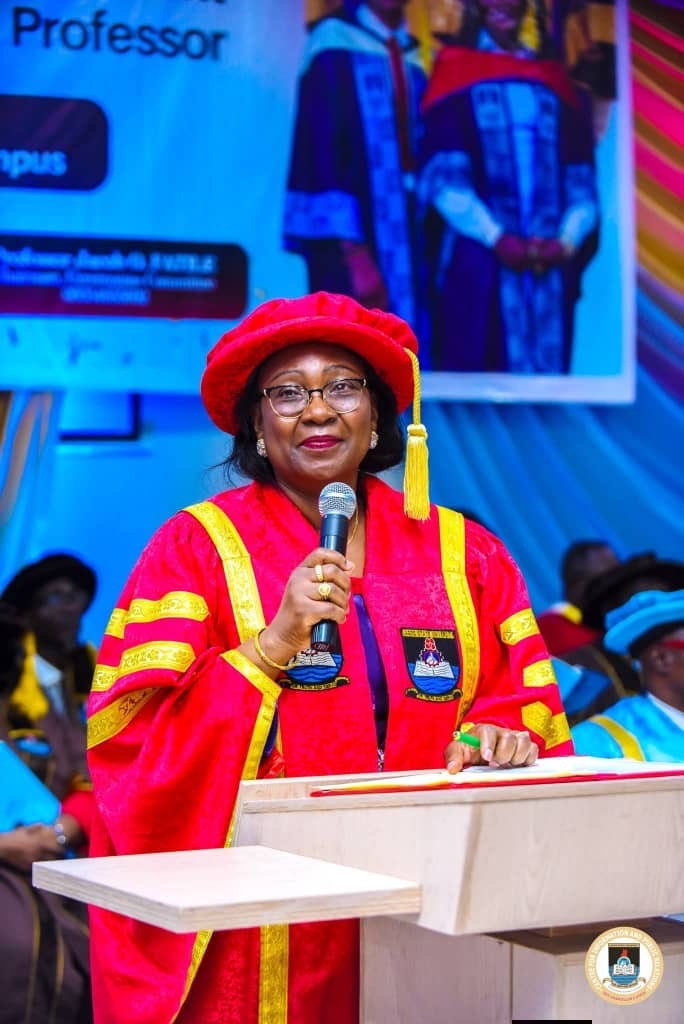
Lagos State University (LASU) Vice-Chancellor, Prof. Ibiyemi Ibilola Olatunji-Bello, has bowed out after five years in office, highlighting major achievements recorded during her tenure.

Speaking at the grand finale of LASU’s 29th and 30th Combined Convocation Ceremonies, Olatunji-Bello said the university’s internally generated revenue increased from ₦3 billion in September 2021 to ₦13 billion by September 2025.

She also highlighted the institution’s 96 per cent first-year programme accreditation success rate, noting that LASU subsequently secured full accreditation for 43 of the 44 programmes presented in 2023.

In 2026, 17 new programmes also received full accreditation.

According to her, her administration established four faculties and two schools, introduced more than 30 new courses and oversaw the construction of over 50 infrastructure projects, including 8,000-bed hostels and a ₦3 billion TETFund-sponsored Academic Resource Centre.

On research and innovation, Olatunji-Bello disclosed that LASU researchers secured ₦29 million in grants, while TETFund approved ₦3 billion for the establishment of a Centre of Excellence in Artificial Intelligence, Robotics and Cyber Security.

She also cited the university’s achievements in sports, including its second-place overall finish at the 2024 All-Africa University Games and its 39-medal haul at the 2025 Nigeria Universities Games.

A total of 20,604 students are graduating across the 2024/2025 and 2025/2026 academic sessions.
The university also conferred honorary doctorate degrees on Aliko Dangote, Akin Kekere-Ekun and Harriet-Ann Omobola Bola Adesola in recognition of their contributions to business, finance, entrepreneurship and governance.

Reflecting on her tenure, Olatunji-Bello described the five-year period as one that transformed LASU into “the most subscribed university in Nigeria and the most digitally advanced among our peers.”

She expressed appreciation to Lagos State Governor Babajide Sanwo-Olu for his support, describing the five uninterrupted convocation ceremonies held during her tenure as one of her proudest achievements.

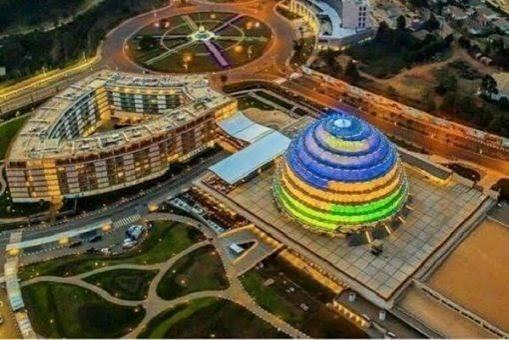
KIGALI: THE CITY THAT REFUSED TO DIE

0


Tayo Ogunbiyi

From the scars of genocide to clean streets, orderly citizens, seamless mobility, and a booming tourism culture, a few days in Kigali, Rwanda’s capital, offered me an unforgettable lesson in urban transformation.

There are cities you visit. There are cities you experience. And then some cities make you pause, look around, and ask yourself a simple but unsettling question: How did they do it?

For me, Kigali was that kind of city. By the time I arrived in Rwanda’s capital, I had heard about its cleanliness. I had read about its remarkable recovery from the 1994 Genocide against the Tutsi. I knew it was emerging as one of Africa’s increasingly important business, conference and tourism destinations.

But knowing is one thing. Seeing is another. Within a short while of moving through Kigali, I found myself looking out of the window repeatedly. The streets were clean. Not clean by African standards. Just clean.

The roads were remarkably orderly. Traffic moved with a sense of discipline. Public spaces appeared cared for. Buildings, streets and neighbourhoods seemed to exist within a larger urban rhythm. There was little of the chaotic spectacle that often accompanies life in many rapidly expanding African cities.

And perhaps most striking of all was the attitude of the people. There was an unmistakable sense of order. People were friendly, polite and accommodating, yet there was also a quiet discipline in the way they conducted themselves. The city did not feel as though it was constantly struggling against itself.

It felt organised. It felt intentional. It felt like a city that had decided what it wanted to become — and was steadily becoming it.

The cleanliness of Kigali did not appear to have been created solely for tourists. It seemed woven into the everyday life of the city. And that is important. Because a clean city is ultimately not created by government alone. Government can provide waste collection systems, enforce environmental regulations, build infrastructure, and maintain public spaces. But citizens must also embrace it.

Kigali appeared to understand that equation. The city seemed to have turned cleanliness from an occasional campaign into a civic expectation.

Yet beneath Kigali’s polished appearance lies a history that is impossible to ignore. This is a city that carries the memory of one of the most horrific chapters in modern African history.

In 1994, Rwanda was devastated by genocide. In approximately 100 days, an estimated 800,000 people were killed, most of them Tutsi, alongside moderate Hutu who were also targeted.

The physical Kigali of today can make it easy for a first-time visitor to forget how profoundly broken the country was once.

But Rwanda has not forgotten. That, perhaps, is one of the most remarkable things about the country.

The past has not been erased. It has been confronted.

The famous motorcycle taxis — motos — are not simply a means of getting around. They are part of the city’s urban identity. Helmets are expected. Passengers wear helmets.

There is a sense that transportation is not merely about getting from Point A to Point B; it is also about creating a system in which safety, discipline and convenience matter.

No wonder Kigali is now becoming increasingly visible on the global tourism map.

Visitors come not only because Rwanda is beautiful, but because the country has successfully positioned itself as a destination for several different experiences — nature, wildlife, culture, conferences, business and leisure.

And Kigali is the gateway. The city has hotels, restaurants, cultural spaces, conference facilities and an increasingly sophisticated hospitality industry.

Kigali is not perfect. No city is. But Kigali is proof that cities can change. Countries can recover. Citizens can rebuild trust. And nations can move from the darkest chapters of their history towards a new narrative.

As my stay drew to an end, I found myself thinking less about Kigali’s roads and more about its story. A city associated with tragedy has become associated with tourism.

A country associated with genocide has become associated with recovery. A people who experienced extraordinary violence have built a society increasingly identified with order and stability. That transformation deserves attention.

It also deserves humility. Again, no country is perfect. No city has solved every problem. Rwanda has its own debates, challenges, and contradictions. But none of that diminishes what a visitor can learn from the country’s remarkable journey. Kigali’s greatest attraction may not be its hills. It may not be its roads. It may not even be its cleanliness. It may be its refusal to surrender to history.

The city seems to say, quietly but firmly: We know what happened to us. We remember. But we are not going to die there. And perhaps that is the real story of Kigali. Not a story about a spotless African capital. Not simply a story about efficient transportation. Not merely a story about tourism.

It is a story about resilience. About rebuilding. About civic responsibility. About leadership. About collective will. About people who looked at the ruins of their past and decided to construct a different future.

When I finally left Kigali, I realised that I had not merely visited another country. I had an idea. The idea that cities can reinvent themselves. That nations can rise from unimaginable devastation. That order can become culture. That cleanliness can become identity. That tourism can become an instrument of economic transformation.

That memory and progress do not have to be enemies. And that Africa’s future may be brighter when its cities learn from one another. Perhaps the greatest competition among African cities should not be about which is the biggest or richest, but about which can offer its people the best quality of urban life. That is a competition Africa should welcome. And Kigali has certainly entered it.

As my brief Kigali sojourn came to an end, I found myself taking one last look at the streets, the people, and the orderly movement around me. I thought about the Rwanda of 1994. Then I looked at the Rwanda of today. The distance between the two is enormous.

And perhaps the greatest story Kigali tells is not about how clean its streets are. It is about what happens when a people decide that their past may explain them, but it will not define them.

Kigali is still rising. Quietly. Confidently. And unmistakably.

· Ogunbiyi wrote in from Alausa, Ikeja, Lagos
NACCIMA, European Investors Seek New Africa-Europe Trade, Financing Corridor

0

BY TAIWO OGUNMOLA -OMILANI


The Nigerian Association of Chambers of Commerce, Industry, Mines and Agriculture (NACCIMA) has intensified efforts to expand trade, investment and long-term financing opportunities between Africa and Europe.
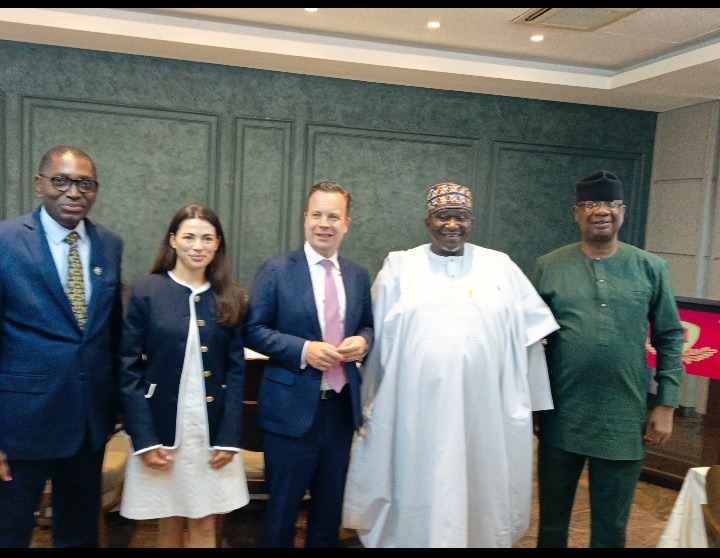
National President of NACCIMA, Engr. Jani Ibrahim, led a delegation of the Organised Private Sector (OPS) to a high-level Executive Round Table hosted by European financial institution, ODDO BHF, in collaboration with Nigerian law firm, Aluko & Oyebode, at The Metropolitan Club, Victoria Island, Lagos.

Themed “The Africa-Europe Trade and Investment Corridor: Where Capital Meets Opportunity,” the strategic luncheon brought together senior representatives of government, diplomacy, financial institutions and the private sector to explore opportunities for capital mobilisation, investment and trade between the two continents.

Ibrahim was joined by NACCIMA Director-General, Engr. Olusola Obadimu, and National Digital Economy Coordinator, Dr. Segun H. Olugbile.

The keynote presentation was delivered by Mr. Florian Witt, Managing Director, International Banking, Member of the Group Business Executive Committee of ODDO BHF and Chair of the ICC Global Banking Commission.
Witt highlighted ODDO BHF’s long-term commitment to carbon capture, reforestation and sustainable development in Africa.

He also disclosed a €200 million dedicated fund to support sustainable forestry, community infrastructure and carbon-credit opportunities.

Discussions at the meeting focused on several priorities, including recalibrating Africa’s risk perception through empirical data, rebuilding the Germany-Nigeria industrial and investment corridor, strengthening financial sovereignty and indigenous banking capacity, mobilising capital for digital infrastructure and data residency, and expanding green finance to support Africa’s climate transition.

Speaking at the conclusion of the session, Ibrahim said changing global capital flows required a deliberate “Push and Pull” strategy, stressing that Nigerian businesses and institutions must develop credible, bankable and investment-ready commercial pipelines capable of absorbing long-term capital.

He noted that while European financial institutions and investors provide the market pull, Nigerian businesses must proactively create opportunities capable of attracting and deploying such capital effectively.

The participants stressed the need to convert investor interest into structured transactions backed by appropriate risk frameworks, credible project preparation, transparent governance and strong institutional partnerships.

NACCIMA, ODDO BHF and other participating private-sector stakeholders also agreed to advance discussions on the development of a dedicated ECA-backed Digital and Trade Infrastructure Financing Facility.

The proposed facility is expected to support strategic digital and trade infrastructure, manufacturing, excluding defence industries, agro-processing and solid minerals beneficiation.

It is also designed to facilitate cross-border commerce, strengthen Nigeria’s participation in the African Continental Free Trade Area (AfCFTA), and address critical infrastructure gaps constraining industrial and economic growth.

NACCIMA reaffirmed its commitment to working with international financial institutions, development partners, government agencies and the organised private sector to transform Nigeria’s investment opportunities into bankable projects, productive capital and measurable economic outcomes.

FG, NGF, NDPC task states on effective implementation of data protection law

0

The Federal Government, the Nigerian Governors Forum, (NGF) and the Nigeria Data Protection Commission, NDPC, spoke with one voice on Wednesday on the need for effective implementation of data privacy and protection law for digital transformation of the country’s economy.

They said trust, transparency and accountability are key components of digital transformation with data subjects as backbone for growth and economic prosperity.

The 36 States of the Federation and the Federal Capital Territory, FCT, were urged to strengthen the implementation of the Nigeria Data Protection Act 2023 and the Nigeria Data Protection General Application and Implementation Directive (NDP-GAID) 2025 to safeguard citizens’ personal information.

The National Commissioner/CEO of the NDPC, Dr Vincent Olatunji however warned states government against making their own data protection laws, saying that it would completely mess up the entire ecosystem. He said the 2023 Data Protection Commission Act as signed by President Bola Tinubu and the recent directive of the president for agencies and government institutions to key into the implementation of Act are enough across the country.

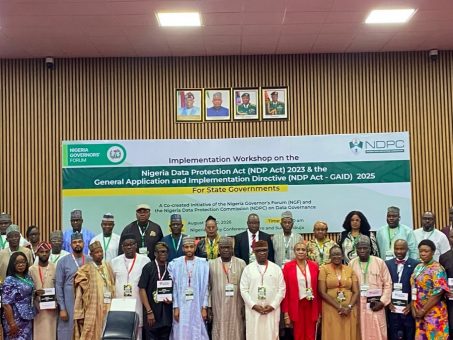
The FG, NGF, and NDPC made their positions known at the Nigeria Army Conference Centre, Abuja, during an implementation workshop organised by the Nigeria Governors’ Forum (NGF), in collaboration with the Nigeria Data Protection Commission (NDPC), for state governments and other stakeholders.

Declaring the workshop open, the Minister of Communications, Innovations and Digital Economy, Dr Bosun Tijani, said the drive for effective implementation of Data Protection Act 2023 was necessary as Nigeria embraced digital technologies advancement and their implementations for total transformation of the country.

Dr Tijani who was represented by the Permanent Secretary of the Ministry, Engr. Nadungu Gagare, said the workshop was aimed at enlightening Nigerians on the importance of personal data and the need to protect it from misuse.

The Minister stressed the importance of taking the data protection message to the subnational level, noting that citizens must understand the value of their personal information and how to safeguard it in an increasingly digital ecosystem.

He said the workshop would further strengthen awareness and build the capacity of state actors to effectively implement the provisions of the Nigeria Data Protection Act and related regulations.

Also speaking, the Director General of the Nigeria Governors’ Forum, Dr Abdulrasheed Shittu said the workshop was particularly important as the country approach increased political activities, when citizens’ personal information could be collected and processed for various purposes.

He said protecting personal data was essential to preventing its abuse, adding that state governments had a critical role to play in ensuring that institutions operating within their jurisdictions complied with data protection requirements.

Dr Shittu who was represented by the Head of Energy in NGF, Mr Chijioke Chuku, said:” The strength of any national framework ultimately rests on how effectively it is translated into practice across our institutions.

“For a federation as large and diverse as Nigeria, the states are therefore indispensable to building a credible and coherent national data protection regime. For the Nigerian Governor’s Forum, this is fundamentally an issue of good governance.

“As government becomes increasingly digital, citizens must remain confident that innovation will not come at the expense of their privacy, security, or trust. Our responsibility is to ensure that government, that government institutions evolve with the same seriousness as the technologies they adopt.”

The NDPC Chief Executive Officer, Dr Vincent Olatunji, said the workshop was part of the Commission’s efforts to sensitise governors, state officials and media practitioners on the provisions of the Nigeria Data Protection Act and ensure that the knowledge gained was extended to communities across the country.

Olatunji said the media had an important role to play in creating public awareness, while state governments were expected to translate the provisions of the law into practical measures that would protect citizens’ rights to privacy and responsible handling of their personal information.

On the achievements of the NDPC so far Dr Olatunji said over 18 billion has been generated into the coffers of the government since the inception of the NDPC, while 38,000 Data Protection Officers (DPOs) have been licensed by the Commission.

Olatunji said the data protection ecosystem comes with enormous opportunities and responsibilities across the globe, and therefore called on the state governors to partner with the commission to harness the opportunities in the sector.

He expressed gratitude to the administration of President Bola Tinubu for the support enjoyed by the Commission, saying that it made the Commission moved into global recognition with membership of the Global Data Privacy Assembly consisting of over 140 member countries.


NCDMB, firm empower 50 youths in Kaduna

0

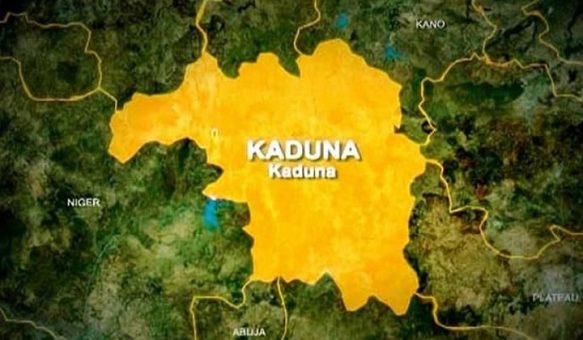
The Nigerian Content Development and Monitoring Board (NCDMB), in partnership with GRUFIX Global Services Limited, has successfully completed a 5-day Training and Empowerment program in Google Mapping and GIS Technology for 50 Nigerian youths in Kaduna State.

The program was held from August 10th to August 14th, 2026 at Kaduna, and was aimed at equipping young Nigerians with in-demand digital and geospatial skills to boost employability and deepen local content in the technology and energy sectors.

During the intensive training, beneficiaries were taken through practical modules on Google Mapping, Geographic Information System (GIS) data collection, spatial analysis, remote sensing, and digital mapping for project planning and infrastructure development. Resource persons and certified GIS professionals facilitated the sessions with hands-on exercises and real-life case studies.

GRUFIX Global Services Limited, the implementing partner, commended the participants for their dedication and urged them to leverage the skills acquired to start tech-driven businesses, support government projects, and contribute to Nigeria’s digital transformation.

All 50 beneficiaries from across Kaduna State received certificates of participation and starter toolkits to enable them to apply their new skills immediately.

Stakeholders described the program as a timely investment in human capital, adding that it will help bridge the skills gap in geospatial technology while creating jobs for Nigerian youths.


End prolonged detention, illegal extortion or face sanctions, FCT CP warns DPOs

0

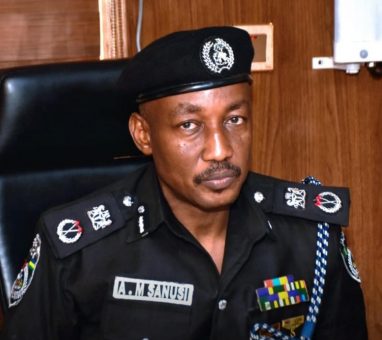
The Commissioner of Police, Federal Capital Territory (FCT) Command, CP Ahmed Sanusi, has issued a stern warning to Divisional Police Officers (DPOs) and supervisory officers against unlawful detention of suspects, extortion, and systemic lack of oversight within their jurisdictions.

Addressing senior officers on Thursday at the Command in Abuja, CP Sanusi expressed deep dissatisfaction over reports of rogue operatives abusing human rights and keeping detainees past statutory limits without legal backing.

The FCT Police chief cautioned that supervising officers would no longer be allowed to hide behind claims of ignorance when their subordinates engage in misconduct, adding that superior officers will face direct disciplinary sanctions for failures in supervision.

“I recognise your efforts, but you need to check your men. Some of you have allowed some of your men to behave with every sort of negative audacity and do whatever they want. Perhaps they give you the highest returns, so they become untouchable. Take note that if they commit any offence, we’ll deal with you also for lack of supervision,” CP Sanusi warned.

Reiterating that DPOs and divisional heads serve as the accounting officers of their respective divisions, the Police Commissioner stressed that maintaining overcrowded cells and holding suspects beyond 24 hours without a valid remand warrant is evidence of gross incompetence rather than diligence.

“So it is better you watch your men and ensure that you are aware of the detentions in your facilities. You are aware of the days that somebody’s brought into custody in your facility and also the days they are leaving, because you are the accounting officer of such division. You cannot claim to us that ‘I’m not aware when so-and-so happened.’ So why are you there as a deputy? You have to take charge and avoid prolonged detention,” he declared.

Outlining strict operational guidelines in compliance with the Administration of Criminal Justice Act (ACJA) and the Police Act, CP Sanusi directed all investigating units to ensure case files are properly vetted and that confession statements are video-recorded to guarantee admissibility and transparency.

“If you have somebody that you must detain beyond 24 hours, get a warrant—remand warrant—for such person. Quickly tidy up your cases. Make sure your case files are well vetted. Make sure, based on the provisions of the Act, you also have video recordings of whatever confessions or whatever statements you are taking from your complainants and your suspects. Allow them access to their legal representatives, allow them access to their families, allow them access to their medications, and charge them to court within a very reasonable time,” he instructed.

He further berated officers who view cell congestion as a sign of active policing, calling such practices unacceptable in the modern police force.

“Don’t show that you are working by clustering your cell with suspects. It only shows that you are not working… because how can you keep somebody 5 days, 6 days, you have not done anything, case file is not ready, you are not ready to charge to court? That means you are not working. So keeping them for too long doesn’t mean you are working… It just shows that you are grossly irresponsible,” the CP added.

The command warned that routine inspection teams would deploy across all divisional facilities in the Territory to enforce compliance and immediately release unlawfully detained citizens.