Home Blog Page 157

2027: Political Parties Doubting Our Projections Do So at Their Own Peril — Lai Omotola

0

BY TAIWO OGUNMOLA -OMILANI


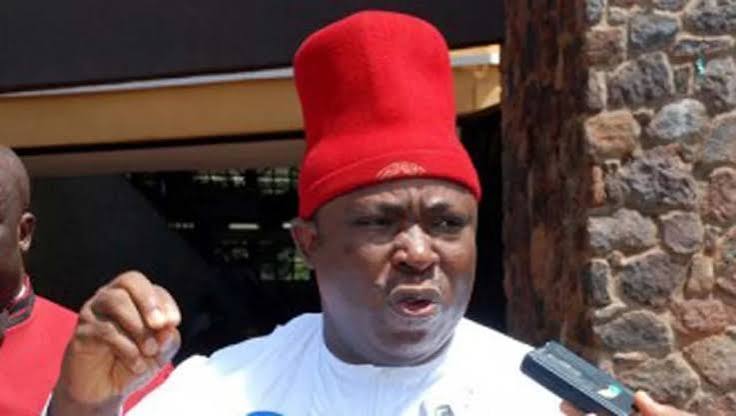
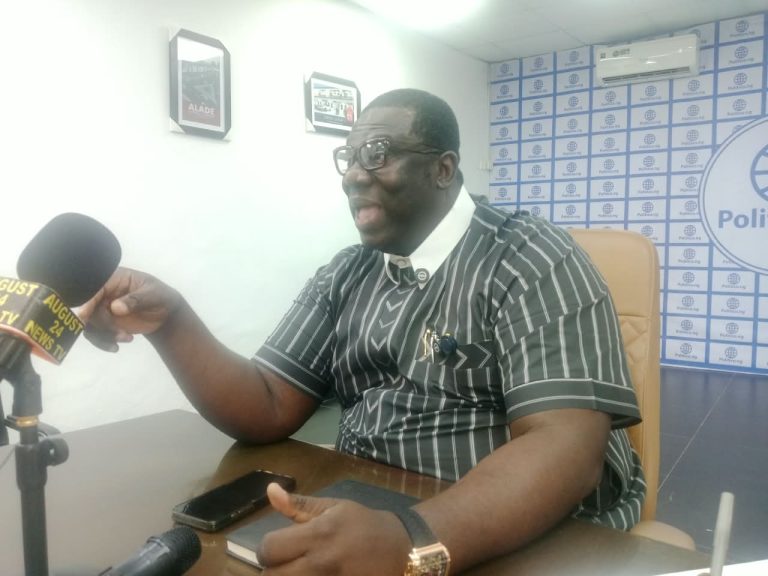
The publisher of Politico.ng, Lai Omotola, has warned political parties against dismissing his organisation’s pre-election projections, saying such doubts could work against them in the 2027 general elections.

Omotola, who spoke during a press conference in Lagos said pre-election analysis was more challenging than post-election analysis because it required identifying weaknesses and predicting outcomes before the results were known.

He explained that while post-election analysis was easier because the results were already available, pre-election analysis was intended to help political parties understand their strengths and weaknesses ahead of the election.

“When you’re talking about a pre-election analysis, you are giving indications to people or parties why they’ve been weak and why they would lose,” he said.

According to him, the essence of the projections was not to create fear but to draw attention to areas requiring improvement and encourage political parties to prepare adequately for election day.

The whole essence is not to create a fit, it is to tell everybody: notice your weakness, and also notice your strength, and go back home and tidy up, prepare yourself for the D-Day,” Omotola said.
He added that political parties that doubted the projections would do so at their own peril.

“If they doubt our projections, it is their own peril. If they doubt us, it is their own peril,” he said.
Omotola said the objective was to contribute to a free and credible electoral process.

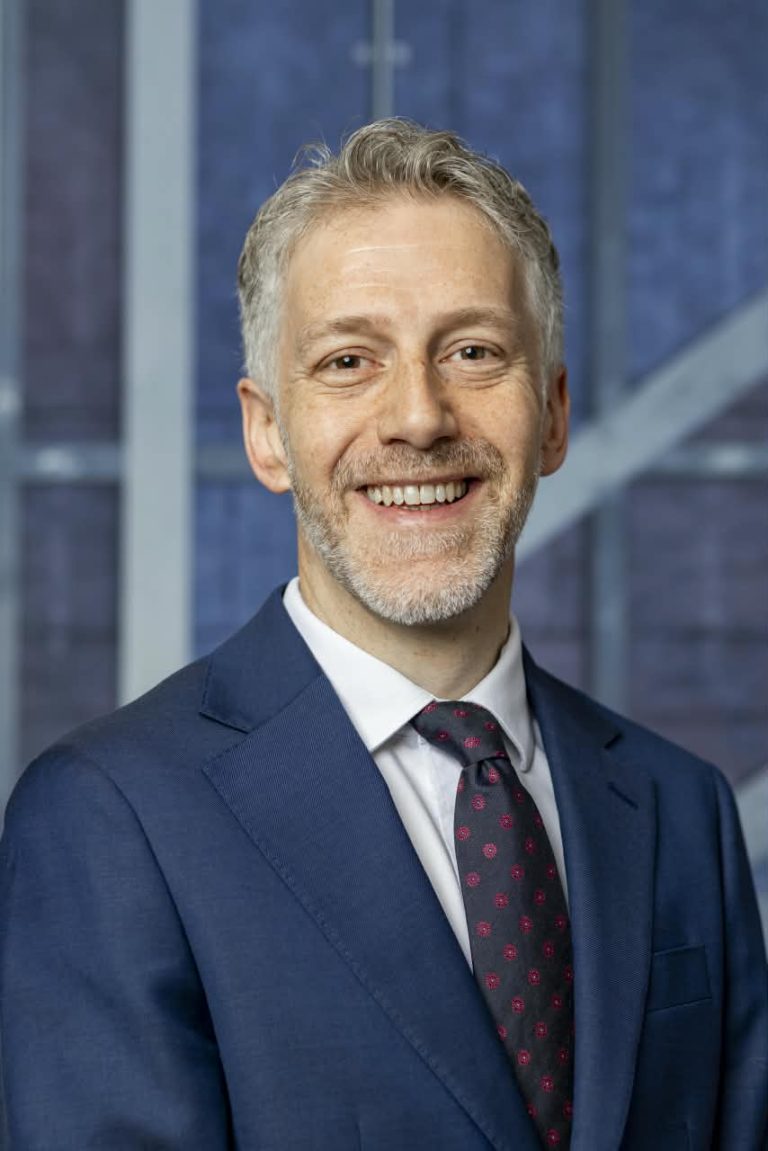
UK Trade Commissioner Alastair Long Resumes Africa Role, Pledges to Deepen Trade Ties

0

BY TAIWO OGUNMOLA -OMILANI


The UK Government’s Department for Business and Trade has welcomed Alastair Long as His Majesty’s Trade Commissioner (HMTC) for Africa, as he formally began leading the UK’s trade and investment relationship with the continent.

Long will focus on expanding commercial partnerships, supporting UK and African businesses, attracting investment, and helping to build sustainable, resilient and productive economies across Africa.

Enhanced trade and investment between the UK and Africa continue to create jobs, unlock business opportunities, drive innovation, strengthen industries and support sustainable economic growth across both regions.

Building on longstanding partnerships across the continent, Long will work with governments, investors, businesses and institutions to deepen economic ties between the UK and Africa.

He joined the Foreign, Commonwealth & Development Office in 2002 and has held several postings in the Middle East and North Africa, including Deputy Trade Commissioner for the Middle East and Director of Trade and Investment for Saudi Arabia in Riyadh from 2018 to 2019; Regional Director for Trade for the Middle East, Pakistan and Afghanistan, and Deputy Consul General in Dubai from 2016 to 2018; and Deputy Ambassador and HM Consul General in Muscat from 2013 to 2015.

Long was educated at Clare College, Cambridge University, and the Guildhall School of Music and Drama in London.
Speaking on his appointment, Long said he was thrilled to return to Africa and take up the position.

“Africa is the future and I saw, when deputy and then acting Trade Commissioner, what boundless energy and ambition the continent possesses.”
He added:

“Africa is central to the UK’s global outlook, with significant opportunities for commercially grounded collaboration and sustainable growth. Alastair Long inherits strong UK momentum in Africa, and will bring real depth of trade expertise and the focus and energy needed to deepen partnerships and unlock further opportunities for mutual benefit. I wish him every success as he takes on this important role.”

Role of the HM Trade Commissioner for Africa
His Majesty’s Trade Commissioners lead the UK’s overseas efforts to promote trade, investment, export opportunities and trade policy objectives. They also work closely with the wider diplomatic network and other colleagues to coordinate the government’s overseas efforts to promote UK trade and prosperity.

The Trade Commissioner has responsibility for the Department for Business, Innovation, Science and Trade work in Africa, including: Growing the overall trade and investment relationship.
Improving market access for British companies, including small and medium-sized businesses.

Developing trade policy.
The HMTC works closely with UK-based government colleagues, UK ambassadors and the wider diplomatic network in the region to deliver these goals.

FCT Police Arrest 10 Suspected Vandals in Abuja

0

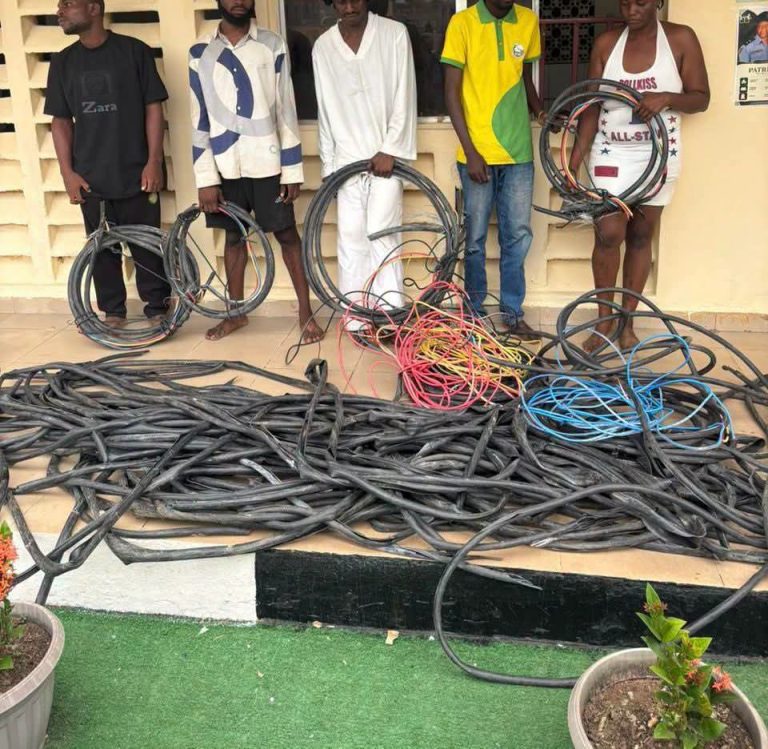
The Federal Capital Territory (FCT) Police Command has arrested 10 suspected vandals in separate operations across Kubwa, Wuye and the National Mosque area of Abuja.

The arrests were disclosed in a statement issued on Sunday by SP Josephine Adeh, Police Public Relations Officer of the FCT Command, who said the operations were part of efforts to safeguard critical public infrastructure in the territory.

According to the statement, a police patrol team from Kubwa Division, while on routine patrol around Bazango-Kubwa at about 6pm on September 2, 2026, sighted five persons allegedly vandalising armoured cables.

The suspects were identified as Goodname Oriarebun, 29; Timothy Donald, 28; Ayo Buli, 26; Emmanuel Elijah, 28; and Christian David, 28.

The command said Oriarebun is from Gishiri, Mabushi; Donald from Arab Road, Kubwa; Buli from Gishiri, Mabushi; Elijah from Shelter Farm, Byazhin, Kubwa; and David from Kabba, Kagini, Abuja.

In a separate operation, a patrol team from Wuye Division arrested one Moses Luka while allegedly digging out armoured cables along the road between Magic Land and the National Stadium in Abuja.

The police also said a surveillance team from Wuse Division arrested four other suspects around the National Mosque area after they allegedly cut down a solar-powered street light in an attempt to vandalise it and remove its components.

The suspects were identified as Musa Abdullahi, Suleiman Idris, Aliyu Isa and Muhammed Abdulrahman.

The command said investigations were ongoing to identify and apprehend other members of the suspected vandalism syndicates, including those allegedly involved in receiving stolen public infrastructure.

“All suspects remain in Police custody and will be charged to court upon conclusion of investigations,” the statement said.

The Commissioner of Police, FCT Command, CP Ahmed Muhammed Sanusi, PhD, FCAI, commended the police teams for their vigilance and timely intervention in protecting public infrastructure across the FCT.

HEDA applauds EFCC’s ₦1.23trn recovery, intensified anti-corruption drive

0

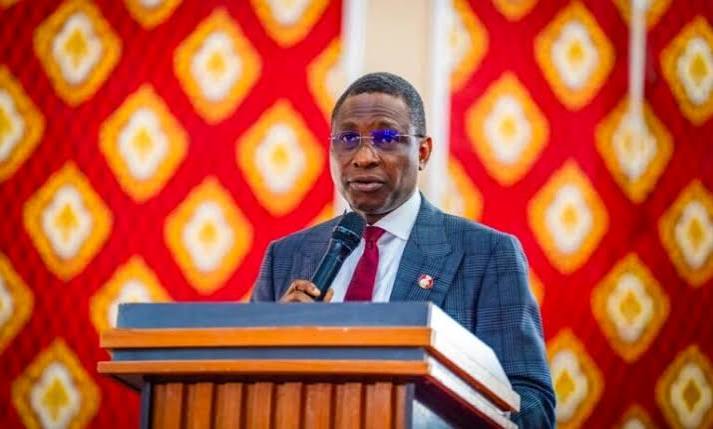
The Human and Environmental Development Agenda (HEDA Resource Centre) has commended the Economic and Financial Crimes Commission (EFCC) for the significant progress recorded in the recovery of proceeds of corruption and financial crimes, the prosecution of offenders, and the strengthening of internal accountability within the Commission.

In a statement signed by HEDA’s Chairman, Olanrewaju Suraju, the civil society organisation said the EFCC’s reported recovery of approximately ₦1.23 trillion and $684.48 million between October 2023 and June 2026, alongside forfeiture orders covering more than 10,000 assets, represents a significant development in Nigeria’s efforts to combat corruption and recover public and criminal assets.

The recoveries include 1,177 properties, 251 plots of land, 370 vehicles and other assets, including the 753-unit housing estate in Abuja.
Suraju said the significance of the recoveries goes beyond the volume of funds and assets recovered, noting that they have the potential to contribute directly to public welfare, strengthen accountability and restore citizens’ confidence in the fight against corruption.

“The reported allocation of additional ₦50 billion to the Nigerian Education Loan Fund (NELFUND) and another ₦50 billion to the Nigerian Consumer Credit Corporation (CREDITCORP) demonstrates how recovered resources can be redirected towards programmes with direct benefits to citizens,” he said.

HEDA also described the transfer of the recovered 753-unit Abuja housing estate to the Federal Ministry of Housing as an opportunity to convert a recovered public asset into social and economic value, while demonstrating that proceeds of financial crimes can be recovered and put to productive use.

The civil society group also welcomed the EFCC’s recent measures to strengthen accountability within its own ranks, with more than 40 personnel of the Commission dismissed for corruption and financial malpractice, while more than five of the affected personnel are being prosecuted.

HEDA described the action as an important component of credible anti-corruption enforcement. According to the organisation, an institution charged with investigating and prosecuting corruption must be prepared to subject its personnel to the same standards of accountability it demands from members of the public.

The civil society group called for sustained collaboration among the EFCC, civil society organisations, the media, oversight institutions and citizens to strengthen the fight against corruption.

It commended the leadership and personnel of the EFCC for the progress recorded in financial crime enforcement and urged the anti-graft agency to sustain the momentum, deepen institutional reforms, and ensure that recovered funds and assets are transparently managed and ultimately contribute to public accountability, social development and an improved quality of life for Nigerians.

Uber exit: Ride-hailing firms face pressure to improve driver earnings

0

The exit of Uber from Nigeria’s ride-hailing market is expected to intensify competition among operators while putting renewed focus on driver earnings and the sustainability of the business model in the sector.

Uber, which began operations in Nigeria in 2014, recently announced its decision to discontinue its ride-hailing operations in the country after 12 years.

The development has prompted discussions among mobility operators and industry stakeholders about the future of the sector, particularly the economics of operating as a ride-hailing driver amid rising fuel, vehicle maintenance, insurance and financing costs.
Reacting to the development, Nigerian mobility company SimpliRide said the sustainability of the sector would increasingly depend on how much drivers are able to earn after meeting the costs of running their vehicles.

Country Manager of the company, Alero Fregene, said drivers remained central to the operation of the sector because they bear most of the costs associated with providing the service.

She said drivers were responsible for vehicle acquisition or financing, fuel, maintenance and insurance, adding that the industry would face difficulties if drivers could not make sufficient returns from their operations.

Fregene said Uber’s contribution to the development of app-based transportation in Nigeria should be recognised, noting that its exit should not be interpreted as the end of ride-hailing in the country.

“Uber was a pioneer of modern app-based mobility in Nigeria, and its contribution to the development of this industry cannot simply be erased because the company has decided to leave,” she said.

Fregene, however, said changing economic conditions meant that ride-hailing companies would need to reassess their business models.

“Markets evolve. Economic realities evolve. And business models must evolve with them,” she added.

A major issue facing drivers is the impact of operating costs on their net earnings. While ride-hailing platforms generate revenue from trips completed by drivers, drivers are responsible for many of the expenses required to keep their vehicles on the road.

Fregene said this raised questions about whether measuring the success of a platform solely by the number of rides completed adequately reflects the sustainability of the industry.

She disclosed that the company was expanding its Driver Transition Programme to onboard professional drivers seeking additional sources of ride demand following changes in the market.

The company said drivers would not be required to abandon other ride-hailing platforms, allowing them to determine which services provide the best economic value for their businesses.

She said the company operates a subscription-based model rather than deducting a percentage commission from each trip. Under the model, drivers pay a platform subscription fee and retain their base trip fares.

Fregene said the model was developed around the economics of drivers and their ability to remain profitable after covering operating expenses.

The company disclosed that it had recorded more than 23,000 app downloads and had begun monetising its platform through its subscription model.

However, Fregene acknowledged that downloads alone would not determine the success of mobility companies competing in the post-Uber market.

“We are asking Nigerians to judge us by the economics, the technology, the reliability and the experience,” she said.

With Uber’s departure, competition among existing and emerging operators is expected to increase as companies seek to attract both drivers and passengers.

For the industry, however, Fregene said the key challenge may extend beyond filling the gap left by Uber to determining whether ride-hailing can provide a sustainable livelihood for drivers while maintaining affordable and reliable transportation for riders.

2027: Manipulate votes, invite anarchy — Umeh defends Obi

0

Senator Victor Umeh has defended Peter Obi’s warning that Nigerians will resist any attempt to manipulate their votes in the 2027 general election, saying the statement was a call for electoral responsibility, not a threat to unleash anarchy.

Obi, the presidential candidate of the Nigeria Democratic Congress (NDC), had warned that Nigerians would no longer tolerate attempts to undermine their votes, insisting that ballots cast at polling units must be counted and the choices of voters respected.

Speaking on Channels Television’s Morning Brief on Monday, Umeh, who represents Anambra Central Senatorial District, said Obi’s comment was neither extreme nor inciting, but reflected the expectations of Nigerians ahead of the election.

“I think the statement he made is not extreme. It is not inciting in any form. He merely stated what the Nigerian electorate will be expecting in 2027,” Umeh said.

The lawmaker said a transparent electoral process, in which votes are properly counted and collated, would eliminate doubts over election results and reduce the likelihood of post-election unrest.

“There will be no room for fraud or manipulation of election results, if taken further, it is a call on the electoral umpire to ensure that what will come out of that process will be genuine and real,” he said.

Umeh described Obi’s warning as “a call to patriotic duty to the electoral commission to ensure that they don’t create a situation where people will doubt the results they will declare.”

He also urged voters and electoral officials to protect the integrity of the ballot by ensuring that votes cast at polling units are properly counted, recorded and transmitted through the prescribed electoral process.

“So, whether he says the people will count the votes or we count them is a call to duty and awakening the consciousness of everybody to help to protect the sanctity of the ballot box,” Umeh said.

He maintained that credible elections remained the strongest safeguard against post-election tension, warning that any unrest triggered by disputed results would arise from manipulation of the electoral process, rather than Obi’s warning.

“When you manipulate and give false results, you are the one inviting the anarchy not Peter Obi, who is saying that the right thing should be done,” Umeh said.

Tinubu: Health reforms expand access to care for 37m Nigerians

0


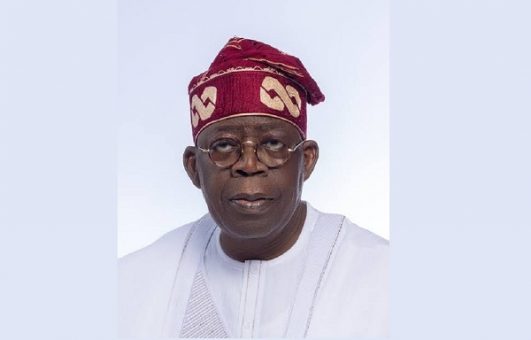
President Bola Tinubu has said reforms under his administration have expanded access to basic healthcare services to more than 37 million Nigerians, following investments in primary healthcare, infrastructure, manpower and local pharmaceutical production.

Tinubu disclosed this in a congratulatory message to the Coordinating Minister of Health and Social Welfare, Prof. Muhammad Ali Pate, on his birthday.

According to a statement by Special Adviser to the President on Information and Strategy, Bayo Onanuga, Tinubu credited Pate with driving key components of the administration’s health reforms under the Renewed Hope Agenda.

He said more than 3,100 primary healthcare centres had been revitalised, while the Basic Health Care Provision Fund (BHCPF) had been reorganised to enable millions of Nigerians access essential health services.

He also cited the establishment of three oncology centres across the geopolitical zones as part of efforts to improve cancer treatment at home and reduce the number of Nigerians travelling abroad for care.
Tinubu said more than 20,000 health professionals had been recruited into federal tertiary hospitals to cushion the impact of the migration of medical personnel, while over 78,000 frontline health workers had received training to improve primary healthcare delivery nationwide.

The President also highlighted the vaccination of more than 17.1 million adolescent girls against the Human Papillomavirus (HPV), describing it as a significant intervention in protecting young Nigerians against cervical cancer.

He commended Pate for efforts to attract private investment into the country’s healthcare and pharmaceutical industries through the Presidential Initiative for Unlocking the Healthcare Value Chain (PVAC).

According to Tinubu, the initiative has secured a project pipeline worth more than $5 billion, reflecting growing investor interest in expanding Nigeria’s capacity to manufacture medicines and other health products locally.

Tinubu described Pate as a distinguished and globally acclaimed health professional whose contributions had been invaluable to the implementation of the administration’s healthcare agenda.

As the minister marked his birthday on September 6, Tinubu joined his family, friends and associates in wishing him good health and renewed strength to continue serving the country.

Sun

Viral videos linking me to bandits manipulated -Sen Buba

0

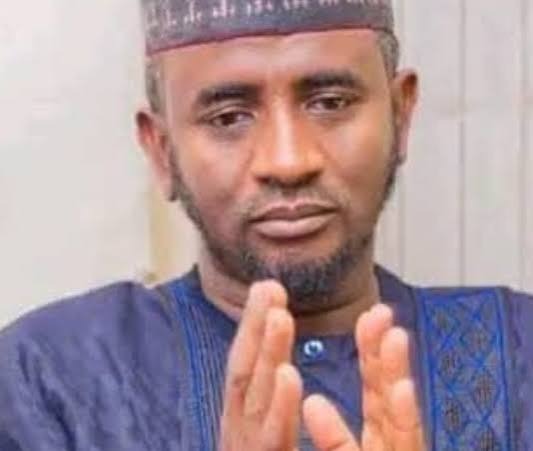
Senator representing Bauchi South, Shehu Buba, has dismissed viral videos linking him with alleged bandit kingpins, describing them as manipulated materials being recycled to damage his reputation.

Buba, Chairman of the Senate Committee on Livestock and Animal Husbandry and Peoples Redemption Party (PRP) governorship candidate in Bauchi State, said a fact-check showed that the videos combined two unrelated clips to create a false impression that bandits visited his residence.

In a statement titled, “Setting the Record Straight: My response to fabricated videos, false allegations and a sustained campaign of disinformation,” the former Chairman of the Senate Committee on National Security and Intelligence described the allegations as false, malicious and part of a sustained campaign against him.

He challenged anyone with credible evidence linking him to criminal activities to submit it to the appropriate security agencies, insisting that he had “nothing to hide and nothing to fear from any legitimate investigation.”

“I welcome scrutiny, but scrutiny must be fair. There is a difference between investigation and fabrication, between criticism and blackmail, and between political opposition and deliberate character assassination.

“Modern disinformation thrives on recycling old allegations, editing them, attaching new captions and redistributing them until repetition masquerades as evidence. Responsible citizens and journalists must resist this,” Buba said.

Explaining the videos, Buba said one of the clips showed Kaduna-based Hajj returnees who visited his residence in 2023, while another showed different individuals displaying passports.

According to him, the people in the first clip spoke Fulfulde while those in the second spoke English, contrary to claims that the footage showed bandits visiting him.

The senator traced the controversy to September 2024, when he condemned the alleged killing of two charcoal sellers by a militia group said to be working as hunters for the Bauchi State Agency for Vigilante and Youth Empowerment.

He said his intervention subsequently resulted in accusations linking him with banditry, which he denied, and a claim that he sponsored a “bandit kingpin” to perform the 2024 Hajj through an aide.

“I categorically denied these allegations. I stated that I had no aide by the name cited and invited security agencies to investigate,” he said.

Rather than engage in a public exchange, Buba said he filed a defamation suit, CV/413/2024, before the High Court of the Federal Capital Territory.

He also explained that some photographs and videos being circulated originated from a young man, Hassan Husseini, who was introduced to him in 2024 as an orphan requiring educational assistance.
Buba said he enrolled Husseini in a private college and Islamic school in Kaduna and bought him a bicycle, but the young man later abandoned his education and requested money to start a car dealership.

“I declined and advised him to return to school. I later discovered that, while under my care, he had recorded photographs and videos of visitors to my residence. These materials later formed the basis of allegations circulated on social media,” he said.

The senator said he petitioned the police in September 2025 after those circulating the materials allegedly demanded money from him.

According to him, five suspects were subsequently arraigned before Justice Rita Ofili-Ajumogobia of the Federal High Court, Abuja, on charges including criminal conspiracy, cyberstalking, criminal defamation, advance-fee fraud and extortion.

He said the case remained before the court, with the next hearing scheduled for September 29, 2026.

Buba also rejected suggestions that his engagement with individuals and communities in security-related matters amounted to association with criminals, saying his previous Senate assignment required contacts and interventions that could not always be publicly disclosed.

“Nigeria cannot defeat insecurity by military force alone,” he said.

“Sustainable security requires winning the trust of vulnerable communities, strengthening local intelligence networks and creating pathways for cooperation with legitimate authorities.”

He said while military operations remained necessary, Nigeria must complement them with community engagement, dialogue, intelligence gathering, deradicalisation and confidence-building.

Buba urged journalists, editors, fact-checkers and civil society organisations to independently interrogate the allegations rather than accept viral social media materials at face value.

“Verify the videos. Examine their origins. Establish the identities of the individuals involved. Review court records. Consult relevant security institutions. Subject my explanations to scrutiny as well,” he said.

“I will continue to defend my name through lawful means. More importantly, I will continue the work that has defined my public life: serving my constituents, supporting those in need and contributing to the peace and security of our nation.

“The facts should speak louder than propaganda.”

Sun
Adebayo unveils plan to reduce petrol price to ₦200

0

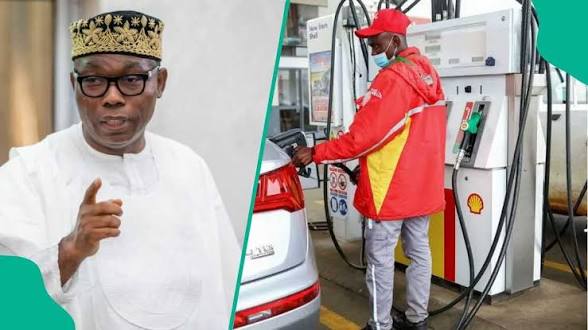
Social Democratic Party (SDP) presidential candidate, Adewole Adebayo, has unveiled a plan to reduce the pump price of petrol to ₦200 per litre, saying the proposal would be driven by increased domestic refining and greater government control over crude supply.

Adebayo said Nigeria’s current petrol pricing system was unsustainable and would worsen poverty, inflation and the country’s broader economic challenges if left unchanged.

Speaking on his economic proposal on Arise News, he said, “What we are recommending and proposing is not something new and we’ve done it successfully over the years until the capacity to govern collapsed completely.”

According to him, the major weakness in Nigeria’s current pricing model is the government’s limited control over petrol supply.

“What is clear and anyone who is in Nigeria will agree that the current pricing mechanism for petrol is not sustainable,” Adebayo said.

“It’s going to increase poverty and it’s going to add a lot of problems to the fiscal and monetary management of Nigeria and cost of living and issue of quality of life and productivity.”

He proposed that the government regain control of domestic fuel supply by reviving publicly owned refineries and ensuring that their output is channelled primarily into the Nigerian market.

Adebayo noted that Nigeria has four major government-owned refineries located in Port Harcourt, Warri and Kaduna, but argued that they have not been contributing adequately to domestic fuel supply.

“Right now they give us zero. We need to make sure that what they produce is dedicated to local consumption,” he said.

The SDP candidate said reducing petrol to ₦200 would only be sustainable if Nigeria could produce a significant portion of the fuel it consumes rather than relying heavily on imports.

He criticised the previous subsidy model, arguing that subsidising imported petrol placed a heavy burden on public finances.

“The fourth principal fault in the pricing mechanism that we’re using before the subsidy was that we were subsidizing products we did not produce,” he said.

Adebayo argued that domestic production would allow the government to lower production costs and make petrol more affordable without recreating the problems associated with the former subsidy regime.

“When you subsidize products that you produce, the first window for you is to lower your costs and minimize the profit motive,” he said.

He also proposed maintaining a portion of Nigeria’s crude oil production for domestic refining, saying this would help shield the economy from international price volatility and reduce pressure on consumers.

According to him, Nigeria historically reserved between 450,000 and 500,000 barrels of crude for domestic consumption to prevent rising fuel costs from worsening inflation.

“We need to produce. So our affordability plan arises from seizing control of the availability. That is, we will be able to refine. The crude is there,” Adebayo said.

He further alleged that Nigeria’s government-owned refineries were capable of being restored to efficient operation, arguing that the facilities should be rehabilitated rather than sold.

“It’s just that the government has taken the policy to shut them down, to not make them work. So we will make sure they will work,” he said.

Adebayo said he would seek operating and maintenance agreements with competent operators to restore the refineries to efficient production.

“I will not sell them, but I will get them run efficiently,” he stated.

He added that private refineries would continue to have a role in Nigeria’s petroleum industry, particularly in producing for international markets, while government-owned facilities would focus on meeting domestic demand.

“We will give them all the encouragement, all the support to have access to crude, to pay for crude in local currency, so that when they sell overseas, they can export back the forex into the economy,” Adebayo said.

He maintained that restoring domestic refining capacity would be central to his plan to lower petrol prices, reduce dependence on imports and ease pressure on Nigerian households and businesses.

Sun

Nigeria sitting on time bomb over widening rich-poor gap – Duke

0


• Says worsening inequality threatens social stability

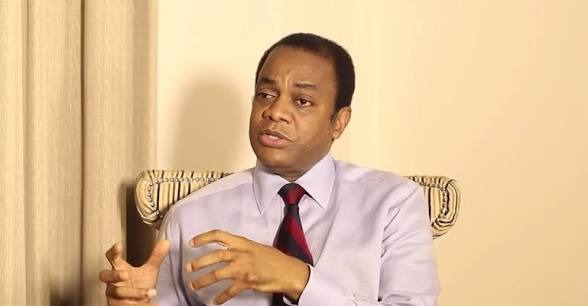
Presidential candidate of the Peoples Redemption Party (PRP), Donald Duke, has warned that Nigeria’s widening gulf between the rich and poor is pushing the country towards a social crisis.

The former Cross River State governor said rising poverty and hardship, amid the ostentatious lifestyle of the wealthy and political class, could eventually threaten the peace and security of the country.

“There was a time when I used to be in the National Economic Intelligence Committee and Professor Aluko used to say, proverbially, that a time is coming in this country when the rich won’t sleep because the poor have not eaten,” he said during an interview. I think the time is coming.”

He expressed regret that despite Nigeria’s enormous human and material resources, successive governments had failed to improve the welfare of the people or tackle unemployment, poor healthcare, inadequate electricity and decaying infrastructure.

“Nigeria is exceedingly blessed,” Duke said. “It’s sad. It’s painful that we are where we are.”

He argued that civilian democracy has become too expensive without delivering corresponding benefits to citizens. According to him, the country’s performance since the return to civilian rule in 1999 should be judged by the condition of ordinary Nigerians rather than the number of years democracy has survived.

“If we focus on the well-being of the people, what we term democracy dividends, how much has been delivered?” he asked.

“We’re still having the same problems we had 27 years ago. It’s getting worse. The number of children out of school has not improved; it’s deteriorating. The healthcare system is not improving; it’s deteriorating. Infrastructure deficiency over the last 27 years—are we better off? The question is: are we better off today than we were in 1999? Hardly so. Hardly so.”

Duke said the problems that confronted Nigeria before 1999 remained largely unresolved because there was no coherent strategy for addressing them.

“The problems that existed before 1999—electrification, unemployment—those things are still there.

“And I don’t see a structured approach towards dealing with these issues. This is my frustration, because there’s no problem we cannot resolve. We’re not a unique country,” he said.

The former governor also blamed the worsening situation on weak democratic institutions, disputed elections and the failure of the political elite to provide responsible leadership.

He said many Nigerians had lost confidence in elections because they believed the declared results did not always reflect the choices made by voters.

“The opposition is terribly weakened and self-centred. Democracy is also in danger.

“The results you get from the polls often don’t reflect the views of the people. So, there’s a disenchantment with the system, both by the contestants and the public. Most people don’t vote because they believe their votes don’t count.”

Duke said political leaders who did not consider themselves accountable to voters could easily ignore the needs and suffering of the people.

“Because your vote doesn’t matter, there’s a tendency to take people for a ride and disregard what is required by the people,” he said.

He described Nigeria’s democratic practice as a pretence, alleging that the legislature and judiciary had failed to provide effective checks on executive power.

“We don’t have a democracy. We are pretending to be a democracy. And the checks and balances from the National Assembly—you know there’s no check; there’s no balance,” he said

He accused the country’s elite of abandoning politics to people who regarded public office as a permanent means of livelihood.

“It’s a failure of the elite more than anything else,” he said. “We’re elites; we’re enlightened people. But we abdicated our leadership to those whom we should be leading.

“Politics is no longer a vocation. It’s an occupation for those people. And you can’t get them out.”

Sun