Home Blog Page 140

Insecurity: ‘Bad Boys’ Resume Robbery in Abule-Egba, Use Knives in Tricycles to Snatch Phones

0


BY TAIWO OGUNMOLA -OMILANI

As Christians gradually approach the festive period, suspected robbers have reportedly resumed their activities around the Abule-Egba axis of Lagos State, allegedly using tricycles, popularly known as maruwa, to rob passengers of their phones and other valuables.

According to reports, the suspected robbers board tricycles alongside unsuspecting passengers and, at times, use knives to threaten them into surrendering their belongings before forcing them to alight at the next bus stop.

Speaking with UPSHOT, a woman who fell victim to the alleged robbery around 8 a.m. at Abule-Taylor said she boarded a tricycle when the suspected robbers brought out a knife and demanded her phone before asking her to alight at the next bus stop.
The victim, who did not want her name mentioned, said, “I was disorganised and had to look for where to block my bank apps and wipe other numbers I had on the phone.”

Another victim, Mrs Aina Sola, shared a similar experience, alleging that the suspected robbers use tricycles to target passengers.

She called on the Lagos State Government, particularly Gov. Babajide Sanwo-Olu, to beef up security around the area.
“As the festive period is approaching, those bad boys have begun operations, and the government needs to act fast to curb their activities,” she said.
It was also reported that more foreigners are now operating tricycles in Lagos.

𝗠𝗼𝘁𝗵𝗲𝗿 𝗯𝘂𝗿𝗻𝘀 𝘀𝗲𝘃𝗲𝗻 -𝘆𝗲𝗮𝗿-𝗼𝗹𝗱 𝗱𝗮𝘂𝗴𝗵𝘁𝗲𝗿 𝘄𝗶𝘁𝗵 𝗵𝗼𝘁 𝗸𝗻𝗶𝗳𝗲 𝗼𝘃𝗲𝗿 𝘀𝘁𝗼𝗹𝗲𝗻 𝗺𝗲𝗮𝘁

0


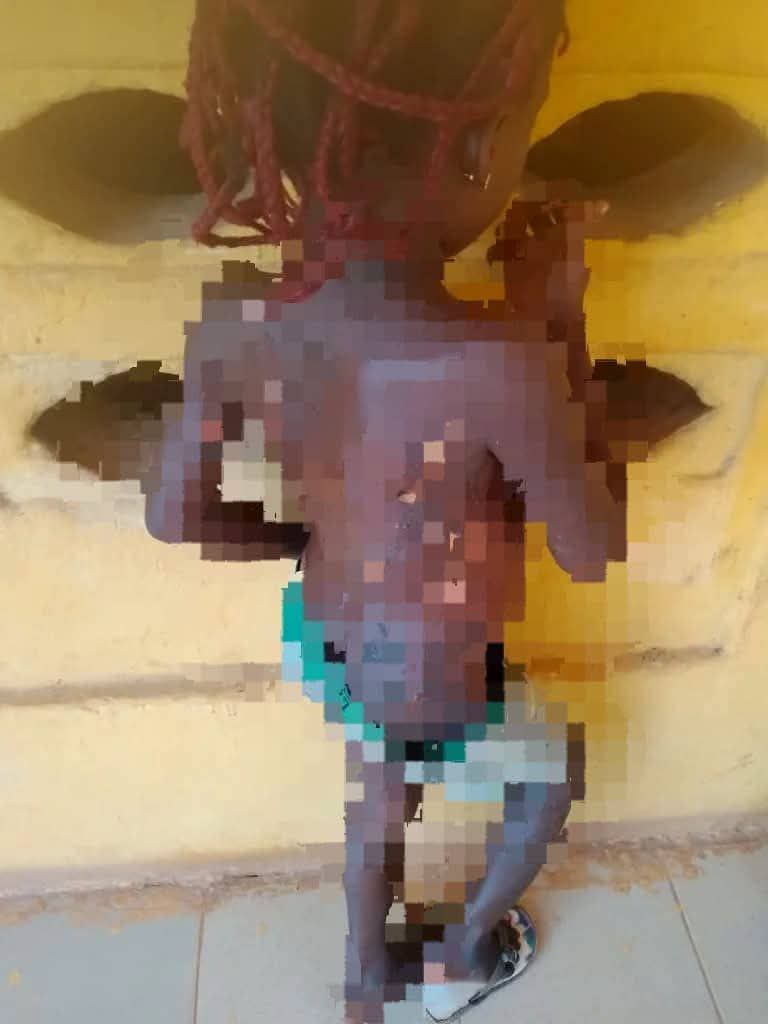
The Anambra State Police Command has arrested a 32-year-old woman, Ogechi Ofoma, for allegedly abusing and inflicting bodily injuries on her seven-year-old daughter in Ibollo community, Awada-Obosi, Idemili North Local Government Area of the state.

The seven-year-old, identified as Oluebube, was allegedly injured with a hot knife following an accusation that she took meat from a pot.

It was gathered that the suspect was arrested on Sunday by the police in collaboration with the state Ministry of Women Affairs and Social Welfare. She is currently in custody at the Awada Police Station, pending further investigation.

Confirming the incident in a statement released on Monday, the spokesperson for the Anambra State Police Command, SP Tochukwu Ikenga, said the suspect was arrested through the vigilance, courage and public-spirited intervention of community security personnel and residents.

Ikenga reaffirmed the police’s resolve to ensure that those responsible were brought to justice.

He said, “The Anambra State Police Command has strongly condemned the alleged brutal abuse of a seven-year-old girl in Obosi, Idemili North Local Government Area and has reaffirmed its resolve to ensure that those responsible are brought to justice.

“The Command received a report in the evening of September 13, 2026 concerning alleged child abuse and severe bodily injuries involving Oluebube Ofoma, aged seven.

“The prompt intervention of security personnel from the Ibollo Community, Awada-Obosi, and concerned residents led to the child’s rescue and the arrest of her mother, Mrs Ogechi Ofoma, 32.

“Preliminary information indicates that the child was allegedly subjected to severe physical abuse, including injuries reportedly inflicted with a hot knife.”

NESCAFÉ Campus Storm to Reach Over 260,000 Students Across 13 Nigerian Universities

0

BY TAIWO OGUNMOLA -OMILANI


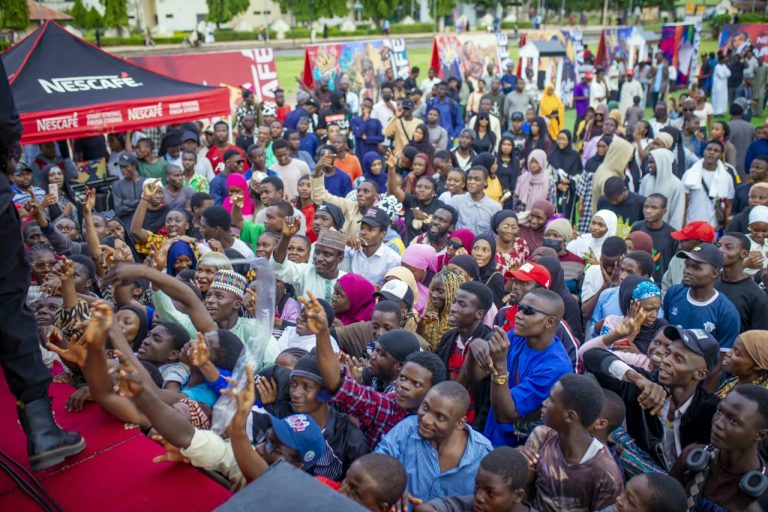
More than 260,000 students across 13 universities in Nigeria are set to experience the NESCAFÉ Campus Storm 2026, as NESCAFÉ takes its “My Coffee, My Vibe” campaign directly to university campuses.
The initiative is designed to create experiences around music, creativity, connections and interests that shape campus life.

Following International Youth Day, celebrated on August 12 under the theme, “Different Contexts, Common Aspirations,” the Campus Storm reflects the diversity of interests, passions and aspirations that define the experiences of young Nigerians.

Across the participating universities, NESCAFÉ is creating spaces where students can connect, express themselves and explore their interests through art, music, poetry, creativity and entertainment.

For NESCAFÉ, the Campus Storm goes beyond an opportunity to connect with consumers, reflecting the brand’s commitment to engaging young Nigerians around the interests, ambitions and realities that matter to them.

Through “My Coffee, My Vibe,” NESCAFÉ celebrates individuality, recognising that young people bring different interests, passions and forms of expression to shared experiences.
Speaking on the initiative, Jean Pierre Duplan, Category Lead, Coffee, Nestlé Nigeria Plc, said Nigeria has one of the youngest populations in the world and that young Nigerians are not only consumers of today but also entrepreneurs, creatives, professionals and leaders shaping the country’s future.

“University is an important time in that journey – a period when young people are discovering who they are, exploring what matters to them and shaping their ambitions for the future.
“With ‘My Coffee, My Vibe’, we want to meet them in that moment, creating experiences that recognise their interests and give them room to connect and express themselves,” he said.

A key feature of the experience is the NESCAFÉ Express Yourself creative zone, which gives students a platform to showcase their creativity through art and other forms of self-expression.

Students can also create social media content, participate in photo experiences, enjoy DJ sessions and live performances, and take part in games, raffle draws and giveaways, including prizes designed to support their interests and everyday hustle.

The Campus Storm also builds on NESCAFÉ’s recent efforts to create value for consumers beyond the traditional product experience.
The recently concluded NESCAFÉ Next Level Promotion rewarded more than 40,000 consumers with airtime and cash prizes, while the grand prize winner received tools of trade, business support and access to masterclasses aimed at supporting personal and entrepreneurial development.

As the Campus Storm travels across Nigerian universities, NESCAFÉ said it would continue to strengthen its connection with a generation that is creative, ambitious, entrepreneurial and increasingly influential in shaping Nigerian culture.

HomeTroops rescue 8 victims, apprehend 6 ISWAP members in Borno, Adamawa

0

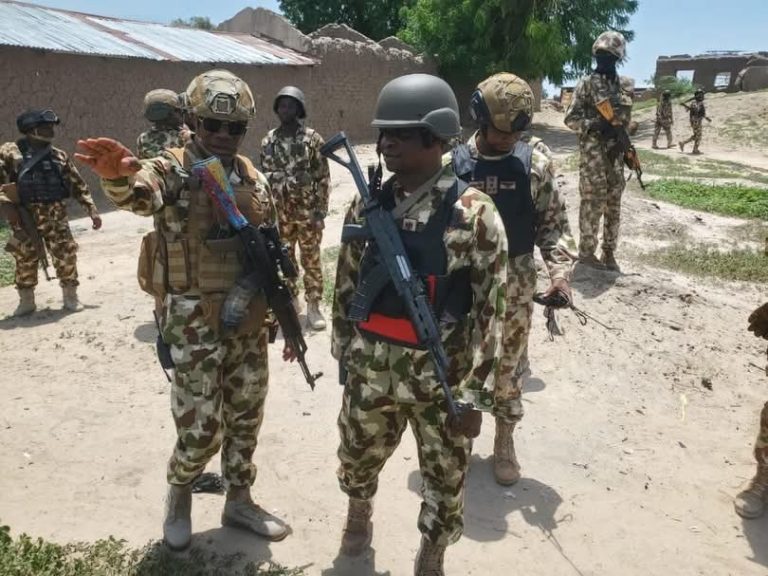
Troops have rescued eight abductees and arrested six suspected terrorists and collaborators in separate operations across Borno and Adamawa.

An operational report made available ton Monday said the operations were conducted between Sept. 11 and 13.

The report said the operations also led to the arrest of suspected terrorist logistics suppliers and collaborators, disruption of Improvised Explosive Devices (IEDs) and arrest of illegal miners.

It said the troops of 82 Division Task Force Battalion rescued eight abductees at the fringes of Armuda and Gava villages in Gwoza Local Government Area (LGA) of Borno.

The report said preliminary investigation indicated that the victims escaped from the enclave of Chikede terrorists.

According to the report, the rescued locals were subsequently handed over to local authorities for further action.

In Adamawa, it said the troops of 23 Brigade arrested three suspected terrorists at Gaya village, Hong LGA.

“The suspects were arrested following information obtained from a previously arrested terrorist and remained in military custody.

“Also in Adamawa, troops arrested six suspected kidnappers at Soktu Hill, Song Local Government Area, during a raid conducted with hunters.

“The suspects reportedly confessed to kidnapping more than seven victims, collecting ransom for some and killing those who failed to pay.

“In Borno, troops and members of the Civilian Joint Task Force arrested three suspected terrorist logistics suppliers at Koppa village, Konduga.

“The suspects were allegedly supplying food and household items from Maiduguri to terrorists operating around Alajiri village, Mafa.

“The troops recovered three mobile phones, two bicycles, ₦53,200 and other sundry items from the suspects,” it said.

The report also said the troops conducted a dawn cordon-and-search operation at Kukawa following intelligence about plans by terrorists to attack their location.

According to the report, one suspected terrorist fighter was arrested during the operation after allegedly leaving Kukawa about a year ago to join terrorist groups operating in Dumbullum and Kareto camps.

It added that troops and the Civilian JTF arrested two suspected terrorist collaborators and recovered six loaves of bread and ₦3.65 million.

In Kwara, the report said the troops of Operation SAVANNAH SHIELD arrested a suspected terrorist collaborator at Oro Ago, Ifelodun LGA.

It said the troops also disrupted an IED threat along the Woro-Nuku road in Kaiama, where an Explosive Ordnance Disposal team located four IED cylinders.

It added that the EOD team successfully disposed of two cylinders and disabled the remaining two.

“In Plateau, troops of Operation ENDURING PEACE arrested six suspected illegal miners at Rakwok mining site, Barkin Ladi LGA.

“The troops recovered a cutlass, seven torchlights, a mobile phone and other items from the suspects.

“In Benue, troops of Operation WHIRL STROKE arrested four suspected vandals with vandalised pipelines at Gou, Logo Local Government Area.

“A generator and other items were recovered from the suspects.

“Meanwhile, troops and police intervened in a communal clash at Kowa Yarda village, Karshi, Abuja, after a herder allegedly macheted two farmers.

“Troops subsequently engaged the families, youth leaders and vigilantes and appealed for calm and restraint.

“The troops also rescued a Fulani vigilante detained by youths at Ara Sabo and handed him over to the vigilante headquarters in the area,” it said. (NAN)(NAN)

Dangote Unveils N2.15trn Refinery IPO, Says Offer Will Democratise Wealth Creation

0

Alhaji Aliko Dangote, President and Chief Executive Officer of Dangote Industries Ltd., says the Initial Public Offering (IPO) of Dangote Petroleum Refinery and Petrochemicals FZE will democratise wealth creation by giving ordinary Nigerians and investors globally an opportunity to own shares in the major industrial project.

Dangote said this on Monday in Lagos at the “Facts Behind the Offer” presentation and opening gong ceremony for the refinery’s IPO, where the Nigerian Exchange Ltd. formally opened the N2.15 trillion offer.

The IPO comprises 4.1 billion new ordinary shares offered at N525 per share, with a minimum subscription of 10 shares valued at N5,250. The offer is scheduled to close on Oct. 13, subject to the terms contained in the prospectus.

Dangote described the offer as a historic moment for Nigeria’s capital market, the Dangote Group and Africa, saying the decision to offer shares to the public was driven by the desire to allow more people to participate in and benefit from the prosperity created by the refinery.

He said the IPO was not primarily about raising funds, noting that the group had already met its expansion funding needs through a private placement. According to him, the company had planned to raise $2.5 billion through the private placement and IPO, with $1.5 billion earmarked for the IPO and $1 billion for the private placement. He said the private placement attracted about $2.5 billion in applications, resulting in about $1.2 billion being returned to investors after allocations.

Dangote said broad-based ownership would provide investors with an opportunity to preserve and grow their wealth through exposure to a business whose revenues are largely dollar-linked.

He urged Nigerians and Africans to seize the opportunity, saying the refinery could become Africa’s largest company by the end of 2026.

The business mogul described the refinery as a world-class industrial asset with a nameplate capacity of 650,000 barrels per day. He said the facility was supplying Nigeria’s domestic market and other African and international markets, while its aviation fuel had also become a major export to Europe. He added that the group was expanding its petrochemical operations to produce polypropylene, polyethylene and polystyrene.

Chairman of Access Holdings, Mr Aigboje Aig-Imoukhuede, commended the offer, saying billions of naira had already been subscribed by thousands of investors within minutes. Chairman of NGX Group, Dr Umar Kwairanga, said the N2.15 trillion offer demonstrated the capacity of Nigeria’s capital market to support businesses at a global scale and connect African savings with enterprises capable of competing globally.

ASUU strike threat: Atiku asks Tinubu to account for subsidy savings

0

* Says varsity crisis exposes contradiction in FG’s reform claims

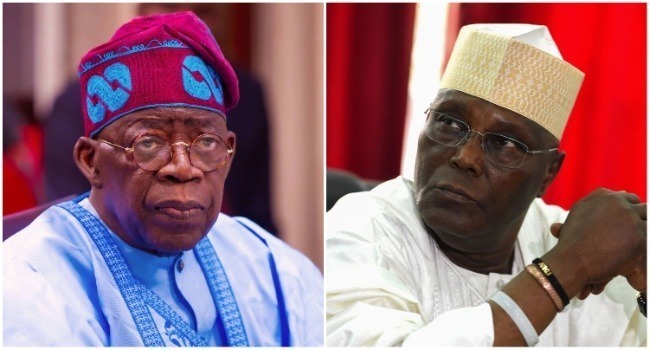
African Democratic Congress (ADC) presidential candidate, Atiku Abubakar, has challenged President Bola Tinubu to account for savings from the removal of petrol subsidy, saying the renewed threat of a nationwide strike by university lecturers has called into question the government’s promise to channel the funds to education and other critical sectors.

The former vice president said Nigerians had endured unprecedented increases in transportation, food and energy costs since the subsidy was removed, yet public universities remained underfunded and lecturers were again threatening to down tools over unresolved agreements and unpaid entitlements.
His intervention followed a warning by the Academic Staff Union of Universities (ASUU) that it could reactivate its suspended nationwide strike without further notice unless the Federal Government and state governments urgently address outstanding issues affecting its members.

ASUU issued the warning after an emergency meeting of its National Executive Council (NEC) at the University of Abuja on September 5.

Among the issues are the alleged non- or haphazard implementation of the December 2025 Federal Government-ASUU agreement, payment of the outstanding three-and-a-half months of salaries withheld during the previous administration and remittance of deductions from lecturers’ salaries. The union acknowledged that the Tinubu administration had paid four months out of the seven-and-a-half months of salaries withheld during the previous administration but insisted that the outstanding balance must be paid. Reacting to the development in a statement by his Senior Special Assistant on Public Communication, Phrank Shaibu, Atiku said the administration had justified subsidy removal on the grounds that the savings would free resources for education, healthcare, infrastructure and other essential services.

He said the latest university crisis raised questions about how those resources had been deployed.

“If the subsidy is gone and Nigerians have paid for that decision through unprecedented hardship, then President Tinubu owes the country a simple answer: where is the money?

“The house of cards of falsehoods erected by the Tinubu administration to justify the suffering of Nigerians is collapsing before our eyes. A government that strips citizens of relief, denies them meaningful social protection and fails to deliver the basic improvements it promised has forfeited the moral credibility to continue preaching sacrifice.”

Atiku accused the administration of imposing an unprecedented cost-of-living crisis without providing sufficient relief for Nigerians.

“The Tinubu administration has imposed an unprecedented cost-of-living crisis on Nigerians. Families are struggling with soaring food prices, punishing transport costs, expensive energy and shrinking incomes. Yet instead of cushioning the consequences of its own economic decisions, the government has largely abandoned Nigerians to carry the burden alone.

“That is what makes the present university crisis indefensible. Government removed the cushion, collected the supposed savings and imposed the hardship, but Nigerians cannot see the corresponding improvement in their schools, hospitals or everyday lives,” he said.

Atiku said the persistence of disputes in the universities more than three years into the administration contradicted claims that the subsidy savings were being deployed to improve critical public services.

“More than three years later, lecturers are still raising concerns about unpaid salaries and unresolved agreements. ASUU is again warning of industrial action. University infrastructure remains inadequate, while millions of young Nigerians compete every year for limited admission spaces. So where is the money?”
The ADC candidate also faulted the government’s argument that subsidy removal had resulted in increased allocations to states, saying improved revenues should have translated into better public education across the federation.

“Government officials repeatedly tell Nigerians that subsidy savings have translated into larger allocations to states. But if substantially more money is supposedly flowing to the states, why has the condition of public education not improved accordingly?

“Across the federation, public education remains under severe pressure. Several state-owned universities have experienced industrial disputes and disruptions under this administration, even while the Federal Government continues to advertise an era of stability in the tertiary education calendar,” he said.

Atiku said the situation exposed what he called a contradiction between rising government revenues and the quality of services available to Nigerians.

“You cannot boast about record allocations while students sit at home because lecturers are on strike. You cannot celebrate higher revenues when classrooms, laboratories, hostels and teaching facilities remain inadequate.

“If more money is reaching both the Federal Government and the states, Nigerians are entitled to ask why the quality and capacity of public education remain so painfully deficient,” he said.

The former vice president also criticised the administration’s student loan programme, arguing that the Nigerian Education Loan Fund (NELFUND) could not substitute for adequate investment in public universities and affordable education.

“This government removed subsidy, increased the cost of transportation, food and virtually every other necessity, and watched the cost of university education rise beyond the reach of many families.

“After helping to make education more expensive, the same government created NELFUND and now celebrates giving young Nigerians loans to pay fees that many of their parents can no longer comfortably afford.

“What kind of reform first empties a family’s pocket and then offers the child a loan to survive the hardship government helped create? That is not progress. It is a vicious circle of government-manufactured poverty.”

Atiku argued that Nigeria’s growing youth population required a corresponding expansion of university infrastructure and admission capacity.

“Every year, more young Nigerians seek university education, yet the physical capacity of the system has not expanded anywhere near the scale required. Where are the new classrooms? Where are the laboratories? Where are the hostels? Where are the additional teaching facilities and expanded admission spaces required for Nigeria’s growing youth population?

“You cannot raise the cost of education, leave infrastructure inadequate, fail to settle lecturers’ legitimate claims, disregard agreements and then congratulate yourself for giving students loans. That is not education reform. It is organised hardship financed with debt,” Atiku said.

SERAP gives INEC 7 days to account for N126.46bn electoral funds

0

The Socio-Economic Rights and Accountability Project (SERAP) has given the Independent National Electoral Commission (INEC) seven days to account for more than ₦126.46 billion in electoral funds allegedly diverted, lost, mismanaged or otherwise unaccounted for.

SERAP said the alleged irregularities were contained in the Auditor-General of the Federation’s 2023 audited report and involved funds appropriated for ballot boxes, electoral devices and materials, result sheets, vehicles, audit and consultancy services, digital archiving and other election-related goods and services.

In a letter dated September 12, 2026, signed by its Deputy Director, Kolawole Oluwadare, and addressed to INEC Chairman, Prof. Joash Amupitan, the organisation warned that it would take “all appropriate legal actions” if the commission failed to respond within seven days.

SERAP also asked INEC to refer the alleged financial irregularities to the Economic and Financial Crimes Commission (EFCC) and Independent Corrupt Practices and Other Related Offences Commission (ICPC) for investigation, prosecution and recovery of funds where appropriate.

According to SERAP, the Auditor-General’s findings, published on August 7, 2026, covered transactions and activities carried out mainly between January and December 2022, with some extending to December 31, 2023. Among the major findings cited by SERAP was the alleged irregular payment of ₦112.16 billion for ballot boxes, electoral devices, items and materials without competitive bidding or a Bureau of Public Procurement (BPP) Certificate of No Objection.

SERAP said the Auditor-General found no evidence that the items were procured and raised concerns about contracts awarded to companies whose competence, experience, capacity, addresses and factory locations were allegedly unknown.

According to the organisation, the Auditor-General expressed concern that the ₦112.16 billion “may have been diverted” and recommended its recovery.

The electoral commission was also alleged to have paid ₦1.06 billion for Toyota Prado TXL 2021-model vehicles without advertisement, competitive bidding, bid evaluation or a BPP Certificate of No Objection.

SERAP said concerns were raised that the funds might have been lost and the contracts inflated.

Another ₦3.14 billion was allegedly paid to four contractors for ballot guides, sensitive materials and result sheets before the contracts were awarded, while ₦9.25 billion paid under 22 contracts for similar goods and services was questioned over alleged contract splitting to circumvent procurement procedures.

The Auditor-General, according to SERAP, raised concerns that payments might have been made for items that were not supplied.

Other transactions questioned included ₦504.49 million allegedly paid for accreditation devices without due procurement procedures; ₦235.1 million paid to allegedly unqualified contractors for sleeping mats and digital archiving; and ₦129.38 million paid to 19 accounting firms for financial audit services without evidence of utilisation or requests and expenditure by the consultants.

SERAP demanded details of the expenditure, including amounts paid, beneficiaries, contracts and procurement processes, contractors and suppliers involved, as well as documentary and physical evidence that the goods and services were delivered.

“Electoral resources are public resources. INEC must be able to account for every naira, demonstrate that it was lawfully spent and show that it served the purposes for which it was appropriated,” SERAP said.

The organisation particularly asked INEC to produce evidence that the more than ₦112 billion allegedly “irregularly paid” was actually used to procure the electoral materials and disclose the present location and status of the materials.

It also urged the commission to preserve electoral equipment, materials and other public assets covered by the audit findings pending reconciliation and possible investigations.

SERAP said any referral to the EFCC and ICPC should extend to contractors, companies, suppliers and consultants who allegedly received irregular payments, as well as public officials who authorised, processed, facilitated or benefited from the transactions.

It said investigations should establish whether the contracted goods and services were supplied, whether payments corresponded with what was delivered and whether contracts were deliberately split to circumvent procurement requirements.

“Nigerians have a right to know every public act, everything that is done in the public interest, by their public institutions including INEC,” SERAP said.

NELFUND disburses N1.08bn to 5,381 nursing, midwifery students

0

The Nigerian Education Loan Fund (NELFUND) has disbursed N1.08 billion to 5,381 nursing and midwifery students across 21 federal and state-owned institutions in three academic sessions.

The Fund said the intervention covered the 2023/2024, 2024/2025 and 2025/2026 academic sessions, with annual disbursements rising sharply from N59.4 million in the first session to N205.8 million in the second and N811.9 million in the current session.

The figures represent more than a thirteenfold increase in annual funding for nursing and midwifery students between the 2023/2024 and 2025/2026 sessions.

Beneficiaries are drawn from nursing institutions across the country, including Oyo State College of Nursing, Lagos State College of Nursing, Ogun State College of Nursing, Katsina State College of Nursing and Midwifery, Kebbi State College of Nursing, Cross River State Colleges of Nursing and Shehu Sule College of Nursing.

Others are studying at institutions in Bauchi, Anambra, Kaduna, Taraba, Zamfara and the Federal Capital Territory.

NELFUND Managing Director and Chief Executive, Mr. Akintunde Sawyerr, said the intervention was not merely about providing loans but investing in the country’s healthcare workforce.

“NELFUND is not simply providing financial assistance to students; we are investing in the human capital that Nigeria needs to move forward.
“Every student we keep in school represents a future professional, a future healthcare worker and a potential contributor to the development of our nation,” Sawyerr said.

He said the increase in funding from N59.4 million to N811.9 million within three academic sessions demonstrated the impact of removing financial barriers for Nigerians seeking professional training.

“We are particularly encouraged that this intervention is reaching thousands of young women pursuing nursing and midwifery.

“By supporting their education, we are opening doors to professional opportunity, economic independence and meaningful participation in Nigeria’s healthcare system,” he added.

Executive Director, Operations, Mr. Mustapha Iyal, said NELFUND would continue to ensure seamless and timely support for eligible students to enable more Nigerians to acquire skills and qualifications needed by the country.

According to the Fund, the majority of the 5,381 beneficiaries are young women, reflecting the high proportion of women in the nursing and midwifery professions.

NELFUND said the disbursements were part of its broader mandate to ensure that lack of funds does not prevent eligible Nigerians from accessing and completing higher education amid growing demand for student financing.

SERAP gives INEC 7 days to account for N126.46bn electoral funds

0

The Socio-Economic Rights and Accountability Project (SERAP) has given the Independent National Electoral Commission (INEC) seven days to account for more than ₦126.46 billion in electoral funds allegedly diverted, lost, mismanaged or otherwise unaccounted for.

SERAP said the alleged irregularities were contained in the Auditor-General of the Federation’s 2023 audited report and involved funds appropriated for ballot boxes, electoral devices and materials, result sheets, vehicles, audit and consultancy services, digital archiving and other election-related goods and services.

In a letter dated September 12, 2026, signed by its Deputy Director, Kolawole Oluwadare, and addressed to INEC Chairman, Prof. Joash Amupitan, the organisation warned that it would take “all appropriate legal actions” if the commission failed to respond within seven days.

SERAP also asked INEC to refer the alleged financial irregularities to the Economic and Financial Crimes Commission (EFCC) and Independent Corrupt Practices and Other Related Offences Commission (ICPC) for investigation, prosecution and recovery of funds where appropriate.

According to SERAP, the Auditor-General’s findings, published on August 7, 2026, covered transactions and activities carried out mainly between January and December 2022, with some extending to December 31, 2023. Among the major findings cited by SERAP was the alleged irregular payment of ₦112.16 billion for ballot boxes, electoral devices, items and materials without competitive bidding or a Bureau of Public Procurement (BPP) Certificate of No Objection.

SERAP said the Auditor-General found no evidence that the items were procured and raised concerns about contracts awarded to companies whose competence, experience, capacity, addresses and factory locations were allegedly unknown.

According to the organisation, the Auditor-General expressed concern that the ₦112.16 billion “may have been diverted” and recommended its recovery.

The electoral commission was also alleged to have paid ₦1.06 billion for Toyota Prado TXL 2021-model vehicles without advertisement, competitive bidding, bid evaluation or a BPP Certificate of No Objection.

SERAP said concerns were raised that the funds might have been lost and the contracts inflated.

Another ₦3.14 billion was allegedly paid to four contractors for ballot guides, sensitive materials and result sheets before the contracts were awarded, while ₦9.25 billion paid under 22 contracts for similar goods and services was questioned over alleged contract splitting to circumvent procurement procedures.

The Auditor-General, according to SERAP, raised concerns that payments might have been made for items that were not supplied.

Other transactions questioned included ₦504.49 million allegedly paid for accreditation devices without due procurement procedures; ₦235.1 million paid to allegedly unqualified contractors for sleeping mats and digital archiving; and ₦129.38 million paid to 19 accounting firms for financial audit services without evidence of utilisation or requests and expenditure by the consultants.

SERAP demanded details of the expenditure, including amounts paid, beneficiaries, contracts and procurement processes, contractors and suppliers involved, as well as documentary and physical evidence that the goods and services were delivered.

“Electoral resources are public resources. INEC must be able to account for every naira, demonstrate that it was lawfully spent and show that it served the purposes for which it was appropriated,” SERAP said.

The organisation particularly asked INEC to produce evidence that the more than ₦112 billion allegedly “irregularly paid” was actually used to procure the electoral materials and disclose the present location and status of the materials.

It also urged the commission to preserve electoral equipment, materials and other public assets covered by the audit findings pending reconciliation and possible investigations.

SERAP said any referral to the EFCC and ICPC should extend to contractors, companies, suppliers and consultants who allegedly received irregular payments, as well as public officials who authorised, processed, facilitated or benefited from the transactions.

It said investigations should establish whether the contracted goods and services were supplied, whether payments corresponded with what was delivered and whether contracts were deliberately split to circumvent procurement requirements.

“Nigerians have a right to know every public act, everything that is done in the public interest, by their public institutions including INEC,” SERAP said.

Sun

NELFUND disburses N1.08bn to 5,381 nursing, midwifery students

0

The Nigerian Education Loan Fund (NELFUND) has disbursed N1.08 billion to 5,381 nursing and midwifery students across 21 federal and state-owned institutions in three academic sessions.

The Fund said the intervention covered the 2023/2024, 2024/2025 and 2025/2026 academic sessions, with annual disbursements rising sharply from N59.4 million in the first session to N205.8 million in the second and N811.9 million in the current session.

The figures represent more than a thirteenfold increase in annual funding for nursing and midwifery students between the 2023/2024 and 2025/2026 sessions.

Beneficiaries are drawn from nursing institutions across the country, including Oyo State College of Nursing, Lagos State College of Nursing, Ogun State College of Nursing, Katsina State College of Nursing and Midwifery, Kebbi State College of Nursing, Cross River State Colleges of Nursing and Shehu Sule College of Nursing.

Others are studying at institutions in Bauchi, Anambra, Kaduna, Taraba, Zamfara and the Federal Capital Territory.

NELFUND Managing Director and Chief Executive, Mr. Akintunde Sawyerr, said the intervention was not merely about providing loans but investing in the country’s healthcare workforce.

“NELFUND is not simply providing financial assistance to students; we are investing in the human capital that Nigeria needs to move forward.
“Every student we keep in school represents a future professional, a future healthcare worker and a potential contributor to the development of our nation,” Sawyerr said.

He said the increase in funding from N59.4 million to N811.9 million within three academic sessions demonstrated the impact of removing financial barriers for Nigerians seeking professional training.

“We are particularly encouraged that this intervention is reaching thousands of young women pursuing nursing and midwifery.

“By supporting their education, we are opening doors to professional opportunity, economic independence and meaningful participation in Nigeria’s healthcare system,” he added.

Executive Director, Operations, Mr. Mustapha Iyal, said NELFUND would continue to ensure seamless and timely support for eligible students to enable more Nigerians to acquire skills and qualifications needed by the country.

According to the Fund, the majority of the 5,381 beneficiaries are young women, reflecting the high proportion of women in the nursing and midwifery professions.

NELFUND said the disbursements were part of its broader mandate to ensure that lack of funds does not prevent eligible Nigerians from accessing and completing higher education amid growing demand for student financing.

Sun