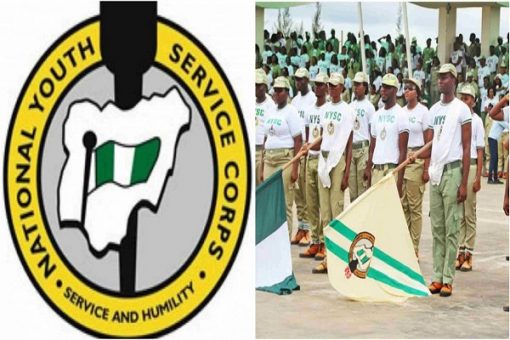
The National Automotive Design and Development Council (NADDC) and the National Youth Service Corps (NYSC) have begun the technical phase of a compressed natural gas (CNG) vehicle retrofitting training for Corps members under the NYSC Skills Acquisition and Entrepreneurship Development (SAED) programme.
The training, which began yesterday at the NYSC Orientation Camp in Lagos, is aimed at equipping young Nigerians with practical skills needed to participate in the country’s growing CNG and clean-mobility sector.
The Director-General and Chief Executive Officer of NADDC, Otunba Oluwemimo Joseph Osanipin, who was represented at the event by the Council’s Deputy Director, Press and Public Relations, Mr Ikechukwu Okoha, said the initiative was part of efforts to equip Nigerian youths with technical skills that could lead to employment, entrepreneurship and sustainable livelihoods.
Osanipin said the technical phase would move participants from theoretical knowledge to hands-on training in CNG vehicle conversion.
According to him, the corps members would be trained on the identification and functions of CNG components, installation procedures, fuel-system integration, electrical and electronic connections, leak detection, system testing, calibration, diagnostics and maintenance.
He stressed that safety must remain a priority in CNG conversion, warning that participation in the training alone does not qualify anyone to undertake vehicle conversion without the required competence and practical skills.
“CNG is a safe and reliable automotive fuel when properly installed, handled and maintained in accordance with approved standards and procedures,” he said.
The NADDC boss said the objective of the programme was not merely to produce certificate holders but competent automotive technicians and entrepreneurs capable of contributing to Nigeria’s emerging CNG ecosystem.
He urged the corps members to take the practical sessions seriously and understand the technical reasons behind each installation procedure, as well as the consequences of poor workmanship, improper connections and inadequate testing.
Osanipin said the transition to CNG was creating opportunities for technicians, installers, maintenance specialists, diagnostic personnel, trainers and entrepreneurs.
He therefore encouraged the participants to see the training as an opportunity to acquire skills that could form the foundation for sustainable careers and businesses.
He reaffirmed NADDC’s commitment to working with NYSC and other stakeholders to develop a skilled workforce capable of supporting the safe expansion of CNG and Nigeria’s broader clean-mobility ecosystem.
The programme is being implemented in collaboration with technical instructors from Portland Gas Ltd and other stakeholders.
The NADDC chief executive urged the corps members to approach the training with discipline and commitment, stressing that the skills acquired should be deployed to create value, generate employment and support Nigeria’s transition to cleaner and more affordable mobility.