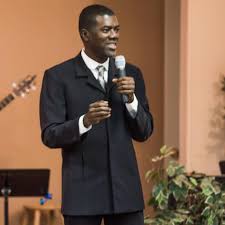
Former presidential aide and Ambassador-designate to Mexico, Reno Omokri, has responded to recent remarks by former Chief of Army Staff, Tukur Yusuf Buratai, arguing that locating and eliminating terrorists and bandits is a complex process that often takes years, even for countries with advanced security capabilities.
Omokri’s reaction followed comments made by Buratai during an interview on TVC on Tuesday, June 2, 2026, in which the retired military officer questioned the inability of security agencies to track down criminal elements.
According to Buratai, “I don’t believe security agencies can’t locate the bandits, if they can locate ordinary citizens and social media influencers.”
In a statement issued on Wednesday, Omokri said the former army chief failed to consider the difficulties involved in tracking terrorists and non-state actors, citing the case of late Al-Qaeda leader Osama bin Laden as an example.
He noted that despite being declared America’s most wanted terrorist following the 1998 bombings of U.S. embassies in Kenya and Tanzania, bin Laden remained at large for nearly 13 years before he was eventually located and killed by U.S. forces in Pakistan in 2011.
Omokri argued that if the United States, with its extensive intelligence and technological resources, required more than a decade to find bin Laden, it would be unrealistic to expect security agencies to instantly locate every terrorist or bandit operating in Nigeria.
The former presidential aide also highlighted what he described as notable achievements by Nigerian security agencies in recent years, including the arrest, prosecution, or elimination of several notorious bandit leaders operating across the country.
He listed individuals such as Kachalla Ali Kawaje, Kachalla Halilu Sububu, Kachalla Damina, Kachalla Dangote, Kachalla Jafaru, Kachalla Barume, Kachalla Shehu, Tsoho, Kachalla Yellow Mai Buhu, Yellow Sirajo, Kachalla Dan Muhammadu, Kachalla Makasko, Yellow Hassan, Boderi, Kachalla Dan Ba Birki, and Auta Dan Mai Jan Kai among those neutralised or brought into custody.
Omokri further referenced the arrest of alleged TikTok bandit Sule Yellow by troops of the Nigerian Army earlier this year, saying the operation was carried out using intelligence provided by security agencies.
He also pointed to recent developments in the prosecution of suspects linked to the June 2022 attack on worshippers at the St. Francis Catholic Church in Owo, Ondo State.
According to him, four suspects — Idris Abdulmalik Omeiza, Al Qasim Idris, Jamiu Abdulmalik and Abdulhaleem Idris — were recently sentenced to death following their conviction, while another suspect is still standing trial.
He added that a sixth suspect, identified as Sani Yusuf, was arrested by the Department of State Services earlier this year.
Omokri urged public figures, particularly former senior government officials, to exercise caution in their public comments on national security issues.
He maintained that while constructive criticism is necessary, statements that could undermine public confidence in the country’s security institutions should be weighed carefully, especially by individuals who previously held sensitive positions in government.
The exchange comes amid continuing national debate over insecurity and the effectiveness of ongoing military and intelligence operations against terrorism, banditry and other violent crimes across Nigeria.