 BY TAIWO OGUNMOLA -OMILANI
President Bola Ahmed Tinubu on Wednesday reaffirmed the Federal Government’s commitment to protecting Nigerian workers from economic hardship, workplace risks, and ensuring a dignified life after retirement.
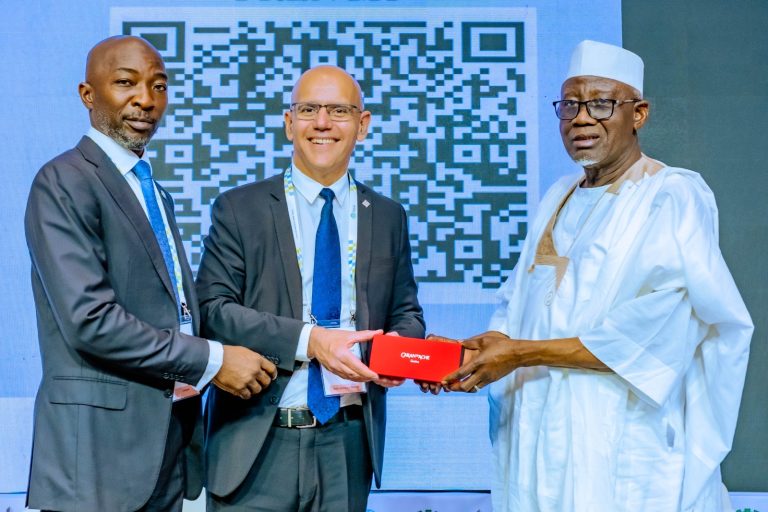
The President gave the assurance at the opening of the ISSA 2026 West Africa Seminar held in Abuja, themed “Improving inclusiveness and accessibility of social security services through effective communication in West Africa.”
Represented by the Minister of Budget and National Planning, Atiku Bagudu, Tinubu stated that since assuming office in 2023, his administration has pursued the Renewed Hope Agenda aimed at restoring opportunities, protecting livelihoods, and rebuilding confidence in the economy.
He noted that the government is strengthening institutions critical to Nigeria’s social security framework. According to him, the Nigeria Social Insurance Trust Fund has expanded workplace injury protection, with over 7.5 million employees now covered under the Employees’ Compensation Scheme.
Tinubu further disclosed that under the National Pension Commission, more than 10 million workers are contributing to the Contributory Pension Scheme, with pension assets exceeding ₦25 trillion.
While describing the figures as significant, the President emphasized that the true value lies in the trust workers place in the system, assuring them of security and dignity in retirement.
He added that the National Directorate of Employment has empowered over two million Nigerians through skills acquisition, entrepreneurship, and job creation initiatives, while the National Health Insurance Authority has enrolled more than 16 million Nigerians in health insurance programmes.
Tinubu also highlighted ongoing social intervention efforts by the Federal Ministry of Humanitarian Affairs and Poverty Reduction, including conditional cash transfers, food security programmes, and livelihood support to cushion economic shocks. He noted that initiatives such as N-Power have enhanced employability and supported service delivery across key sectors.
In the housing sector, he said reforms under the National Housing Fund and Renewed Hope Housing Programme are expanding access to affordable housing and promoting home ownership among low- and middle-income earners.
The President stressed that data integration through the National Social Register is helping to build a unified framework for targeting vulnerable households, with the goal of creating an integrated, digitally enabled social protection system.
Addressing regional challenges, Tinubu observed that West Africa faces both opportunities and vulnerabilities, including economic transitions, health risks, unemployment, and insecurity affecting millions.
On the seminar’s theme, he underscored the importance of communication in building trust between governments and citizens, noting that effective communication must be culturally relevant and community-driven.
“Communication is not public relations. It is the bridge between government and citizens. It is the architecture of trust,” he said, adding that policies must be communicated in ways that resonate with everyday people.
He urged stakeholders to combine technology with grassroots engagement, local media, and simplified messaging to enhance inclusion.
Earlier in his remarks, the Minister of Labour and Employment, Mohammed Maigari Dingyadi, reiterated the ministry’s commitment to protecting workers’ welfare through policy formulation and implementation.
Dingyadi said the ministry prioritizes the supervision of key institutions, particularly the Nigeria Social Insurance Trust Fund, established under the Employees’ Compensation Act 2010 to provide compensation for workplace injuries, disabilities, and death.
He added that the seminar offers an opportunity for participants to benchmark systems against global standards, share experiences, and strengthen collaboration across the region.